 Seeking LED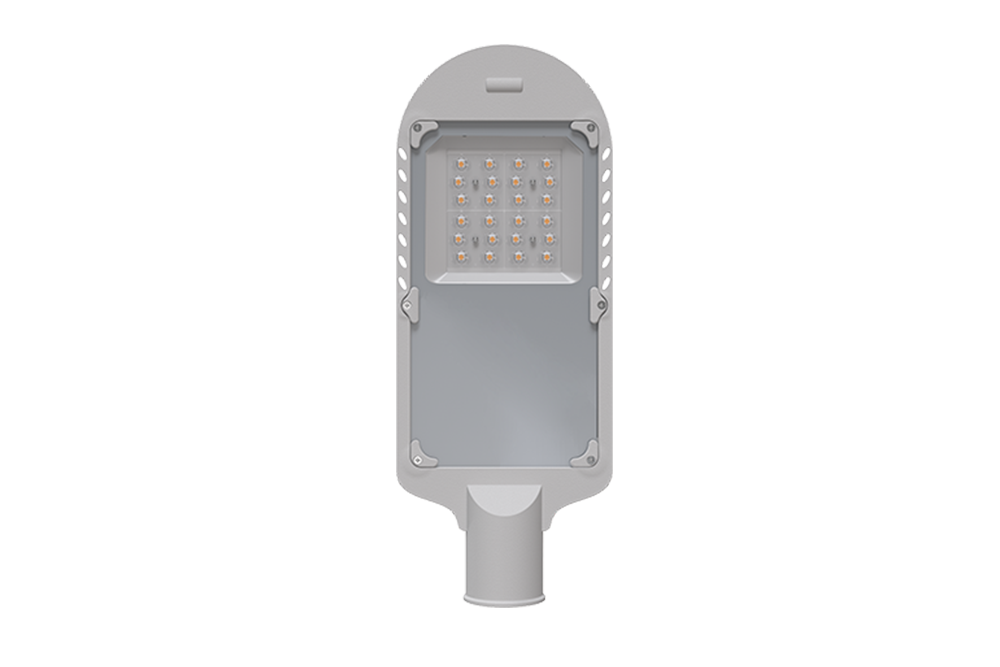
Explosion Proof Industrial Lights for Hazardous Area Safety
0Discover explosion proof industrial lights for hazardous areas. Learn certification standards, industrial applications, LED benefits, and selection guidance from SEEKINGLED.
View detailsSearch the whole station
Short answer first: no, they should not be touched.
Even when LED street lights are described as “low voltage,” that doesn’t mean they are safe to handle casually. And this is where many misunderstandings start.
I’ve seen it on site more than once—someone assumes LED equals low risk. That assumption doesn’t hold up in the field.
Most LED street lights operate with:
The LED module itself may run at low voltage.
But the system does not.
The driver, wiring, and connections are still connected to mains power. That part doesn’t magically disappear just because LEDs are efficient.
No. Not during operation. Not during failure. Not “just for a second.”
Even low-voltage DC circuits can:
And that’s assuming insulation is perfect—which real streets rarely guarantee.
Rain, dust, vibration, aging seals.
All of that changes the risk profile.
The common logic goes like this:
“It’s LED, so it’s low voltage. Low voltage is safe.”
That shortcut skips reality.
Street lights are outdoor infrastructure.
They are not bench-tested electronics.
A loose connector, damaged cable, or failed driver can expose live parts. And at street-light scale, that’s not a small mistake.
Yes—in design and operation, not in casual contact.
But “safer” does not mean “touch-safe.”
This distinction matters, especially for maintenance crews and contractors.
If it’s installed on a pole and connected to power:
Do not touch it unless it is isolated and verified.
That rule never fails.
And it doesn’t depend on voltage labels.
Reputable manufacturers design for electrical safety first:
At SEEKINGLED, LED street lights are engineered assuming real outdoor abuse—not ideal conditions. That mindset reduces risk, but it never replaces correct handling procedures.
Good design lowers danger.
It does not eliminate responsibility.
So—are LED street lights low voltage safe to touch?
No.
They are safer to operate, safer to maintain when done correctly, and safer over time. But they are not meant to be touched live, tested by hand, or treated as harmless hardware.
If someone tells you otherwise, they’re talking theory.
Street lighting lives in reality.
SEEKING STL-Series LED street lights deliver stable performance, 170 lm/W efficiency and 10KV surge protection. Ideal for city streets, parking lots, public roads and outdoor area lighting projects. Durable IP66 & IK08 design for long-term reliabi…
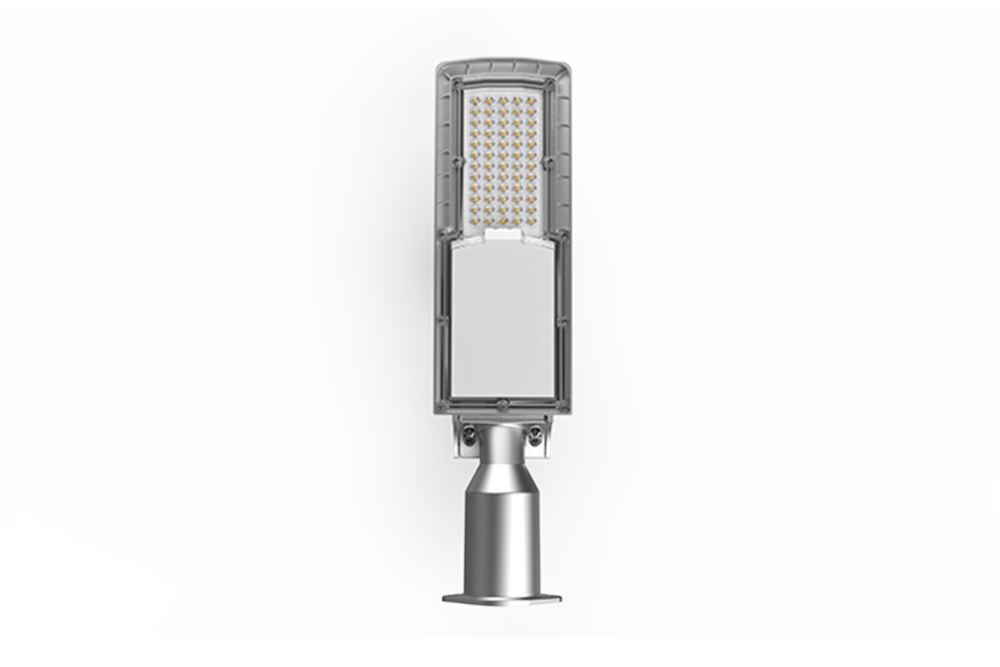
The SEEKING STC Series LED light street light delivers up to 170lm/W efficiency with MOSO drivers, IP66 protection, and a ±15° adjustable arm—ideal for roads, residential areas, and public lighting upgrades.
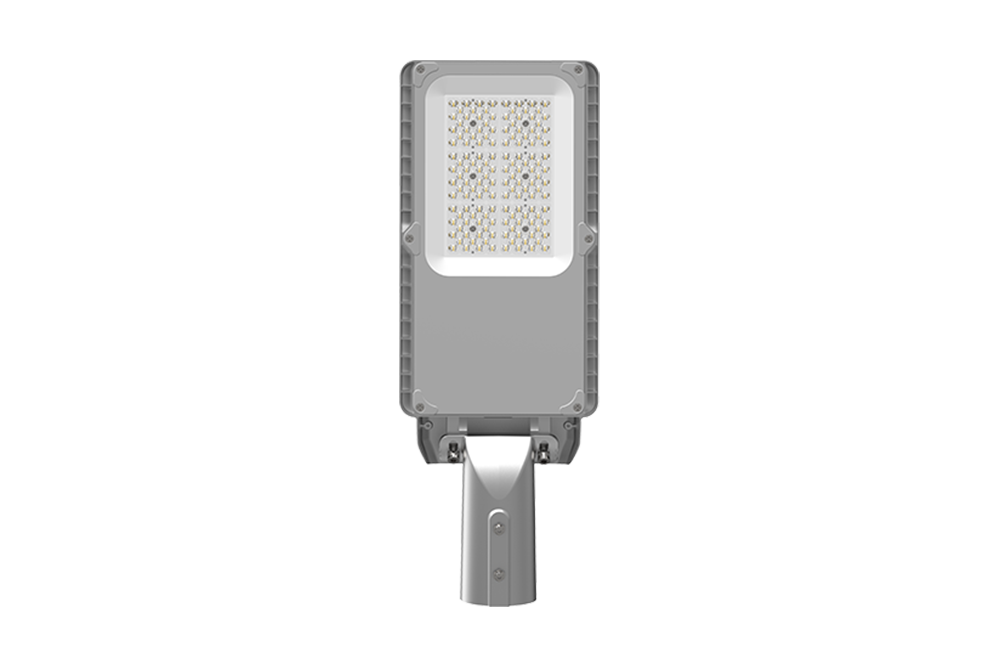
SEEKING STB Series LED street lighting delivers up to 160 lm/W, 10kV surge protection, IP66 waterproofing, and durable IK08 impact resistance. Ideal for streets, parking lots, and large outdoor areas needing long-lasting, energy-saving LED roadway…
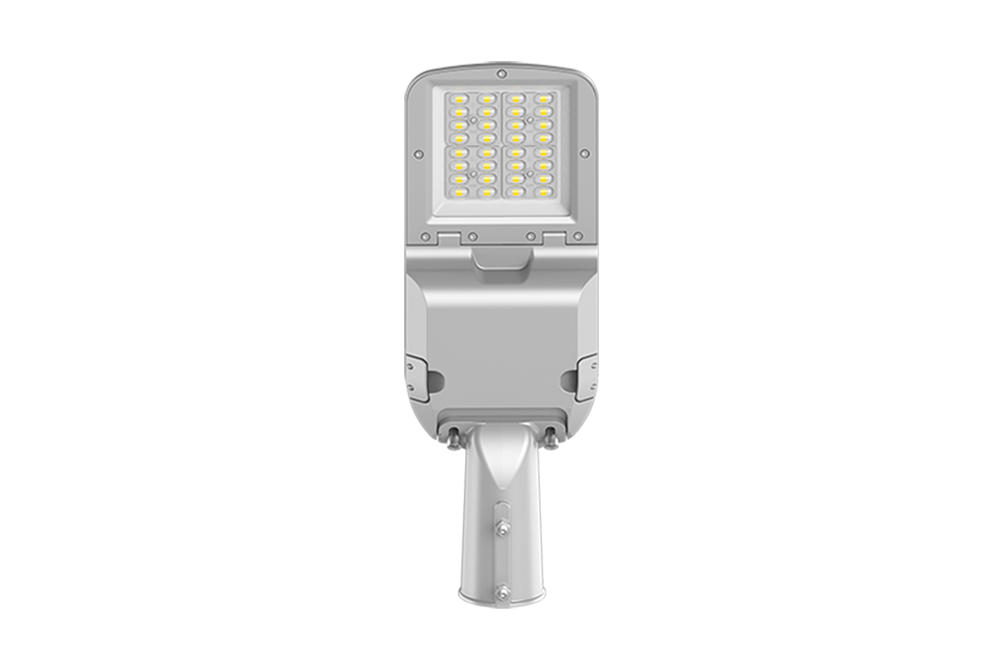
The SEEKING STA Series LED street light delivers strong efficiency, IP66 protection, 10kV surge resistance and multiple beam patterns for roads, parking lots and urban areas. High lumen output, easy installation and reliable performance for long-t…
loading…
This is the last post!
Discover explosion proof industrial lights for hazardous areas. Learn certification standards, industrial applications, LED benefits, and selection guidance from SEEKINGLED.
View details
Are LED street lights brighter than traditional street lighting? Learn how brightness is measured, why LEDs appear brighter, and what matters most in real road projects.
View details
Colored LED flood lights create vibrant outdoor lighting for events, landscapes, and buildings. Learn real-world usage, color control tips, and expert insights with SEEKINGLED.
View details
How long do LED street lights last in real outdoor projects? Learn what affects LED street light lifespan and how SEEKINGLED STB Series is designed for long-term road lighting.
View details