 Seeking LED
how to install outdoor flood lights?
0Outdoor flood lights should be installed with proper electrical isolation, secure mounting, protected wiring, correct beam selection, and nighttime aiming.
View detailsSearch the whole station
atex emergency light provides certified emergency illumination for hazardous areas where explosive gases or dust may exist, helping industrial facilities maintain safe evacuation routes during power failures or emergencies.
In hazardous environments, emergency lighting is not simply a backup lamp.
It is part of the safety planning system.
When a power interruption occurs inside an oil refinery, chemical plant, or processing facility, workers may have only seconds to identify escape routes, emergency equipment, and safe access points.
That is where properly designed atex emergency light systems become essential.
At SEEKINGLED, our experience with industrial LED lighting projects has shown that customers usually focus on normal operation lighting first, but emergency lighting often receives attention only after a safety review or compliance inspection.
In reality, emergency lighting should be considered from the beginning of the project.
The fixture must not only provide enough illumination.
It must also match the hazardous classification, environmental conditions, and certification requirements of the installation area.
An atex emergency light is a hazardous area emergency lighting fixture designed to operate safely in potentially explosive environments.
Unlike standard emergency lights used in offices or commercial buildings, ATEX emergency lighting products are developed for locations where ignition risks exist.
Typical hazardous locations include:
These environments may contain:
A certified emergency lighting system helps provide visibility when normal power supply fails.
In industrial facilities, darkness can quickly become a safety issue.
A sudden power failure may affect:
A reliable emergency lighting system helps workers:
According to the International Energy Agency (IEA), lighting remains a significant part of global electricity consumption, which is why efficient LED technologies are increasingly adopted across industrial applications.
Reference:
International Energy Agency – Lighting
https://www.iea.org/topics/lighting
Modern LED emergency lighting combines safety requirements with energy efficiency.
The main purpose of ATEX certification is to ensure equipment used in explosive atmospheres does not become an ignition source.
Reference:
European Commission – ATEX Directive 2014/34/EU
https://single-market-economy.ec.europa.eu/sectors/mechanical-engineering/equipment-potentially-explosive-atmospheres-atex_en
When selecting an atex emergency light, engineers normally review:
| Certification Factor | Purpose |
|---|---|
| Equipment category | Defines suitable hazardous area use |
| Protection method | Prevents ignition risks |
| Temperature class | Controls maximum surface temperature |
| Gas or dust classification | Matches environment requirements |
| Certification documents | Confirms compliance |
A lighting fixture suitable for a normal industrial warehouse may not be acceptable for a hazardous area.
Before selecting emergency lighting, the hazardous area classification must be confirmed.
IEC 60079-10-1 defines hazardous locations based on the likelihood of explosive atmospheres.
Reference:
International Electrotechnical Commission – IEC 60079 Standards
https://www.iec.ch/standards
Common gas zone classifications include:
| Zone | Description |
|---|---|
| Zone 0 | Explosive atmosphere exists continuously or for long periods |
| Zone 1 | Explosive atmosphere may occur during normal operation |
| Zone 2 | Explosive atmosphere is unlikely but may appear temporarily |
Emergency lighting requirements depend on the actual installation area.
A refinery control room and a fuel loading platform may both require emergency illumination, but their protection requirements can be different.
A reliable hazardous emergency light requires more than an LED module.
Important design elements include:
Industrial environments can expose lighting equipment to:
The fixture must continue operating when conditions become difficult.
Emergency lighting depends heavily on backup power reliability.
Important considerations include:
A properly designed emergency light should automatically activate when normal power fails.
Typical emergency lighting systems include:
The correct choice depends on project requirements.
LED technology has become popular in industrial emergency lighting because it provides:
For hazardous facilities where replacing equipment may require special procedures, long service life is valuable.
Oil and gas facilities often require emergency lighting around:
During emergencies, workers need clear visibility for:
Chemical facilities may contain flammable materials and require certified emergency lighting around:
The lighting system must support both normal operations and emergency situations.
Some manufacturing facilities require hazardous emergency lighting because of:
Examples include:
From real industrial project discussions, emergency lighting selection usually depends on several factors.
Review:
Consider:
Review:
Confirm:
An emergency lighting fixture may remain unused for long periods.
However, when an emergency occurs, it must operate immediately.
This makes manufacturing quality extremely important.
SEEKINGLED focuses on:
| Production Step | Quality Focus |
|---|---|
| Component inspection | Reliable materials |
| Assembly control | Product consistency |
| Electrical testing | Stable operation |
| Battery testing | Backup reliability |
| Final inspection | Shipment quality |
A product that works only under normal conditions is not enough.
Emergency equipment must perform when it is needed most.
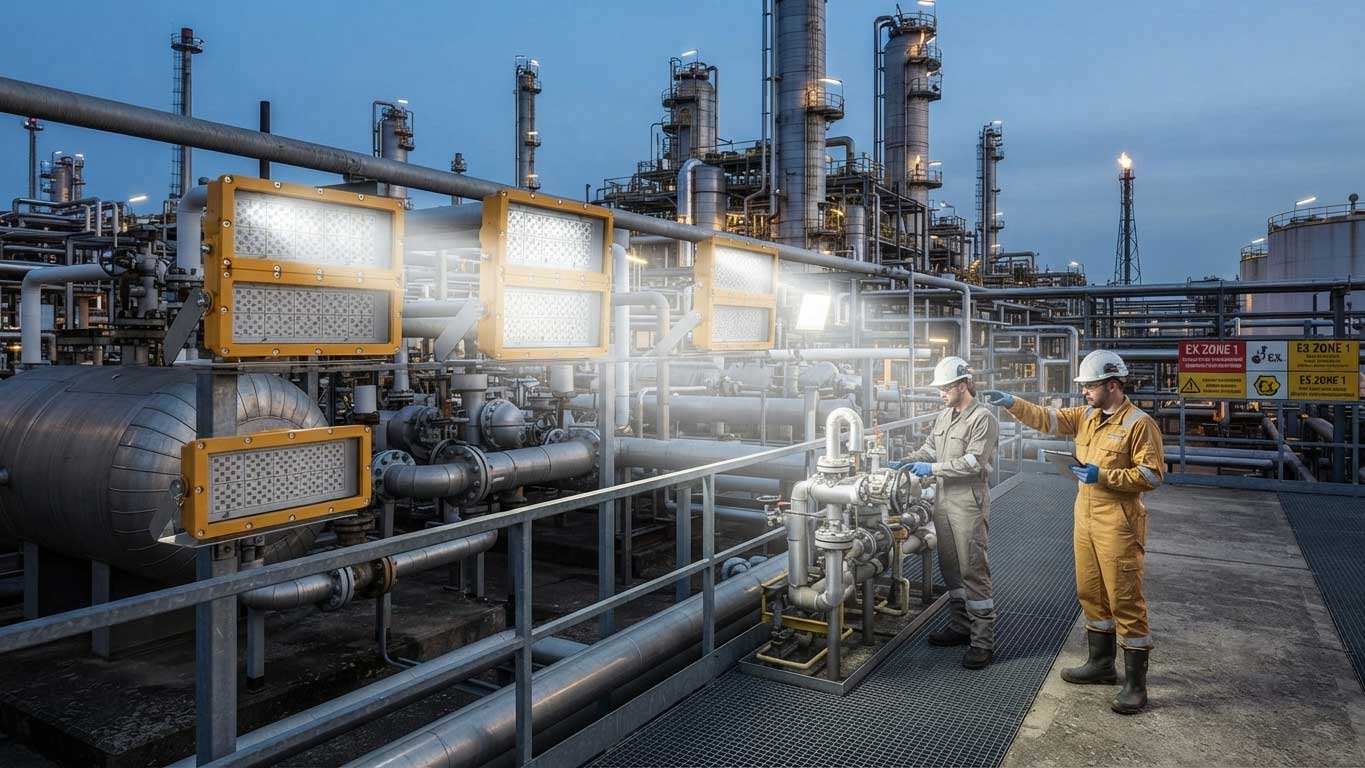
At SEEKINGLED, we understand that emergency lighting in hazardous areas requires both technical compliance and practical industrial experience.
A successful project depends on:
An emergency light should not be treated as an accessory.
In hazardous industries, it is part of the safety system.
An atex emergency light is a safety device that may remain inactive for long periods but must respond immediately during a power failure.
Because of this unique role, manufacturers need to verify both normal operation and emergency performance.
Typical testing procedures include:
| Testing Process | Purpose |
|---|---|
| Electrical performance testing | Confirm stable power operation |
| Battery charging test | Verify backup energy storage |
| Emergency activation test | Ensure automatic switching works |
| Temperature testing | Confirm safe operation range |
| Protection testing | Verify enclosure performance |
| Aging test | Evaluate long-term reliability |
A lighting fixture used in a hazardous facility cannot simply be tested as an ordinary LED product.
The emergency function must remain dependable after months or years of installation.
The emergency function is the most important feature of an emergency light.
During normal operation:
During a power interruption:
Engineers usually evaluate:
In hazardous environments, maintenance work may require additional planning.
A reliable battery system helps reduce unexpected failures.
Even a certified emergency light requires correct installation.
Before installation, engineers should review:
Confirm:
Evaluate:
Consider:
A fixture installed in a coastal refinery may require different protection compared with one installed inside a controlled manufacturing area.
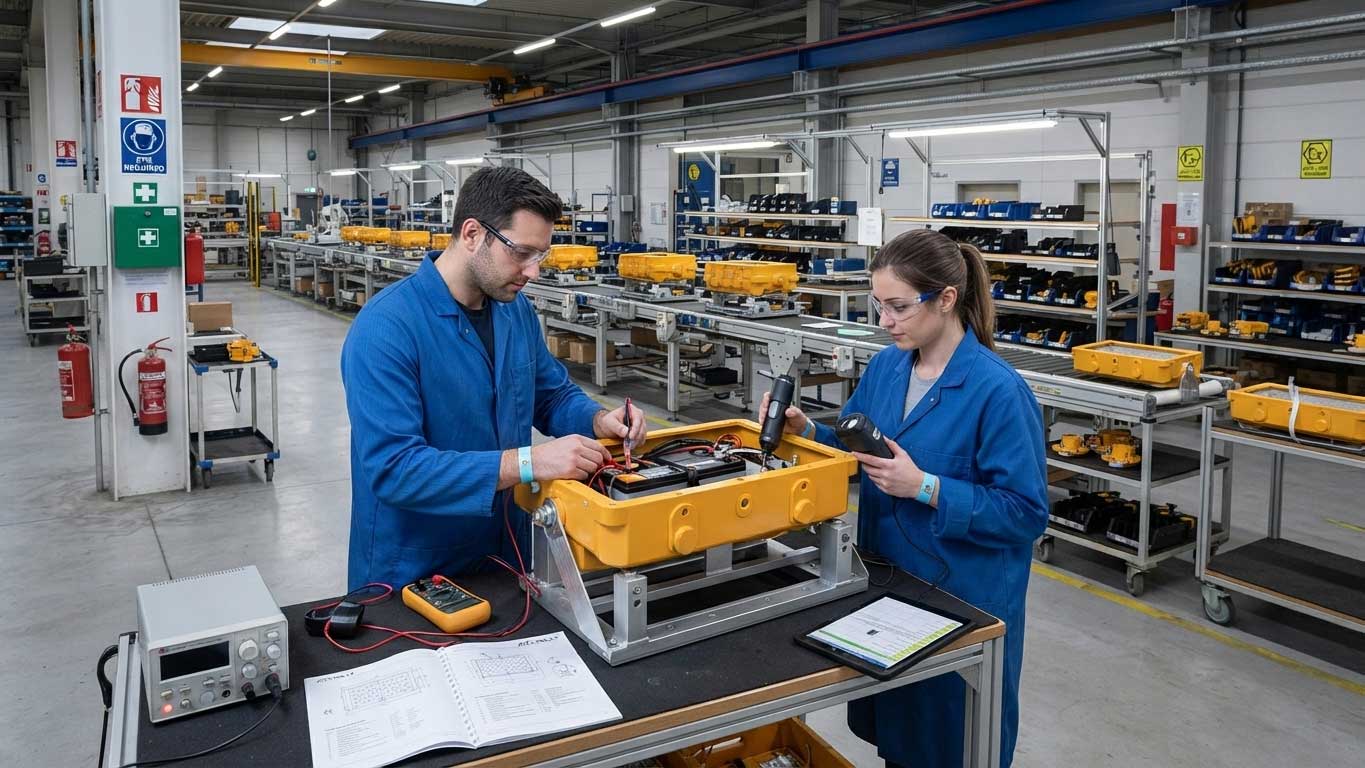
Emergency lighting systems are commonly divided into two operating types.
| Type | Operation |
|---|---|
| Maintained emergency light | Operates as normal lighting and emergency lighting |
| Non-maintained emergency light | Activates only when normal power fails |
The correct choice depends on:
For example:
Project engineers normally determine the most suitable configuration.
ATEX certification addresses explosive atmosphere protection, but industrial environments create additional challenges.
A complete lighting specification may include:
Protects against:
Common industrial requirements:
Protects against:
Important for:
The best emergency lighting solution considers the entire operating environment.
Industrial customers should look beyond product appearance and price.
Important evaluation points include:
| Factor | Why It Matters |
|---|---|
| Certification experience | Supports compliance approval |
| Manufacturing capability | Ensures consistent quality |
| Testing process | Improves reliability confidence |
| Technical support | Helps project decisions |
| Application experience | Reduces selection mistakes |
A supplier with hazardous lighting experience can better understand the challenges faced by industrial operators.
Emergency lighting is often installed in large industrial facilities with many fixtures.
Over years of operation, important costs include:
LED technology helps reduce these costs through:
According to the U.S. Department of Energy, LED lighting products are highly efficient and have significantly longer lifetimes than traditional lighting technologies.
Reference:
U.S. Department of Energy – LED Lighting
https://www.energy.gov/energysaver/led-lighting
For hazardous industries, reduced maintenance can also improve operational safety.
In hazardous environments, emergency lighting decisions often involve more than technical specifications.
During discussions with industrial project teams, one common issue appears repeatedly:
A fixture may meet basic requirements, but the installation environment creates additional challenges.
For example:
A lighting system near chemical storage equipment may need stronger corrosion resistance.
A fixture installed on an outdoor platform may need better weather protection.
A high-temperature process area may require a different temperature classification.
The correct product is determined by understanding the actual workplace.
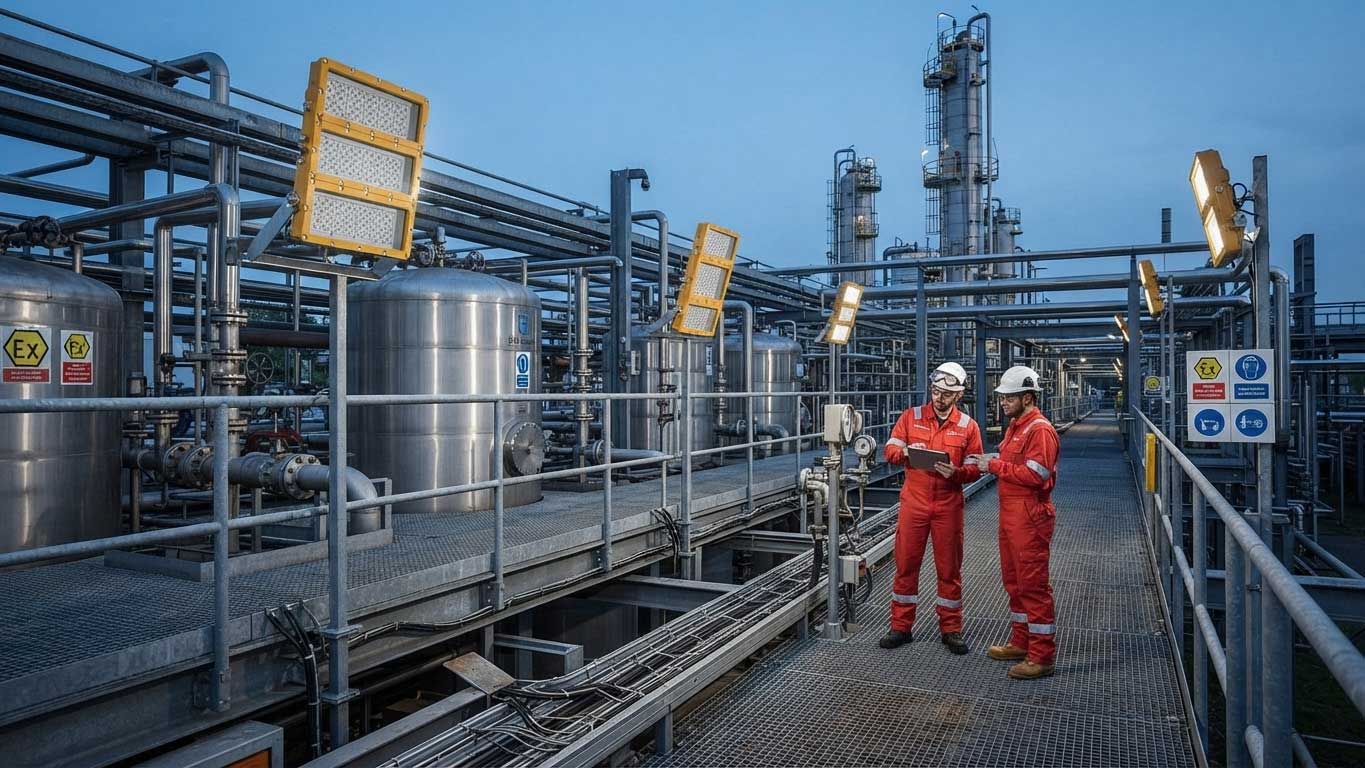
An atex emergency light is a certified emergency lighting fixture designed for hazardous locations where explosive gases, vapors, or dust may exist.
They are commonly installed in:
Standard emergency lights are not designed to prevent ignition risks in explosive atmospheres. Hazardous areas require specially certified equipment.
The emergency operating time depends on product design, battery capacity, and project requirements. Many systems are designed according to applicable emergency lighting standards.
The required certification depends on the region and application, but ATEX certification is commonly required for European hazardous area applications.
Important factors include:
Maintenance frequency depends on facility requirements, operating conditions, and applicable safety procedures. Regular inspection helps ensure emergency operation when required.
Selecting the correct atex emergency light requires understanding the complete industrial environment, not only the lighting specification.
A dependable hazardous emergency lighting system should provide:
In oil, gas, chemical, and industrial facilities, emergency lighting plays a critical role during unexpected situations.Visit the product page:Explosion Proof Lighting
SEEKINGLED focuses on developing hazardous area LED lighting solutions that support safer industrial operations and dependable emergency illumination.
The right emergency light is not simply a backup device.
It is a safety investment designed to perform when normal systems fail.
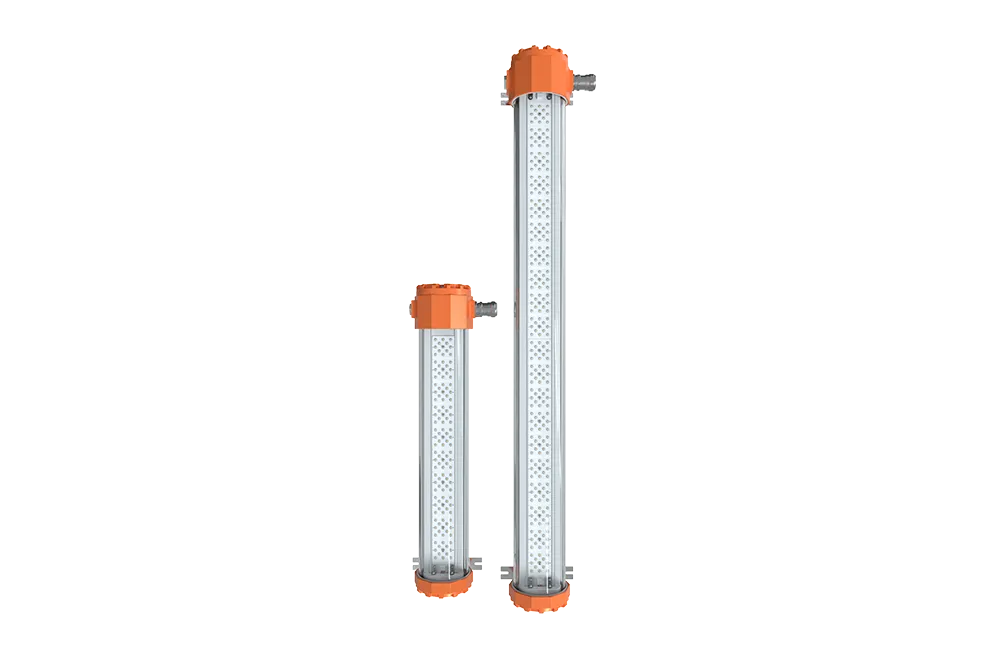
SEEKINGLED LED Linear Explosion Proof Light and Explosion Proof lighting is ATEX and IECEx certified for Zone 1, Zone 2, Zone 21 and Zone 22 hazardous locations, built for long-term industrial use.
View details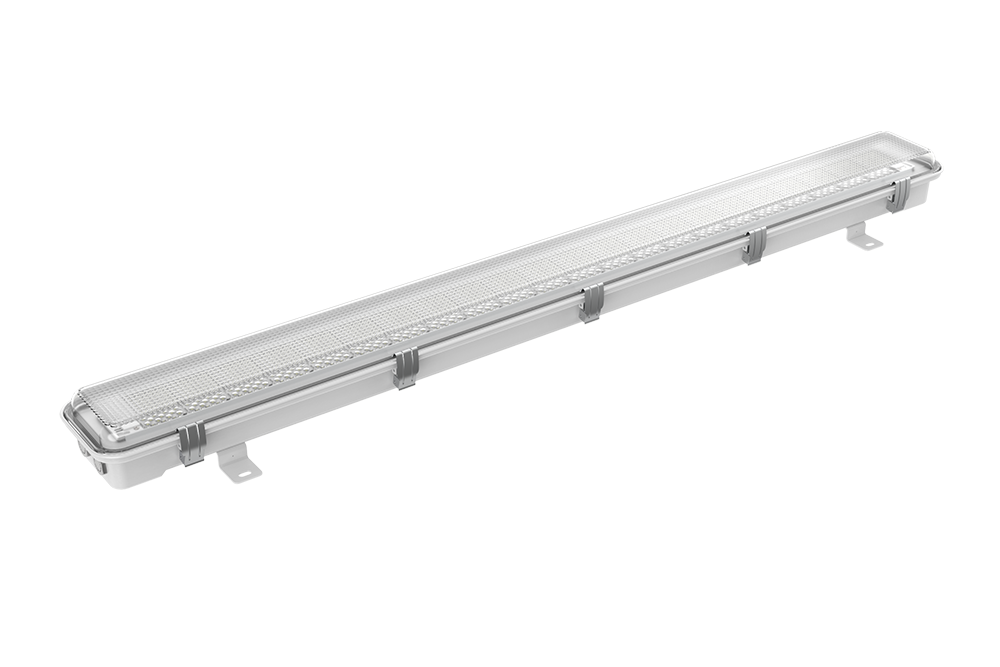
LED Linear Explosion Proof Lights and EX Proof lights for Zone 1, Zone 2, Zone 21 and Zone 22 hazardous areas. ATEX & IECEx certified explosion proof LED linear lighting with emergency function, adjustable power and IP67 protection by SEEKINGLED.
View details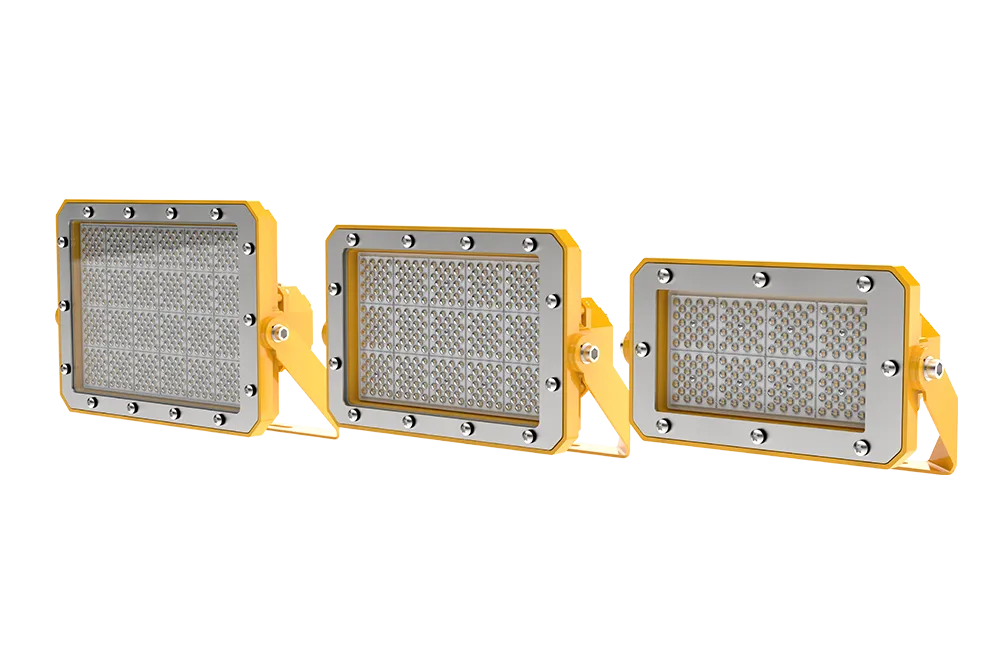
SEEKINGLED LED Explosion Proof Flood Lights are ATEX certified for Zone 2 and Zone 22 hazardous areas, offering high efficiency, adjustable power and integrated junction box.
View details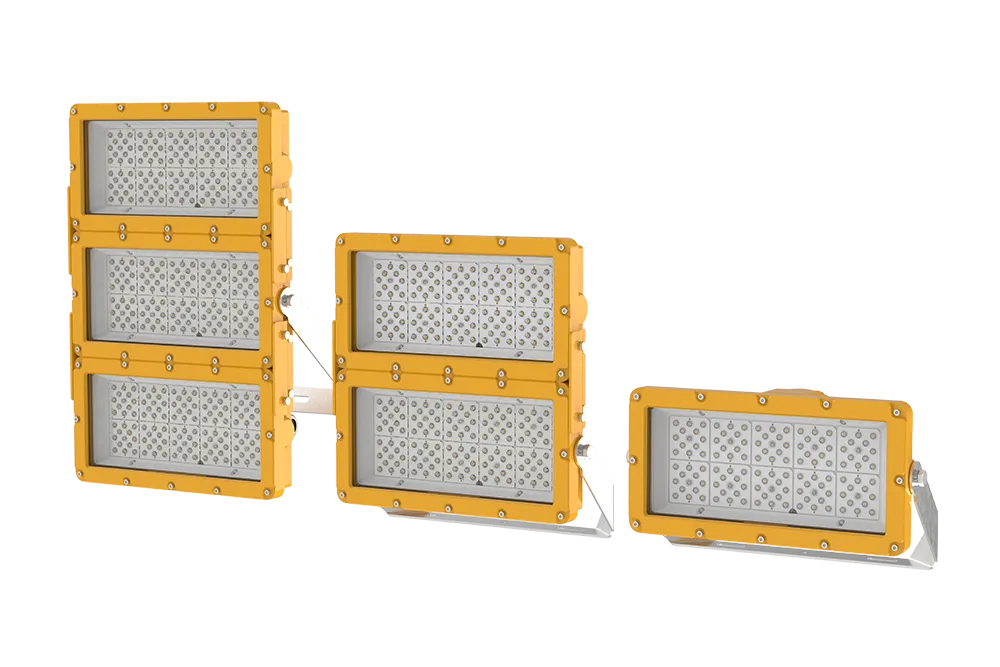
SEEKINGLED LED Explosion Proof Flood Lights are flameproof ATEX and IECEx certified for Zone 1 and Zone 2 hazardous areas, offering high power, adjustable output and long service life.
View details
SEEKINGLED LED Gas Station Canopy Lights are ATEX certified for Zone 2 and Zone 22 hazardous areas, featuring adjustable power and built-in explosion-proof junction box.
View details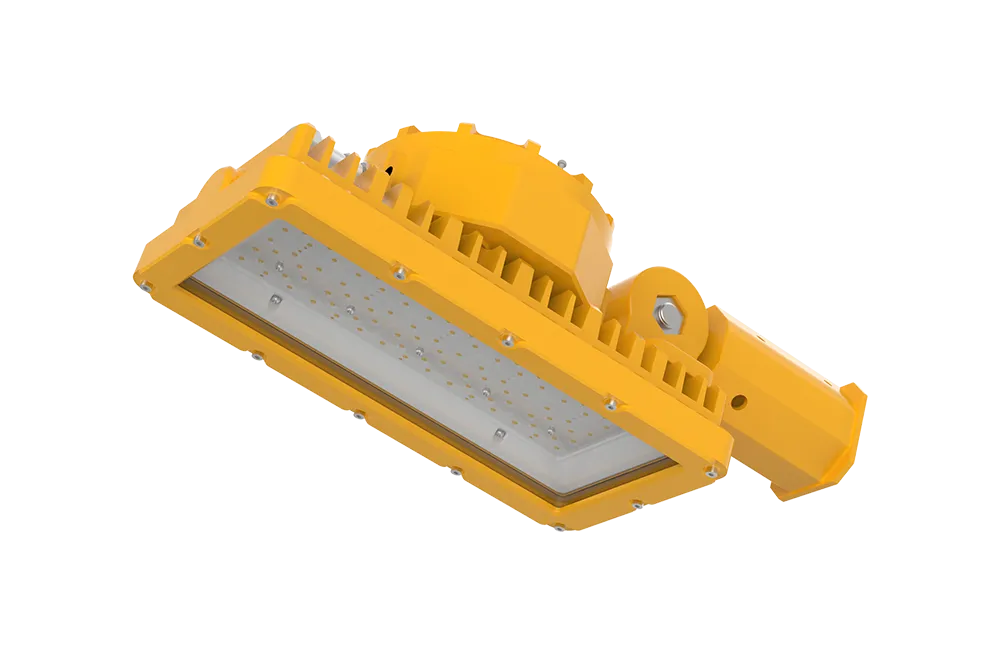
ATEX: Ex II 2G Ex db IIB T6/T5 GbEx II 2D Ex tb IIIC T80°C/ T95°C Db IECEx Ex db IIB T6 Gb;Ex tb IIIC T80°C Db Feature: ● For Zone 1,2 and Zone 21,22● Flameproof type, the strongest● 100W can replace 250W HID,energy saving● Power:60W,80W,100W Application: Oil and gas, marine, Chemical, pharmaceutical, semiconductor,mining,military industr…
View details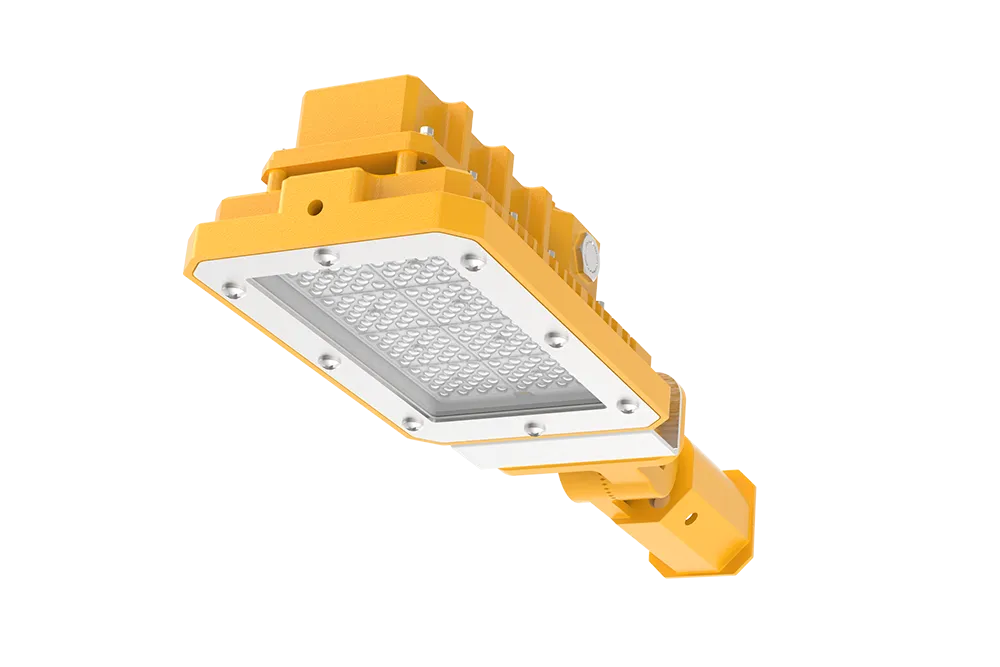
ATEX: II 3G Ex nR ⅡC T5/T6 GcII 3D Ex tc ⅢC T80℃/T95℃Dc ATEX Certificate NO: TÜV CY 26 ATEX 0207611 X Feature: ● For Zone 2 and Zone 22● 150W can replace 250W HID lamps,Energy saving● Power:50W,75W,100W,150W,200W Application: Oil and gas, marine, Chemical, pharmaceutical, semiconductor,mining,military industry, paint booth,power plant ETC…
View details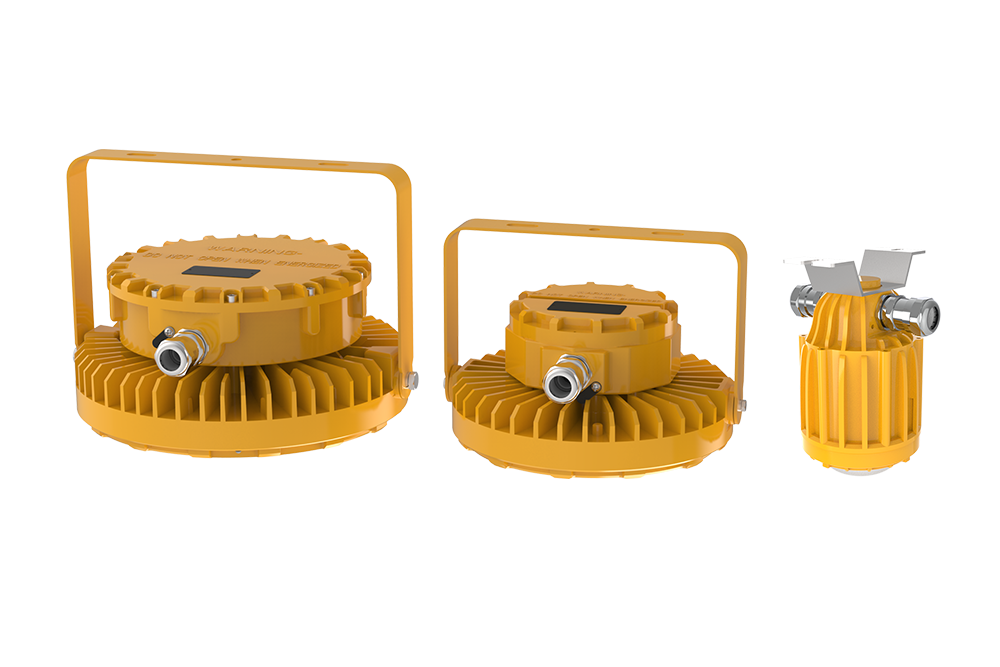
LED explosion proof high bay lights are designed for Zone 1, Zone 2, Zone 21 and Zone 22 hazardous areas. This page introduces the HB21 Series from SEEKING, including certifications, power options and real application considerations.
View details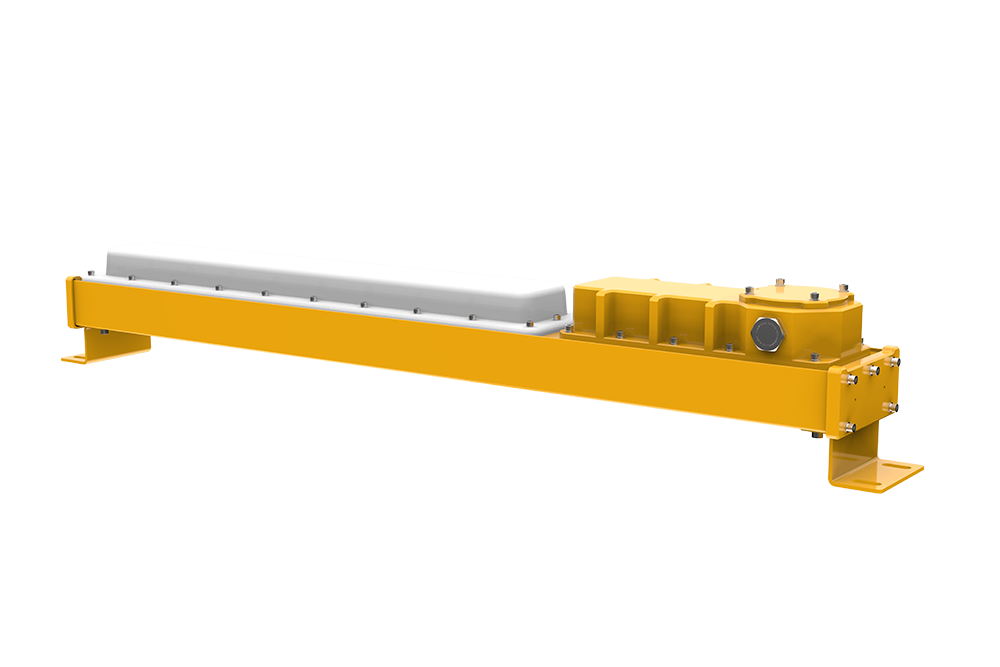
LED Linear Explosion Proof Lights from SEEKINGLED. LU Series Flame Proof lights ATEX-certified explosion proof LED linear lighting for Zone 2 gas and Zone 22 dust areas, IP69K, IK10, long lifetime and flexible power options.
View details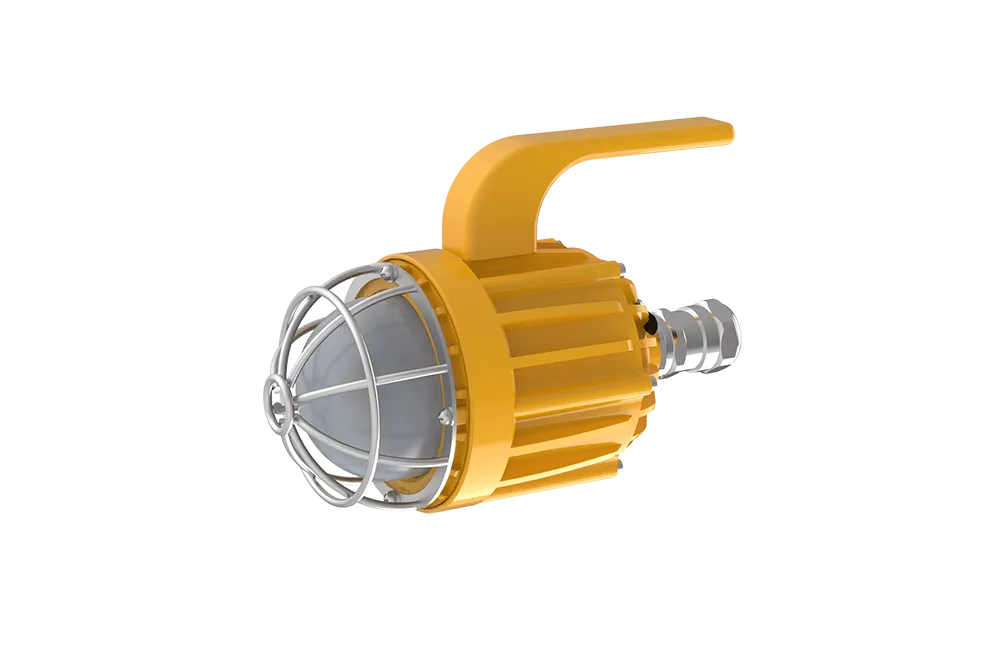
Certified explosion proof work lights for Zone 1 & 21 hazardous areas. Portable, ATEX & IECEx approved, built for oil, gas and chemical plants by SEEKINGLED.
View details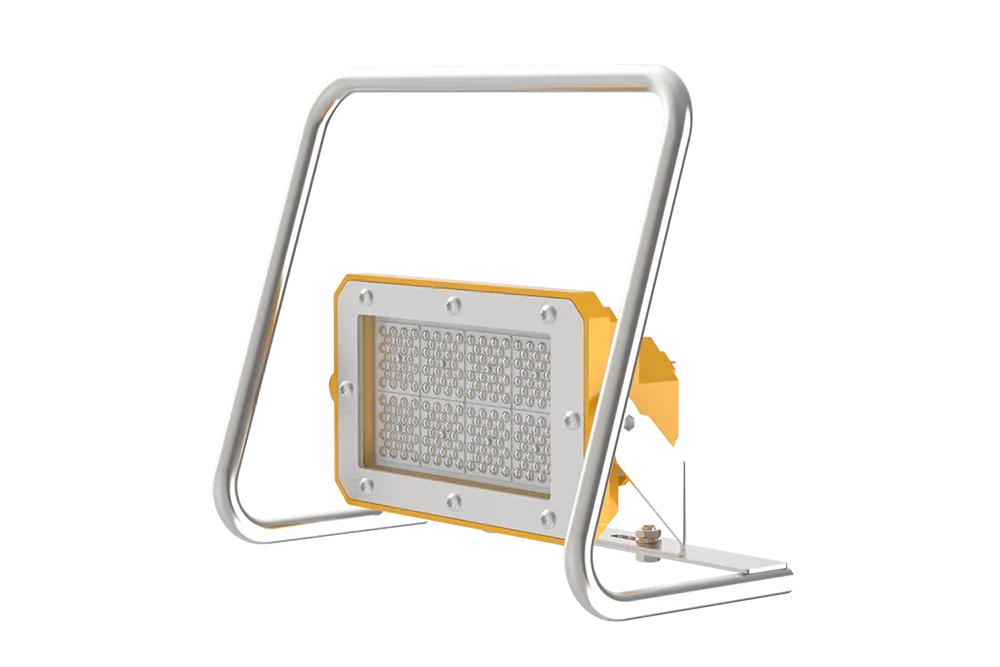
ATEX: II 3G Ex nR ⅡC T6 GcII 3D Ex tc ⅢC T80℃ Dc ATEX Certificate NO: TÜV CY 26 ATEX 0207611 X Feature: ● For Zone 2 and Zone 22● Accepts battery-powered supply● indestructible● Power:AC input:50W,75W,100WDC input:15W,25W,35W Application: Oil and gas, marine, Chemical, pharmaceutical, semiconductor,mining,military industry, paint booth,po…
View details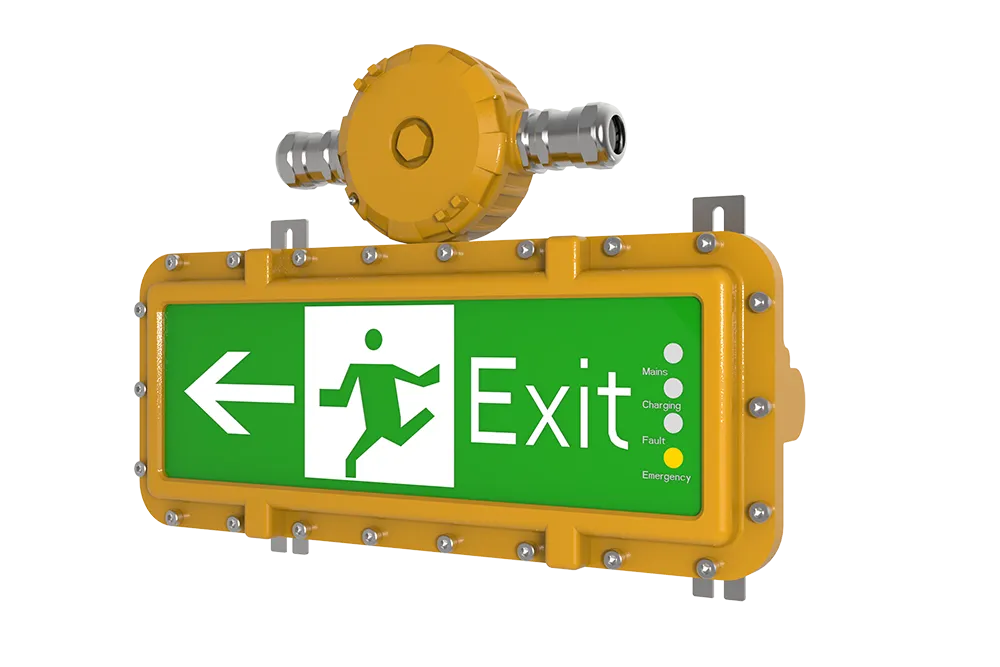
ATEX: Ex II 2G Ex db IIB T6 GbEx II 2D Ex tb IIIC T80°C Db IECEx Ex db IIB T6 Gb;Ex tb IIIC T80°C Db Feature: ● For Zone 1,2 and Zone 21,22● Flameproof type, the strongest Application: Oil and gas, marine, Chemical, pharmaceutical, semiconductor,mining,military industry, paint booth,power plant ETC hazardous area. Technical Specifications:…
View details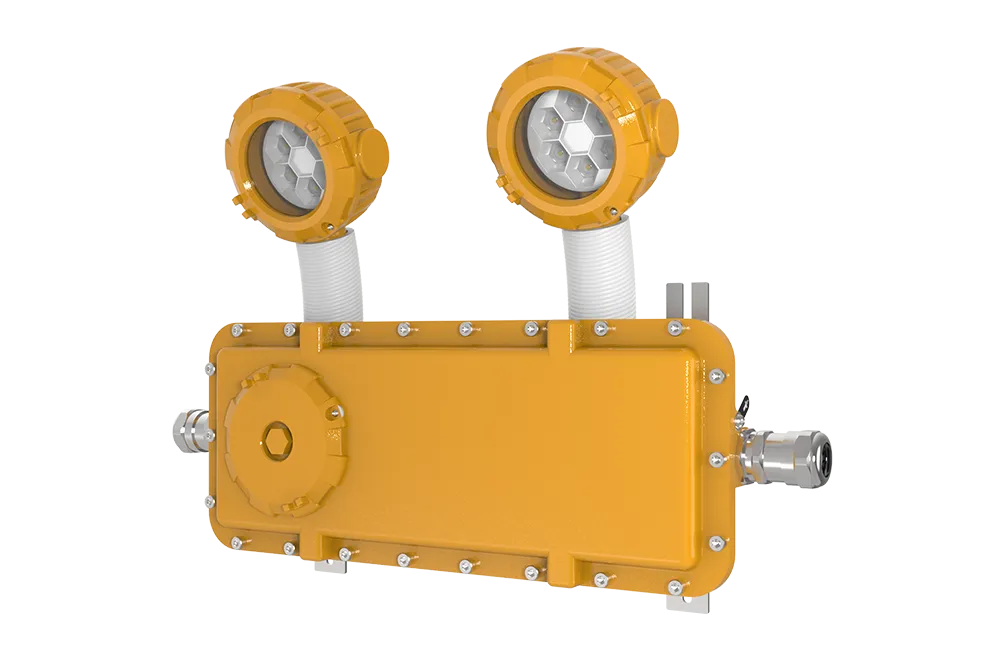
ATEX: Ex II 2G Ex db IIB T6 GbEx II 2D Ex tb IIIC T80°C Db IECEx Ex db IIB T6 Gb;Ex tb IIIC T80°C Db Feature: ● For Zone 1,2 and Zone 21,22● Flameproof type, the strongest Application: Oil and gas, marine, Chemical, pharmaceutical, semiconductor,mining,military industry, paint booth,power plant ETC hazardous area. Technical Specifications:…
View details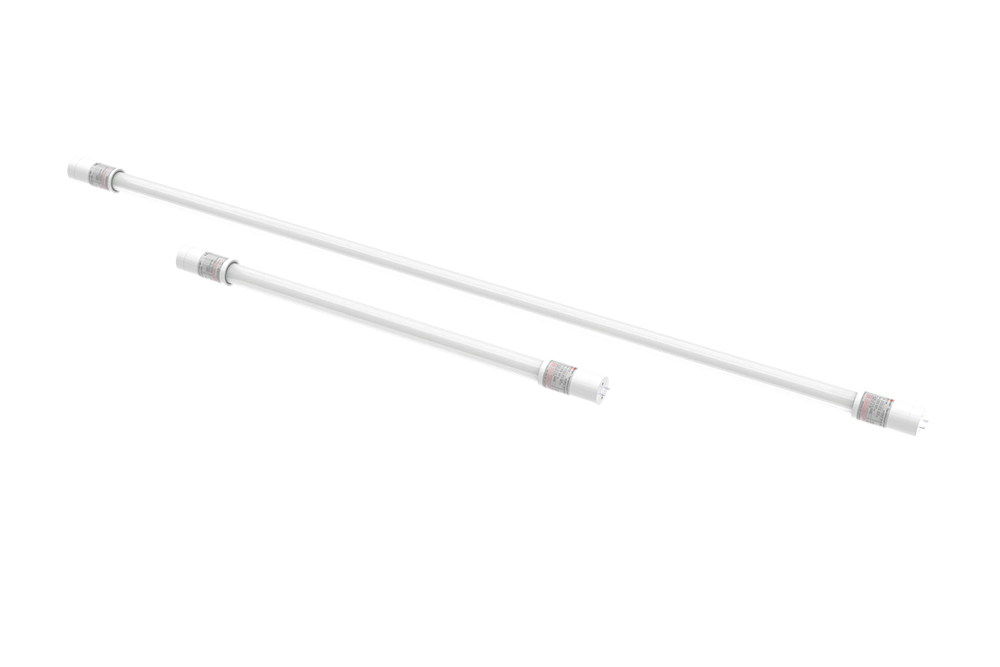
ATEX: Ex II 2G Ex d e IIB T6 Gb ATEX: Ex d e IIB T6 Gb; Feature: ● For Zone 1,2● 9W can replace 18W fluorescent lamps,50% Energy saving Application: Oil and gas, marine, Chemical, pharmaceutical, semiconductor,mining,military industry, paint booth,power plant ETC hazardous area. Technical Specifications: Standards:60079-0, 60079-1, 60079…
View details
Outdoor flood lights should be installed with proper electrical isolation, secure mounting, protected wiring, correct beam selection, and nighttime aiming.
View details
What are LED street lights and why cities are switching to them. A practical explanation based on real street lighting use, not theory.
View details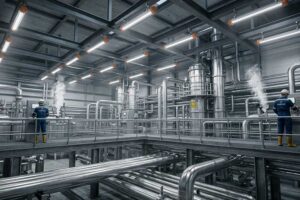
What Is HLL Linear LED Lighting Hazardous Area? Learn how certified explosion-proof linear LED fixtures improve industrial safety, reliability, and compliance with SEEKINGLED's expert guide.
View details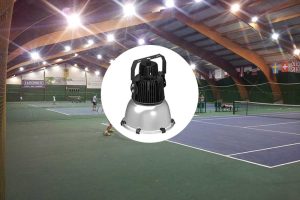
Tennis Court High Bay Lighting requires uniform illumination, not only target lux levels. This case records how SEEKINGLED adjusted XJ-HBS beam angles in an Italian tennis court project to improve lighting distribution.
View details