 Seeking LED
How to Install LED Security Flood Light?
220How to install LED security flood light correctly for outdoor areas. Learn mounting height, wiring steps, sensor setup, and common installation mistakes.
View detailsSearch the whole station
what are atex zones? ATEX zones classify hazardous areas where explosive gases, vapors, mists, or dust may exist and define the required protection level for electrical equipment used in these environments.
In industrial projects, ATEX zoning is not simply a label on a drawing. It determines which lighting fixtures, junction boxes, sensors, and electrical equipment can safely operate in areas where ignition risks exist.
During hazardous area lighting projects at SEEKINGLED, I have reviewed installation requirements for oil terminals, chemical plants, and manufacturing facilities. The biggest mistake I see is selecting equipment before understanding the actual ATEX zone classification.
ATEX zones are hazardous area classifications defined under European explosion protection regulations.
The purpose is to identify locations where explosive atmospheres may occur and ensure equipment is designed with suitable protection.
The ATEX framework comes from two main European directives:
According to the European Commission, ATEX requirements apply to equipment used in workplaces where explosive atmospheres may occur.
Source:
European Commission – ATEX Directive
https://single-market-economy.ec.europa.eu/sectors/mechanical-engineering/atex_en
For gases, vapors, and mists, hazardous locations are divided into three main zones.
| ATEX Zone | Definition | Typical Location |
|---|---|---|
| Zone 0 | Explosive atmosphere exists continuously or for long periods | Inside storage tanks, process vessels |
| Zone 1 | Explosive atmosphere is likely during normal operation | Pump areas, filling stations |
| Zone 2 | Explosive atmosphere is not likely but may occur temporarily | Surrounding areas near equipment |
The difference between zones is mainly based on the frequency and duration of explosive atmosphere presence.
A Zone 0 location requires the highest protection level because the explosive atmosphere is expected continuously or for extended periods.
Dust environments use a different classification system.
| ATEX Dust Zone | Description | Example Applications |
|---|---|---|
| Zone 20 | Explosive dust atmosphere exists continuously | Inside dust collectors |
| Zone 21 | Explosive dust atmosphere may occur during normal operation | Flour mills, grain processing |
| Zone 22 | Explosive dust atmosphere occurs rarely | Packaging areas |
Dust explosions are a serious industrial safety concern. The U.S. Occupational Safety and Health Administration (OSHA) identifies combustible dust as a significant workplace hazard in industries such as food processing, chemical manufacturing, and metal processing.
Source:
OSHA – Combustible Dust Safety
https://www.osha.gov/combustible-dust
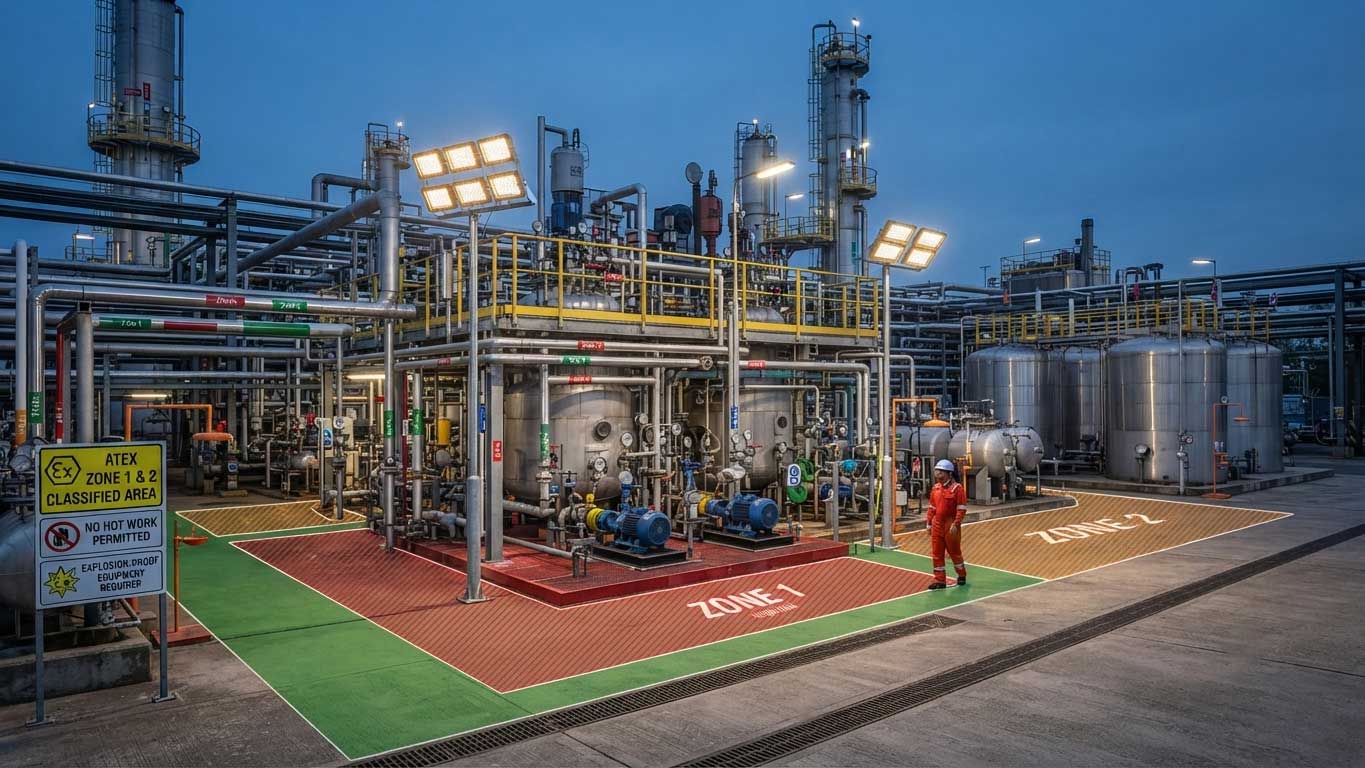
The ATEX zone directly determines what type of lighting equipment can be installed.
For example:
| Zone | Typical Lighting Requirement |
|---|---|
| Zone 0 | Equipment with very high protection level |
| Zone 1 | Explosion-proof lighting certified for frequent explosive atmosphere risk |
| Zone 2 | Equipment suitable for occasional explosive atmosphere exposure |
Before choosing hazardous area lighting, engineers usually confirm:
A fixture suitable for Zone 2 cannot automatically be installed in Zone 1.
ATEX-certified equipment includes markings showing its approved application.
A typical marking may include:
II 2G Ex db IIC T6 Gb
Meaning:
Understanding these markings helps engineers avoid incorrect product selection.
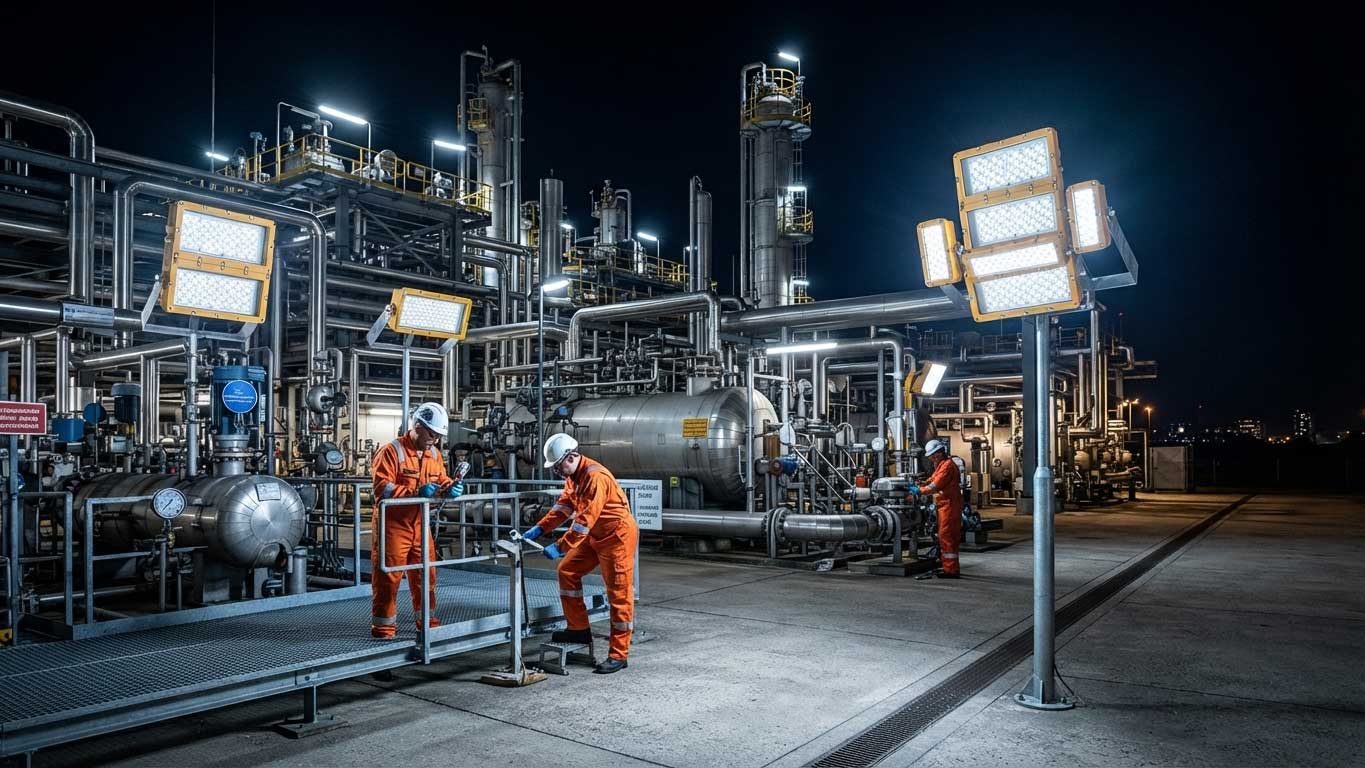
Based on practical industrial projects, several mistakes appear frequently:
ATEX classification should always be completed before equipment selection.
There are six main ATEX zones: Zone 0, Zone 1, Zone 2 for gases, and Zone 20, Zone 21, Zone 22 for combustible dust.
Zone 1 means an explosive atmosphere is likely during normal operation, while Zone 2 means it is only expected occasionally.
Yes. Lighting installed in ATEX classified areas must meet appropriate explosion protection requirements.
No. Zone 1 generally requires a higher protection category than Zone 2 equipment provides.
The hazardous area classification is normally determined by qualified engineers based on process conditions, materials, and risk assessment.
what are atex zones is a critical question for anyone working with hazardous area equipment. ATEX zones define where explosive atmospheres may exist and determine the correct protection level for lighting and electrical products.
At SEEKINGLED, we focus on helping industrial customers select suitable explosion-proof lighting solutions based on real application conditions, certification requirements, and hazardous area classifications.
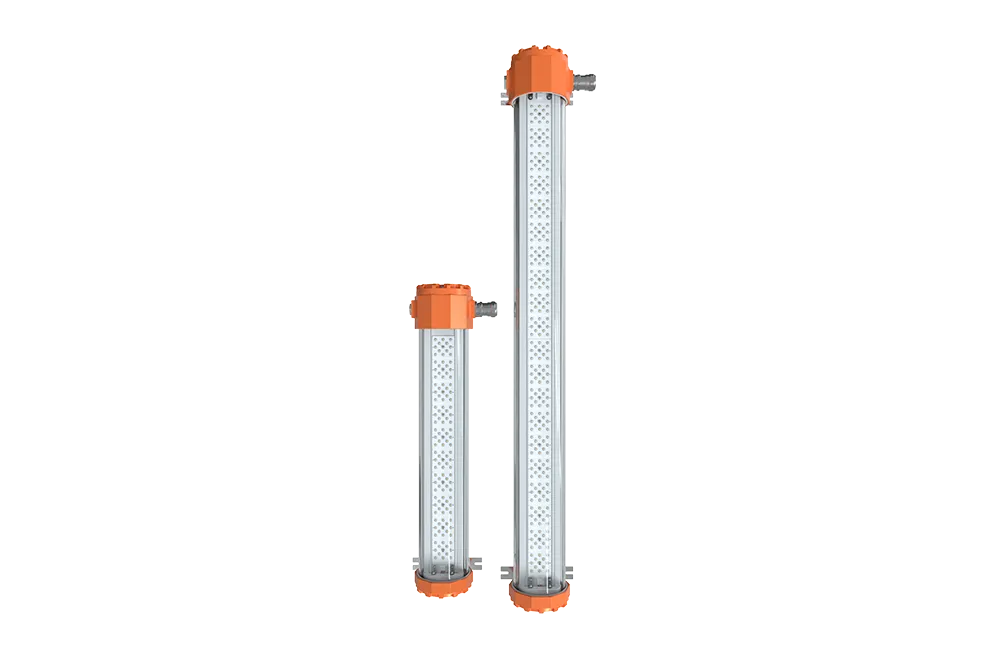
SEEKINGLED LED Linear Explosion Proof Light and Explosion Proof lighting is ATEX and IECEx certified for Zone 1, Zone 2, Zone 21 and Zone 22 hazardous locations, built for long-term industrial use.
View details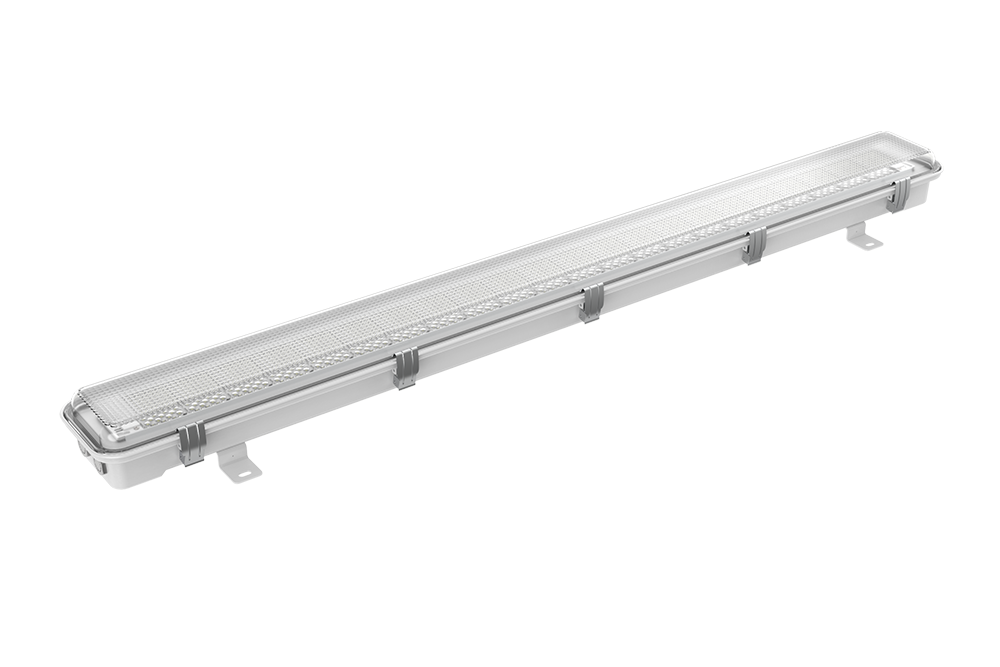
LED Linear Explosion Proof Lights and EX Proof lights for Zone 1, Zone 2, Zone 21 and Zone 22 hazardous areas. ATEX & IECEx certified explosion proof LED linear lighting with emergency function, adjustable power and IP67 protection by SEEKINGLED.
View details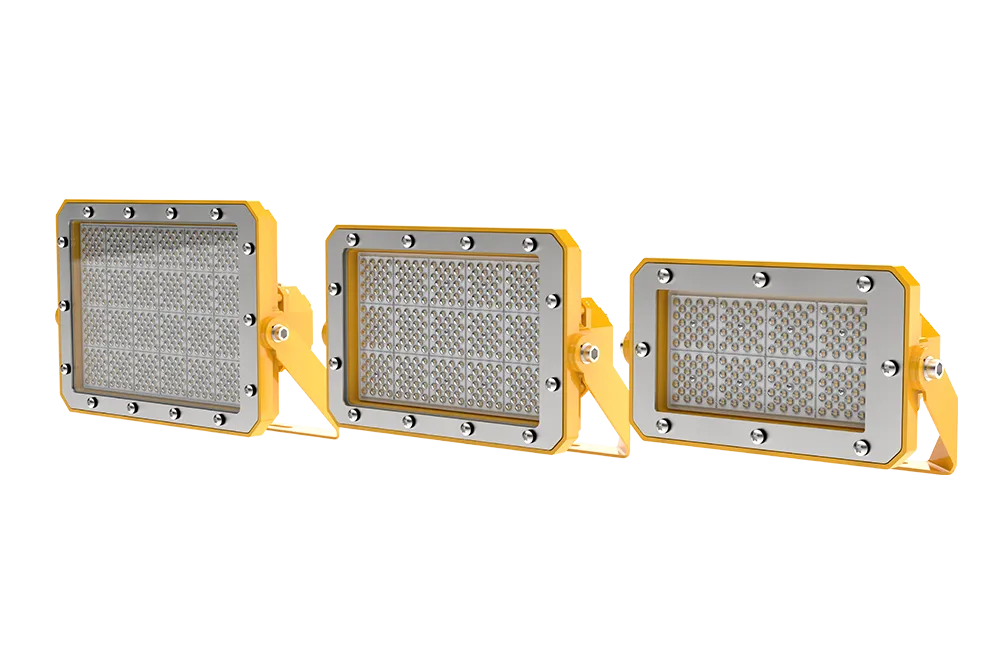
SEEKINGLED LED Explosion Proof Flood Lights are ATEX certified for Zone 2 and Zone 22 hazardous areas, offering high efficiency, adjustable power and integrated junction box.
View details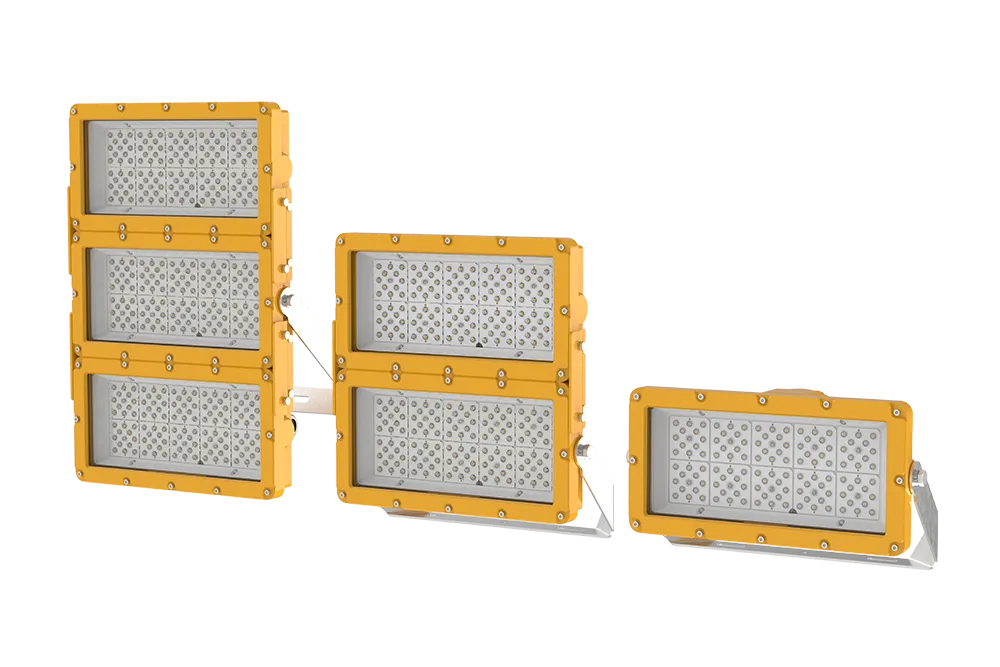
SEEKINGLED LED Explosion Proof Flood Lights are flameproof ATEX and IECEx certified for Zone 1 and Zone 2 hazardous areas, offering high power, adjustable output and long service life.
View details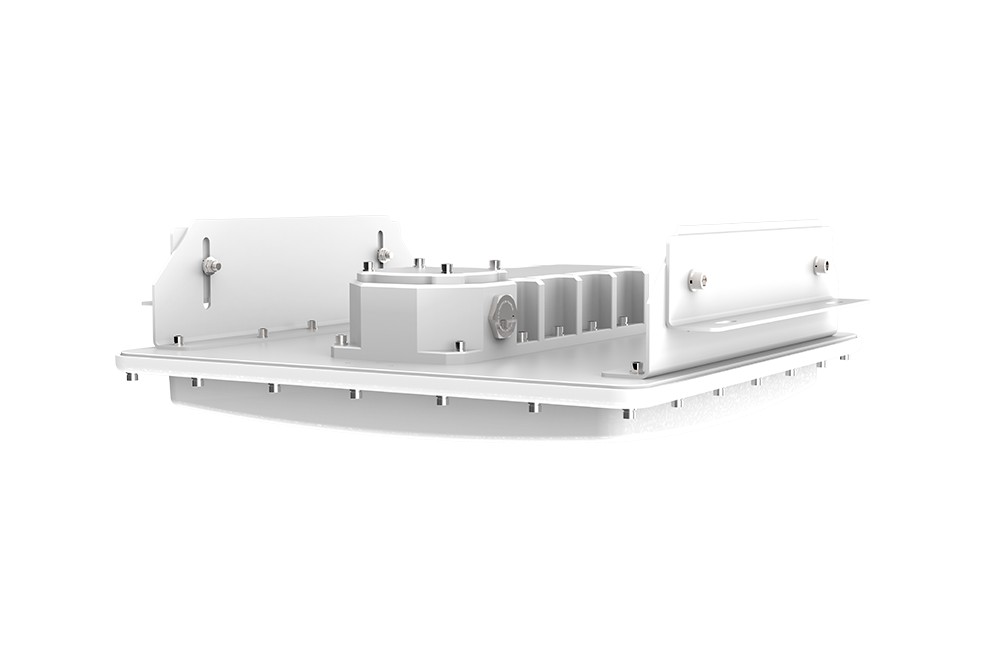
SEEKINGLED LED Gas Station Canopy Lights are ATEX certified for Zone 2 and Zone 22 hazardous areas, featuring adjustable power and built-in explosion-proof junction box.
View details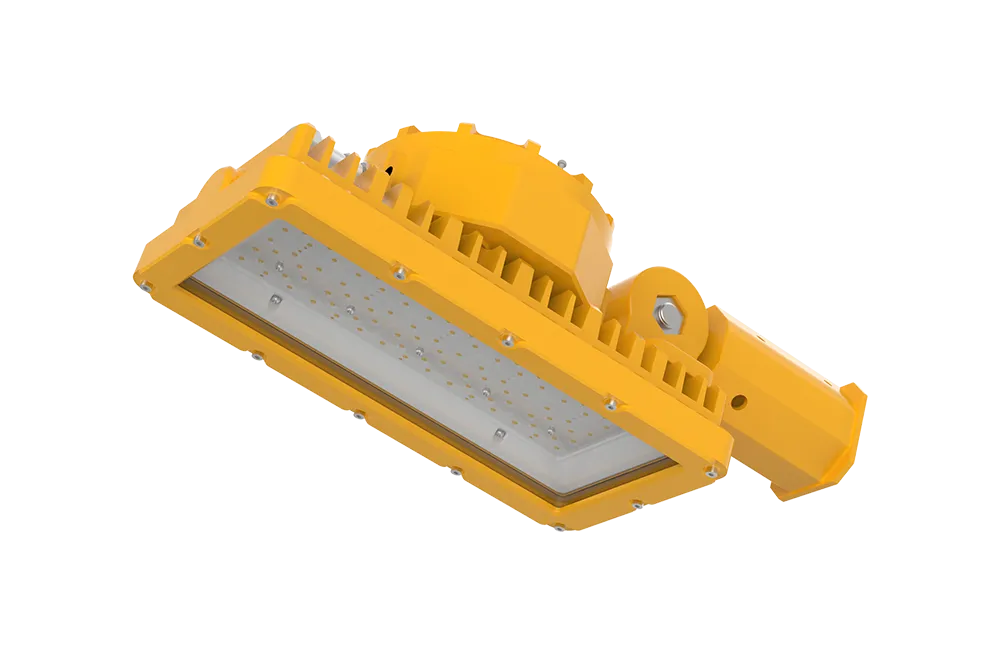
ATEX: Ex II 2G Ex db IIB T6/T5 GbEx II 2D Ex tb IIIC T80°C/ T95°C Db IECEx Ex db IIB T6 Gb;Ex tb IIIC T80°C Db Feature: ● For Zone 1,2 and Zone 21,22● Flameproof type, the strongest● 100W can replace 250W HID,energy saving● Power:60W,80W,100W Application: Oil and gas, marine, Chemical, pharmaceutical, semiconductor,mining,military industr…
View details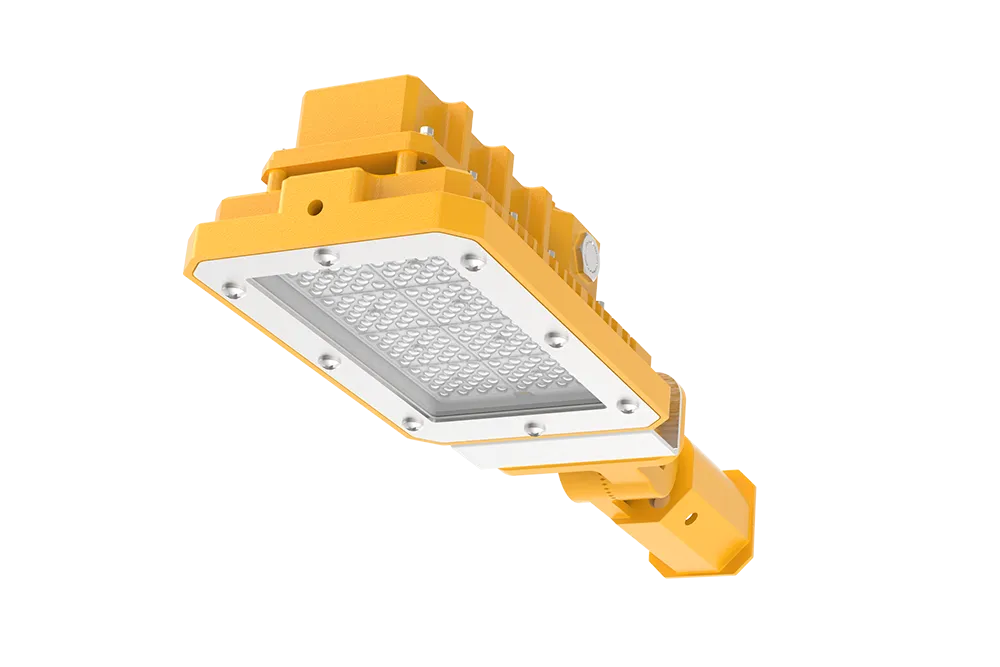
ATEX: II 3G Ex nR ⅡC T5/T6 GcII 3D Ex tc ⅢC T80℃/T95℃Dc ATEX Certificate NO: TÜV CY 26 ATEX 0207611 X Feature: ● For Zone 2 and Zone 22● 150W can replace 250W HID lamps,Energy saving● Power:50W,75W,100W,150W,200W Application: Oil and gas, marine, Chemical, pharmaceutical, semiconductor,mining,military industry, paint booth,power plant ETC…
View details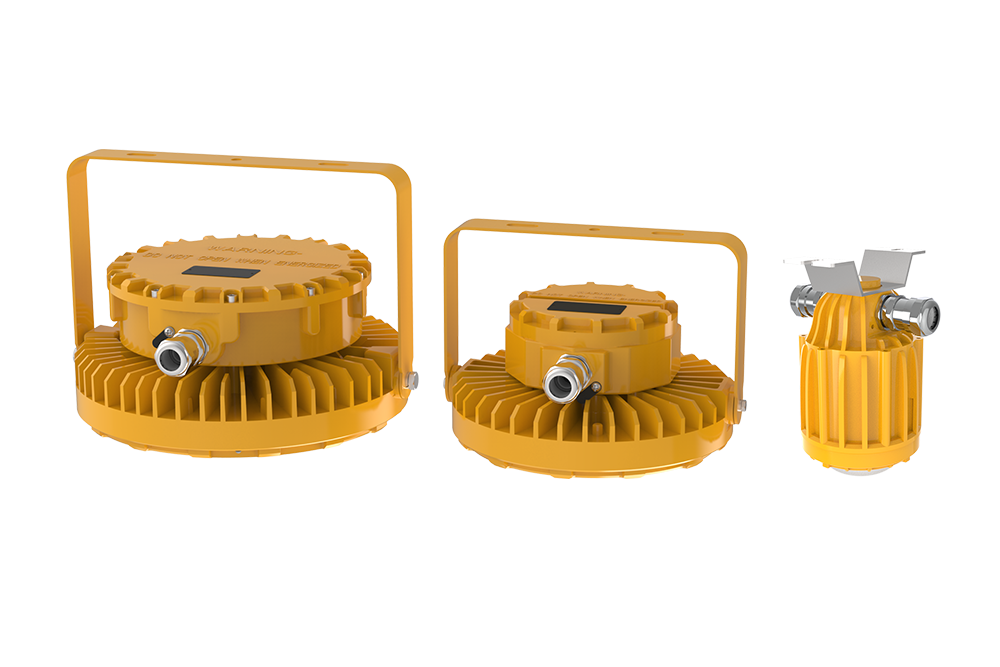
LED explosion proof high bay lights are designed for Zone 1, Zone 2, Zone 21 and Zone 22 hazardous areas. This page introduces the HB21 Series from SEEKING, including certifications, power options and real application considerations.
View details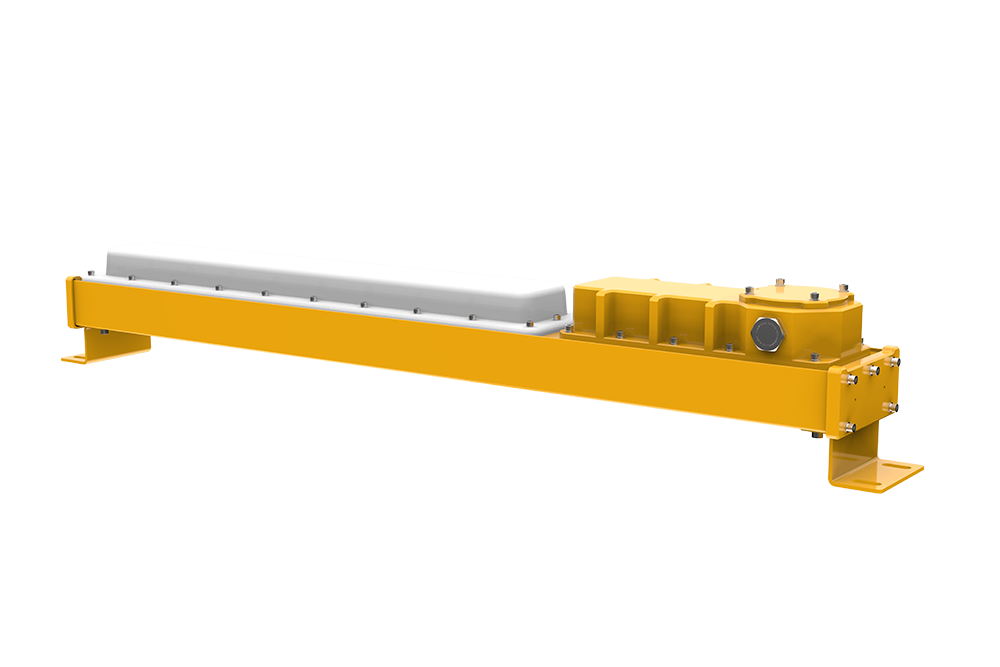
LED Linear Explosion Proof Lights from SEEKINGLED. LU Series Flame Proof lights ATEX-certified explosion proof LED linear lighting for Zone 2 gas and Zone 22 dust areas, IP69K, IK10, long lifetime and flexible power options.
View details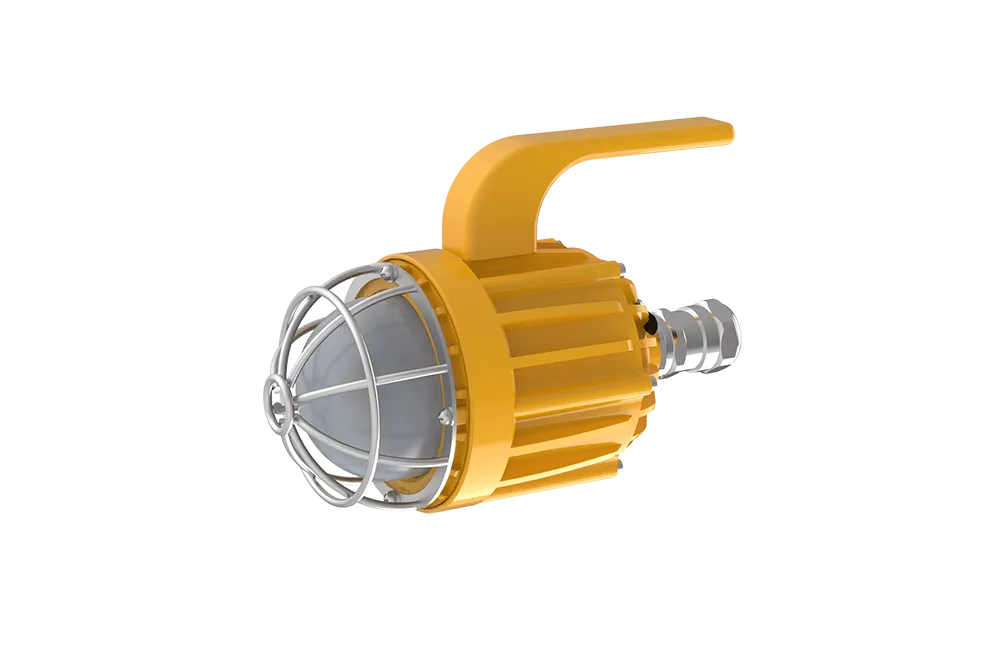
Certified explosion proof work lights for Zone 1 & 21 hazardous areas. Portable, ATEX & IECEx approved, built for oil, gas and chemical plants by SEEKINGLED.
View details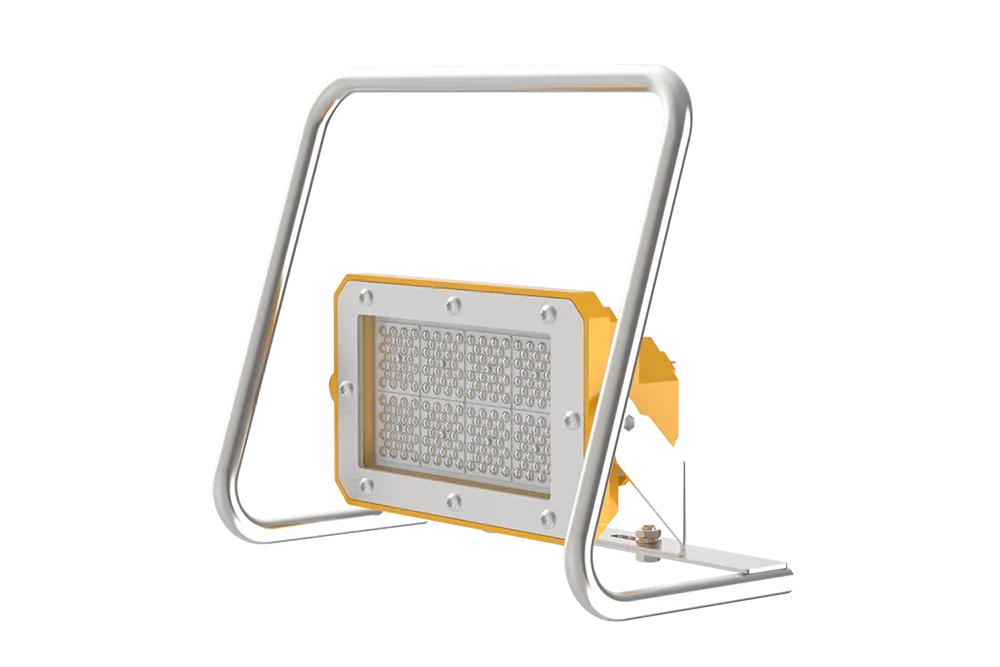
ATEX: II 3G Ex nR ⅡC T6 GcII 3D Ex tc ⅢC T80℃ Dc ATEX Certificate NO: TÜV CY 26 ATEX 0207611 X Feature: ● For Zone 2 and Zone 22● Accepts battery-powered supply● indestructible● Power:AC input:50W,75W,100WDC input:15W,25W,35W Application: Oil and gas, marine, Chemical, pharmaceutical, semiconductor,mining,military industry, paint booth,po…
View details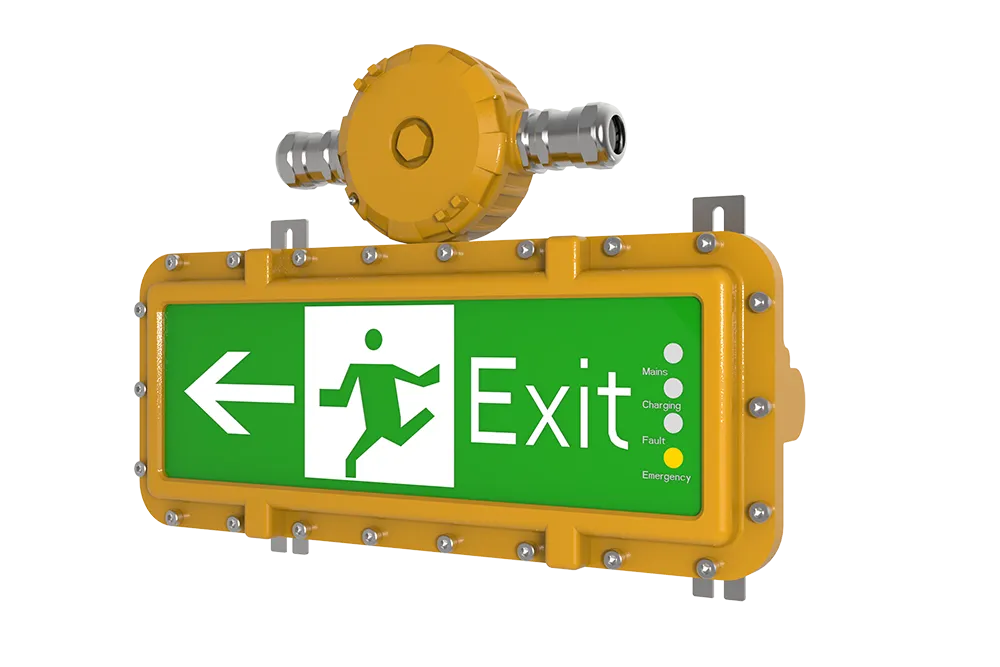
ATEX: Ex II 2G Ex db IIB T6 GbEx II 2D Ex tb IIIC T80°C Db IECEx Ex db IIB T6 Gb;Ex tb IIIC T80°C Db Feature: ● For Zone 1,2 and Zone 21,22● Flameproof type, the strongest Application: Oil and gas, marine, Chemical, pharmaceutical, semiconductor,mining,military industry, paint booth,power plant ETC hazardous area. Technical Specifications:…
View details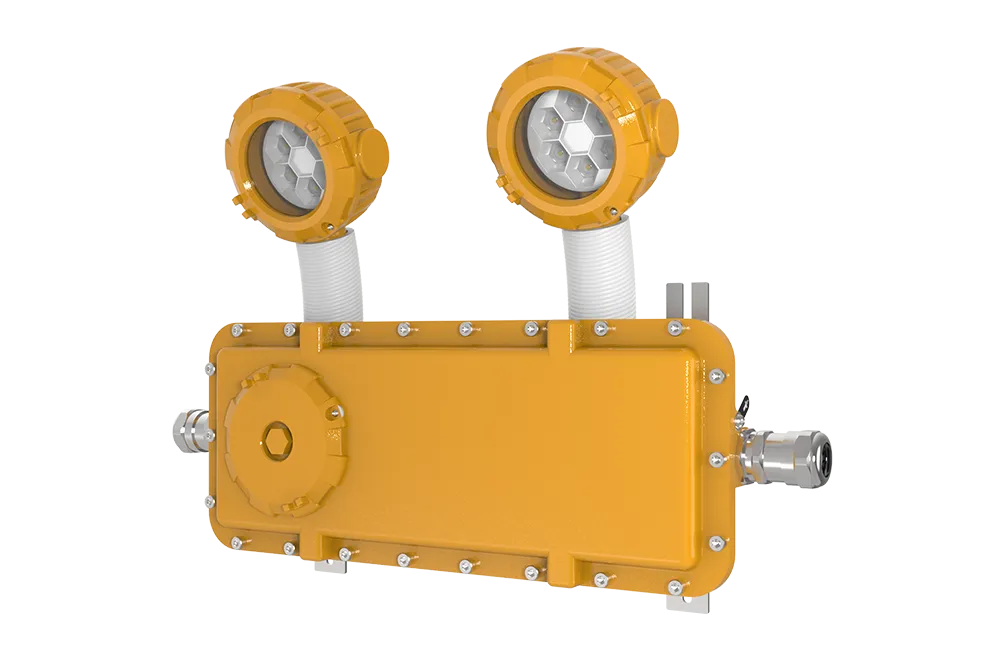
ATEX: Ex II 2G Ex db IIB T6 GbEx II 2D Ex tb IIIC T80°C Db IECEx Ex db IIB T6 Gb;Ex tb IIIC T80°C Db Feature: ● For Zone 1,2 and Zone 21,22● Flameproof type, the strongest Application: Oil and gas, marine, Chemical, pharmaceutical, semiconductor,mining,military industry, paint booth,power plant ETC hazardous area. Technical Specifications:…
View details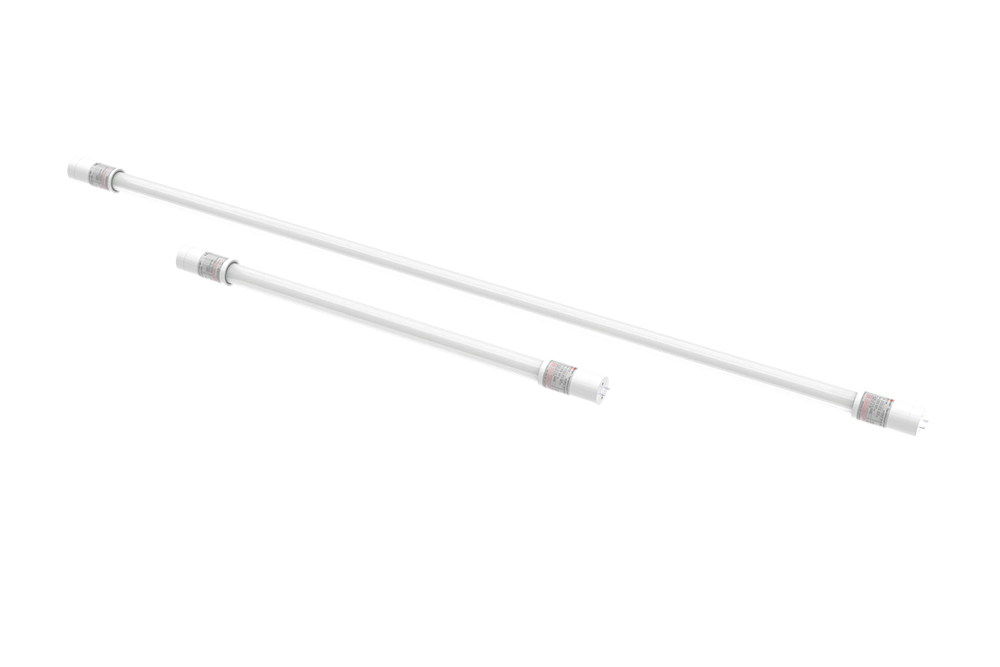
ATEX: Ex II 2G Ex d e IIB T6 Gb ATEX: Ex d e IIB T6 Gb; Feature: ● For Zone 1,2● 9W can replace 18W fluorescent lamps,50% Energy saving Application: Oil and gas, marine, Chemical, pharmaceutical, semiconductor,mining,military industry, paint booth,power plant ETC hazardous area. Technical Specifications: Standards:60079-0, 60079-1, 60079…
View details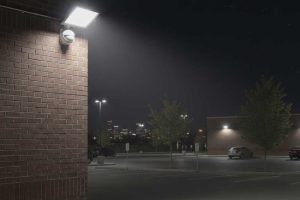
How to install LED security flood light correctly for outdoor areas. Learn mounting height, wiring steps, sensor setup, and common installation mistakes.
View details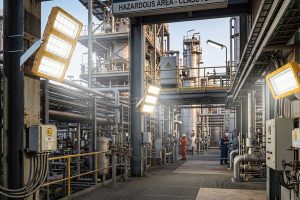
Explosion proof light fixture ensures safe operation in hazardous areas. Learn design, certifications, materials, and real-world selection tips from SEEKINGLED.
View details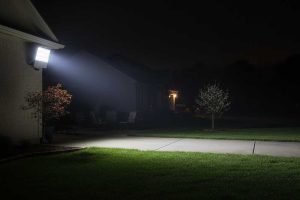
How far will a led flood light shine? Learn the real lighting distance, beam angles, and wattage impact. Practical outdoor lighting tips from SEEKINGLED experts.
View details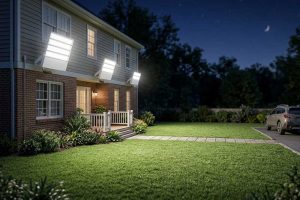
What wattage LED flood light should you choose for outdoor lighting? Learn how to pick the right wattage for yards, buildings, and security lighting with SEEKINGLED.
View details