 Seeking LED
What Is the Best LED Flood Light?
212What is the best LED flood light based on real installation experience, not specs alone. Learn how professionals choose flood lights.
View detailsSearch the whole station
What Is Vintage Explosion Proof Lighting?
Vintage explosion proof lighting refers to older hazardous-location light fixtures originally designed for industries such as oil refining, mining, shipbuilding, chemical processing, and grain handling. These fixtures used heavy cast-metal housings, thick glass globes, and flame-path engineering to prevent internal electrical sparks from igniting surrounding explosive atmospheres.
The first vintage explosion proof light I handled wasn’t in a museum.
It was hanging inside an abandoned pump house beside an aging fuel terminal.
The fixture weighed nearly as much as a small engine block.
Three technicians joked about needing a forklift just to remove it.
Years later, I still remember the feeling of turning that cast-bronze guard ring and seeing the engineering hidden beneath decades of dust.
That experience changed how I viewed hazardous-area lighting.
Most people see vintage explosion proof lighting as industrial décor.
Engineers see a chapter of industrial safety history.
Long before LEDs existed, industrial facilities faced a simple but deadly problem.
Electricity created sparks.
Many industrial environments contained flammable vapors.
The combination was dangerous.
As electrification expanded during the early 20th century, industries began searching for safer lighting solutions.
Oil refineries.
Coal mines.
Chemical plants.
Shipyards.
Grain elevators.
Every one of them needed reliable illumination without introducing ignition risks.
The result was the development of explosion-proof electrical equipment, including lighting fixtures.
According to the U.S. National Fire Protection Association (NFPA), hazardous locations contain flammable gases, vapors, combustible dusts, or ignitable fibers requiring specially designed equipment.
Source:
National Fire Protection Association (NFPA)
Website: https://www.nfpa.org
This requirement drove the creation of some of the most rugged lighting fixtures ever manufactured.
Modern LED fixtures are relatively lightweight.
Vintage units were not.
Many historic explosion-proof luminaires used:
A fixture weighing 25–50 pounds was common.
Some refinery fixtures exceeded 70 pounds.
The extra mass wasn’t decorative.
It served a purpose.
The enclosure needed sufficient strength to contain internal ignition events.
One feature often overlooked by collectors is the flame path.
These carefully machined threaded connections allowed hot gases to cool before reaching the surrounding atmosphere.
The concept remains fundamental in modern ATEX and IECEx designs.
Even today’s certified hazardous-location fixtures rely on similar engineering principles.
Vintage designs frequently used:
The protective globe wasn’t simply a lens.
It formed part of the safety system.
The popularity of vintage explosion proof lighting was directly linked to industrial growth.
Refineries represented one of the largest users.
Hydrocarbon vapors created continuous ignition risks.
Common installation locations included:
Mining environments required robust lighting capable of surviving vibration, moisture, dust, and methane exposure.
The U.S. Mine Safety and Health Administration (MSHA) continues to regulate electrical equipment used in mining operations.
Source:
Mine Safety and Health Administration (MSHA)
Website: https://www.msha.gov
Many historic mining lights eventually inspired modern hazardous-location fixture designs.
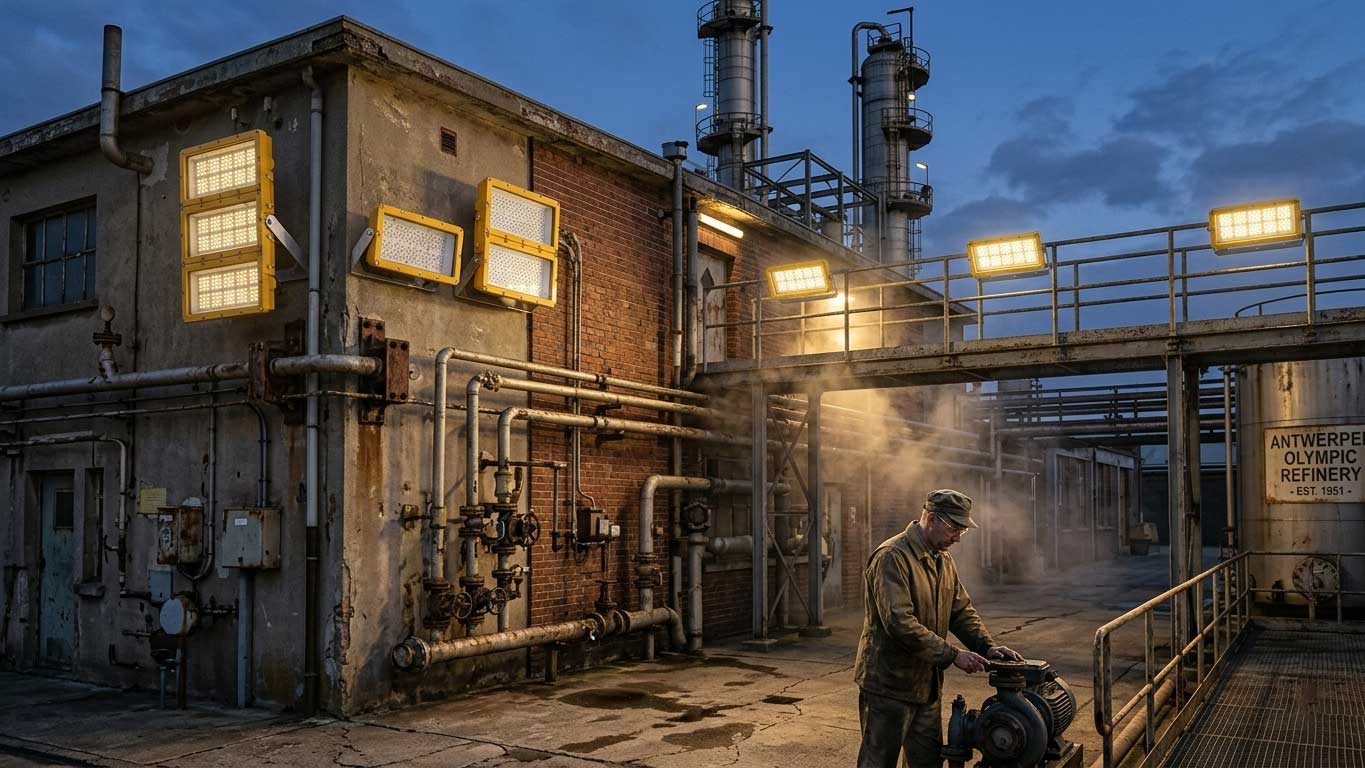
Something interesting happened after heavy industry modernized.
Old hazardous-location fixtures began appearing in:
The aesthetic appeal is obvious.
Heavy metal.
Visible fasteners.
Protective cages.
Machined threads.
Authentic industrial character.
Designers often describe them as “functional industrial sculpture.”
Yet there is an important distinction.
Most vintage fixtures were never designed for modern energy efficiency expectations.
| Feature | Vintage Fixture | Modern LED Fixture |
|---|---|---|
| Light Source | Incandescent / HID | LED |
| Energy Efficiency | Low | High |
| Maintenance | Frequent | Minimal |
| Certification Standards | Historic | Current ATEX / IECEx |
| Light Output | Limited | High |
| Lifespan | Shorter | Up to 100,000 Hours |
According to the U.S. Department of Energy, LED technology can dramatically reduce energy consumption while extending operational life compared with traditional lighting systems.
Source:
U.S. Department of Energy
Website: https://www.energy.gov
Many industrial operators replacing older hazardous-location systems report energy reductions exceeding 50% depending on application and operating schedule.
One misconception deserves attention.
A vintage fixture may look explosion proof.
That does not automatically mean it complies with current regulations.
Corrosion.
Damaged flame paths.
Missing components.
Unauthorized modifications.
All can compromise safety performance.
For hazardous environments, modern certification remains critical.
Occasionally.
But rarely without inspection and verification.
Most active industrial facilities prefer certified modern solutions because:
In practice, many vintage fixtures now serve decorative rather than operational roles.
The appearance survives.
The technology evolves.
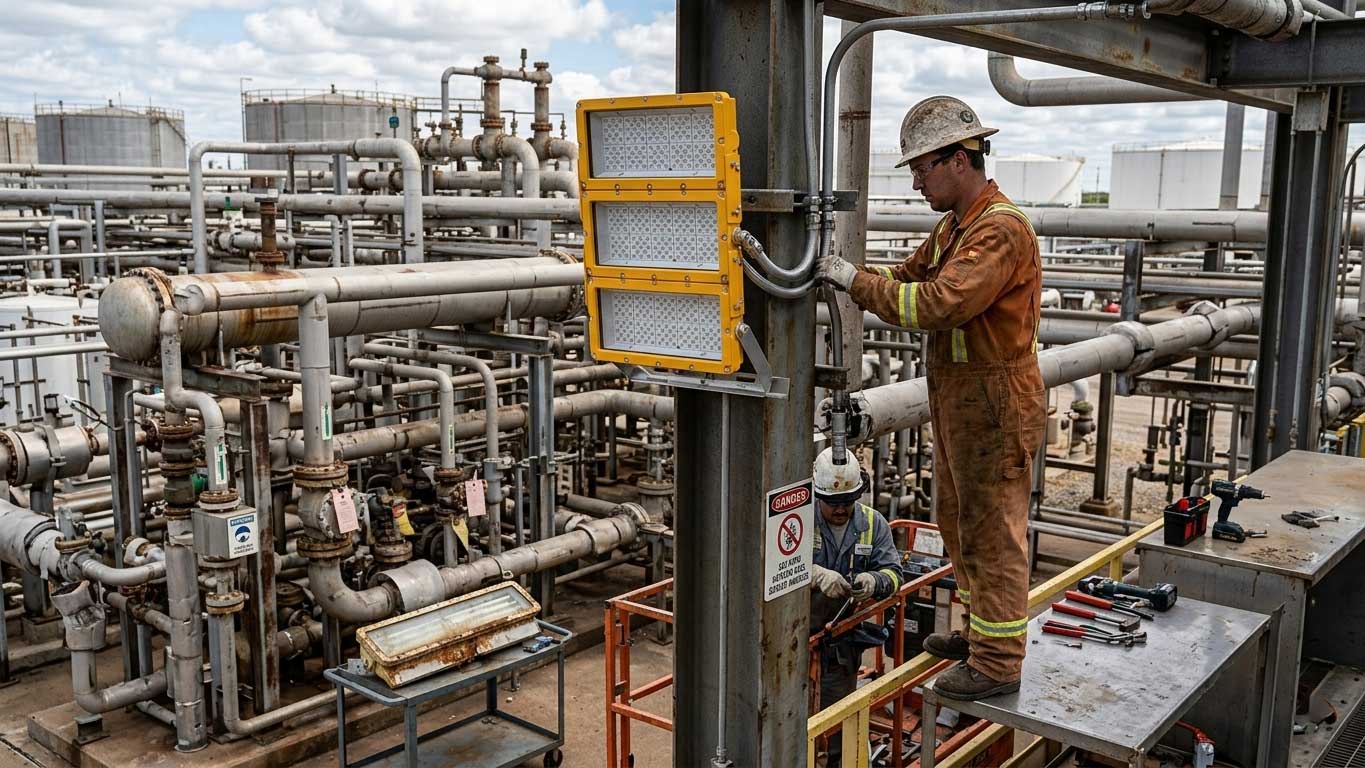
Vintage explosion proof lighting has become surprisingly collectible.
Common features collectors value include:
Examples include historic industrial brands that supplied:
Original globes are increasingly difficult to find.
Undamaged examples often command premium prices.
Collectors generally prefer natural aging over aggressive restoration.
Minor wear tells a story.
Industrial history often leaves visible fingerprints.
Literally.
It depends on condition. Historic fixtures should be professionally inspected before use, particularly in hazardous environments.
Yes. Many decorative installations retrofit LED lamps while preserving the original housing appearance.
Certain models from well-known industrial manufacturers can have significant collector value, especially if complete and well preserved.
Many original fixtures were designed for outdoor industrial service, though condition and restoration quality determine suitability today.
No. ATEX certification did not exist when most vintage explosion-proof fixtures were manufactured. Modern hazardous locations generally require current certifications.
Visit the product page:Vintage Explosion Proof Lighting
When someone asks, “What Is Vintage Explosion Proof Lighting?”, the answer extends beyond lighting technology.
These fixtures represent an era when industrial engineers solved life-safety problems using cast metal, thick glass, precision machining, and remarkable mechanical ingenuity.
I’ve encountered them in abandoned refineries, marine terminals, mining facilities, and restored industrial buildings. Every fixture seemed to carry its own history—scratches from decades of maintenance, faded inspection tags, layers of paint from multiple facility upgrades.
Today, modern SEEKINGLED hazardous-location LED fixtures deliver vastly better efficiency, performance, and certification compliance.
Yet many of the core safety principles first seen in vintage explosion proof lighting still influence hazardous-area lighting design around the world.
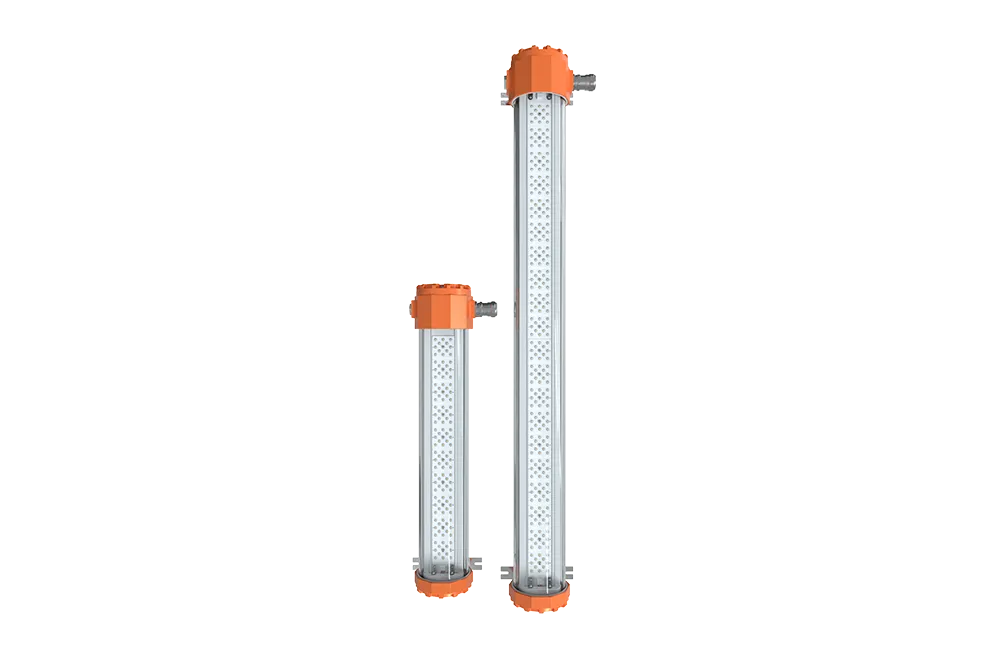
SEEKINGLED LED Linear Explosion Proof Light and Explosion Proof lighting is ATEX and IECEx certified for Zone 1, Zone 2, Zone 21 and Zone 22 hazardous locations, built for long-term industrial use.
View details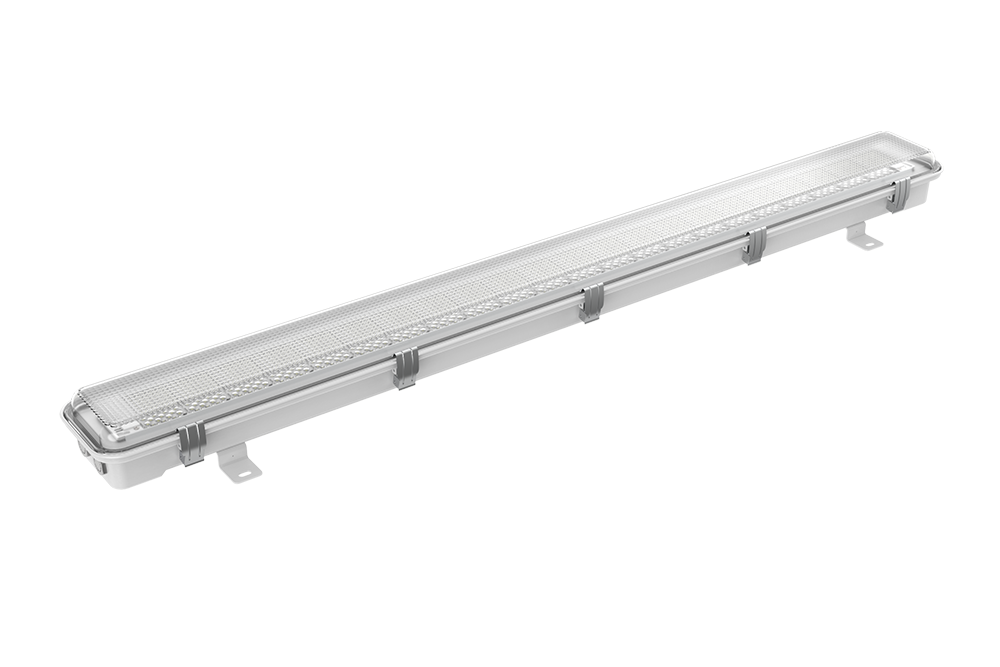
LED Linear Explosion Proof Lights and EX Proof lights for Zone 1, Zone 2, Zone 21 and Zone 22 hazardous areas. ATEX & IECEx certified explosion proof LED linear lighting with emergency function, adjustable power and IP67 protection by SEEKINGLED.
View details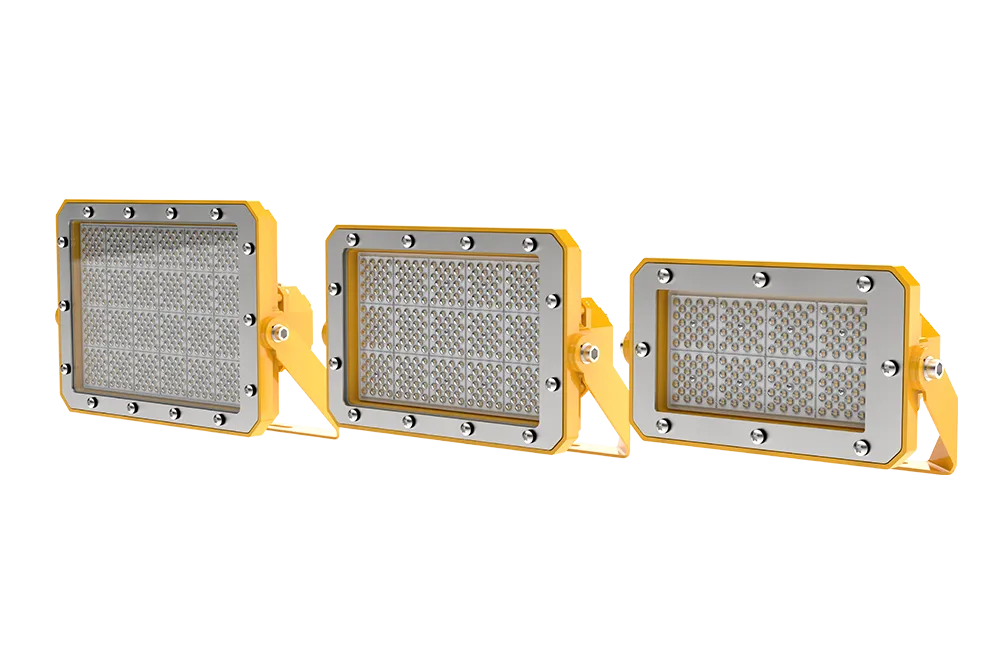
SEEKINGLED LED Explosion Proof Flood Lights are ATEX certified for Zone 2 and Zone 22 hazardous areas, offering high efficiency, adjustable power and integrated junction box.
View details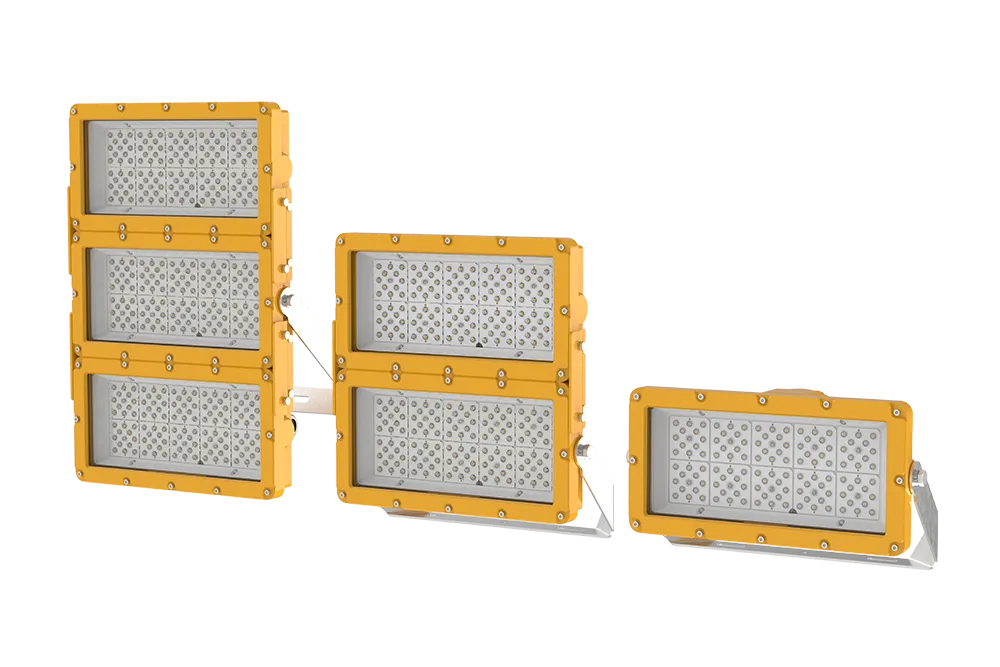
SEEKINGLED LED Explosion Proof Flood Lights are flameproof ATEX and IECEx certified for Zone 1 and Zone 2 hazardous areas, offering high power, adjustable output and long service life.
View details
SEEKINGLED LED Gas Station Canopy Lights are ATEX certified for Zone 2 and Zone 22 hazardous areas, featuring adjustable power and built-in explosion-proof junction box.
View details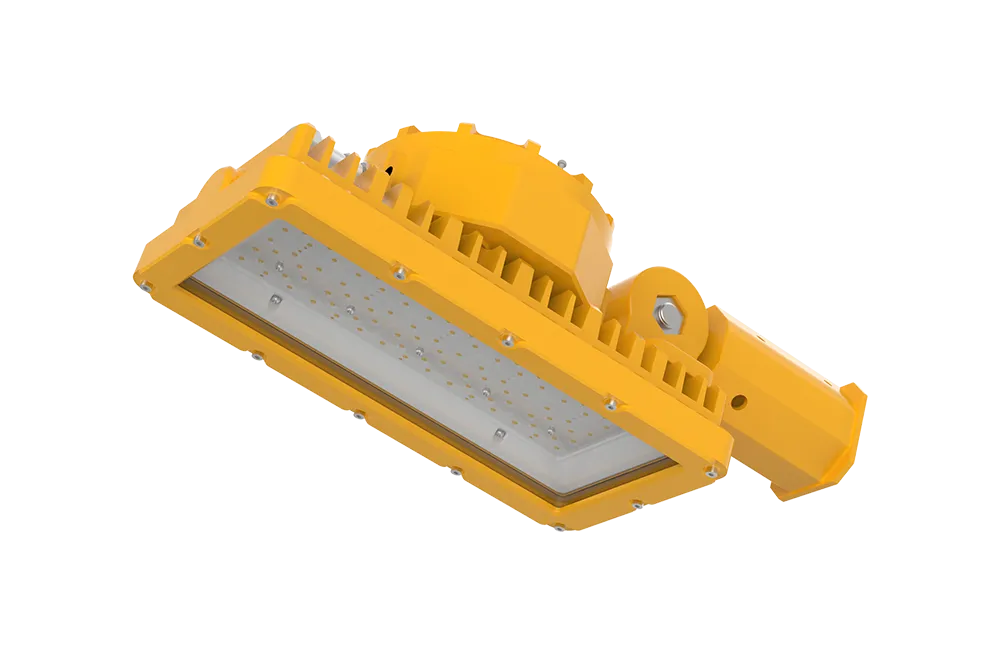
ATEX: Ex II 2G Ex db IIB T6/T5 GbEx II 2D Ex tb IIIC T80°C/ T95°C Db IECEx Ex db IIB T6 Gb;Ex tb IIIC T80°C Db Feature: ● For Zone 1,2 and Zone 21,22● Flameproof type, the strongest● 100W can replace 250W HID,energy saving● Power:60W,80W,100W Application: Oil and gas, marine, Chemical, pharmaceutical, semiconductor,mining,military industr…
View details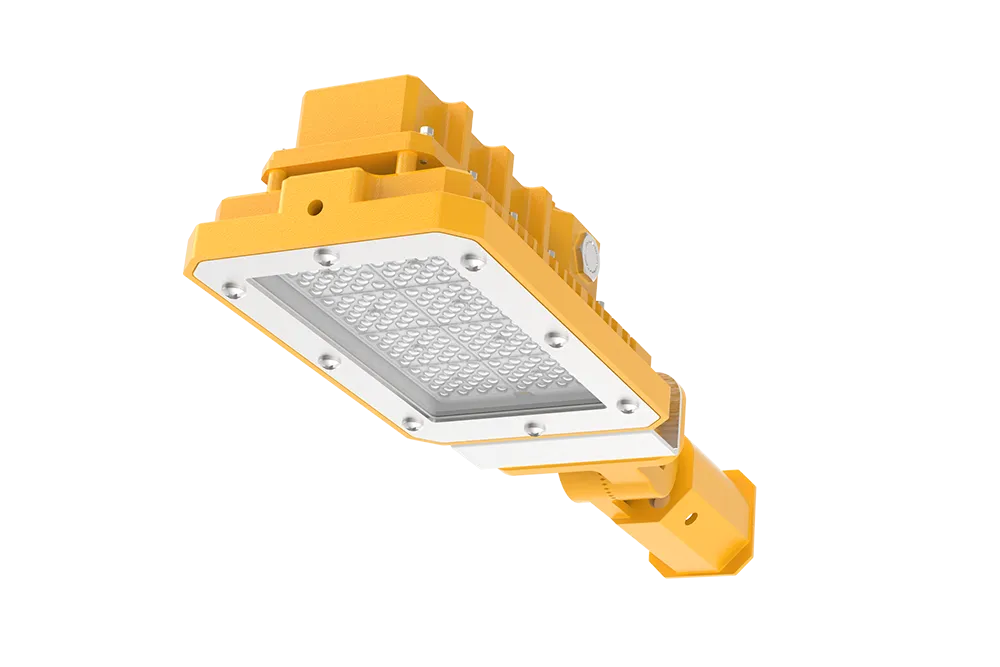
ATEX: II 3G Ex nR ⅡC T5/T6 GcII 3D Ex tc ⅢC T80℃/T95℃Dc ATEX Certificate NO: TÜV CY 26 ATEX 0207611 X Feature: ● For Zone 2 and Zone 22● 150W can replace 250W HID lamps,Energy saving● Power:50W,75W,100W,150W,200W Application: Oil and gas, marine, Chemical, pharmaceutical, semiconductor,mining,military industry, paint booth,power plant ETC…
View details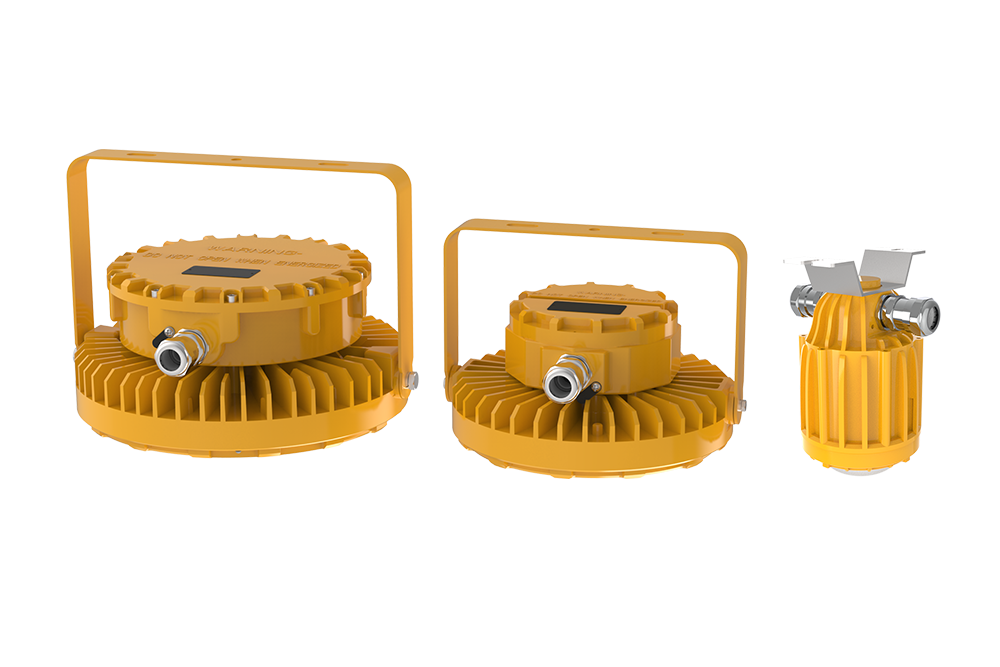
LED explosion proof high bay lights are designed for Zone 1, Zone 2, Zone 21 and Zone 22 hazardous areas. This page introduces the HB21 Series from SEEKING, including certifications, power options and real application considerations.
View details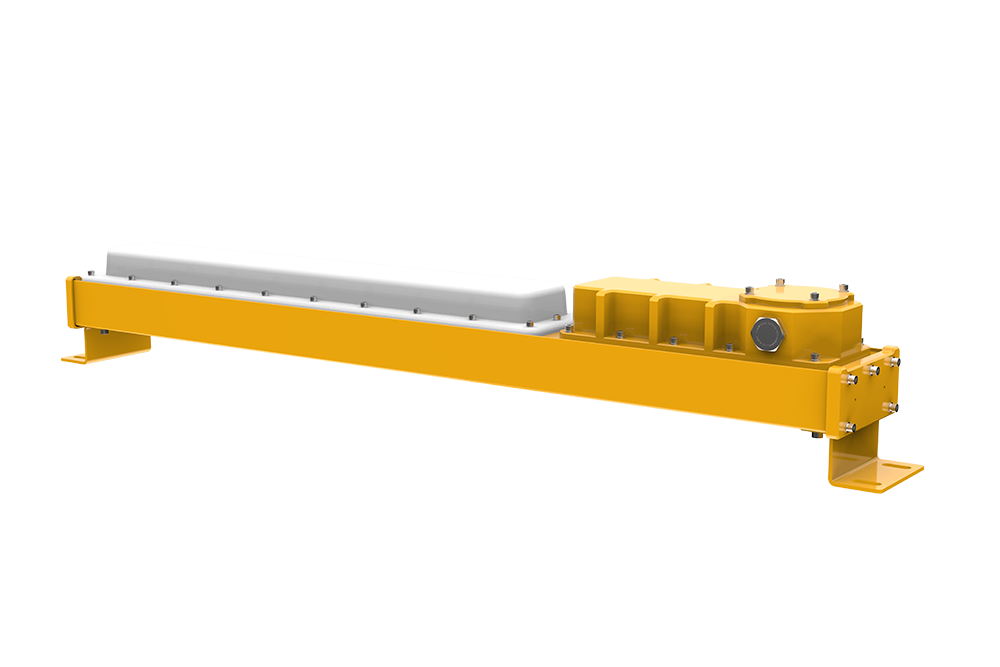
LED Linear Explosion Proof Lights from SEEKINGLED. LU Series Flame Proof lights ATEX-certified explosion proof LED linear lighting for Zone 2 gas and Zone 22 dust areas, IP69K, IK10, long lifetime and flexible power options.
View details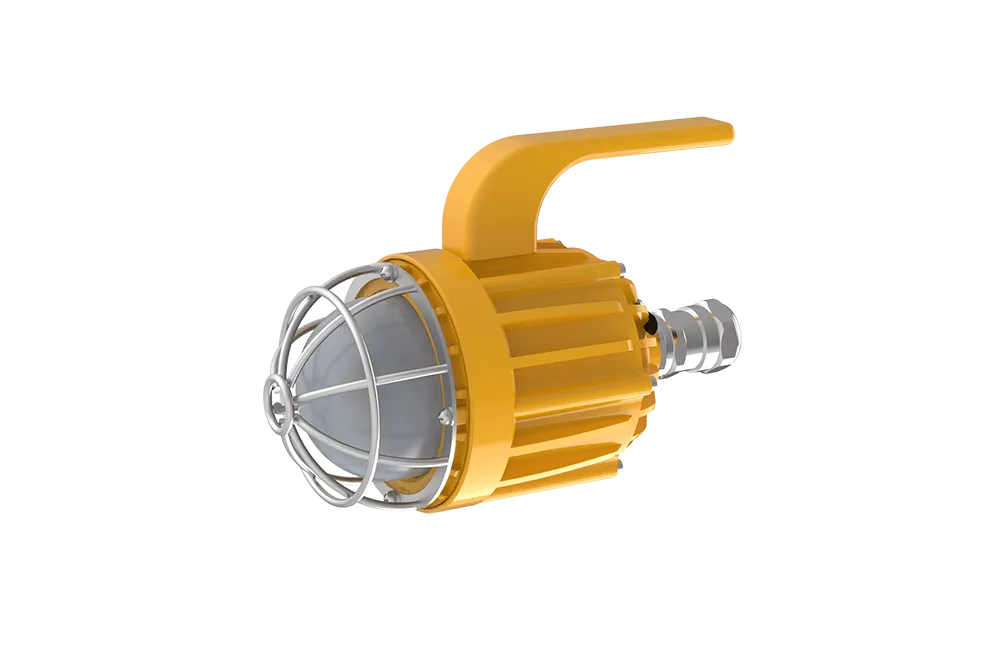
Certified explosion proof work lights for Zone 1 & 21 hazardous areas. Portable, ATEX & IECEx approved, built for oil, gas and chemical plants by SEEKINGLED.
View details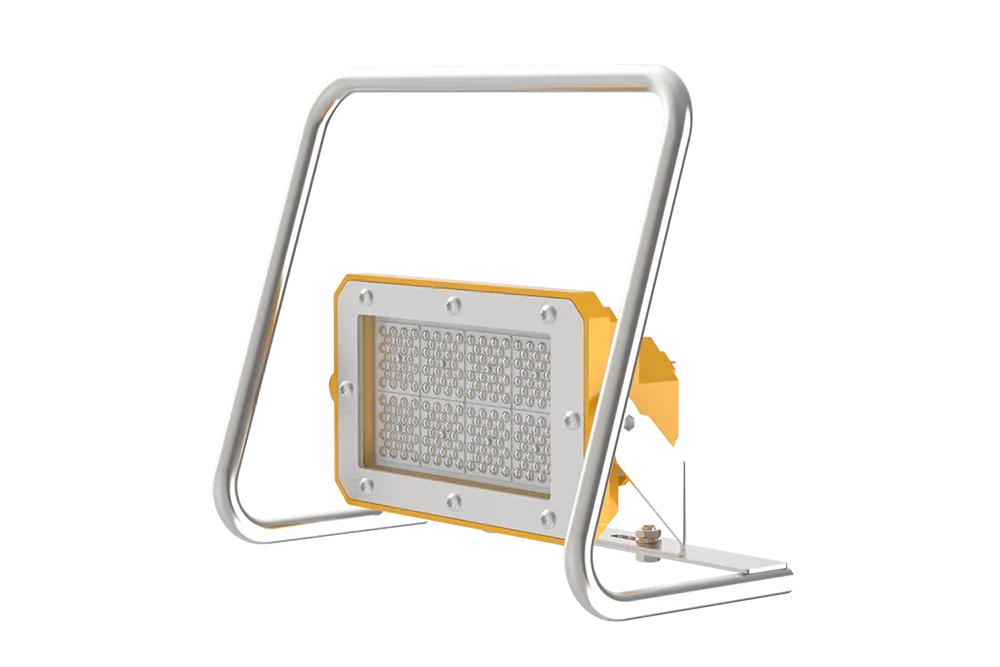
ATEX: II 3G Ex nR ⅡC T6 GcII 3D Ex tc ⅢC T80℃ Dc ATEX Certificate NO: TÜV CY 26 ATEX 0207611 X Feature: ● For Zone 2 and Zone 22● Accepts battery-powered supply● indestructible● Power:AC input:50W,75W,100WDC input:15W,25W,35W Application: Oil and gas, marine, Chemical, pharmaceutical, semiconductor,mining,military industry, paint booth,po…
View details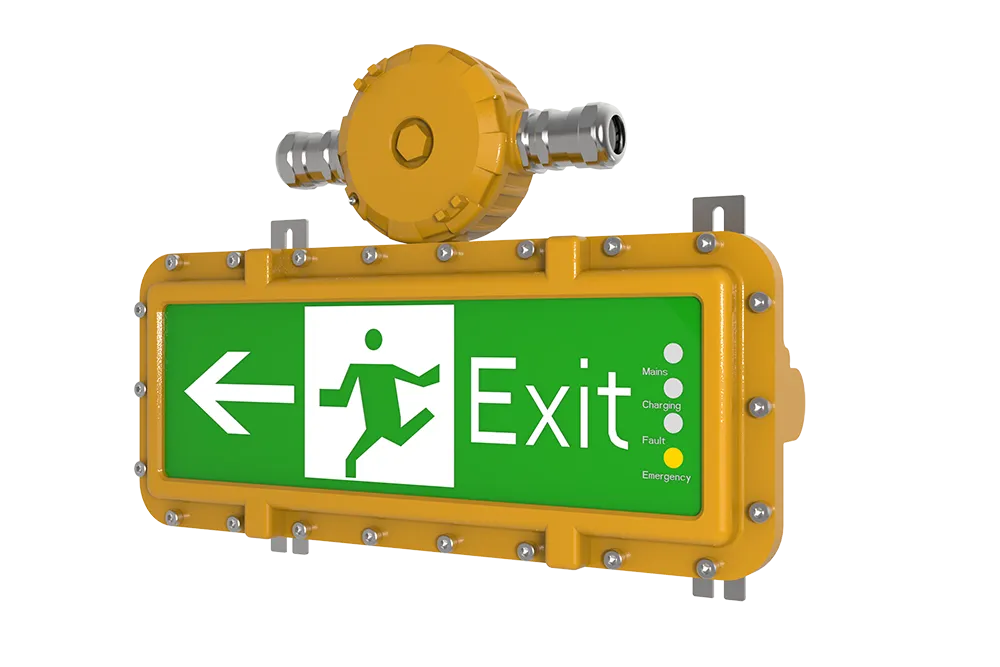
ATEX: Ex II 2G Ex db IIB T6 GbEx II 2D Ex tb IIIC T80°C Db IECEx Ex db IIB T6 Gb;Ex tb IIIC T80°C Db Feature: ● For Zone 1,2 and Zone 21,22● Flameproof type, the strongest Application: Oil and gas, marine, Chemical, pharmaceutical, semiconductor,mining,military industry, paint booth,power plant ETC hazardous area. Technical Specifications:…
View details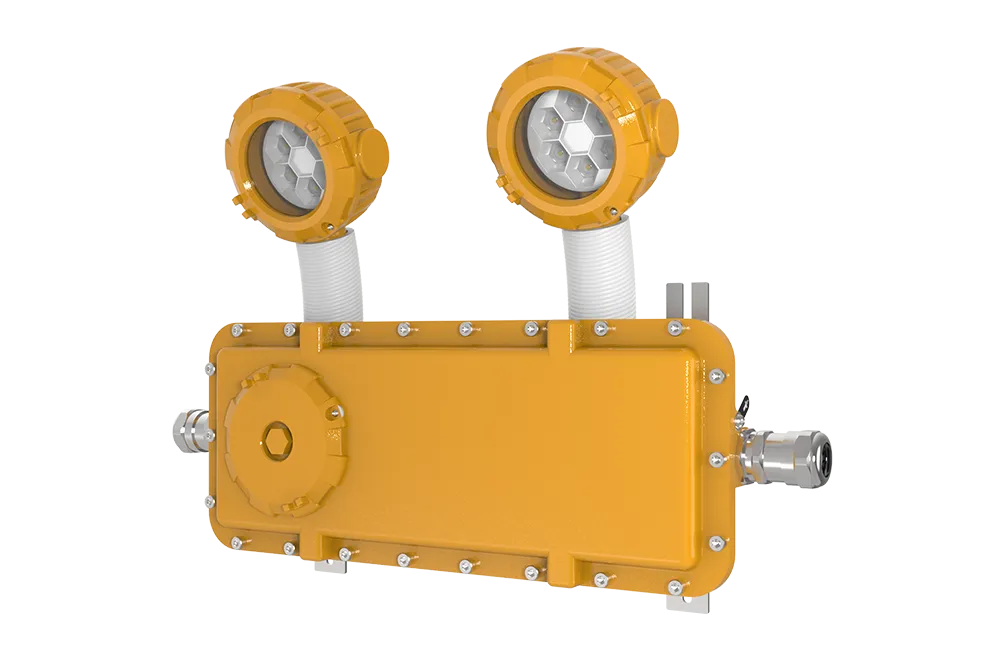
ATEX: Ex II 2G Ex db IIB T6 GbEx II 2D Ex tb IIIC T80°C Db IECEx Ex db IIB T6 Gb;Ex tb IIIC T80°C Db Feature: ● For Zone 1,2 and Zone 21,22● Flameproof type, the strongest Application: Oil and gas, marine, Chemical, pharmaceutical, semiconductor,mining,military industry, paint booth,power plant ETC hazardous area. Technical Specifications:…
View details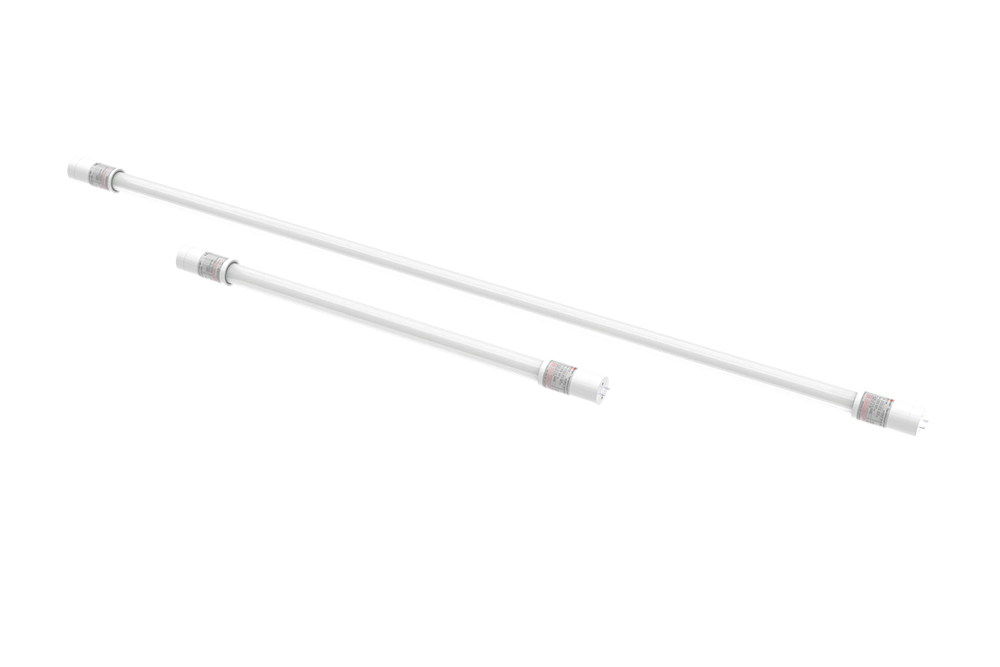
ATEX: Ex II 2G Ex d e IIB T6 Gb ATEX: Ex d e IIB T6 Gb; Feature: ● For Zone 1,2● 9W can replace 18W fluorescent lamps,50% Energy saving Application: Oil and gas, marine, Chemical, pharmaceutical, semiconductor,mining,military industry, paint booth,power plant ETC hazardous area. Technical Specifications: Standards:60079-0, 60079-1, 60079…
View details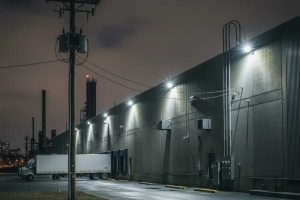
What is the best LED flood light based on real installation experience, not specs alone. Learn how professionals choose flood lights.
View details
This page explains how to test explosion proof LED exit light in real industrial sites, including emergency mode checks, safety precautions and common field practices used by SEEKINGLED projects.
View details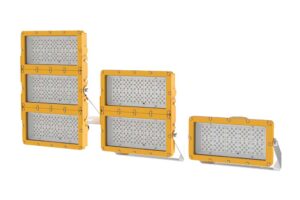
LED explosion proof flood lights for high-risk outdoor oil & gas sites. SEEKINGLED FL7 Series offers Zone 1 ATEX/IECEx certification, IP66, IK10, and up to 52,000 lumens.
View details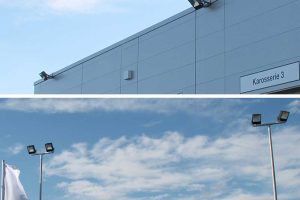
LED Flood Lighting for Car Dealership Entrance was implemented at a BMW 4S store using XJ-FL flood lights. This project record documents entrance lighting requirements and fixture selection for visibility and frontage clarity.
View details