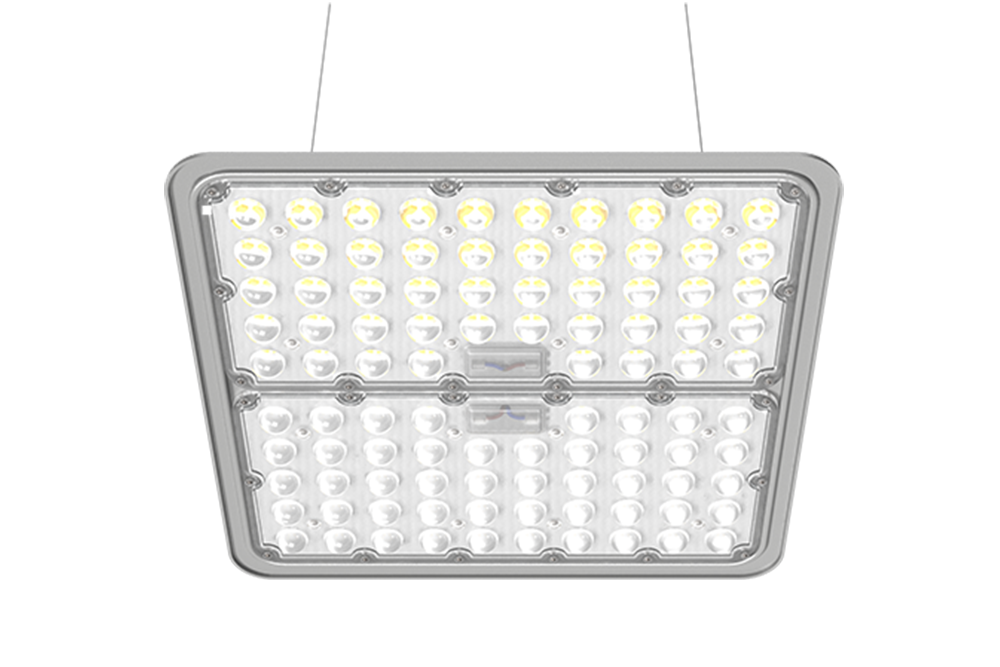
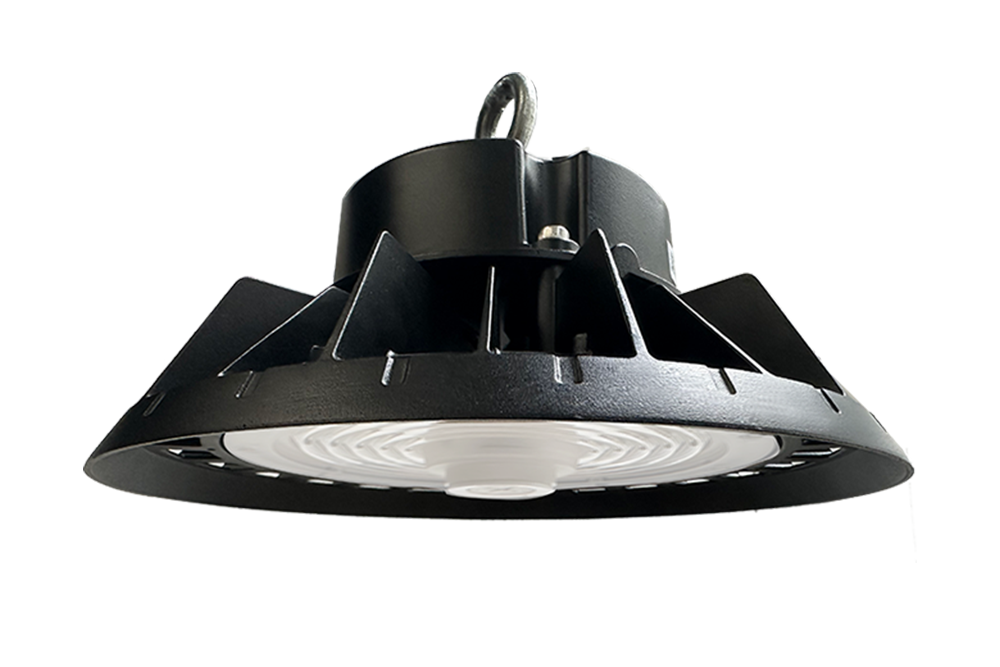
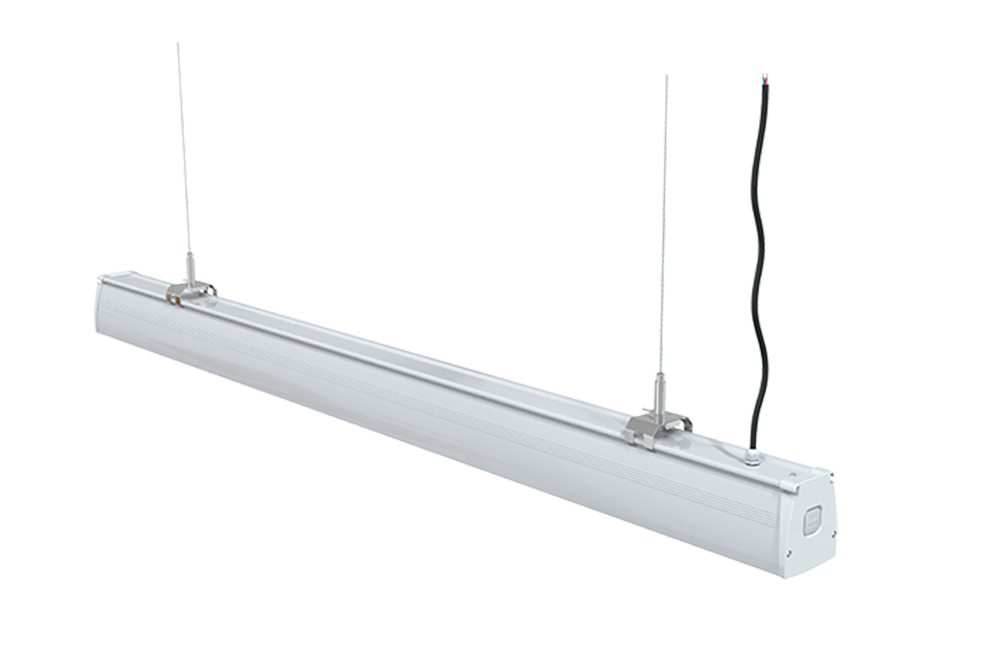
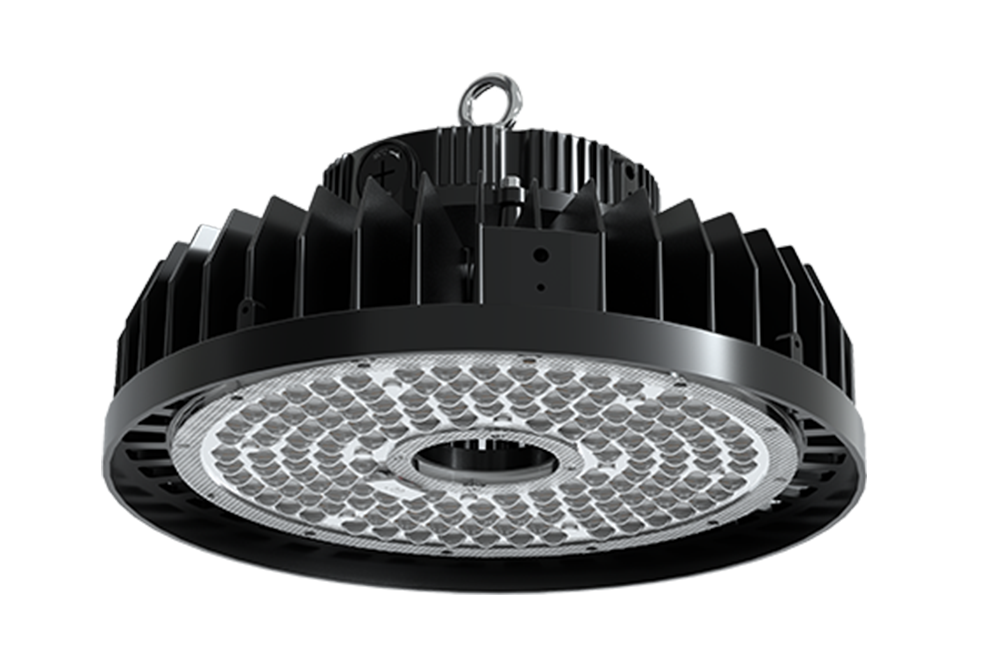
how many led high bay lights do i need? The number depends on ceiling height, area size, fixture lumen output, and required brightness. Most warehouses need one LED high bay light for approximately 100–400 square feet.
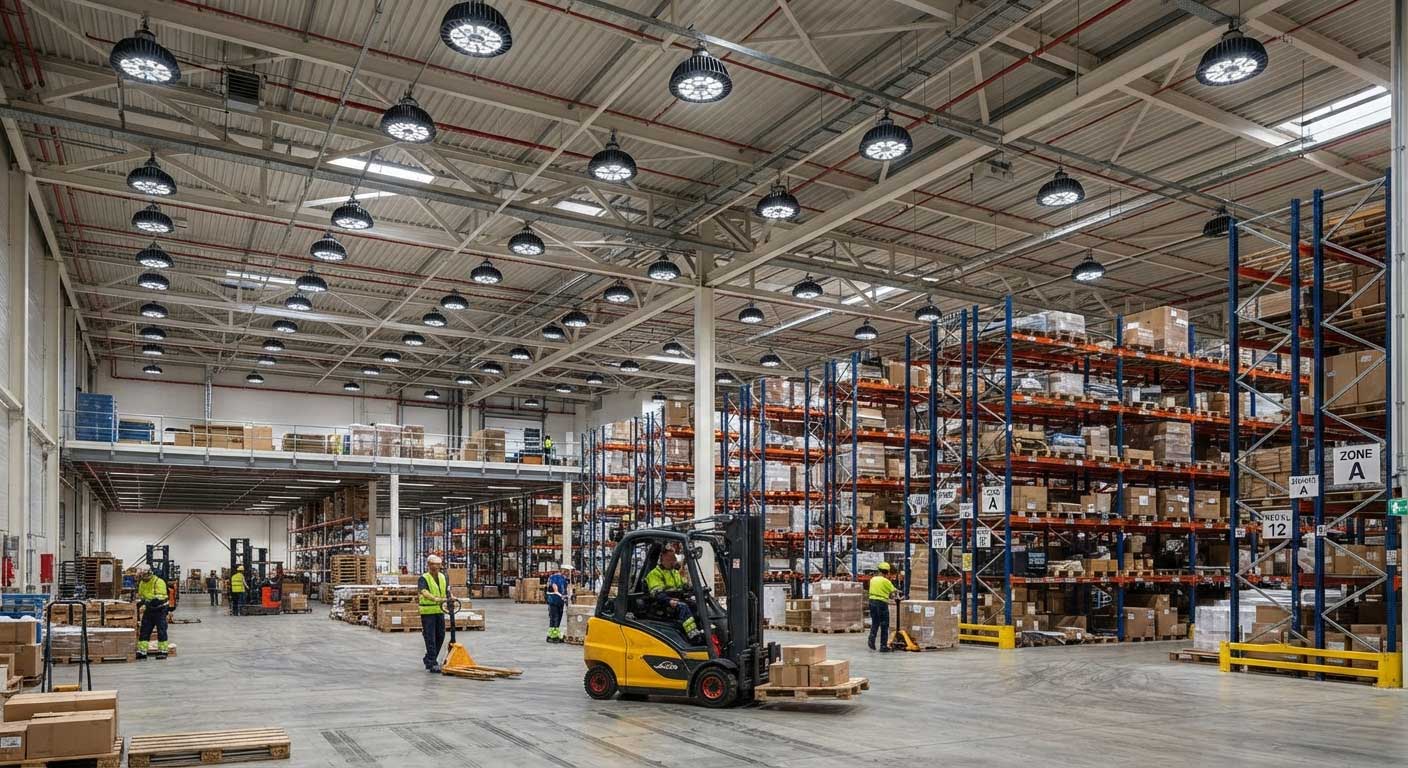
When designing industrial lighting systems, I do not start with the number of fixtures. I start by checking the actual working environment. A 30-foot warehouse ceiling with narrow aisles requires a completely different lighting plan from a 15-foot workshop.
After years working with industrial LED lighting projects at SEEKINGLED, I have found that incorrect quantity calculations are one of the most common reasons for poor lighting performance. Too few fixtures create dark zones, while too many increase energy costs without improving visibility.
How to Calculate How Many LED High Bay Lights You Need
The correct calculation is based on lumens, not only wattage.
The basic formula is:
Number of LED High Bay Lights = Required Total Lumens ÷ Lumens Per LED High Bay Fixture
To estimate required lumens:
Room Area × Required Foot-Candles ÷ Light Loss Factor
The final installation number may change after considering mounting height, reflector design, beam angle, and working conditions.
The Illuminating Engineering Society (IES) provides recommended lighting practices for different industrial applications, including warehouses and manufacturing facilities.
LED High Bay Light Quantity Based on Ceiling Height
Ceiling height has a direct impact on fixture selection.
Ceiling Height
Recommended LED High Bay Wattage
Typical Coverage
15–20 ft
100W–150W
100–200 sq ft
20–30 ft
150W–200W
200–300 sq ft
30–40 ft
200W–300W
300–500 sq ft
For example, a 40-foot distribution center may use fewer high-output LED fixtures compared with older fluorescent systems because modern LED high bays deliver higher lumen efficiency.
The U.S. Department of Energy reports that LED lighting products generally provide significantly higher energy efficiency and longer service life compared with traditional lighting technologies.
What Factors Affect the Number of LED High Bay Lights?
A professional lighting calculation considers more than building dimensions.
Important factors include:
1. Mounting Height
The higher the fixture installation point, the stronger the light output needs to be.
A 150W LED high bay may work well at 20 feet, but a 300W model may be more suitable for a 40-foot ceiling.
2. Required Lighting Level
Different spaces require different brightness levels.
Typical examples:
Application
Recommended Lighting Level
Storage Warehouse
10–30 foot-candles
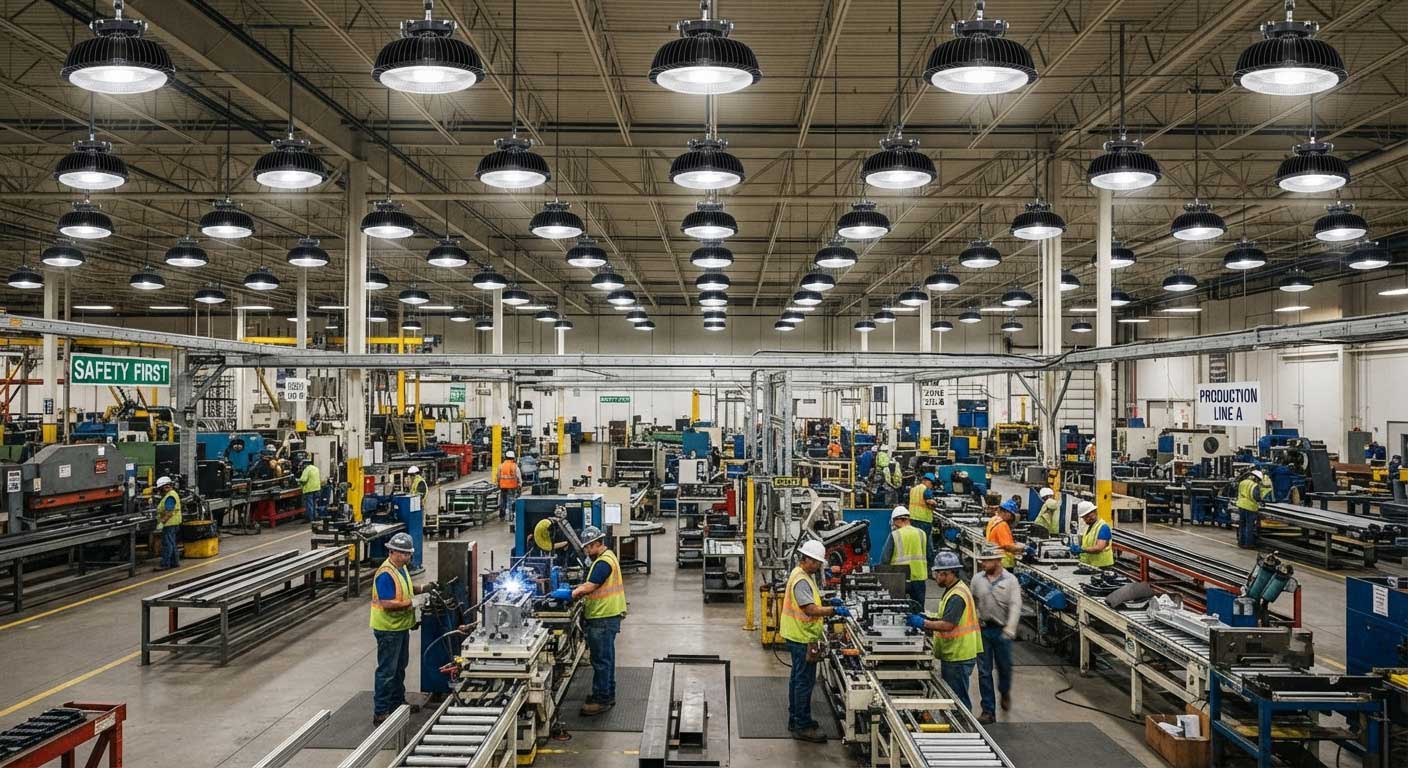
Manufacturing Area
30–75 foot-candles
Detailed Assembly
Higher illumination required
3. Fixture Beam Angle
A narrow beam concentrates light in high-ceiling applications, while a wide beam works better in lower spaces.
How Many LED High Bay Lights Do I Need for a Warehouse?
Warehouse projects are where quantity mistakes happen most often.
A typical 50,000 sq ft warehouse may require:
40–80 LED high bay fixtures depending on ceiling height
150W–300W fixtures depending on mounting distance
Different layouts for storage zones and working areas
During lighting upgrades, I often see customers compare only fixture prices. However, the more important factor is the total lighting performance over the building lifespan.
A fixture that provides better optical distribution may reduce the total quantity required.
This is where professional lighting design creates measurable differences.
Common Mistakes When Choosing LED High Bay Quantity
Many projects fail because of these mistakes:
Calculating only by square footage
Ignoring ceiling height
Choosing wattage instead of lumens
Installing fixtures without spacing analysis
Overlooking glare control
A warehouse does not need maximum brightness everywhere. It needs balanced illumination where people actually work.
FAQ: how many led high bay lights do i need?
How many LED high bay lights do I need for a 10,000 sq ft warehouse?
A 10,000 sq ft warehouse usually requires around 20–40 LED high bay lights depending on ceiling height, fixture output, and required brightness.
How many lumens should an LED high bay light have?
Most industrial LED high bays range from approximately 10,000 to 45,000 lumens depending on application requirements.
Can I calculate LED high bay lights by wattage?
Wattage alone is not accurate because different LED fixtures can produce different lumen outputs at the same power level.
How far apart should LED high bay lights be installed?
Spacing depends on mounting height and beam angle. Many industrial installations use spacing between 15 and 40 feet.
Are fewer high-output LED high bays better?
Not always. Proper distribution and uniform lighting are more important than simply reducing fixture numbers.
Conclusion
how many led high bay lights do i need depends on your building size, ceiling height, lumen requirements, and application environment.
A reliable lighting design combines calculation, product performance, and real installation experience. At SEEKINGLED, we focus on helping industrial customers select the correct LED high bay quantity to achieve efficient, comfortable, and reliable lighting performance.
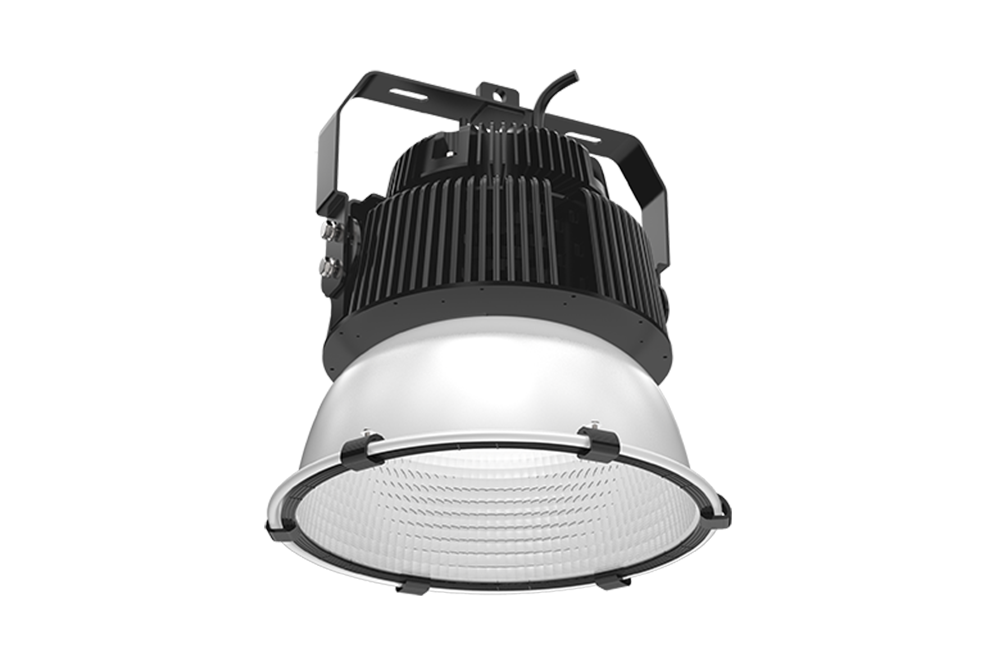
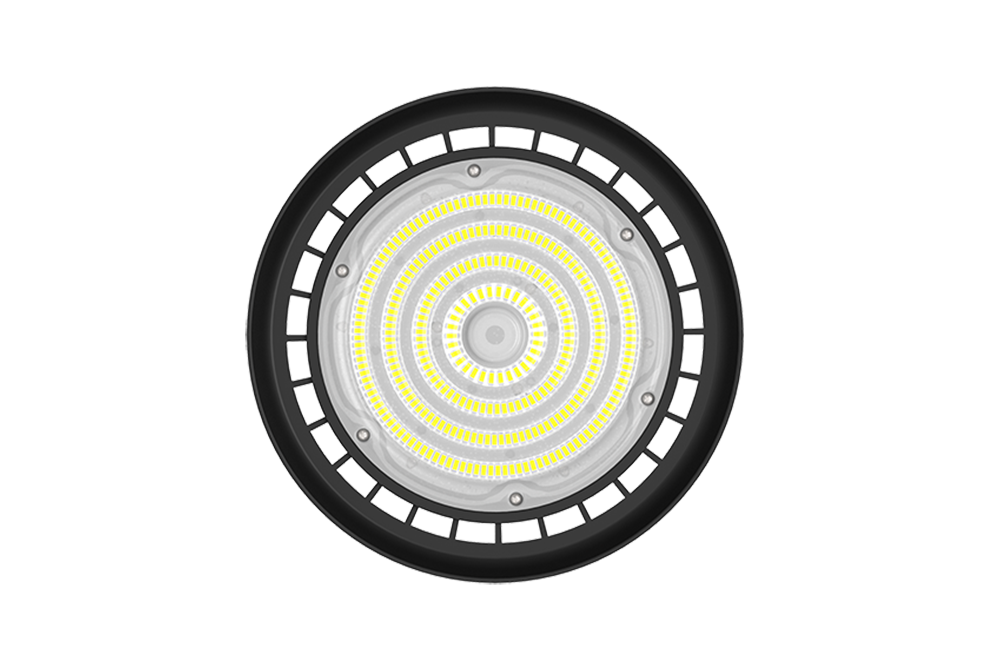
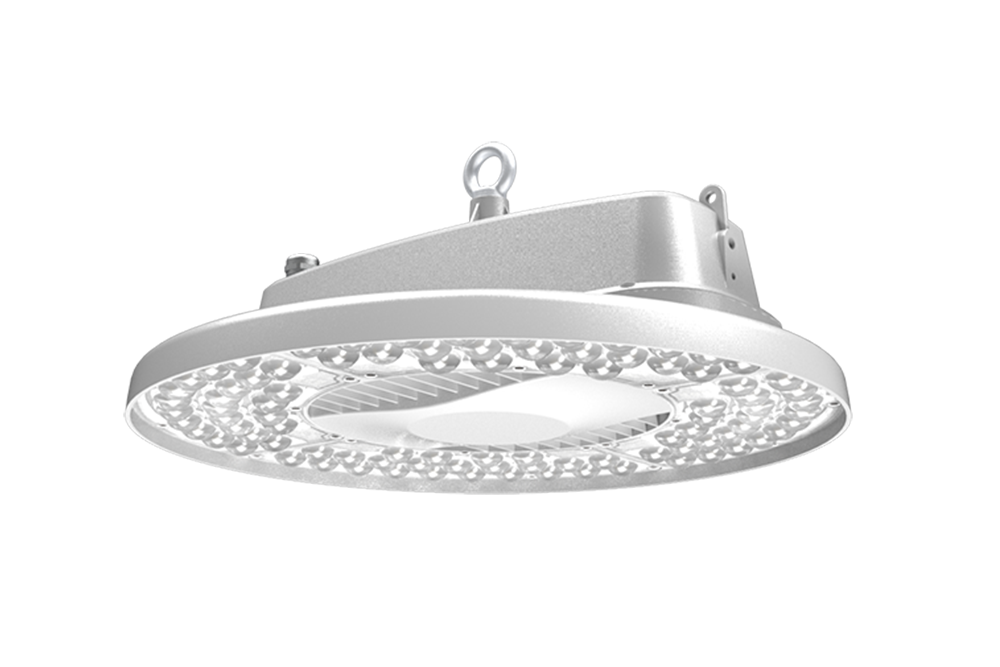
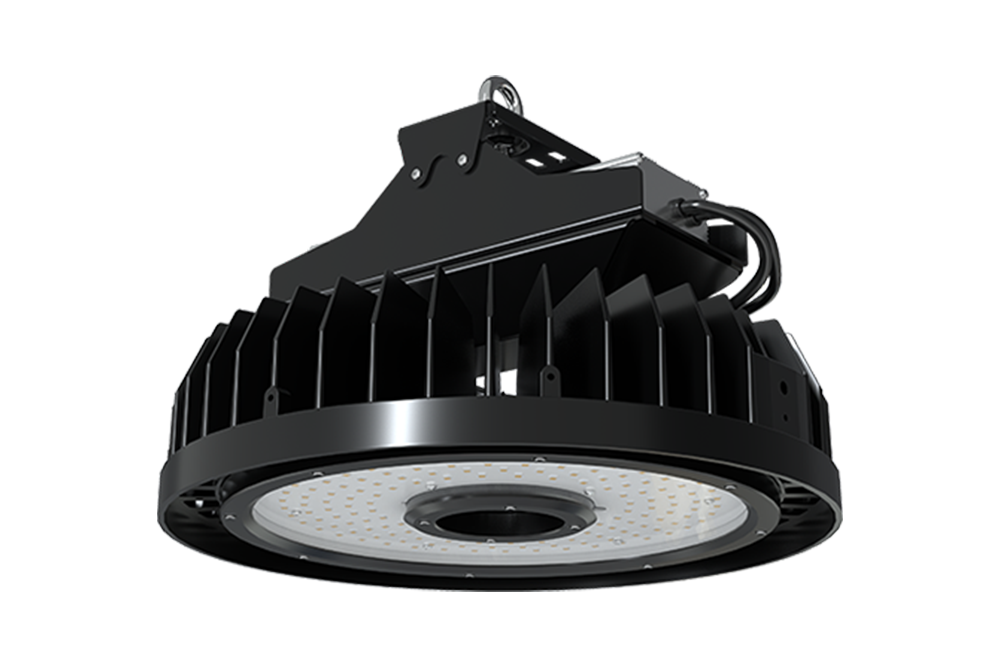
The SEEKING HBC-T Series high bay lights LED offer long-lasting performance for warehouses, production plants and logistics centers. Durable IP65 & IK08 housing, 60°/90° beam angles, up to 150 lm/W, and a lifespan beyond 100,000 hours. Ideal for airport halls, commercial storage, construction sites and large indoor spaces.
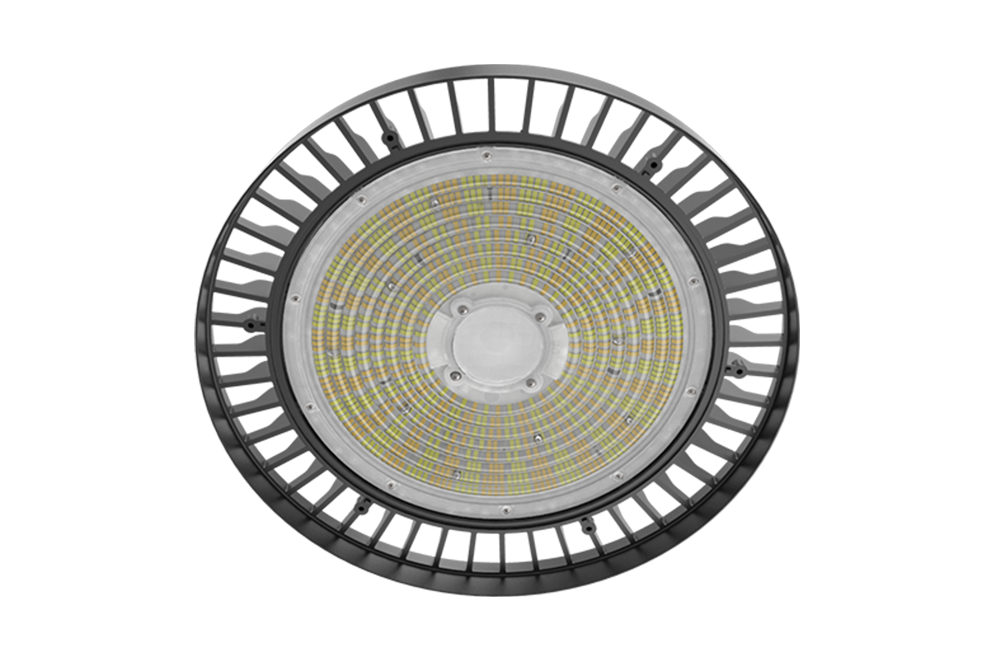
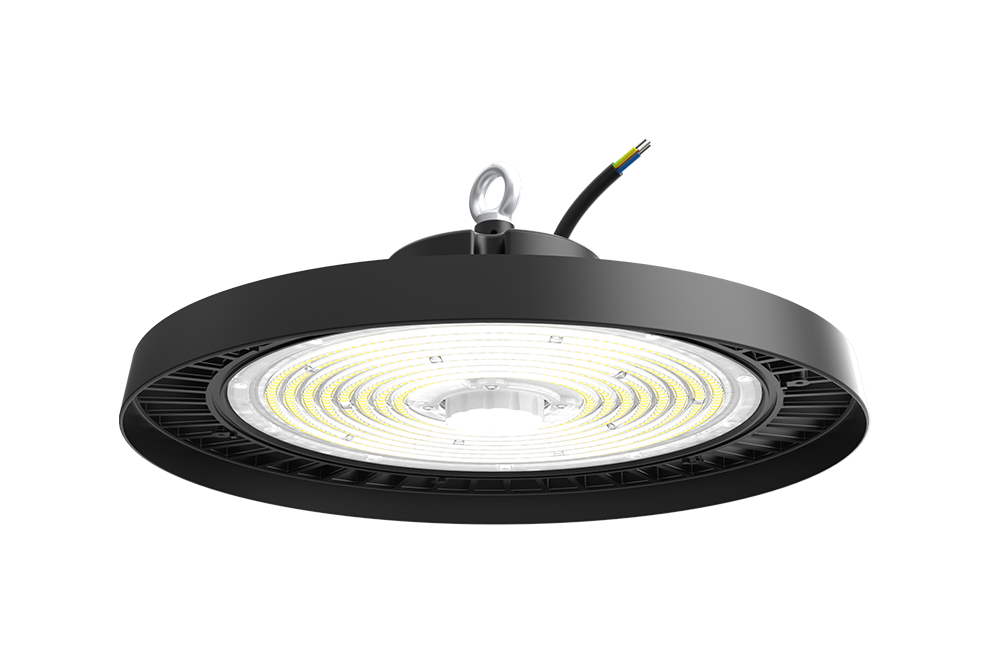
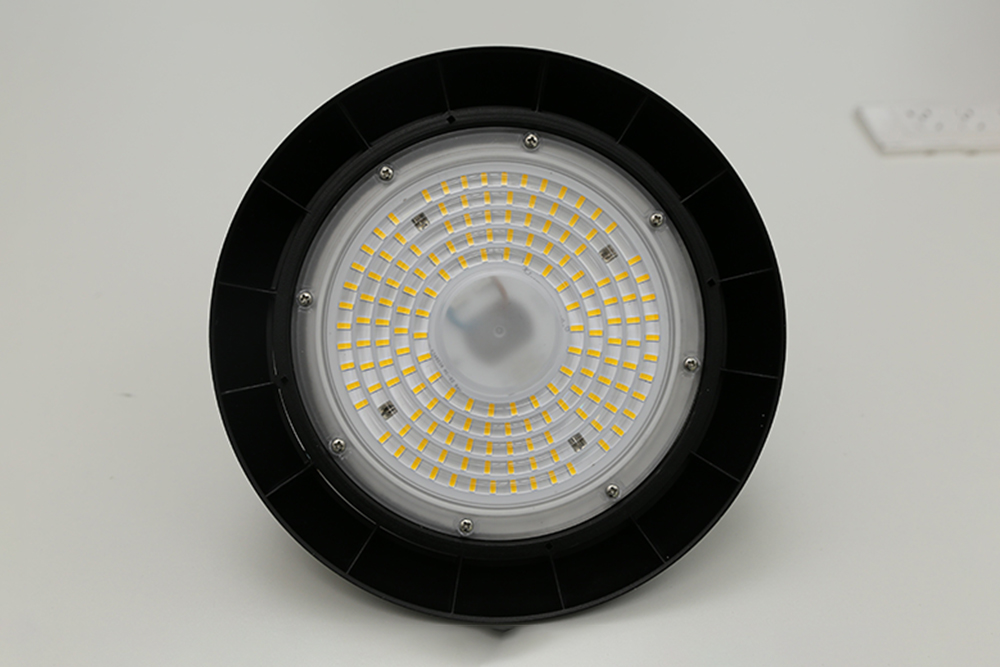
The SEEKING HBS Series LED UFO high bay light delivers 140 lm/W efficiency, IP65 protection and MEAN WELL drivers. A durable high-rise lighting solution for factories, warehouses and commercial halls.
SEEKING HBD Series LED high bay lighting delivers 160 lm/W efficiency, IP66 protection, and long 100,000-hour lifespan. A durable UFO high bay solution for warehouses, workshops, logistics centers and commercial facilities.
The SEEKING HBC Series high bay LED light fixtures combine strong efficiency, practical design and reliable SOSEN drivers. A durable UFO high bay lighting option for warehouses, workshops and wholesale projects.
The SEEKING GSL Series high bay LED light delivers powerful, efficient lighting for industrial and commercial spaces. With IP65 protection, flexible mounting, and up to 140 lm/W performance, it’s ideal for warehouses, workshops, and retail areas.
The SEEKING HB15(GLE) Series delivers advanced high bay led lighting with UGR 100,000 h) and reliable illumination for demanding commercial environments.
Discover the SEEKING HB13(GLK) Series ufo led high bay light, engineered for sports halls, airport lounges, showrooms, and large commercial spaces. UGR 100,000 h). Ideal for industrial ufo high bay lighting fixtures and commercial retrofits.
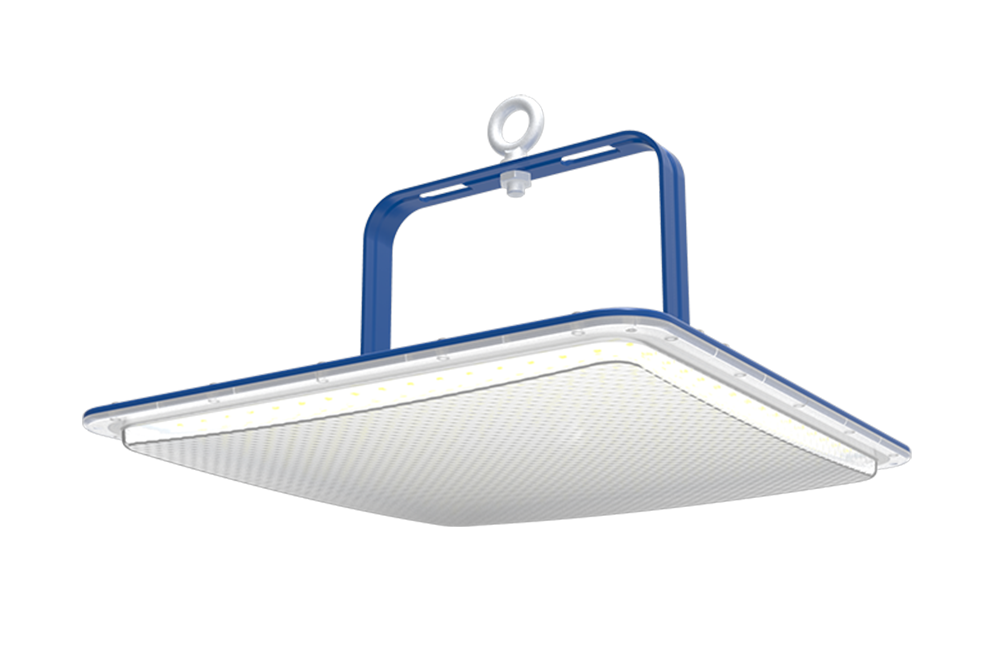
SEEKING HBF Series offers industrial LED high bay lighting with up to 200lm/W efficiency, SOSEN flicker-free driver, IP65 protection and optional microwave motion sensor. Ideal for warehouses, factories and commercial distribution projects.
The HLD Series linear high bay LED lights from SEEKING deliver up to 200 lm/W with multiple beam angles and adjustable CCT options for warehouse, workshop, corridor and general industrial lighting.
The HBK Series LED high bay light by SEEKING combines 500W power, 160–175 lm/W efficiency and IP65 durability for heavy-duty industrial lighting. Designed for warehouse, factory and production facilities with demanding ceiling heights.
LED high bay lights engineered for extreme heat and low-temperature industrial sites. SEEKING HBK Ultua Series operates from -40°C to +70°C with Nichia LEDs and Inventronics driver.
High bay LED lights built for warehouses, production plants and wholesale distribution. SEEKING HBI Series offers up to 200lm/W, IP65, IK08 and optional microwave motion sensor for energy saving operation.
Discover vintage explosion proof lighting, its industrial origins, safety standards, restoration challenges, and modern hazardous-area alternatives for demanding environments.
Choose flood lights by matching lumen output, beam angle, mounting height, environment, color temperature, controls, and efficiency to the actual application.
Today, March 9th, our Explosion proof light products are once again the center of attention, drawing huge crowds of buyers who keep stopping by to inspect, take photos, and discuss!Especially the LO Series and BAY51 Series explosion proof linear l...
 Seeking LED