 Seeking LED
What Does the Cut Line Look Like on LED Lights?
350What does the cut line look like on LED lights? This guide explains how beam edges appear in real installations and why cut line quality affects LED linear lighting performance.
View detailsSearch the whole station
atex fluorescent lights are explosion-protected lighting fixtures designed for hazardous environments where flammable gases, vapors, or dust may create ignition risks. They provide reliable illumination for industrial facilities requiring certified safety performance.
In hazardous industries, lighting is often installed once and expected to operate reliably for years.
The challenge appears when the environment contains combustible materials.
A standard fluorescent fixture may provide enough brightness, but it is not designed to control ignition risks. In oil terminals, chemical plants, and processing facilities, lighting equipment must match the hazardous area classification and operational conditions.
At SEEKINGLED, our engineering team has worked with industrial LED and hazardous lighting applications where customers often ask the same question:
“Can a normal industrial light be used in this area?”
The answer depends on the risk classification.
For locations with explosive atmospheres, certified atex fluorescent lights provide a safer approach by combining protected enclosure designs, suitable temperature ratings, and compliance with hazardous area requirements.
atex fluorescent lights are lighting fixtures certified for use in potentially explosive atmospheres according to ATEX requirements.
The ATEX framework applies to equipment used in areas where explosive mixtures may occur.
Reference:
European Commission – ATEX Equipment Directive 2014/34/EU
https://single-market-economy.ec.europa.eu/sectors/mechanical-engineering/equipment-potentially-explosive-atmospheres-atex_en
Unlike commercial fluorescent fixtures, hazardous area fluorescent lights are designed with additional protection methods.
These may include:
The purpose is simple:
Prevent the lighting equipment itself from becoming a possible ignition source.
Industrial lighting is not only about visibility.
In hazardous areas, poor lighting can affect:
Facilities using hazardous area lighting commonly include:
| Industry | Typical Application |
|---|---|
| Oil & gas | Refineries, fuel storage, offshore platforms |
| Chemical | Processing areas, mixing rooms, storage zones |
| Pharmaceutical | Production areas with chemical materials |
| Manufacturing | Paint rooms and industrial workshops |
| Mining | Underground and processing facilities |
A lighting failure in a normal warehouse may cause inconvenience.
A lighting failure in a hazardous facility can create a much more serious situation.
The key purpose of ATEX certification is controlling ignition hazards.
According to the European Commission, equipment used in explosive atmospheres must meet essential health and safety requirements before being placed on the market.
Reference:
European Commission ATEX Directive Information
https://single-market-economy.ec.europa.eu/sectors/mechanical-engineering/equipment-potentially-explosive-atmospheres-atex_en
When selecting atex fluorescent lights, engineers usually review:
| Requirement | Purpose |
|---|---|
| Equipment category | Defines permitted hazardous area usage |
| Protection concept | Controls ignition protection method |
| Temperature class | Limits maximum surface temperature |
| Gas group | Matches explosive gas characteristics |
| Certification marking | Confirms compliance |
A fixture suitable for a safe industrial workshop may not be suitable for Zone 1 or Zone 2 hazardous locations.
Hazardous areas are classified according to the probability that an explosive atmosphere exists.
The IEC 60079 series provides internationally recognized standards for explosive atmosphere classification.
Reference:
International Electrotechnical Commission – IEC 60079 Series
https://www.iec.ch/standards
Common gas area classifications include:
| Zone | Description |
|---|---|
| Zone 0 | Explosive atmosphere exists continuously or for long periods |
| Zone 1 | Explosive atmosphere may occur during normal operation |
| Zone 2 | Explosive atmosphere is unlikely but may occur temporarily |
Before selecting fluorescent lighting, engineers need to confirm:
Choosing the wrong fixture can create compliance problems during inspection.
A hazardous fluorescent fixture requires more than a stronger lamp body.
The enclosure must protect internal electrical components from external risks.
Important construction features include:
In real industrial environments, lighting equipment faces conditions such as:
A fixture installed near a chemical processing line experiences very different conditions compared with one inside a controlled warehouse.Visit the product page: Explosion Proof Lighting
Traditional fluorescent lighting has been widely used in industrial applications.
However, many facilities are now upgrading to LED hazardous lighting because of improvements in:
According to the U.S. Department of Energy, LED lighting products generally use significantly less energy and have longer lifetimes compared with traditional lighting technologies.
Reference:
U.S. Department of Energy – LED Lighting
https://www.energy.gov/energysaver/led-lighting
Comparison:
| Feature | Fluorescent | LED Hazardous Lighting |
|---|---|---|
| Energy efficiency | Moderate | Higher |
| Maintenance frequency | More frequent | Lower |
| Startup performance | Requires ballast | Instant operation |
| Lifetime | Shorter | Longer |
| Temperature performance | Limited | Improved options |
However, some existing industrial facilities continue using certified fluorescent systems because replacement planning, wiring compatibility, and project budgets must be considered.
Oil and gas environments require reliable lighting around:
Workers need consistent illumination for inspections and operations.
Chemical plants often contain:
Certified lighting helps support safe working conditions in:
Some manufacturing environments require hazardous lighting due to:
Examples include:
Selecting hazardous lighting requires checking several details.
Review:
Evaluate:
Confirm:
Think about:
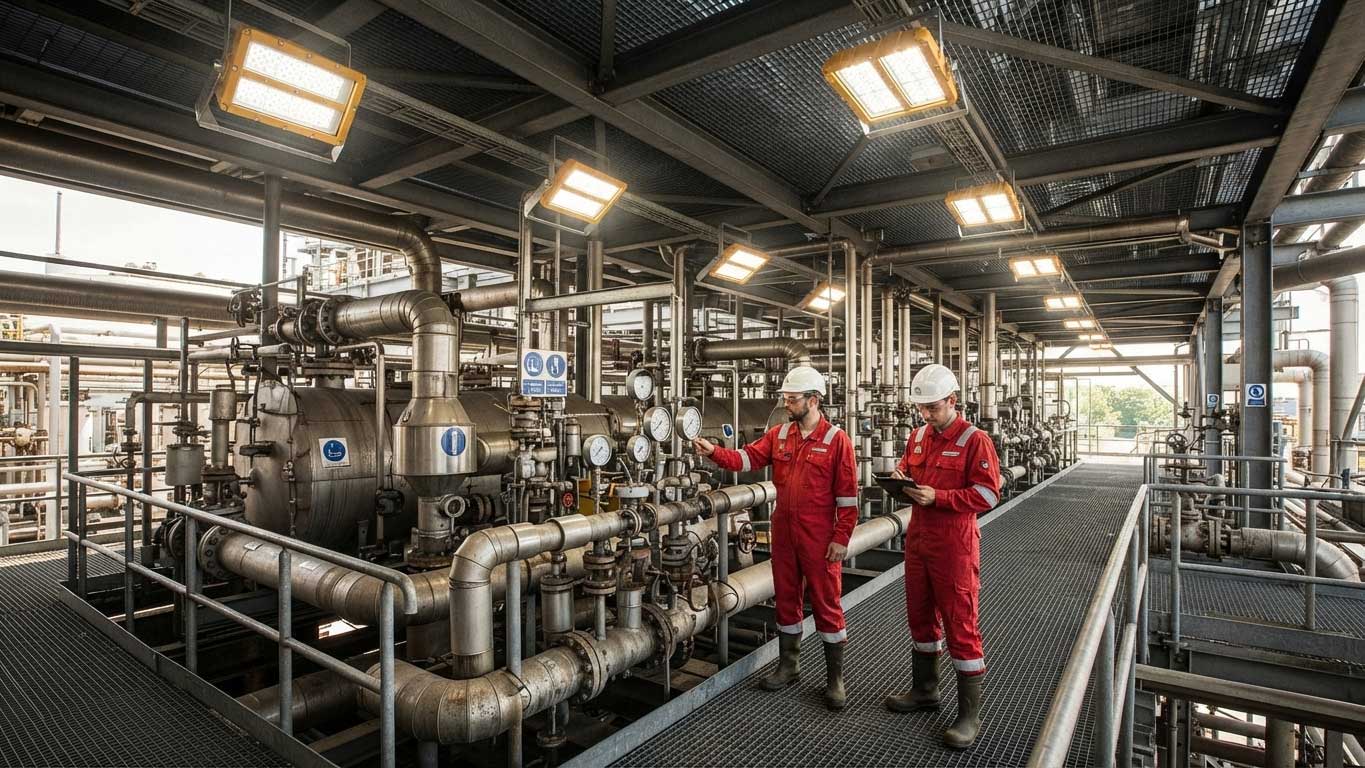
Hazardous lighting projects require more than selling a fixture.
They require understanding:
SEEKINGLED develops industrial LED lighting solutions for demanding environments, focusing on reliability, efficiency, and practical application needs.
From initial product selection to final installation planning, every detail influences long-term performance.
For hazardous facilities, lighting is not simply equipment.
It is part of the safety infrastructure.
Even certified atex fluorescent lights must be installed correctly to maintain their protection performance.
In hazardous environments, installation mistakes can affect:
Before installation begins, engineers should review several factors.
The installation team should confirm:
A fixture designed for Zone 2 may not be acceptable in Zone 1.
The lighting specification must match the actual working environment.
The position of the lighting fixture directly affects performance.
Engineers normally evaluate:
For example, in a refinery, installing lights above pipelines may create shadows below equipment.
A better layout considers worker movement patterns, not only the ceiling structure.
Hazardous area lighting requires careful electrical installation.
Important points include:
The connection system must maintain the protection level of the complete fixture.
A certified product can lose its protection capability if incorrect accessories are used during installation.
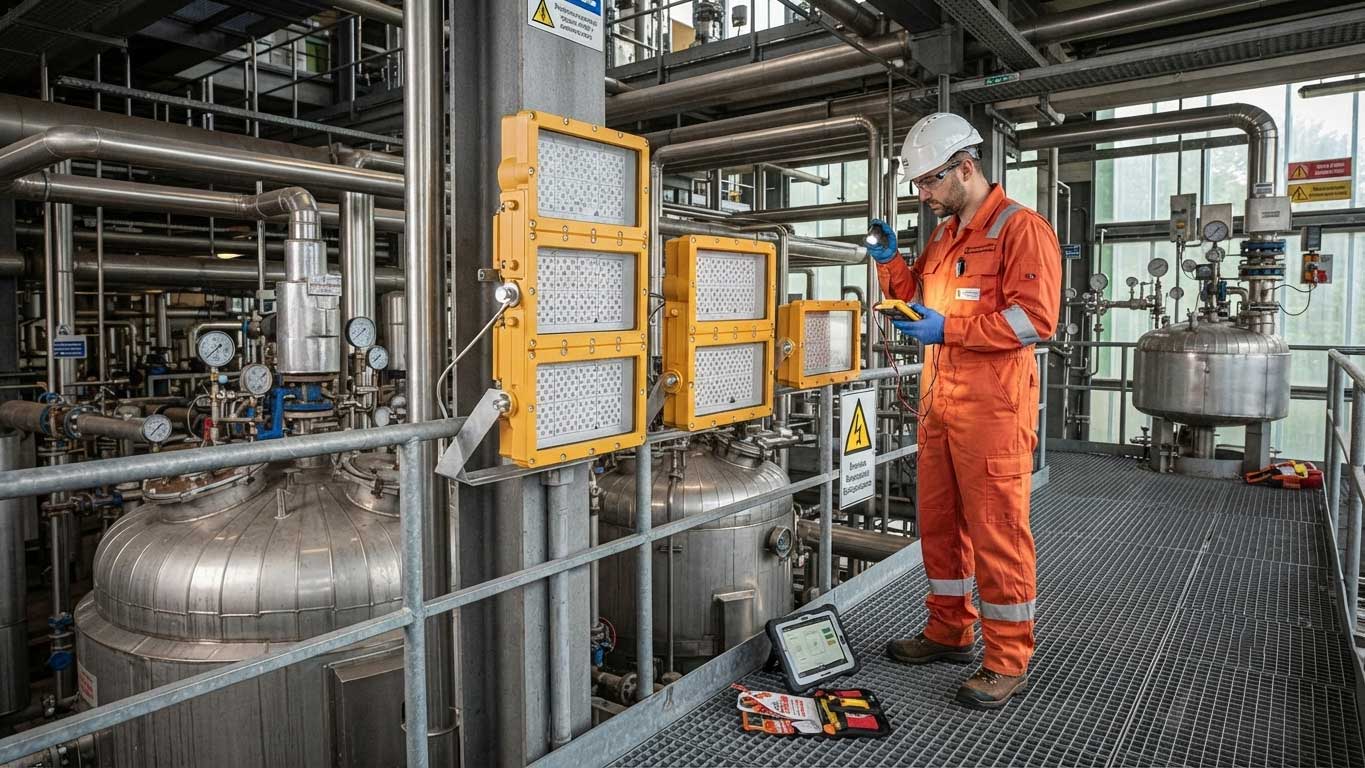
Industrial facilities often operate continuously.
Because of this, maintenance planning is essential.
Regular inspection helps identify:
A typical maintenance checklist includes:
| Inspection Item | Purpose |
|---|---|
| External housing | Check damage or corrosion |
| Lens condition | Confirm light output |
| Cable entry points | Maintain sealing protection |
| Electrical connections | Prevent failures |
| Mounting structure | Ensure mechanical stability |
ATEX certification focuses on explosive atmosphere protection, but industrial environments create additional challenges.
A complete lighting specification may also require environmental protection.
The IP rating defines protection against solid particles and water.
Common industrial requirements include:
| Rating | Protection |
|---|---|
| IP65 | Dust tight and protected against water jets |
| IP66 | Dust tight and protected against powerful water jets |
| IP67 | Dust tight and protected against temporary immersion |
Reference:
International Electrotechnical Commission – IEC 60529 IP Rating Standard
https://www.iec.ch/
Industrial lighting may be exposed to:
A higher IK rating helps improve mechanical durability.
This is especially important in:
Many industrial companies are gradually replacing fluorescent fixtures with advanced LED hazardous lighting.
The reasons include:
Modern industrial lighting projects increasingly consider:
However, upgrading a hazardous lighting system requires careful planning.
Existing certification requirements, installation conditions, and operational schedules must all be considered.
At SEEKINGLED, hazardous lighting development focuses on practical industrial challenges.
The product design process considers:
Industrial customers usually do not need the cheapest fixture.
They need lighting equipment that performs consistently after installation.
A lighting product installed in a refinery, chemical plant, or manufacturing facility represents a long-term investment.
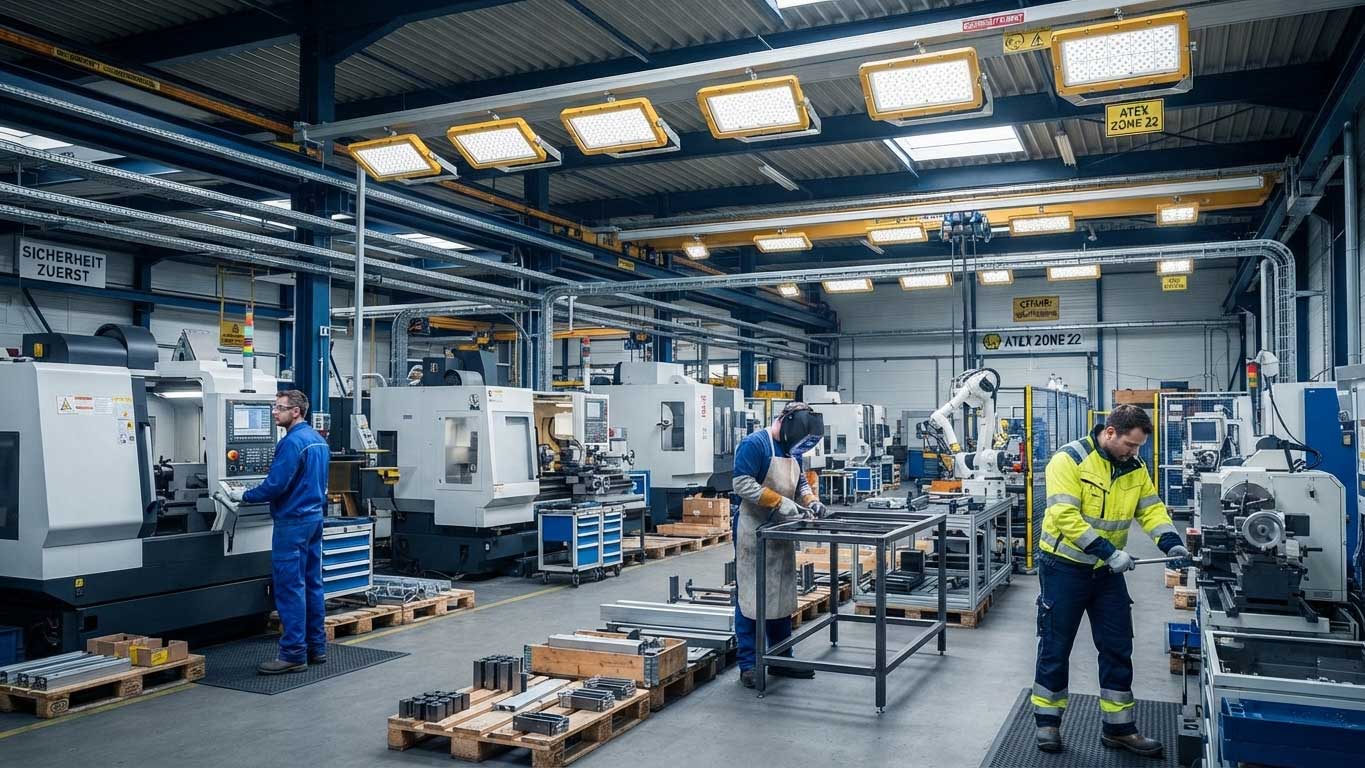
atex fluorescent lights are used in hazardous areas where explosive gases, vapors, or dust may exist. Common applications include oil refineries, chemical plants, fuel storage areas, and industrial processing facilities.
The suitability depends on the product certification marking. Different hazardous zones require different protection levels, so the fixture must match the specific installation classification.
Standard fluorescent lights are designed for normal environments, while ATEX fluorescent lights include certified protection features to reduce ignition risks in explosive atmospheres.
Yes, many facilities upgrade to hazardous area LED lighting for improved efficiency and lower maintenance costs. However, replacement projects should consider certification, installation conditions, and compatibility.
For European hazardous locations, ATEX certification is commonly required. Other regions may require additional approvals depending on local regulations.
The service life depends on operating conditions, maintenance practices, and component quality. Environmental factors such as temperature, vibration, and chemical exposure can affect performance.
Selection should consider:
Selecting suitable atex fluorescent lights requires understanding the complete hazardous environment rather than only comparing brightness or price.
The correct solution should match:
Industrial lighting plays an important role in keeping workers safe and maintaining production reliability.
Although fluorescent technology has been widely used for decades, hazardous lighting continues to evolve toward more efficient and intelligent solutions.
SEEKINGLED focuses on providing professional industrial lighting solutions designed for demanding applications, helping customers achieve safer and more reliable illumination in hazardous environments.
The right lighting choice is not only about seeing clearly.
It is about creating a safer workplace.
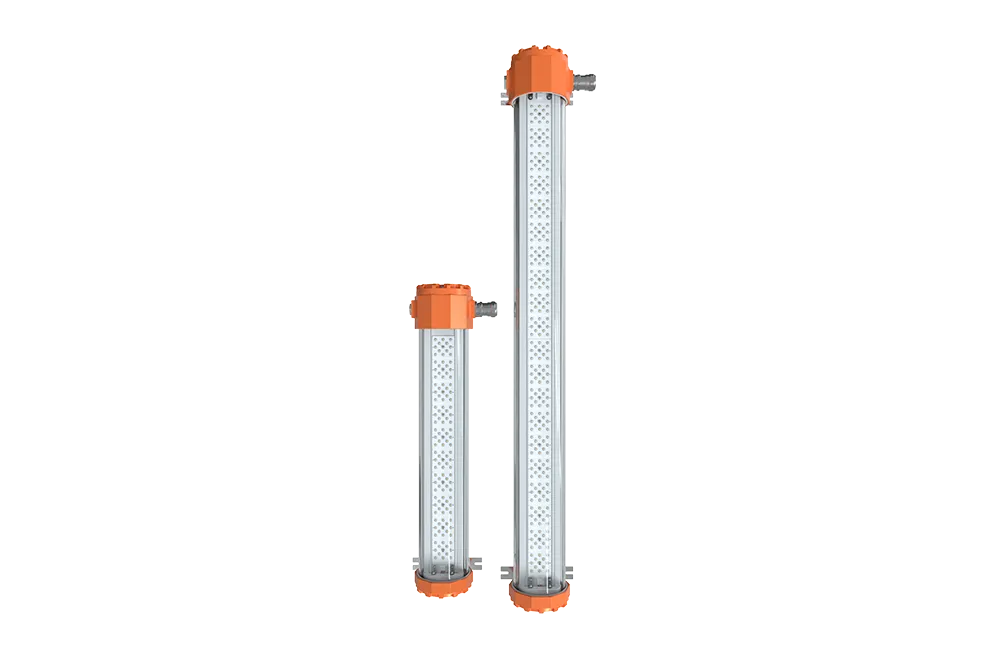
SEEKINGLED LED Linear Explosion Proof Light and Explosion Proof lighting is ATEX and IECEx certified for Zone 1, Zone 2, Zone 21 and Zone 22 hazardous locations, built for long-term industrial use.
View details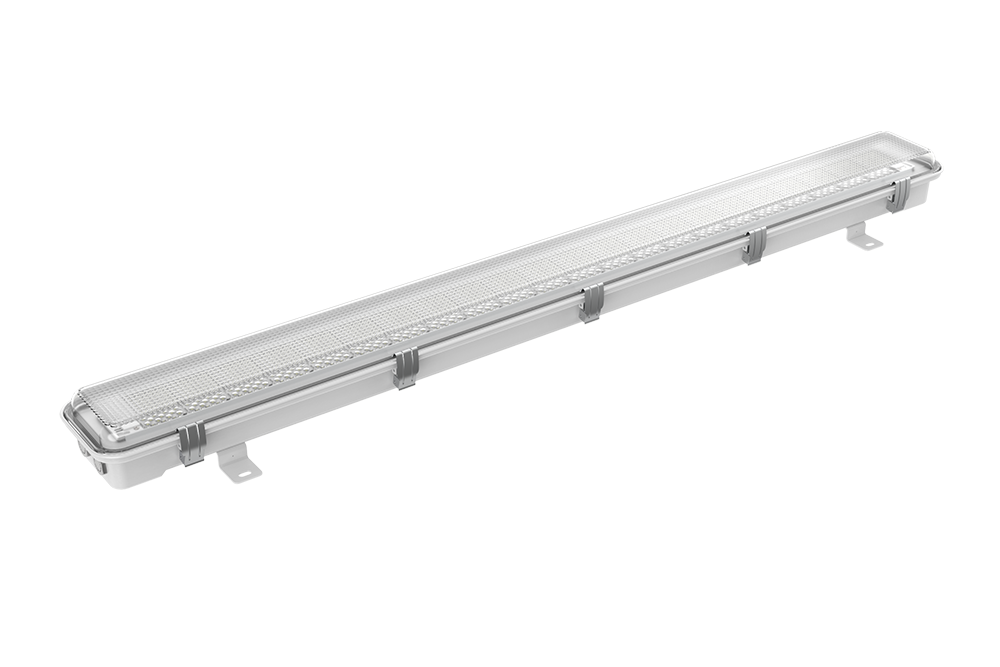
LED Linear Explosion Proof Lights and EX Proof lights for Zone 1, Zone 2, Zone 21 and Zone 22 hazardous areas. ATEX & IECEx certified explosion proof LED linear lighting with emergency function, adjustable power and IP67 protection by SEEKINGLED.
View details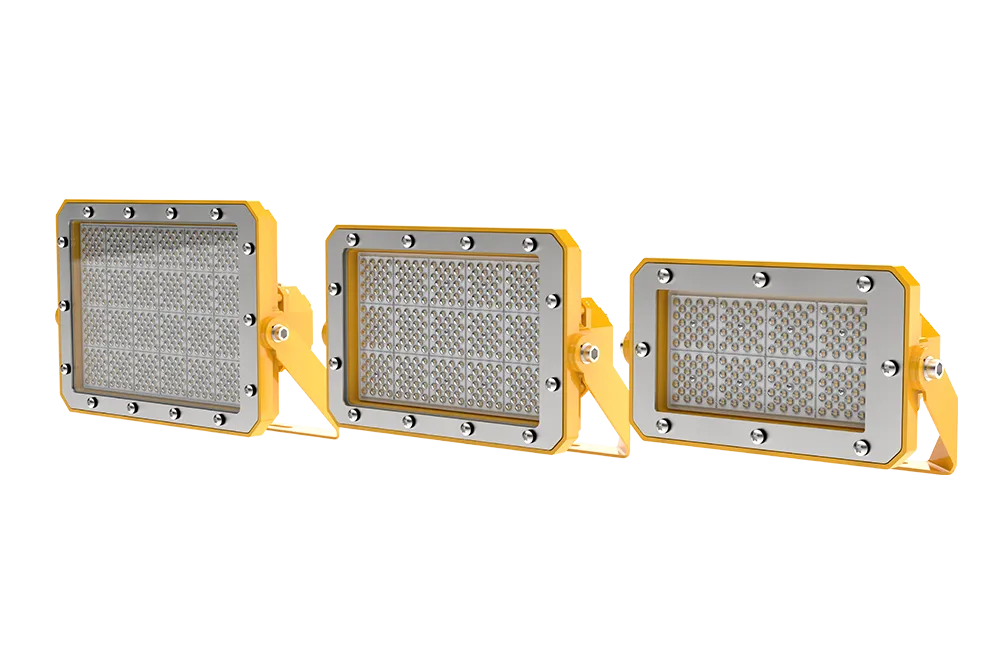
SEEKINGLED LED Explosion Proof Flood Lights are ATEX certified for Zone 2 and Zone 22 hazardous areas, offering high efficiency, adjustable power and integrated junction box.
View details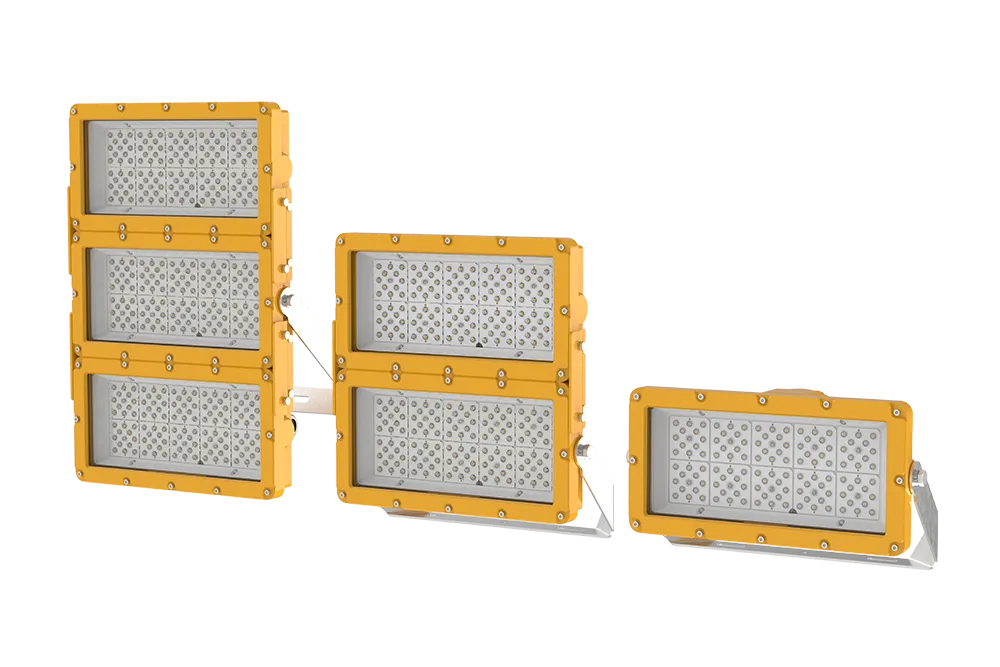
SEEKINGLED LED Explosion Proof Flood Lights are flameproof ATEX and IECEx certified for Zone 1 and Zone 2 hazardous areas, offering high power, adjustable output and long service life.
View details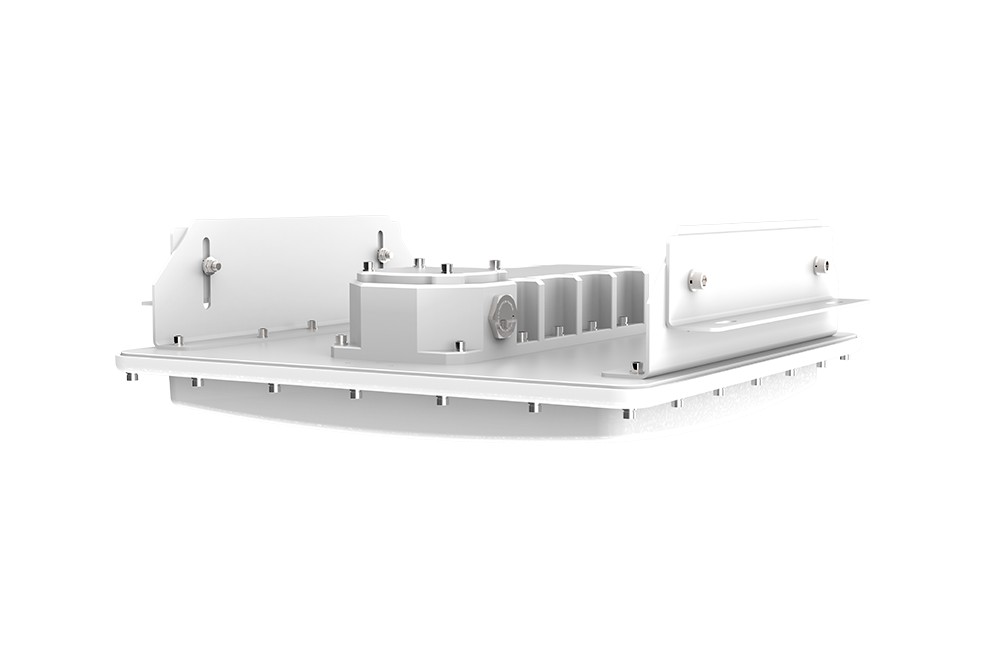
SEEKINGLED LED Gas Station Canopy Lights are ATEX certified for Zone 2 and Zone 22 hazardous areas, featuring adjustable power and built-in explosion-proof junction box.
View details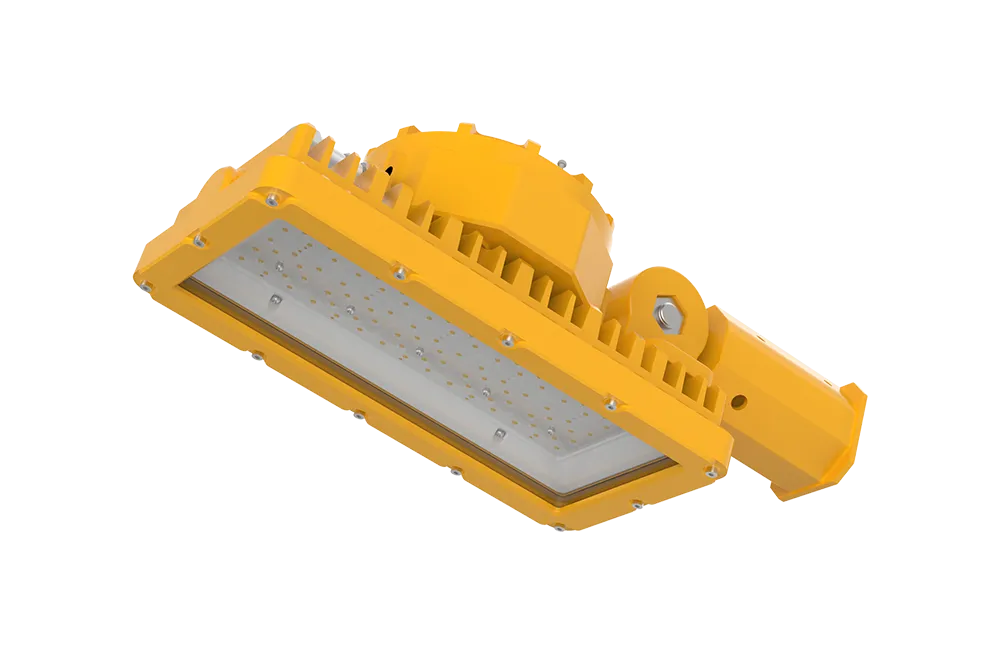
ATEX: Ex II 2G Ex db IIB T6/T5 GbEx II 2D Ex tb IIIC T80°C/ T95°C Db IECEx Ex db IIB T6 Gb;Ex tb IIIC T80°C Db Feature: ● For Zone 1,2 and Zone 21,22● Flameproof type, the strongest● 100W can replace 250W HID,energy saving● Power:60W,80W,100W Application: Oil and gas, marine, Chemical, pharmaceutical, semiconductor,mining,military industr…
View details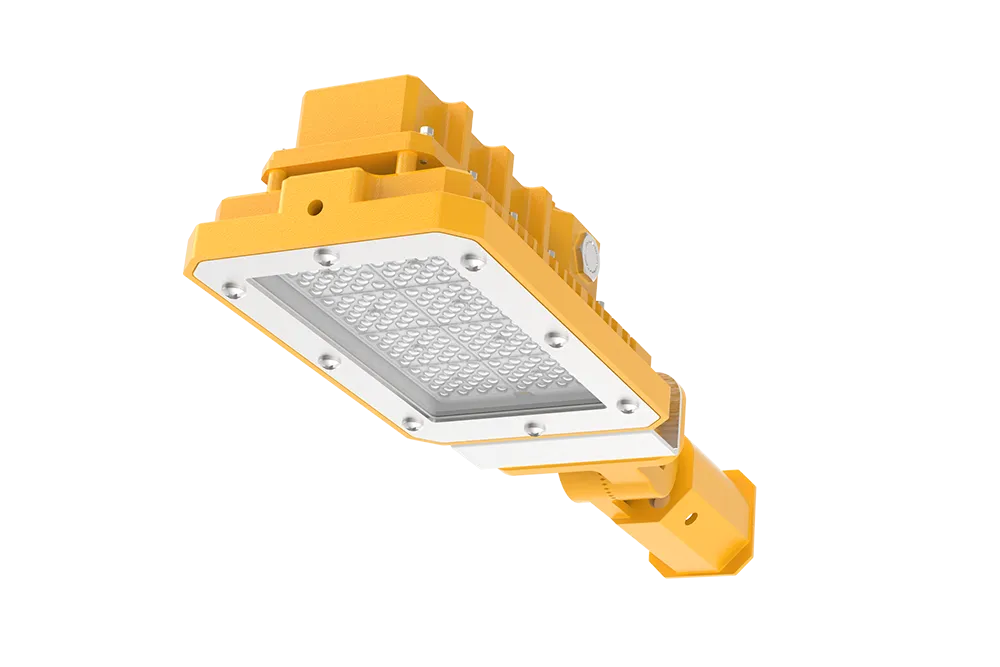
ATEX: II 3G Ex nR ⅡC T5/T6 GcII 3D Ex tc ⅢC T80℃/T95℃Dc ATEX Certificate NO: TÜV CY 26 ATEX 0207611 X Feature: ● For Zone 2 and Zone 22● 150W can replace 250W HID lamps,Energy saving● Power:50W,75W,100W,150W,200W Application: Oil and gas, marine, Chemical, pharmaceutical, semiconductor,mining,military industry, paint booth,power plant ETC…
View details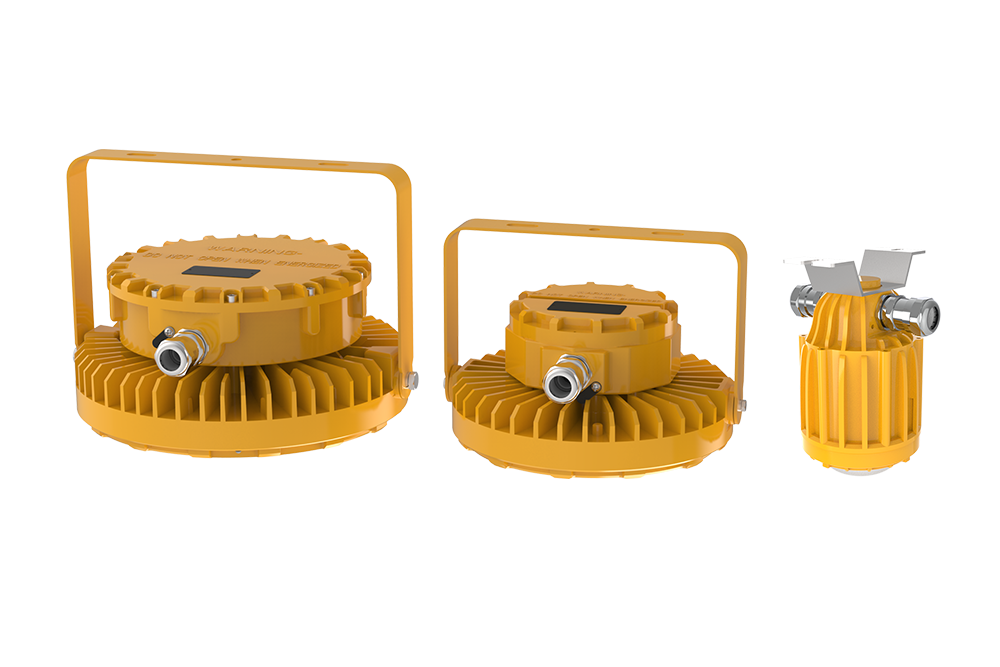
LED explosion proof high bay lights are designed for Zone 1, Zone 2, Zone 21 and Zone 22 hazardous areas. This page introduces the HB21 Series from SEEKING, including certifications, power options and real application considerations.
View details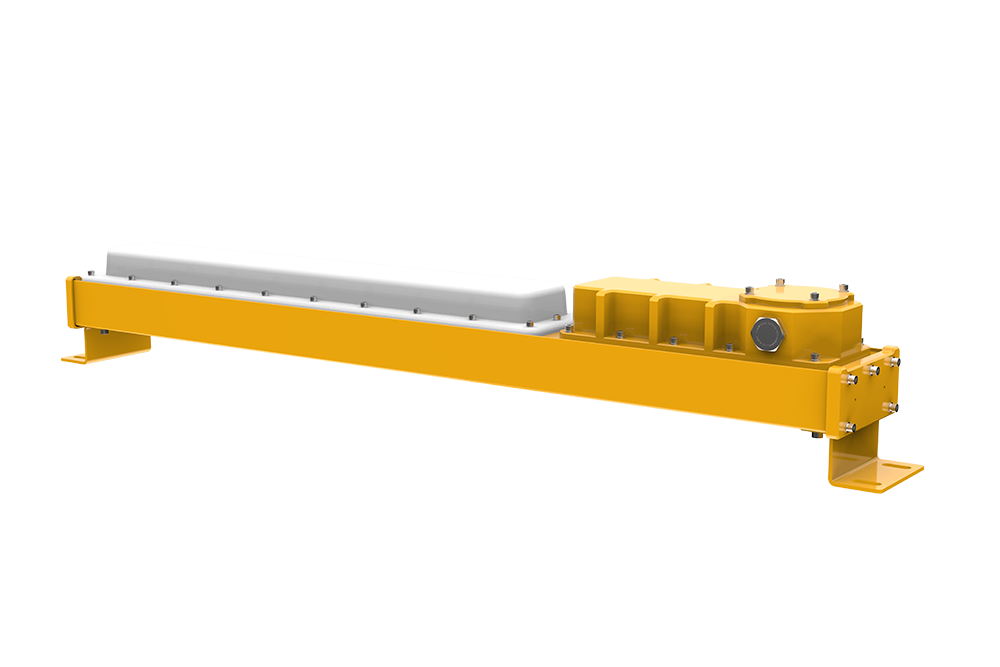
LED Linear Explosion Proof Lights from SEEKINGLED. LU Series Flame Proof lights ATEX-certified explosion proof LED linear lighting for Zone 2 gas and Zone 22 dust areas, IP69K, IK10, long lifetime and flexible power options.
View details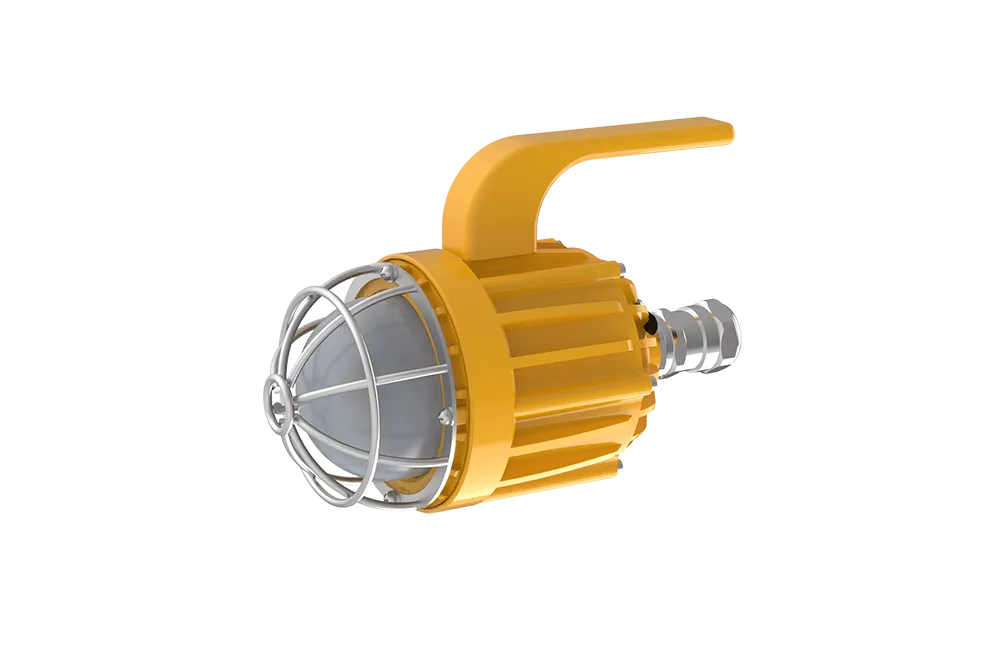
Certified explosion proof work lights for Zone 1 & 21 hazardous areas. Portable, ATEX & IECEx approved, built for oil, gas and chemical plants by SEEKINGLED.
View details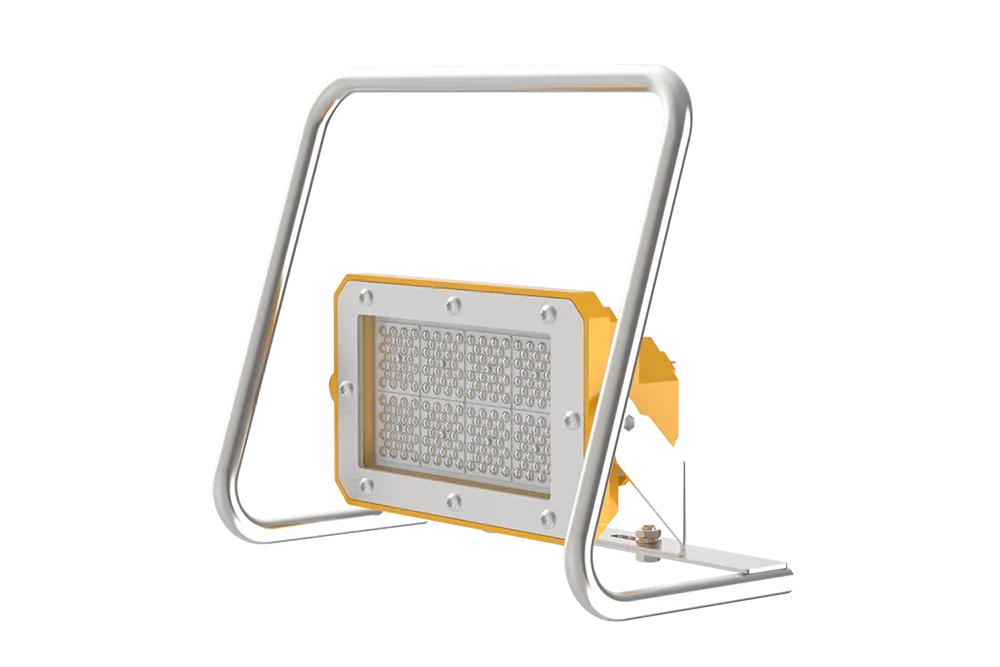
ATEX: II 3G Ex nR ⅡC T6 GcII 3D Ex tc ⅢC T80℃ Dc ATEX Certificate NO: TÜV CY 26 ATEX 0207611 X Feature: ● For Zone 2 and Zone 22● Accepts battery-powered supply● indestructible● Power:AC input:50W,75W,100WDC input:15W,25W,35W Application: Oil and gas, marine, Chemical, pharmaceutical, semiconductor,mining,military industry, paint booth,po…
View details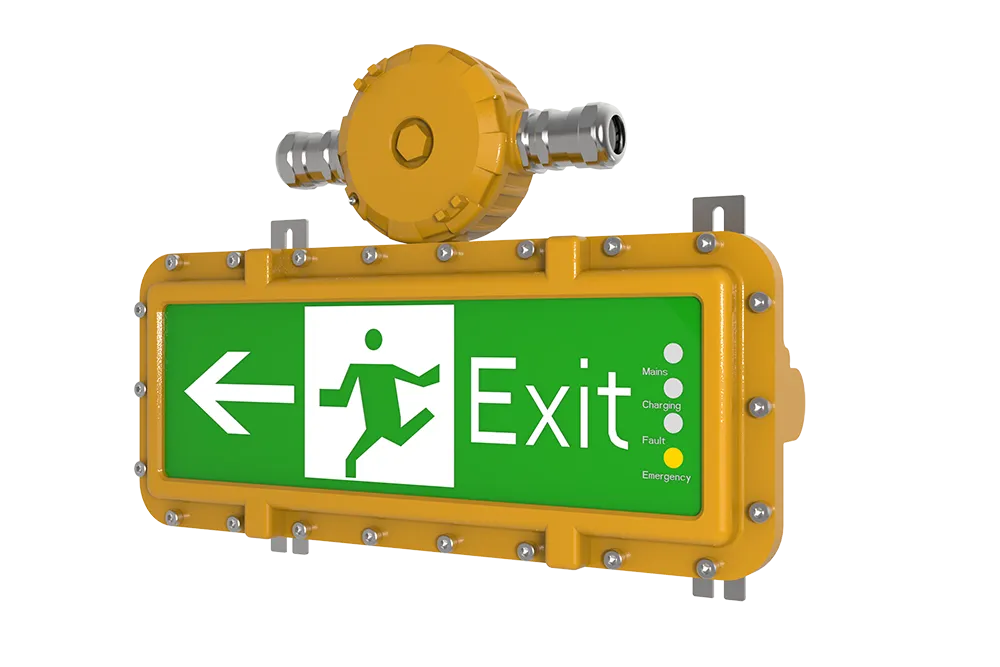
ATEX: Ex II 2G Ex db IIB T6 GbEx II 2D Ex tb IIIC T80°C Db IECEx Ex db IIB T6 Gb;Ex tb IIIC T80°C Db Feature: ● For Zone 1,2 and Zone 21,22● Flameproof type, the strongest Application: Oil and gas, marine, Chemical, pharmaceutical, semiconductor,mining,military industry, paint booth,power plant ETC hazardous area. Technical Specifications:…
View details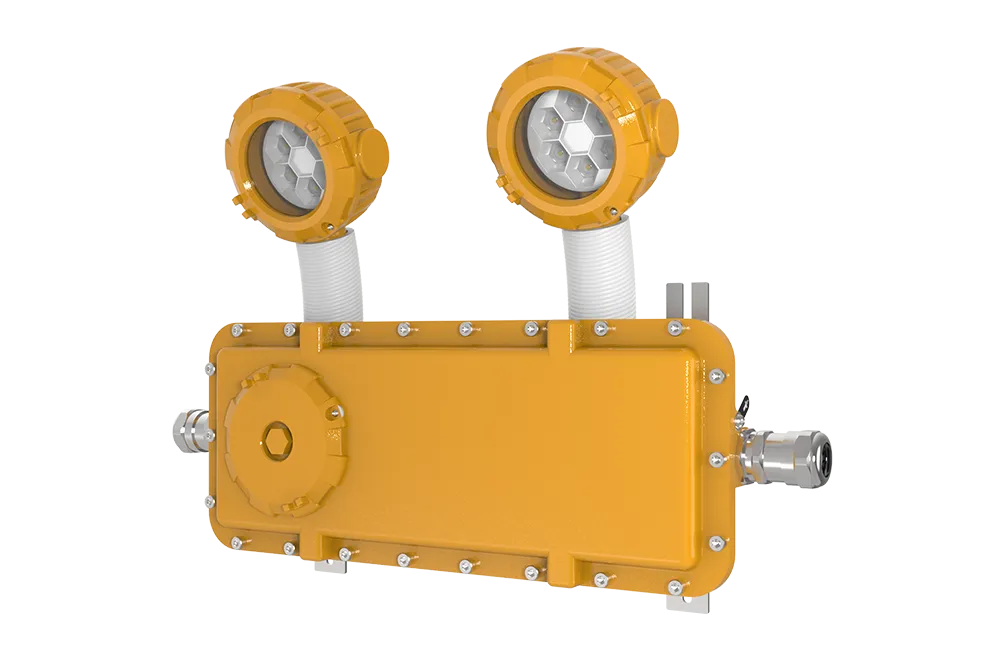
ATEX: Ex II 2G Ex db IIB T6 GbEx II 2D Ex tb IIIC T80°C Db IECEx Ex db IIB T6 Gb;Ex tb IIIC T80°C Db Feature: ● For Zone 1,2 and Zone 21,22● Flameproof type, the strongest Application: Oil and gas, marine, Chemical, pharmaceutical, semiconductor,mining,military industry, paint booth,power plant ETC hazardous area. Technical Specifications:…
View details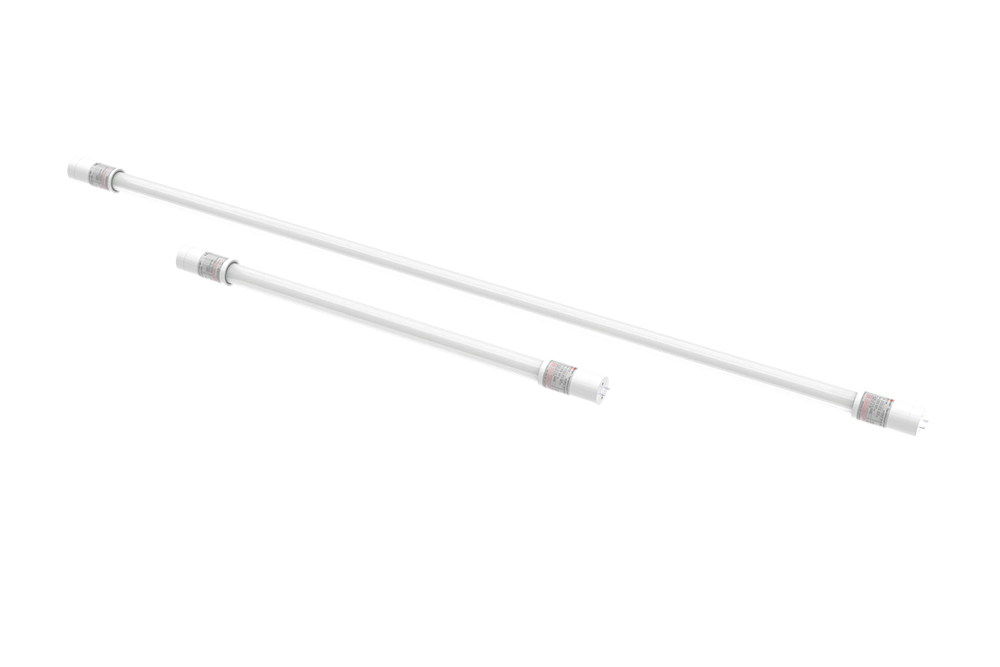
ATEX: Ex II 2G Ex d e IIB T6 Gb ATEX: Ex d e IIB T6 Gb; Feature: ● For Zone 1,2● 9W can replace 18W fluorescent lamps,50% Energy saving Application: Oil and gas, marine, Chemical, pharmaceutical, semiconductor,mining,military industry, paint booth,power plant ETC hazardous area. Technical Specifications: Standards:60079-0, 60079-1, 60079…
View details
What does the cut line look like on LED lights? This guide explains how beam edges appear in real installations and why cut line quality affects LED linear lighting performance.
View details
Need a certified explosion proof light fixture? SEEKINGLED delivers durable, compliant lighting for oil, gas, and chemical hazardous areas.
View details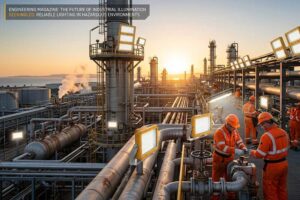
What are hazardous light fixtures? Learn how hazardous area lighting works, where it is used, and why certified fixtures protect oil, gas, and chemical facilities.
View details
Explosion proof LED lighting Class 1 Division 1 ensures safe operation in hazardous gas environments. Learn standards, applications, and SEEKINGLED solutions.
View details