 Seeking LED
Explosion-Proof Light: How It Differs from Ordinary Industrial Lights
0Explosion-Proof Light solutions for hazardous areas. Learn how explosion-proof lighting differs from ordinary industrial lights and improves safety.
View detailsSearch the whole station
How long do high bay lights last? LED high bay lights typically provide 30,000–50,000 hours of useful life, with some well-designed commercial and industrial LED luminaires rated substantially higher. Actual service life depends heavily on heat, driver quality, operating hours, installation conditions, and lumen maintenance.
That distinction between rated life and useful lighting life is important.
A high bay does not necessarily stop working when it reaches its published lifetime.
Instead, the LEDs gradually lose output.
The U.S. Department of Energy explains that LED useful life is commonly described by the point at which the product reaches 70% of its initial light output, known as L70. DOE says good-quality white LED lighting products are generally expected to provide 30,000 to 50,000 hours or longer of useful life.
That is very different from saying an LED fixture will suddenly fail after 50,000 hours.
At SEEKINGLED, this distinction becomes obvious when looking at industrial installations. A high bay running continuously in a hot production area has a very different operating environment from one installed in a relatively cool warehouse.
The number printed on the specification sheet is only the starting point.
A 50,000-hour rating sounds enormous until you translate it into actual operating time.
For a facility operating:
| Daily Operation | Approximate Annual Hours | 50,000 Hours Equals |
|---|---|---|
| 8 hours/day | 2,920 hours | 17.1 years |
| 10 hours/day | 3,650 hours | 13.7 years |
| 12 hours/day | 4,380 hours | 11.4 years |
| 16 hours/day | 5,840 hours | 8.6 years |
| 24/7 | 8,760 hours | 5.7 years |
These figures are mathematical conversions, not guarantees of actual fixture life.
A warehouse operating one shift per day may keep its high bays for many years.
A factory operating around the clock reaches 50,000 operating hours much faster.
This is why hours per year should always be considered when comparing lighting products.
LED lighting does not use the same lifetime concept as traditional lamps.
The most useful term is L70.
L70 represents the estimated time required for the LED system to decline to approximately 70% of its initial light output.
For example:
A fixture starts at:
30,000 lumens
At its L70 point, the expected output would be approximately:
21,000 lumens
That does not necessarily mean the fixture has stopped producing useful light.
It means the light output has depreciated to the defined threshold.
DOE specifically notes that LED products generally experience gradual lumen depreciation rather than simply “burning out.”
This changes how facility managers should think about maintenance.
The question is not always:
“Does the light still turn on?”
A better question is:
“Is the light still providing enough illumination for the work being performed?”
The difference becomes more obvious when comparing LED with older technologies.
According to the U.S. Department of Energy:
ENERGY STAR also notes that LED products generally do not “burn out” in the traditional sense; their brightness gradually declines through lumen depreciation.
That is one reason LED high bays have become common in warehouses, manufacturing plants, workshops, and other large facilities.
There is another practical advantage.
High bay fixtures are often mounted 20, 30, or even 50 feet above the floor.
Replacing a lamp repeatedly at that height is not simply a parts expense.
Someone needs to:
The maintenance labor can become more expensive than the lamp itself.
The LED chips are only one part of the system.
A high bay fixture normally contains:
Any of these components can influence practical service life.
Heat is one of the biggest factors.
ENERGY STAR identifies thermal management as one of the most important factors affecting LED performance and lifetime. Higher operating temperatures accelerate light degradation and shorten useful life.
This is particularly important for industrial high bays.
A fixture mounted in a hot manufacturing area may operate under much greater thermal stress than the same fixture in a temperature-controlled warehouse.
A large aluminum heat sink is not there for appearance.
It is part of the lifetime strategy.
Consider two factories.
Factory A
Factory B
Both facilities could purchase a fixture carrying a “50,000-hour” rating.
Their real-world conditions are not equivalent.
ENERGY STAR explains that LED products use heat sinks and thermal designs to control operating temperatures because excessive heat can accelerate lumen depreciation.
This is why I pay close attention to the thermal design when evaluating industrial high bays.
A fixture that looks excellent on a cold showroom floor can behave very differently above a production line.
Yes.
The driver converts incoming electrical power into the form required by the LED system.
If the LED chips remain healthy but the driver fails, the high bay can still go dark.
Important driver considerations include:
This is one reason I would not compare high bay products only by LED chip brand or wattage.
The fixture is a system.
A strong LED module combined with a poorly specified driver is not necessarily a long-life industrial luminaire.
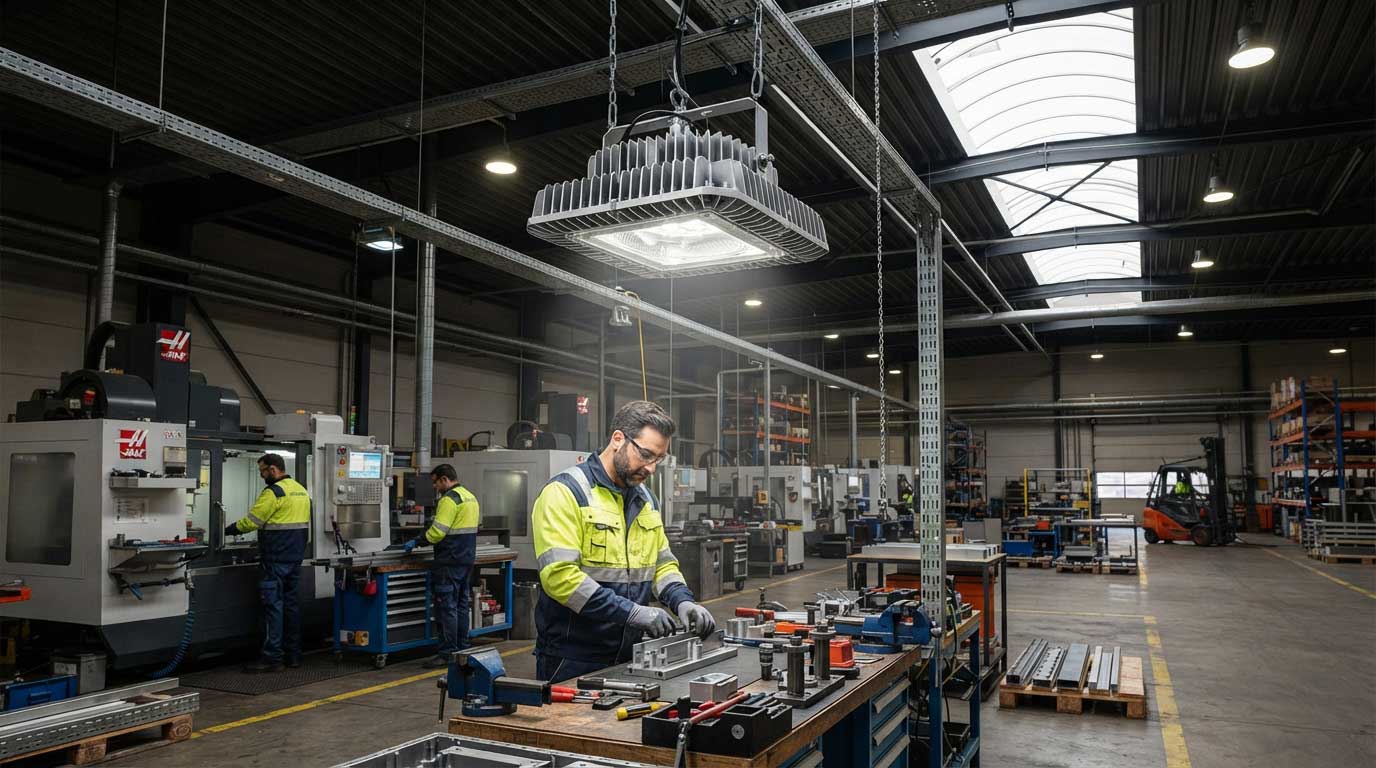
A 50,000-hour rating can represent very different calendar lifetimes.
For example:
8 hours/day
50,000 ÷ 2,920 = approximately 17.1 years
12 hours/day
50,000 ÷ 4,380 = approximately 11.4 years
24 hours/day
50,000 ÷ 8,760 = approximately 5.7 years
This is why asking “How many years?” without asking “How many hours per day?” can produce a misleading answer.
And there is another variable:
What does the facility consider acceptable light output?
A warehouse may continue operating a fixture beyond its L70 point if measured illumination remains adequate.
Another facility performing detailed inspection work may replace fixtures earlier.
The replacement decision should be tied to the actual lighting requirement.
If long service life is important, look beyond the headline lifetime number.
Check:
ENERGY STAR’s current lighting criteria use formal lumen-maintenance methods such as LM-80 and TM-21 for applicable solid-state lighting products, rather than accepting an unsupported lifetime number.
That is a much better basis for evaluating a professional lighting product than simply reading “50,000 hours” on a sales sheet.
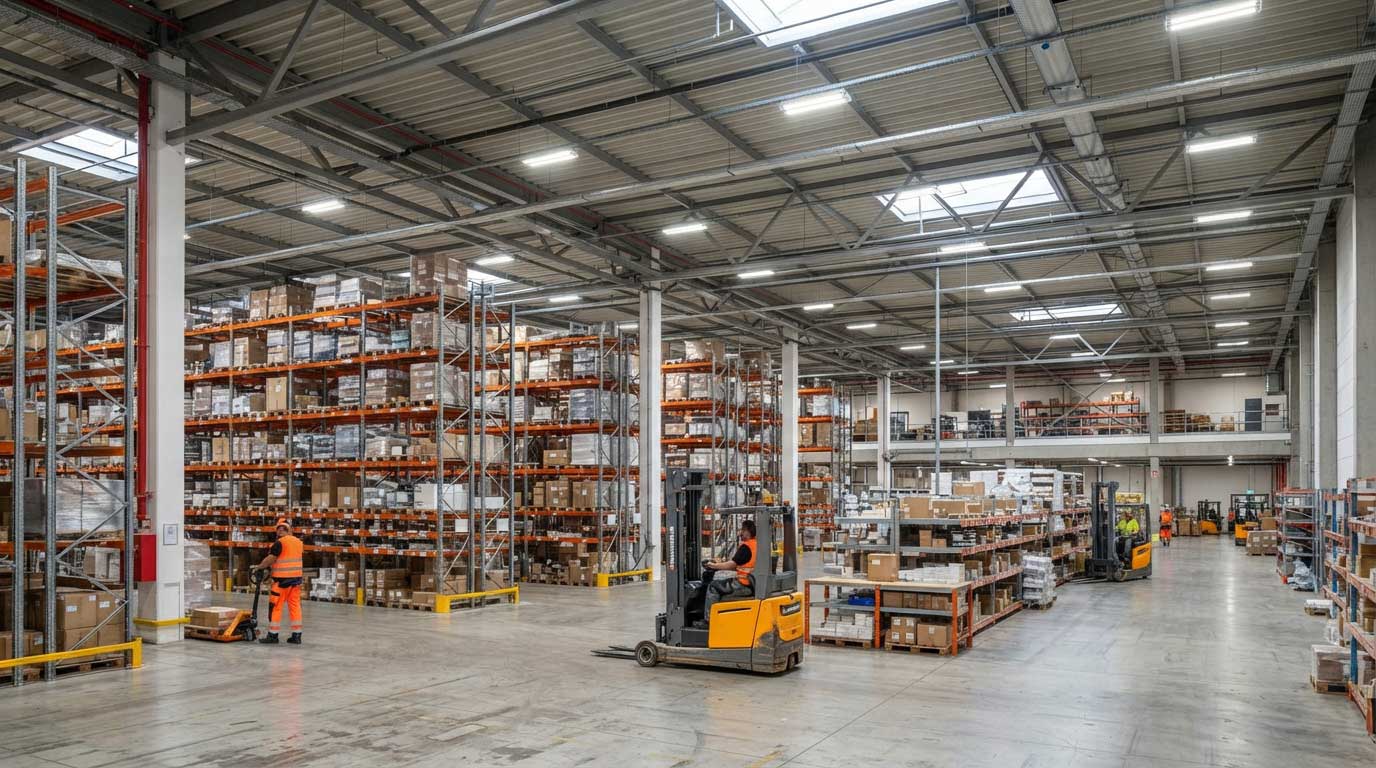
A long-rated LED high bay still needs a reasonable operating environment. In industrial installations, the fixture is exposed to heat, dust, vibration, power disturbances, and sometimes moisture. These conditions can shorten practical service life even when the LED package itself has a strong lumen-maintenance rating.
The U.S. Department of Energy specifically identifies thermal management as a critical factor in LED performance. As operating temperature increases, LED light output can degrade more quickly and useful life can decrease.
For that reason, I would look at the installation before looking only at the number of hours printed on the product label.
Dust does more than make a high bay look dirty.
A heavy layer of dust on the heat sink can interfere with heat dissipation. In woodworking plants, metalworking facilities, agricultural buildings, and dusty warehouses, this deserves attention.
A practical maintenance check should include:
There is no universal cleaning interval. A clean distribution warehouse may need very little attention, while a dusty production facility may require much more frequent inspection.
One common mistake is treating the LED chip as the entire lighting system.
It isn’t.
A high bay normally depends on an LED module, driver, thermal system, housing, optics, and electrical connections. The driver can become a limiting component even when the LED array itself still has considerable lumen life remaining.
When evaluating a high bay for a demanding facility, I would ask for:
| Specification | Why It Matters |
|---|---|
| Driver brand/model | Helps identify component quality |
| Driver temperature rating | Important in hot installations |
| Surge protection | Helps handle electrical disturbances |
| Input voltage | Confirms compatibility |
| Power factor | Indicates electrical performance |
| Warranty | Provides another quality signal |
| L70 rating | Indicates projected lumen maintenance |
DOE guidance also recommends considering lighting controls such as occupancy sensors, dimming, and daylight-responsive strategies where appropriate. Reducing unnecessary operating hours can reduce total fixture operating time.
This point deserves repeating because it causes confusion in high bay specifications.
If a fixture is rated:
L70 = 50,000 hours
that does not mean:
50,001 hours = no light.
L70 means the projected light output has reached approximately 70% of its starting level.
DOE describes LED useful life using this lumen-depreciation approach rather than the simple “burnout” model used for traditional lamps.
For a 40,000-lumen high bay:
Whether 28,000 lumens is still acceptable depends on the application.
A warehouse aisle may tolerate the reduction for some time. A manufacturing area with demanding visual tasks may not.
That is where a lighting measurement becomes more useful than simply reading the fixture’s age.
There is no single replacement year that works for every building.
Instead, look for declining performance.
DOE commercial and industrial LED guidance recommends periodically checking light levels because LED output decreases gradually. Its purchasing guidance notes that when output has fallen by about 25% from the initial level, facilities can begin planning replacement.
That is a useful maintenance philosophy for large installations.
Don’t wait for every fixture to fail individually.
In a 200-fixture warehouse, replacing failed units one at a time can create a patchwork of different light levels, color temperatures, and fixture generations. A planned replacement can be easier to control.
High bay lights are usually installed where maintenance is inconvenient.
A fixture 25 feet above a warehouse floor is not equivalent to a desk lamp.
Every replacement may involve:
The labor can become a significant part of the real ownership cost.
This is why a higher-quality high bay can make sense even when its initial purchase price is higher.
The right comparison is not simply:
Fixture A costs $X. Fixture B costs $Y.
It is:
purchase cost + electricity + maintenance + access equipment + downtime + replacement cost
over the expected operating period.
When reviewing a product such as a SEEKINGLED industrial high bay, I recommend checking the technical documentation rather than relying on a single marketing number.
Look for:
ENERGY STAR specifications recognize L70 projections based on LM-80 and TM-21 data for applicable solid-state lighting products. Its current luminaire criteria also include specific in-situ temperature and drive-current conditions when applying this data to a luminaire.
That matters because an LED component’s laboratory performance cannot simply be separated from the conditions under which the complete luminaire operates.
| Application | Typical Concern | What to Prioritize |
|---|---|---|
| Warehouse | Long daily operation | L70, driver reliability |
| Manufacturing plant | Heat and dust | Thermal design, IP rating |
| Workshop | Dust and contaminants | Housing and maintenance |
| Gymnasium | Frequent operation | Optical distribution, durability |
| Agricultural building | Moisture and dust | IP protection, thermal management |
| Distribution center | High mounting height | Long life, maintenance access |
These environments can all use LED high bays, but they do not place the same demands on the fixture.
That is why I would never specify a high bay from wattage and lifetime alone.
Most good-quality LED high bay products are commonly specified around 30,000–50,000 hours of useful life, with some products rated higher. DOE gives 30,000–50,000 hours or longer as a typical useful-life range for good-quality white LED lighting products.
A 50,000-hour rating generally refers to projected lumen maintenance, commonly L70, rather than guaranteed failure-free operation for exactly 50,000 hours. The actual service life depends on the fixture, driver, temperature, operating conditions, and installation.
Excessive heat, poor thermal management, driver problems, electrical disturbances, moisture, dust, vibration, and unsuitable operating conditions can all affect service life.
Yes. LEDs generally require much less lamp replacement than traditional lighting, but fixtures should still be inspected and cleaned when environmental conditions require it. Light levels should also be checked periodically in critical facilities.
Not automatically. A higher lifetime claim should be supported by credible lumen-maintenance data and appropriate operating conditions. Compare the complete fixture, including thermal design, driver, optics, warranty, and test documentation.
Replace or plan replacement when illumination falls below the application’s requirements, failures become frequent, or measured lumen output has declined significantly. For large facilities, planned group replacement can be more practical than waiting for individual failures.
So, how long do high bay lights last? A quality LED high bay can commonly deliver 30,000–50,000 hours or more of useful lighting, but the number on the specification sheet should never be treated as the whole story.
The fixtures that hold up best are the ones matched to their environment.
Heat matters.
Drivers matter.
Operating hours matter.
Dust matters.
And the quality of the lumen-maintenance data matters.
For a warehouse running eight hours a day, 50,000 hours represents more than 17 years of operating time. For a 24-hour facility, the same figure is only about 5.7 years.
When selecting industrial high bay lighting from SEEKINGLED, I would therefore evaluate the complete luminaire—not just the advertised lifetime. A credible L70 rating, sound thermal design, dependable driver, suitable protection rating, and correct installation are what turn a long-life specification into useful service in the real world.
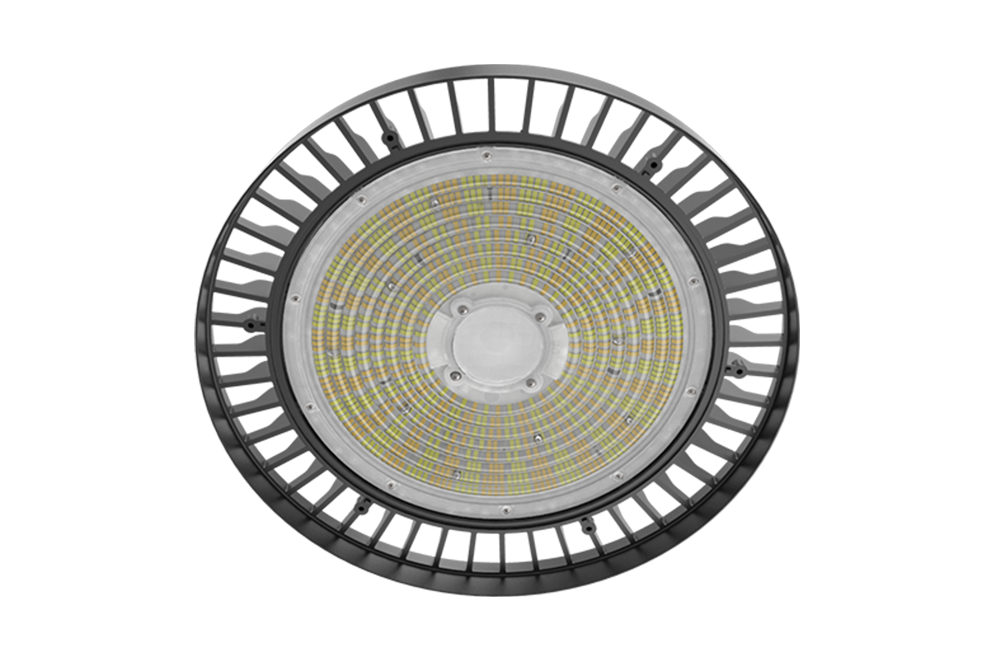
The SEEKING HBC-T Series high bay lights LED offer long-lasting performance for warehouses, production plants and logistics centers. Durable IP65 & IK08 housing, 60°/90° beam angles, up to 150 lm/W, and a lifespan beyond 100,000 hours. Ideal for airport halls, commercial storage, construction sites and large indoor spaces.
View details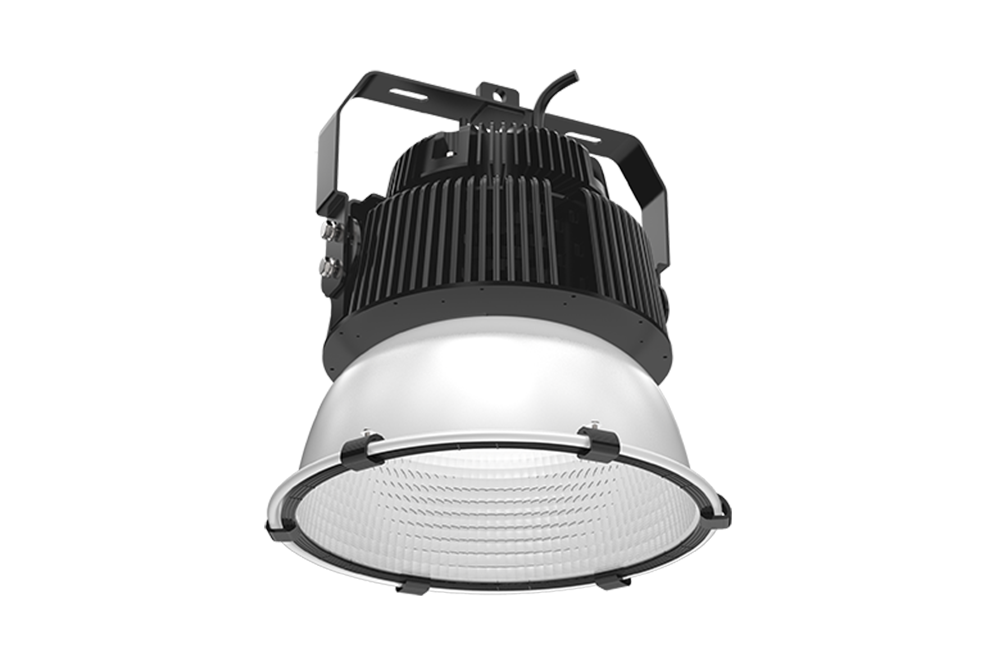
The SEEKING HBS Series LED UFO high bay light delivers 140 lm/W efficiency, IP65 protection and MEAN WELL drivers. A durable high-rise lighting solution for factories, warehouses and commercial halls.
View details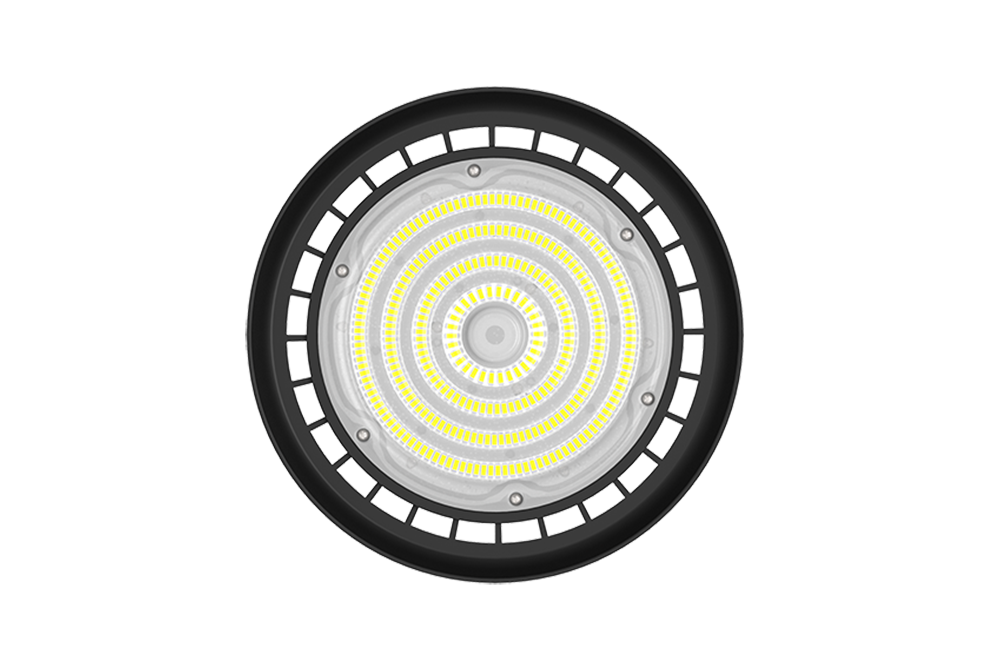
SEEKING HBD Series LED high bay lighting delivers 160 lm/W efficiency, IP66 protection, and long 100,000-hour lifespan. A durable UFO high bay solution for warehouses, workshops, logistics centers and commercial facilities.
View details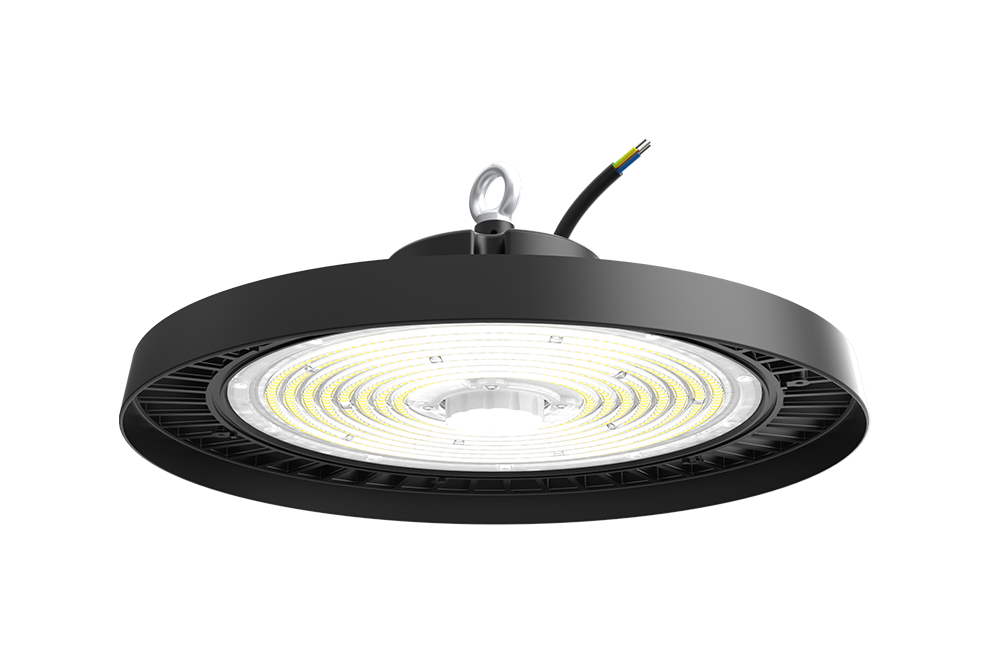
The SEEKING HBC Series high bay LED light fixtures combine strong efficiency, practical design and reliable SOSEN drivers. A durable UFO high bay lighting option for warehouses, workshops and wholesale projects.
View details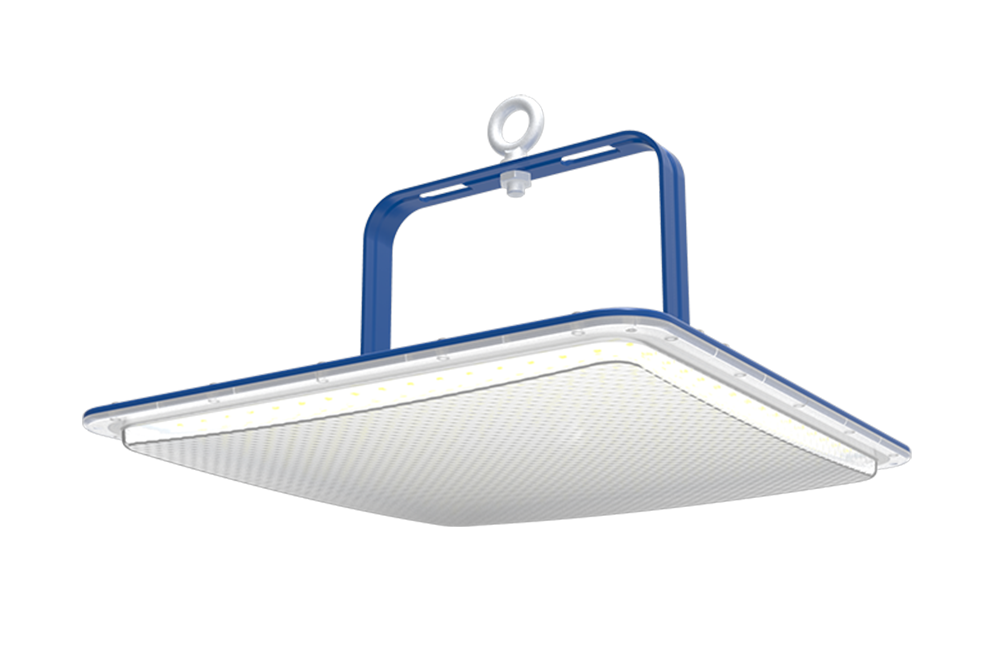
The SEEKING GSL Series high bay LED light delivers powerful, efficient lighting for industrial and commercial spaces. With IP65 protection, flexible mounting, and up to 140 lm/W performance, it’s ideal for warehouses, workshops, and retail areas.
View details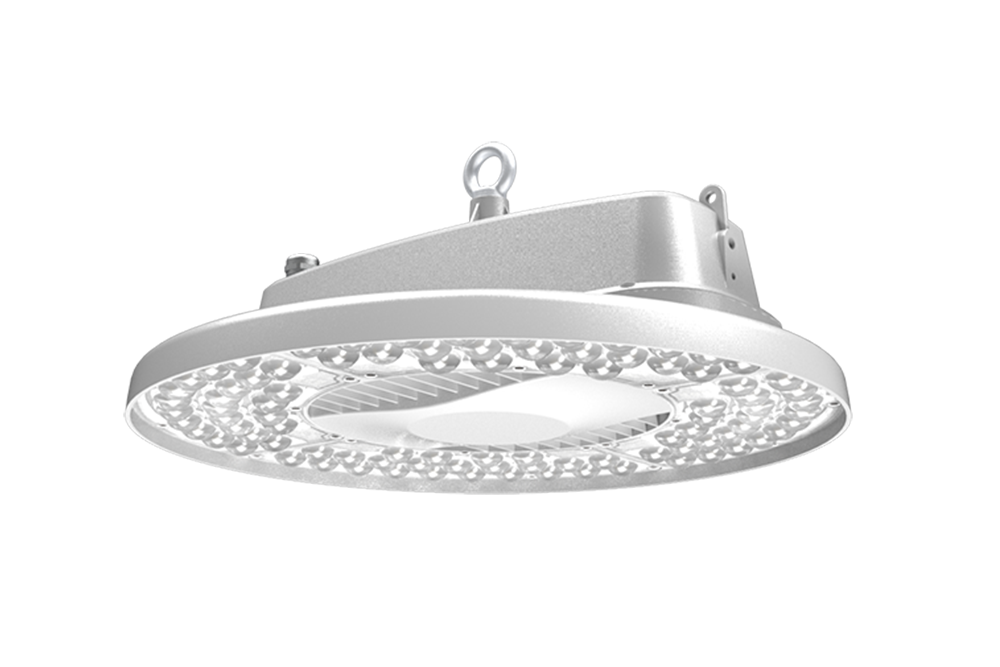
The SEEKING HB15(GLE) Series delivers advanced high bay led lighting with UGR 100,000 h) and reliable illumination for demanding commercial environments.
View details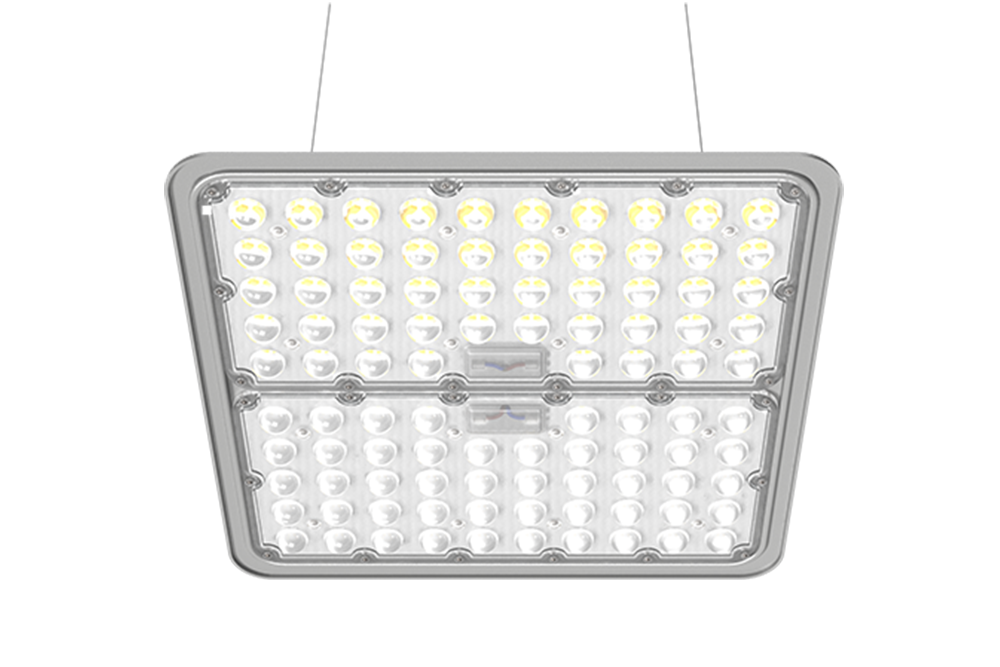
Discover the SEEKING HB13(GLK) Series ufo led high bay light, engineered for sports halls, airport lounges, showrooms, and large commercial spaces. UGR 100,000 h). Ideal for industrial ufo high bay lighting fixtures and commercial retrofits.
View details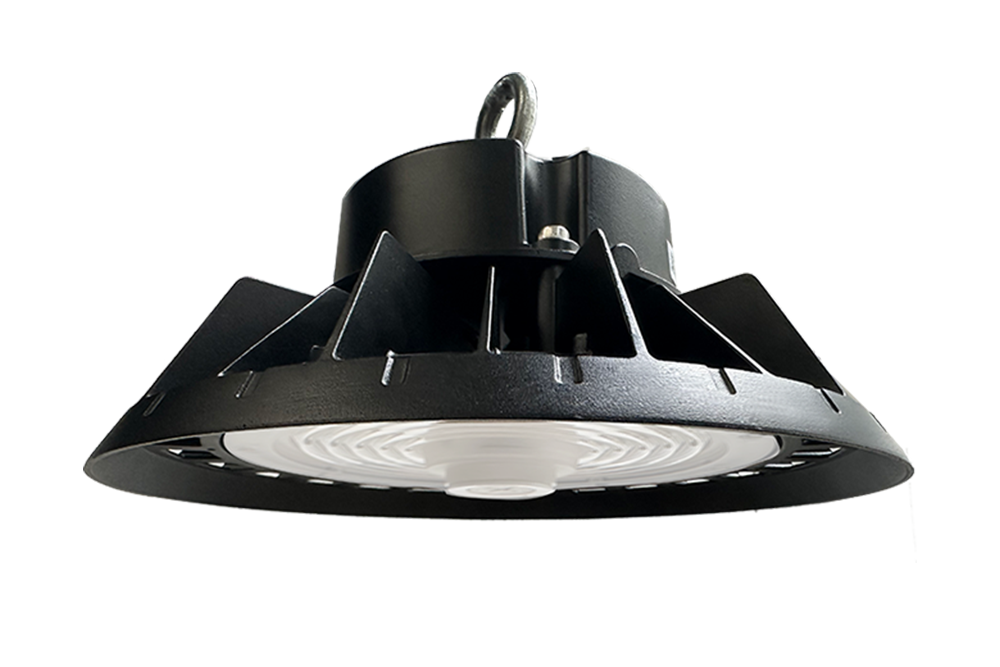
SEEKING HBF Series offers industrial LED high bay lighting with up to 200lm/W efficiency, SOSEN flicker-free driver, IP65 protection and optional microwave motion sensor. Ideal for warehouses, factories and commercial distribution projects.
View details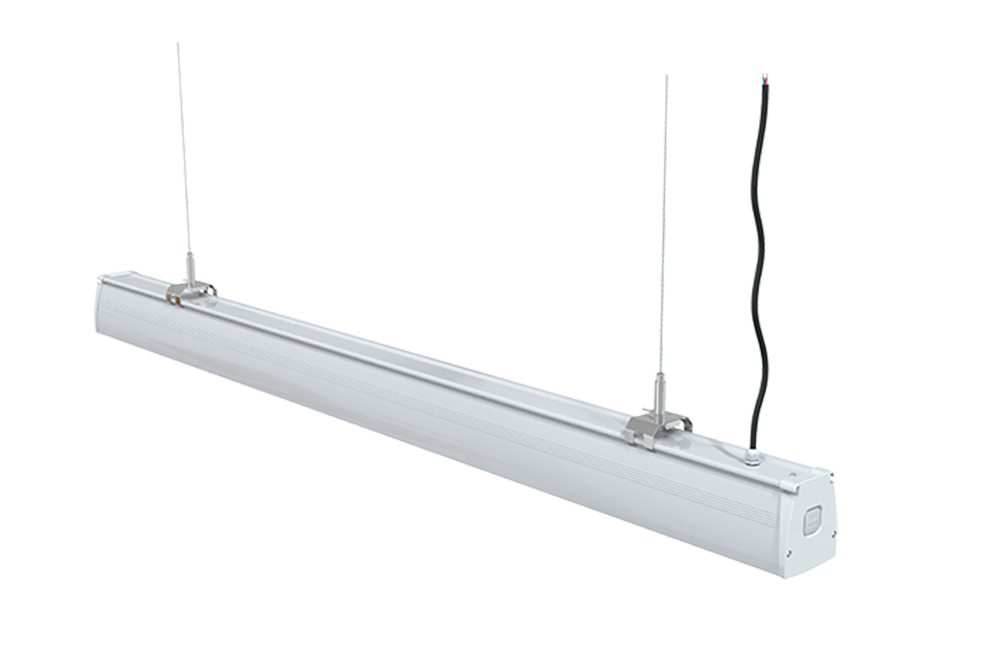
The HLD Series linear high bay LED lights from SEEKING deliver up to 200 lm/W with multiple beam angles and adjustable CCT options for warehouse, workshop, corridor and general industrial lighting.
View details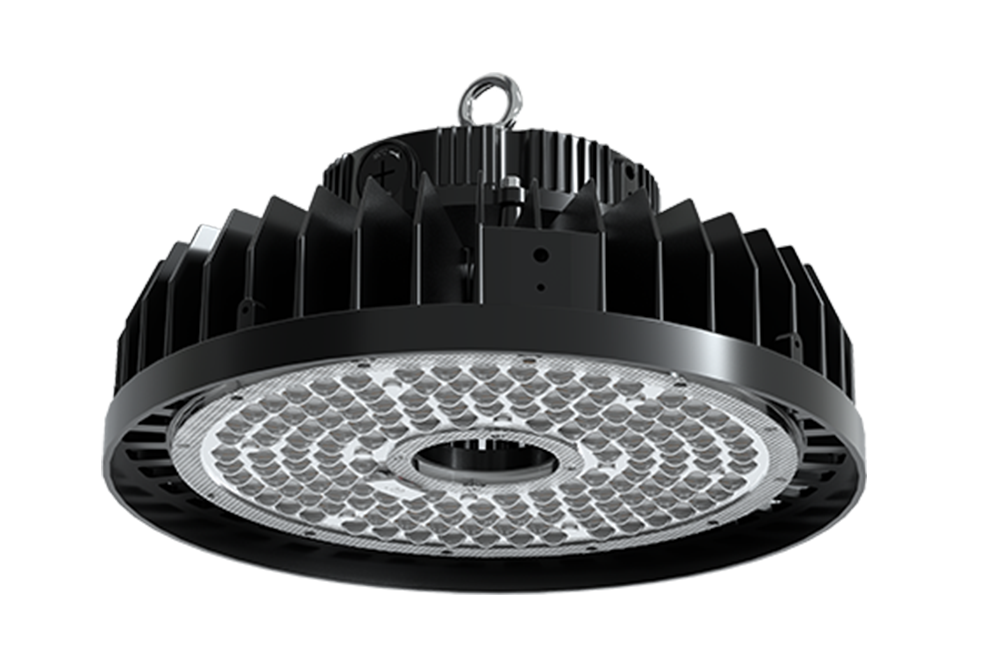
The HBK Series LED high bay light by SEEKING combines 500W power, 160–175 lm/W efficiency and IP65 durability for heavy-duty industrial lighting. Designed for warehouse, factory and production facilities with demanding ceiling heights.
View details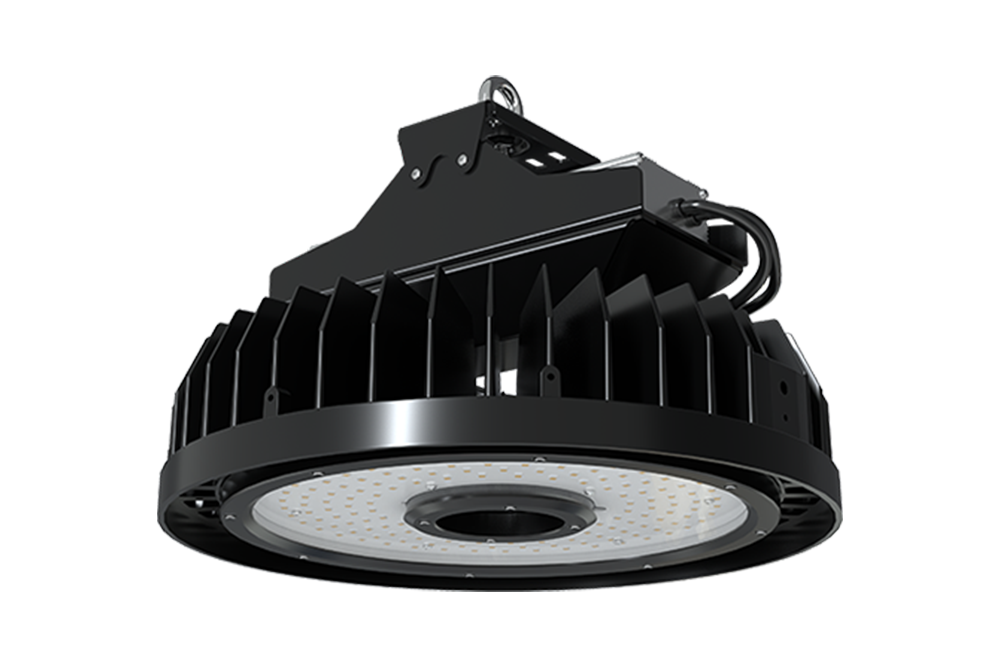
LED high bay lights engineered for extreme heat and low-temperature industrial sites. SEEKING HBK Ultua Series operates from -40°C to +70°C with Nichia LEDs and Inventronics driver.
View details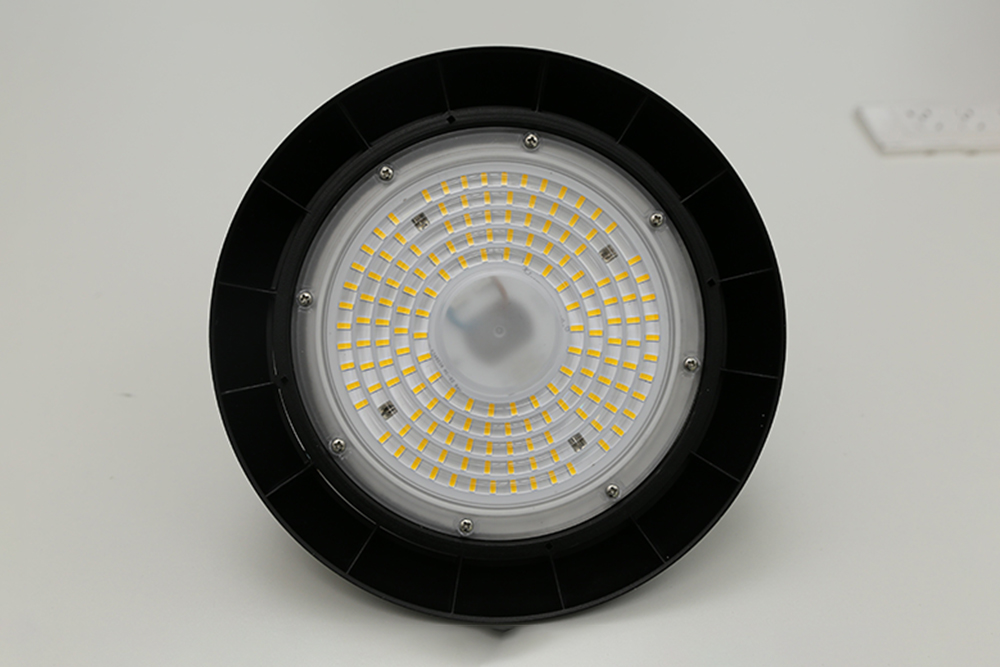
High bay LED lights built for warehouses, production plants and wholesale distribution. SEEKING HBI Series offers up to 200lm/W, IP65, IK08 and optional microwave motion sensor for energy saving operation.
View details
Explosion-Proof Light solutions for hazardous areas. Learn how explosion-proof lighting differs from ordinary industrial lights and improves safety.
View details
Tennis Court High Bay Lighting requires uniform illumination, not only target lux levels. This case records how SEEKINGLED adjusted XJ-HBS beam angles in an Italian tennis court project to improve lighting distribution.
View details
Learn how bright is a 30w led floodlight with lumen output, coverage range, and expert installation advice. Discover the right LED floodlight for outdoor use.
View details
What is LED high bay lighting? Learn how LED high bay lights work, where they are used, and how to choose the right option for industrial spaces.
View details