 Seeking LED
How Long Do IECEx LED Floodlights Last?
0How long do IECEx LED floodlights last? Learn real-world lifespan, maintenance factors, thermal management impacts, and hazardous area lighting performance.
View detailsSearch the whole station
led atex rated lights provide certified illumination for explosive environments where flammable gases, vapors, or dust may exist. They combine LED efficiency with ATEX safety requirements for demanding industrial sites.
In hazardous industries, lighting is often considered a small component of a much larger system.
However, a single unsuitable fixture installed in the wrong location can create unnecessary safety risks.
During industrial lighting projects, engineers usually evaluate the lighting system from a different perspective. Brightness matters, but certification, thermal performance, and environmental resistance often determine whether the product is suitable for real-world operation.
At SEEKINGLED, we have worked with industrial customers requiring reliable lighting solutions for oil and gas facilities, chemical plants, manufacturing areas, and other hazardous locations. Through these projects, we have learned that choosing the correct hazardous area lighting is rarely about selecting the highest wattage product.
It is about matching the fixture with the exact operating conditions.
led atex rated lights are designed for this purpose.
They provide:
For companies operating in hazardous locations, the right lighting system supports safer work conditions while helping reduce long-term operating costs.
led atex rated lights are LED lighting fixtures manufactured and certified for use in potentially explosive atmospheres under ATEX requirements.
The term ATEX comes from the European regulatory framework covering equipment used in explosive environments.
Reference:
European Commission – Equipment for potentially explosive atmospheres (ATEX)
https://single-market-economy.ec.europa.eu/sectors/mechanical-engineering/equipment-potentially-explosive-atmospheres-atex_en
Unlike standard industrial LED lights, ATEX-rated products must pass specific safety evaluations related to:
These requirements are especially important in industries where combustible substances are part of daily operations.
Typical environments include:
| Industry | Hazard Source |
|---|---|
| Oil and gas | Hydrocarbon vapors |
| Chemical processing | Solvent gases |
| Pharmaceutical manufacturing | Flammable powders and chemicals |
| Mining | Combustible dust |
| Fuel storage | Gas and vapor mixtures |
A normal LED fixture may provide excellent illumination, but it is not designed to prevent ignition risks in hazardous areas.
Traditional hazardous lighting systems often relied on fluorescent or high-intensity discharge technologies.
While these systems provided illumination, they also created challenges:
LED technology changed the approach.
According to the U.S. Department of Energy, LED lighting products can use at least 75% less energy and last up to 25 times longer than traditional incandescent lighting.
Reference:
U.S. Department of Energy – LED Lighting
https://www.energy.gov/energysaver/led-lighting
For hazardous industrial sites, these advantages become even more valuable because maintenance work often requires additional safety procedures.
Replacing a lamp in a normal warehouse may take minutes.
Replacing a fixture in an explosive area may require:
A longer-life LED solution reduces these interruptions.
Oil and gas environments are among the most demanding applications for hazardous lighting.
Common installation areas include:
These locations may contain flammable gases during normal production activities.
Lighting systems must provide reliable illumination while maintaining explosion protection.Visit the product page: Explosion Proof Lighting
In these environments, engineers typically evaluate:
Chemical production areas often contain:
For these applications, led atex rated lights must provide both safety and consistent visibility.
Good lighting improves:
A well-designed lighting system is not simply installed above a production line.
It becomes part of the overall safety infrastructure.
Some manufacturing environments include hazardous zones around:
LED hazardous lighting helps maintain clear visibility while meeting required protection standards.
Choosing led atex rated lights requires understanding the hazardous area classification.
The main zones include:
| Zone | Hazard Condition |
|---|---|
| Zone 0 | Explosive atmosphere exists continuously or for long periods |
| Zone 1 | Explosive atmosphere may occur during normal operation |
| Zone 2 | Explosive atmosphere is unlikely but may occur temporarily |
Reference:
IEC 60079 Explosive Atmospheres Standards
https://www.iec.ch/
The selected LED fixture must match the specific zone requirement.
For example:
Using the wrong classification may result in compliance problems and safety concerns.
A reliable ATEX LED fixture usually includes:
These features help prevent internal faults from becoming external ignition sources.
Heat control is critical in LED hazardous lighting.
LED efficiency depends heavily on temperature management.
Poor heat dissipation can reduce:
Professional hazardous lighting designs use:
Industrial areas can expose fixtures to:
Important protection ratings include:
| Protection | Purpose |
|---|---|
| IP66/IP67 | Dust and water protection |
| IK rating | Mechanical impact resistance |
| Corrosion resistance | Chemical and outdoor durability |
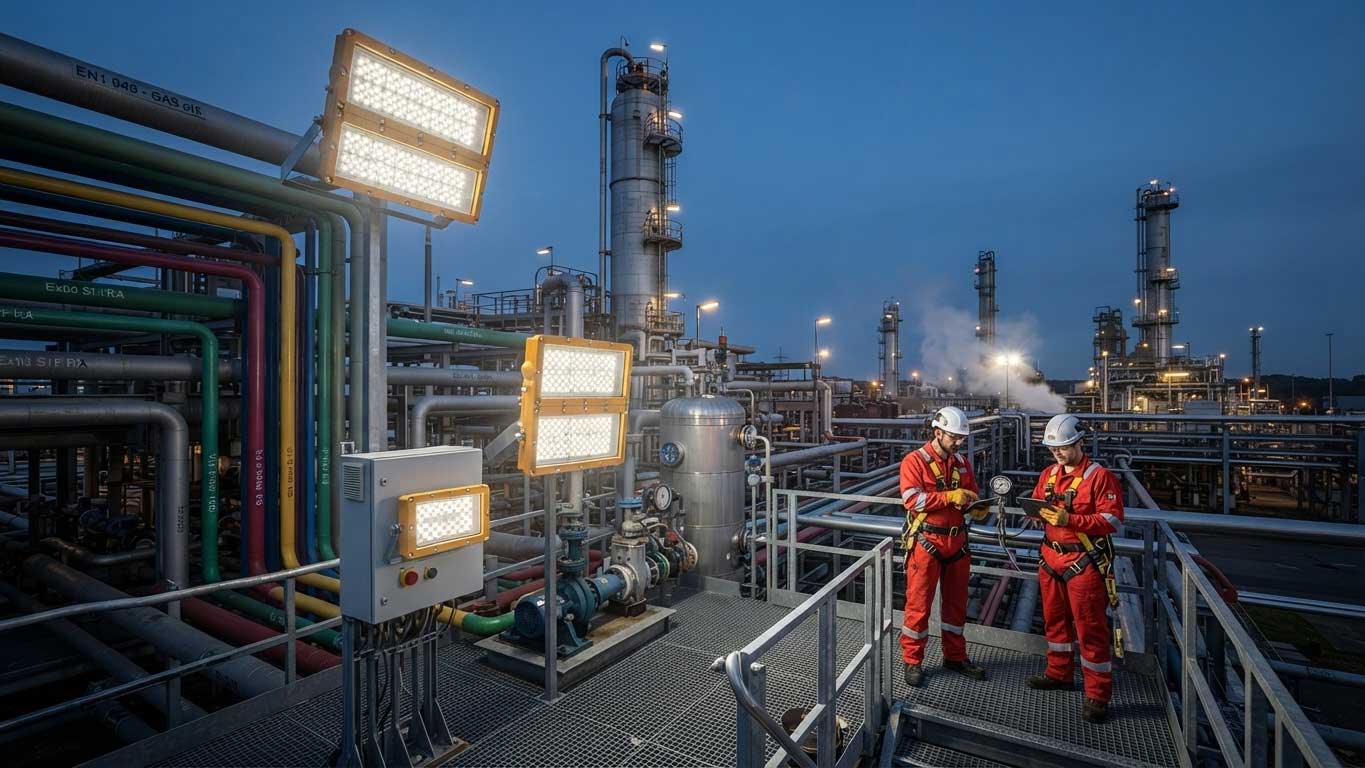
Selecting certified equipment is only the beginning of a successful hazardous lighting project.
Even the best led atex rated lights require correct installation practices to maintain their safety performance. In hazardous environments, installation details are closely connected with explosion protection.
During industrial projects, engineers usually pay attention to several practical details:
A common mistake is treating hazardous lighting installation like a standard warehouse lighting project.
It is not.
A hazardous area installation must consider the relationship between the fixture, surrounding equipment, electrical system, and classified area.
For example, a lighting fixture installed near chemical processing equipment may require different installation considerations compared with one installed in a protected indoor production area.
The environment determines the solution.
When companies purchase hazardous area LED lighting, price is only one factor.
Experienced engineering teams normally review the following:
| Selection Factor | Why It Matters |
|---|---|
| ATEX certification | Ensures suitability for explosive environments |
| Zone classification | Matches the hazardous area requirement |
| Temperature class | Prevents excessive surface temperature |
| Lumen output | Provides sufficient workplace visibility |
| Beam angle | Controls light distribution |
| IP rating | Protects against dust and moisture |
| Housing material | Improves durability in harsh conditions |
A lighting supplier should understand the application before recommending a product.
For example, a refinery maintenance walkway, offshore platform, and chemical production room may all require hazardous lighting, but their environmental requirements are different.
One of the most important steps when selecting led atex rated lights is understanding the certification marking.
A typical ATEX marking provides information about:
Example elements may include:
| Marking Information | Meaning |
|---|---|
| Equipment category | Defines permitted hazardous area usage |
| Gas group | Indicates compatible explosive substances |
| Temperature class | Defines maximum surface temperature |
| Protection method | Shows explosion prevention technology |
Reference:
European Commission ATEX Directive Information
https://single-market-economy.ec.europa.eu/sectors/mechanical-engineering/equipment-potentially-explosive-atmospheres-atex_en
Certification markings are not simply labels.
They define where and how the equipment can safely operate.
The transition from traditional hazardous lighting to LED technology has accelerated because industrial companies are looking for lower operating costs.
Modern led atex rated lights provide several advantages:
LED fixtures require less electrical power compared with older lighting technologies.
This can be especially valuable in facilities operating thousands of lighting hours every year.
Hazardous area maintenance can be expensive.
A maintenance team may need:
Long-life LED products reduce the frequency of replacement activities.
Industrial workers require consistent visibility for:
Stable LED output helps improve workplace conditions.
At SEEKINGLED, we understand that hazardous lighting projects require more than supplying a fixture.
They require technical communication between the manufacturer, engineers, installers, and end users.
Our approach focuses on:
From our experience working with industrial lighting applications, one recurring issue is that customers often compare hazardous lights only by wattage.
However, two 100W fixtures can perform very differently depending on:
A successful project begins with understanding the actual working conditions.
That is why we focus on providing lighting solutions suitable for demanding industrial applications rather than simply matching a product specification sheet.
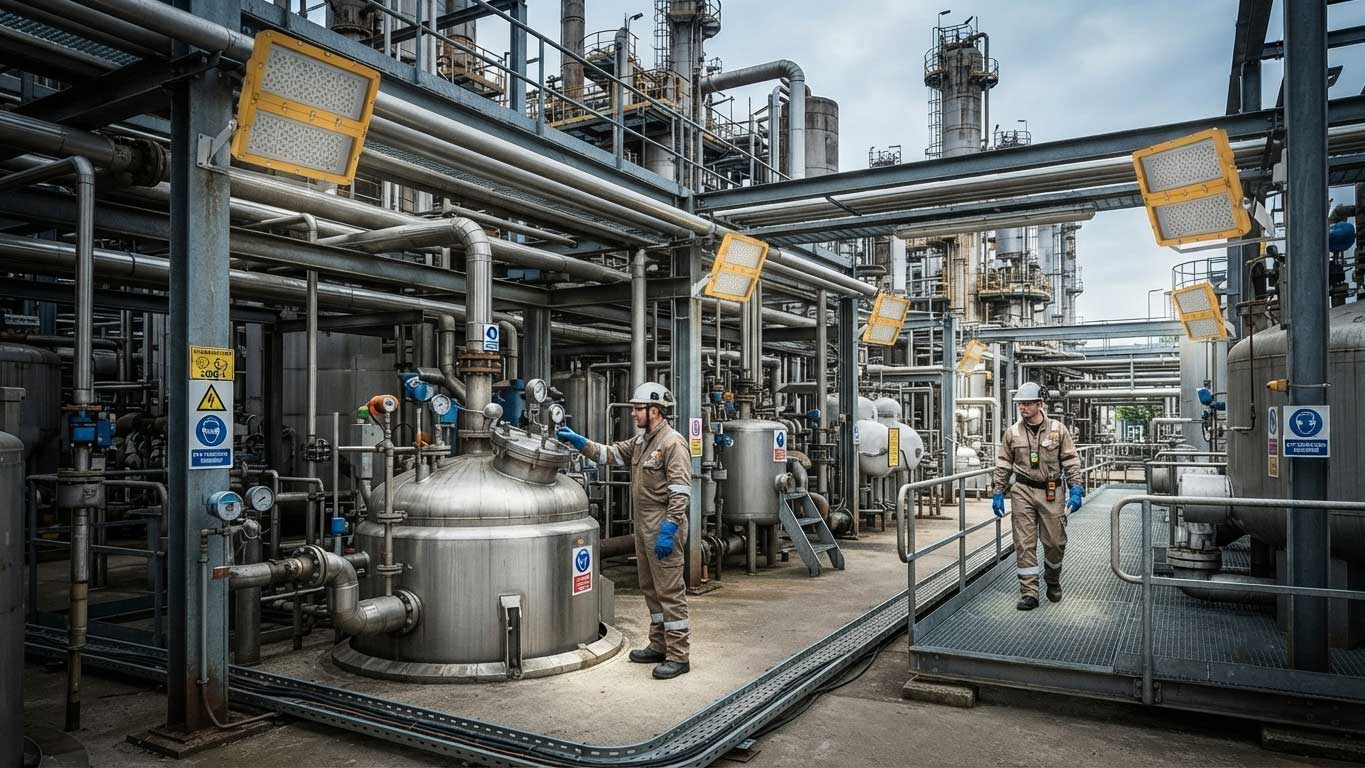
Regular inspection helps maintain long-term performance.
Recommended maintenance checks include:
In hazardous locations, small issues should not be ignored.
A damaged enclosure, loose connection, or incorrect replacement component may influence the original protection level.
A preventive maintenance approach is usually more economical than emergency repair.
led atex rated lights are designed for hazardous locations where explosive gases, vapors, or dust may exist. They are commonly used in oil, gas, chemical, pharmaceutical, and industrial processing facilities.
Yes. LED technology generally provides lower energy consumption and longer service life compared with many traditional lighting technologies, helping reduce operating and maintenance costs.
Yes, but the fixture must have the correct certification and protection level for Zone 1 applications. The product certification must match the hazardous area classification.
Common industries include oil and gas, chemical manufacturing, pharmaceutical production, fuel storage, offshore facilities, and other environments containing flammable substances.
Selection should consider hazardous zone classification, certification requirements, temperature rating, brightness needs, environmental conditions, and installation requirements.
LED hazardous lights provide long operating life, lower maintenance requirements, better energy efficiency, and reliable illumination when designed with proper explosion protection.
Yes. Installation must follow manufacturer instructions and applicable hazardous area regulations. Correct wiring, mounting, and component selection are essential for maintaining safety performance.
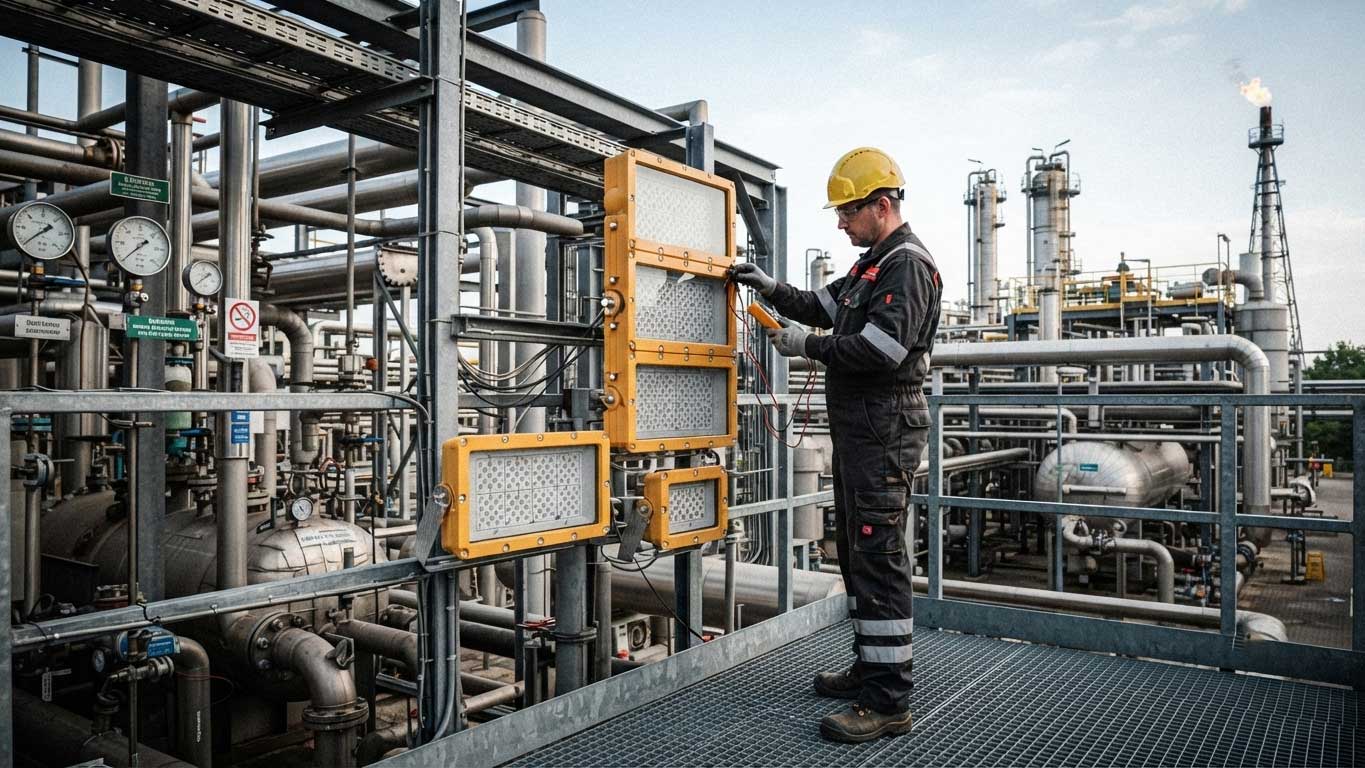
Selecting led atex rated lights is a critical decision for companies operating in explosive or hazardous environments. A suitable lighting solution must combine certified protection, reliable LED performance, and compatibility with real industrial conditions.
From oil and gas facilities to chemical processing plants, every application has different requirements. The correct lighting choice depends on understanding the hazardous classification, environmental challenges, and long-term maintenance expectations.
At SEEKINGLED, we focus on helping industrial customers identify practical hazardous lighting solutions based on engineering requirements rather than simple product comparisons.
Reliable lighting is not only about seeing clearly.
In hazardous areas, it is about creating a safer, more efficient, and more dependable working environment for years of operation.
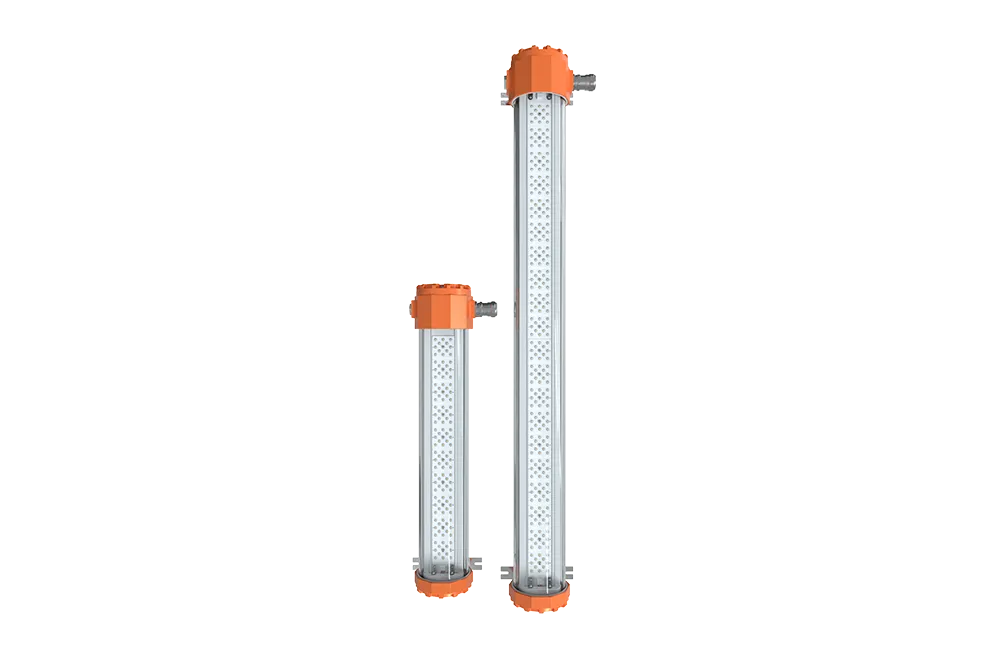
SEEKINGLED LED Linear Explosion Proof Light and Explosion Proof lighting is ATEX and IECEx certified for Zone 1, Zone 2, Zone 21 and Zone 22 hazardous locations, built for long-term industrial use.
View details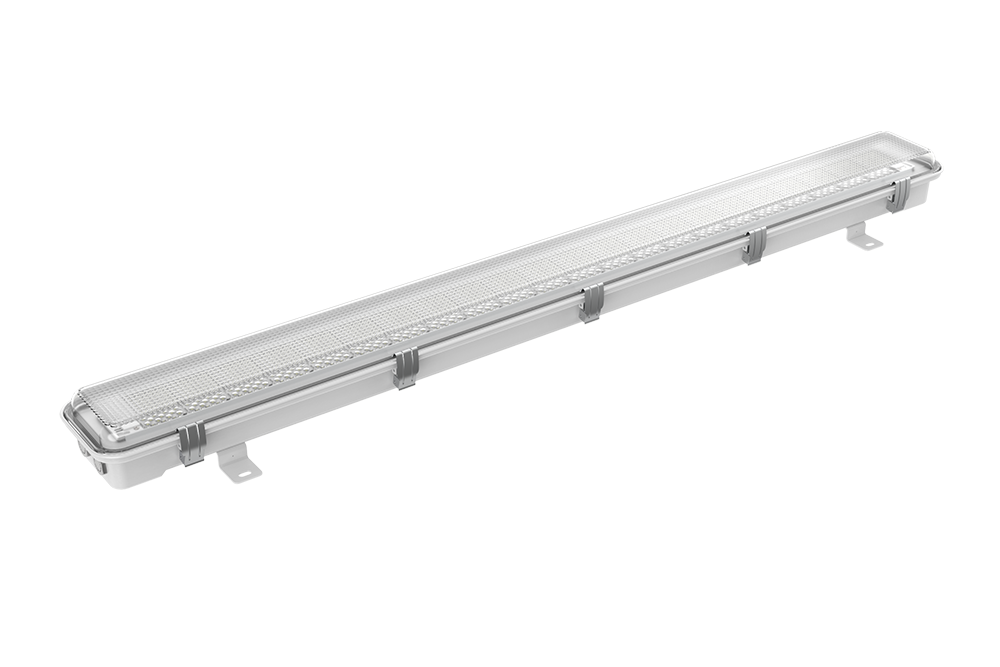
LED Linear Explosion Proof Lights and EX Proof lights for Zone 1, Zone 2, Zone 21 and Zone 22 hazardous areas. ATEX & IECEx certified explosion proof LED linear lighting with emergency function, adjustable power and IP67 protection by SEEKINGLED.
View details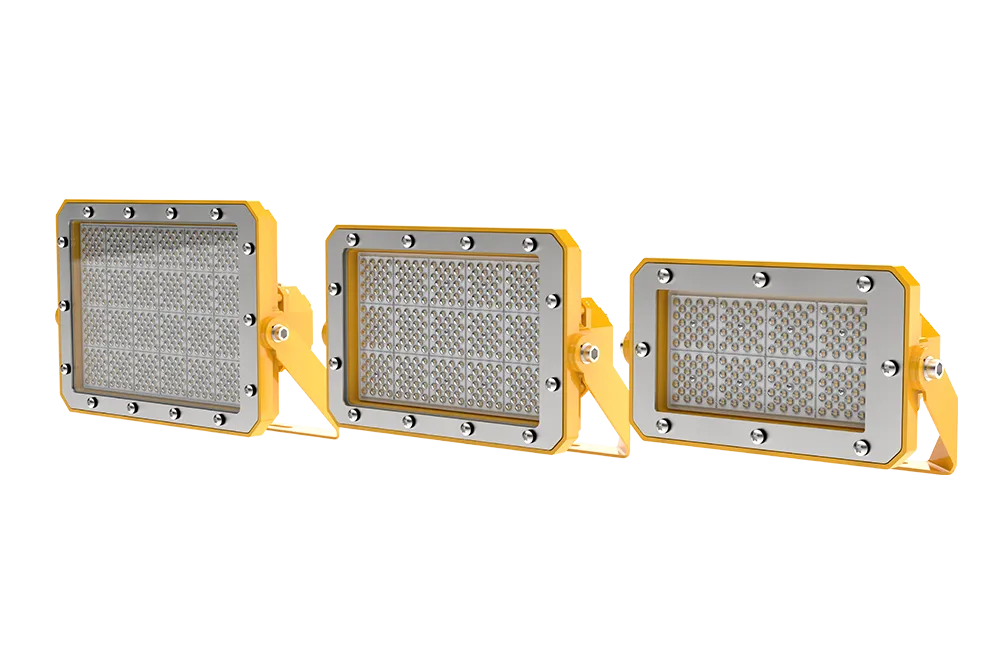
SEEKINGLED LED Explosion Proof Flood Lights are ATEX certified for Zone 2 and Zone 22 hazardous areas, offering high efficiency, adjustable power and integrated junction box.
View details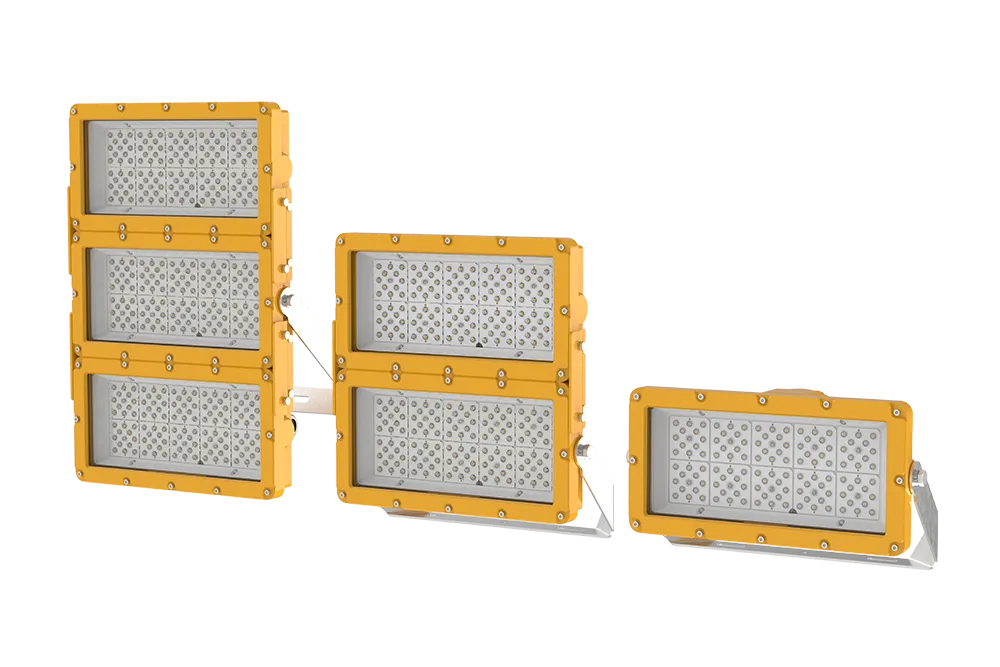
SEEKINGLED LED Explosion Proof Flood Lights are flameproof ATEX and IECEx certified for Zone 1 and Zone 2 hazardous areas, offering high power, adjustable output and long service life.
View details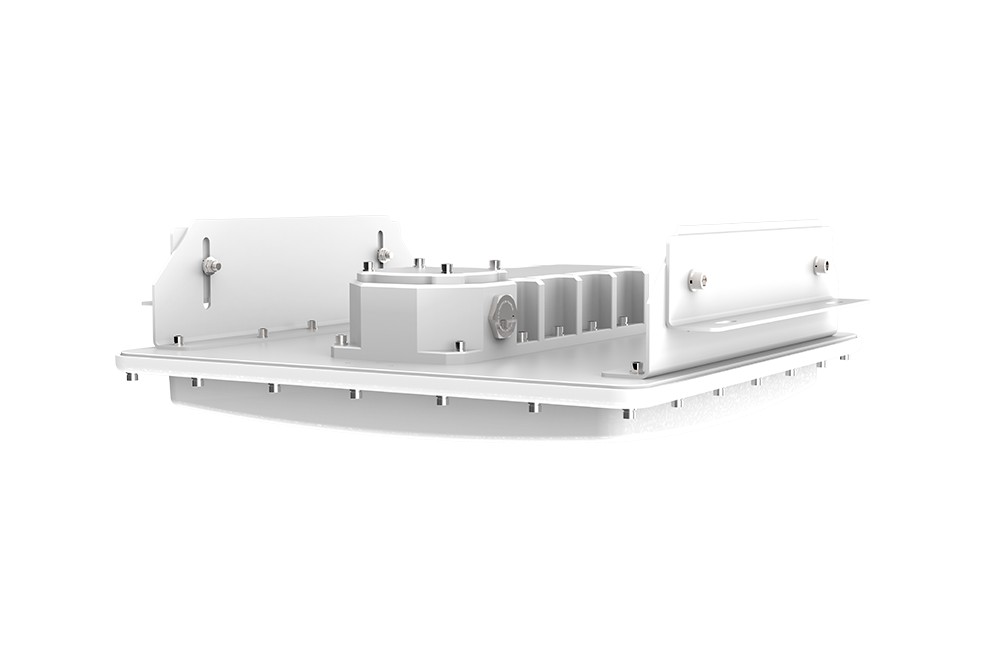
SEEKINGLED LED Gas Station Canopy Lights are ATEX certified for Zone 2 and Zone 22 hazardous areas, featuring adjustable power and built-in explosion-proof junction box.
View details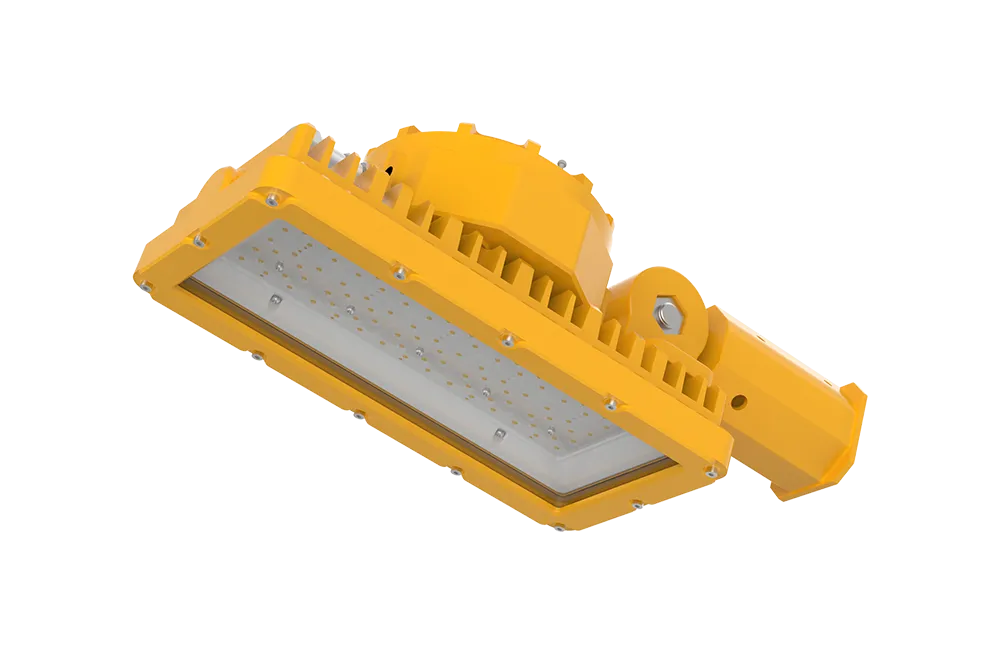
ATEX: Ex II 2G Ex db IIB T6/T5 GbEx II 2D Ex tb IIIC T80°C/ T95°C Db IECEx Ex db IIB T6 Gb;Ex tb IIIC T80°C Db Feature: ● For Zone 1,2 and Zone 21,22● Flameproof type, the strongest● 100W can replace 250W HID,energy saving● Power:60W,80W,100W Application: Oil and gas, marine, Chemical, pharmaceutical, semiconductor,mining,military industr…
View details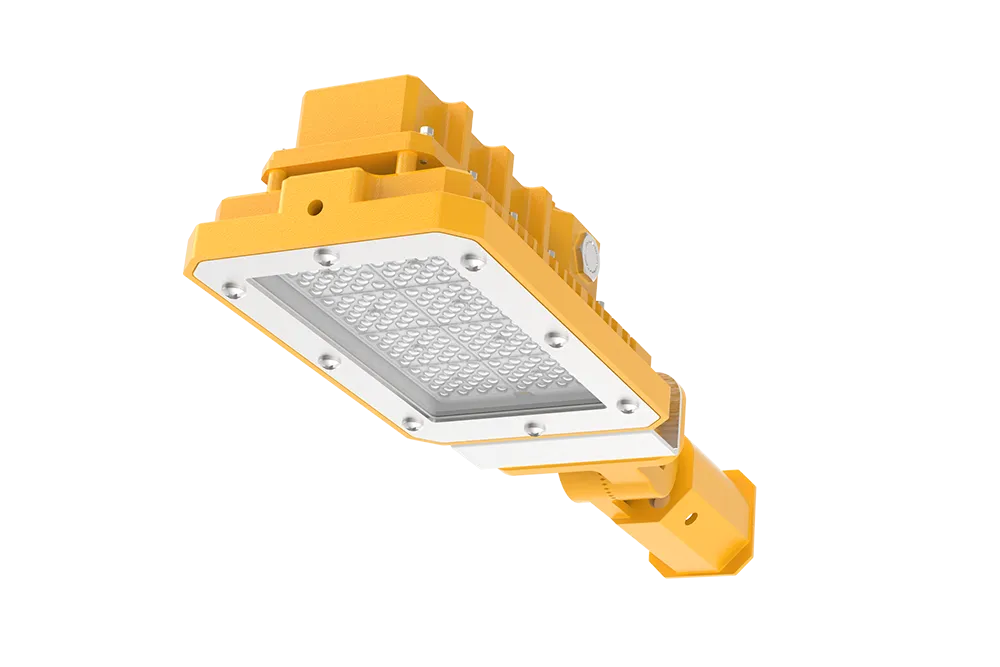
ATEX: II 3G Ex nR ⅡC T5/T6 GcII 3D Ex tc ⅢC T80℃/T95℃Dc ATEX Certificate NO: TÜV CY 26 ATEX 0207611 X Feature: ● For Zone 2 and Zone 22● 150W can replace 250W HID lamps,Energy saving● Power:50W,75W,100W,150W,200W Application: Oil and gas, marine, Chemical, pharmaceutical, semiconductor,mining,military industry, paint booth,power plant ETC…
View details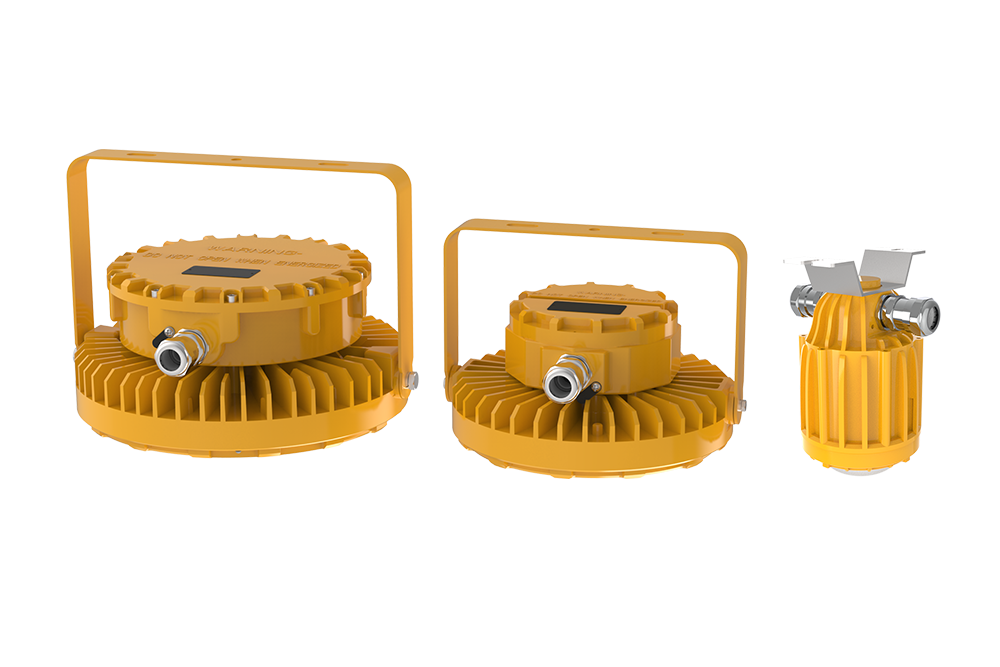
LED explosion proof high bay lights are designed for Zone 1, Zone 2, Zone 21 and Zone 22 hazardous areas. This page introduces the HB21 Series from SEEKING, including certifications, power options and real application considerations.
View details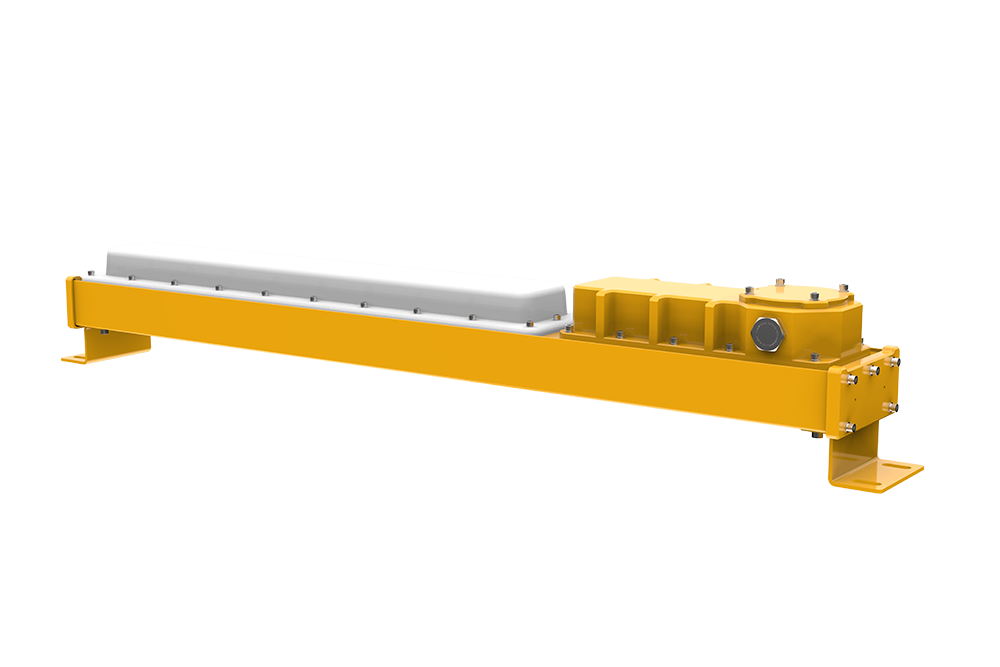
LED Linear Explosion Proof Lights from SEEKINGLED. LU Series Flame Proof lights ATEX-certified explosion proof LED linear lighting for Zone 2 gas and Zone 22 dust areas, IP69K, IK10, long lifetime and flexible power options.
View details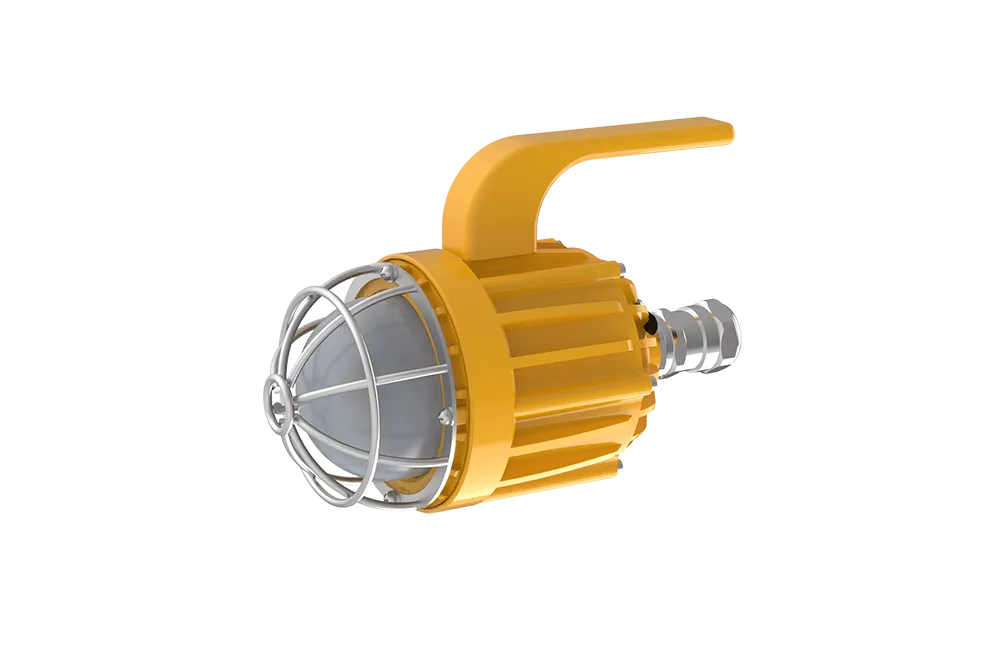
Certified explosion proof work lights for Zone 1 & 21 hazardous areas. Portable, ATEX & IECEx approved, built for oil, gas and chemical plants by SEEKINGLED.
View details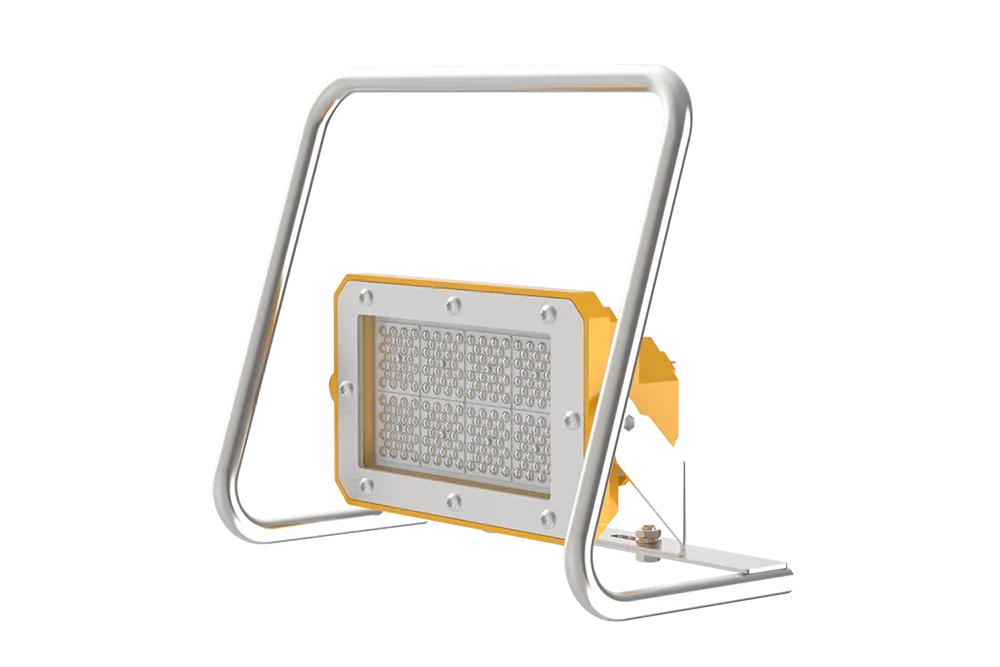
ATEX: II 3G Ex nR ⅡC T6 GcII 3D Ex tc ⅢC T80℃ Dc ATEX Certificate NO: TÜV CY 26 ATEX 0207611 X Feature: ● For Zone 2 and Zone 22● Accepts battery-powered supply● indestructible● Power:AC input:50W,75W,100WDC input:15W,25W,35W Application: Oil and gas, marine, Chemical, pharmaceutical, semiconductor,mining,military industry, paint booth,po…
View details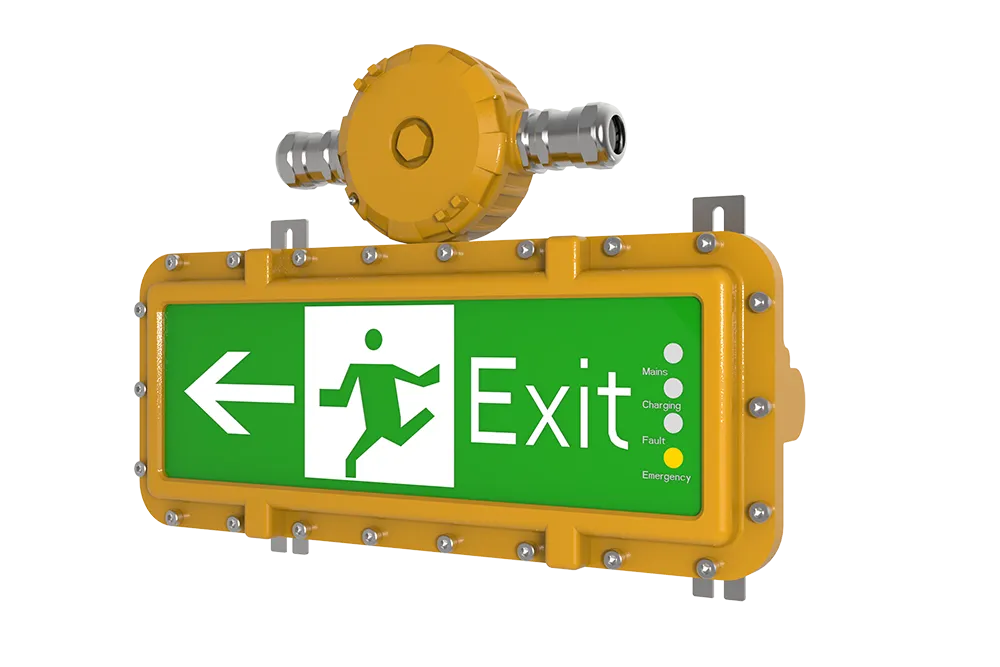
ATEX: Ex II 2G Ex db IIB T6 GbEx II 2D Ex tb IIIC T80°C Db IECEx Ex db IIB T6 Gb;Ex tb IIIC T80°C Db Feature: ● For Zone 1,2 and Zone 21,22● Flameproof type, the strongest Application: Oil and gas, marine, Chemical, pharmaceutical, semiconductor,mining,military industry, paint booth,power plant ETC hazardous area. Technical Specifications:…
View details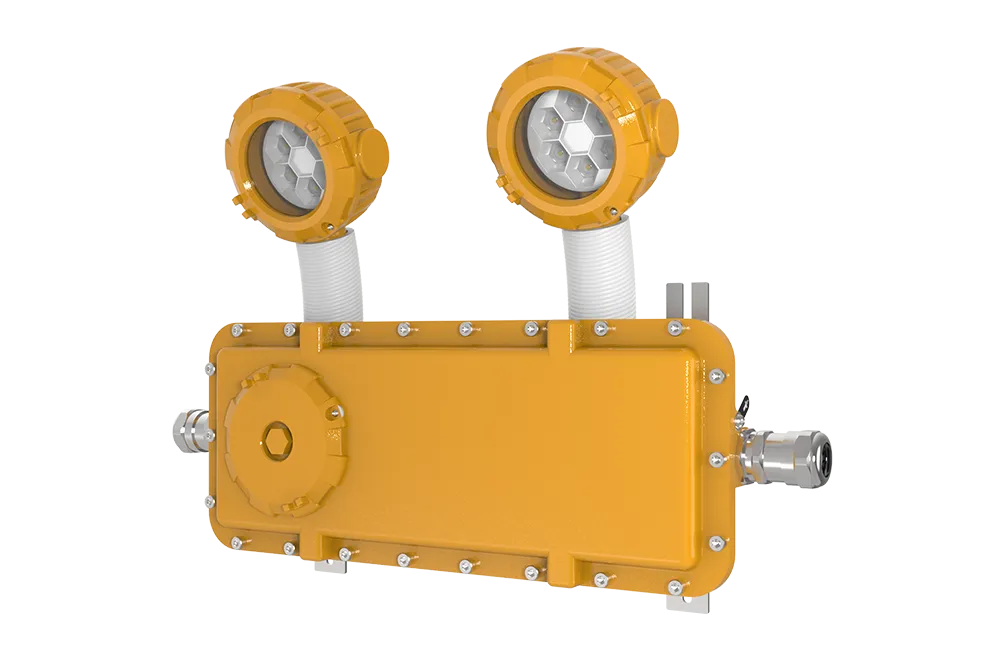
ATEX: Ex II 2G Ex db IIB T6 GbEx II 2D Ex tb IIIC T80°C Db IECEx Ex db IIB T6 Gb;Ex tb IIIC T80°C Db Feature: ● For Zone 1,2 and Zone 21,22● Flameproof type, the strongest Application: Oil and gas, marine, Chemical, pharmaceutical, semiconductor,mining,military industry, paint booth,power plant ETC hazardous area. Technical Specifications:…
View details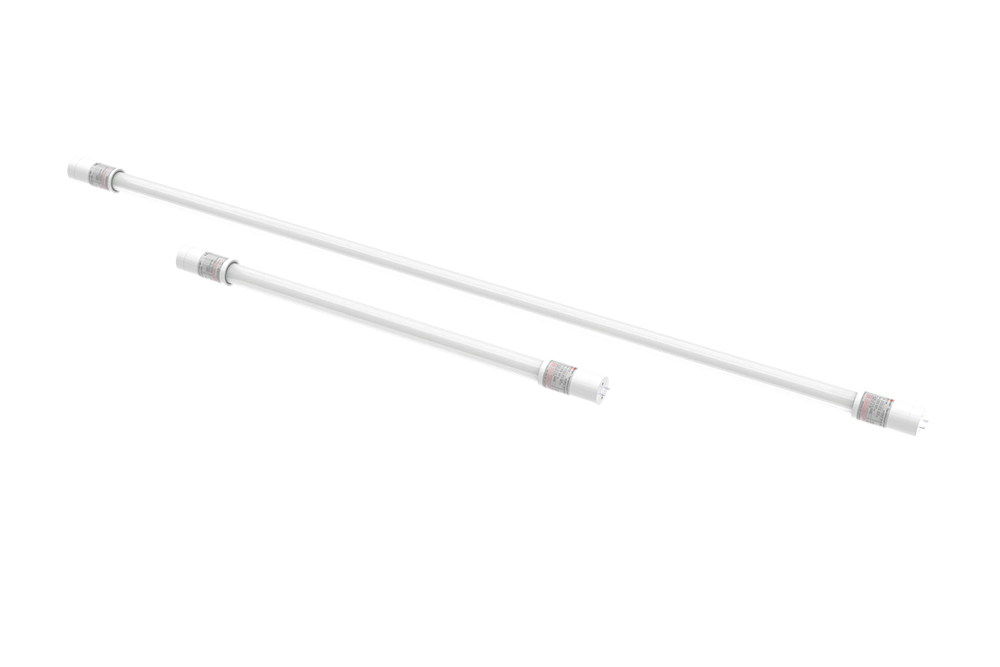
ATEX: Ex II 2G Ex d e IIB T6 Gb ATEX: Ex d e IIB T6 Gb; Feature: ● For Zone 1,2● 9W can replace 18W fluorescent lamps,50% Energy saving Application: Oil and gas, marine, Chemical, pharmaceutical, semiconductor,mining,military industry, paint booth,power plant ETC hazardous area. Technical Specifications: Standards:60079-0, 60079-1, 60079…
View details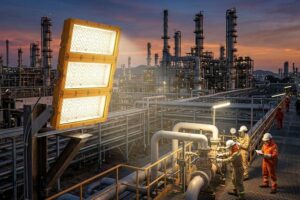
How long do IECEx LED floodlights last? Learn real-world lifespan, maintenance factors, thermal management impacts, and hazardous area lighting performance.
View details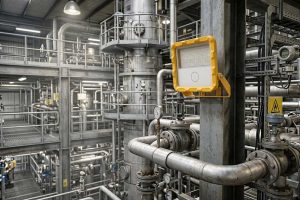
Explosion proof lamp ex proof lighting for hazardous areas. Learn certifications, thermal limits, and real industrial insights for safe and compliant lighting systems.
View details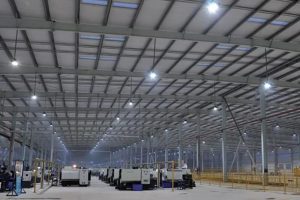
In 2024, a European factory installed 360 pcs of Seeking XJ-HBF200W LED High Bay Light, reaching 200 lm/W, 300+ LUX, high uniformity and reliable performance, delivering an energy-efficient lighting solution for large industrial spaces.
View details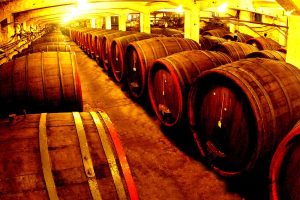
Explosion proof lights for paint booth ensure safe lighting in wineries and cellars. ATEX-certified SEEKINGLED solutions prevent ignition risks and improve visibility.
View details