 Seeking LED
Outdoor LED Street Lights Built for Places That Don’t Get a Second Chance
168Outdoor LED street lights designed for roads and public areas, delivering high efficiency, durability, and long service life for real-world use by SEEKINGLED.
View detailsSearch the whole station
what does atex mean? ATEX means “ATmosphères EXplosibles” and refers to European regulations that define safety requirements for equipment used in potentially explosive atmospheres containing gas, vapor, or dust.
In industrial lighting projects, I have found that many buyers recognize the ATEX label but do not always understand what it represents. The meaning is not about brightness, power, or product quality alone. It is about controlling ignition risks in dangerous environments.
ATEX is the commonly used abbreviation for European regulations covering equipment designed for explosive atmospheres.
The term comes from the French words:
ATmosphères EXplosibles
In simple terms, ATEX identifies equipment that has been evaluated for use in areas where an explosive mixture may occur.
These mixtures can include:
Typical locations requiring ATEX-rated equipment include:
Reference:
European Commission – Equipment and protective systems intended for use in potentially explosive atmospheres (ATEX)
https://single-market-economy.ec.europa.eu/sectors/mechanical-engineering/equipment-potentially-explosive-atmospheres-atex_en
The purpose of ATEX is to prevent equipment from becoming an ignition source.
A small electrical spark or excessive heat from a device may become dangerous when surrounded by flammable materials.
ATEX requirements focus on controlling risks such as:
For industrial lighting, this means an ATEX-rated LED fixture must be designed differently from a normal warehouse light.
The housing, electrical components, temperature control, and protection method all need to meet specific requirements.
One of the most important parts of ATEX is understanding hazardous area classification.
Different zones describe how often explosive atmospheres may exist.
| Zone | Meaning | Example |
|---|---|---|
| Zone 0 | Explosive atmosphere exists continuously or for long periods | Inside storage tanks |
| Zone 1 | Explosive atmosphere may occur during normal operation | Processing areas |
| Zone 2 | Explosive atmosphere is unlikely but possible temporarily | Areas near pipelines |
Selecting equipment without considering the correct zone can create compliance issues.
During industrial lighting consultations, I usually recommend reviewing the hazardous area classification before discussing fixture specifications. A powerful light is not useful if it cannot legally operate in the required location.
Many customers initially think ATEX is another product quality mark.
It is different.
| Feature | ATEX Equipment | Standard Equipment |
|---|---|---|
| Explosive atmosphere testing | Required | Usually not tested |
| Ignition protection | Included | Not designed |
| Hazardous zone application | Approved | Limited |
| Certification documents | Available | Basic documentation |
A product can be waterproof, durable, and energy efficient but still not suitable for hazardous environments.
ATEX is part of a wider safety system for explosive environments.
Equipment may include protection concepts such as:
The exact protection method depends on the equipment category and application.
For industrial users, the ATEX marking provides important information about where the product can be installed.Visit the product page: ATEX Explosion Proof Lighting
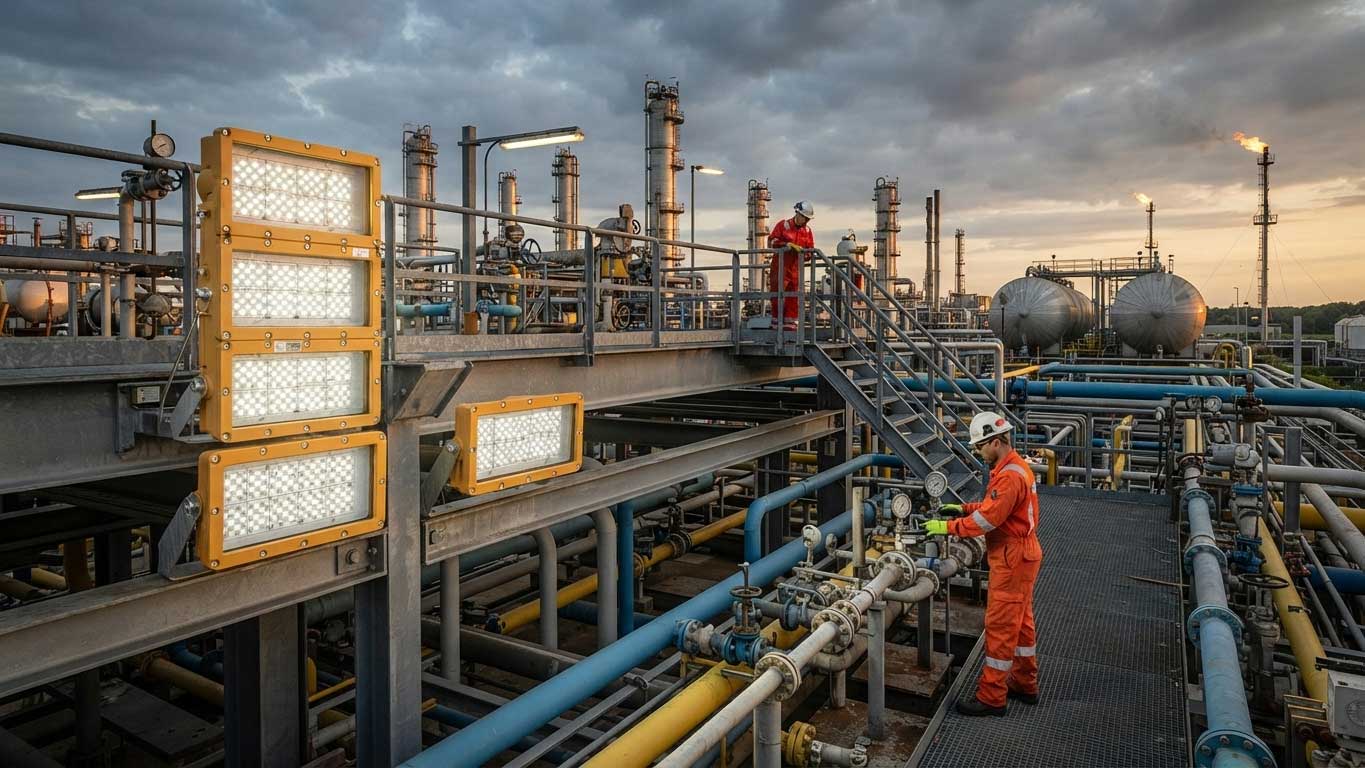
After working with industrial lighting applications, I noticed a common pattern.
New buyers often start with:
“How many watts is the light?”
Experienced engineers usually start with:
“Is it ATEX approved for our zone?”
That difference comes from practical experience.
In hazardous industries, replacing a failed light is not always simple. Workers may need permits, shutdown coordination, and safety procedures before maintenance can begin.
A certified product reduces uncertainty before installation.
ATEX-rated products are widely used in:
Common ATEX equipment includes:
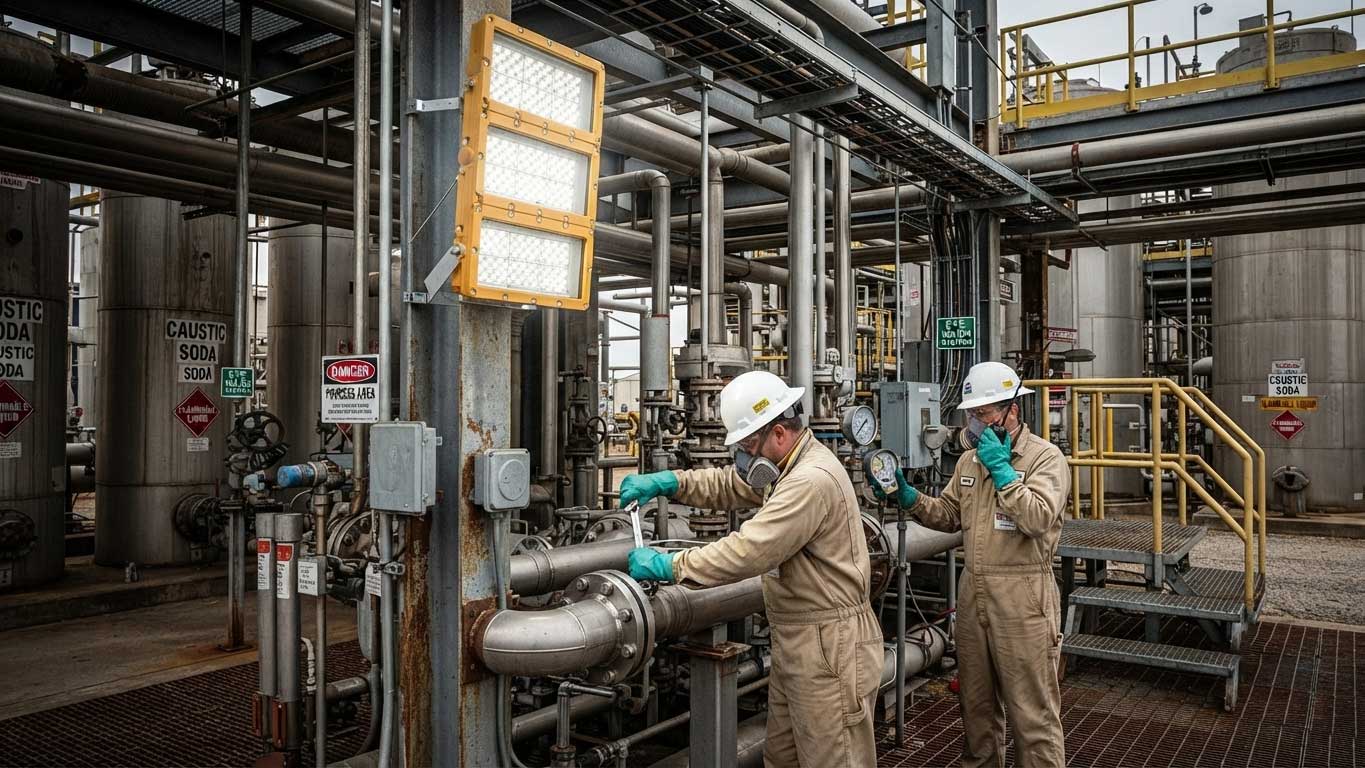
ATEX stands for “ATmosphères EXplosibles,” a French term meaning explosive atmospheres.
ATEX is used to ensure equipment can operate safely in environments where explosive gases, vapors, or dust may exist.
ATEX includes explosion protection requirements, but the exact protection method depends on equipment classification.
Lighting fixtures, electrical equipment, sensors, motors, and control devices may require ATEX certification.
ATEX is mainly a European requirement, while other markets may use systems such as IECEx or UL hazardous location standards.
what does atex mean? ATEX means equipment designed and certified for safe operation in potentially explosive atmospheres.
For industries handling flammable gases, vapors, or dust, ATEX represents more than a certification mark. It represents a controlled approach to reducing ignition risks.
SEEKINGLED develops industrial lighting solutions for demanding environments where safety compliance, reliability, and real-world performance are essential.
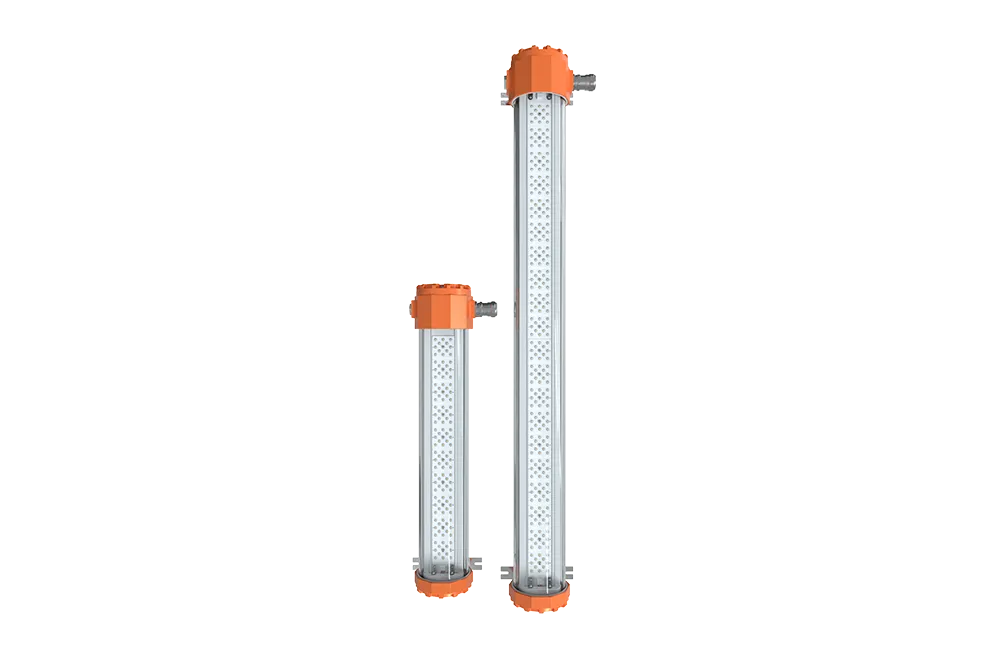
SEEKINGLED LED Linear Explosion Proof Light and Explosion Proof lighting is ATEX and IECEx certified for Zone 1, Zone 2, Zone 21 and Zone 22 hazardous locations, built for long-term industrial use.
View details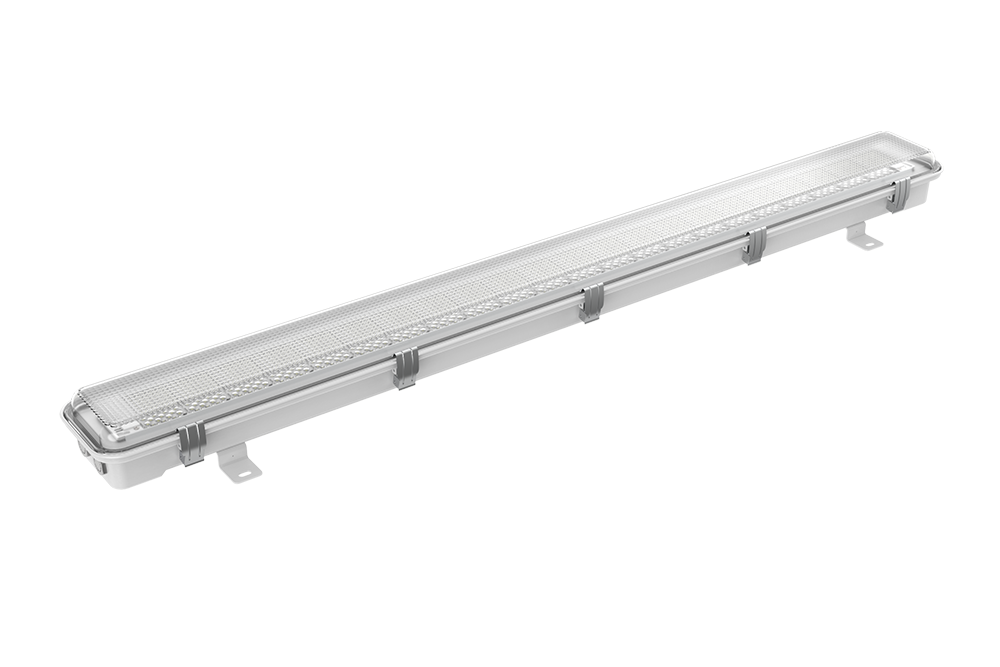
LED Linear Explosion Proof Lights and EX Proof lights for Zone 1, Zone 2, Zone 21 and Zone 22 hazardous areas. ATEX & IECEx certified explosion proof LED linear lighting with emergency function, adjustable power and IP67 protection by SEEKINGLED.
View details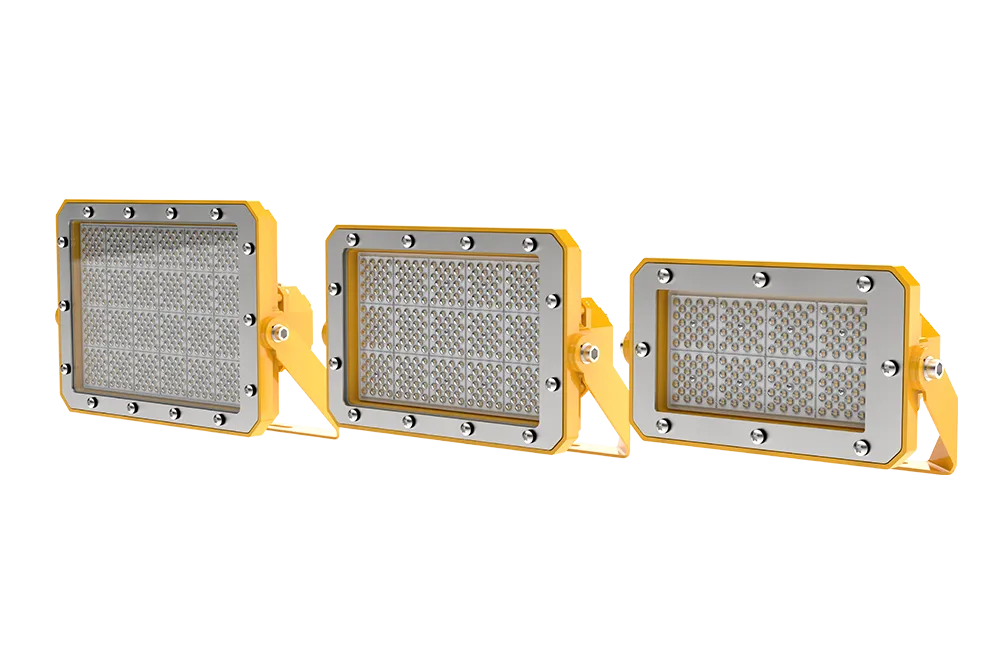
SEEKINGLED LED Explosion Proof Flood Lights are ATEX certified for Zone 2 and Zone 22 hazardous areas, offering high efficiency, adjustable power and integrated junction box.
View details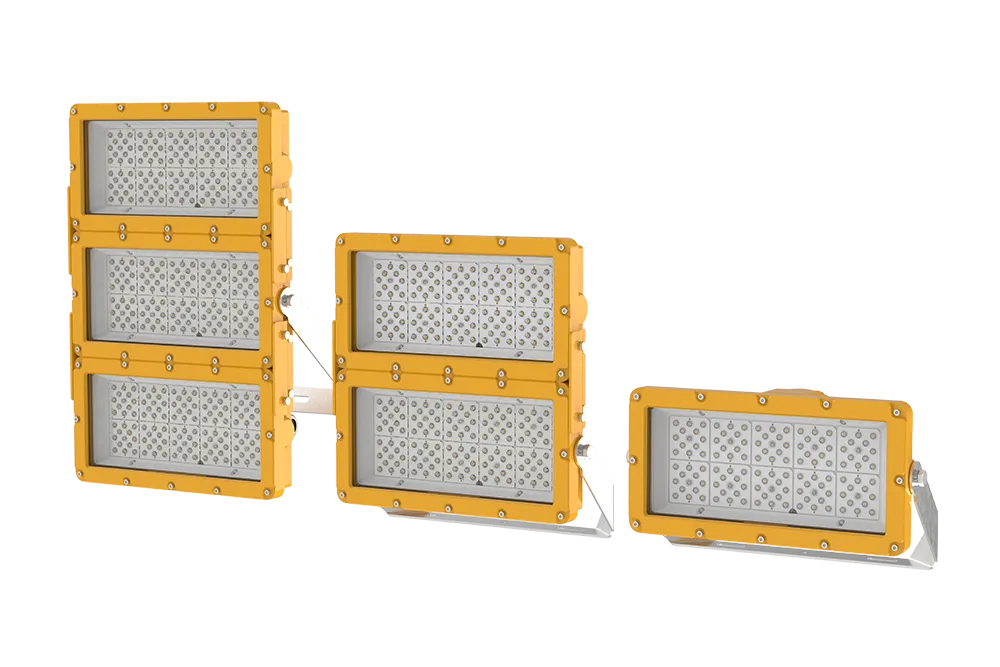
SEEKINGLED LED Explosion Proof Flood Lights are flameproof ATEX and IECEx certified for Zone 1 and Zone 2 hazardous areas, offering high power, adjustable output and long service life.
View details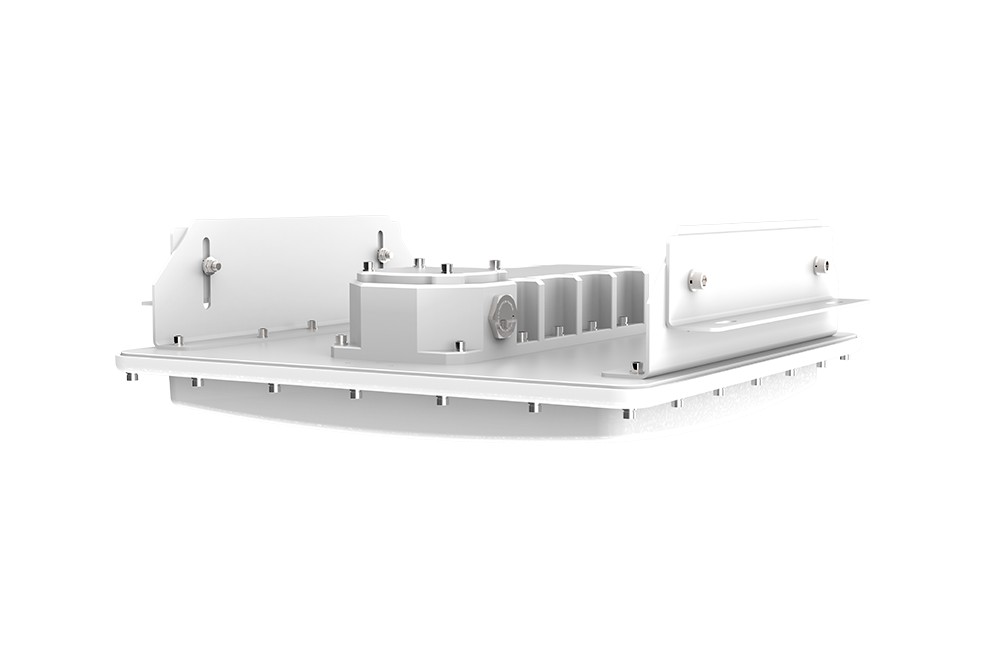
SEEKINGLED LED Gas Station Canopy Lights are ATEX certified for Zone 2 and Zone 22 hazardous areas, featuring adjustable power and built-in explosion-proof junction box.
View details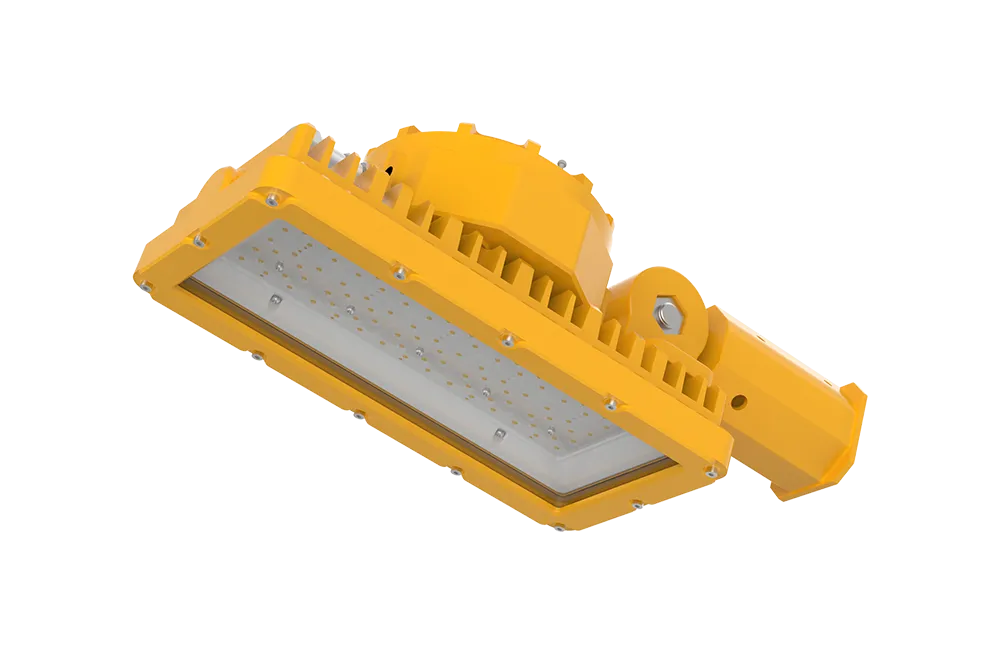
ATEX: Ex II 2G Ex db IIB T6/T5 GbEx II 2D Ex tb IIIC T80°C/ T95°C Db IECEx Ex db IIB T6 Gb;Ex tb IIIC T80°C Db Feature: ● For Zone 1,2 and Zone 21,22● Flameproof type, the strongest● 100W can replace 250W HID,energy saving● Power:60W,80W,100W Application: Oil and gas, marine, Chemical, pharmaceutical, semiconductor,mining,military industr…
View details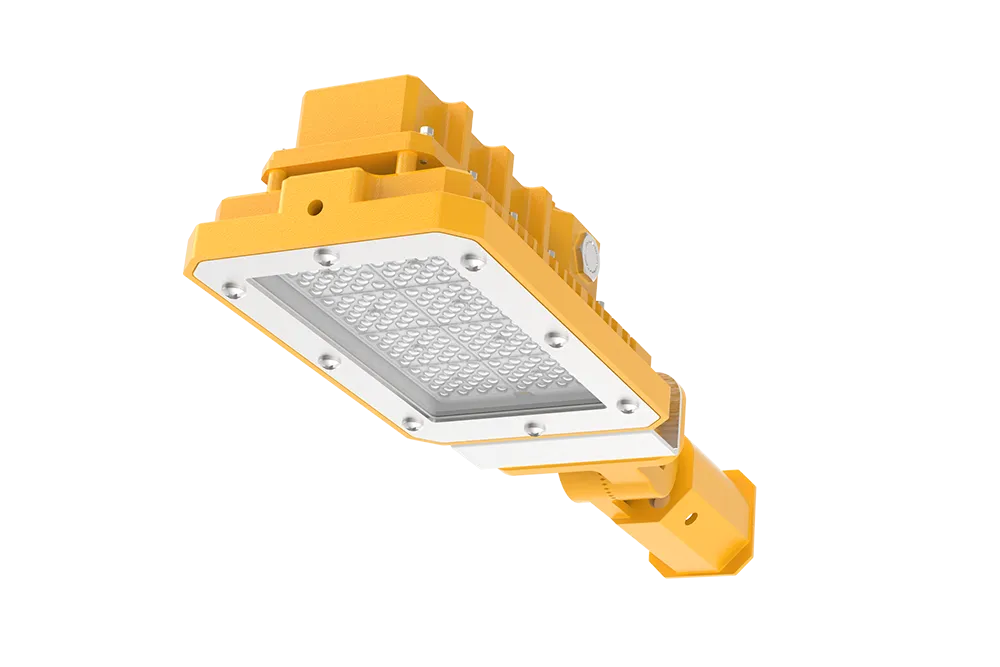
ATEX: II 3G Ex nR ⅡC T5/T6 GcII 3D Ex tc ⅢC T80℃/T95℃Dc ATEX Certificate NO: TÜV CY 26 ATEX 0207611 X Feature: ● For Zone 2 and Zone 22● 150W can replace 250W HID lamps,Energy saving● Power:50W,75W,100W,150W,200W Application: Oil and gas, marine, Chemical, pharmaceutical, semiconductor,mining,military industry, paint booth,power plant ETC…
View details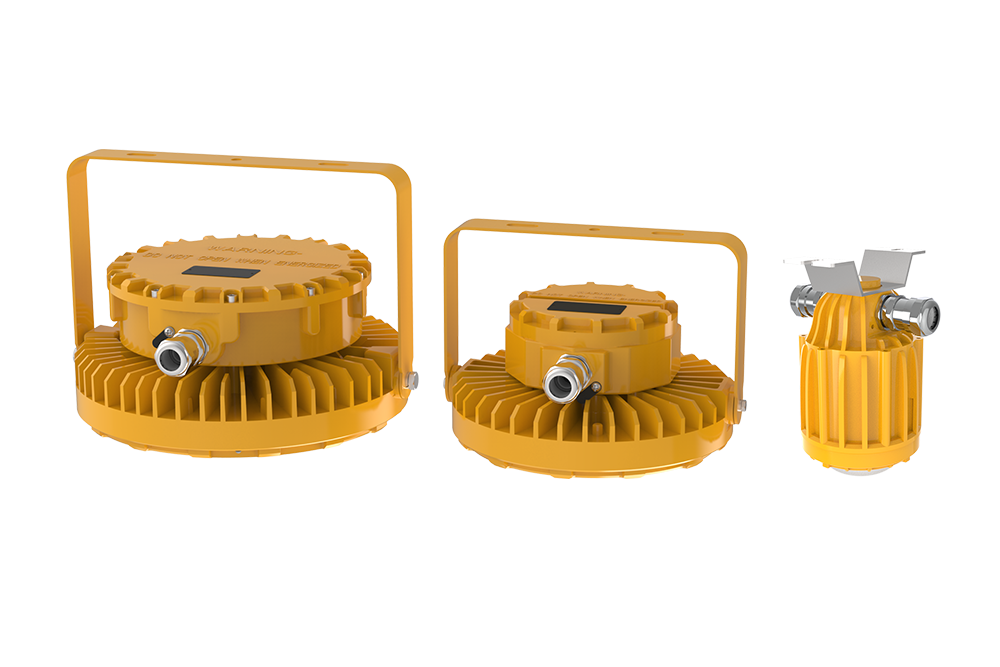
LED explosion proof high bay lights are designed for Zone 1, Zone 2, Zone 21 and Zone 22 hazardous areas. This page introduces the HB21 Series from SEEKING, including certifications, power options and real application considerations.
View details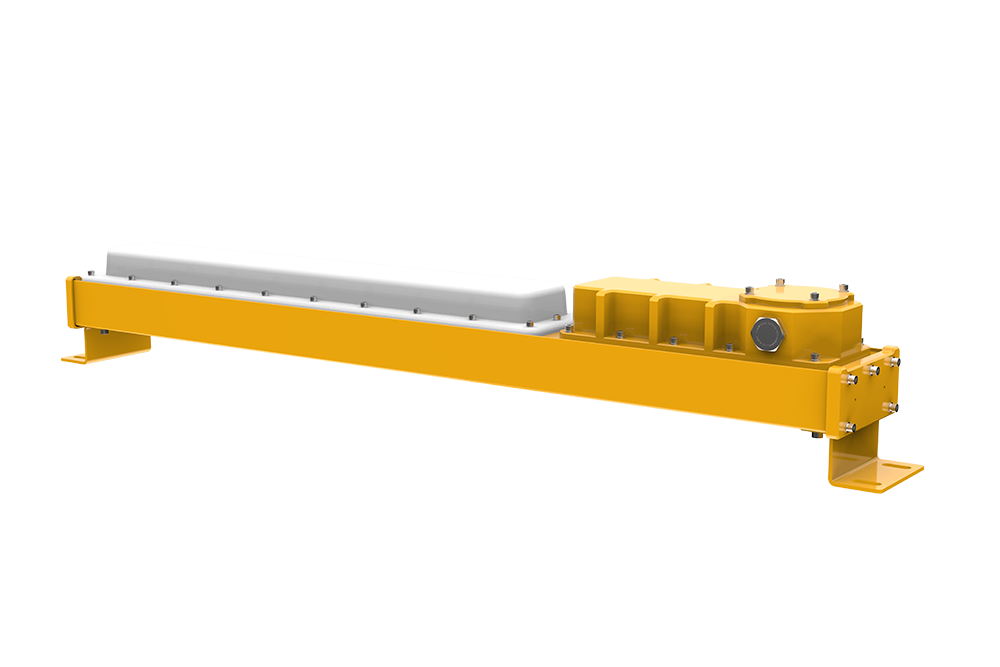
LED Linear Explosion Proof Lights from SEEKINGLED. LU Series Flame Proof lights ATEX-certified explosion proof LED linear lighting for Zone 2 gas and Zone 22 dust areas, IP69K, IK10, long lifetime and flexible power options.
View details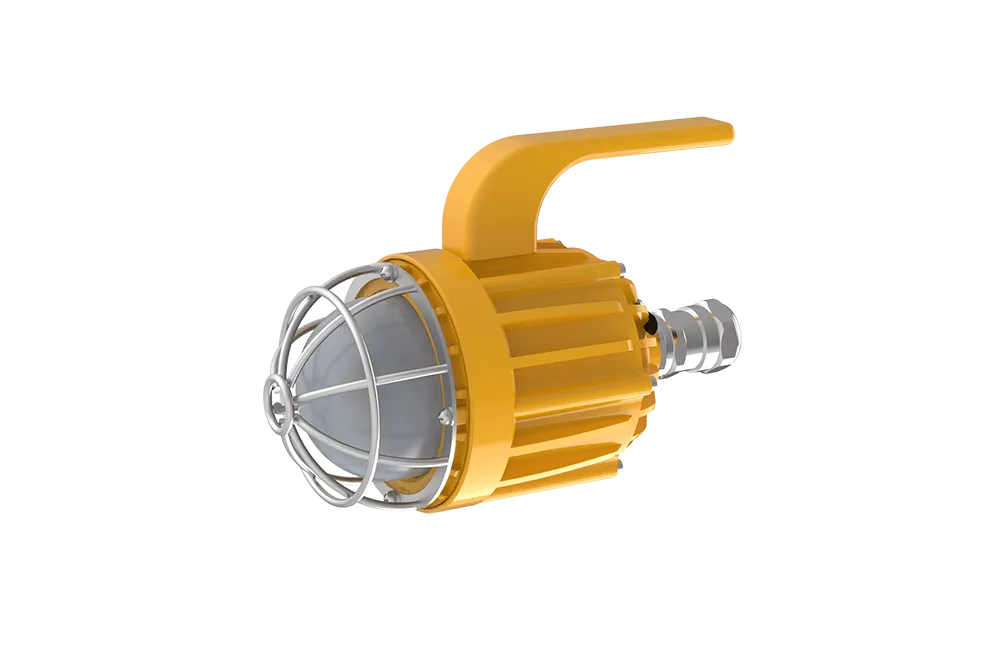
Certified explosion proof work lights for Zone 1 & 21 hazardous areas. Portable, ATEX & IECEx approved, built for oil, gas and chemical plants by SEEKINGLED.
View details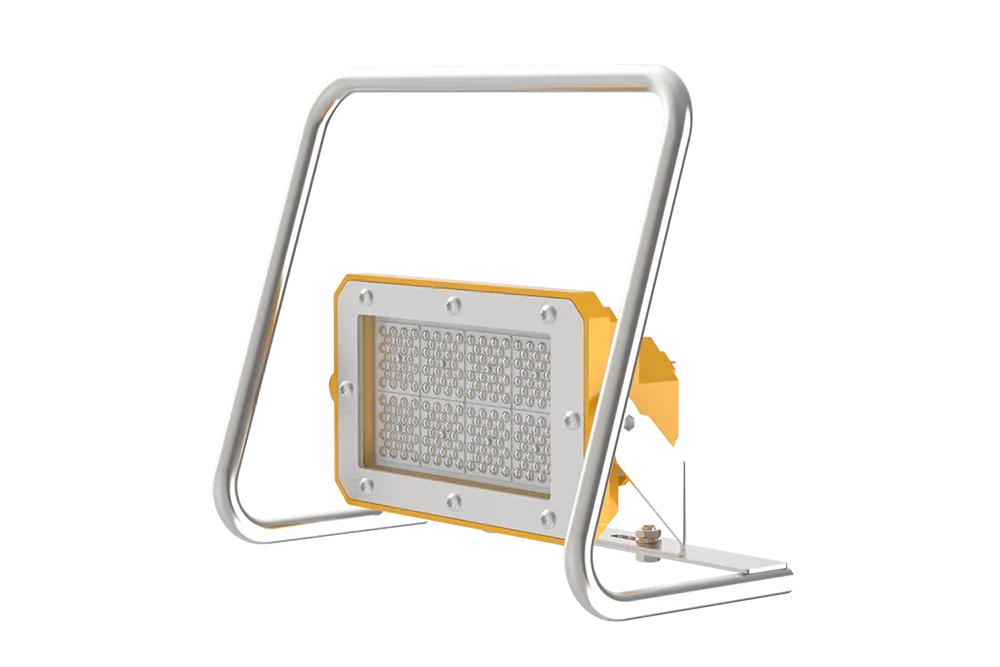
ATEX: II 3G Ex nR ⅡC T6 GcII 3D Ex tc ⅢC T80℃ Dc ATEX Certificate NO: TÜV CY 26 ATEX 0207611 X Feature: ● For Zone 2 and Zone 22● Accepts battery-powered supply● indestructible● Power:AC input:50W,75W,100WDC input:15W,25W,35W Application: Oil and gas, marine, Chemical, pharmaceutical, semiconductor,mining,military industry, paint booth,po…
View details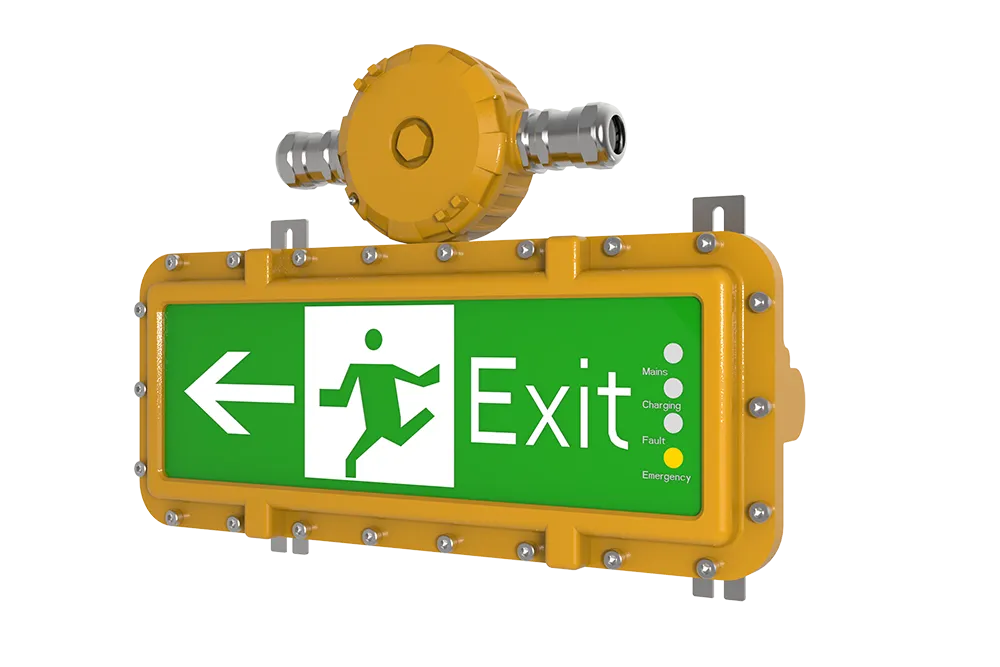
ATEX: Ex II 2G Ex db IIB T6 GbEx II 2D Ex tb IIIC T80°C Db IECEx Ex db IIB T6 Gb;Ex tb IIIC T80°C Db Feature: ● For Zone 1,2 and Zone 21,22● Flameproof type, the strongest Application: Oil and gas, marine, Chemical, pharmaceutical, semiconductor,mining,military industry, paint booth,power plant ETC hazardous area. Technical Specifications:…
View details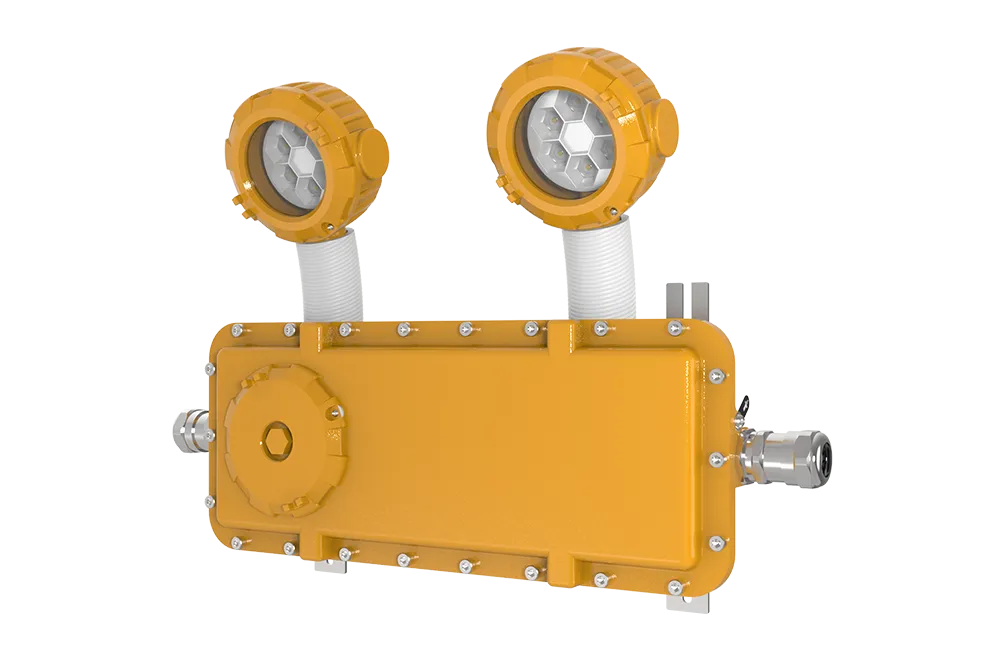
ATEX: Ex II 2G Ex db IIB T6 GbEx II 2D Ex tb IIIC T80°C Db IECEx Ex db IIB T6 Gb;Ex tb IIIC T80°C Db Feature: ● For Zone 1,2 and Zone 21,22● Flameproof type, the strongest Application: Oil and gas, marine, Chemical, pharmaceutical, semiconductor,mining,military industry, paint booth,power plant ETC hazardous area. Technical Specifications:…
View details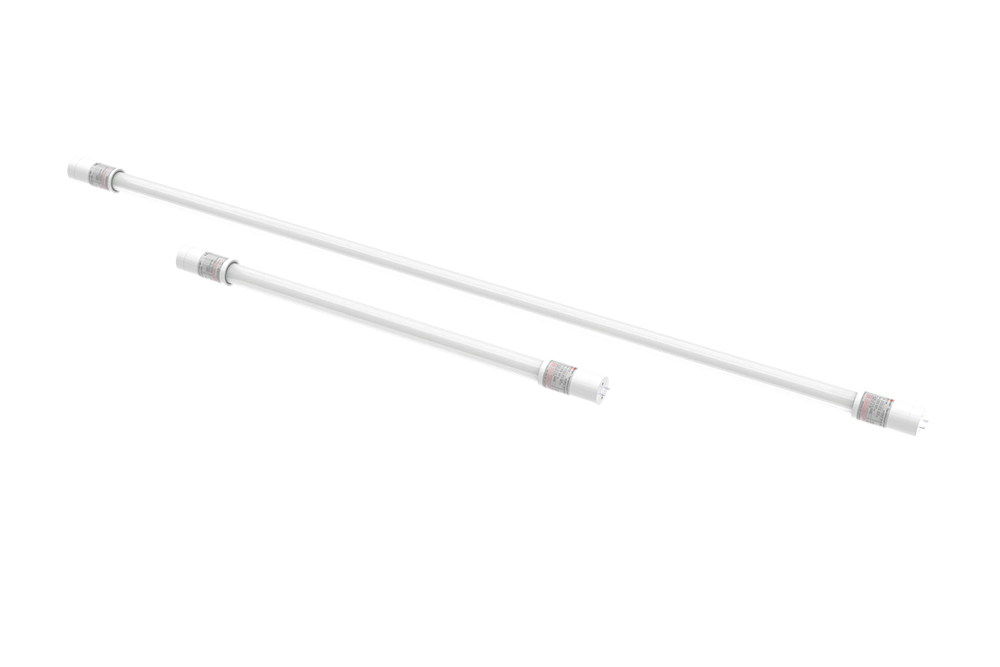
ATEX: Ex II 2G Ex d e IIB T6 Gb ATEX: Ex d e IIB T6 Gb; Feature: ● For Zone 1,2● 9W can replace 18W fluorescent lamps,50% Energy saving Application: Oil and gas, marine, Chemical, pharmaceutical, semiconductor,mining,military industry, paint booth,power plant ETC hazardous area. Technical Specifications: Standards:60079-0, 60079-1, 60079…
View details
Outdoor LED street lights designed for roads and public areas, delivering high efficiency, durability, and long service life for real-world use by SEEKINGLED.
View details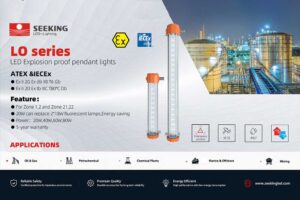
Match hazard level, height and work needs. Quick recommendations by scenario: Height doubles → illuminance drops to ~1/4Prefer ≥140 lm/W LEDAdd 20% maintenance factorMatch Zone + ATEX/IECEx certification SEEKINGLED is a professional manufacturer o...
View details
This article shares real engineering experience with Sports Stadium LED Lighting Technology, focusing on visibility, energy use, and long-term operation in modern stadiums by SEEKINGLED.
View details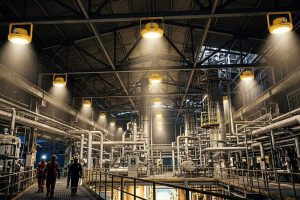
What is an explosion-proof high bay light fixture? Discover how it safely delivers high-lumen lighting in hazardous areas with certified protection and durability.
View details