 Seeking LED
LED Flood Light for Basketball Court Lighting in the Czech Republic
362A real project case of LED flood light installation for a basketball court in the Czech Republic, focusing on lighting quality, safety, and energy efficiency.
View detailsSearch the whole station
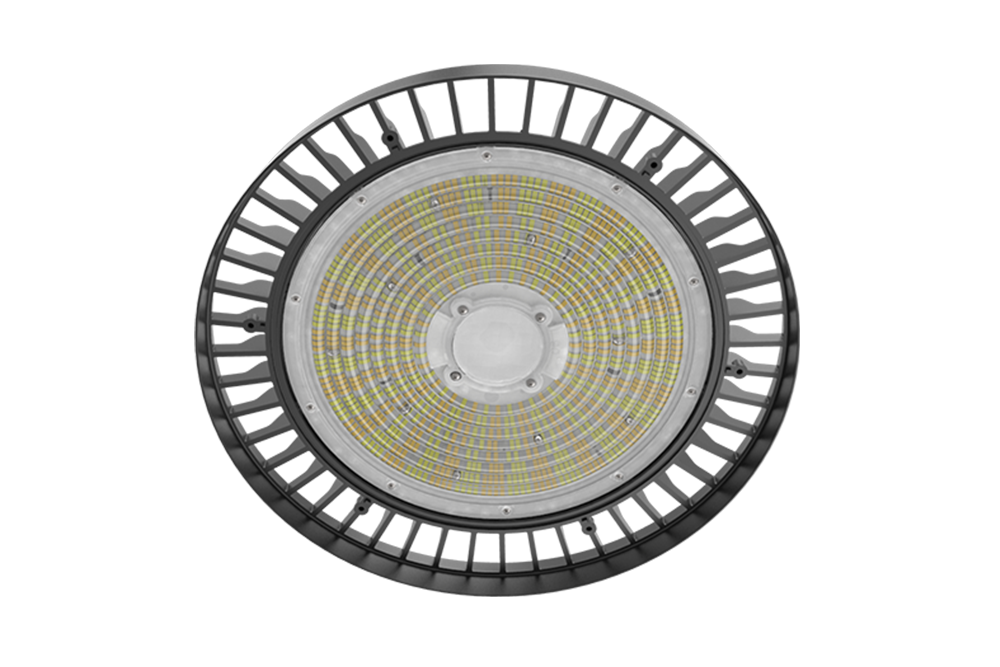
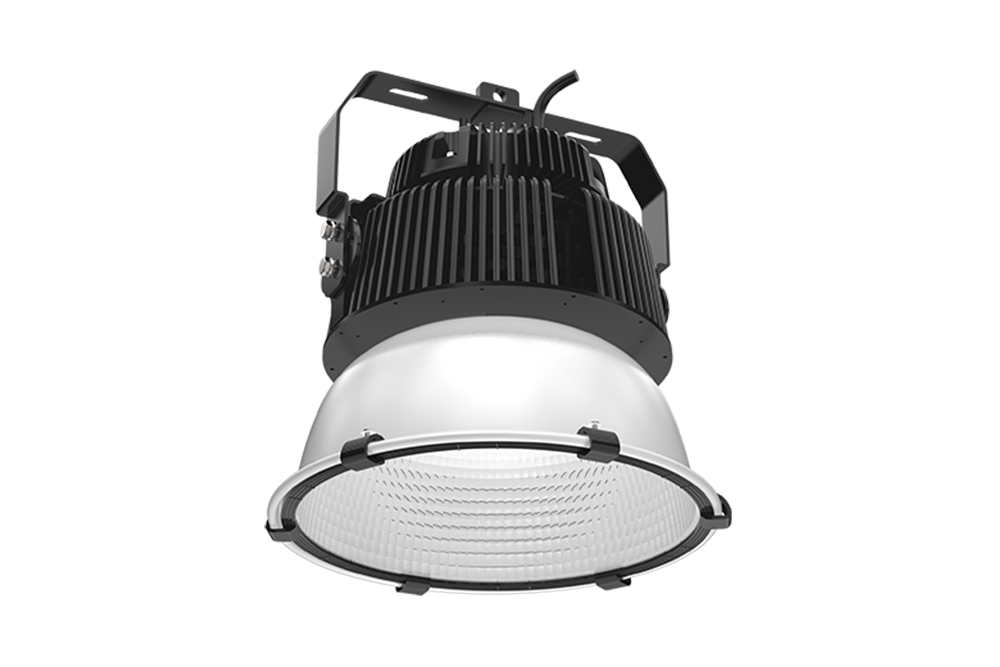
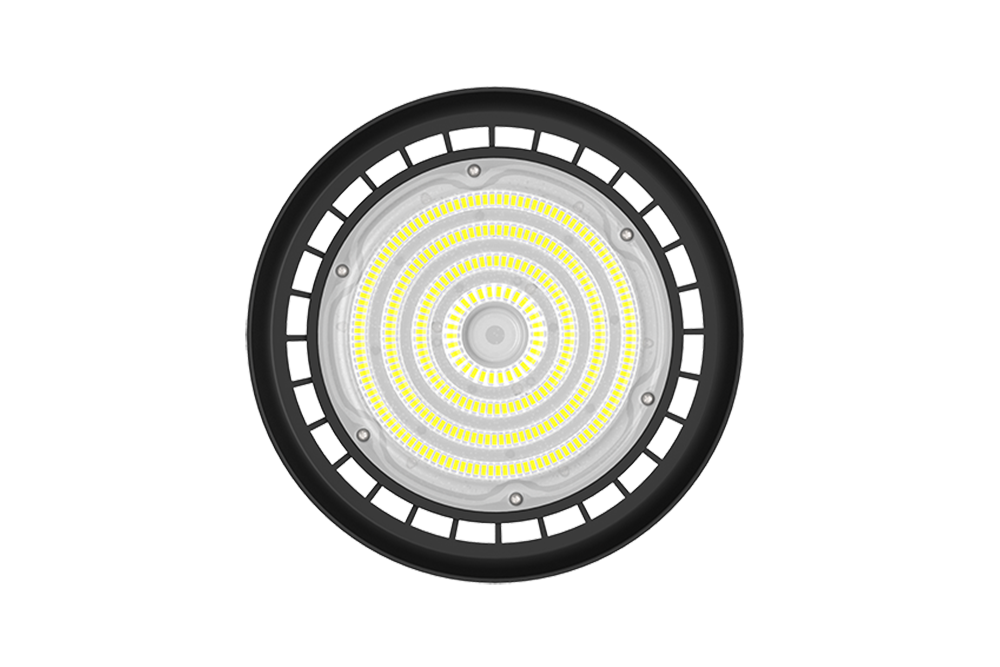
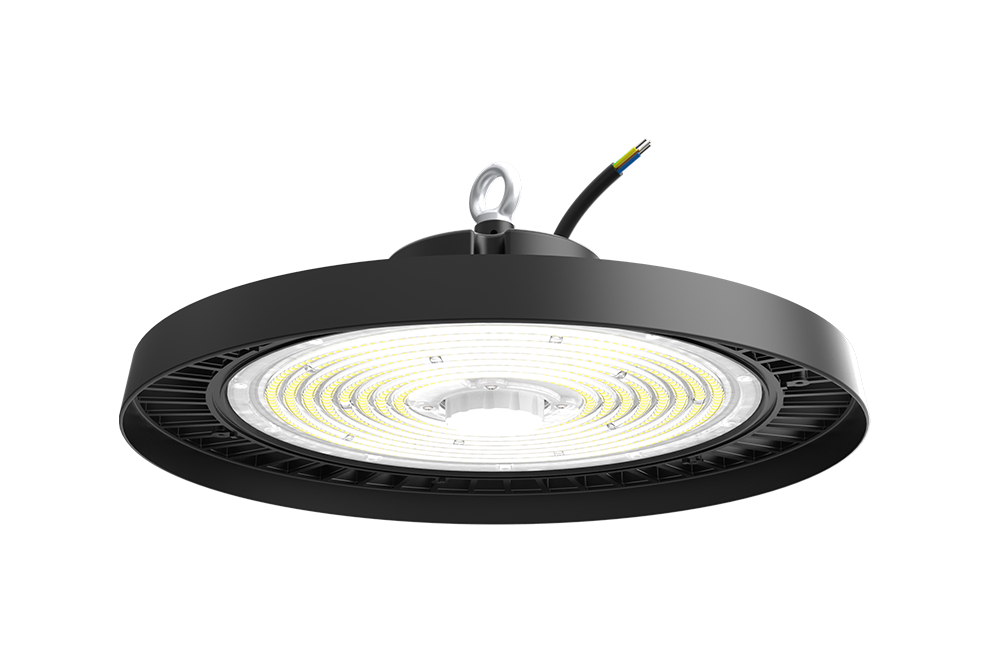
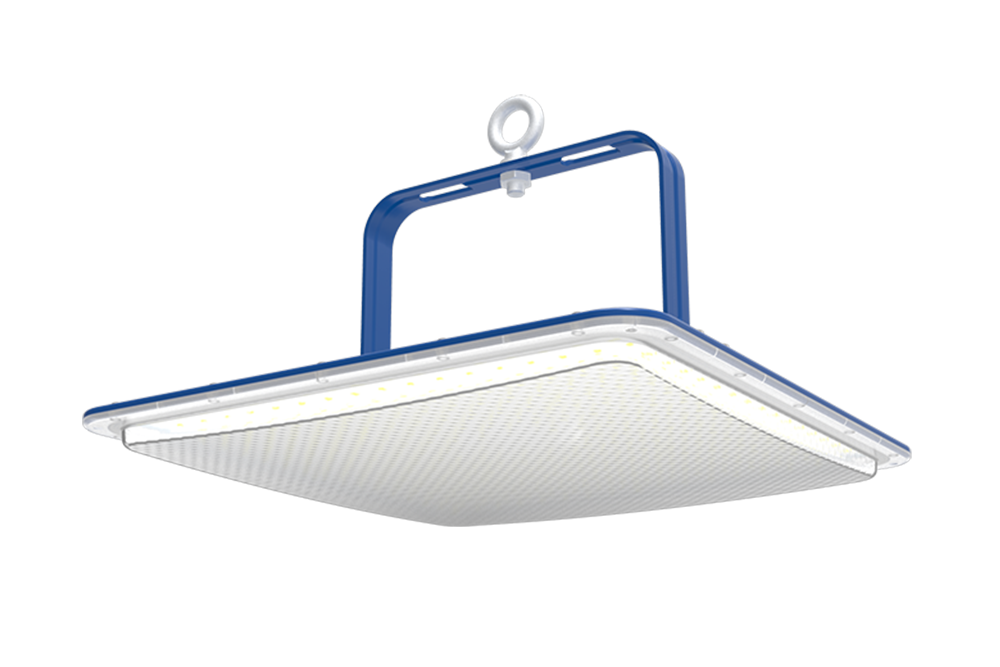
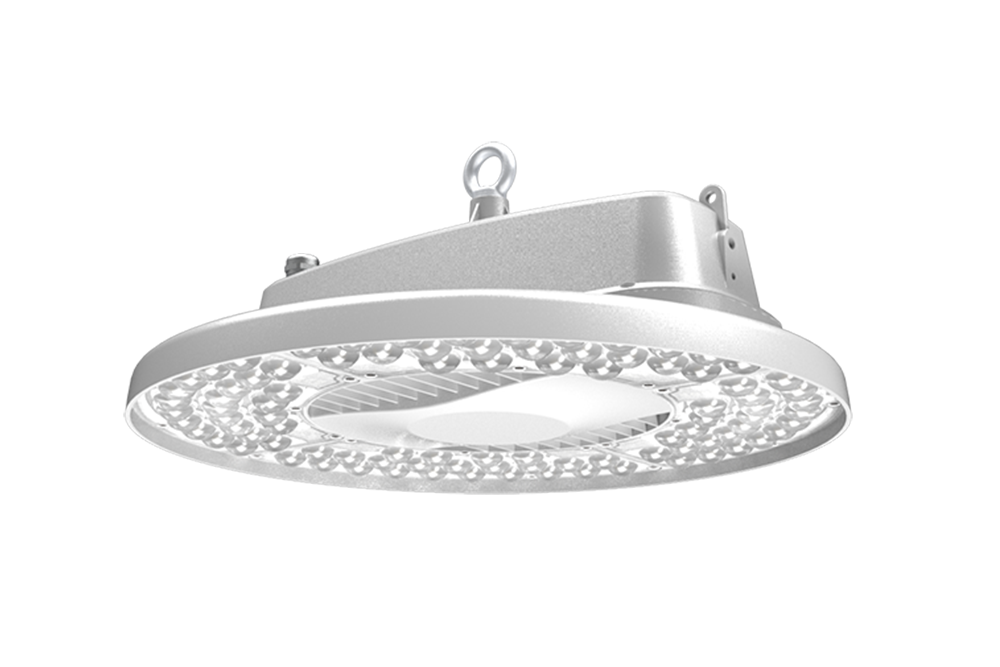
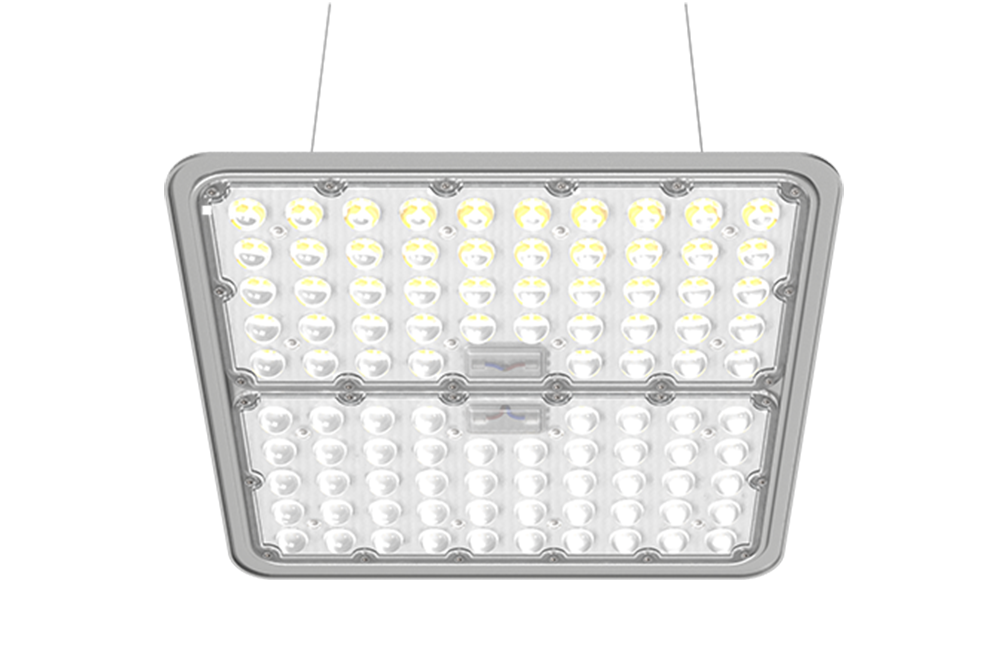
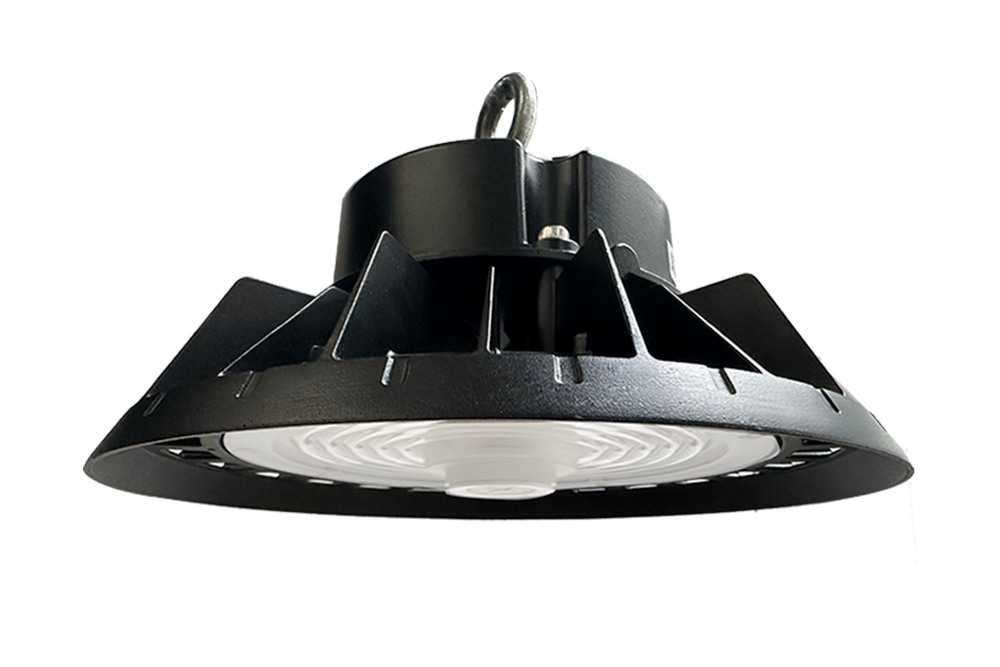
How high to mount high bay LED lights is one of the first questions engineers and warehouse managers ask when planning an upgrade. There is no single height that works everywhere, but there are clear ranges that have proven reliable in real installations.
In practice, mounting height depends on ceiling height, beam angle, required lux level, and how the space is actually used—not just what looks good on paper.
For most industrial and commercial projects, high bay LED lights are installed within these ranges:
Going higher than this usually requires tighter optics and higher lumen packages rather than simply adding more fixtures.
A common mistake is choosing wattage first and worrying about height later. From an engineering perspective, mounting height comes first.
If high bay LED lights are mounted too low:
If they are mounted too high without the right beam:
Correct height allows the optics to do their job efficiently.
Mounting height cannot be separated from beam angle.
Spacing between fixtures usually falls between 0.8–1.2 times the mounting height, depending on aisle layout and task lighting needs. This is how consistent light levels are achieved without over-lighting.
In SEEKINGLED projects, mounting height is always confirmed on-site or with layout drawings. For example:
This approach avoids both under-lighting and unnecessary power use over time.
Before fixing the mounting height, always consider:
High bay LED lights are long-term assets. Mounting them at the right height from the start saves energy, reduces complaints, and extends usable life.
That’s why how high to mount high bay LED lights is best answered with practical experience—not guesswork.

A real project case of LED flood light installation for a basketball court in the Czech Republic, focusing on lighting quality, safety, and energy efficiency.
View details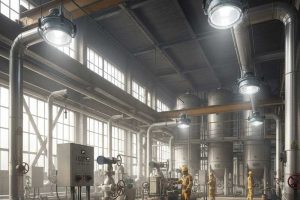
Is LED lighting explosion proof? Learn why most LED lights are not suitable for hazardous areas and when certified explosion proof LED lighting is required. By SEEKINGLED.
View details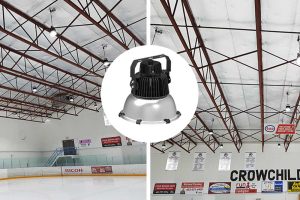
LED high bay lighting upgrade for hockey field in Canada. SEEKINGLED XJ-HBS200W replaced 92 units of 400W metal halide with up to 75% energy savings.
View details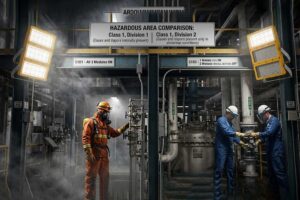
Class 1 Div 1 vs Class 1 Div 2 differences explained for hazardous locations. Learn safety standards, applications, certifications, and lighting selection.
View details