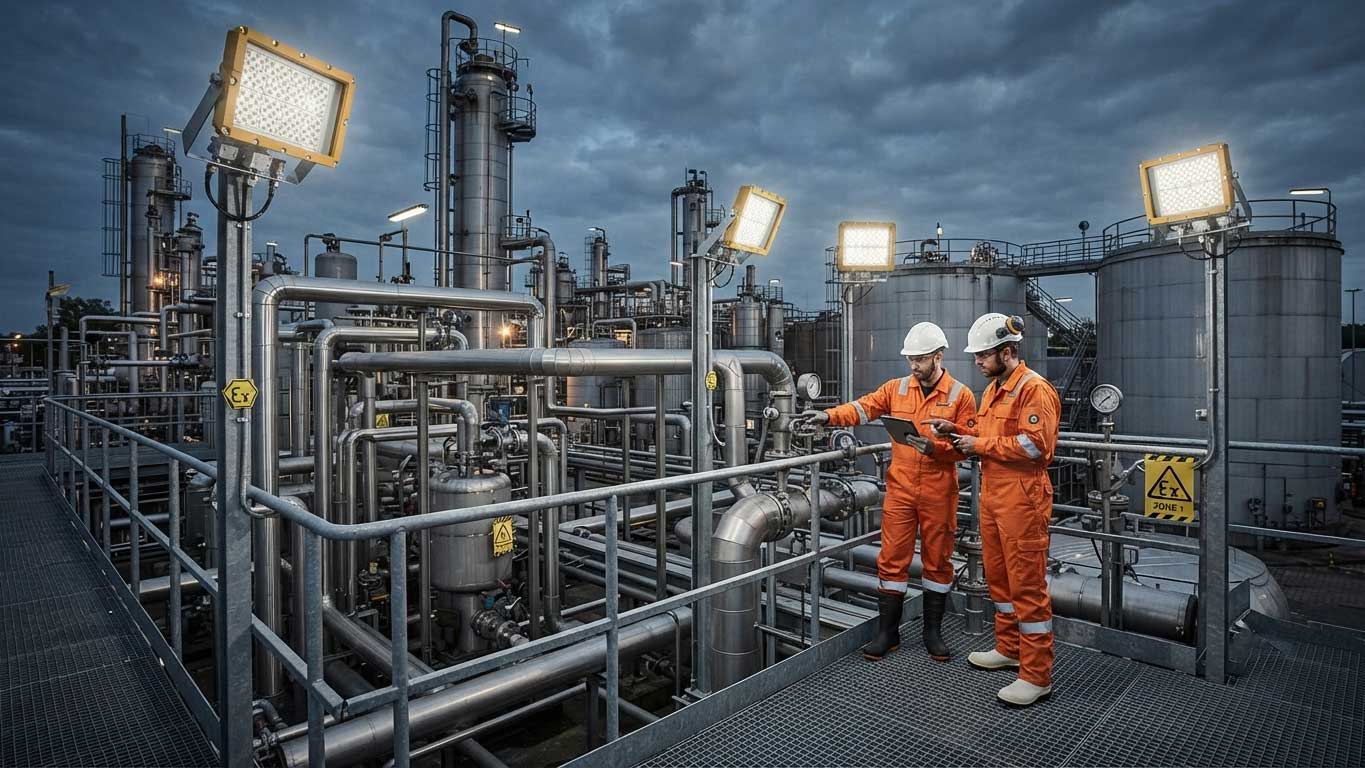
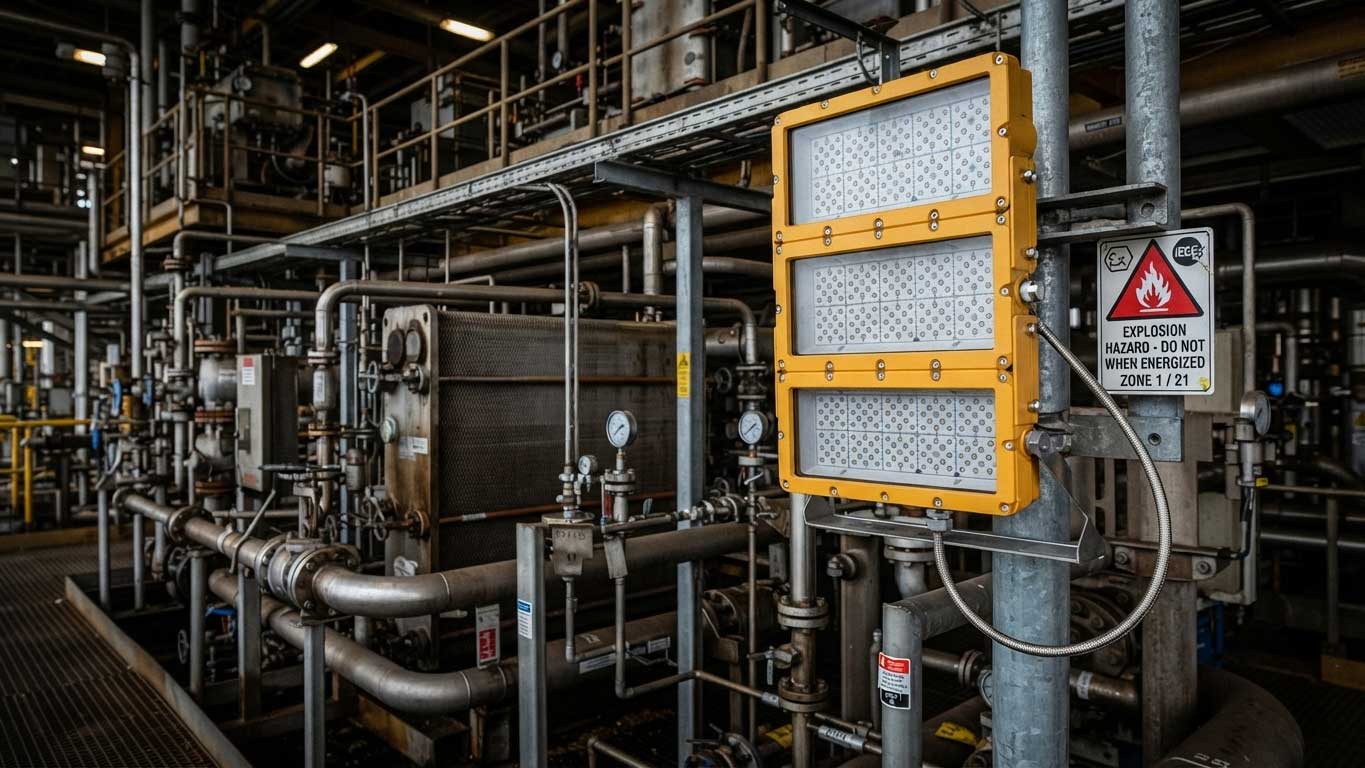
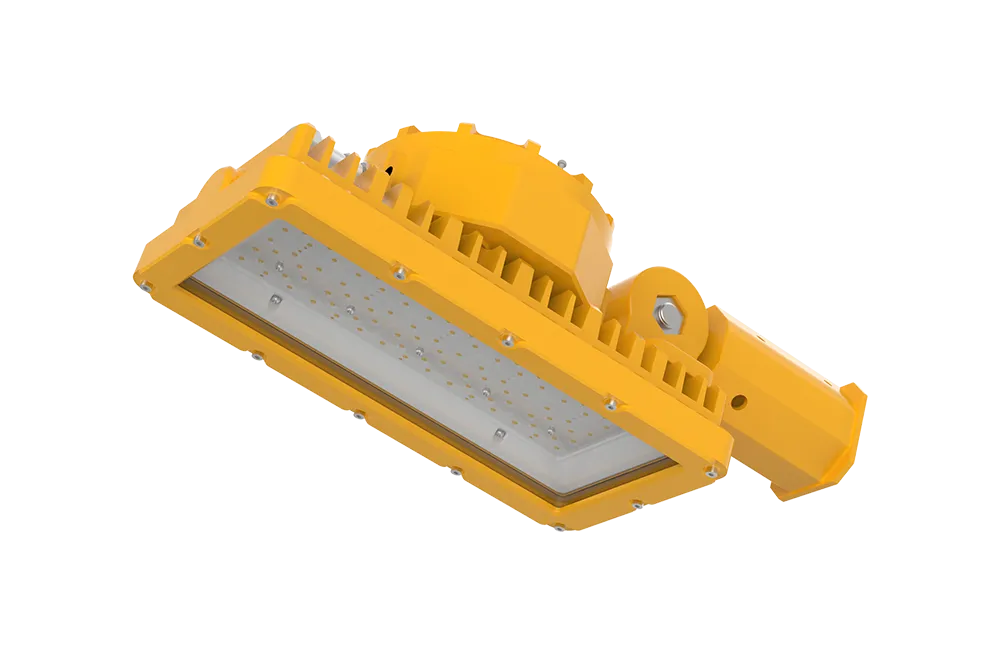
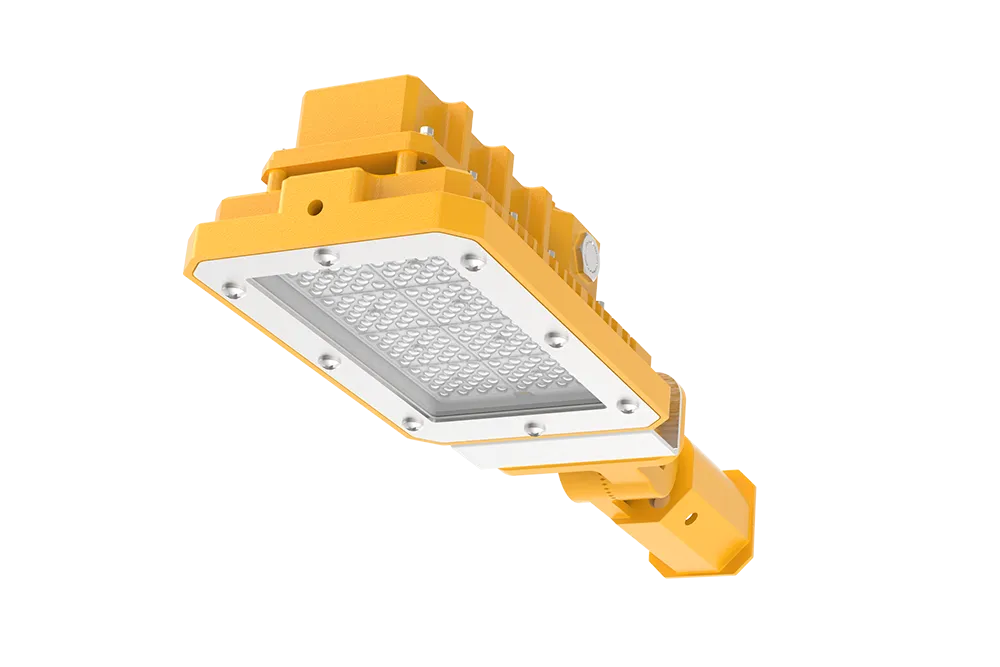
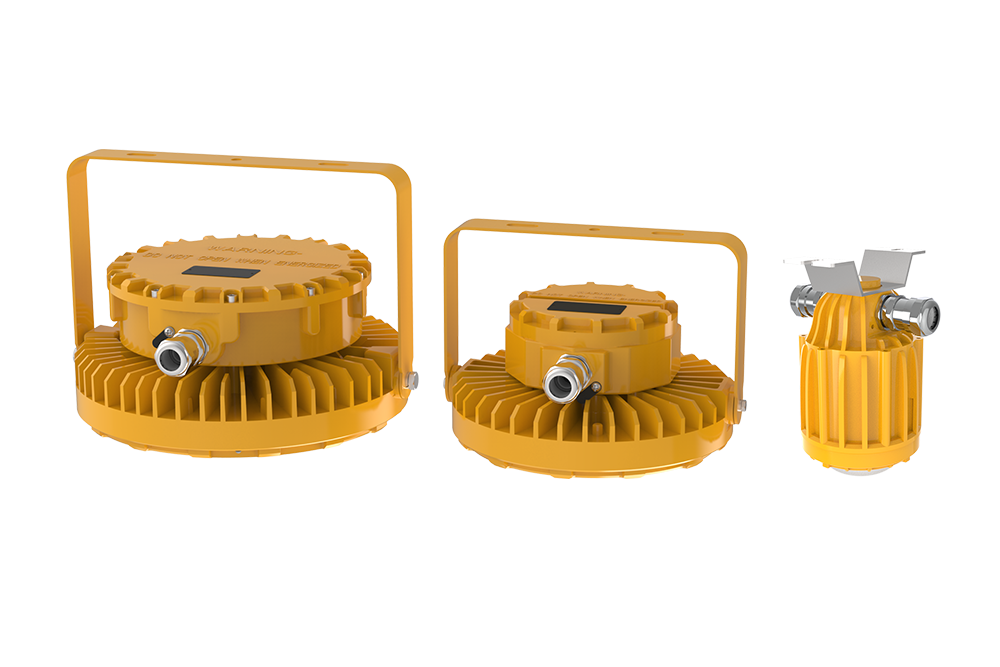
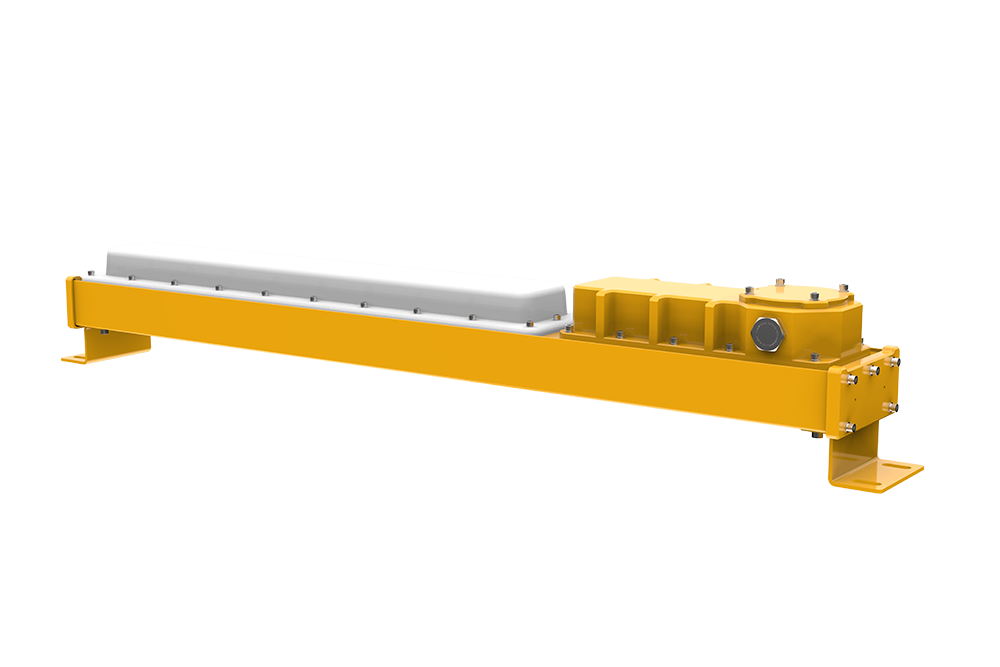
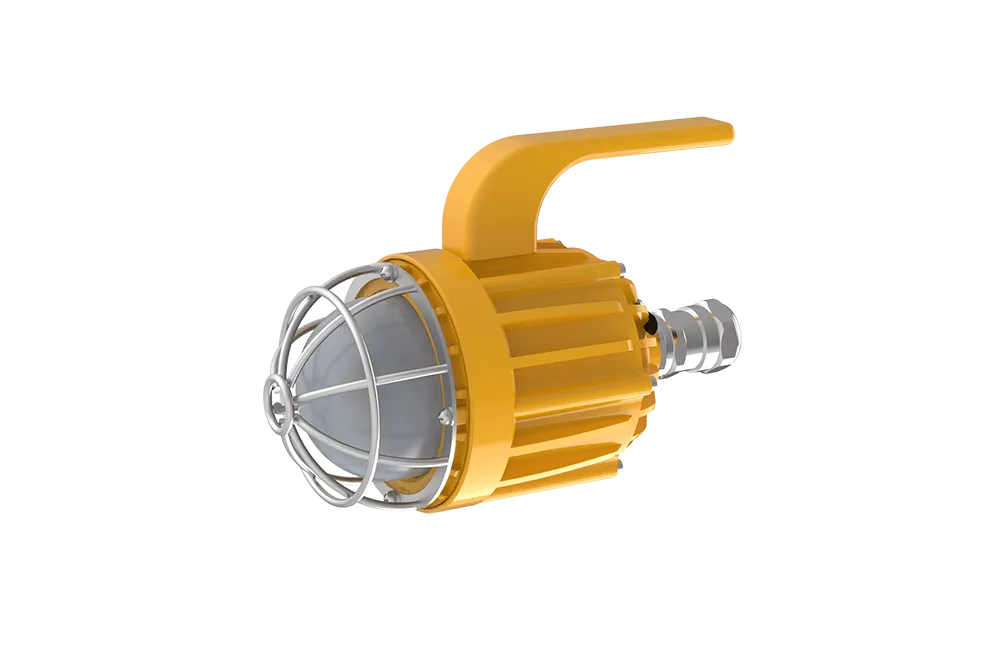
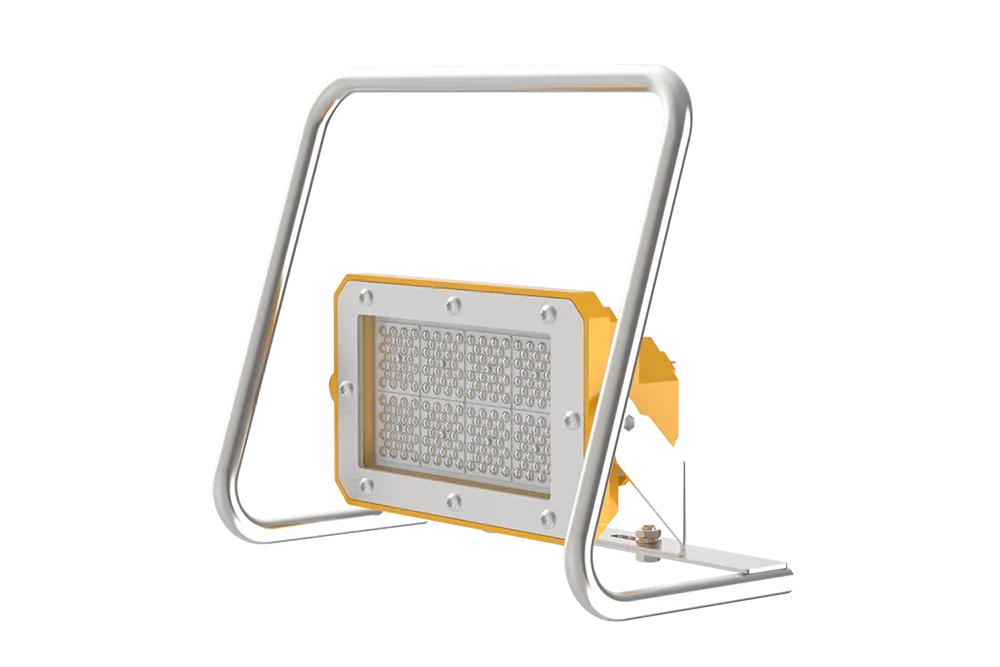
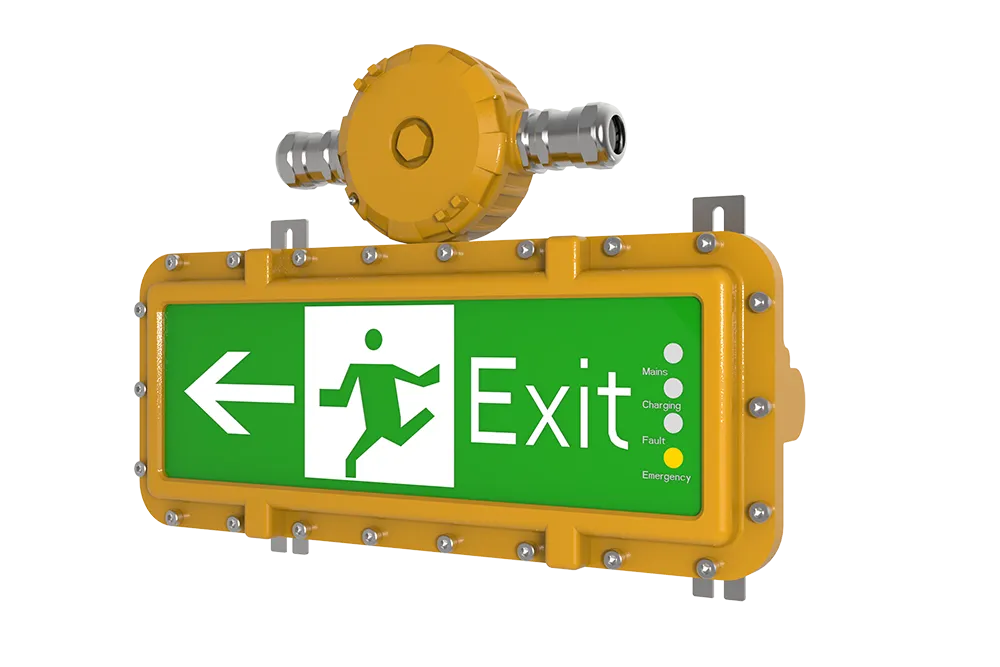
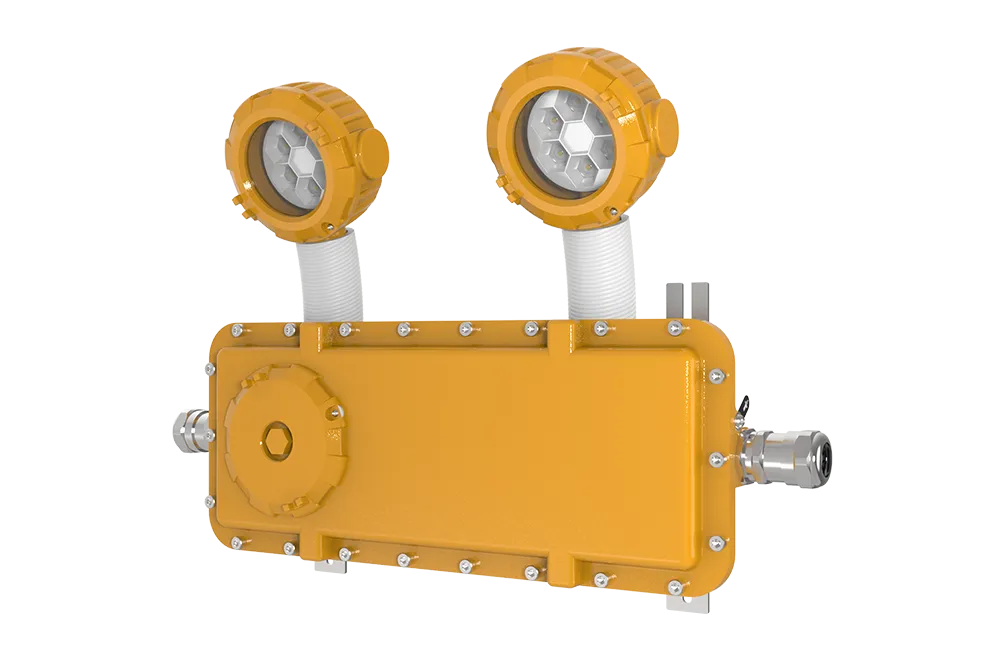
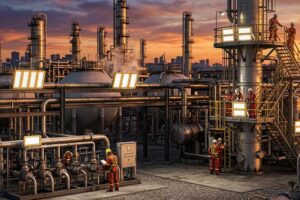
atex lights zone 1 are certified lighting solutions designed for hazardous areas where explosive gases or vapors may occur during normal industrial operation, providing safe illumination for demanding environments.
In hazardous industries, lighting selection is not only about brightness.
It is about understanding risk.
A lighting fixture installed in a refinery processing area, chemical plant, or fuel handling zone may operate close to flammable substances every day. In these locations, ordinary industrial lights are not suitable because they may become a potential ignition source.
atex lights zone 1 systems are designed specifically for these challenging applications.
At SEEKINGLED, our experience with industrial lighting projects has shown that customers often focus first on power, lumen output, and price. However, experienced engineers usually begin with a different question:
“Where exactly will this light operate, and what hazards exist around it?”
That question determines everything that follows.
A reliable Zone 1 lighting system considers:
hazardous area classification
ATEX certification requirements
gas group compatibility
temperature limitations
installation environment
maintenance conditions
In real industrial projects, a correct lighting choice can influence worker safety, inspection efficiency, and long-term operating costs.
What are atex lights zone 1?
Understanding Zone 1 hazardous area lighting
atex lights zone 1 are lighting fixtures approved for use in areas where an explosive gas atmosphere is likely to occur occasionally during normal operation.
According to the ATEX framework, hazardous areas are classified according to how frequently explosive atmospheres may appear.
LED technology has become increasingly popular in hazardous lighting applications.
Advantages include:
lower energy consumption
longer operating life
reduced maintenance frequency
stable illumination performance
According to the U.S. Department of Energy, LED lighting products can use at least 75% less energy and last up to 25 times longer than incandescent lighting.
Even certified lighting can lose effectiveness if installed incorrectly.
Important installation points include:
correct cable glands
suitable wiring methods
proper grounding
secure mounting
certification verification
The installation process should follow manufacturer instructions and applicable hazardous area standards.
Maintenance and Performance Management of atex lights zone 1
Why maintenance matters in hazardous locations
Installing certified equipment is only the first step.
In hazardous environments, long-term reliability depends heavily on inspection and maintenance practices.
During industrial lighting projects, one detail is often overlooked: the operating environment changes over time.
A refinery area that was relatively clean during commissioning may later experience:
chemical deposits
dust accumulation
corrosion exposure
temperature changes
mechanical vibration
These factors can influence lighting performance and equipment lifespan.
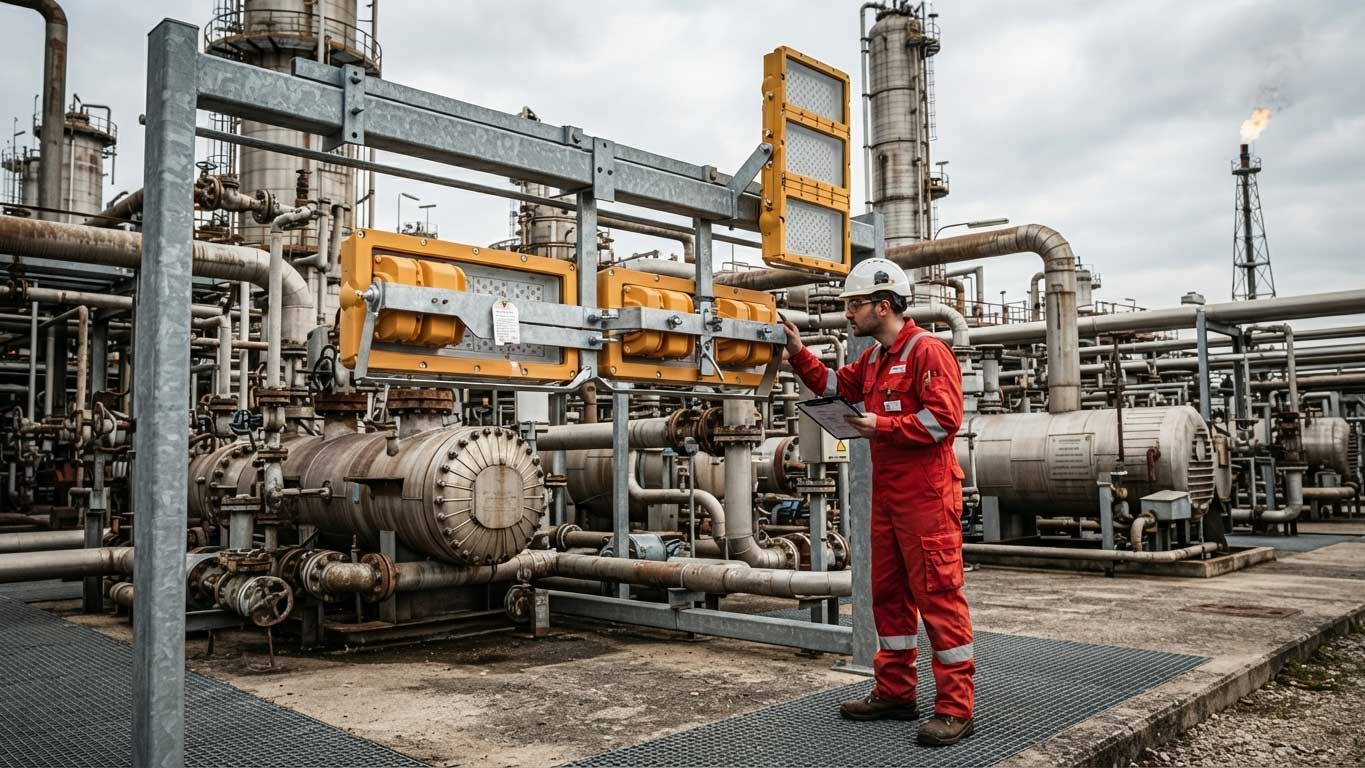
For atex lights zone 1, maintenance teams usually focus on:
checking enclosure condition
inspecting cable entries
verifying mounting stability
confirming certification labels remain visible
checking light output degradation
A damaged enclosure or incorrect replacement component may affect the original protection level.
How to improve the service life of Zone 1 hazardous lighting
Selecting the right materials for harsh environments
Industrial lighting failures are not always caused by electrical problems.
In many projects, environmental stress becomes the main challenge.
For example, coastal oil facilities often experience salt corrosion, while chemical plants may expose fixtures to aggressive vapors.
A professional Zone 1 lighting design should consider:
Environmental Factor
Recommended Consideration
Dust exposure
High IP protection rating
Water exposure
Weather-resistant enclosure
Corrosive atmosphere
Anti-corrosion materials
Vibration
Strong mechanical structure
High temperature
Proper thermal management
For hazardous industrial applications, aluminum alloy housings, tempered glass lenses, and corrosion-resistant coatings are commonly selected.
The goal is not simply to make a light brighter.
The goal is to ensure the fixture continues operating safely years after installation.
Energy efficiency advantages of atex lights zone 1 LED systems
Reducing operating costs in hazardous facilities
Many older hazardous area facilities still operate traditional discharge lighting systems.
Replacing outdated fixtures with LED-based atex lights zone 1 solutions can provide measurable improvements.
According to the U.S. Department of Energy, LED technology generally consumes significantly less electricity compared with traditional lighting technologies and provides a much longer operating lifespan.
In hazardous areas, energy savings are only part of the benefit.
Maintenance reduction is equally important.
For example:
A conventional lamp replacement may require:
production shutdown coordination
safety permits
access equipment
additional labor
In a hazardous area, even a simple lamp replacement can become a complicated maintenance activity.
A longer-life LED fixture reduces the frequency of these interruptions.
Designing a complete atex lights zone 1 lighting system
Beyond individual fixture selection
A common mistake in industrial projects is choosing lights individually without considering the complete lighting environment.
A professional lighting plan considers:
working height
illumination distribution
shadow areas
emergency access routes
inspection requirements
The lighting designer normally evaluates:
Mounting position
The installation height directly affects:
beam coverage
light intensity
fixture quantity
Working conditions
Different areas require different illumination levels.
Examples:
Area
Typical Requirement
Equipment inspection area
Clear visibility for maintenance
Production area
Uniform workplace lighting
Emergency route
Reliable evacuation illumination
Outdoor loading zone
Wide-area visibility
Future expansion
Industrial facilities often expand.
A good lighting system should allow:
additional fixtures
easier replacement
simplified maintenance planning
SEEKINGLED Experience in Hazardous Area Lighting Applications
Engineering-focused approach
At SEEKINGLED, hazardous lighting projects are approached from an engineering perspective rather than a simple product supply perspective.
Our team has worked with industrial lighting requirements involving:
explosion-proof LED fixtures
hazardous area environments
industrial high-temperature applications
outdoor industrial installations
From practical project discussions, we found that customers usually have three major concerns:
Certification reliability
Long-term operating stability
Maintenance difficulty
A lighting fixture may look similar from the outside, but the internal design, certification level, thermal structure, and material selection determine whether it is suitable for hazardous locations.
This is why technical communication before purchasing is important.
A correct product selection at the beginning can prevent expensive replacement work later.
Technical comparison of Zone 1 and other hazardous lighting classifications
Understanding where Zone 1 fits
Classification
Hazard Frequency
Typical Application
Zone 0
Continuous or long-term explosive atmosphere
Inside tanks or vessels
Zone 1
Explosive atmosphere possible during normal operation
Processing areas, production zones
Zone 2
Explosive atmosphere unlikely but possible temporarily
Surrounding areas
Zone 1 is commonly found in active industrial operating areas.
This means lighting equipment must provide a balance between:
explosion protection
optical performance
durability
maintenance convenience
Future Trends in atex lights zone 1 Technology
Smart monitoring and efficient industrial lighting
The next generation of hazardous area lighting is moving toward smarter systems.
Industrial operators increasingly look for:
energy monitoring
remote diagnostics
predictive maintenance
connected control systems
Although hazardous areas require strict certification, manufacturers are exploring ways to combine safety requirements with digital management.
Future Zone 1 lighting systems may provide more information about:
operating hours
temperature conditions
maintenance timing
energy consumption
This trend supports safer and more efficient industrial operations.
FAQ About atex lights zone 1
What are atex lights zone 1 used for?
atex lights zone 1 are used in hazardous areas where explosive gas atmospheres may occur during normal operation. They are commonly installed in oil, gas, chemical, pharmaceutical, and industrial processing facilities.
Are Zone 1 lights suitable for outdoor applications?
Yes. Many Zone 1 lighting fixtures are designed for outdoor industrial environments such as refineries, storage terminals, and offshore facilities. However, the fixture must match environmental requirements including corrosion and weather protection.
What certification is required for Zone 1 lighting?
Zone 1 lighting normally requires ATEX certification in European markets and must meet applicable explosion protection requirements. Certification markings define the permitted hazardous environment.
Can LED lights be used in Zone 1 hazardous areas?
Yes. LED technology is widely used in Zone 1 applications because it offers long service life, lower energy consumption, and reduced maintenance requirements when properly certified.
What is the difference between Zone 1 and Zone 2 lighting?
Zone 1 indicates that an explosive atmosphere may occur during normal operation, while Zone 2 indicates that an explosive atmosphere is unlikely and only occurs temporarily.
How long do atex lights zone 1 LED fixtures last?
The service life depends on product design, operating temperature, usage hours, and environment. High-quality LED hazardous lighting systems can often provide many years of operation with proper maintenance.
Why should companies choose certified hazardous lighting manufacturers?
Certified manufacturers provide products tested according to recognized standards, helping customers reduce safety risks and ensure compatibility with hazardous area requirements.
Choosing the Right atex lights zone 1 Partner for Long-Term Safety
Selecting atex lights zone 1 is not only a product decision; it is a safety and reliability decision that affects daily industrial operations. A suitable lighting solution must match the hazardous classification, environmental conditions, and long-term maintenance requirements of the facility.
At SEEKINGLED, we focus on combining certified hazardous area lighting technology with practical industrial experience. From refinery walkways to chemical processing areas, every project requires careful evaluation of installation conditions, operating risks, and performance expectations.
The right lighting system helps companies improve workplace visibility, reduce maintenance interruptions, and maintain safer operations in explosive environments. By choosing properly certified atex lights zone 1 solutions, industrial operators can achieve dependable illumination while meeting strict hazardous area safety requirements.
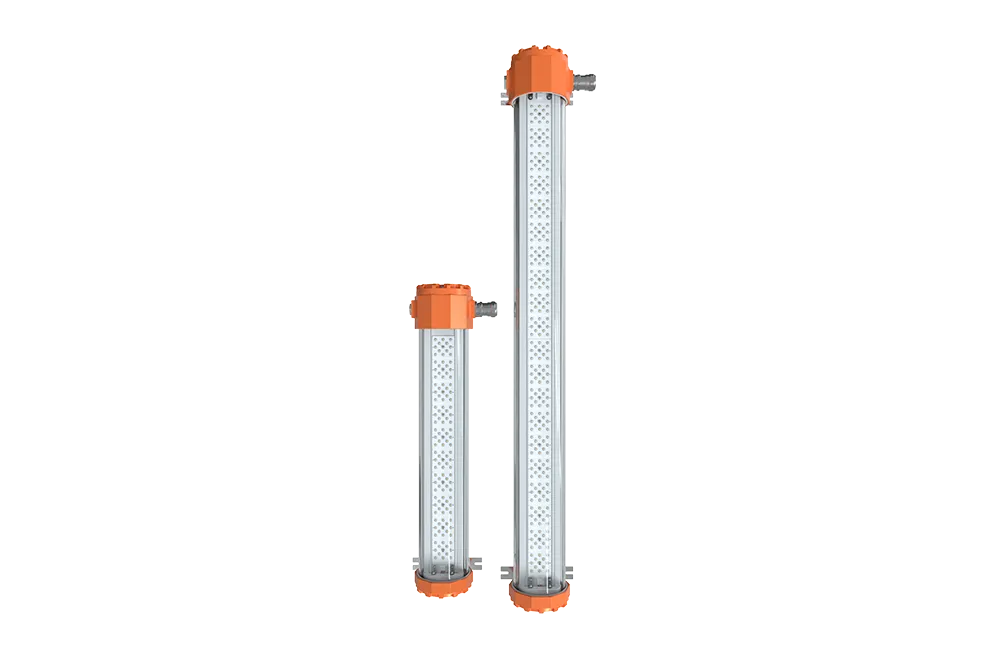
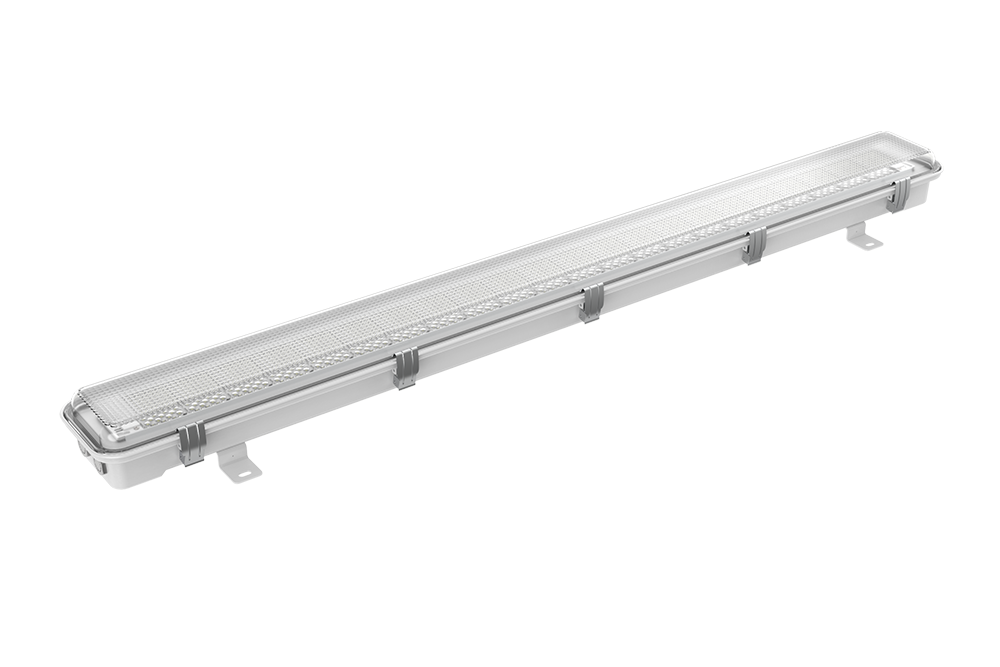
SEEKINGLED LED Linear Explosion Proof Light and Explosion Proof lighting is ATEX and IECEx certified for Zone 1, Zone 2, Zone 21 and Zone 22 hazardous locations, built for long-term industrial use.
LED Linear Explosion Proof Lights and EX Proof lights for Zone 1, Zone 2, Zone 21 and Zone 22 hazardous areas. ATEX & IECEx certified explosion proof LED linear lighting with emergency function, adjustable power and IP67 protection by SEEKINGLED.
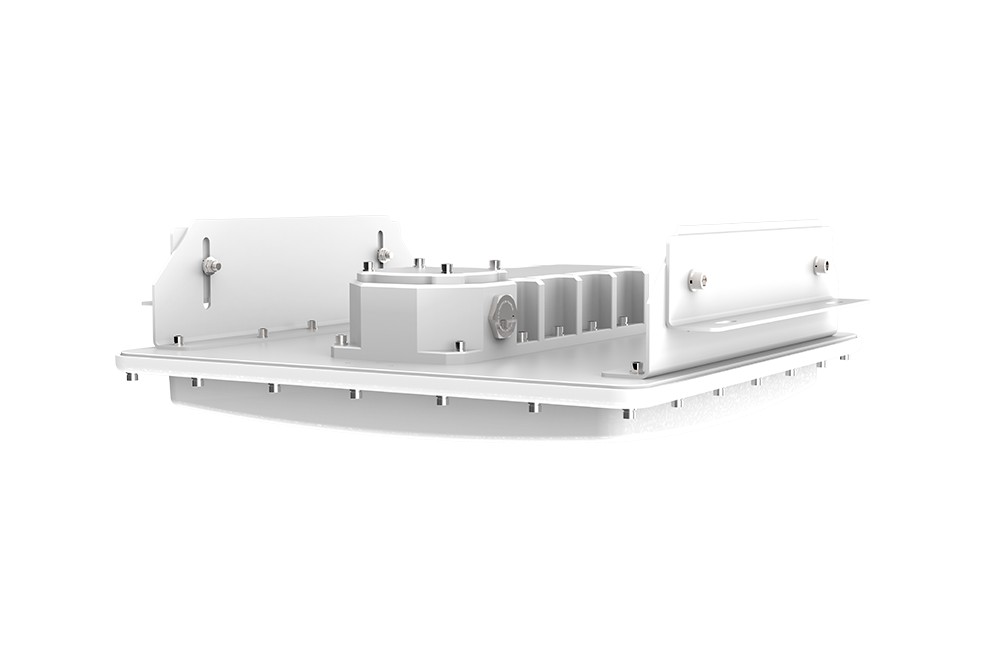
SEEKINGLED LED Explosion Proof Flood Lights are ATEX certified for Zone 2 and Zone 22 hazardous areas, offering high efficiency, adjustable power and integrated junction box.
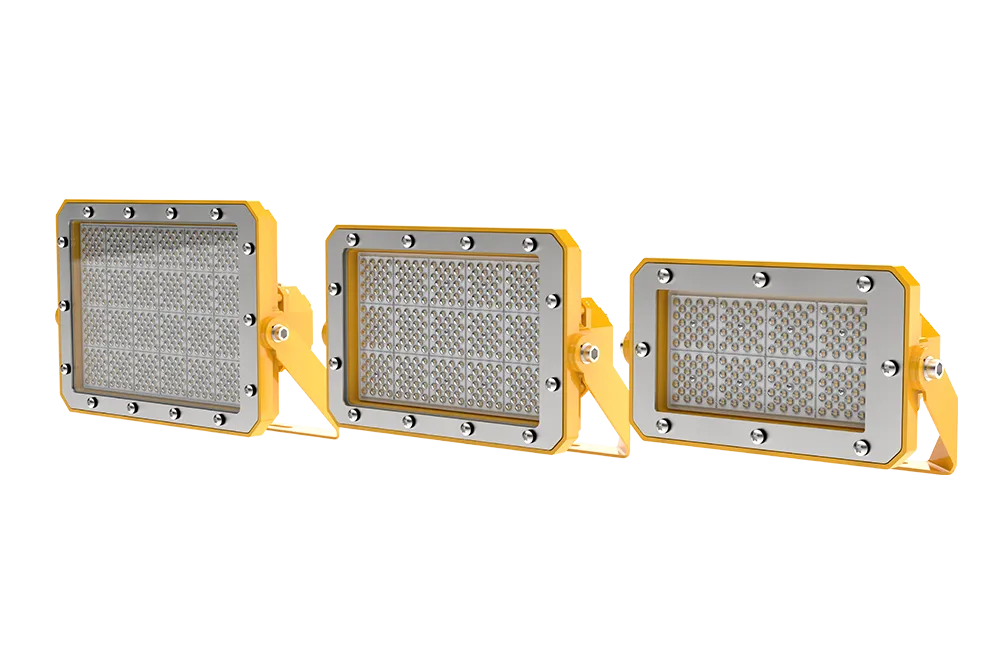
SEEKINGLED LED Explosion Proof Flood Lights are flameproof ATEX and IECEx certified for Zone 1 and Zone 2 hazardous areas, offering high power, adjustable output and long service life.
SEEKINGLED LED Gas Station Canopy Lights are ATEX certified for Zone 2 and Zone 22 hazardous areas, featuring adjustable power and built-in explosion-proof junction box.
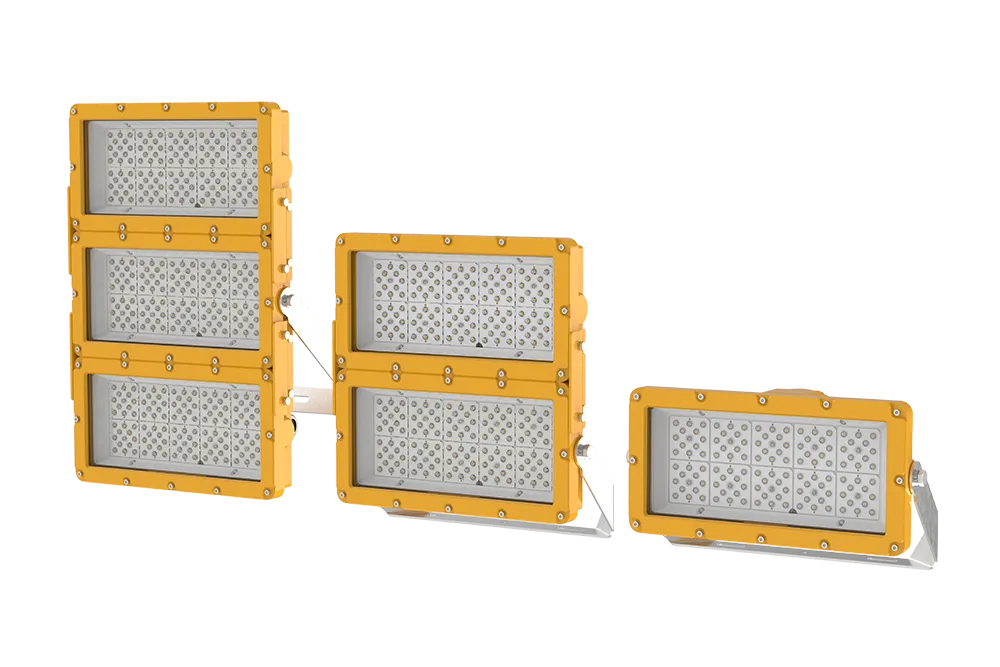
ATEX: Ex II 2G Ex db IIB T6/T5 GbEx II 2D Ex tb IIIC T80°C/ T95°C Db IECEx Ex db IIB T6 Gb;Ex tb IIIC T80°C Db Feature: ● For Zone 1,2 and Zone 21,22● Flameproof type, the strongest● 100W can replace 250W HID,energy saving● Power:60W,80W,100W Application: Oil and gas, marine, Chemical, pharmaceutical, semiconductor,mining,military industr…
ATEX: II 3G Ex nR ⅡC T5/T6 GcII 3D Ex tc ⅢC T80℃/T95℃Dc ATEX Certificate NO: TÜV CY 26 ATEX 0207611 X Feature: ● For Zone 2 and Zone 22● 150W can replace 250W HID lamps,Energy saving● Power:50W,75W,100W,150W,200W Application: Oil and gas, marine, Chemical, pharmaceutical, semiconductor,mining,military industry, paint booth,power plant ETC…
LED explosion proof high bay lights are designed for Zone 1, Zone 2, Zone 21 and Zone 22 hazardous areas. This page introduces the HB21 Series from SEEKING, including certifications, power options and real application considerations.
LED Linear Explosion Proof Lights from SEEKINGLED. LU Series Flame Proof lights ATEX-certified explosion proof LED linear lighting for Zone 2 gas and Zone 22 dust areas, IP69K, IK10, long lifetime and flexible power options.
Certified explosion proof work lights for Zone 1 & 21 hazardous areas. Portable, ATEX & IECEx approved, built for oil, gas and chemical plants by SEEKINGLED.
ATEX: II 3G Ex nR ⅡC T6 GcII 3D Ex tc ⅢC T80℃ Dc ATEX Certificate NO: TÜV CY 26 ATEX 0207611 X Feature: ● For Zone 2 and Zone 22● Accepts battery-powered supply● indestructible● Power:AC input:50W,75W,100WDC input:15W,25W,35W Application: Oil and gas, marine, Chemical, pharmaceutical, semiconductor,mining,military industry, paint booth,po…
ATEX: Ex II 2G Ex db IIB T6 GbEx II 2D Ex tb IIIC T80°C Db IECEx Ex db IIB T6 Gb;Ex tb IIIC T80°C Db Feature: ● For Zone 1,2 and Zone 21,22● Flameproof type, the strongest Application: Oil and gas, marine, Chemical, pharmaceutical, semiconductor,mining,military industry, paint booth,power plant ETC hazardous area. Technical Specifications:…
ATEX: Ex II 2G Ex db IIB T6 GbEx II 2D Ex tb IIIC T80°C Db IECEx Ex db IIB T6 Gb;Ex tb IIIC T80°C Db Feature: ● For Zone 1,2 and Zone 21,22● Flameproof type, the strongest Application: Oil and gas, marine, Chemical, pharmaceutical, semiconductor,mining,military industry, paint booth,power plant ETC hazardous area. Technical Specifications:…
ATEX: Ex II 2G Ex d e IIB T6 Gb ATEX: Ex d e IIB T6 Gb; Feature: ● For Zone 1,2● 9W can replace 18W fluorescent lamps,50% Energy saving Application: Oil and gas, marine, Chemical, pharmaceutical, semiconductor,mining,military industry, paint booth,power plant ETC hazardous area. Technical Specifications: Standards:60079-0, 60079-1, 60079…
How do temperature compensate in LED output in real lighting applications? Learn how thermal compensation works in LED drivers, why it matters for lumen stability, and how SEEKINGLED designs reliable LED lighting systems.
What is explosion proof Class 1 Div 1 lighting? Learn how hazardous location lighting prevents ignition in oil, gas, and chemical facilities. Expert guide by SEEKINGLED.
Explore atex zone 2 lighting designed for hazardous gas environments. Learn protection standards, industrial applications, and selection tips from SEEKINGLED.
Discover how hazardous location LED lights improve safety, reduce maintenance costs, and meet ATEX, IECEx, and UL requirements for explosive industrial environments.
 Seeking LED