 Seeking LED
Which Company LED Flood Light Is Best?
243Which company LED flood light is best? A practical answer based on real outdoor use, durability, and long-term performance.
View detailsSearch the whole station
what is an atex certificate? An ATEX certificate is an official document proving that equipment has been tested and approved for safe operation in potentially explosive atmospheres. It confirms compliance with European ATEX requirements for controlling ignition risks from gases, vapors, or combustible dust.
In hazardous industry projects, certification is often the point where engineering decisions become practical. From my experience working with industrial LED lighting applications, customers usually begin by asking about brightness, power consumption, or installation cost. However, in explosive environments, the first question should always be: “Is this product certified for the exact hazardous location?”
An ATEX certificate provides that answer.
For manufacturers like SEEKINGLED supplying explosion-proof lighting solutions, understanding certification is not only about meeting regulations. It is about ensuring that a lighting fixture can operate reliably in demanding environments such as oil refineries, chemical plants, offshore facilities, and manufacturing sites where combustible materials exist.
An ATEX certificate confirms that equipment has passed assessment procedures required for use in potentially explosive atmospheres within the European market.
The certification is based on the European Union’s ATEX Directive 2014/34/EU, which covers equipment and protective systems intended for use in explosive atmospheres.
According to the European Commission, manufacturers must ensure that products meet essential health and safety requirements before placing ATEX equipment on the market.
Reference:
European Commission – Equipment for potentially explosive atmospheres (ATEX)
https://single-market-economy.ec.europa.eu/sectors/mechanical-engineering/equipment-potentially-explosive-atmospheres-atex_en
An ATEX certificate typically identifies:
| Certification Information | Purpose |
|---|---|
| Equipment category | Defines where the equipment can be used |
| Protection type | Shows the explosion protection method |
| Gas or dust group | Identifies compatible hazardous materials |
| Temperature class | Limits maximum surface temperature |
| Equipment Protection Level (EPL) | Indicates protection against ignition risks |
For example, an explosion-proof LED flood light installed near fuel processing equipment may require a different certification level compared with lighting used in a warehouse with occasional dust exposure.
A standard electrical product is designed for normal industrial conditions. An ATEX-certified product is designed with additional protection measures to prevent it from becoming an ignition source.
In hazardous locations, possible ignition sources include:
This is why ATEX certification evaluates not only electrical performance but also mechanical design, enclosure protection, temperature control, and manufacturing quality.
When reviewing lighting projects, I have seen situations where a fixture had excellent lumen output but could not be installed because the certification did not match the hazardous zone. A technically strong product can still become the wrong choice if its approval does not align with the actual site conditions.
For hazardous area lighting, the ATEX certificate is one of the most important documents during product selection.
A typical ATEX-certified LED lighting fixture may include:
For industrial users, certification helps answer practical questions:
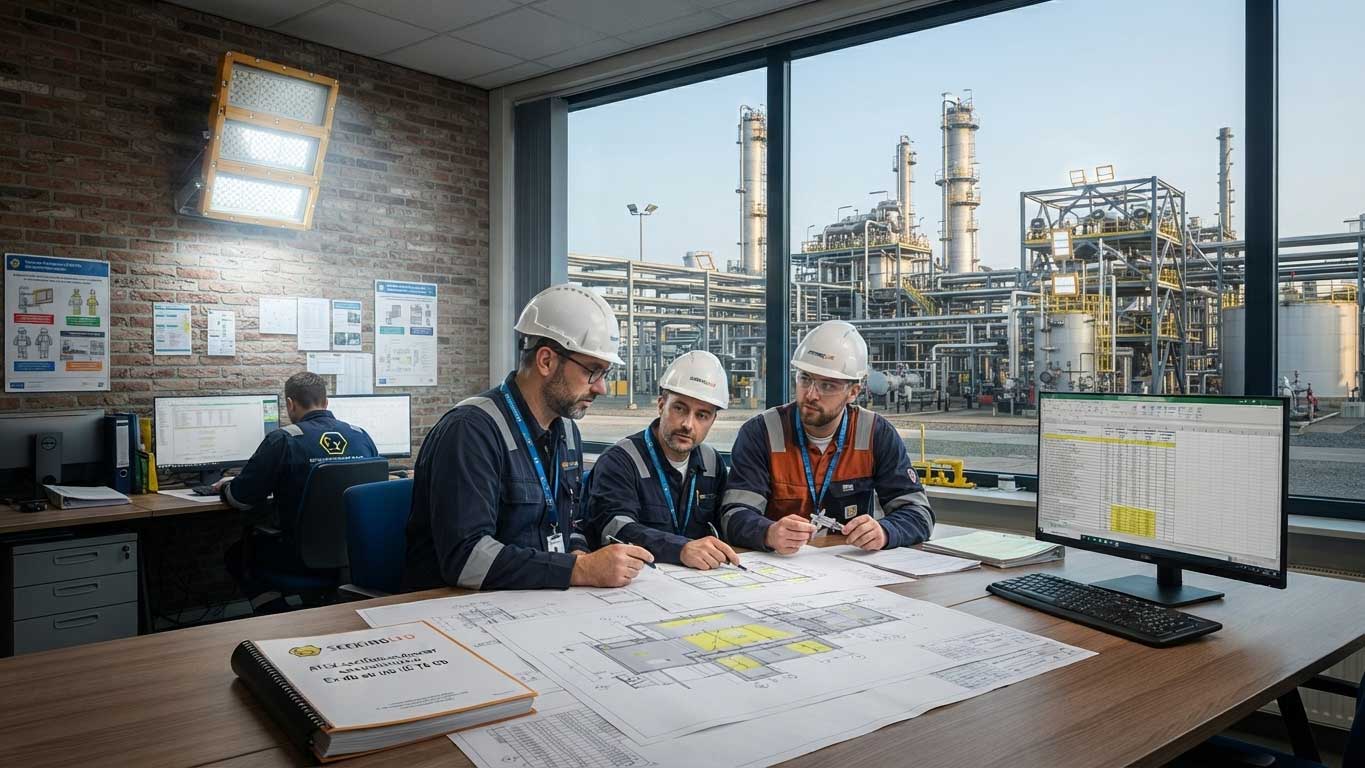
One of the most confusing parts of ATEX certification is interpreting the marking printed on equipment labels.
A typical ATEX marking may include information such as:
II 2G Ex db IIC T6 Gb
Each part provides important technical information.
| Marking | Meaning |
|---|---|
| II | Equipment group for surface industries |
| 2G | Category for gas environments |
| Ex | Explosion protection standard |
| db | Flameproof protection method |
| IIC | Gas group classification |
| T6 | Maximum surface temperature rating |
| Gb | Equipment Protection Level |
Understanding these markings helps engineers select products correctly instead of relying only on marketing descriptions.
An ATEX certificate is not simply a document created by a manufacturer. It is issued after the product has been evaluated according to specific explosion protection requirements.
The certification process usually involves several stages:
Manufacturers first identify possible ignition risks inside the equipment. Engineers analyze electrical components, temperature generation, enclosure structure, and possible failure conditions.
The equipment is tested according to applicable ATEX standards. Testing may include:
For many higher-risk equipment categories, a notified body reviews the technical documentation and test results before approval.
Certification is not only about the first product sample. Manufacturers must maintain consistent production quality to ensure every unit continues meeting the approved design.
According to the European Commission, products covered by ATEX Directive 2014/34/EU require conformity assessment procedures depending on their equipment category and protection level.
This is particularly important for explosion-proof LED lighting because industrial customers often install hundreds of fixtures across large facilities. A small design change can affect certification validity.
A common misunderstanding is treating an ATEX certificate and an ATEX Declaration of Conformity as the same document.
They are related but serve different purposes.
| Document | Purpose |
|---|---|
| ATEX Certificate | Confirms product examination and approval by an authorized certification body when required |
| ATEX Declaration of Conformity | Manufacturer’s statement that the product complies with applicable EU requirements |
For certain categories of equipment, third-party certification is mandatory. For lower-risk products, manufacturers may follow internal conformity procedures.
In practical projects, customers usually request both documents before approving hazardous area equipment.
In industrial lighting applications, certification affects more than compliance paperwork.
It influences:
At SEEKINGLED, our experience with industrial lighting projects shows that customers often evaluate three areas together:
A high-output LED fixture without correct hazardous area approval may create delays during commissioning. On the other hand, properly certified lighting can reduce maintenance interruptions and support safer operation.
For example, many oil and gas facilities operate continuously. Replacing unsuitable lighting after installation can require shutdown planning, additional labor, and unexpected costs. Selecting the correct certified product at the beginning avoids these issues.
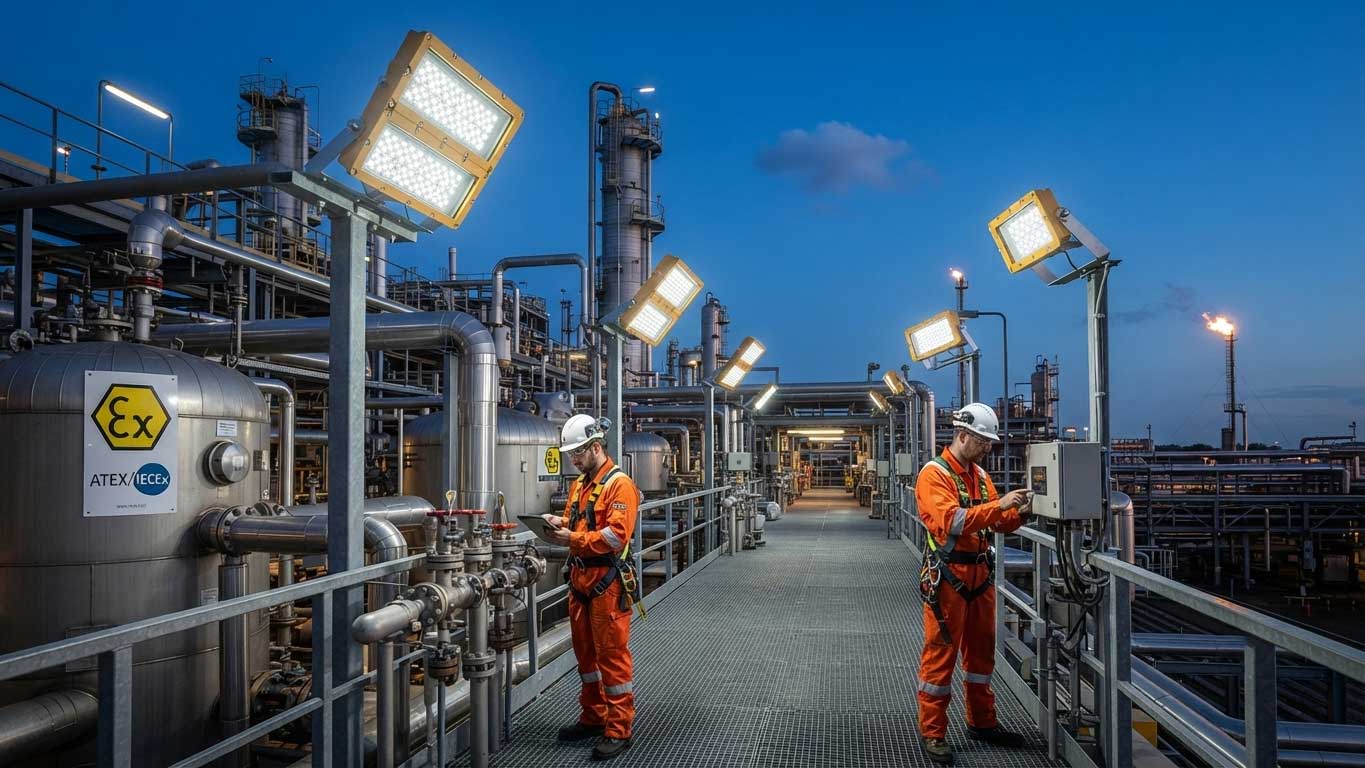
An ATEX certificate is an official approval document showing that equipment meets European safety requirements for use in potentially explosive atmospheres containing gases, vapors, or combustible dust.
ATEX certificates are issued by authorized certification organizations known as notified bodies. These organizations evaluate products according to ATEX requirements and applicable standards.
No. Only lighting equipment intended for potentially explosive atmospheres requires ATEX approval. Standard industrial lighting used in non-hazardous areas does not require ATEX certification.
An ATEX certificate normally includes product identification, protection type, equipment category, gas or dust classification, temperature class, and certification details.
ATEX is a European regulatory framework, while IECEx is an international certification system. Many global industrial projects require one or both depending on the installation location.
ATEX certification confirms that explosion-proof lights are designed to reduce ignition risks. It helps ensure the fixture is suitable for specific hazardous zones and operating conditions.
Understanding what is an ATEX certificate helps industrial companies make safer decisions when selecting equipment for explosive environments.
An ATEX certificate is more than a compliance label. It represents a documented evaluation of product safety, design reliability, and suitability for hazardous locations.
From practical experience supporting industrial LED lighting applications, the most important lesson is that certification should be considered before installation, not after problems appear. A correct ATEX-certified solution combines the right protection level, suitable lighting performance, and reliable long-term operation.
For companies working in oil, gas, chemical, pharmaceutical, or manufacturing environments, choosing properly certified products from experienced suppliers such as SEEKINGLED helps create safer and more dependable industrial lighting systems.
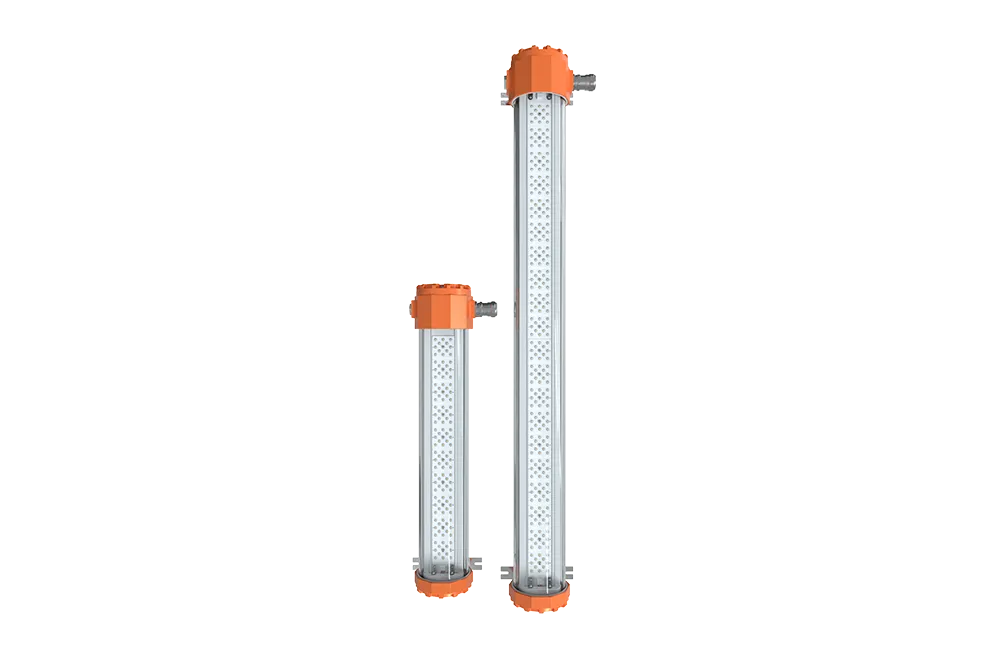
SEEKINGLED LED Linear Explosion Proof Light and Explosion Proof lighting is ATEX and IECEx certified for Zone 1, Zone 2, Zone 21 and Zone 22 hazardous locations, built for long-term industrial use.
View details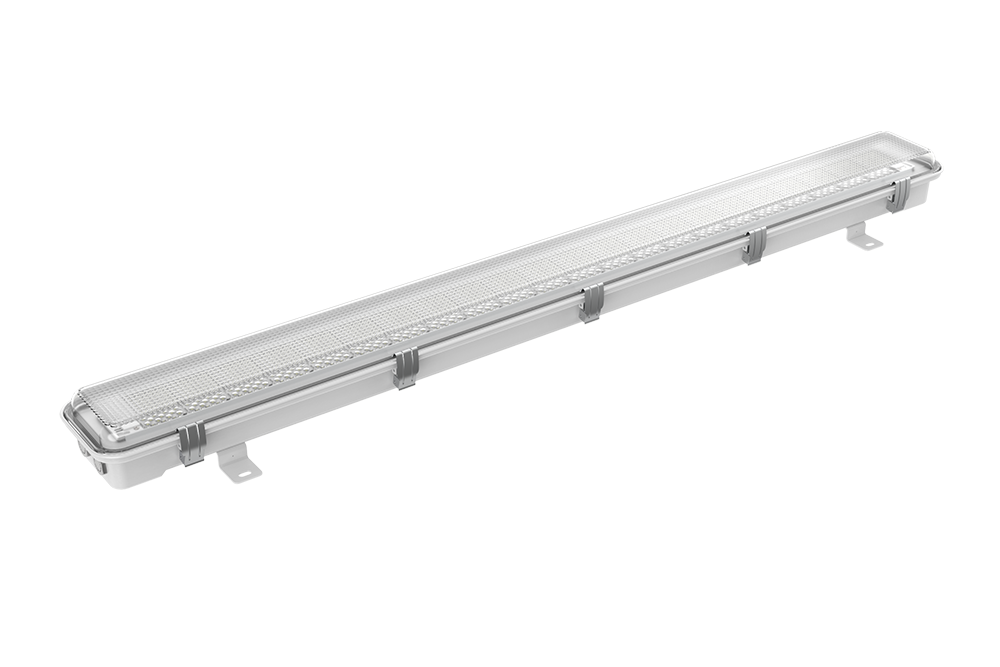
LED Linear Explosion Proof Lights and EX Proof lights for Zone 1, Zone 2, Zone 21 and Zone 22 hazardous areas. ATEX & IECEx certified explosion proof LED linear lighting with emergency function, adjustable power and IP67 protection by SEEKINGLED.
View details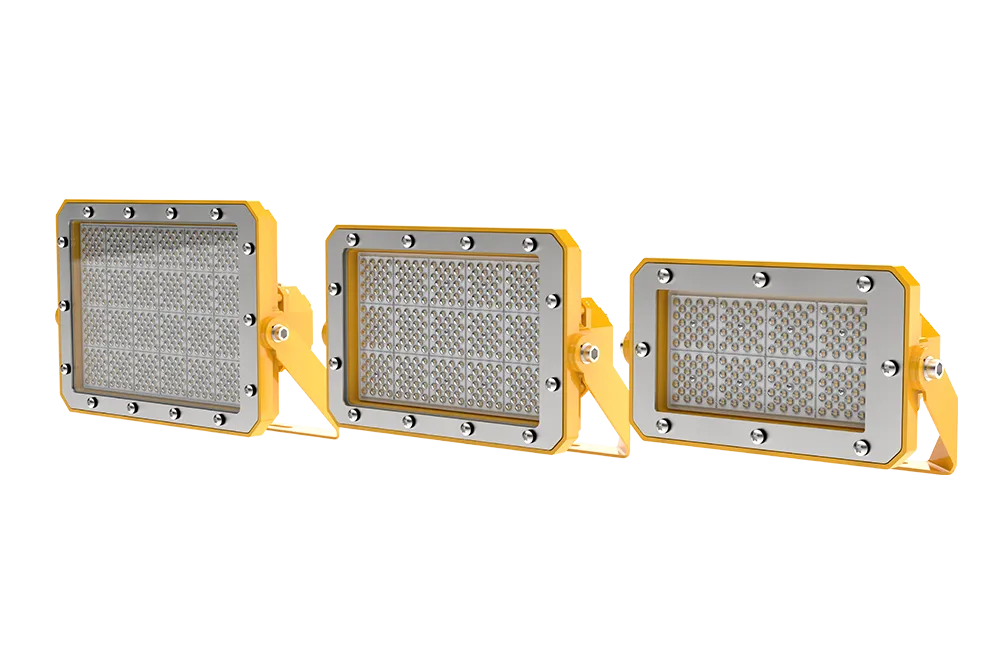
SEEKINGLED LED Explosion Proof Flood Lights are ATEX certified for Zone 2 and Zone 22 hazardous areas, offering high efficiency, adjustable power and integrated junction box.
View details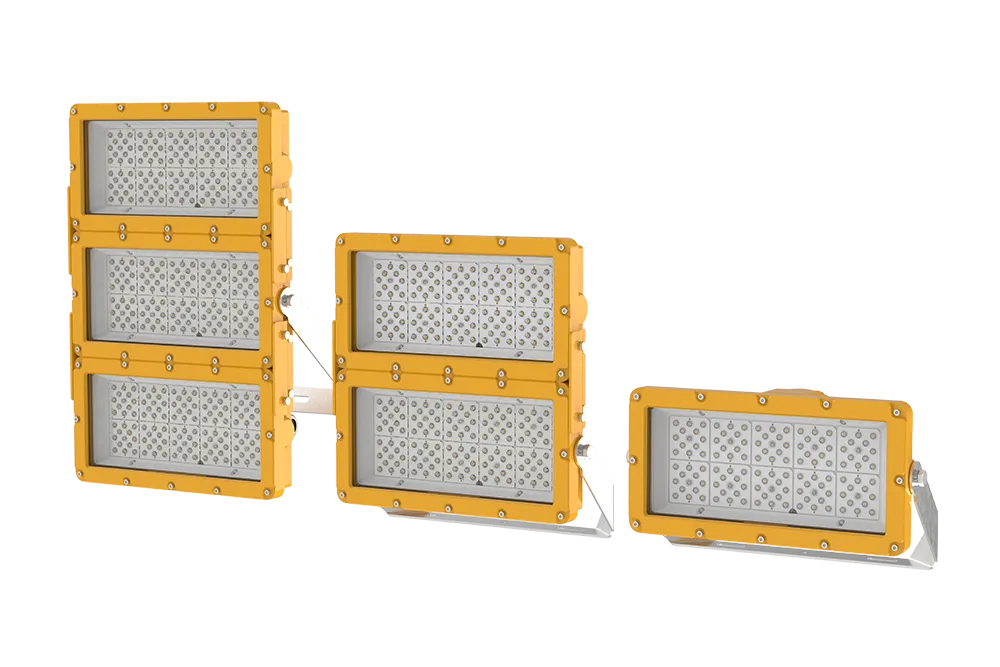
SEEKINGLED LED Explosion Proof Flood Lights are flameproof ATEX and IECEx certified for Zone 1 and Zone 2 hazardous areas, offering high power, adjustable output and long service life.
View details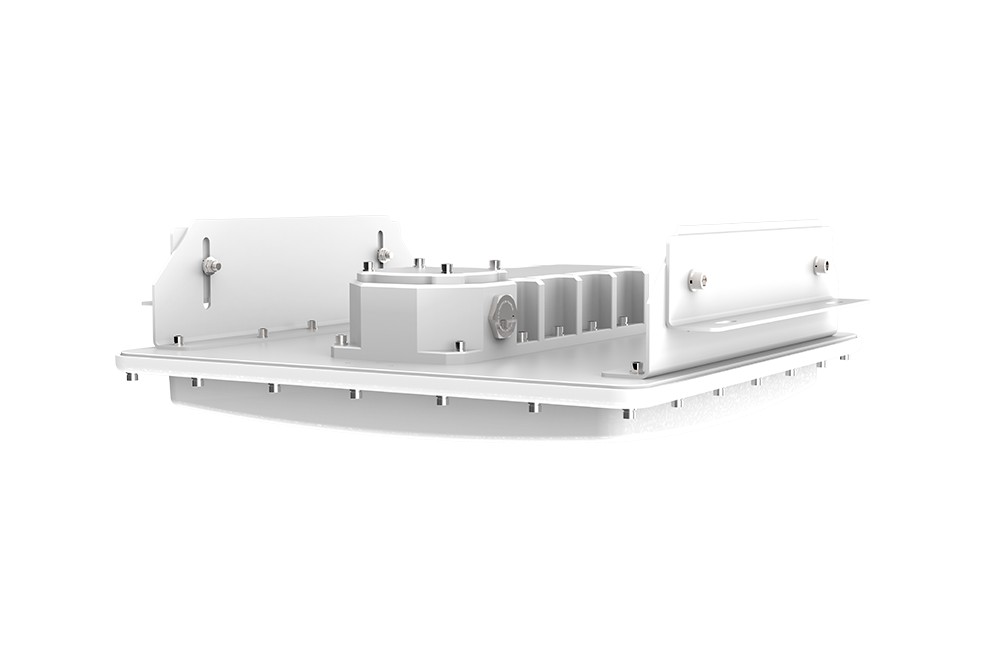
SEEKINGLED LED Gas Station Canopy Lights are ATEX certified for Zone 2 and Zone 22 hazardous areas, featuring adjustable power and built-in explosion-proof junction box.
View details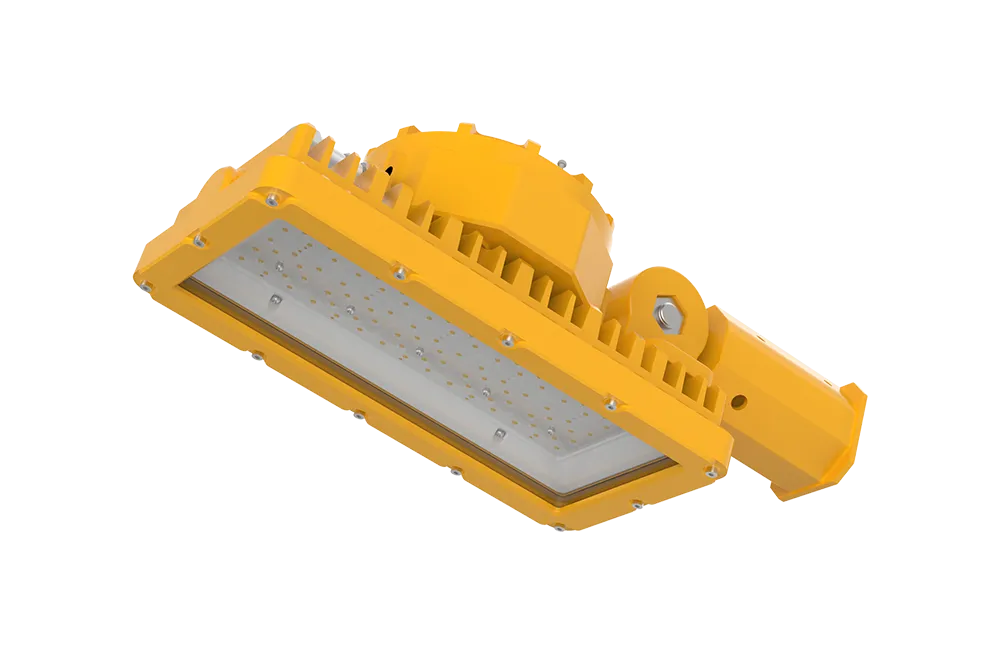
ATEX: Ex II 2G Ex db IIB T6/T5 GbEx II 2D Ex tb IIIC T80°C/ T95°C Db IECEx Ex db IIB T6 Gb;Ex tb IIIC T80°C Db Feature: ● For Zone 1,2 and Zone 21,22● Flameproof type, the strongest● 100W can replace 250W HID,energy saving● Power:60W,80W,100W Application: Oil and gas, marine, Chemical, pharmaceutical, semiconductor,mining,military industr…
View details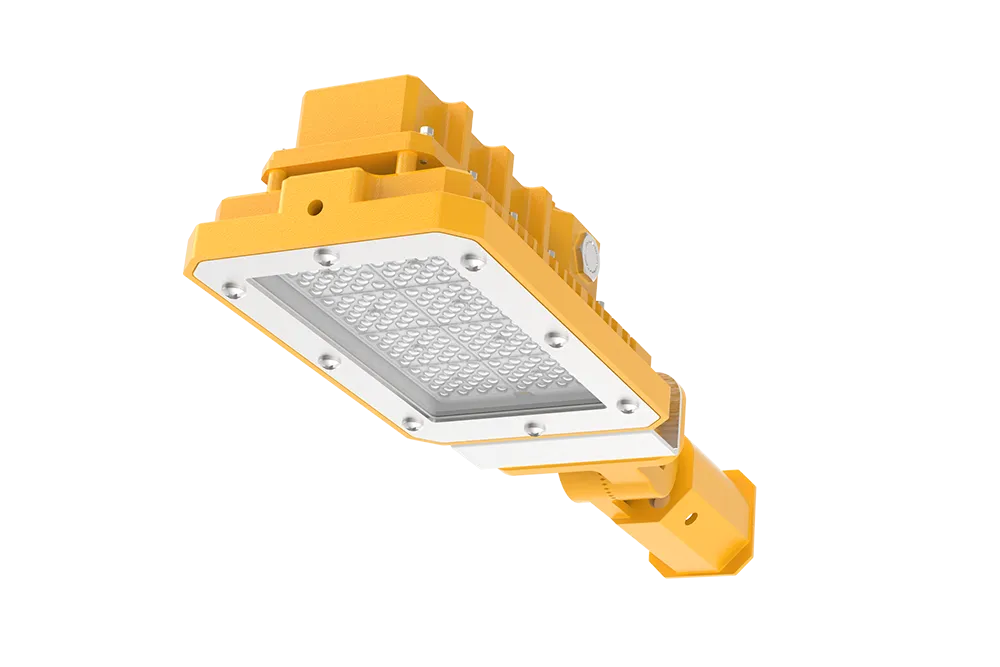
ATEX: II 3G Ex nR ⅡC T5/T6 GcII 3D Ex tc ⅢC T80℃/T95℃Dc ATEX Certificate NO: TÜV CY 26 ATEX 0207611 X Feature: ● For Zone 2 and Zone 22● 150W can replace 250W HID lamps,Energy saving● Power:50W,75W,100W,150W,200W Application: Oil and gas, marine, Chemical, pharmaceutical, semiconductor,mining,military industry, paint booth,power plant ETC…
View details
LED explosion proof high bay lights are designed for Zone 1, Zone 2, Zone 21 and Zone 22 hazardous areas. This page introduces the HB21 Series from SEEKING, including certifications, power options and real application considerations.
View details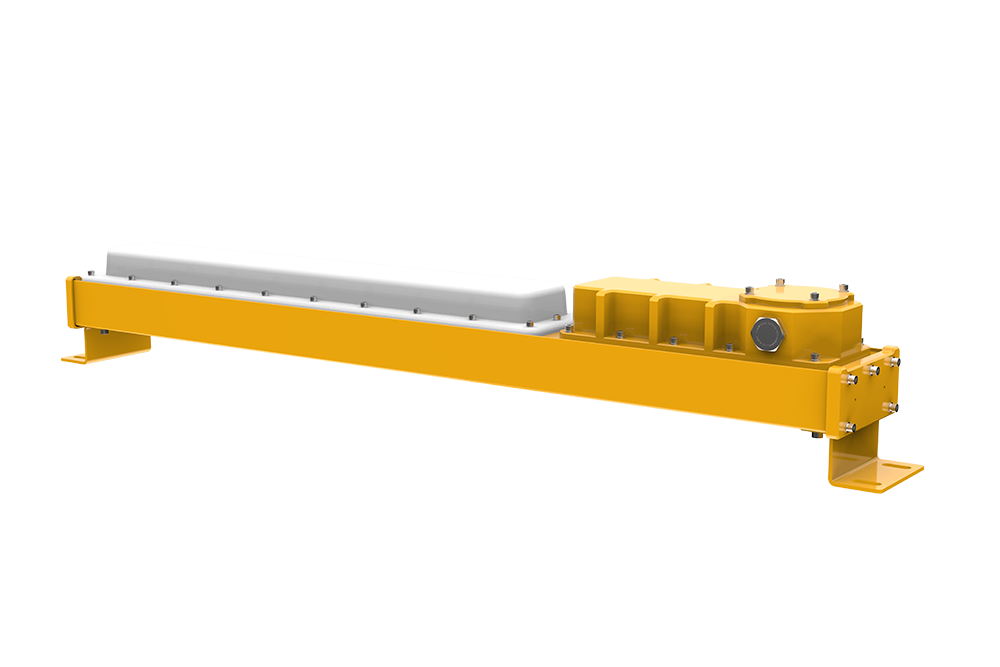
LED Linear Explosion Proof Lights from SEEKINGLED. LU Series Flame Proof lights ATEX-certified explosion proof LED linear lighting for Zone 2 gas and Zone 22 dust areas, IP69K, IK10, long lifetime and flexible power options.
View details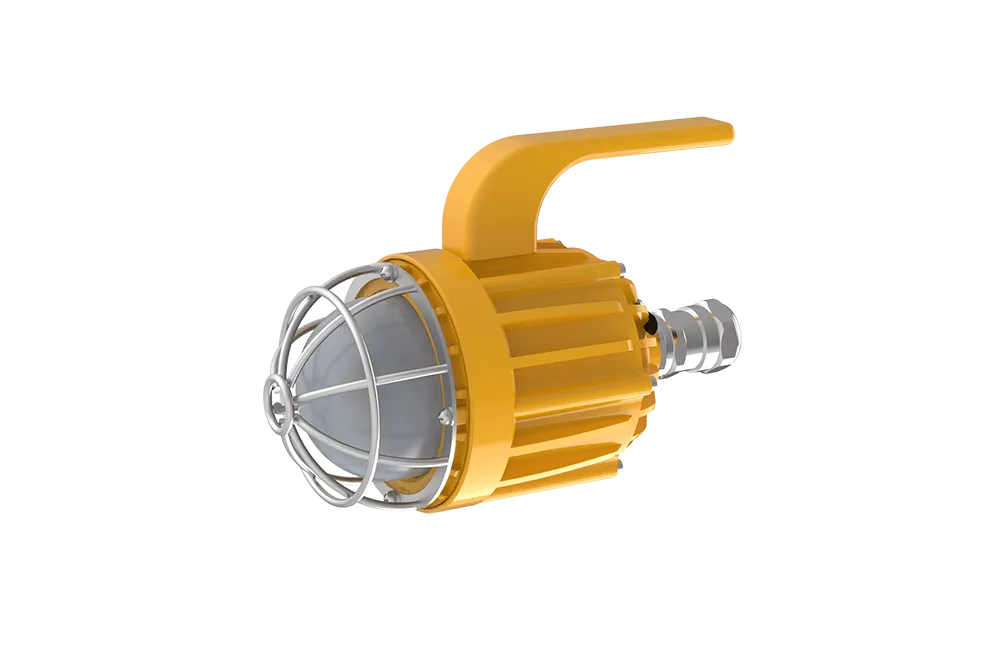
Certified explosion proof work lights for Zone 1 & 21 hazardous areas. Portable, ATEX & IECEx approved, built for oil, gas and chemical plants by SEEKINGLED.
View details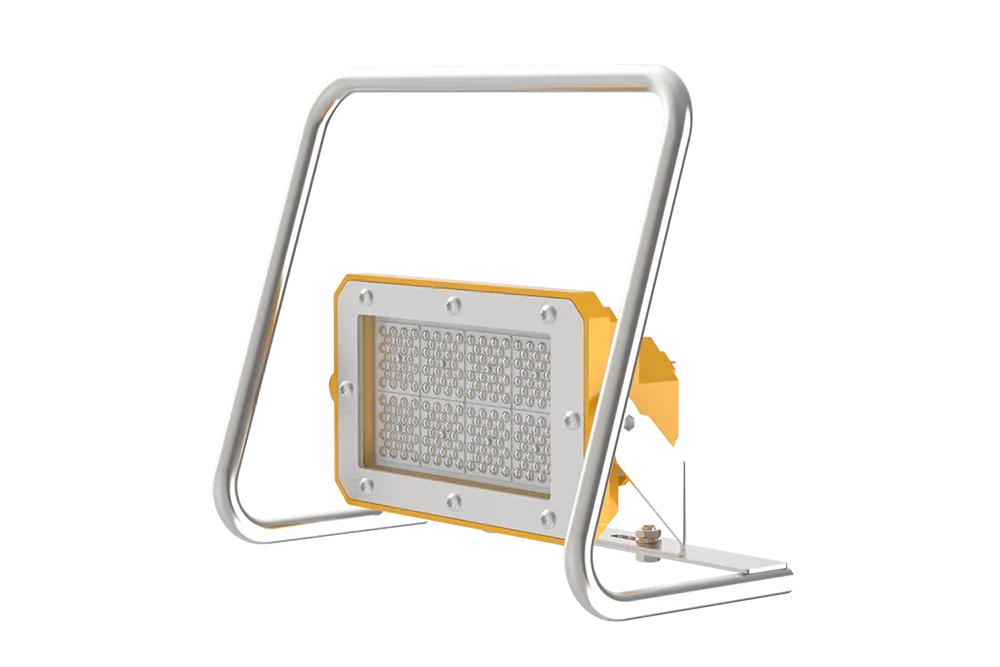
ATEX: II 3G Ex nR ⅡC T6 GcII 3D Ex tc ⅢC T80℃ Dc ATEX Certificate NO: TÜV CY 26 ATEX 0207611 X Feature: ● For Zone 2 and Zone 22● Accepts battery-powered supply● indestructible● Power:AC input:50W,75W,100WDC input:15W,25W,35W Application: Oil and gas, marine, Chemical, pharmaceutical, semiconductor,mining,military industry, paint booth,po…
View details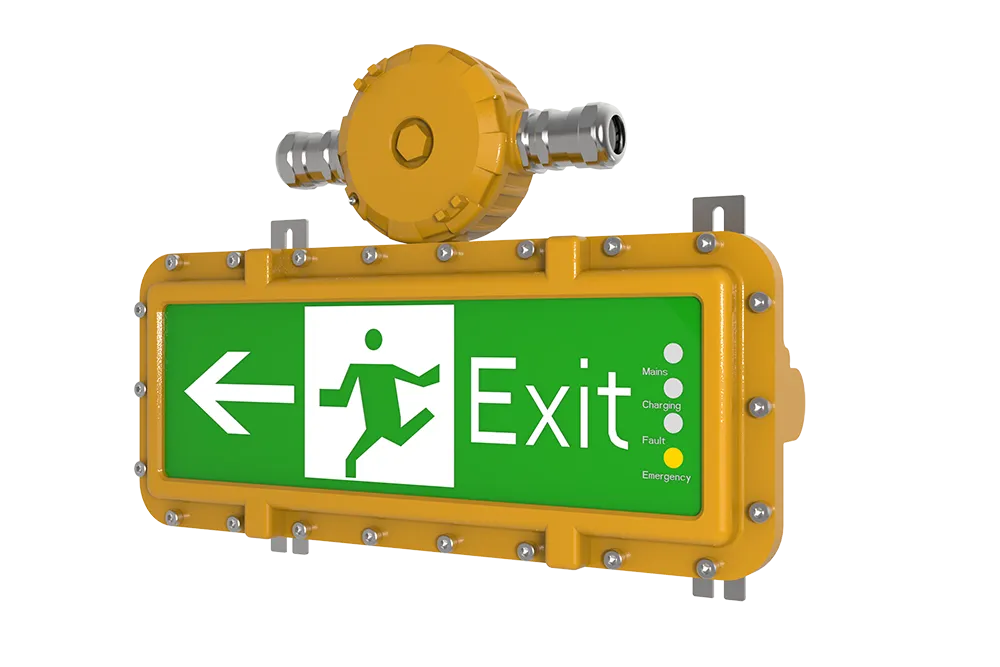
ATEX: Ex II 2G Ex db IIB T6 GbEx II 2D Ex tb IIIC T80°C Db IECEx Ex db IIB T6 Gb;Ex tb IIIC T80°C Db Feature: ● For Zone 1,2 and Zone 21,22● Flameproof type, the strongest Application: Oil and gas, marine, Chemical, pharmaceutical, semiconductor,mining,military industry, paint booth,power plant ETC hazardous area. Technical Specifications:…
View details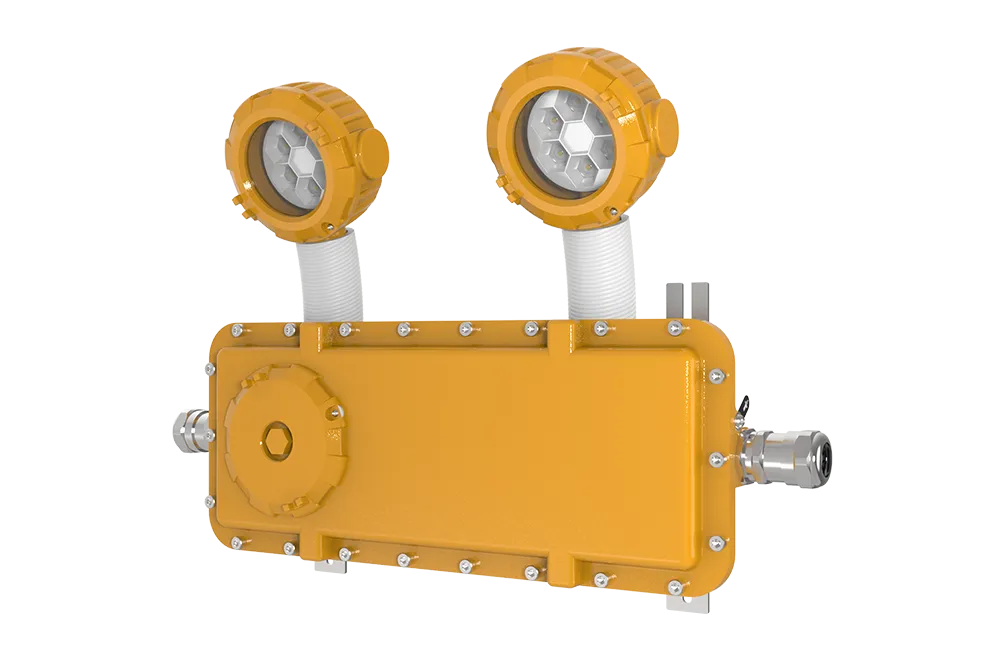
ATEX: Ex II 2G Ex db IIB T6 GbEx II 2D Ex tb IIIC T80°C Db IECEx Ex db IIB T6 Gb;Ex tb IIIC T80°C Db Feature: ● For Zone 1,2 and Zone 21,22● Flameproof type, the strongest Application: Oil and gas, marine, Chemical, pharmaceutical, semiconductor,mining,military industry, paint booth,power plant ETC hazardous area. Technical Specifications:…
View details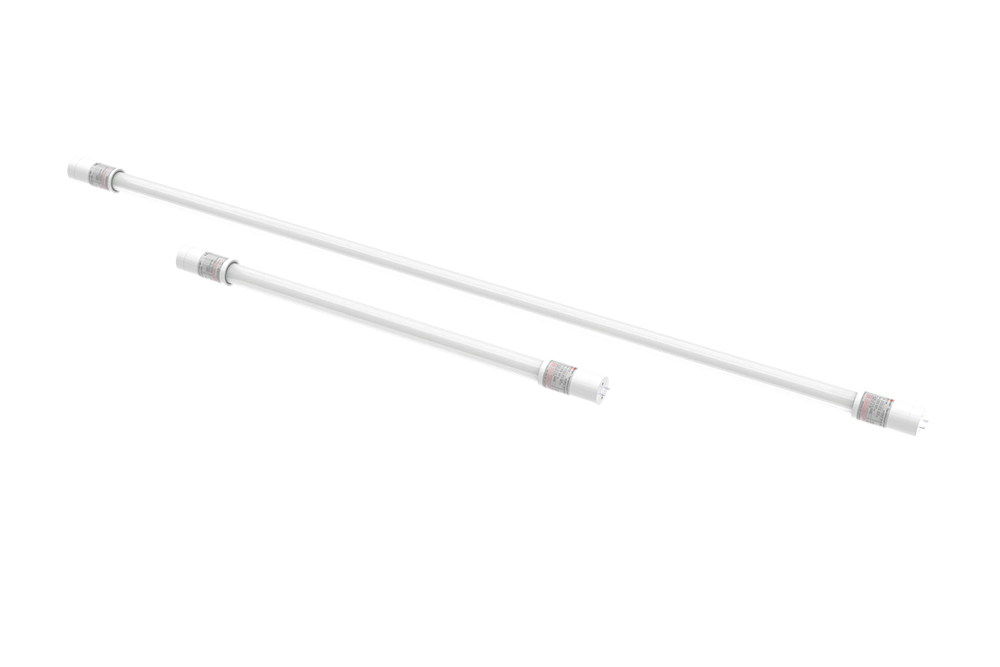
ATEX: Ex II 2G Ex d e IIB T6 Gb ATEX: Ex d e IIB T6 Gb; Feature: ● For Zone 1,2● 9W can replace 18W fluorescent lamps,50% Energy saving Application: Oil and gas, marine, Chemical, pharmaceutical, semiconductor,mining,military industry, paint booth,power plant ETC hazardous area. Technical Specifications: Standards:60079-0, 60079-1, 60079…
View details
Which company LED flood light is best? A practical answer based on real outdoor use, durability, and long-term performance.
View details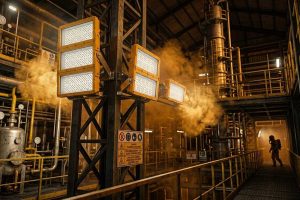
Explosion proof LED lighting Class 1 Division 1 ensures safe operation in hazardous gas environments. Learn standards, applications, and SEEKINGLED solutions.
View details
LED flood light waterproof explained from real outdoor projects. Learn IP ratings, sealing risks, and long-term reliability standards with SEEKINGLED.
View details
Ex proof led flood light engineered for hazardous oil, gas and chemical sites. Certified, durable and high-output LED solutions by SEEKINGLED.
View details