 Seeking LED
how to hang high bay lights?
0Learn how to hang high bay lights safely with professional mounting methods, installation tips, spacing advice, and industrial LED lighting solutions.
View detailsSearch the whole station
Are Class 1 Div 2 Fixtures Explosion Proof?
Yes — many Class 1 Division 2 fixtures are considered explosion proof or hazardous-location rated, but not all are built the same way. Class 1 Div 2 fixtures are specifically designed for environments where flammable gases or vapors are not normally present during regular operation but could appear under abnormal conditions.
That distinction matters more than most buyers realize.
I’ve walked through chemical blending plants where maintenance teams casually called every hazardous-area light “explosion proof,” even when the certification labels told a more nuanced story. In practice, some fixtures are fully explosion-proof enclosures designed to contain internal ignition, while others rely on non-incendive or sealed designs suitable only for Div 2 conditions.
The difference can decide whether a facility passes inspection — or becomes a liability.
At SEEKINGLED, we’ve supplied hazardous-location LED fixtures for fuel depots, offshore platforms, ethanol processing sites, and dust-heavy grain terminals. One lesson keeps repeating: buyers often misunderstand what “Class 1 Div 2” actually means.
The NEC (National Electrical Code) hazardous location system divides dangerous environments into Classes and Divisions.
Flammable gases or vapors are present.
Those gases are not normally present during standard operation, but may appear accidentally.
Examples include:
According to the National Fire Protection Association (NFPA), Class I hazardous locations involve flammable gases or vapors in quantities sufficient to produce explosive mixtures.
Division 2 is considered lower risk than Division 1, but it is absolutely still hazardous.
That misconception causes problems.
I once visited a packaging plant where operators assumed Div 2 meant “basically safe.” Yet propane leaks had already triggered two shutdown incidents in under a year.
Some are. Some are not.
This is where terminology gets messy in the industrial lighting market.
In North America, “explosion proof” traditionally refers to fixtures capable of:
However, many modern Class 1 Div 2 LED fixtures achieve compliance using:
Not every Div 2 fixture uses the classic heavy explosion-proof enclosure design.
Older explosion-proof fixtures were massive.
Cast aluminum housings.
Thick threaded joints.
Heavy glass lenses.
Some weighed over 40 pounds.
Modern LED hazardous-location fixtures are different. LEDs generate less heat and fewer ignition risks than HID lamps, allowing engineers to design lighter certified fixtures.
That evolution blurred the line between:
Today, many buyers use those terms interchangeably — even though certification methods differ.
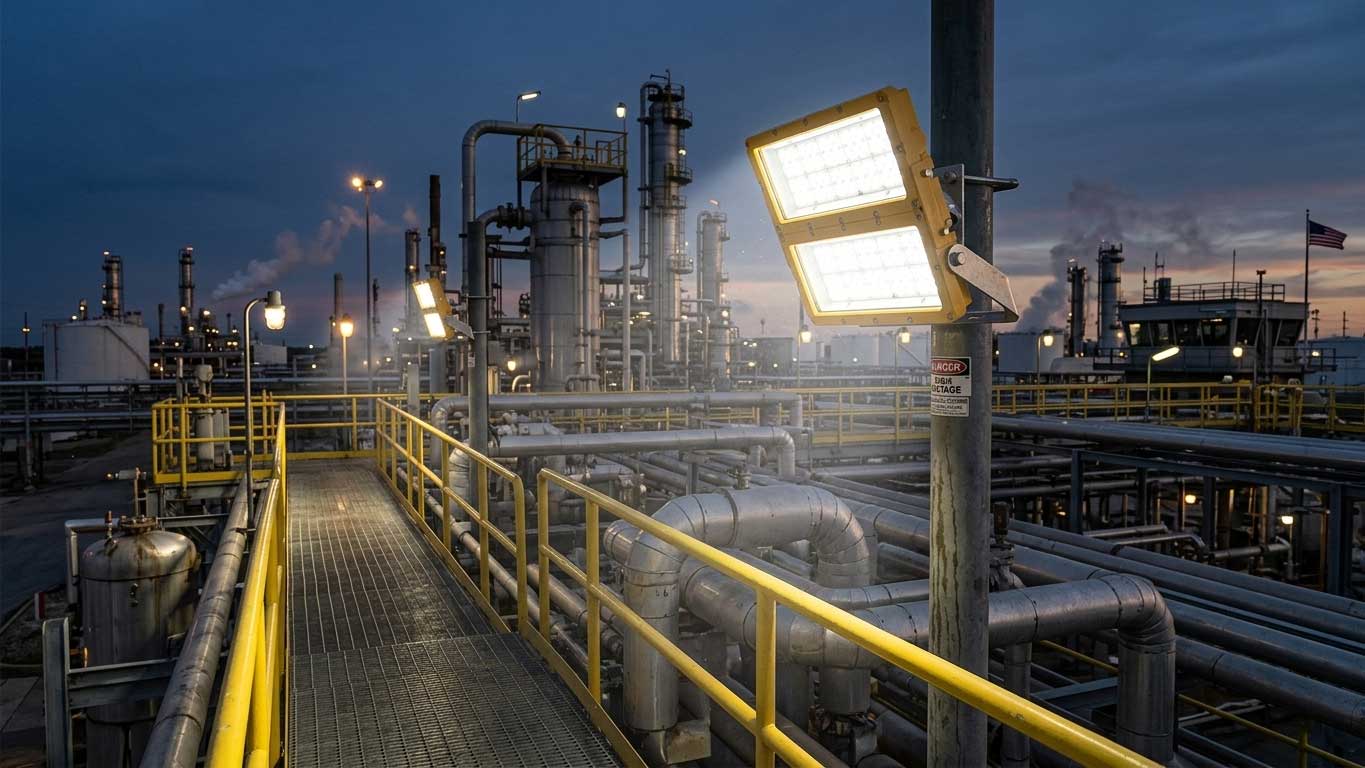
This is where many purchasing mistakes happen.
| Rating | Environment Risk | Typical Fixture Design |
|---|---|---|
| Class 1 Div 1 | Hazardous gas present during normal operation | Heavy explosion-proof enclosure |
| Class 1 Div 2 | Hazardous gas appears only abnormally | Sealed/non-incendive/explosion-resistant |
Division 1 environments are far more demanding.
A Div 2 fixture should never automatically be used in a Div 1 area unless specifically certified for both.
I’ve seen contractors make this mistake during retrofit projects because the fixture “looked industrial enough.”
Inspectors do not care how rugged it looks.
They care about certification markings.
LED technology dramatically improved hazardous-location lighting performance.
Compared with traditional metal halide fixtures:
According to the U.S. Department of Energy, LED lighting can reduce energy use by at least 75% compared with incandescent technologies.
In hazardous environments, lower operating temperature matters enormously.
Heat is one of the main ignition concerns.
At an ethanol processing site we supported in Texas, older HID fixtures routinely exceeded safe external surface temperatures during summer afternoons. After switching to certified LED hazardous-location luminaires, maintenance complaints dropped significantly.
Temperature codes (T-ratings) limit maximum surface temperature.
That matters because many industrial gases ignite at surprisingly low temperatures.
Example:
The fixture surface must stay below ignition thresholds.
Modern Div 2 fixtures isolate:
This minimizes spark exposure risk.
Poor sealing is one of the fastest ways hazardous-location fixtures fail in coastal or chemical-heavy environments.
Salt corrosion destroys cheap fixtures surprisingly fast.
| Mistake | Result |
|---|---|
| Assuming all industrial lights are explosion proof | Certification failure |
| Ignoring gas group compatibility | Safety risk |
| Choosing indoor-rated fixtures outdoors | Corrosion damage |
| Overlooking temperature code | Ignition hazard |
| Buying uncertified imports | Compliance violations |
One refinery contractor told me they saved money buying uncertified “hazardous-style” lights online.
Six months later, half the housings showed corrosion cracking near conduit entries.
Cheap hazardous lighting becomes expensive very quickly.
Typical applications include:
Outdoor installations are especially common because vapor releases often disperse into surrounding work areas.
A quality LED hazardous-location fixture typically lasts:
In real industrial environments, however, lifespan depends heavily on:
The LEDs themselves rarely fail first.
Usually, it’s the driver or sealing system.
No. Some use explosion-proof enclosure designs, while others use non-incendive protection methods certified specifically for Div 2 conditions.
Yes. Many are specifically designed for outdoor oil, gas, marine, and chemical environments.
Div 2 is considered lower risk because hazardous gases are not normally present during regular operation.
No. Standard commercial lighting lacks hazardous-location certification and may create ignition risks.
Look for:
depending on the region and application.
So, are Class 1 Div 2 fixtures explosion proof?
Sometimes yes — but not always in the traditional sense people imagine.
Modern hazardous-location LED fixtures achieve safety through multiple engineering approaches, not only heavy explosion-containment housings. What matters most is certified compliance with the actual hazardous environment, gas group, and operating conditions.
At SEEKINGLED, we usually advise customers to focus less on marketing labels and more on:
Because in hazardous environments, technical details matter far more than product slogans.
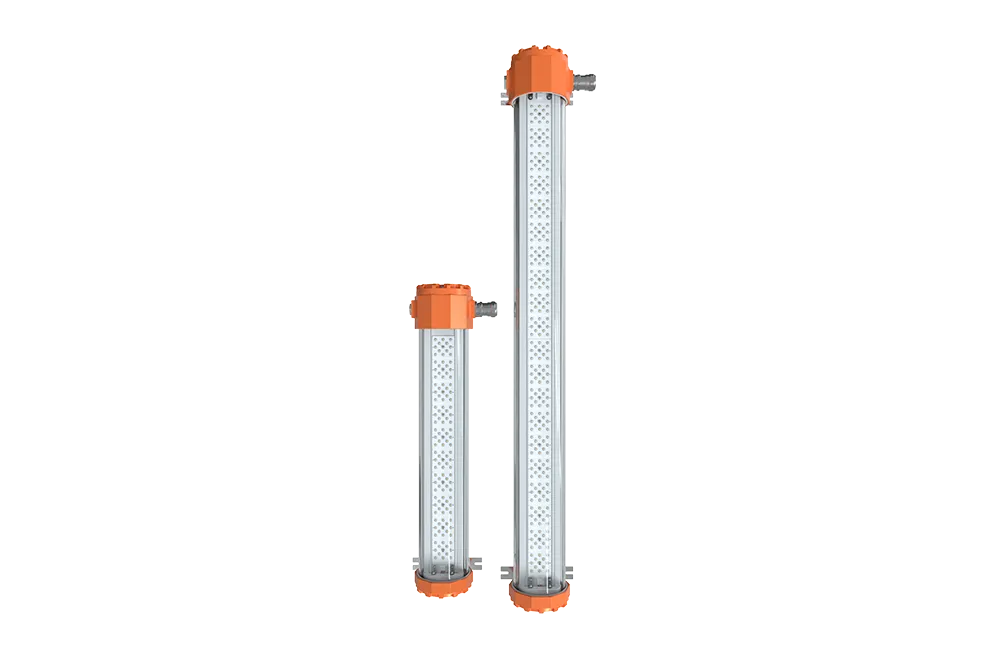
SEEKINGLED LED Linear Explosion Proof Light and Explosion Proof lighting is ATEX and IECEx certified for Zone 1, Zone 2, Zone 21 and Zone 22 hazardous locations, built for long-term industrial use.
View details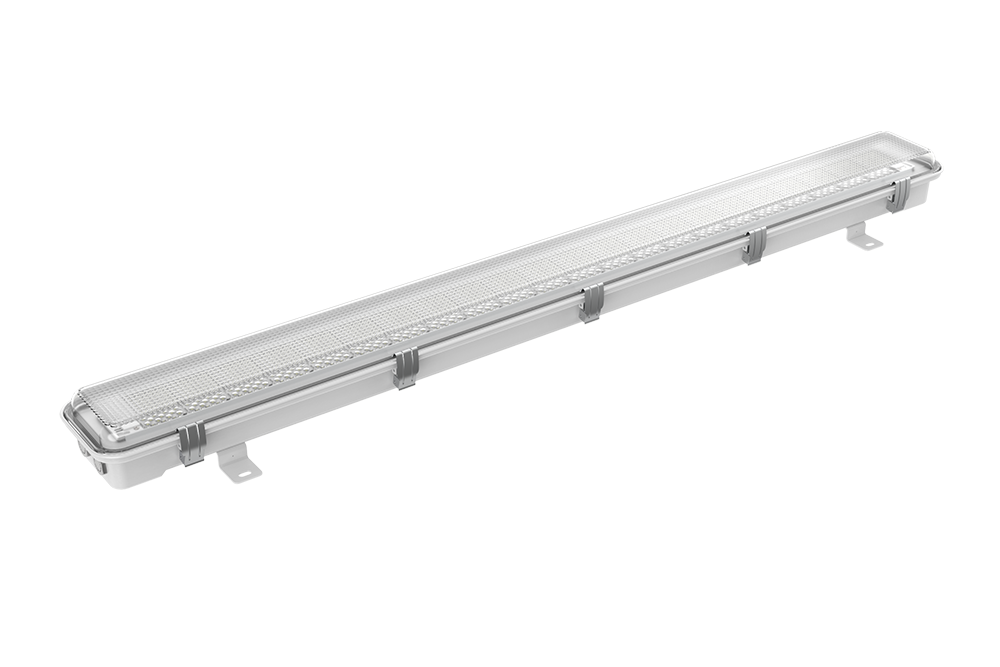
LED Linear Explosion Proof Lights and EX Proof lights for Zone 1, Zone 2, Zone 21 and Zone 22 hazardous areas. ATEX & IECEx certified explosion proof LED linear lighting with emergency function, adjustable power and IP67 protection by SEEKINGLED.
View details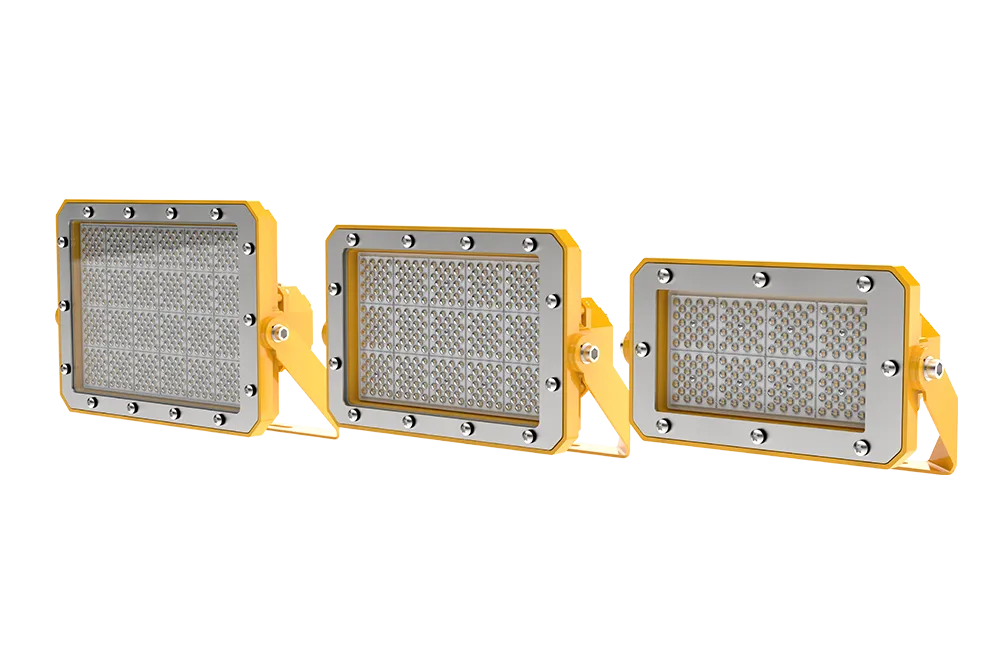
SEEKINGLED LED Explosion Proof Flood Lights are ATEX certified for Zone 2 and Zone 22 hazardous areas, offering high efficiency, adjustable power and integrated junction box.
View details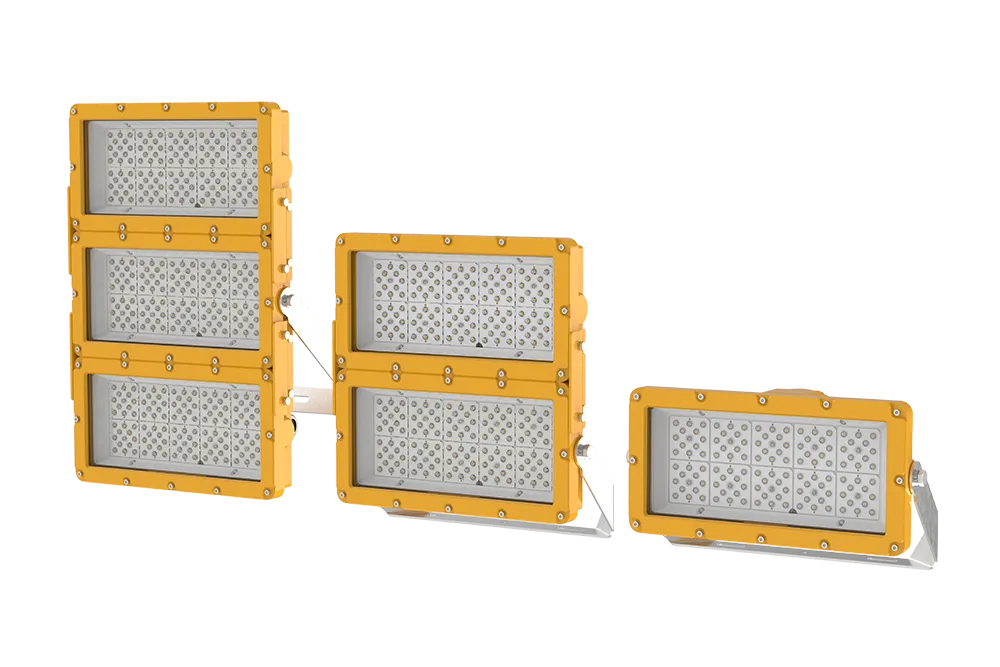
SEEKINGLED LED Explosion Proof Flood Lights are flameproof ATEX and IECEx certified for Zone 1 and Zone 2 hazardous areas, offering high power, adjustable output and long service life.
View details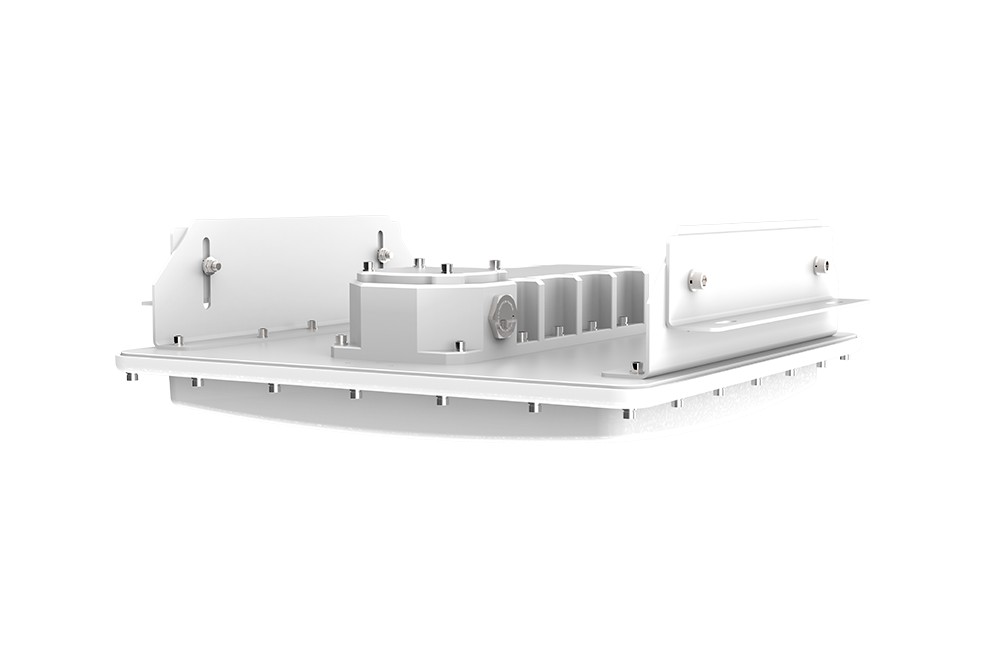
SEEKINGLED LED Gas Station Canopy Lights are ATEX certified for Zone 2 and Zone 22 hazardous areas, featuring adjustable power and built-in explosion-proof junction box.
View details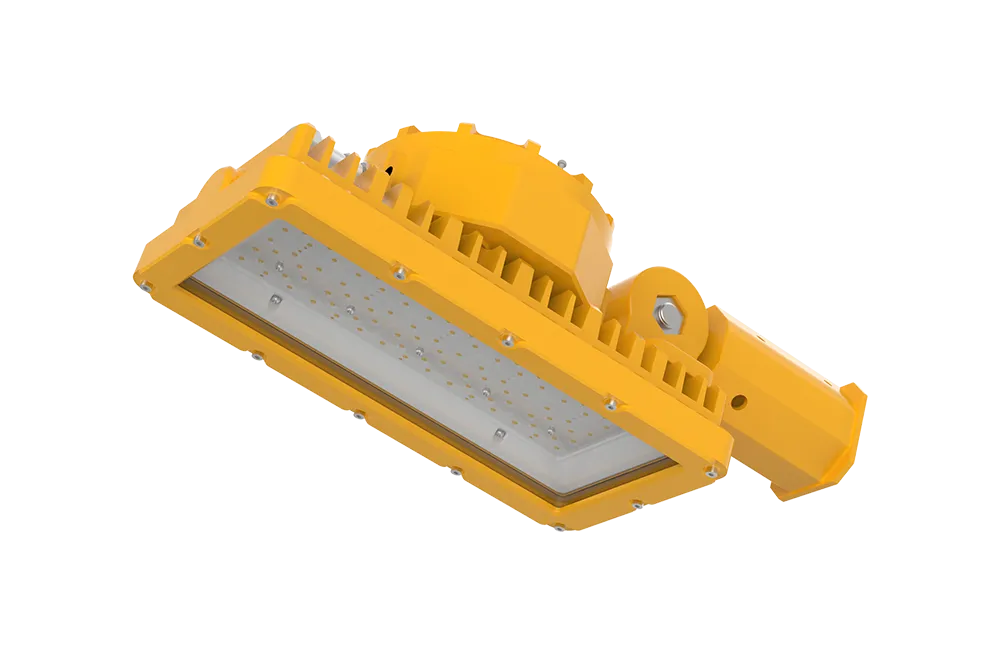
ATEX: Ex II 2G Ex db IIB T6/T5 GbEx II 2D Ex tb IIIC T80°C/ T95°C Db IECEx Ex db IIB T6 Gb;Ex tb IIIC T80°C Db Feature: ● For Zone 1,2 and Zone 21,22● Flameproof type, the strongest● 100W can replace 250W HID,energy saving● Power:60W,80W,100W Application: Oil and gas, marine, Chemical, pharmaceutical, semiconductor,mining,military industr…
View details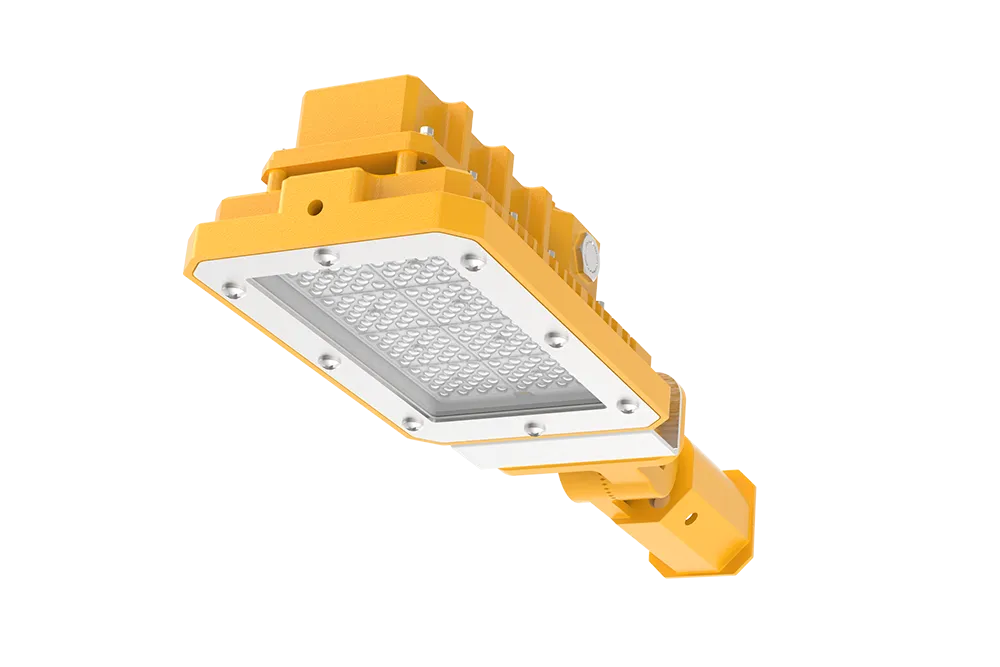
ATEX: II 3G Ex nR ⅡC T5/T6 GcII 3D Ex tc ⅢC T80℃/T95℃Dc ATEX Certificate NO: TÜV CY 26 ATEX 0207611 X Feature: ● For Zone 2 and Zone 22● 150W can replace 250W HID lamps,Energy saving● Power:50W,75W,100W,150W,200W Application: Oil and gas, marine, Chemical, pharmaceutical, semiconductor,mining,military industry, paint booth,power plant ETC…
View details
LED explosion proof high bay lights are designed for Zone 1, Zone 2, Zone 21 and Zone 22 hazardous areas. This page introduces the HB21 Series from SEEKING, including certifications, power options and real application considerations.
View details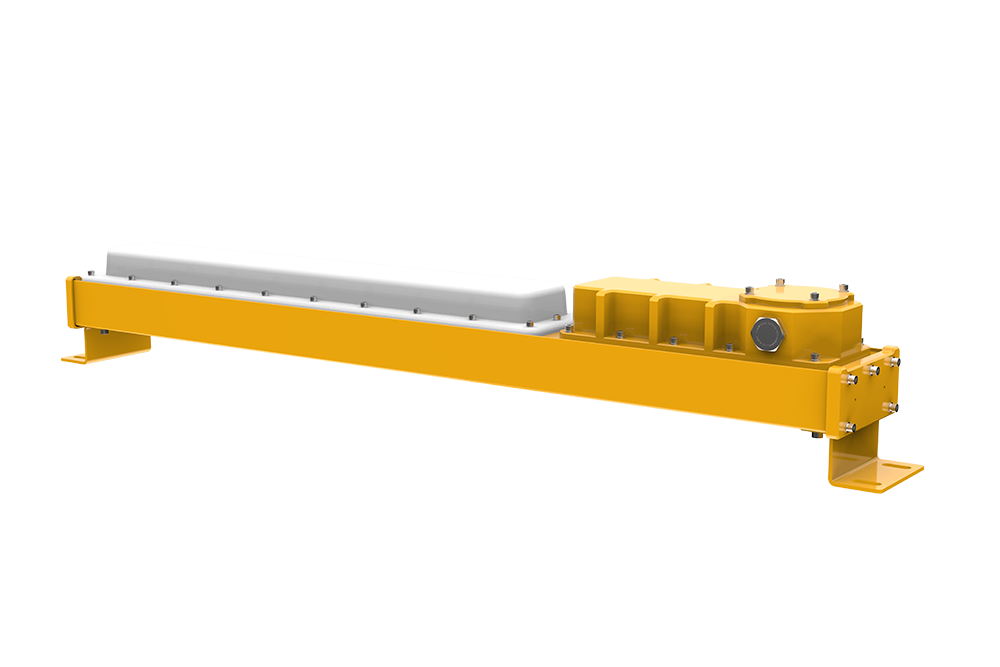
LED Linear Explosion Proof Lights from SEEKINGLED. LU Series Flame Proof lights ATEX-certified explosion proof LED linear lighting for Zone 2 gas and Zone 22 dust areas, IP69K, IK10, long lifetime and flexible power options.
View details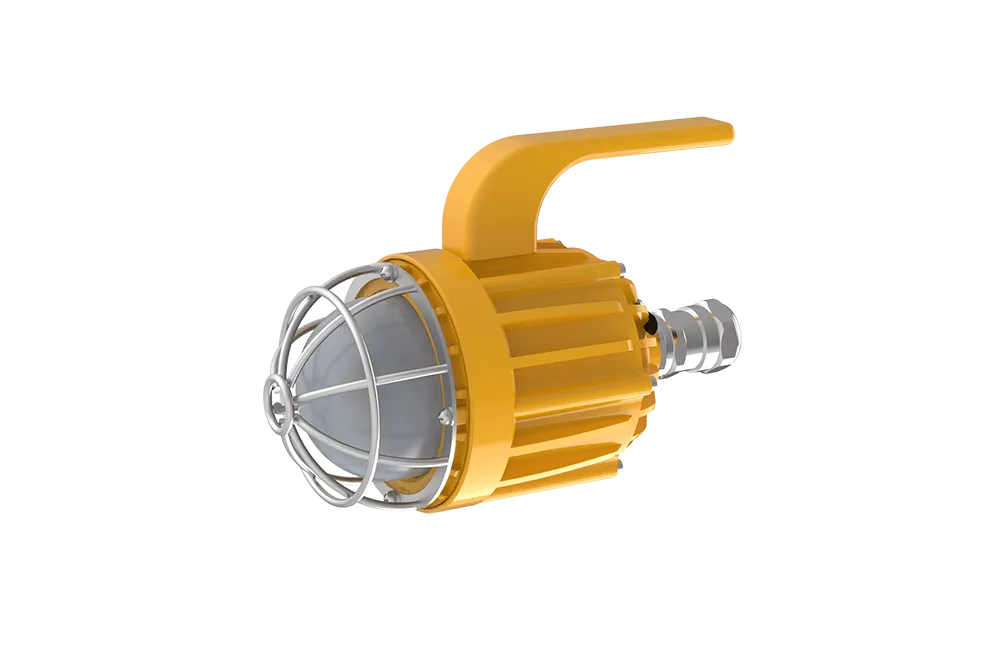
Certified explosion proof work lights for Zone 1 & 21 hazardous areas. Portable, ATEX & IECEx approved, built for oil, gas and chemical plants by SEEKINGLED.
View details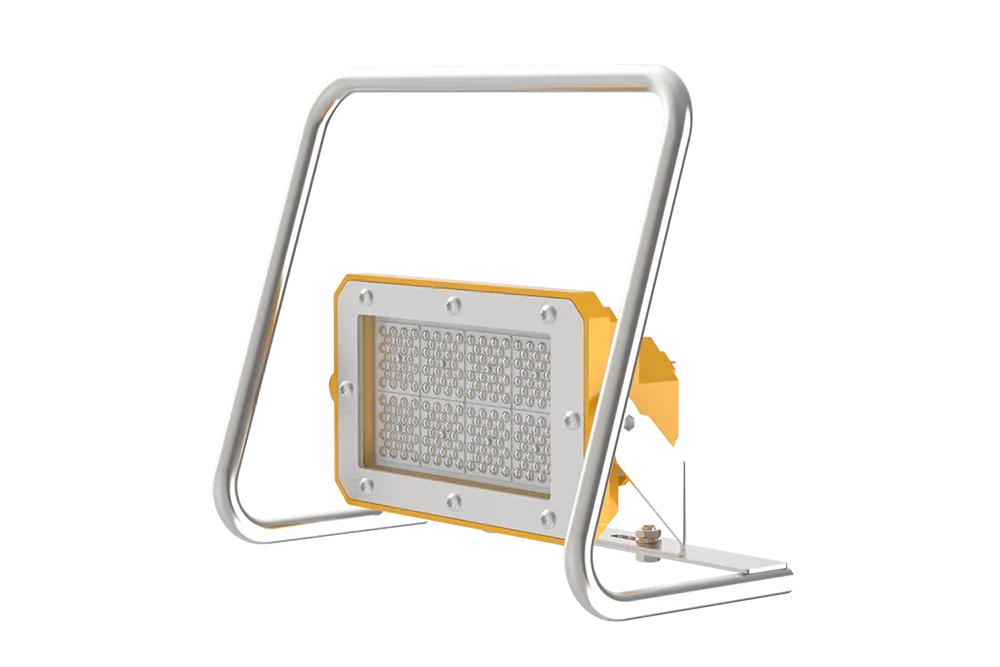
ATEX: II 3G Ex nR ⅡC T6 GcII 3D Ex tc ⅢC T80℃ Dc ATEX Certificate NO: TÜV CY 26 ATEX 0207611 X Feature: ● For Zone 2 and Zone 22● Accepts battery-powered supply● indestructible● Power:AC input:50W,75W,100WDC input:15W,25W,35W Application: Oil and gas, marine, Chemical, pharmaceutical, semiconductor,mining,military industry, paint booth,po…
View details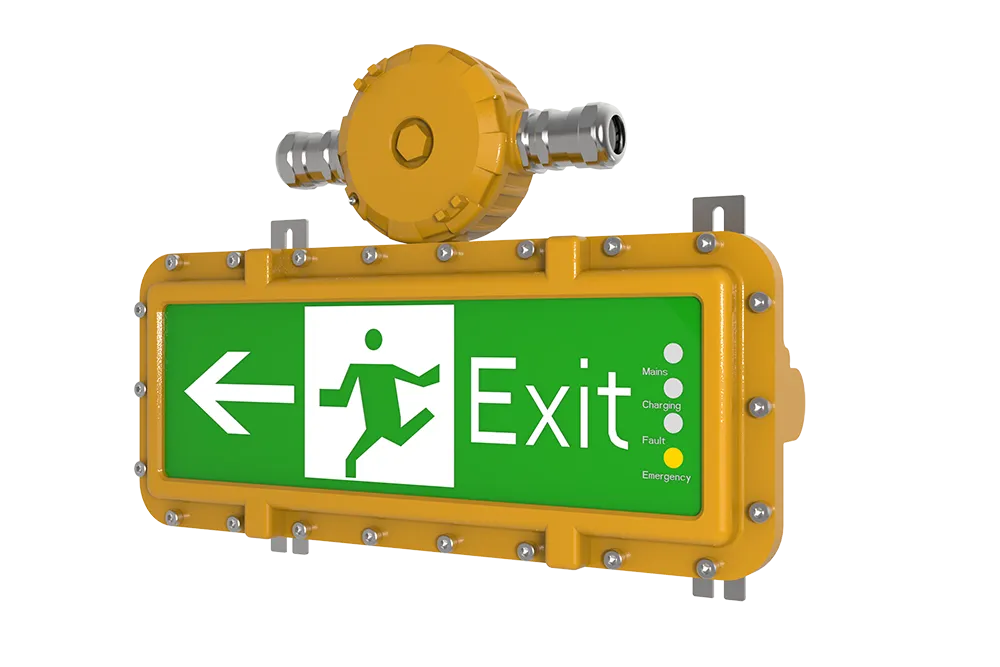
ATEX: Ex II 2G Ex db IIB T6 GbEx II 2D Ex tb IIIC T80°C Db IECEx Ex db IIB T6 Gb;Ex tb IIIC T80°C Db Feature: ● For Zone 1,2 and Zone 21,22● Flameproof type, the strongest Application: Oil and gas, marine, Chemical, pharmaceutical, semiconductor,mining,military industry, paint booth,power plant ETC hazardous area. Technical Specifications:…
View details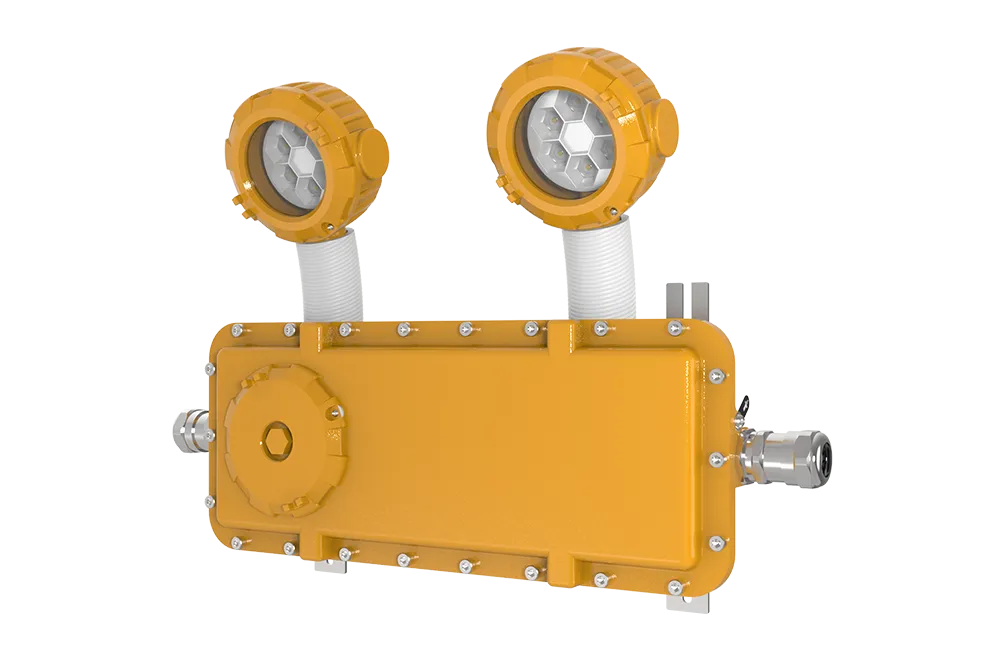
ATEX: Ex II 2G Ex db IIB T6 GbEx II 2D Ex tb IIIC T80°C Db IECEx Ex db IIB T6 Gb;Ex tb IIIC T80°C Db Feature: ● For Zone 1,2 and Zone 21,22● Flameproof type, the strongest Application: Oil and gas, marine, Chemical, pharmaceutical, semiconductor,mining,military industry, paint booth,power plant ETC hazardous area. Technical Specifications:…
View details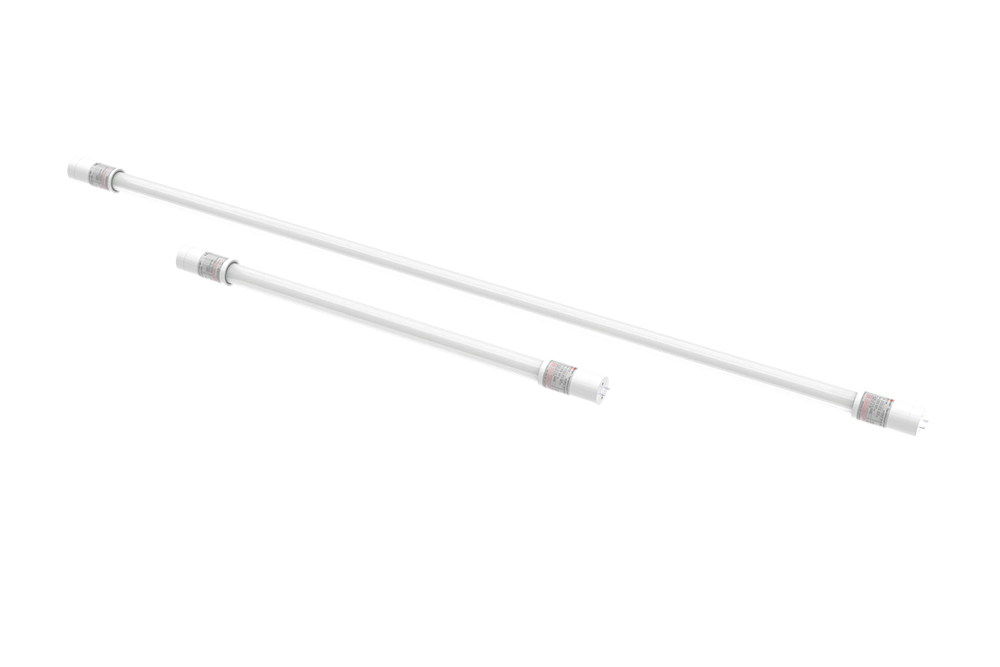
ATEX: Ex II 2G Ex d e IIB T6 Gb ATEX: Ex d e IIB T6 Gb; Feature: ● For Zone 1,2● 9W can replace 18W fluorescent lamps,50% Energy saving Application: Oil and gas, marine, Chemical, pharmaceutical, semiconductor,mining,military industry, paint booth,power plant ETC hazardous area. Technical Specifications: Standards:60079-0, 60079-1, 60079…
View details
Learn how to hang high bay lights safely with professional mounting methods, installation tips, spacing advice, and industrial LED lighting solutions.
View details
Are LED explosion proof linear lights energy efficient? Learn how ATEX LED fixtures reduce power costs, improve safety, and last longer in hazardous areas.
View details
Discover ATEX hazardous lighting solutions for hazardous areas. Learn ATEX zones, certifications, Ex markings, and how to select safe industrial lighting.
View details
Choose the right led explosion proof lamp for hazardous zones. Learn about Zone ratings, ATEX certification, and durable LED design for oil and gas sites.
View details