 Seeking LED
What Industries Use ATEX Lighting?
0What industries use ATEX lighting? Discover where hazardous-area LED lighting is required, from oil refineries to grain plants and offshore platforms.
View detailsSearch the whole station
what is atex directive? The ATEX Directive is a European Union regulation that defines safety requirements for equipment used in potentially explosive atmospheres containing flammable gases, vapors, or dust.
In hazardous area lighting projects, I have seen many customers ask about ATEX approval after selecting products. In reality, the directive should be considered at the beginning of the project because it determines whether equipment can legally operate in a classified area.
The ATEX Directive is a European regulatory framework created to control risks associated with equipment operating in explosive atmospheres.
The word ATEX comes from the French phrase:
ATmosphères EXplosibles
The current equipment directive is:
Directive 2014/34/EU
It applies to manufacturers who design and supply equipment intended for use in environments where explosive mixtures may occur.
These mixtures may include:
Reference:
European Commission – Equipment and protective systems intended for use in potentially explosive atmospheres (ATEX)
https://single-market-economy.ec.europa.eu/sectors/mechanical-engineering/equipment-potentially-explosive-atmospheres-atex_en
The purpose of the ATEX Directive is to reduce the possibility of equipment becoming an ignition source.
In hazardous environments, ordinary electrical equipment may create risks through:
The directive requires manufacturers to evaluate these risks before products enter the market.
For industrial lighting, this affects almost every design decision, including:
A high-output LED fixture is not automatically suitable for hazardous areas. Certification depends on how the product controls potential ignition sources.
Directive 2014/34/EU replaced the previous ATEX Directive 94/9/EC and became applicable on April 20, 2016.
It covers:
The directive divides equipment into groups and categories according to application risks.
| Equipment Group | Application |
|---|---|
| Group I | Mining environments |
| Group II | Surface industries such as oil, gas, and chemical plants |
For surface industries, equipment categories determine the level of protection required.
The ATEX Directive connects equipment categories with hazardous area classifications.
| Category | Protection Level | Typical Zone |
|---|---|---|
| Category 1 | Very high protection | Zone 0 / Zone 20 |
| Category 2 | High protection | Zone 1 / Zone 21 |
| Category 3 | Normal protection | Zone 2 / Zone 22 |
Gas zones and dust zones use different classifications.
For example:
For industrial lighting manufacturers, ATEX compliance influences product development from the earliest design stage.
A typical ATEX lighting evaluation may consider:
| Requirement | Purpose |
|---|---|
| Temperature classification | Prevent excessive surface heat |
| Enclosure protection | Reduce ignition risks |
| Electrical safety | Prevent sparks and failures |
| Material selection | Improve durability in harsh environments |
At SEEKINGLED, our experience with industrial lighting applications shows that customers often focus on brightness first. However, engineers managing hazardous facilities usually start with certification documents, because installation approval depends on compliance.
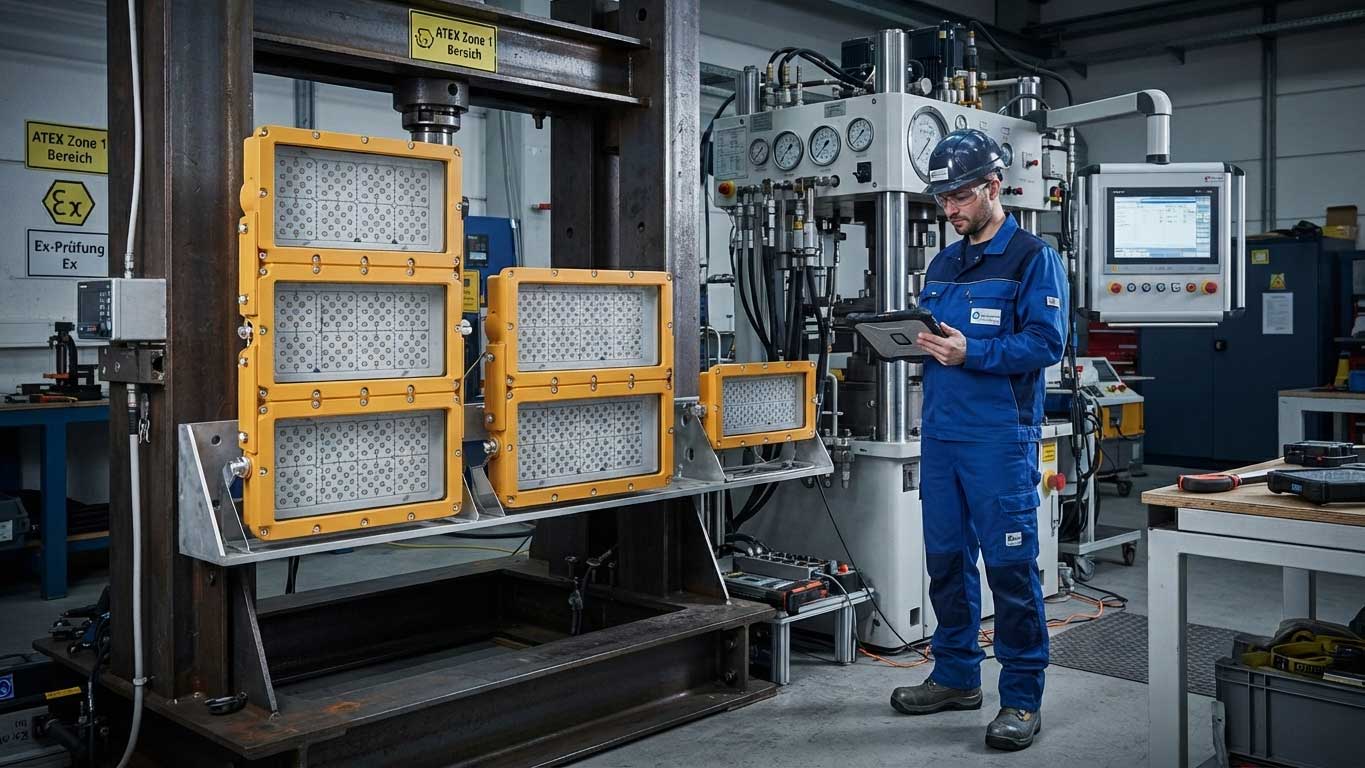
Many international buyers compare ATEX with IECEx.
Both systems focus on explosion protection, but they have different scopes.Visit the product page: Explosion Proof Lighting
| Standard | Main Application |
|---|---|
| ATEX | European Union regulatory requirement |
| IECEx | International certification system |
Companies exporting hazardous area equipment often review both standards depending on the destination market.
From my experience working with industrial lighting customers, one common mistake is selecting equipment before confirming hazardous area requirements.
A project team may spend weeks comparing:
Then discover the selected fixture does not match the required zone classification.
A better approach is:
This avoids unnecessary replacement costs and project delays.
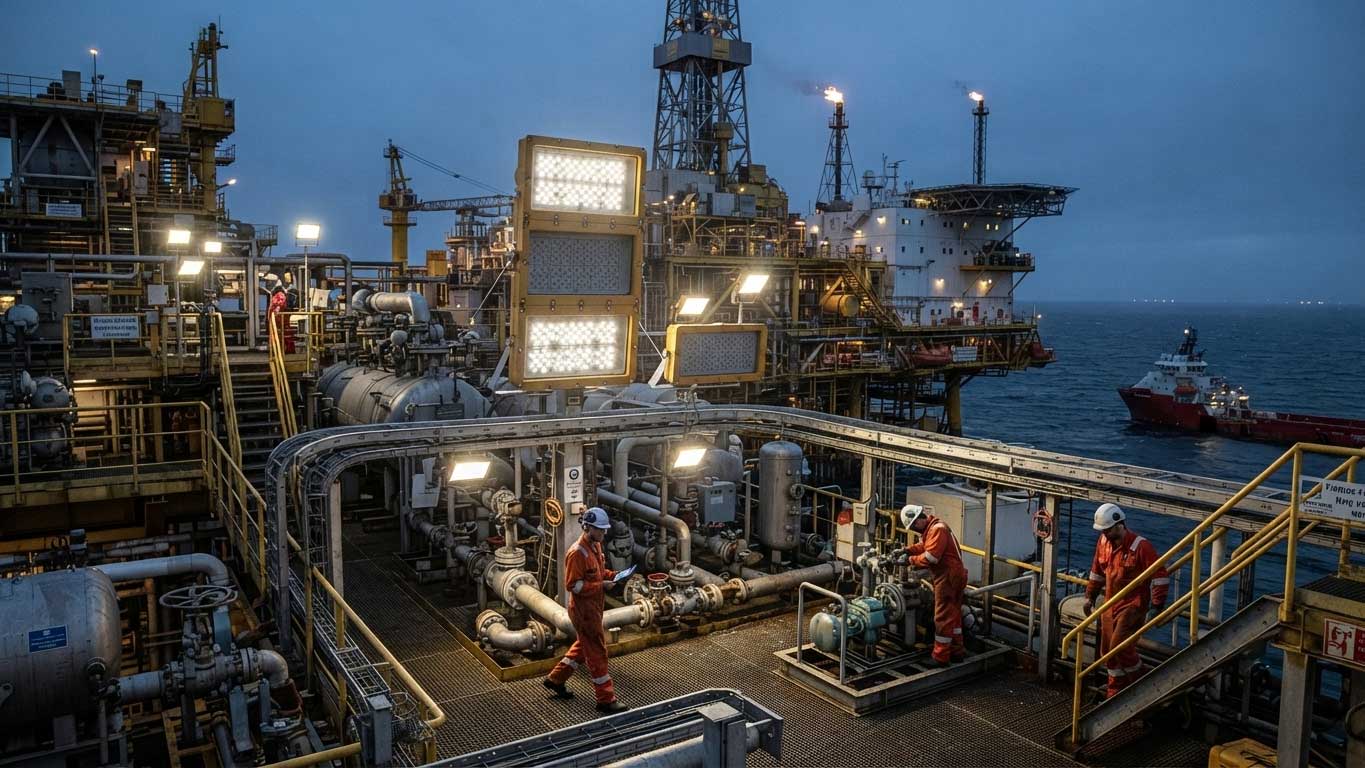
The ATEX Directive ensures equipment used in explosive atmospheres meets safety requirements to reduce ignition risks.
ATEX 2014/34/EU is the European directive covering equipment intended for potentially explosive atmospheres.
No. Only equipment designed for use in potentially explosive environments requires ATEX compliance.
Oil, gas, chemical, pharmaceutical, mining, and manufacturing industries commonly use ATEX-certified products.
ATEX is mainly required in European markets, while other regions may use IECEx or local hazardous location standards.
what is atex directive? The ATEX Directive is a European safety regulation that controls the design and approval of equipment used in explosive atmospheres.
For hazardous area applications, ATEX is not simply a certification label. It represents a complete approach to reducing ignition risks and improving operational safety.
SEEKINGLED provides industrial LED lighting solutions developed for demanding environments where compliance, reliability, and long-term performance matter.
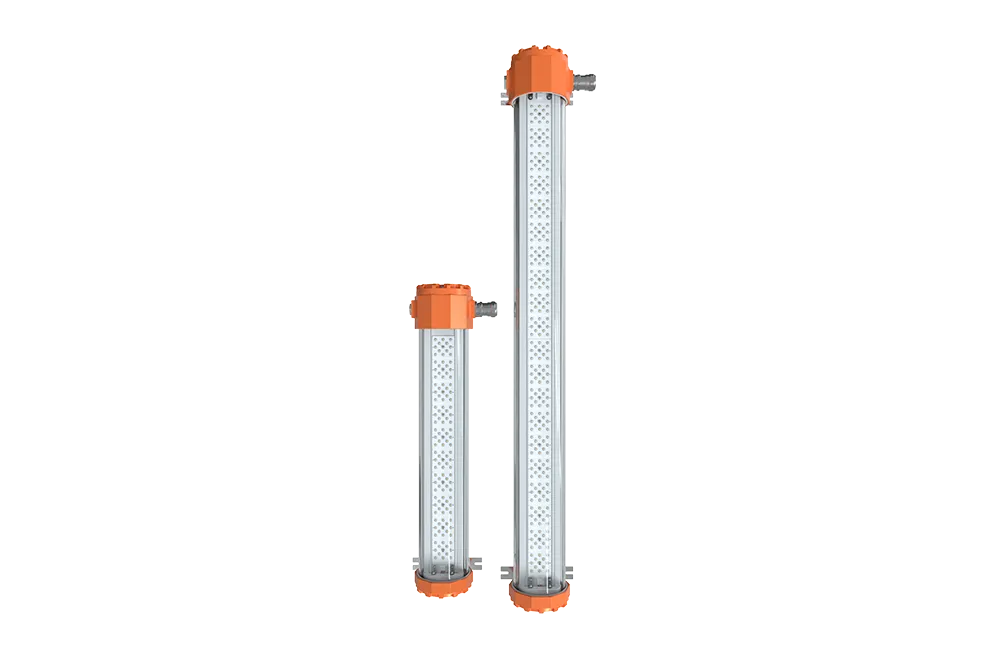
SEEKINGLED LED Linear Explosion Proof Light and Explosion Proof lighting is ATEX and IECEx certified for Zone 1, Zone 2, Zone 21 and Zone 22 hazardous locations, built for long-term industrial use.
View details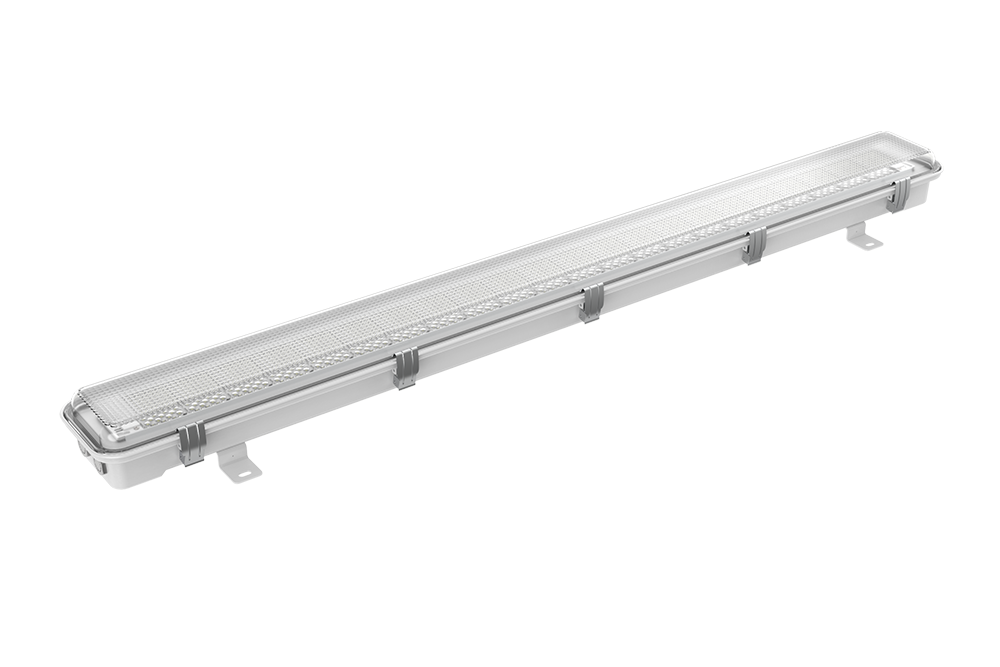
LED Linear Explosion Proof Lights and EX Proof lights for Zone 1, Zone 2, Zone 21 and Zone 22 hazardous areas. ATEX & IECEx certified explosion proof LED linear lighting with emergency function, adjustable power and IP67 protection by SEEKINGLED.
View details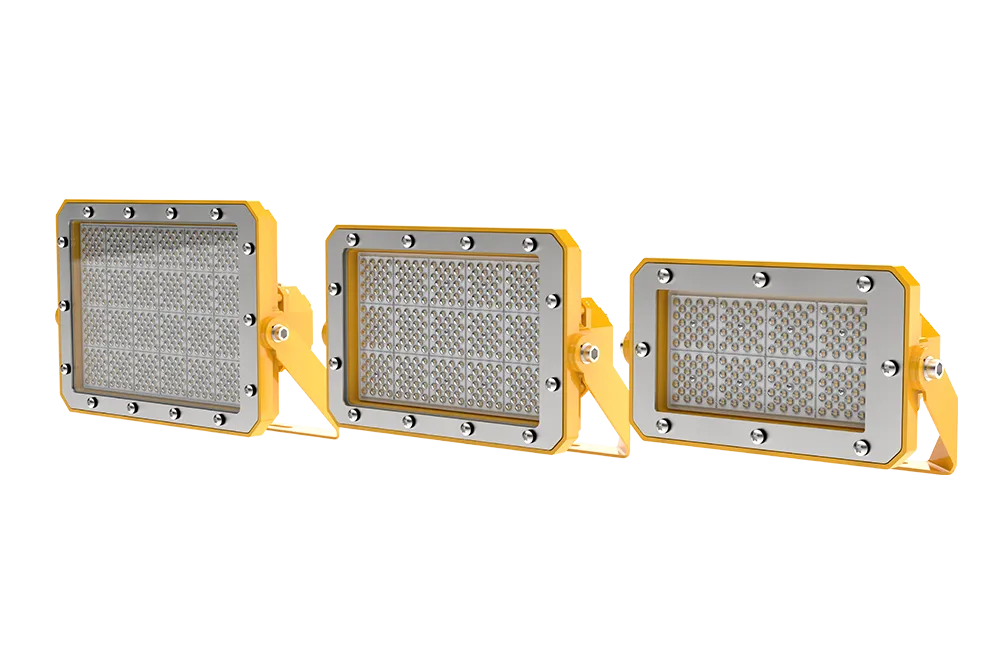
SEEKINGLED LED Explosion Proof Flood Lights are ATEX certified for Zone 2 and Zone 22 hazardous areas, offering high efficiency, adjustable power and integrated junction box.
View details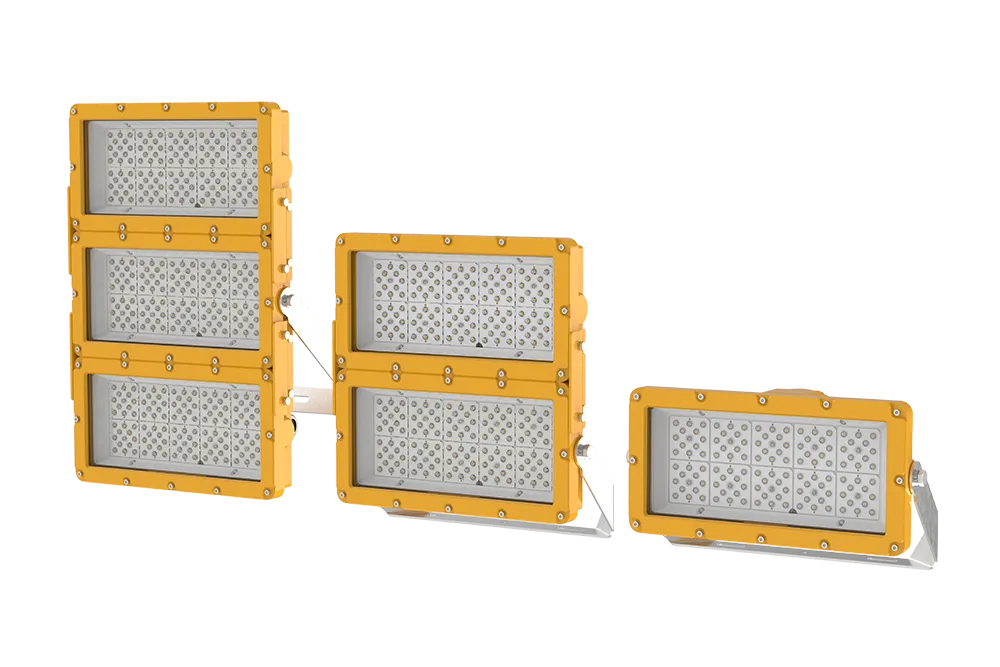
SEEKINGLED LED Explosion Proof Flood Lights are flameproof ATEX and IECEx certified for Zone 1 and Zone 2 hazardous areas, offering high power, adjustable output and long service life.
View details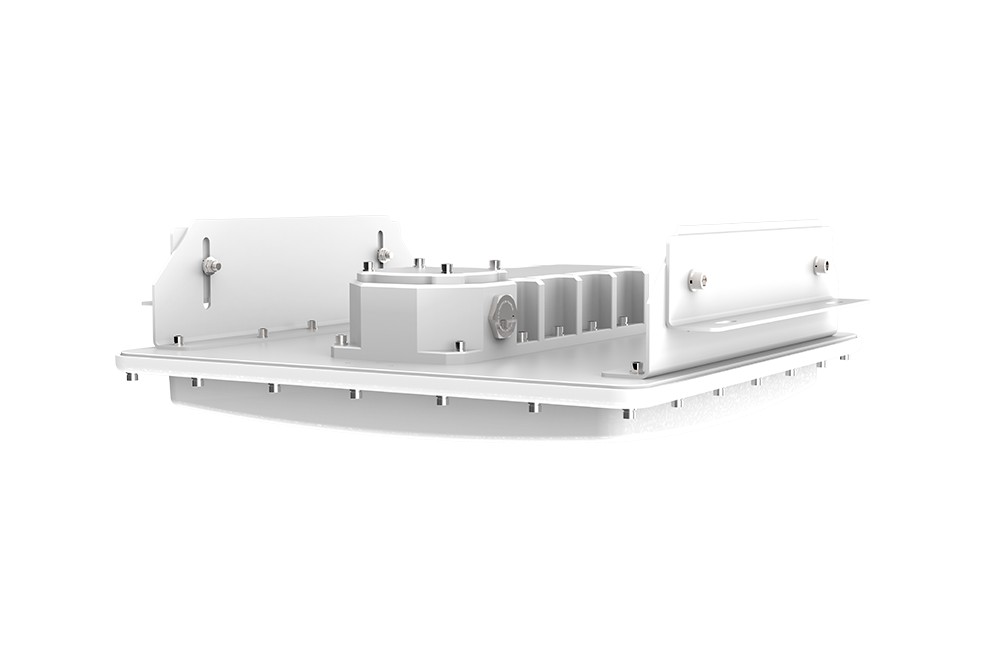
SEEKINGLED LED Gas Station Canopy Lights are ATEX certified for Zone 2 and Zone 22 hazardous areas, featuring adjustable power and built-in explosion-proof junction box.
View details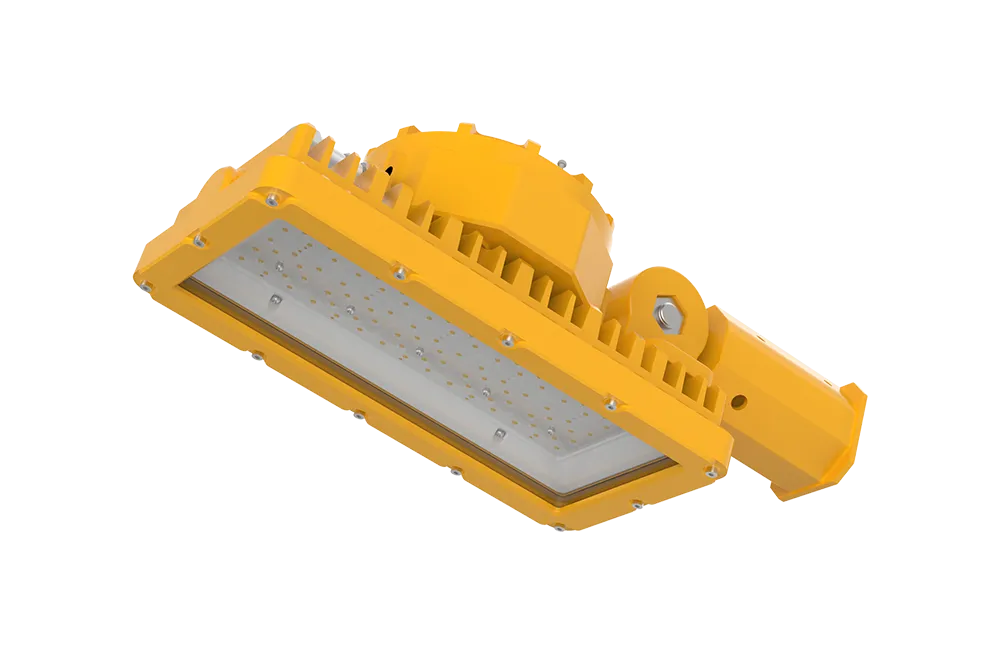
ATEX: Ex II 2G Ex db IIB T6/T5 GbEx II 2D Ex tb IIIC T80°C/ T95°C Db IECEx Ex db IIB T6 Gb;Ex tb IIIC T80°C Db Feature: ● For Zone 1,2 and Zone 21,22● Flameproof type, the strongest● 100W can replace 250W HID,energy saving● Power:60W,80W,100W Application: Oil and gas, marine, Chemical, pharmaceutical, semiconductor,mining,military industr…
View details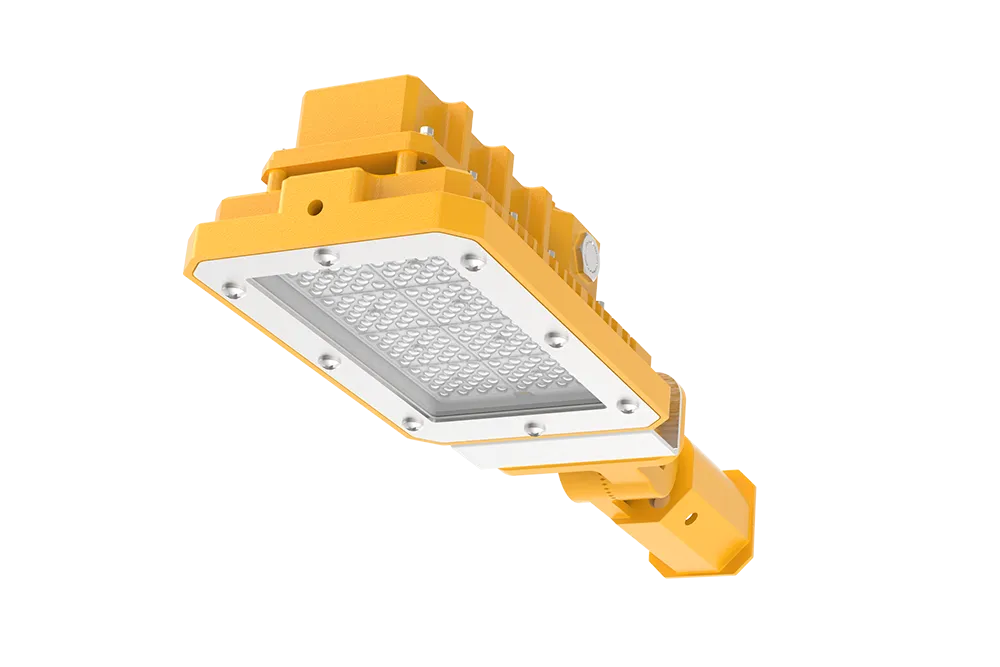
ATEX: II 3G Ex nR ⅡC T5/T6 GcII 3D Ex tc ⅢC T80℃/T95℃Dc ATEX Certificate NO: TÜV CY 26 ATEX 0207611 X Feature: ● For Zone 2 and Zone 22● 150W can replace 250W HID lamps,Energy saving● Power:50W,75W,100W,150W,200W Application: Oil and gas, marine, Chemical, pharmaceutical, semiconductor,mining,military industry, paint booth,power plant ETC…
View details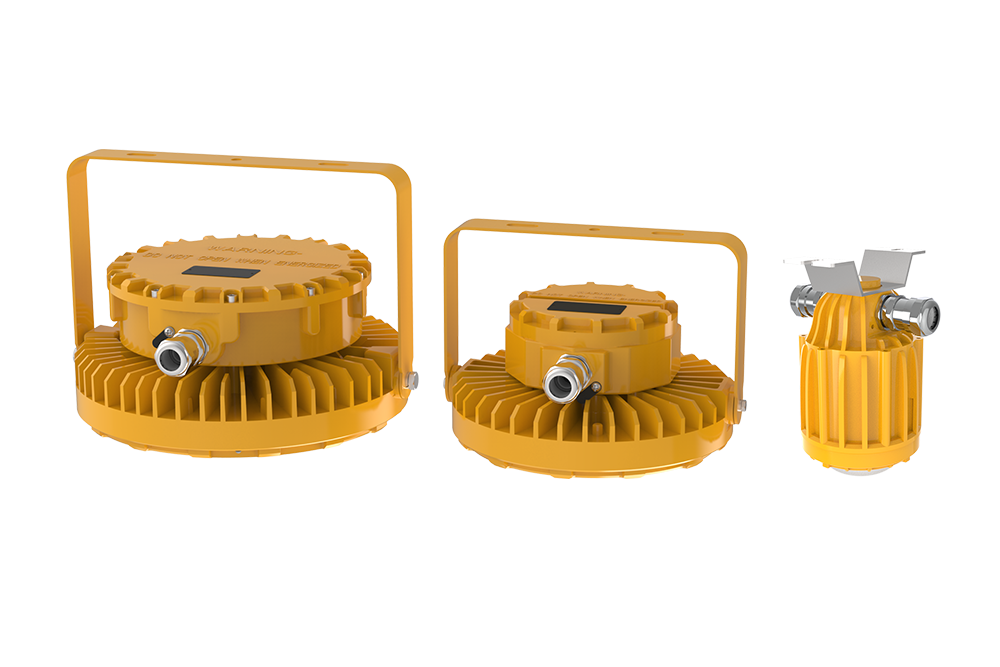
LED explosion proof high bay lights are designed for Zone 1, Zone 2, Zone 21 and Zone 22 hazardous areas. This page introduces the HB21 Series from SEEKING, including certifications, power options and real application considerations.
View details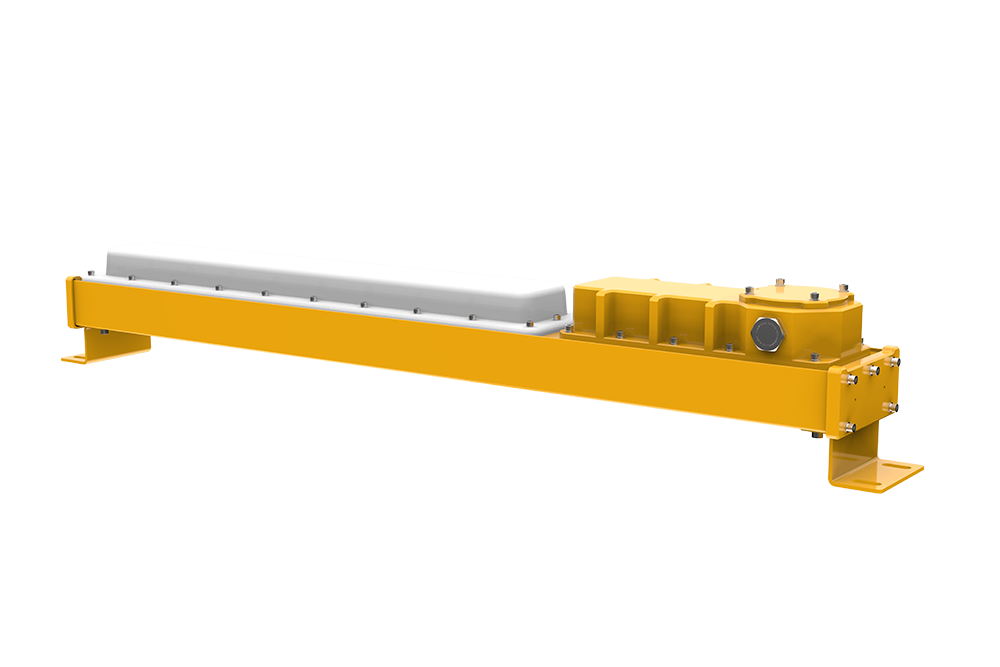
LED Linear Explosion Proof Lights from SEEKINGLED. LU Series Flame Proof lights ATEX-certified explosion proof LED linear lighting for Zone 2 gas and Zone 22 dust areas, IP69K, IK10, long lifetime and flexible power options.
View details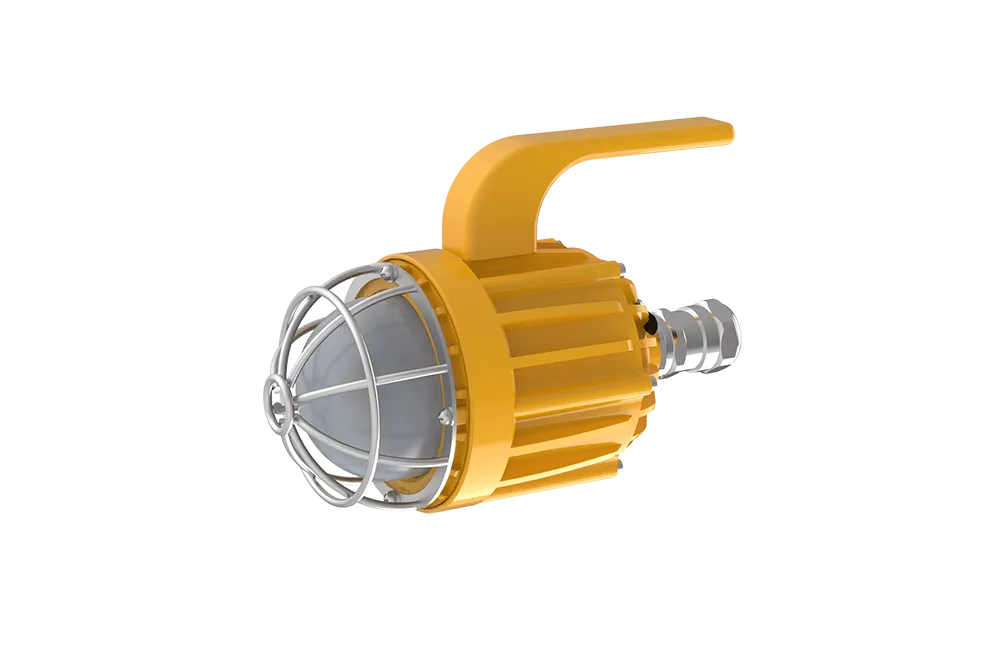
Certified explosion proof work lights for Zone 1 & 21 hazardous areas. Portable, ATEX & IECEx approved, built for oil, gas and chemical plants by SEEKINGLED.
View details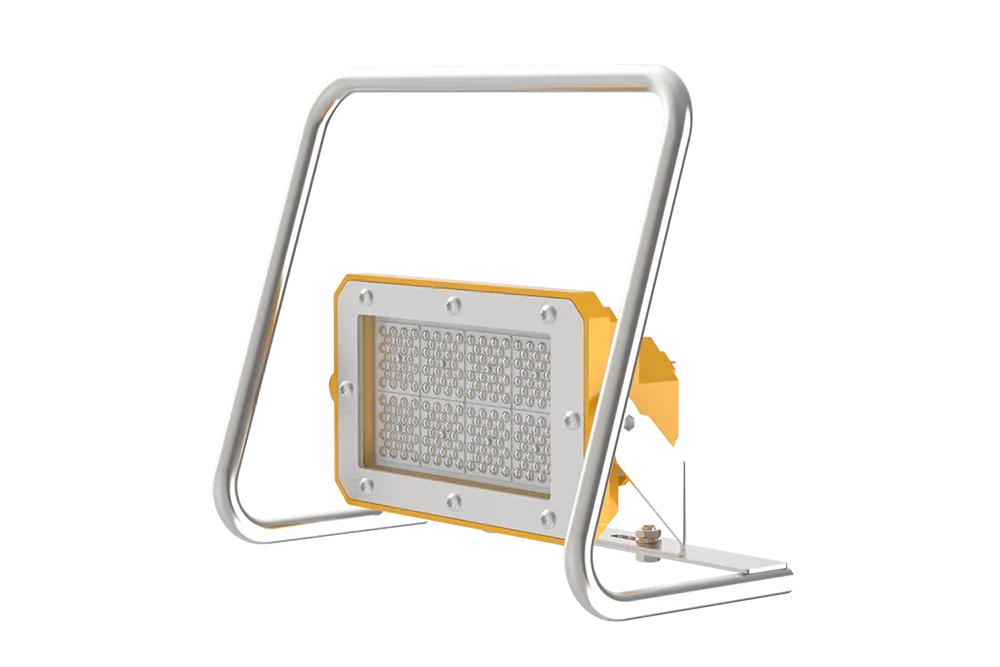
ATEX: II 3G Ex nR ⅡC T6 GcII 3D Ex tc ⅢC T80℃ Dc ATEX Certificate NO: TÜV CY 26 ATEX 0207611 X Feature: ● For Zone 2 and Zone 22● Accepts battery-powered supply● indestructible● Power:AC input:50W,75W,100WDC input:15W,25W,35W Application: Oil and gas, marine, Chemical, pharmaceutical, semiconductor,mining,military industry, paint booth,po…
View details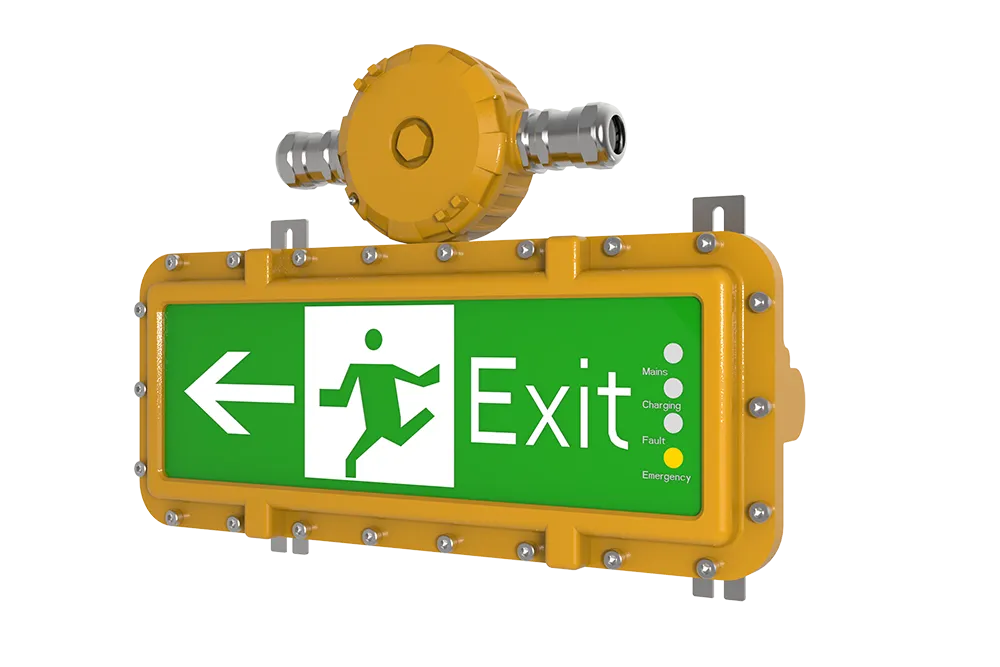
ATEX: Ex II 2G Ex db IIB T6 GbEx II 2D Ex tb IIIC T80°C Db IECEx Ex db IIB T6 Gb;Ex tb IIIC T80°C Db Feature: ● For Zone 1,2 and Zone 21,22● Flameproof type, the strongest Application: Oil and gas, marine, Chemical, pharmaceutical, semiconductor,mining,military industry, paint booth,power plant ETC hazardous area. Technical Specifications:…
View details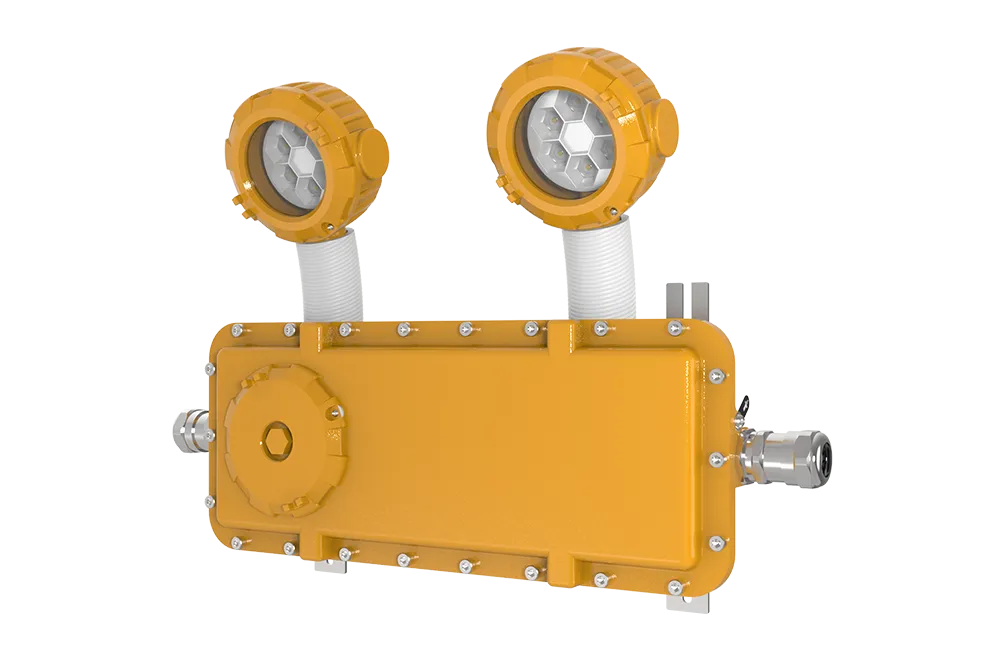
ATEX: Ex II 2G Ex db IIB T6 GbEx II 2D Ex tb IIIC T80°C Db IECEx Ex db IIB T6 Gb;Ex tb IIIC T80°C Db Feature: ● For Zone 1,2 and Zone 21,22● Flameproof type, the strongest Application: Oil and gas, marine, Chemical, pharmaceutical, semiconductor,mining,military industry, paint booth,power plant ETC hazardous area. Technical Specifications:…
View details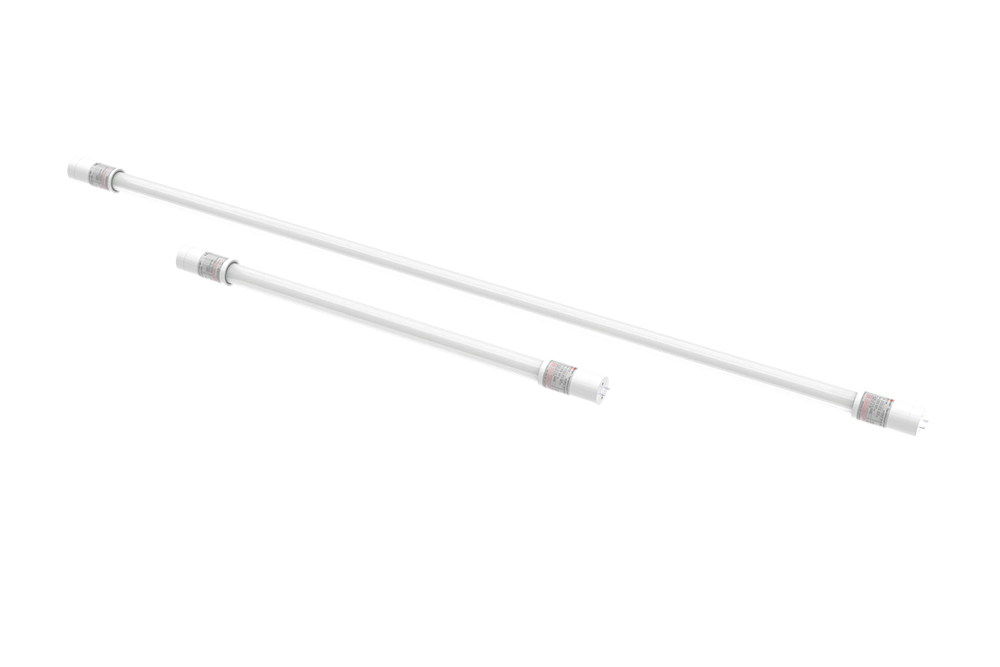
ATEX: Ex II 2G Ex d e IIB T6 Gb ATEX: Ex d e IIB T6 Gb; Feature: ● For Zone 1,2● 9W can replace 18W fluorescent lamps,50% Energy saving Application: Oil and gas, marine, Chemical, pharmaceutical, semiconductor,mining,military industry, paint booth,power plant ETC hazardous area. Technical Specifications: Standards:60079-0, 60079-1, 60079…
View details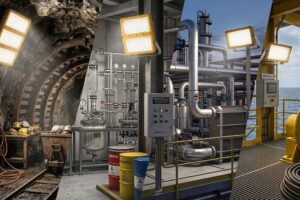
What industries use ATEX lighting? Discover where hazardous-area LED lighting is required, from oil refineries to grain plants and offshore platforms.
View details
Learn how waterproof outdoor LED flood lights from SEEKINGLED solve reliability, beam control, and energy efficiency challenges in sports courts, schools, and outdoor commercial areas. IP66, up to 400W.
View details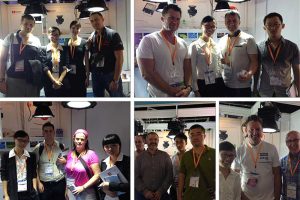
27-Oct-2013 Boot NO.:5B-B29We launch two series product. 100W, 150W, 200W, 300W, 400W, 480W LED high bay light, which use SMD3020 LED chip, 25°、60°、90°、120° beam angle for choice. Effectively solved the disadvantages of heat ...
View details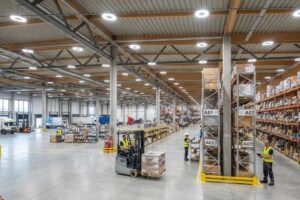
Learn what is a high bay light fixture, how it works, where it is used, and how to choose the right industrial lighting solution from SEEKINGLED experts.
View details