 Seeking LED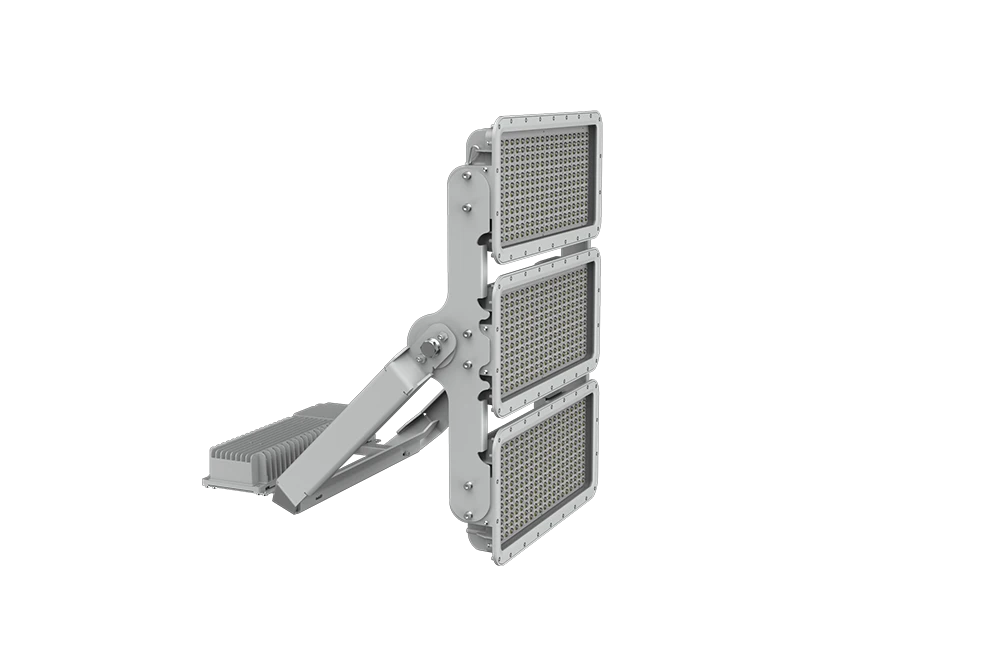
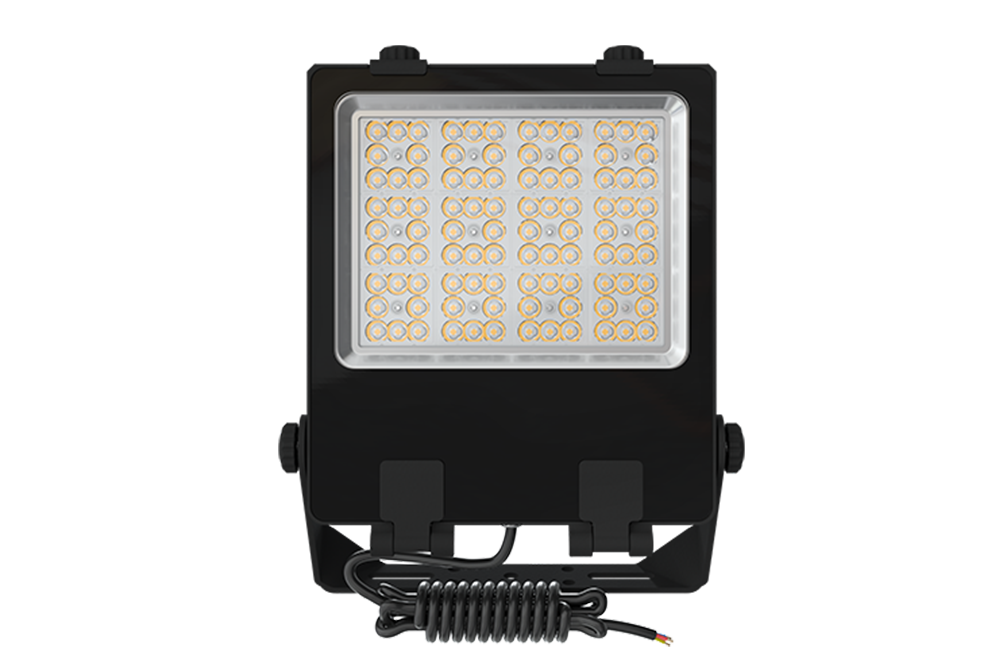
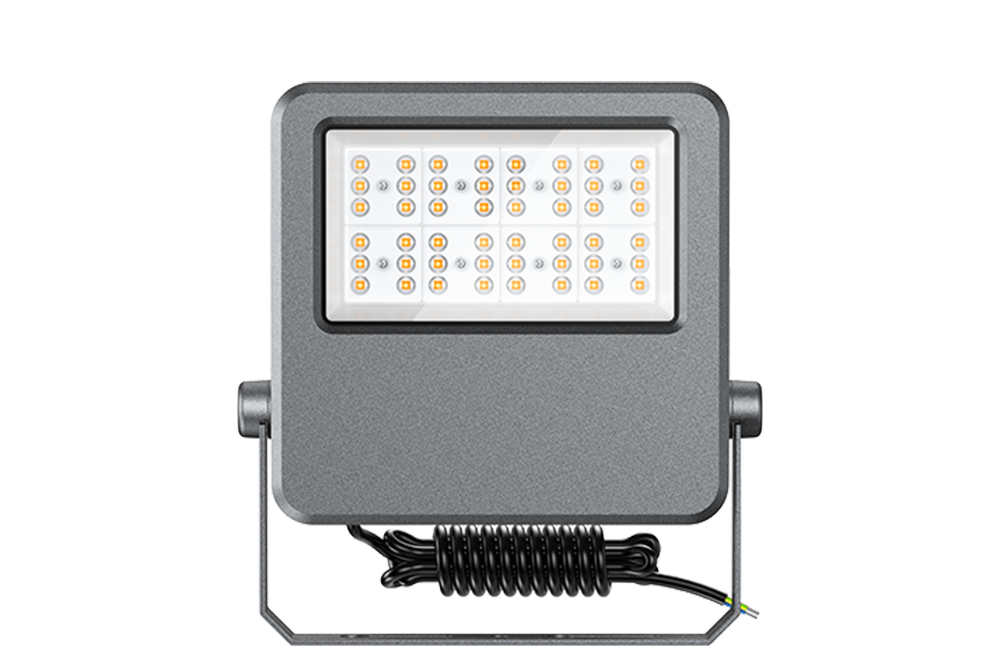
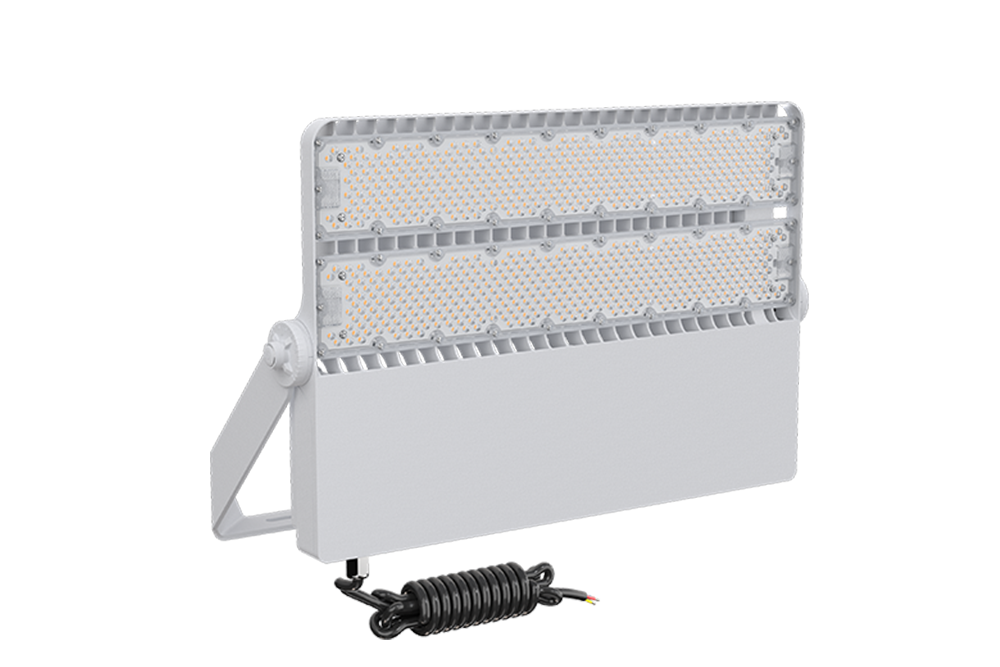
are flood lights waterproof?
0Many outdoor flood lights resist rain and water exposure, but protection depends on the fixture’s IP rating, enclosure, connections, installation, and enviro...
View detailsSearch the whole station
People ask how many amps does led lights draw for a simple reason.
They’re trying to figure out whether their circuit can handle the load. Maybe it’s a workshop upgrade. Maybe a parking lot lighting project. Sometimes it’s just someone replacing old fixtures and wondering what the electrical panel will think about it.
The short answer?
Most LED lights draw surprisingly little current.
But the exact number depends on wattage and supply voltage. And that’s where the calculation begins.
To estimate how many amps LED lights draw, electricians usually start with the relationship defined by Ohm’s Law.
The formula is simple:
Amps = Watts ÷ Volts
That means the current draw depends on two things:
Let’s look at a few common examples.
If the same lights run on 240V power, the current is roughly cut in half because the voltage is higher.
This is why LED lighting rarely stresses electrical circuits the way older technologies did.
Now here’s something that doesn’t always show up in neat formulas.
During a warehouse retrofit a few years ago, we replaced rows of older high-pressure sodium fixtures with LED units. The spec sheet suggested each light would draw around 0.8 amps.
When we measured the current using a clamp meter, the readings were slightly higher.
Not by much. But still noticeable.
The explanation was the LED driver.
LED fixtures contain electronic drivers that convert AC power into the constant current required by LED chips. Those drivers introduce small efficiency losses and power factor effects. Because of that, the actual current draw can be a bit higher than the ideal math suggests.
Nothing unusual. Just real electronics behaving the way they do.
After working on enough lighting projects, certain patterns appear. Most LED Flood Light fall into these approximate ranges:
These numbers aren’t strict rules, but they are realistic working estimates electricians often rely on when planning circuits.
According to studies from the U.S. Department of Energy, LED lighting systems can reduce electricity consumption by 50–75% compared with traditional lighting technologies. That efficiency is the reason the amp draw stays so low.
When someone searches how many amps does led lights draw, the real concern is usually circuit capacity.
Let’s say you’re working with a 15-amp circuit, which is very common in residential and small commercial buildings.
If each LED fixture draws around 0.8 amps, the circuit could theoretically power nearly 18 lights. In reality, electricians rarely push circuits to the maximum.
Safety margins matter.
Industry groups such as the National Electrical Manufacturers Association emphasize responsible electrical design and proper load management in lighting systems.
So installers typically plan for fewer fixtures per circuit to ensure reliable operation.
More answers
At SEEKINGLED, we’ve seen a common pattern when customers upgrade their lighting systems.
They worry the new installation might require electrical upgrades. Larger panels. More circuits.
Then the LED system turns on for the first time.
And the electrical load drops.
LED lights simply draw less current than most traditional lamps. Lower amp draw means cooler wiring, lower electricity bills, and more flexibility in circuit design.
So the honest answer to how many amps does led lights draw is this:
usually far less than people expect.
And once an entire building switches to LED lighting, the difference becomes obvious very quickly.

Many outdoor flood lights resist rain and water exposure, but protection depends on the fixture’s IP rating, enclosure, connections, installation, and enviro...
View details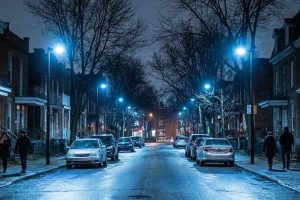
Why do LED street lights turn blue instead of white? Learn the real causes, safety concerns, and replacement advice from real street lighting experience.
View details
ATEX explosion proof lights engineered for Zone 1 and Zone 2 hazardous areas. Discover safer LED lighting with high efficiency and industrial durability.
View details
Do LED street lights cause cancer? This question comes up often. Here’s what actually matters, what doesn’t, and why modern street lighting is considered safe.
View details