 Seeking LED
What Is Portable Explosion Proof Lighting?
0Discover what portable explosion proof lighting is, where it is used, and why certified hazardous-area work lights are critical for safety and compliance.
View detailsSearch the whole station
No, indoor flood lights should not be installed outdoors unless the manufacturer specifically rates them for the intended exterior location. Outdoor exposure introduces rain, condensation, humidity, dust, and temperature changes that an indoor fixture may not be designed to withstand safely.
In most cases, no. The fact that a flood light uses LEDs does not make it suitable for outdoor installation.
The critical distinction is the fixture’s environmental rating, not whether the light source is LED. UL Solutions defines damp locations as areas that can experience condensation, including partially protected exterior locations. Wet locations are areas where water can drip, splash, or flow against electrical equipment. Only luminaires marked appropriately for those conditions should be installed there.
That matters in situations that look harmless at first. A flood light beneath a balcony may never receive direct rain, yet wind-driven moisture and overnight condensation can still reach the housing, driver, terminals, or cable entry.
For contractors and lighting buyers, the practical question is not simply “Will it turn on?” It is “Was this luminaire designed, tested, and approved for this environment?”
| Specification | Indoor Flood Light | Outdoor Flood Light |
|---|---|---|
| Intended location | Dry interior | Exterior or protected exterior |
| Moisture exposure | Limited | Designed for specified exposure |
| Condensation | Usually controlled | Must be considered |
| IP protection | Product dependent | Commonly specified |
| Temperature range | More controlled | Wider ambient variation |
| Housing protection | Indoor environment | Weather-resistant construction |
| Installation marking | Dry location | Damp/wet location as applicable |
| Outdoor certification | Not necessarily provided | Should match application and market |
UL Solutions states that line-voltage outdoor luminaires are evaluated under UL 1598, including applicable wet-location requirements. Outdoor products may also be assessed to EN 60529 for ingress protection against moisture and dust.
The first few hours may tell you almost nothing.
An indoor flood light installed outside might illuminate normally for weeks. Then comes a humid night, a temperature drop, or wind-driven rain. Moisture can enter through an enclosure seam or cable connection and create problems that are not visible from the ground.
Typical symptoms include:
The driver deserves particular attention. A fixture can have a sealed-looking front lens while the rear electrical compartment remains poorly protected.
UL Solutions specifically identifies environmental testing for high humidity, moisture, rain, temperature, IP and IK performance as part of lighting performance evaluation.
This is one reason experienced lighting specification starts with the complete luminaire—not simply the LED chip or advertised wattage.
Not necessarily.
The IP Code is defined by IEC 60529 and classifies the degree of protection provided by an electrical enclosure. The standard covers protection against the ingress of solids and water.
An IP rating is useful when comparing products, but it should be considered together with the fixture’s certification, installation marking, operating temperature, wiring method, and manufacturer’s instructions.
For example:
The number itself does not automatically mean a fixture is approved for every outdoor installation.
A product marketed online as “waterproof” is therefore not automatically equivalent to a professionally certified outdoor luminaire.
Look for specific documentation rather than relying on general advertising language.
For North American projects, UL 1598 is particularly relevant for fixed line-voltage luminaires. UL Solutions states that the fifth edition of UL 1598 is the current edition used for certification.
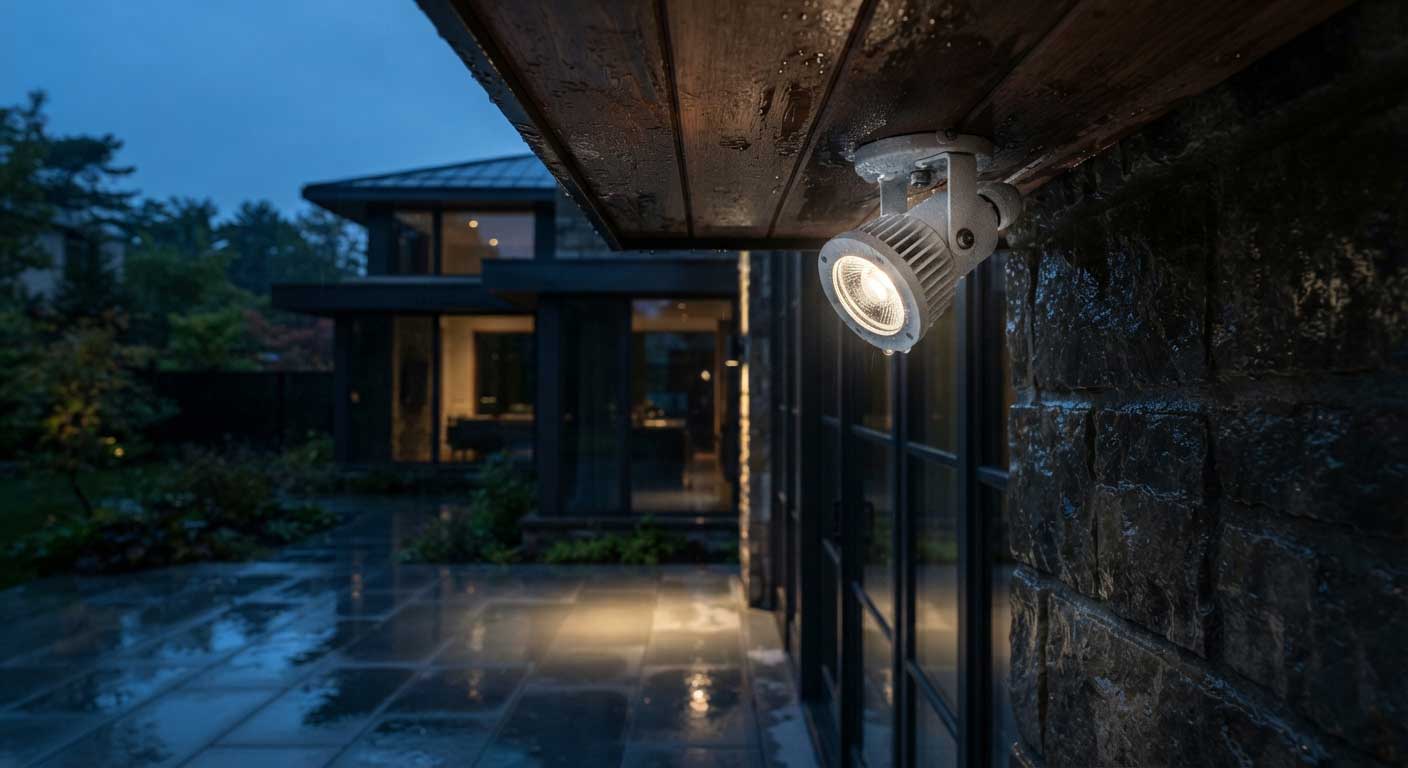
Sometimes a protected location can have less environmental exposure, but being under a roof does not automatically make it an indoor installation.
A covered porch, loading dock, balcony, garage entrance, or building overhang can still be classified as a damp or wet environment depending on its construction and exposure.
UL’s environmental-location guidance specifically includes partially protected exterior locations within its definition of damp locations.
Consider a commercial entrance with a 1.5-meter canopy. During a storm, rain may not fall vertically onto the fixture, but wind can drive water onto its rear housing. In winter, condensation can form after the fixture cools overnight. The installation conditions—not the roof alone—determine the appropriate luminaire.
For a professional project, check these specifications before installation:
Confirm whether the fixture is approved for dry, damp, or wet locations. Do not infer the rating from the fixture’s appearance.
Use the IP rating as part of the environmental assessment. IEC 60529 provides the formal framework for IP enclosure classification.
Exterior fixtures may experience significant seasonal and daily temperature variation. Confirm the manufacturer’s stated operating range.
The housing is only one part of the installation. Cable glands, connectors, junction boxes, and driver compartments also need appropriate protection.
A wall-mounted architectural flood light, parking-area flood light, sports-lighting fixture, and landscape luminaire can have very different environmental and photometric requirements.
DOE’s exterior-lighting purchasing guidance, for example, treats floodlight luminaires as a specific product category and gives a federal benchmark of at least 118 lm/W LER for covered floodlight purchases. That figure is an efficiency procurement benchmark, not an outdoor-safety rating.
Only when the manufacturer specifically approves the fixture for that environmental condition. A covered location can still experience condensation and wind-driven moisture.
It may operate initially, but moisture, condensation, dust, temperature cycling, and unsuitable electrical connections can reduce reliability or create safety problems.
An IP65 rating describes enclosure protection, but it does not by itself establish that the complete luminaire is certified or approved for every outdoor application.
There is no single rating suitable for every installation. The required protection depends on exposure to rain, dust, water jets, condensation, and the specific installation environment.
Some are designed and tested for wet locations or specified levels of water ingress protection. Check the actual product certification, IP rating, and manufacturer documentation rather than relying on the word “waterproof.”
A completely dry enclosed garage can have different requirements from an exposed exterior. Check the fixture’s location marking and the actual humidity and moisture conditions before installation.
So, can indoor flood lights be used outside? Generally, they should not be unless their documentation specifically permits the intended exterior environment. For a reliable installation, verify location rating, IP protection, certification, operating temperature, wiring, and mounting requirements before choosing the fixture. SEEKINGLED recommends treating environmental suitability as a core specification, not an afterthought.
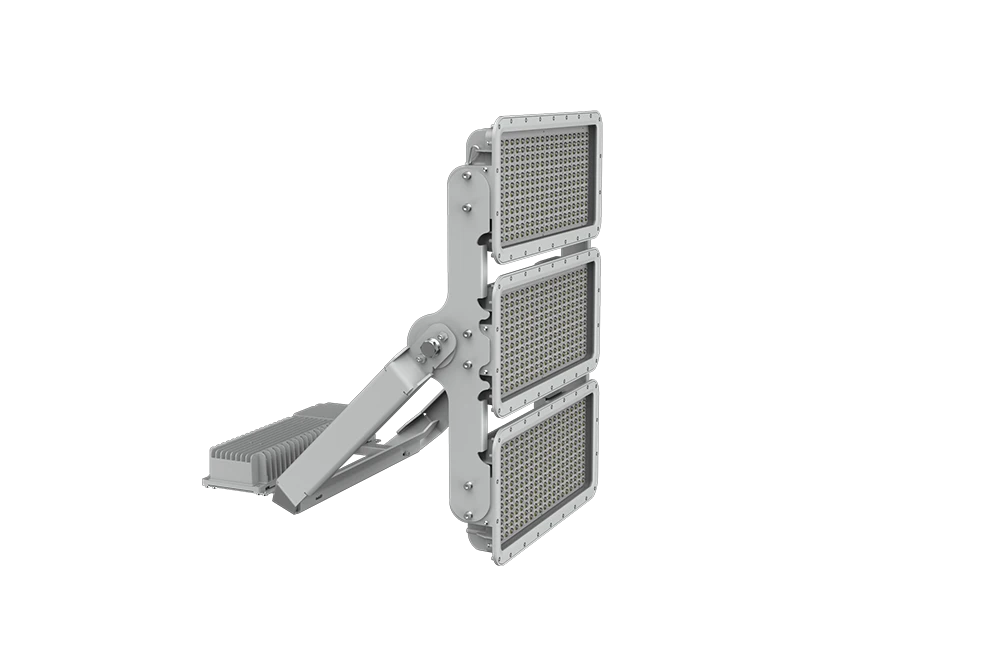
Sports Stadium LED Lighting by SEEKINGLED delivers high mast illumination, precise beam control, and EN 12193 compliant performance for professional venues.
View details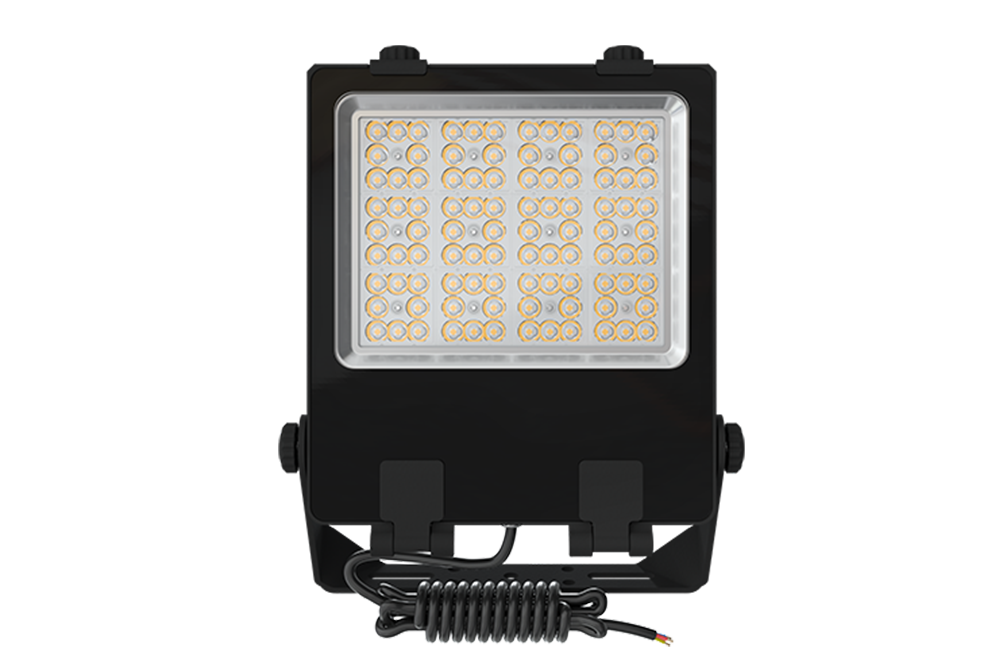
SEEKING FLX Series LED flood light outdoor for sports courts and open-area projects with 170lm/W efficiency, IP66 protection and multiple beam distributions. Designed for long-life commercial and public outdoor use.
View details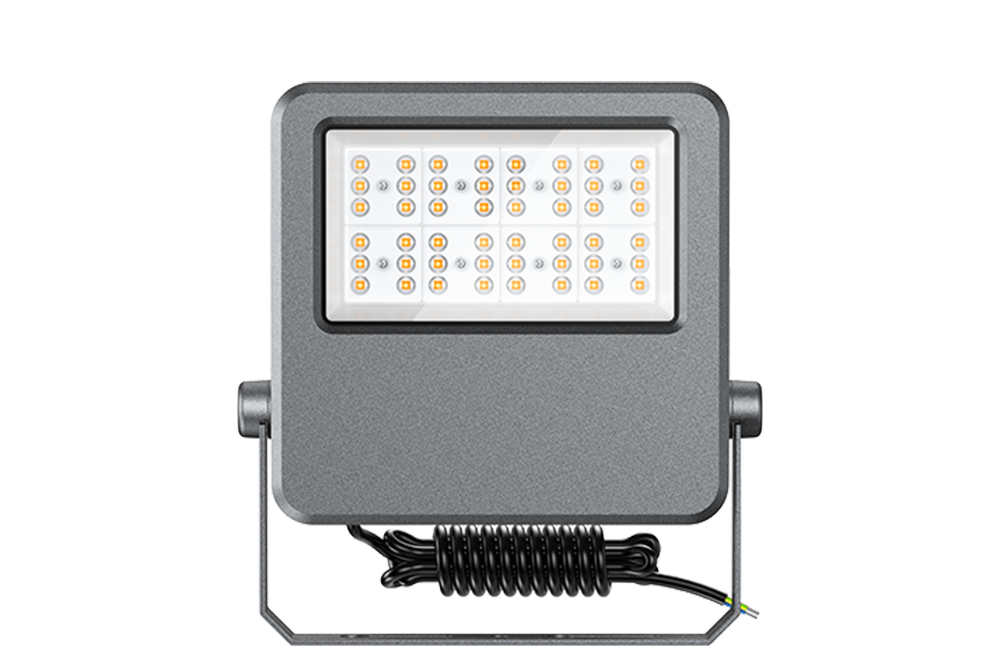
SEEKING FLE Series LED outdoor flood lights for sports grounds and open areas with multiple beam angles, IP66 protection and up to 170lm/W. Designed for long-life outdoor installations with professional driver options.
View details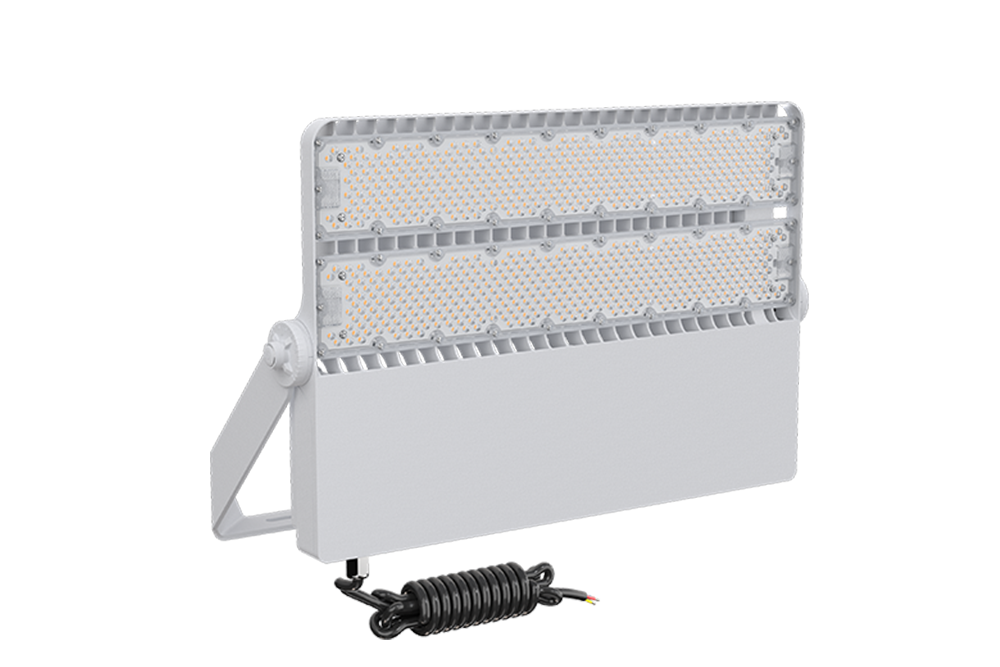
SEEKING FLD Series outdoor LED flood lights and high power led flood light deliver up to 960W with precision beam angles for sports fields, stadiums and large outdoor areas. IK08 & IP66 protection, 170lm/W efficiency and 100,000h lifetime.
View details
Discover what portable explosion proof lighting is, where it is used, and why certified hazardous-area work lights are critical for safety and compliance.
View details
What is high CRI LED high bay lighting? Learn what CRI means, when high CRI matters in industrial spaces, and how to choose the right LED high bay.
View details
Hazardous Area Working Lights designed for explosive environments. SEEKINGLED delivers durable, ATEX-ready industrial lighting solutions for oil, gas, and chemical sites.
View details
Find how many lumens for backyard flood light you need. Learn ideal brightness levels, placement tips, and professional lighting advice from SEEKINGLED experts.
View details