 Seeking LED
Explosion-Proof Light Fixtures for Hazardous Industrial Applications
0Discover explosion-proof light fixtures engineered for hazardous locations. Learn ATEX ratings, certifications, industrial safety standards, and LED performance.
View detailsSearch the whole station
How long do LED ATEX fixtures last?
LED ATEX fixtures typically last between 50,000 and 100,000 operating hours when installed correctly in hazardous environments. In real oil, gas, chemical, and offshore facilities, high-quality ATEX LED fixtures often operate for 10–15 years before lumen depreciation or driver failure requires replacement.
That short answer sounds simple. The reality in the field is not.
I’ve inspected hazardous-area lighting systems in marine terminals where one fixture survived eight years of salt spray and vibration, while another low-grade unit failed within fourteen months because the driver overheated inside a poorly designed enclosure. In ATEX environments, lifespan is never only about the LED chips. Thermal control, sealing, certification quality, and installation conditions decide whether a fixture truly reaches its rated service life.
Unlike ordinary warehouse lights, ATEX fixtures operate inside environments where explosive gas, vapor, dust, humidity, chemicals, and extreme temperatures constantly stress the luminaire.
A certified explosion-proof fixture is engineered to contain ignition sources while maintaining safe operating temperatures. That additional protection changes how heat moves inside the housing — and heat is the enemy of LEDs.
According to the U.S. Department of Energy, LED luminaires can maintain useful light output far longer than traditional HID or fluorescent systems when thermal management is properly controlled. U.S. Department of Energy LED Basics
In most industrial ATEX fixtures, the actual LED package can continue operating well beyond 100,000 hours. The more common weak points are:
Inside hazardous locations, especially Zone 1 chemical plants, I’ve seen driver temperatures exceed 85°C during summer shutdown cycles. Once electrolytic capacitors inside the driver begin drying out, failure accelerates quickly.
That is why premium ATEX fixtures use:
Not every facility gets the same lifespan.
There is a massive difference between an ATEX floodlight mounted on a refinery tower and one installed under a sheltered pharmaceutical loading bay.
Here’s what field conditions usually look like.
| Environment | Expected Fixture Life |
|---|---|
| Indoor chemical plant | 8–12 years |
| Offshore platform | 5–8 years |
| Marine dock facility | 6–10 years |
| Dust-heavy grain facility | 7–12 years |
| Oil refinery tower | 8–15 years |
In offshore installations, salt corrosion becomes the dominant failure factor long before the LEDs themselves degrade.
The International Energy Agency (IEA) has repeatedly noted that LEDs dramatically reduce maintenance frequency compared with legacy industrial lighting systems, especially in hard-to-access industrial infrastructure. International Energy Agency Lighting Report
Before LEDs became dominant, hazardous facilities relied heavily on:
Those systems generated far more heat and required frequent lamp replacement.
I still remember maintenance crews carrying replacement HID lamps up refinery structures every few months. One failed ballast could mean shutting down an access platform temporarily. The labor cost was often higher than the lamp itself.
Modern LED ATEX fixtures changed that equation.
LED systems convert more energy into usable light instead of waste heat.
According to the U.S. Energy Information Administration, LEDs consume substantially less electricity while offering significantly longer operational life than incandescent and HID technologies. U.S. Energy Information Administration Lighting Efficiency Data
For hazardous environments, lower heat output provides two major advantages:
That second point matters enormously in Zone 1 and Zone 21 applications.
This is where specification mistakes become expensive.
I’ve seen facilities buy low-cost “ATEX-style” lights online that technically carried markings but lacked proper long-term thermal durability. On paper, they claimed 50,000 hours. In practice, condensation destroyed the drivers in under two years.
If heat cannot escape the enclosure efficiently, driver lifespan drops rapidly.
Some floodlights rely on airflow orientation. Mounting them upside down can trap heat.
Acidic vapor exposure slowly damages seals and aluminum housings.
Unstable industrial power systems can destroy LED drivers unexpectedly.
Moisture intrusion remains one of the most overlooked causes of failure.
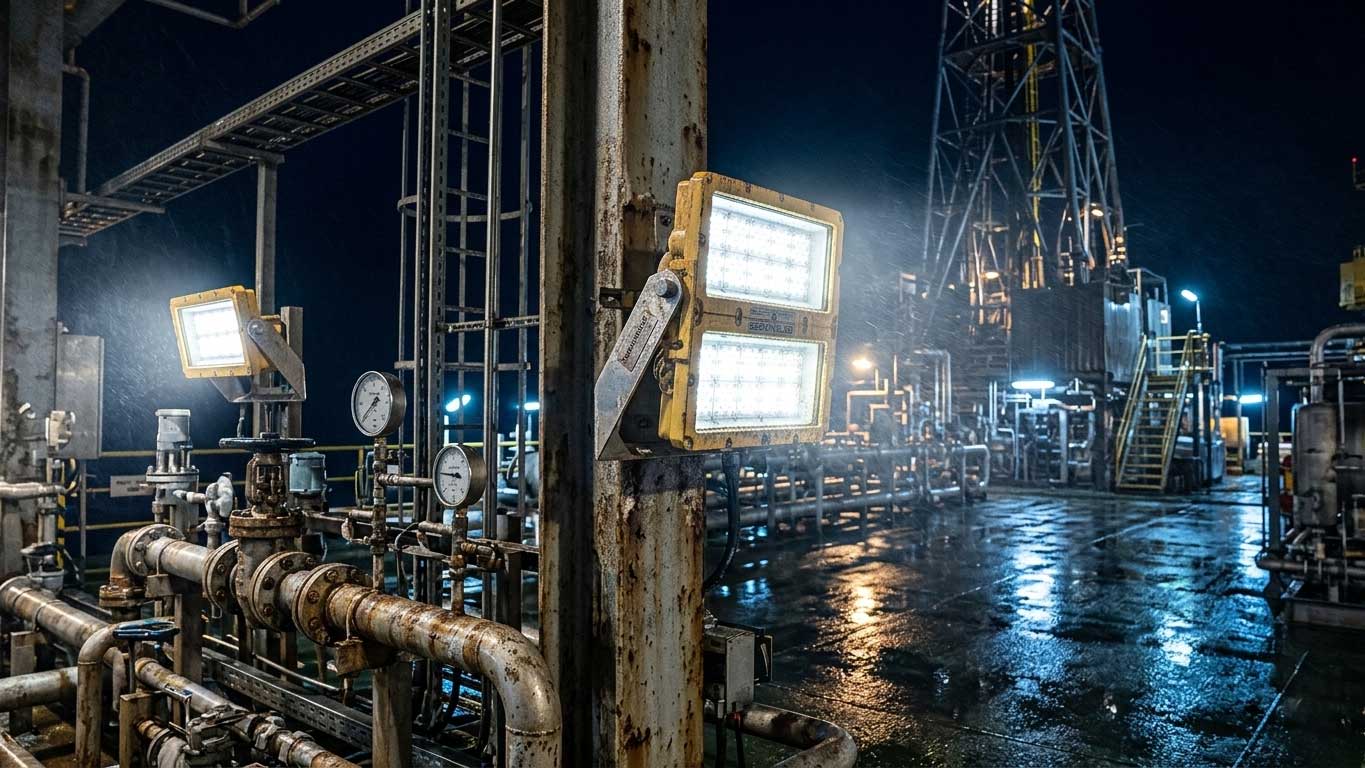
Facilities that consistently achieve 10+ year service life usually follow strict maintenance practices.
Not complicated. Just disciplined.
One refinery engineer told me something years ago that stayed with me:
“The fixture usually dies from the environment around it, not from the LED itself.”
That matches what I’ve seen repeatedly in the field.
ATEX LED fixtures usually do not fail suddenly. Instead, brightness gradually decreases.
The industry commonly references the L70 standard, meaning the fixture still delivers 70% of its original light output at the rated lifespan.
| Operating Hours | Typical Light Output |
|---|---|
| 10,000 hours | 98–99% |
| 25,000 hours | 90–95% |
| 50,000 hours | 70–80% |
| 100,000 hours | 60–70% |
High-end industrial fixtures maintain brightness far more consistently because they operate cooler internally.
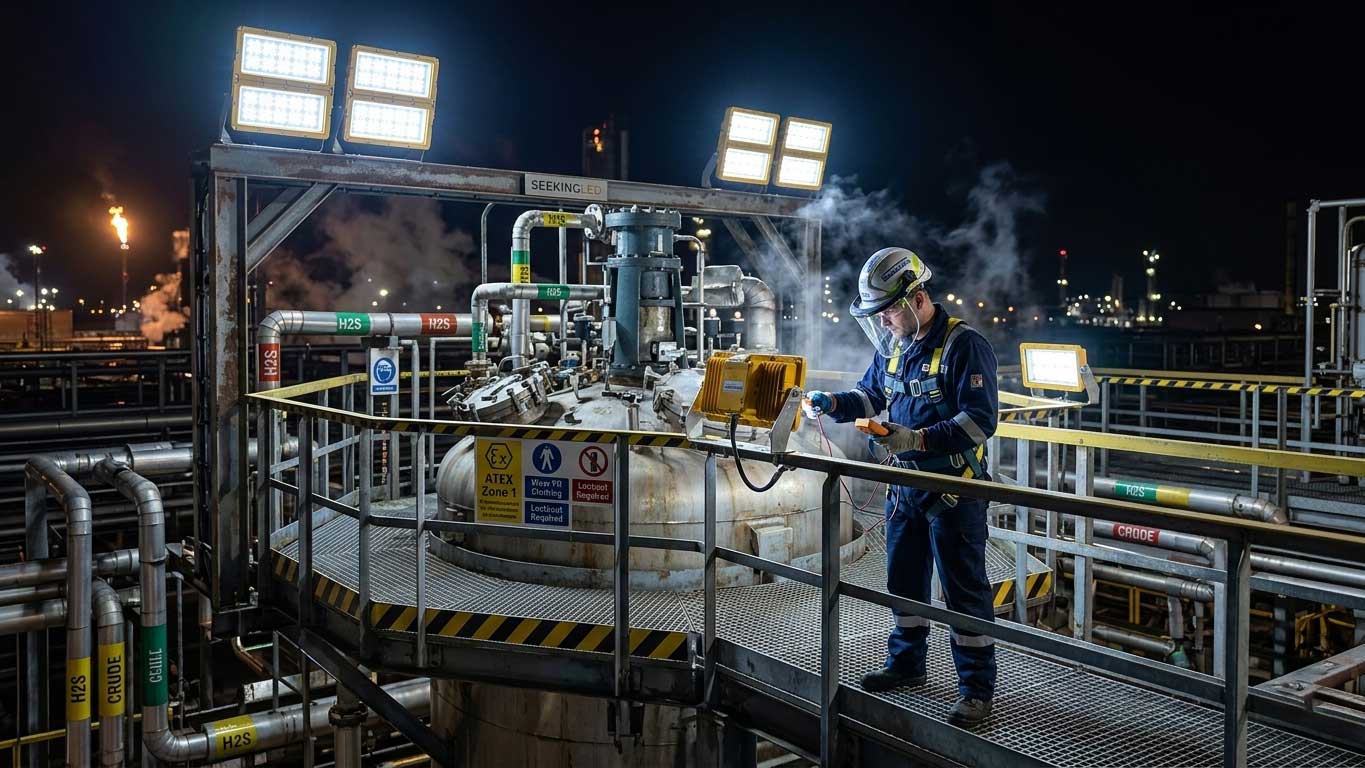
Usually, yes.
The purchase price is higher than standard industrial lighting, but maintenance savings are enormous in hazardous facilities where access is difficult or downtime is expensive.
In elevated hazardous locations:
That combination often offsets the higher fixture cost within several years.
Especially offshore.
Every maintenance trip offshore costs money far beyond the lamp itself.
Most quality LED ATEX fixtures last between 10 and 15 years in normal industrial operating conditions.
Yes. Like all LEDs, brightness gradually decreases due to lumen depreciation, typically reaching 70% output after 50,000+ hours.
The LED driver is usually the first component to fail, especially under excessive heat or unstable voltage conditions.
No. They require periodic cleaning, inspection, and seal checks to maintain safe hazardous-area operation.
So, how long do LED ATEX fixtures last in the real world?
In properly engineered hazardous lighting systems, a premium LED ATEX fixture can realistically operate for a decade or longer — sometimes much longer — if thermal design, sealing quality, and maintenance are handled correctly. The LED itself is rarely the limiting factor. Environment, heat, and driver quality decide the true lifespan.
For facilities operating in explosive atmospheres, long-term reliability is not just about maintenance savings. It is a safety decision.
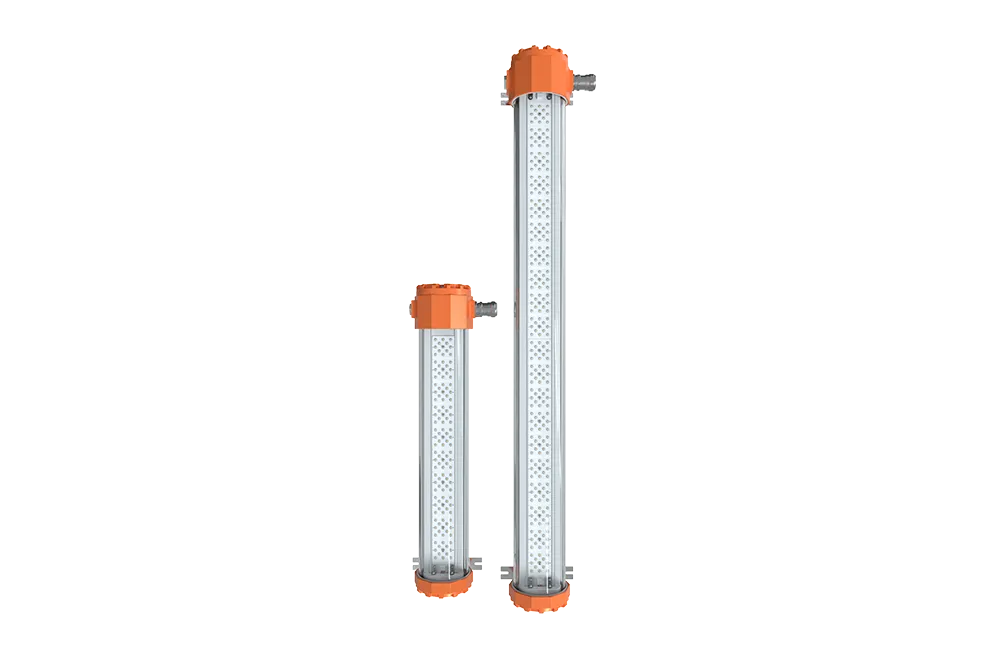
SEEKINGLED LED Linear Explosion Proof Light and Explosion Proof lighting is ATEX and IECEx certified for Zone 1, Zone 2, Zone 21 and Zone 22 hazardous locations, built for long-term industrial use.
View details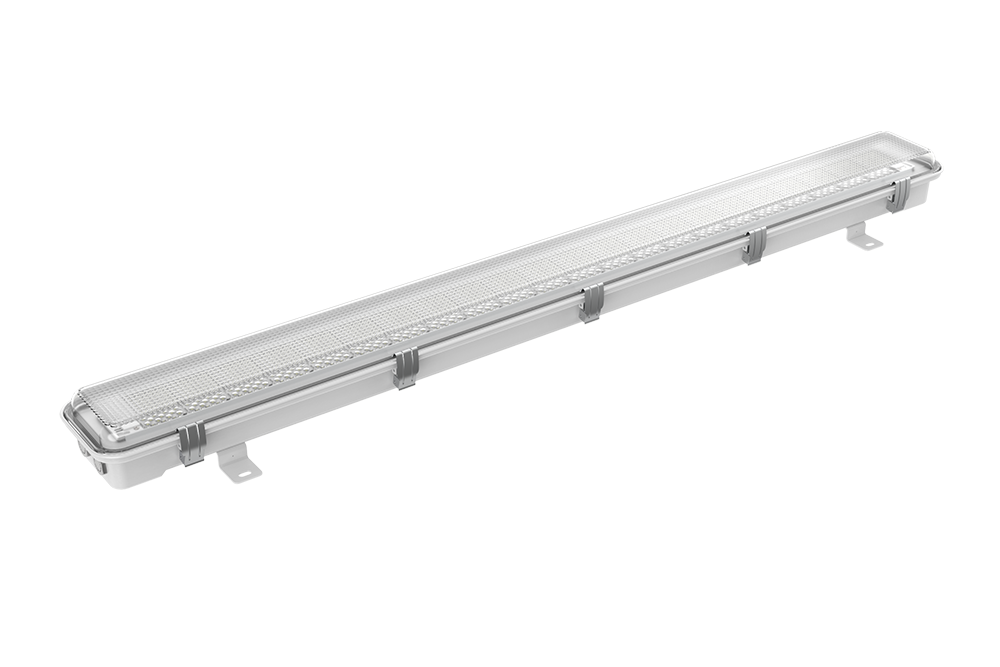
LED Linear Explosion Proof Lights and EX Proof lights for Zone 1, Zone 2, Zone 21 and Zone 22 hazardous areas. ATEX & IECEx certified explosion proof LED linear lighting with emergency function, adjustable power and IP67 protection by SEEKINGLED.
View details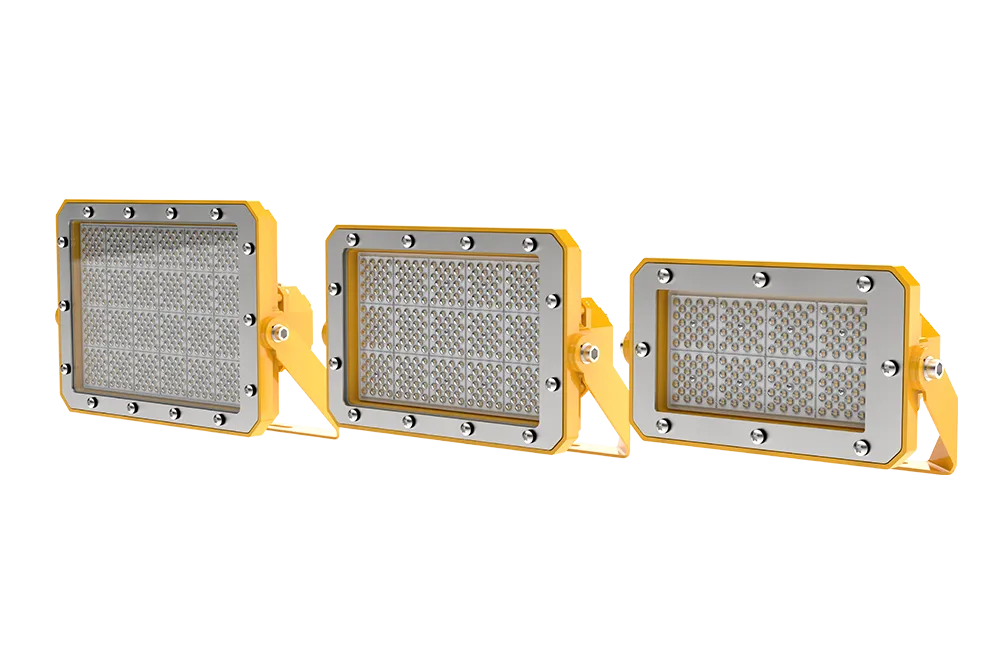
SEEKINGLED LED Explosion Proof Flood Lights are ATEX certified for Zone 2 and Zone 22 hazardous areas, offering high efficiency, adjustable power and integrated junction box.
View details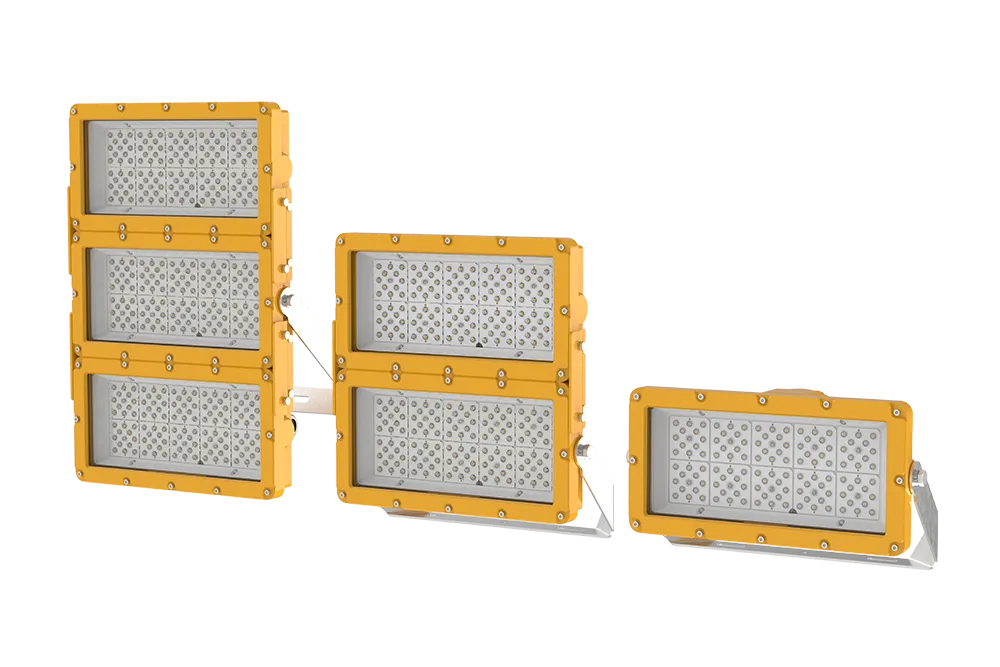
SEEKINGLED LED Explosion Proof Flood Lights are flameproof ATEX and IECEx certified for Zone 1 and Zone 2 hazardous areas, offering high power, adjustable output and long service life.
View details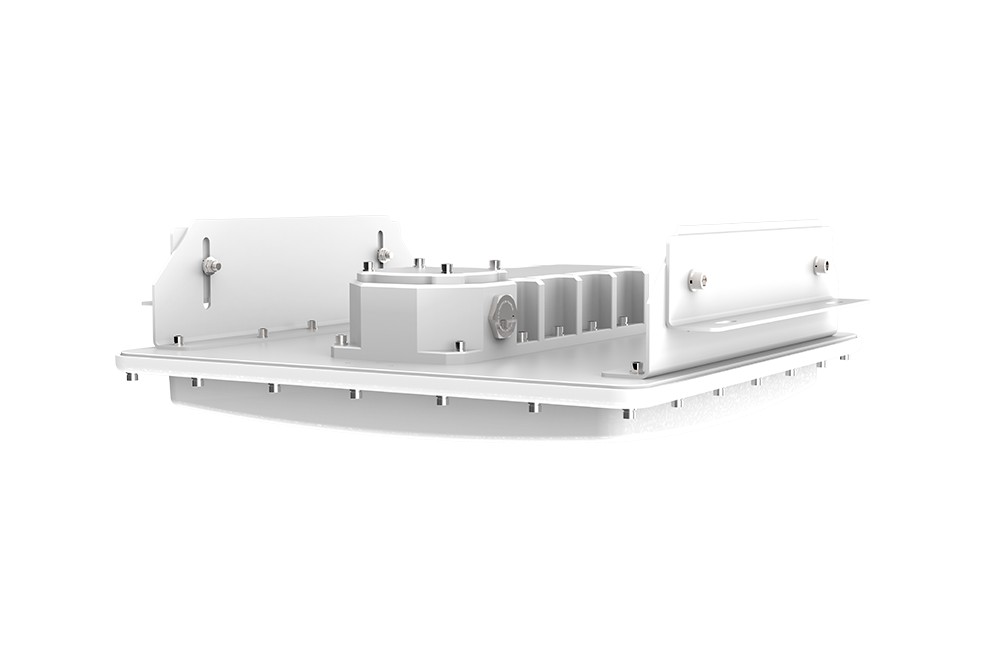
SEEKINGLED LED Gas Station Canopy Lights are ATEX certified for Zone 2 and Zone 22 hazardous areas, featuring adjustable power and built-in explosion-proof junction box.
View details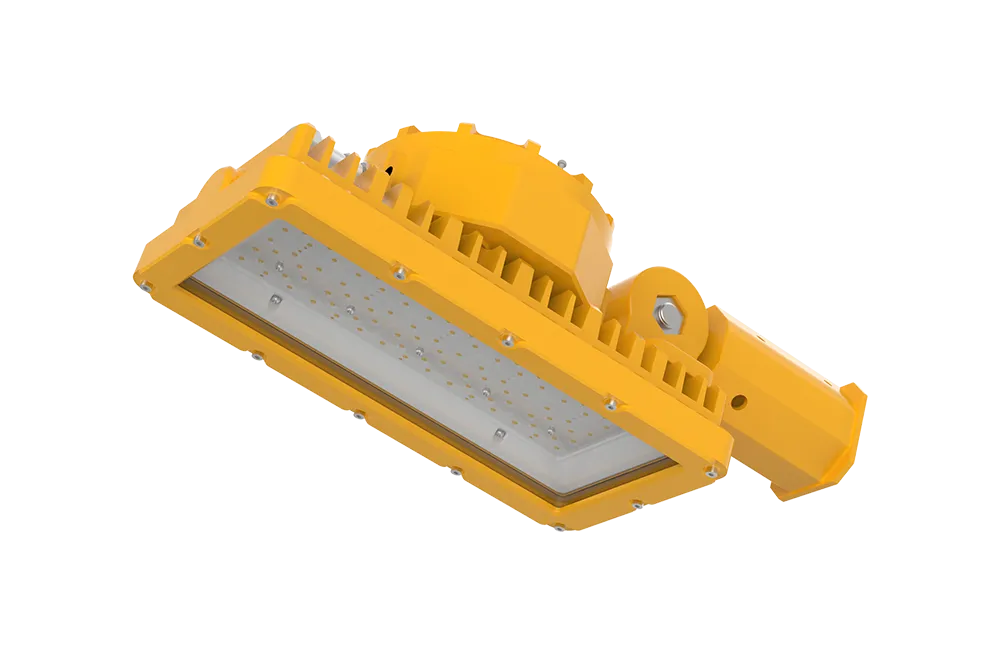
ATEX: Ex II 2G Ex db IIB T6/T5 GbEx II 2D Ex tb IIIC T80°C/ T95°C Db IECEx Ex db IIB T6 Gb;Ex tb IIIC T80°C Db Feature: ● For Zone 1,2 and Zone 21,22● Flameproof type, the strongest● 100W can replace 250W HID,energy saving● Power:60W,80W,100W Application: Oil and gas, marine, Chemical, pharmaceutical, semiconductor,mining,military industr…
View details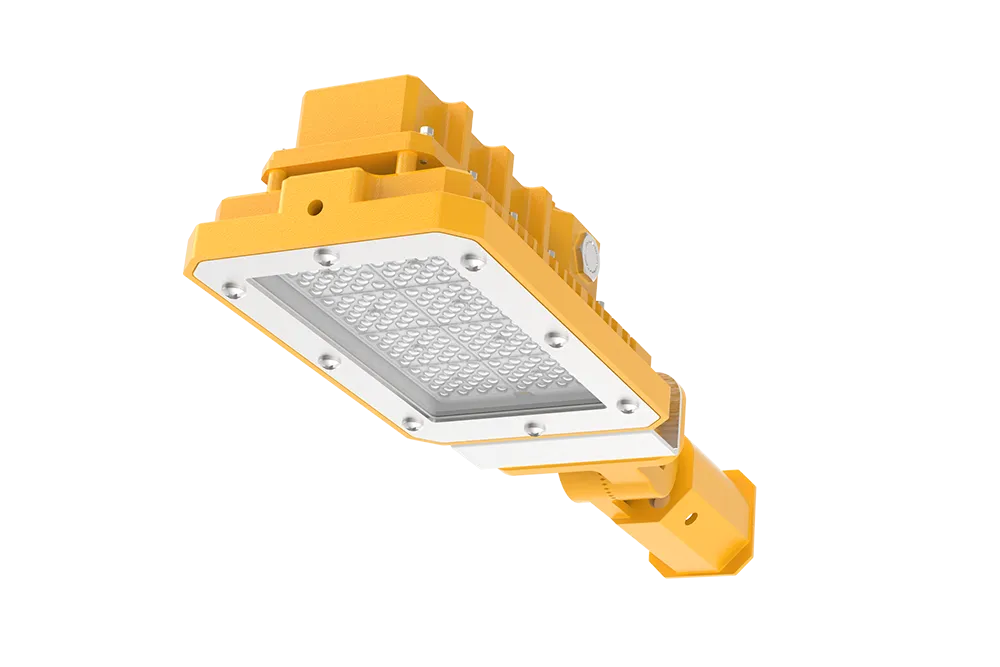
ATEX: II 3G Ex nR ⅡC T5/T6 GcII 3D Ex tc ⅢC T80℃/T95℃Dc ATEX Certificate NO: TÜV CY 26 ATEX 0207611 X Feature: ● For Zone 2 and Zone 22● 150W can replace 250W HID lamps,Energy saving● Power:50W,75W,100W,150W,200W Application: Oil and gas, marine, Chemical, pharmaceutical, semiconductor,mining,military industry, paint booth,power plant ETC…
View details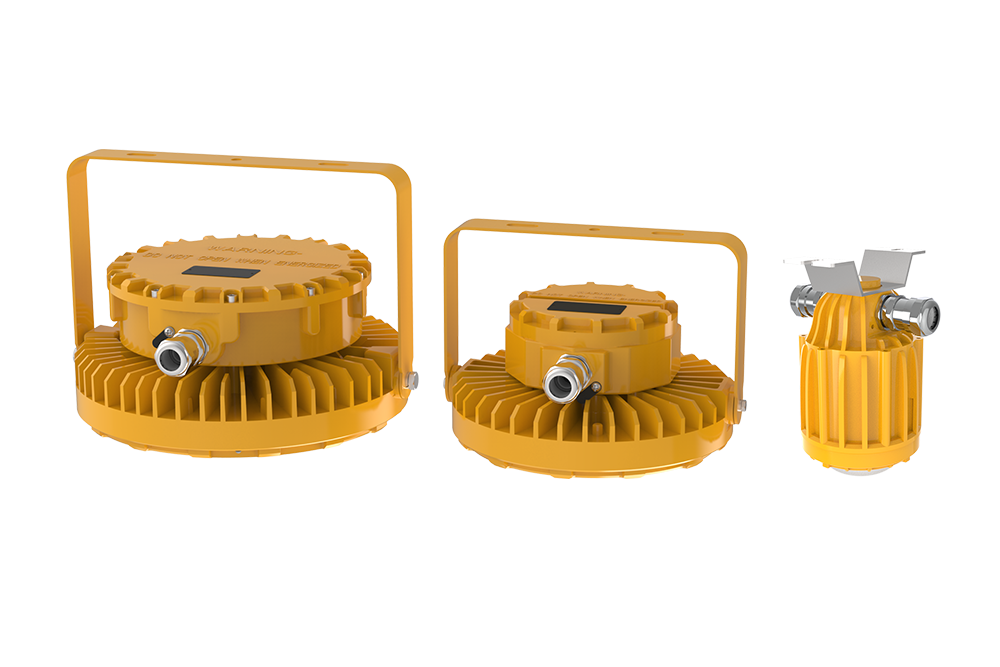
LED explosion proof high bay lights are designed for Zone 1, Zone 2, Zone 21 and Zone 22 hazardous areas. This page introduces the HB21 Series from SEEKING, including certifications, power options and real application considerations.
View details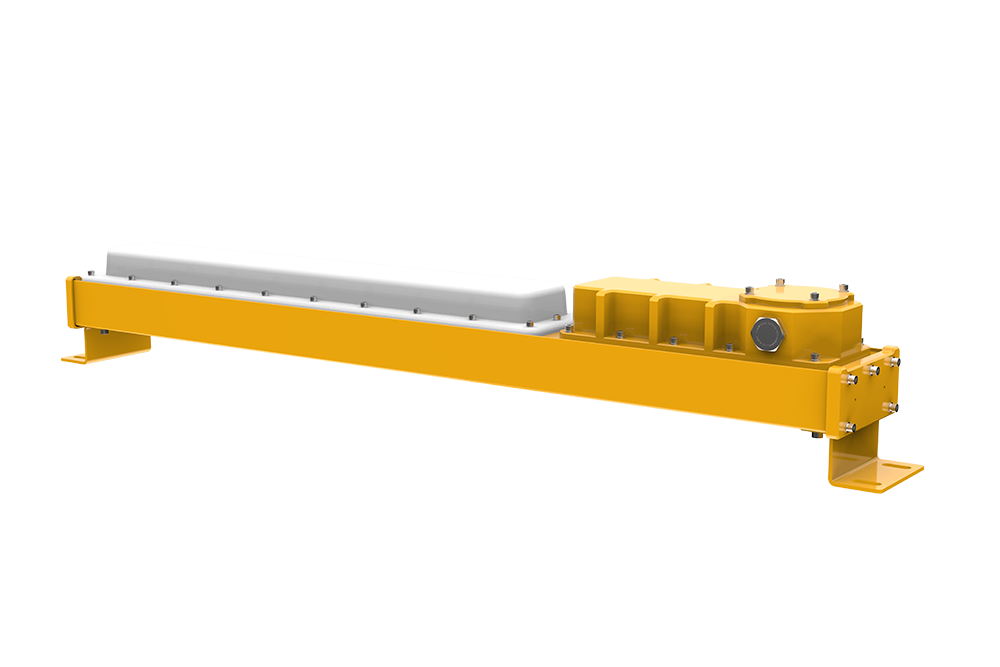
LED Linear Explosion Proof Lights from SEEKINGLED. LU Series Flame Proof lights ATEX-certified explosion proof LED linear lighting for Zone 2 gas and Zone 22 dust areas, IP69K, IK10, long lifetime and flexible power options.
View details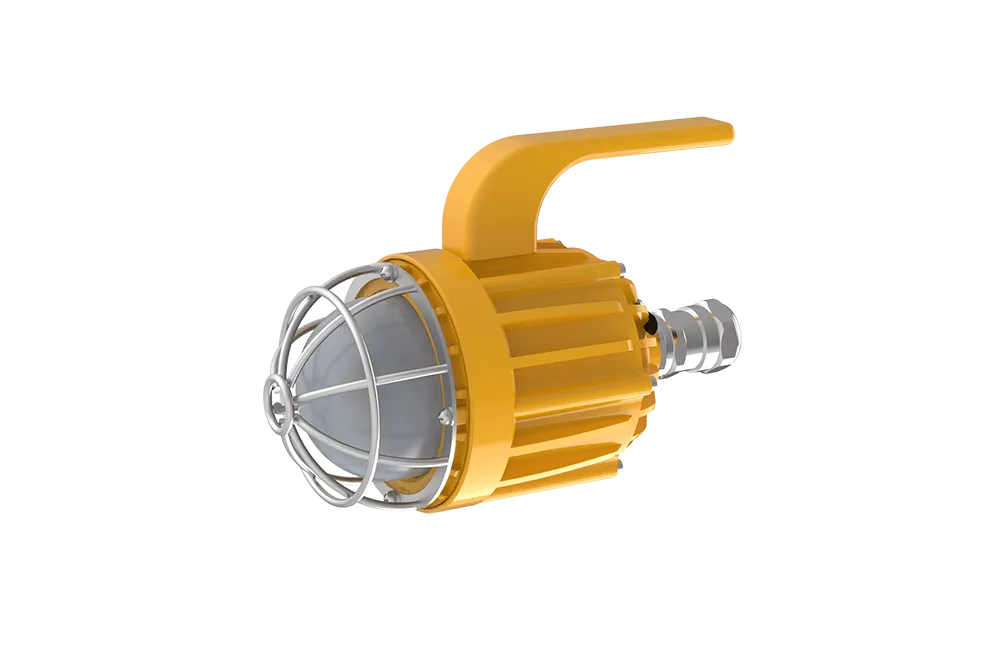
Certified explosion proof work lights for Zone 1 & 21 hazardous areas. Portable, ATEX & IECEx approved, built for oil, gas and chemical plants by SEEKINGLED.
View details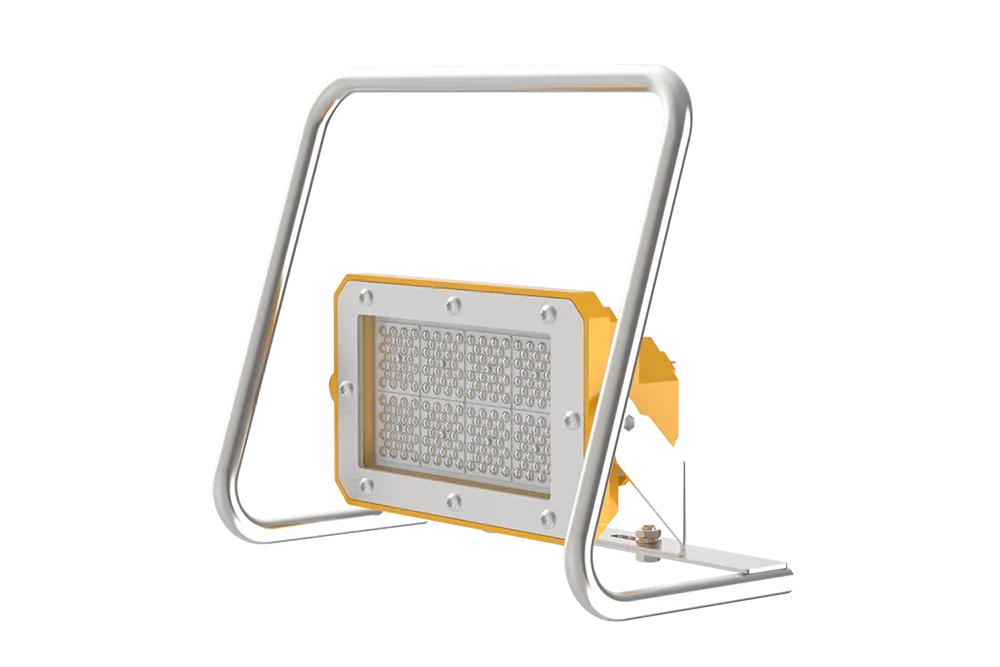
ATEX: II 3G Ex nR ⅡC T6 GcII 3D Ex tc ⅢC T80℃ Dc ATEX Certificate NO: TÜV CY 26 ATEX 0207611 X Feature: ● For Zone 2 and Zone 22● Accepts battery-powered supply● indestructible● Power:AC input:50W,75W,100WDC input:15W,25W,35W Application: Oil and gas, marine, Chemical, pharmaceutical, semiconductor,mining,military industry, paint booth,po…
View details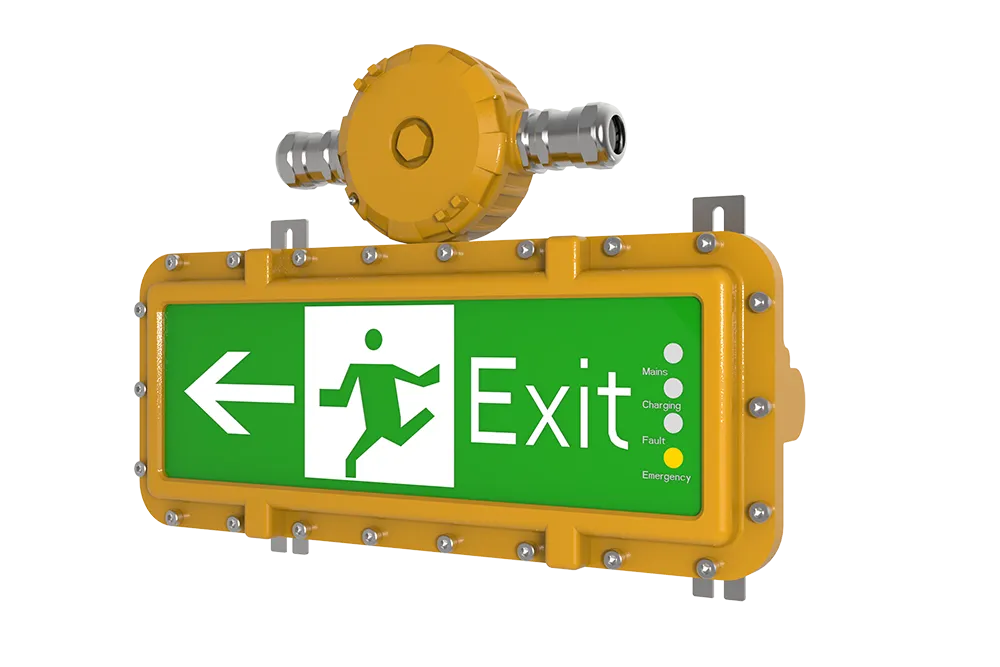
ATEX: Ex II 2G Ex db IIB T6 GbEx II 2D Ex tb IIIC T80°C Db IECEx Ex db IIB T6 Gb;Ex tb IIIC T80°C Db Feature: ● For Zone 1,2 and Zone 21,22● Flameproof type, the strongest Application: Oil and gas, marine, Chemical, pharmaceutical, semiconductor,mining,military industry, paint booth,power plant ETC hazardous area. Technical Specifications:…
View details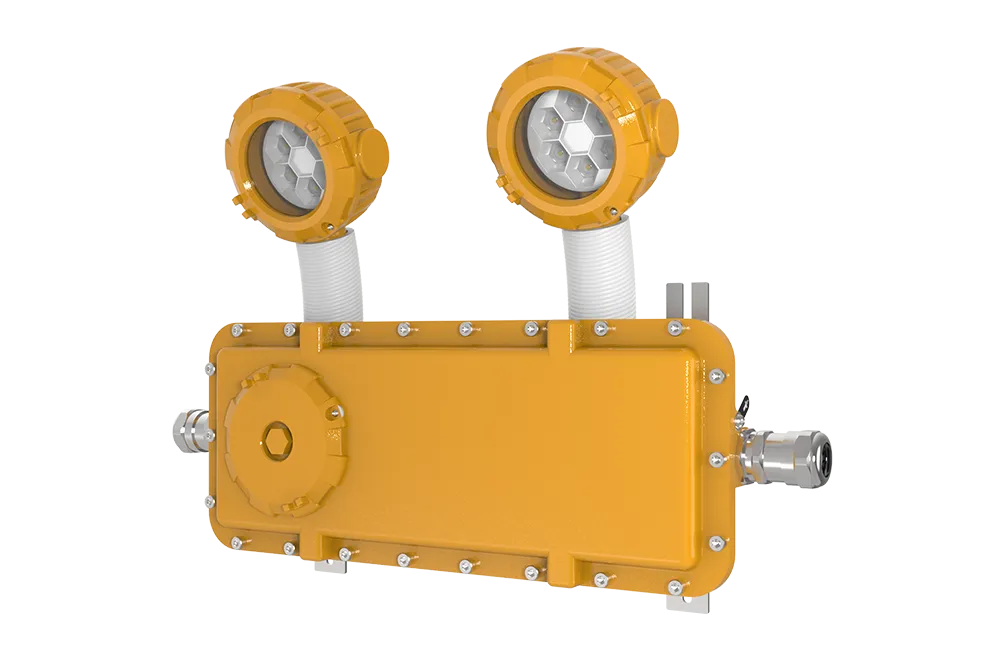
ATEX: Ex II 2G Ex db IIB T6 GbEx II 2D Ex tb IIIC T80°C Db IECEx Ex db IIB T6 Gb;Ex tb IIIC T80°C Db Feature: ● For Zone 1,2 and Zone 21,22● Flameproof type, the strongest Application: Oil and gas, marine, Chemical, pharmaceutical, semiconductor,mining,military industry, paint booth,power plant ETC hazardous area. Technical Specifications:…
View details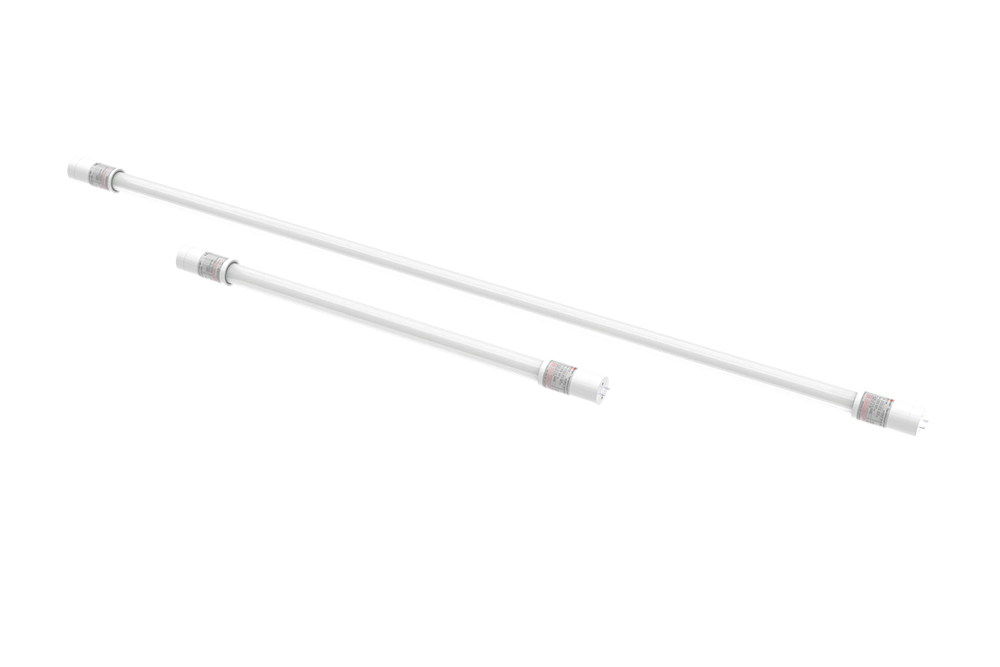
ATEX: Ex II 2G Ex d e IIB T6 Gb ATEX: Ex d e IIB T6 Gb; Feature: ● For Zone 1,2● 9W can replace 18W fluorescent lamps,50% Energy saving Application: Oil and gas, marine, Chemical, pharmaceutical, semiconductor,mining,military industry, paint booth,power plant ETC hazardous area. Technical Specifications: Standards:60079-0, 60079-1, 60079…
View details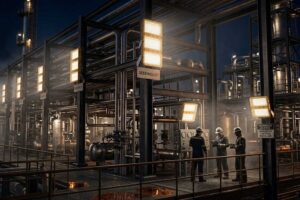
Discover explosion-proof light fixtures engineered for hazardous locations. Learn ATEX ratings, certifications, industrial safety standards, and LED performance.
View details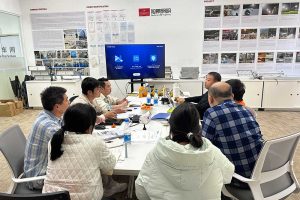
SEEKINGLED Shenzhen factory welcomed CSA Group for a QAR/QAN quality system audit covering Zone 1 flameproof explosion-proof luminaires, conducted in accordance with IEC 60079 standards.
View details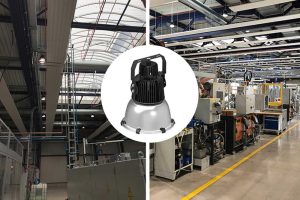
High Bay Lighting for Automotive Factory projects require stable illumination and long-term reliability. This case records the on-site use of SEEKINGLED XJ-HBS High Bay lights in a Porsche factory in Germany.
View details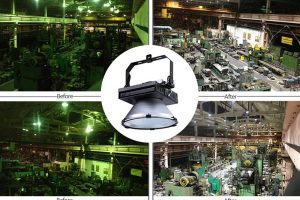
600W Metal Halide Replacement with LED High Bay requires careful balance between safety, output, and energy use. This case records how SEEKINGLED applied XJ-HBL150W to upgrade lighting conditions in a German workshop.
View details