 Seeking LED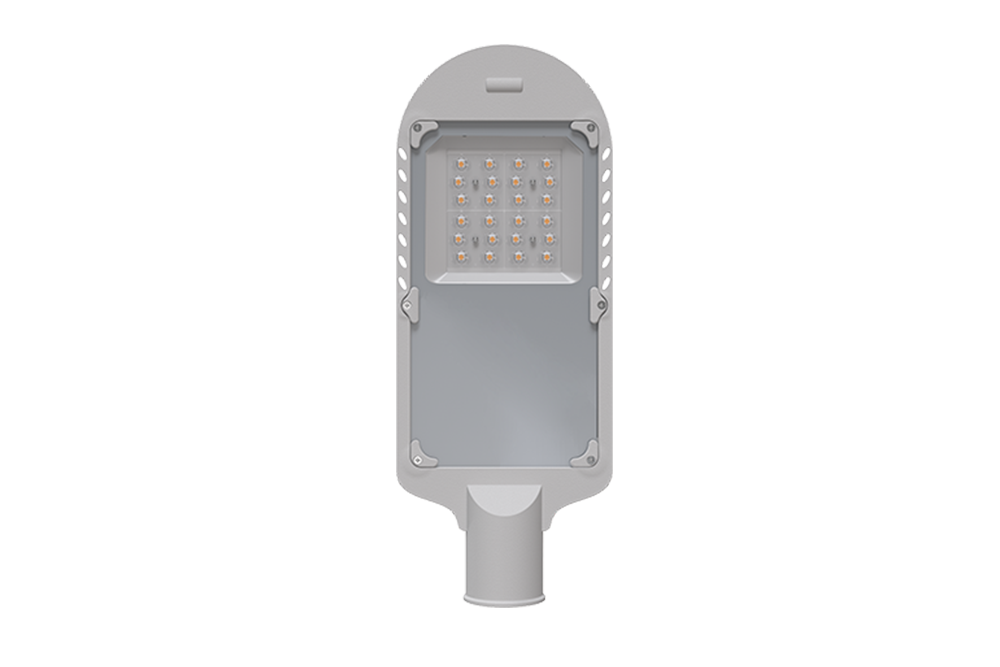
200w led flood light: balanced power and efficiency for outdoor lighting
42200w led flood light delivers powerful illumination with lower energy use, ideal for industrial yards, parking lots, and outdoor security lighting.
View detailsSearch the whole station
When people search for a 100 watt LED street light, they usually aren’t looking for a spec sheet. They’re trying to solve a practical problem: how to light a road, parking area, or access route reliably—without overspending on energy or maintenance.
I’ve been working with outdoor LED lighting systems for more than a decade, mostly on municipal roads, logistics parks, and commercial developments across Europe and Southeast Asia. Over that time, the 100W power class has quietly become one of the most versatile options on the market. When designed properly, it can replace traditional 250W HPS fixtures while delivering better uniformity, lower glare, and far lower operating costs.
This article looks at the 100 watt LED street light from a real application perspective, using the SEEKINGLED STB Series as a reference.
In traditional road lighting design, power selection was often crude: more watts meant more light. LED technology changed that equation.
According to the U.S. Department of Energy (DOE), modern LED street luminaires routinely achieve system efficacies above 140 lm/W, with high-performance models exceeding 150–160 lm/W under real operating conditions. This allows a 100W LED fixture to deliver 16,000 lumens, which is sufficient for:
(Source: DOE Solid-State Lighting Program, Street Lighting Technology Factsheet)
In my experience, this output range aligns well with IES RP-8 road lighting recommendations for illuminance and uniformity on local and collector roads.
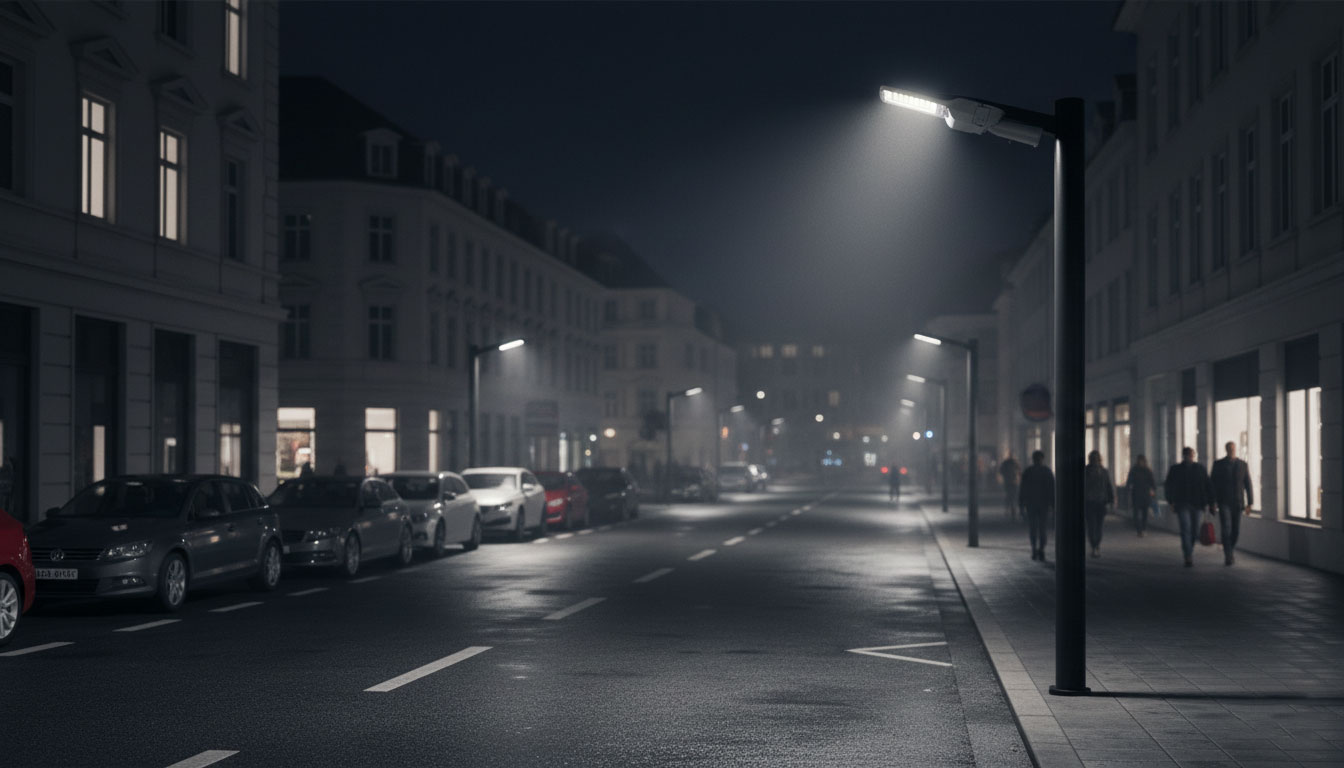
One mistake I often see is focusing only on lumen output. For street lighting, beam pattern is just as important.
The STB Series uses TPⅡ and TPⅢ optical distributions, which are commonly specified for roadway lighting in accordance with IESNA and CIE guidelines. In practice, this means:
On several logistics park projects I’ve worked on, switching from generic “wide beam” fixtures to proper TPⅢ distributions reduced fixture count by nearly 20% while maintaining the same average lux levels.
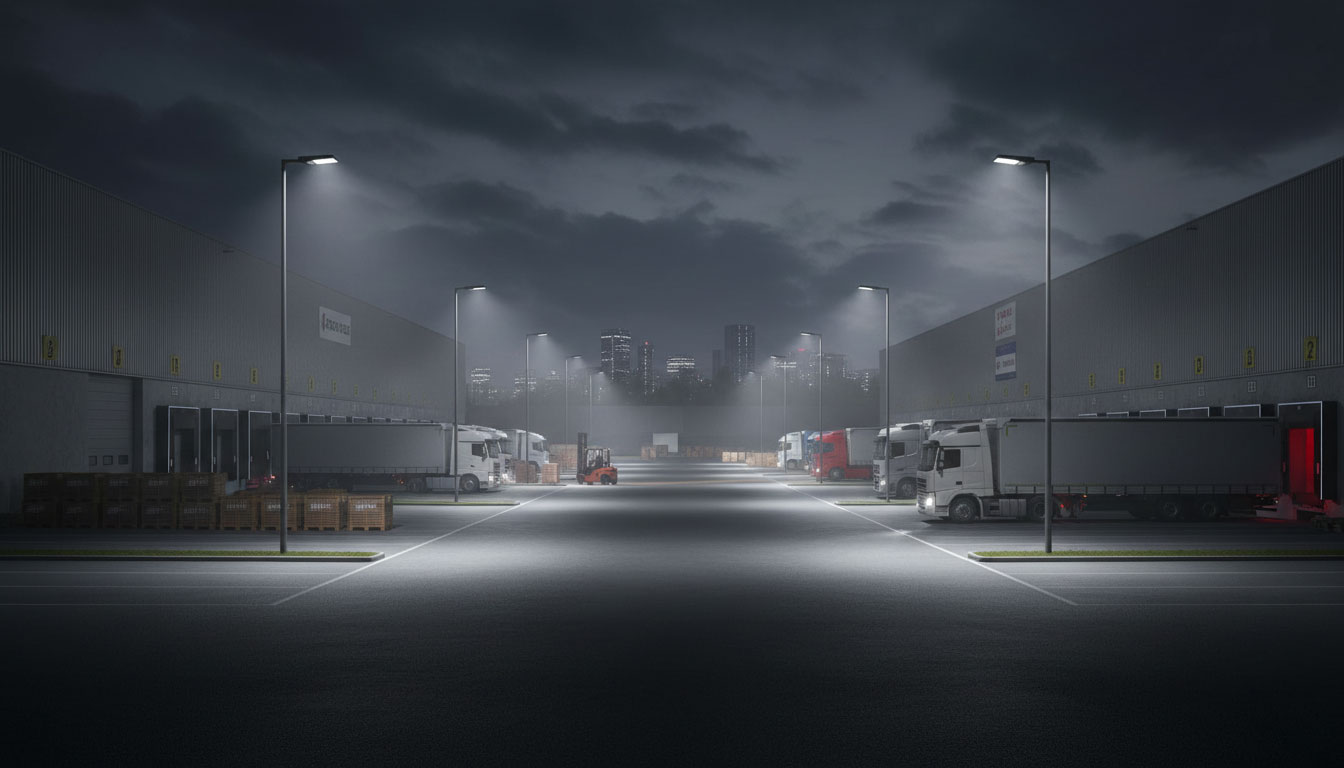
Outdoor lighting fails for predictable reasons: heat, moisture, power surges, and vibration.
This is where specifications like IP66, IK08, and 10 kV surge protection stop being marketing language and start being essential. According to IEC 61000-4-5, surge events caused by lightning or grid switching are a leading cause of LED driver failure in outdoor installations.
In coastal and industrial zones, I’ve seen luminaires without proper sealing fail in under two years. By contrast, fixtures using isolated drivers from established manufacturers like MOSO have shown far better survival rates in the field.
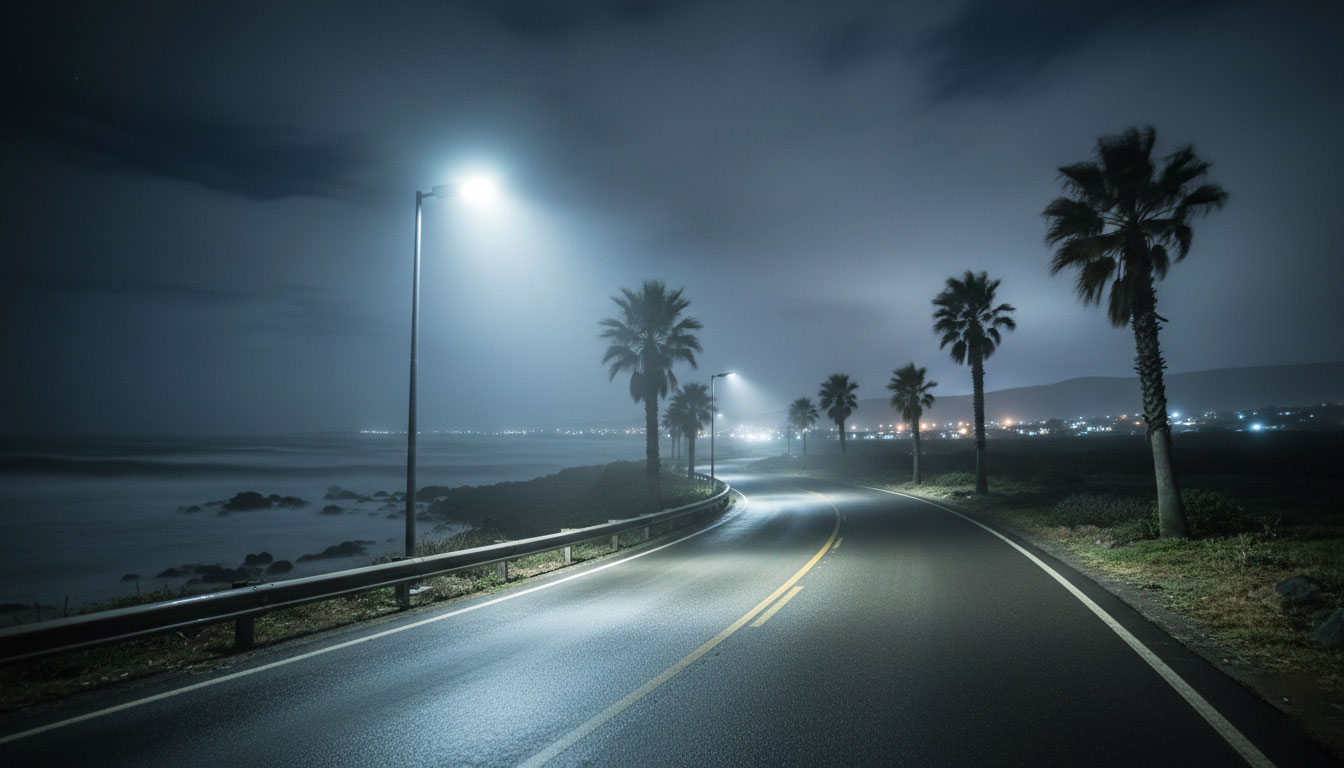
From a financial standpoint, replacing a 250W HPS fixture with a 100 watt LED street light typically reduces energy consumption by 55–65%, depending on ballast losses and operating hours.
Data from the International Energy Agency (IEA) shows that LED street lighting retrofits often achieve payback periods of 2–4 years, even before accounting for reduced maintenance.
In my own project audits, the real savings often come from maintenance reduction—fewer lamp replacements, fewer nighttime callouts, and longer service intervals.
The SEEKINGLED STB Series at 100W is best suited for:
If you’re lighting highways or wide arterial roads, you’ll likely need higher wattage. But for most everyday urban lighting tasks, 100W is more than enough when the optics and thermal design are done right.
The 100 watt LED street light isn’t exciting—but that’s exactly why it works. It’s predictable, efficient, and adaptable across many real-world scenarios.
After years of specifying, installing, and auditing outdoor lighting systems, I’ve learned that good street lighting is rarely about chasing the highest numbers. It’s about balance: light where you need it, reliability where you can’t afford failure, and efficiency that still makes sense ten years down the road.
That’s where a well-designed 100W fixture like the SEEKINGLED STB Series LED Street Light earns its place.
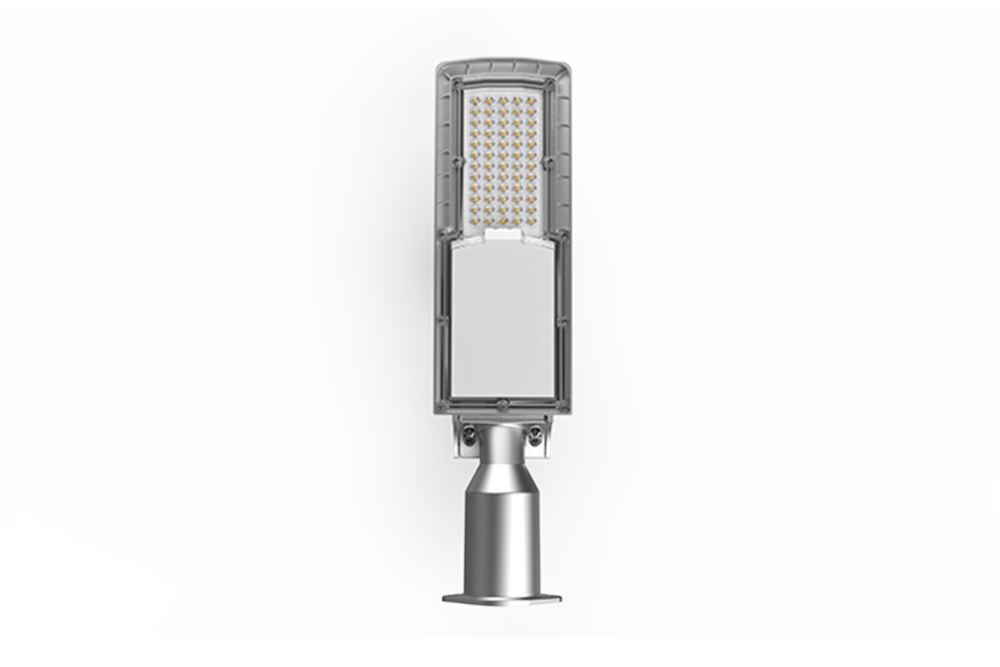
SEEKING STL-Series LED street lights deliver stable performance, 170 lm/W efficiency and 10KV surge protection. Ideal for city streets, parking lots, public roads and outdoor area lighting projects. Durable IP66 & IK08 design for long-term reliabi…
The SEEKING STC Series LED light street light delivers up to 170lm/W efficiency with MOSO drivers, IP66 protection, and a ±15° adjustable arm—ideal for roads, residential areas, and public lighting upgrades.
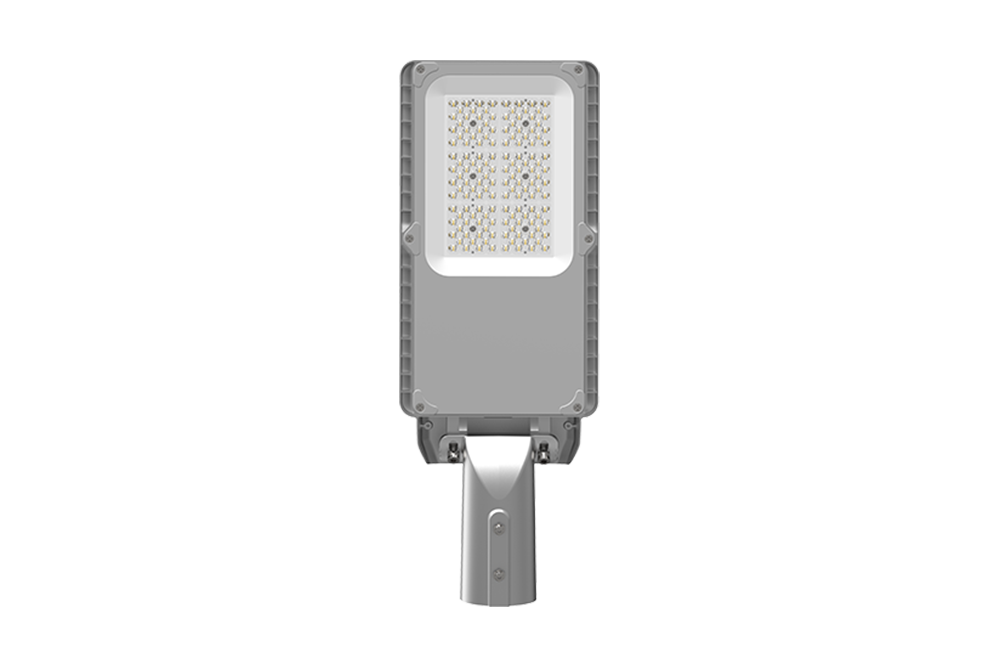
SEEKING STB Series LED street lighting delivers up to 160 lm/W, 10kV surge protection, IP66 waterproofing, and durable IK08 impact resistance. Ideal for streets, parking lots, and large outdoor areas needing long-lasting, energy-saving LED roadway…
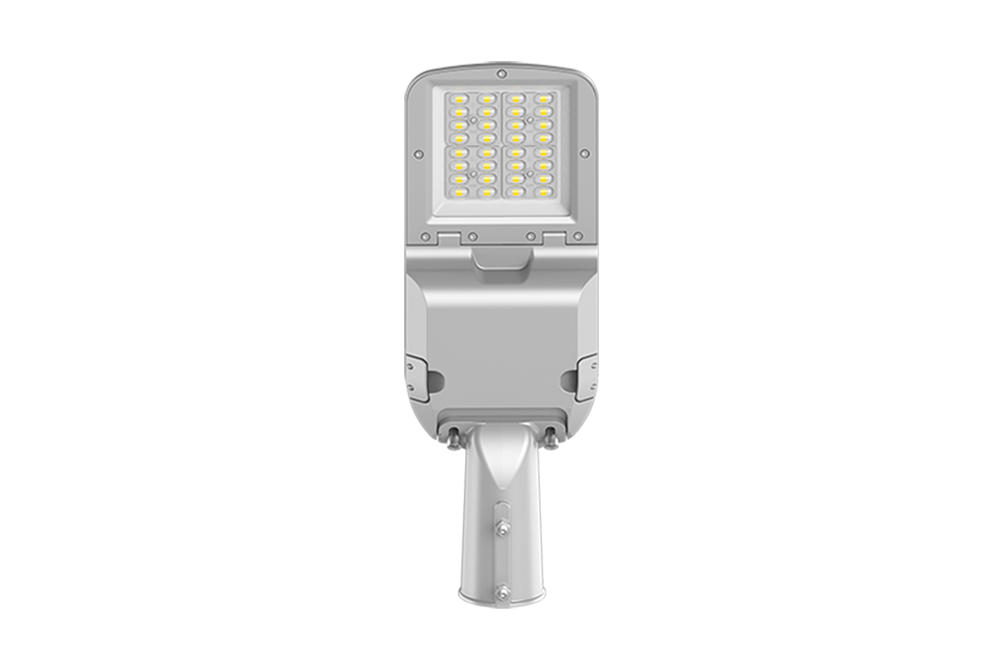
The SEEKING STA Series LED street light delivers strong efficiency, IP66 protection, 10kV surge resistance and multiple beam patterns for roads, parking lots and urban areas. High lumen output, easy installation and reliable performance for long-t…
loading…
This is the last post!
200w led flood light delivers powerful illumination with lower energy use, ideal for industrial yards, parking lots, and outdoor security lighting.
View details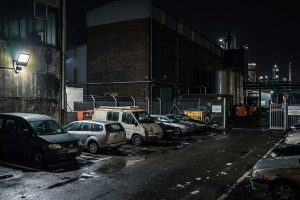
Why does my LED flood light flash? Learn the real causes like wiring issues, driver failure or voltage instability, and how SEEKINGLED flood lights avoid it.
View details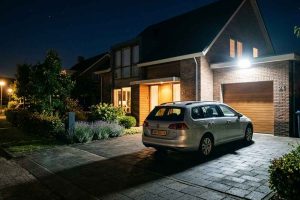
Are LED flood lights good for outdoor use? See real-world performance, pros, and what actually matters before choosing LED flood lighting.
View details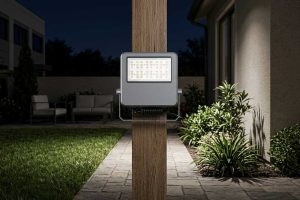
How bright is a 20 watt LED flood light? Discover lumen output, real-world brightness, and best uses with SEEKINGLED field-tested insights.
View details