 Seeking LED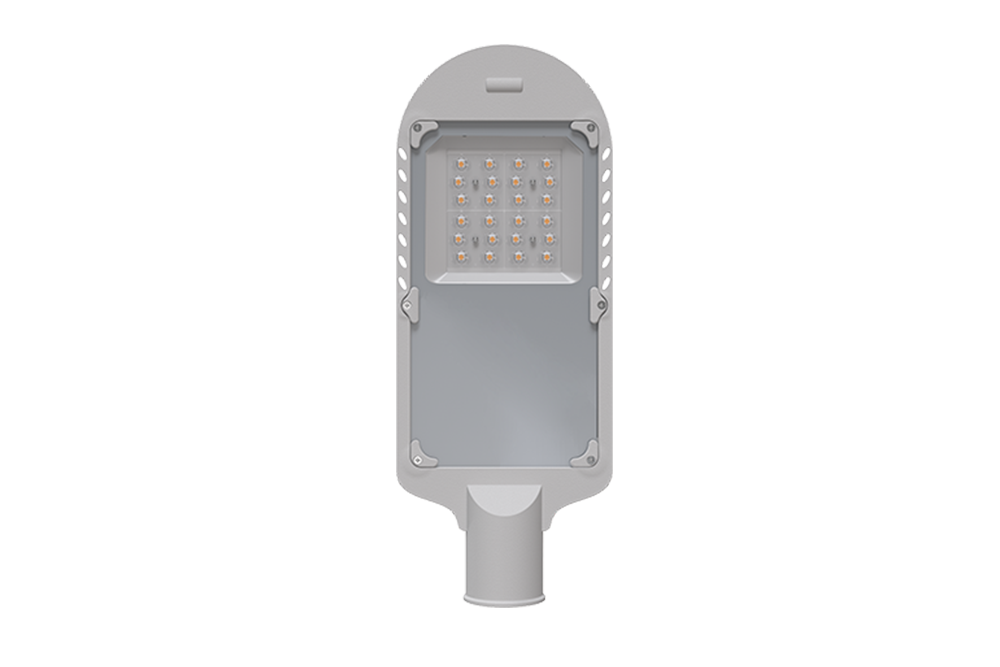
Are All LED Lights Dimmable in Real Installations?
68Are all LED lights dimmable in real use? Learn why some LEDs fail to dim, common compatibility issues, and how SEEKINGLED ensures stable dimming performance.
View detailsSearch the whole station
Yes. LED street lights can be dimmed, and that’s one of the main reasons cities switched to LED in the first place.
But not every LED street light on the road is actually dimming. And not every dimming system works the way people expect. That part often gets skipped.
LEDs don’t dim the way old street lights did. There’s no warm-up, no flicker phase, no color shift if the system is done right.
Dimming happens through the driver, not the LED chip itself.
Common methods you’ll see on real projects:
If the driver doesn’t support dimming, the fixture won’t dim. Simple as that. No software update can fix it later.
Not every road needs dimming. That’s a hard truth.
Dimming works best when:
Highways? Major intersections? Usually stay at full output. Trying to dim those just to tick a box often backfires.
This is where theory meets asphalt.
You stand under the pole. The road is quiet. The lights drop from 100% to 60%. Visibility stays fine. Glare softens. Power meters slow down.
That’s a good dimming setup.
Bad dimming looks different:
When that happens, it’s not “LED dimming doesn’t work.” It’s wrong configuration.
No. And assuming they are causes problems later.
Some projects buy fixtures without dimming drivers to save upfront cost. Then later, someone asks for smart control. At that point, retrofitting is expensive and messy.
If dimming might be needed, plan for it early. Even if it’s not activated on day one.
There’s a difference.
Smart systems look impressive. They also require maintenance, calibration, and stable networks. Sometimes simple schedules are more reliable.
More technology isn’t always better lighting.
At SEEKINGLED, dimming is treated as a tool, not a feature to brag about.
Projects usually start with one question:
What problem is dimming supposed to solve here?
If there’s no clear answer, dimming stays optional. If there is, the driver, control method, and future expansion are planned together. That avoids rework later.
So — can LED street lights be dimmed?
Yes. Easily. Reliably. When designed for it.
But dimming only adds value when it matches the road, the traffic, and the city’s habits. Otherwise, it’s just another checkbox on a spec sheet.
SEEKING STL-Series LED street lights deliver stable performance, 170 lm/W efficiency and 10KV surge protection. Ideal for city streets, parking lots, public roads and outdoor area lighting projects. Durable IP66 & IK08 design for long-term reliabi…
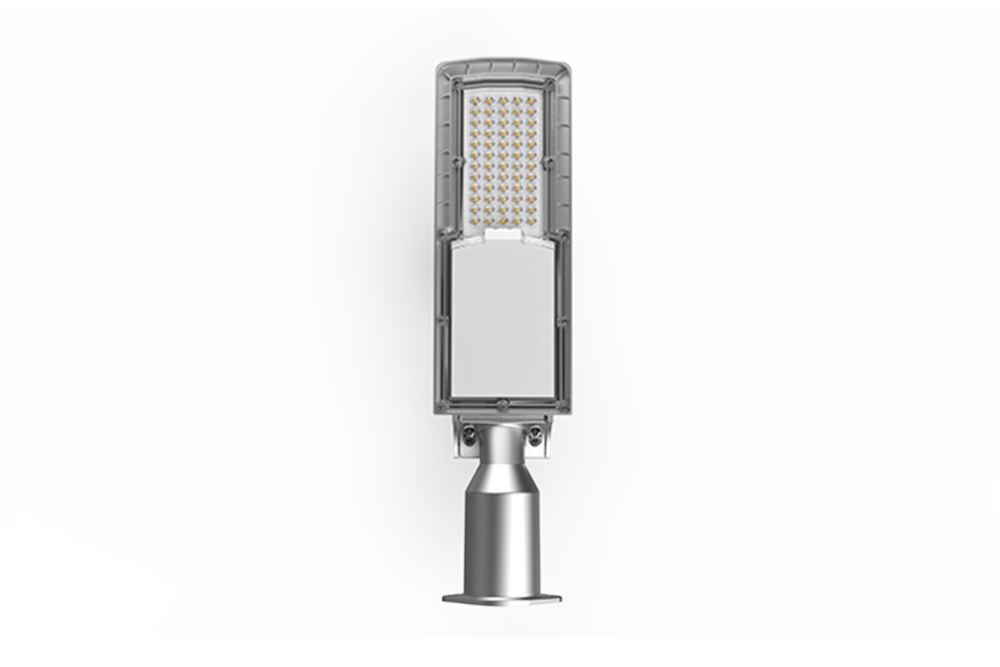
The SEEKING STC Series LED light street light delivers up to 170lm/W efficiency with MOSO drivers, IP66 protection, and a ±15° adjustable arm—ideal for roads, residential areas, and public lighting upgrades.
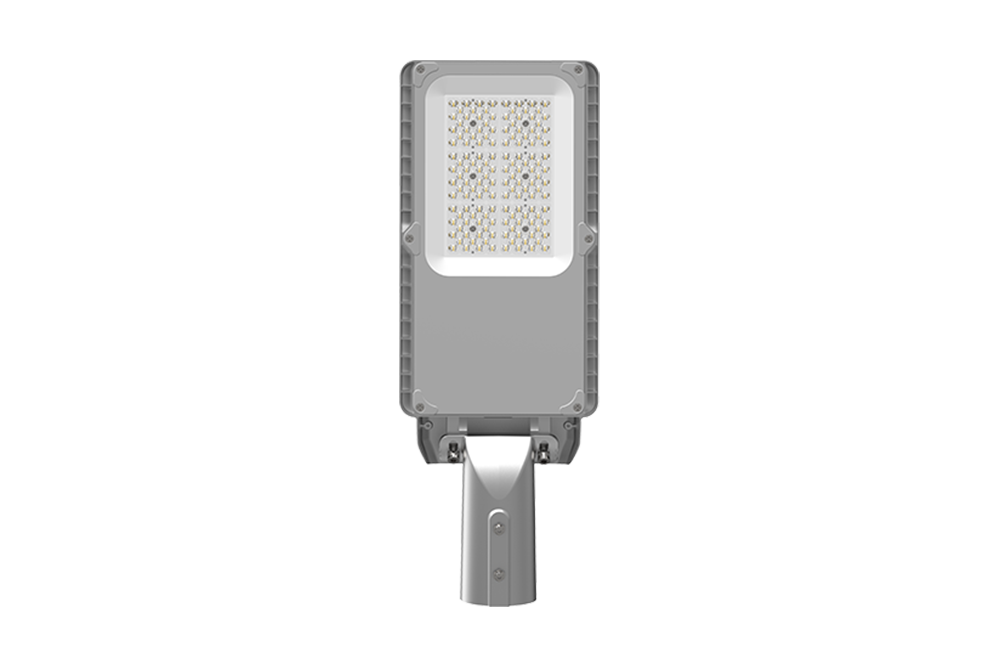
SEEKING STB Series LED street lighting delivers up to 160 lm/W, 10kV surge protection, IP66 waterproofing, and durable IK08 impact resistance. Ideal for streets, parking lots, and large outdoor areas needing long-lasting, energy-saving LED roadway…
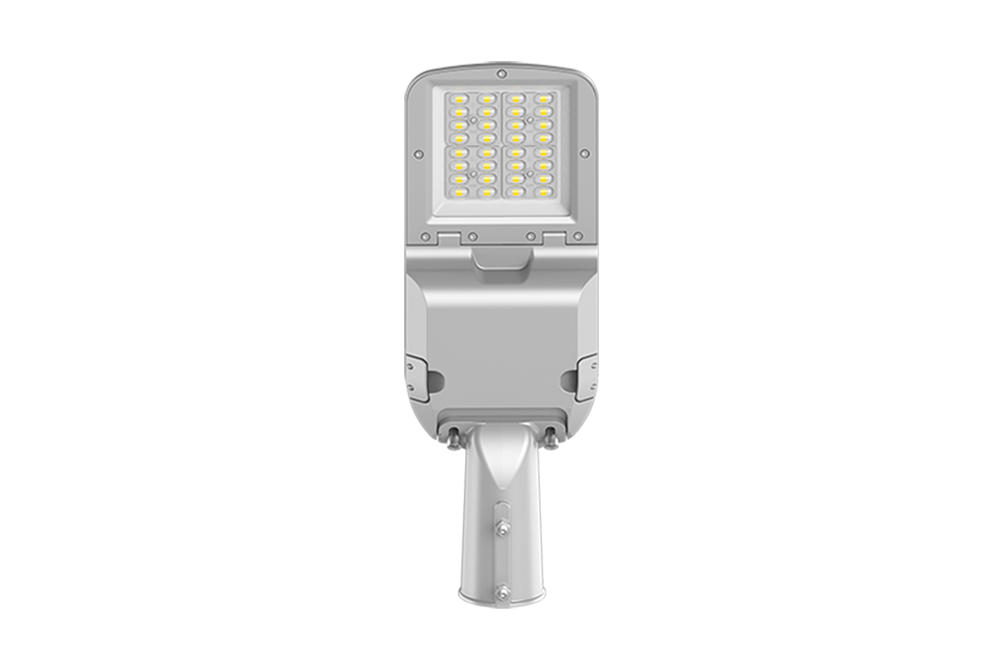
The SEEKING STA Series LED street light delivers strong efficiency, IP66 protection, 10kV surge resistance and multiple beam patterns for roads, parking lots and urban areas. High lumen output, easy installation and reliable performance for long-t…
loading…
This is the last post!

Are all LED lights dimmable in real use? Learn why some LEDs fail to dim, common compatibility issues, and how SEEKINGLED ensures stable dimming performance.
View details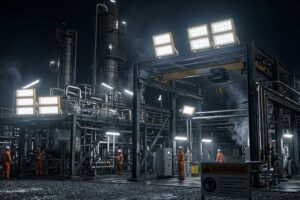
What Are Hazardous Area LED Lights? Learn how certified hazardous LED fixtures protect Zone 1 and Zone 2 locations, improve safety, and reduce maintenance costs.
View details
This engineering-based news article explains how energy saving LED lighting supports sustainable projects, covering LED Flood Light, LED Street Light, Sports Stadium LED Lighting and more by SEEKINGLED.
View details
atex portable work light delivers safe illumination for hazardous zones. Explore ATEX certification, industrial applications, and field experience from SEEKINGLED.
View details