How to Fix Poor LED High Bay Lighting Without Replacing Everything
Question & Answer
How to fix poor LED high bay lighting without replacing everything—and does it actually work?
Yes, it works.
But only if you’re honest about what’s actually wrong.
Poor LED high bay lighting usually isn’t a “fixture failure.”
It’s a decision failure that happened earlier—spacing, optics, mounting height, or control logic. The good news is that many of those mistakes are fixable without ripping everything out.
We see this all the time.
Step One: Admit the Fixtures Might Not Be the Problem
When lighting looks bad, the first reaction is to blame the fixture.
Too dim.
Too harsh.
Too many shadows.
In reality, most poor LED high bay lighting comes from how the light is used, not from the LED itself. Replacing everything is often the most expensive way to avoid thinking.
Fix #1: Adjust Beam Angles Before Touching Wattage
One of the fastest fixes is optical, not electrical.
If light is bright directly under the fixture but dies between aisles, you don’t need more power. You need different distribution. Swapping lenses or adding secondary optics can reshape coverage immediately.
At SEEKINGLED, we’ve corrected entire warehouses just by tightening beam angles—same fixtures, different result.
Fix #2: Revisit Spacing, Not Quantity
Fixtures rarely need to be removed. They need to be moved.
A few feet makes a difference. Especially in long aisles or high ceilings, poor spacing creates uneven light that no lumen boost can fix. Slight repositioning often solves dark zones without adding a single fixture.
This is where many lighting upgrades quietly fail—spacing is “good enough” on paper, but wrong in reality.
Fix #3: Lower Mounting Height Where Possible
High mounting isn’t always better.
Sometimes it’s just inherited from the previous system.
Dropping fixtures even 1–2 feet can improve uniformity, reduce glare, and bring light back into the working zone. This works especially well in facilities converted from metal halide to LED without rethinking layout.
Fix #4: Add Controls Instead of Fixtures
If the lighting feels wrong at different times of day, that’s not a fixture issue. That’s control logic.
- Dimming schedules
- Motion sensors
- Zoning adjustments
Adding control layers can fix “overlighting” and “underlighting” at the same time. No replacement required.
Fix #5: Identify the Problem Area, Not the Whole Building
This matters.
Most warehouses don’t have bad lighting everywhere. They have bad lighting somewhere—loading bays, pick zones, ends of aisles. Targeting those areas with small changes beats a full replacement every time.
Replacing everything is often just panic disguised as efficiency.
When Replacement Actually Makes Sense
Not everything can be saved.
If fixtures:
- Have fixed optics with no control
- Are severely underpowered for ceiling height
- Create persistent glare no matter the angle
Then replacement is justified. But that decision should be calm, not reactive.
At SEEKINGLED, we usually fix first—and replace only when there’s no smarter option left.
Final Thought
If your LED high bay lighting looks bad, pause before buying new fixtures.
Most problems can be corrected with better optics, spacing, mounting, or controls. The smartest fix is often the quiet one—the one no one notices, except that everything suddenly looks right.
LED high bay light Product Recommendation
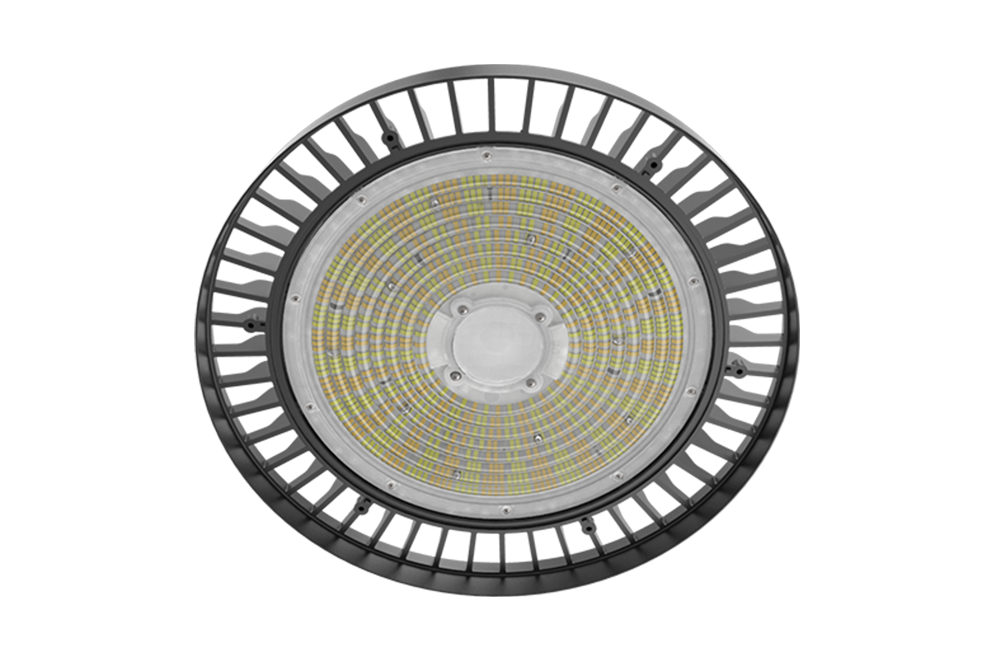
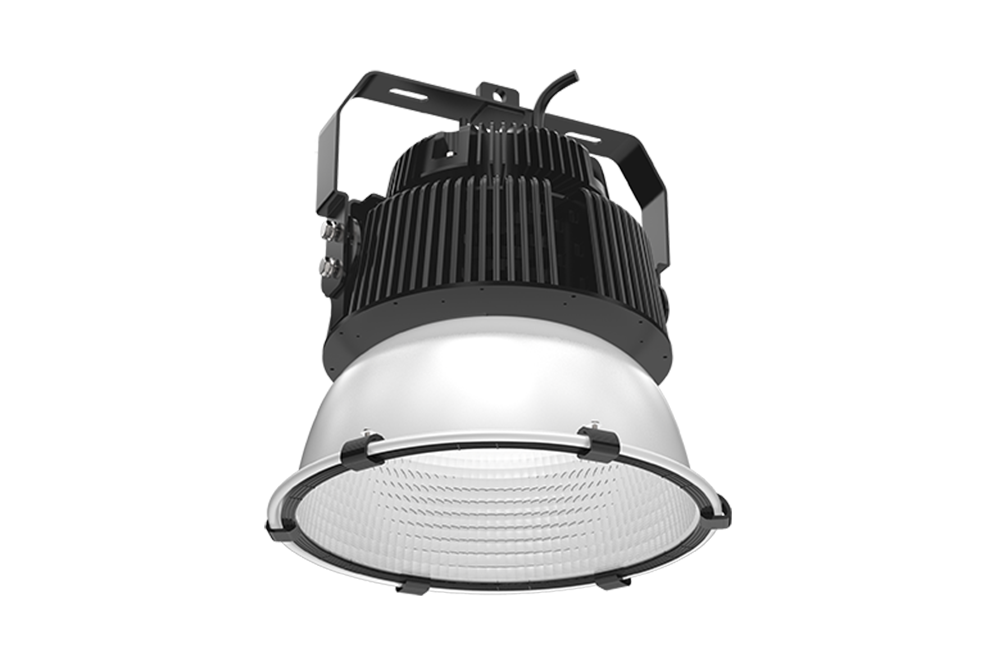
The SEEKING HBC-T Series high bay lights LED offer long-lasting performance for warehouses, production plants and logistics centers. Durable IP65 & IK08 housing, 60°/90° beam angles, up to 150 lm/W, and a lifespan beyond 100,000 hours. Ideal for a…
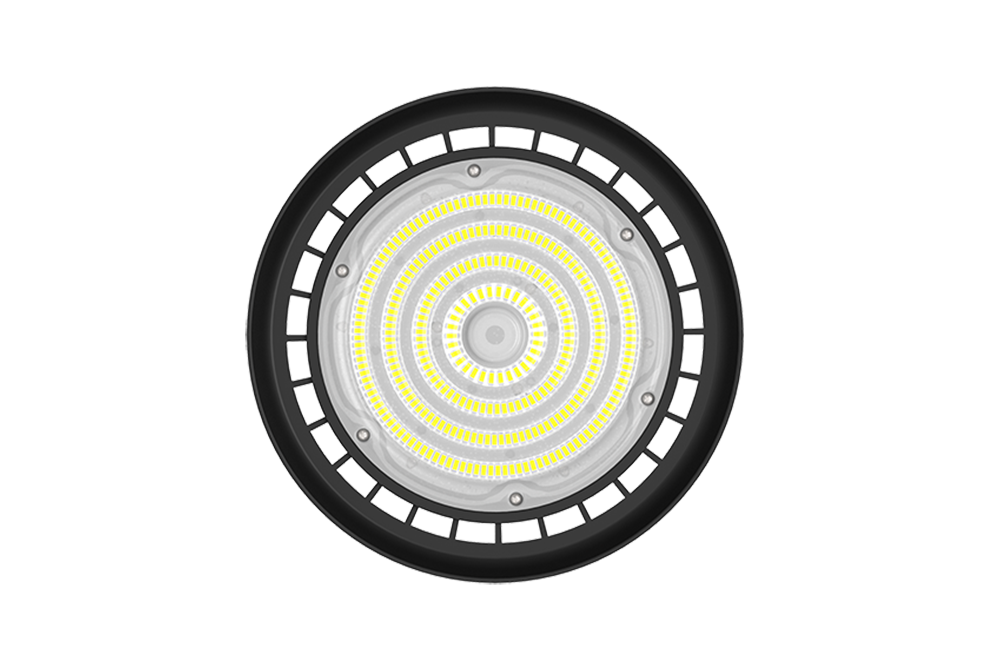
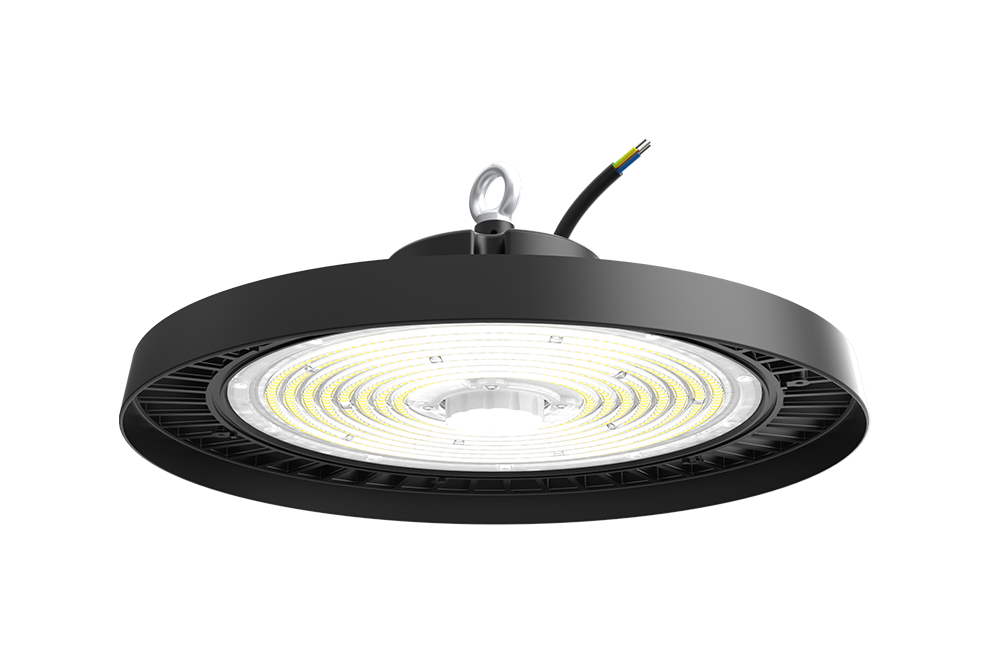
The SEEKING HBS Series LED UFO high bay light delivers 140 lm/W efficiency, IP65 protection and MEAN WELL drivers. A durable high-rise lighting solution for factories, warehouses and commercial halls.
SEEKING HBD Series LED high bay lighting delivers 160 lm/W efficiency, IP66 protection, and long 100,000-hour lifespan. A durable UFO high bay solution for warehouses, workshops, logistics centers and commercial facilities.
The SEEKING HBC Series high bay LED light fixtures combine strong efficiency, practical design and reliable SOSEN drivers. A durable UFO high bay lighting option for warehouses, workshops and wholesale projects.
The SEEKING GSL Series high bay LED light delivers powerful, efficient lighting for industrial and commercial spaces. With IP65 protection, flexible mounting, and up to 140 lm/W performance, it’s ideal for warehouses, workshops, and retail areas.
The SEEKING HB15(GLE) Series delivers advanced high bay led lighting with UGR 100,000 h) and reliable illumination for demanding commercial environments.
Discover the SEEKING HB13(GLK) Series ufo led high bay light, engineered for sports halls, airport lounges, showrooms, and large commercial spaces. UGR 100,000 h). Ideal for industrial ufo high bay lighting fixtures and commercial retrofits.
SEEKING HBF Series offers industrial LED high bay lighting with up to 200lm/W efficiency, SOSEN flicker-free driver, IP65 protection and optional microwave motion sensor. Ideal for warehouses, factories and commercial distribution projects.
The HLD Series linear high bay LED lights from SEEKING deliver up to 200 lm/W with multiple beam angles and adjustable CCT options for warehouse, workshop, corridor and general industrial lighting.
The HBK Series LED high bay light by SEEKING combines 500W power, 160–175 lm/W efficiency and IP65 durability for heavy-duty industrial lighting. Designed for warehouse, factory and production facilities with demanding ceiling heights.
LED high bay lights engineered for extreme heat and low-temperature industrial sites. SEEKING HBK Ultua Series operates from -40°C to +70°C with Nichia LEDs and Inventronics driver.
High bay LED lights built for warehouses, production plants and wholesale distribution. SEEKING HBI Series offers up to 200lm/W, IP65, IK08 and optional microwave motion sensor for energy saving operation.
loading…
This is the last post!
 Seeking LED