 Seeking LED
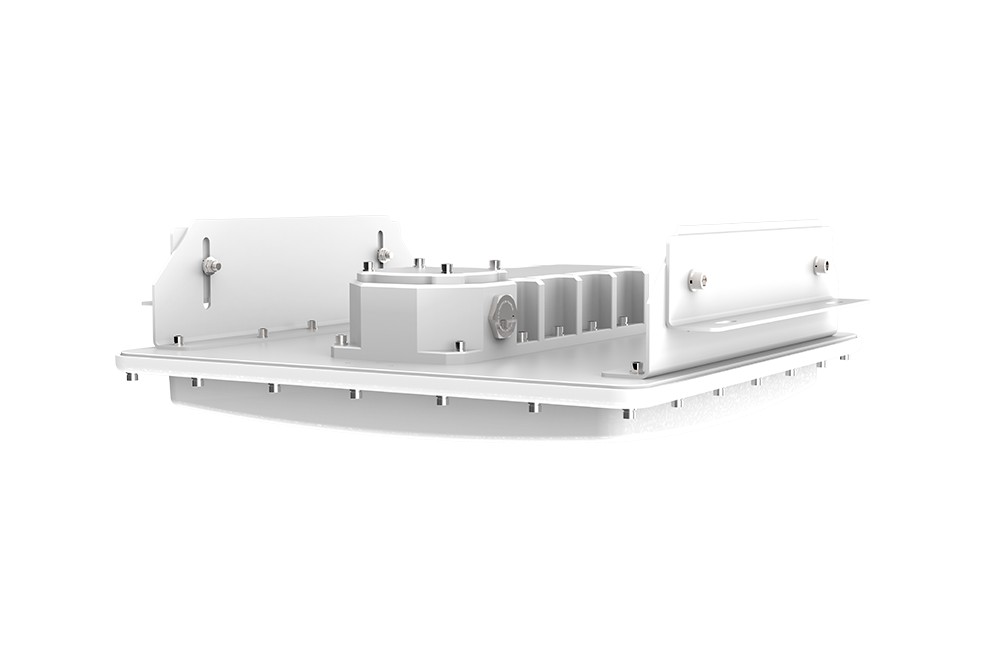
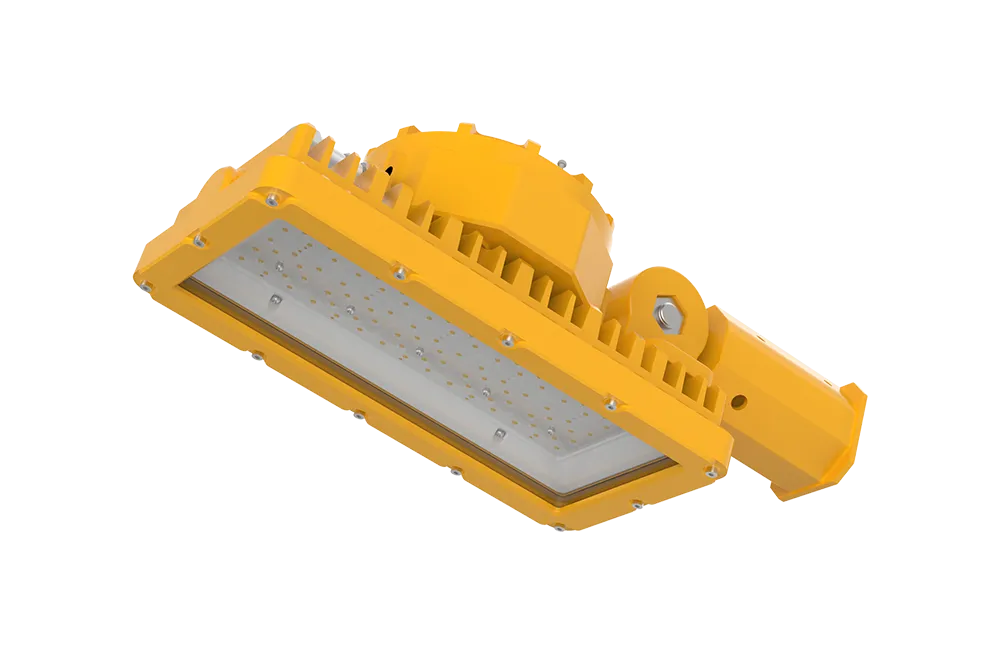
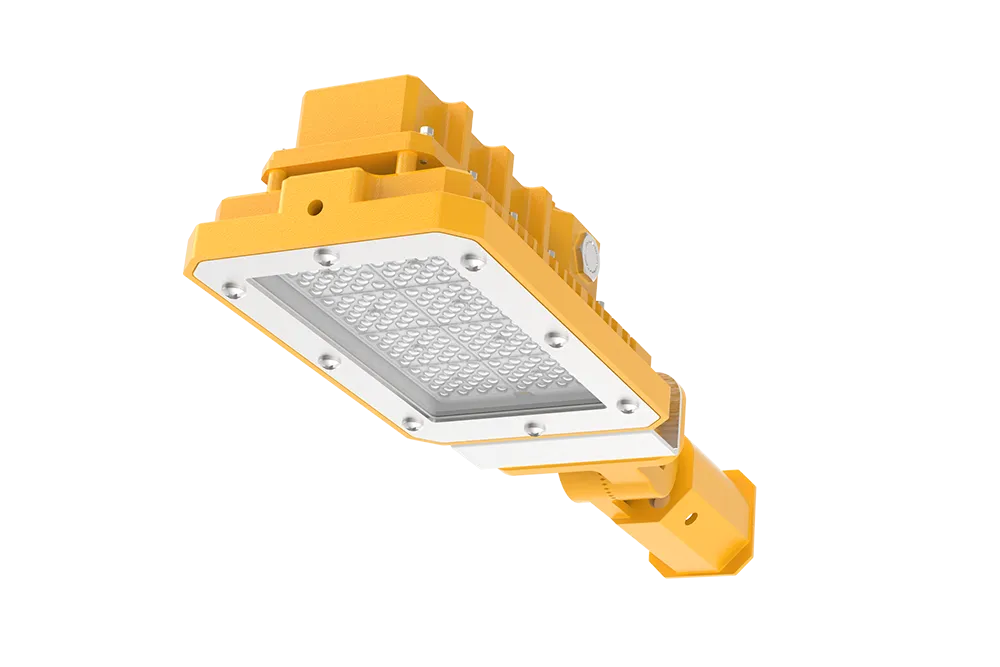
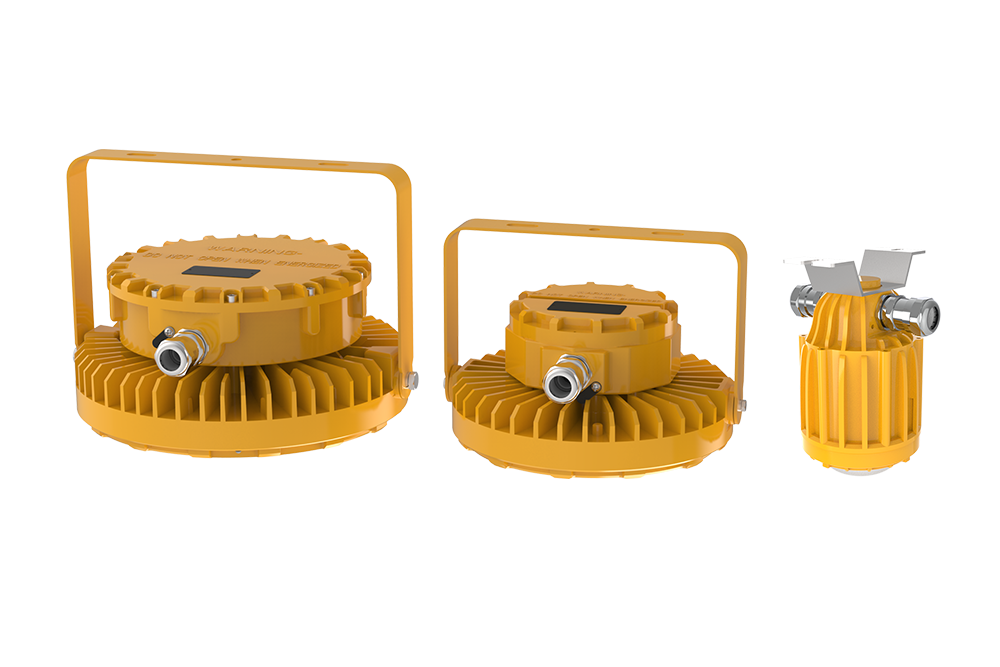
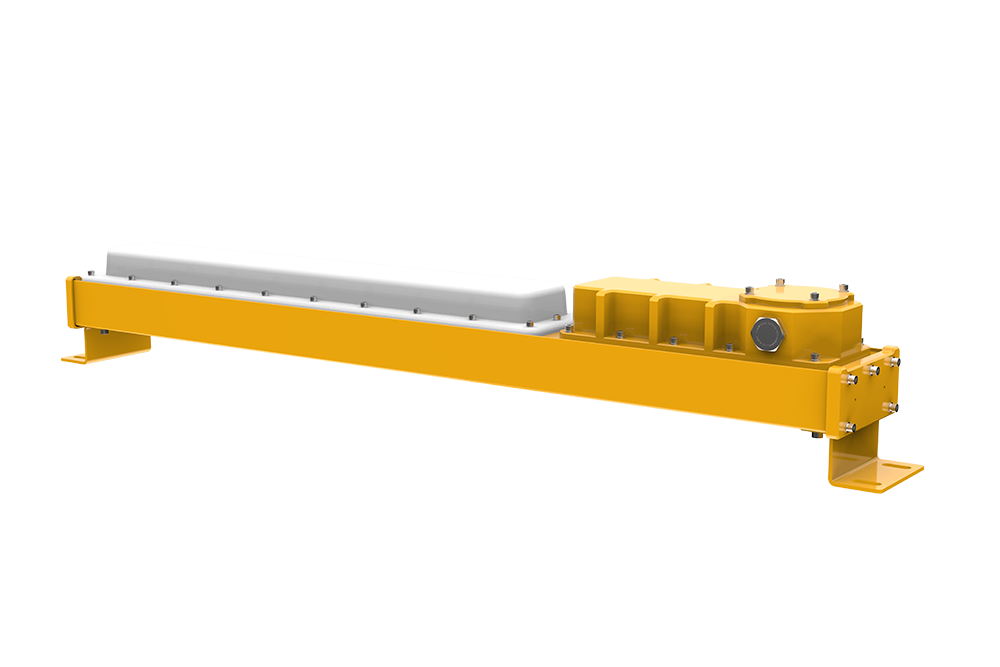
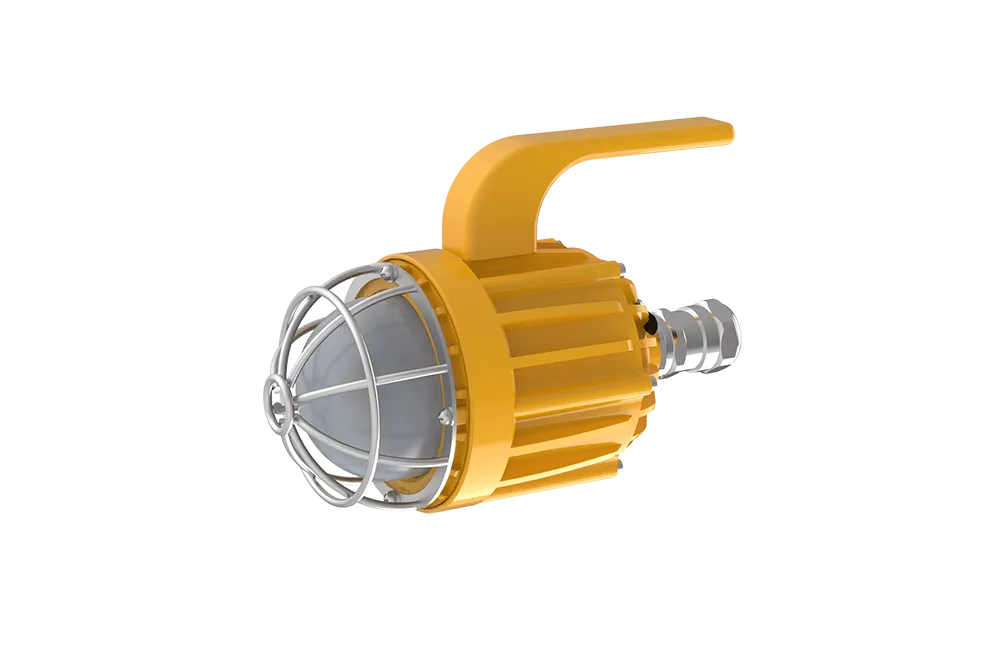
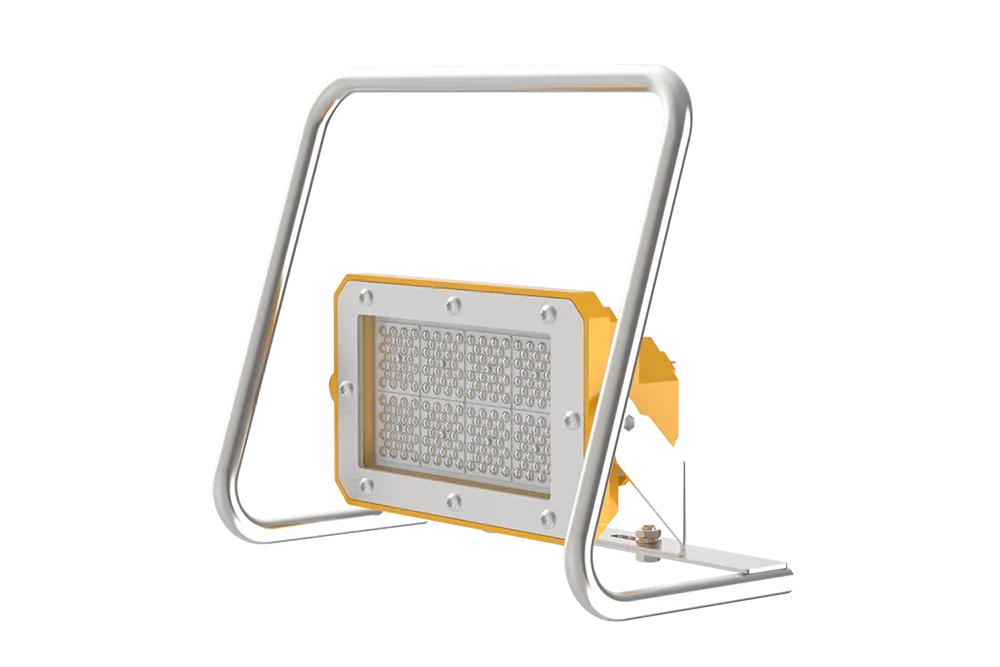
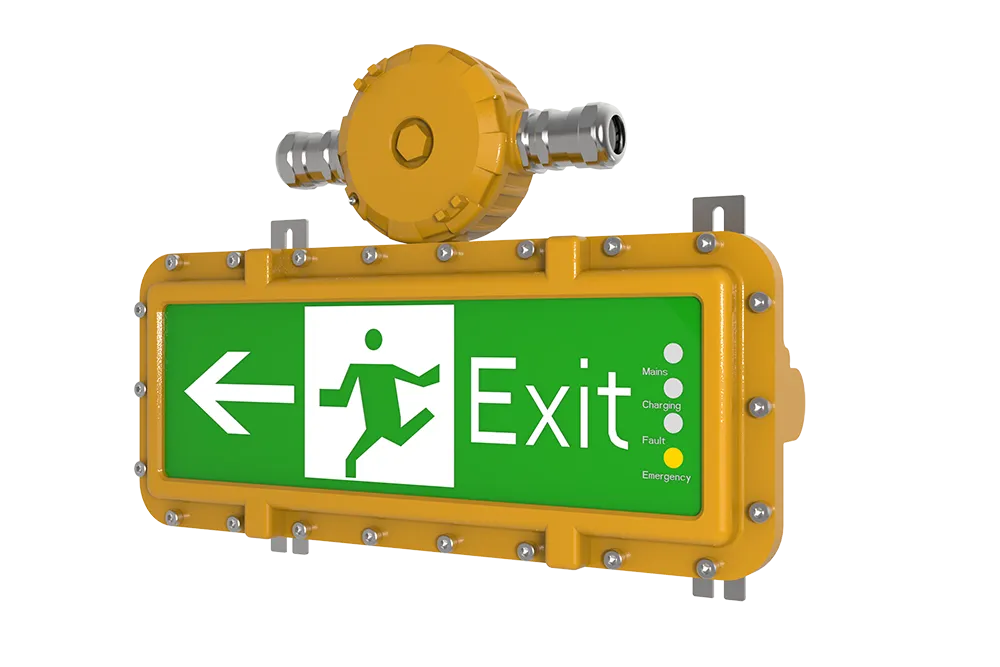
What Is explosion-proof flashlights?
0What Is explosion-proof flashlights? Learn how certified industrial flashlights protect workers in hazardous areas with explosion-proof design, standards, and field insights.
View detailsSearch the whole station
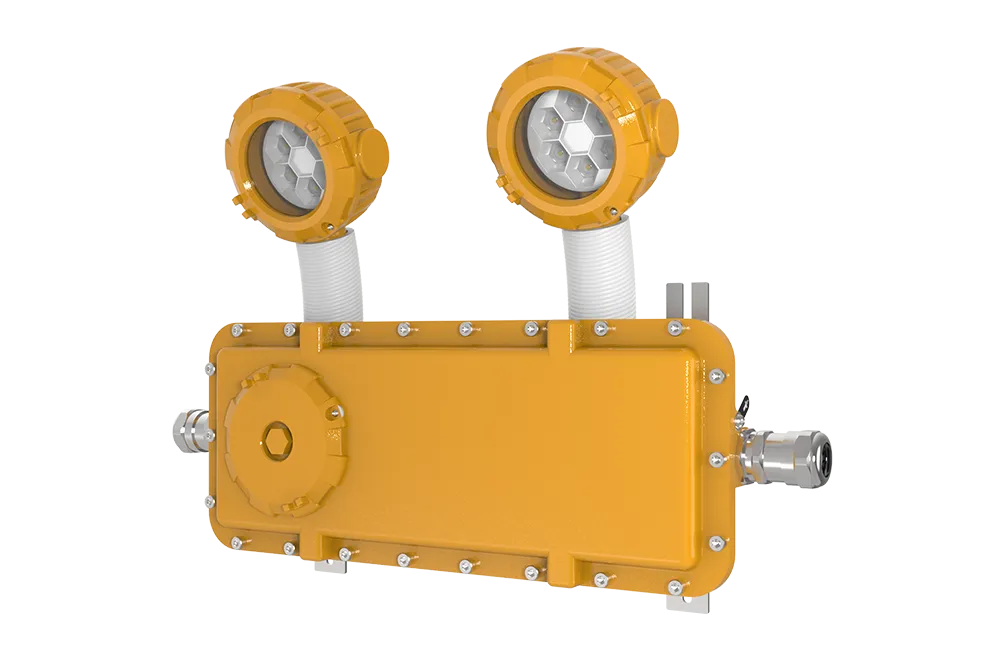
In environments such as petrochemical plants, pharmaceuticals, semiconductors, offshore platforms, and coal mines where explosion risks exist, lighting safety directly concerns lives and property. Explosion-proof lights are not ordinary luminaires; they must pass strict explosion-proof certifications and operate reliably under extreme conditions. Choosing the wrong light can lead to certification failure, skyrocketing maintenance costs, or even safety accidents. In 2026, LED explosion-proof lights have become the mainstream, but how to select a truly reliable product? This article provides a systematic purchasing approach from a professional perspective to help engineers, purchasers, and factory managers avoid pitfalls.
Explosion-proof lights are mainly divided by protection methods into Ex d (flameproof), Ex e (increased safety), Ex i (intrinsically safe), Ex m (encapsulation), etc. Ex d IIC is commonly used for gas environments; Ex tD is more common for dust.
Key Certification Priorities (2026 Latest Standards):
Purchasing Reminder: It is not enough to look only at the “Ex” marking on the product label; always verify the certificate number and issuing authority. Some low-end products use fake or expired certificates, posing extremely high risks.
| Area Type | Gas/Dust Risk | Recommended Protection Type | Example Application Scenarios | Typical Product Feature Recommendations |
| Zone 0/20 | Continuously present | Ex ia / Ex ma | Very few extreme situations | Intrinsically safe priority, lower power |
| Zone 1/21 | Likely to occur | Ex db / Ex eb + mb | Oil & gas platforms, chemical reaction zones | Flameproof + increased safety composite, IP67+, high impact resistance |
| Zone 2/22 | Rarely occurs | Ex n / Ex tc | Warehouse edges, pharmaceutical packaging areas | Cost-effective, adjustable power, IP69K optional |
Quick Tip: Many factories have actual needs in Zone 1/2 & 21/22. Choosing products rated for wide temperature range (-20°C ~ +55°C or higher) and T5/T6 temperature class is safer.
Almost all reputable explosion-proof lights now use LED light sources, but quality varies greatly.
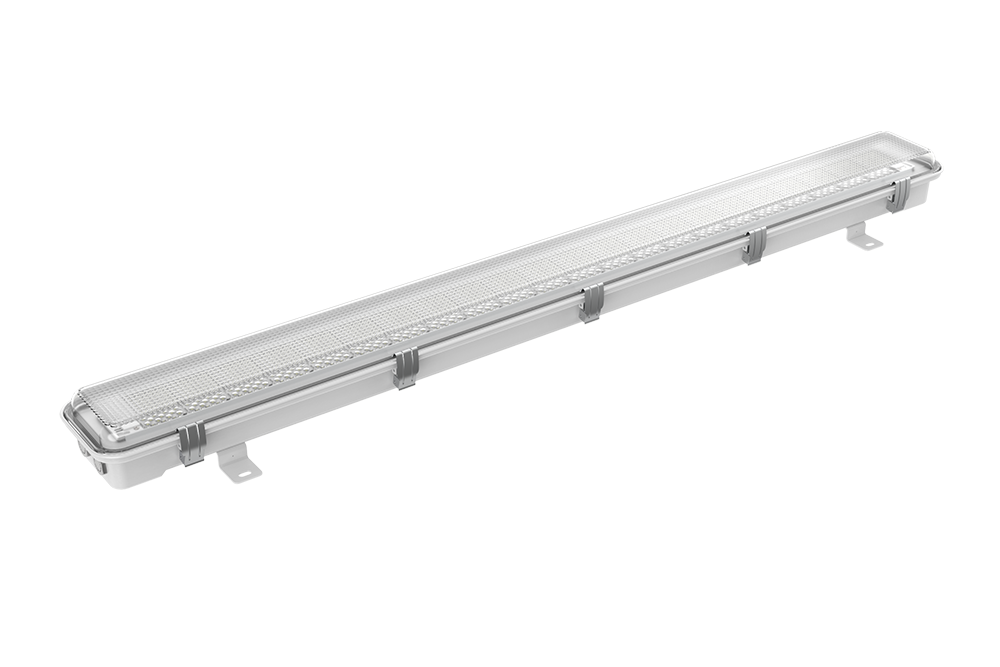
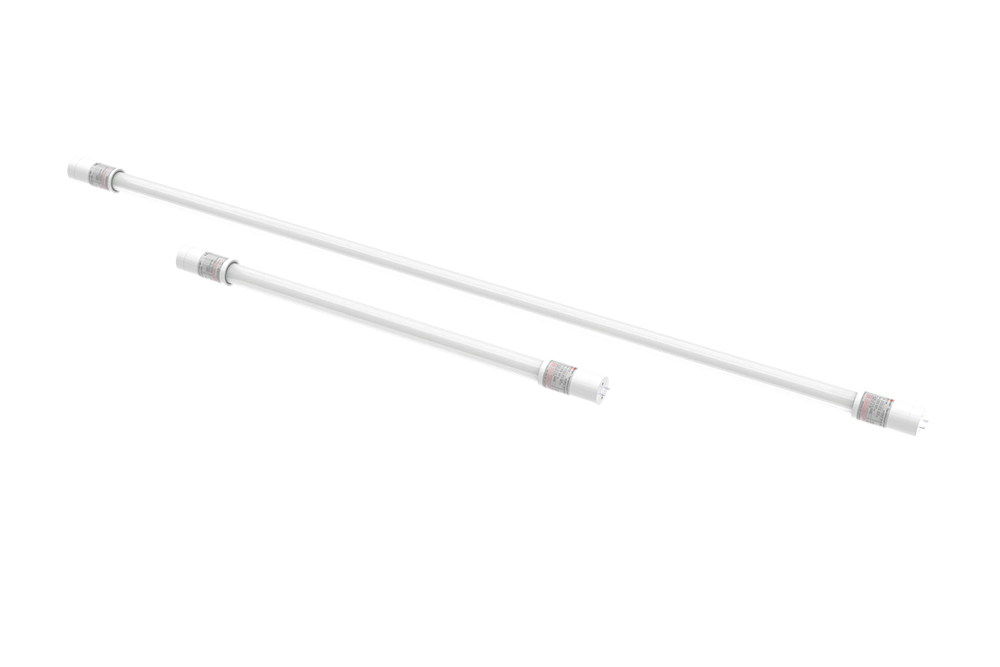
Real Case Inspiration: After upgrading explosion-proof lighting in a European supermarket warehouse area using adjustable power + high-protection linear lights (such as the PDA series), maintenance frequency dropped by 70%, and energy consumption decreased by 55%.
Explosion-proof lights are not consumables, but safety investments. When purchasing, focus more on certifications, performance data, and real cases, and be less tempted by low prices. In the 2026 industrial lighting market, truly reliable products often stand out in the details—such as dual international certifications, low failure rates, flexible functions, and long-term warranties.
If you are selecting lights for oil & gas, pharmaceutical, semiconductor, marine, or heavy industrial projects, feel free to refer to the above standards or consult professional manufacturers for targeted solutions. Safety begins with choosing the right light.
(Keywords: explosion proof light purchasing guide, ATEX IECEx explosion proof LED light, Zone 1 explosion proof floodlight, emergency explosion proof linear light, industrial explosion proof lighting solutions)
What Is explosion-proof flashlights? Learn how certified industrial flashlights protect workers in hazardous areas with explosion-proof design, standards, and field insights.
View details
This article introduces a real LED high bay light application in a European kindergarten using SEEKINGLED GSL Series, focusing on eye safety, low glare, and comfortable lighting for children.
View details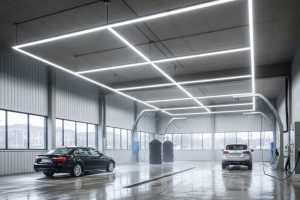
Upgrade your facility with car wash LED lighting. Brighter wash bays, lower energy use, moisture-resistant fixtures, built for real car wash conditions by SEEKINGLED.
View details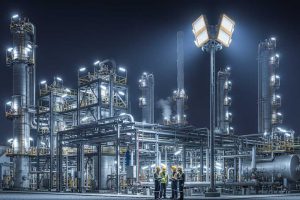
ATEX LED flood light built for hazardous areas in oil, gas, and chemical plants. Reliable explosion-proof lighting with high efficiency and durability from SEEKINGLED.
View details