 Seeking LED
How to Connect LED Flood Light?
434How to connect LED flood light safely and correctly? Learn wiring basics, common mistakes, and installation tips used in professional LED flood light projects by SEEKINGLED.
View detailsSearch the whole station
Can you use high bay lights in a garage? Yes, high bay lights can be used in a garage, especially when the ceiling is high, the floor area is large, or the space is used for vehicle repair and workshop tasks. For a small residential garage, however, a lower-output LED fixture may be more appropriate.
The ceiling height is usually the first thing I check.
A two-car garage with an 8-foot ceiling does not need the same lighting approach as a 25-foot commercial vehicle workshop. I have seen both situations in lighting projects at SEEKINGLED, and the mistake is surprisingly consistent: people choose a fixture based on wattage before considering where the light needs to land.
A high bay is fundamentally designed around height and coverage.
The U.S. Department of Energy’s FEMP guidance treats high-bay luminaires as a specific commercial and industrial lighting category and currently sets a minimum efficacy of 175 lm/W for industrial high-bay luminaires producing at least 10,000 lumens under its federal purchasing criteria.
Data source:https://www.energy.gov/cmei/femp/purchasing-energy-efficient-commercial-and-industrial-led-luminaires
High bay lighting makes the most sense when the garage has a relatively high ceiling or needs strong, broad illumination across a large working area.Visit product page:Industrial LED High Bay Lights
Typical examples include:
For a standard residential garage, high bays can sometimes be overkill.
For a commercial workshop with lifts, vehicles, tool benches, and a 20-foot ceiling, they can be an excellent fit.
A useful starting point is:
| Garage Type | Typical Lighting Approach |
|---|---|
| 8–10 ft ceiling | Low-profile LED or linear fixtures |
| 10–15 ft ceiling | Low bay or compact high bay |
| 15–20 ft ceiling | High bay can work well |
| 20+ ft ceiling | High bay is often appropriate |
| Large commercial garage | High bay with photometric planning |
These are practical starting ranges rather than mandatory rules.
The actual fixture should be selected according to the floor area, required illuminance, fixture spacing, beam angle, and work being performed.
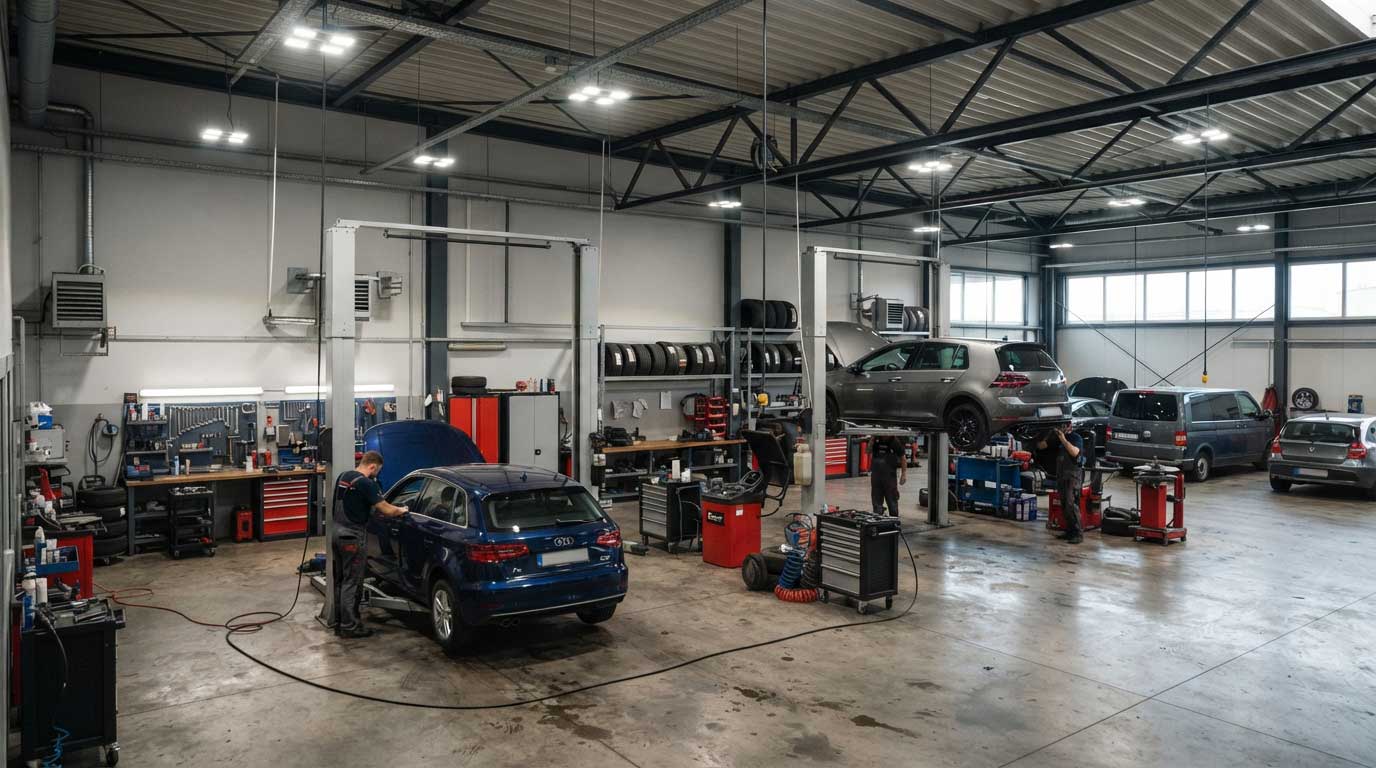
A garage used for vehicle repair is not simply a place where people park cars.
A mechanic may be working underneath a vehicle, inspecting an engine compartment, reading markings on components, checking brake assemblies, or moving between workstations.
That creates multiple visual tasks at different heights.
A high bay mounted directly overhead can provide strong general illumination, while localized task lighting can handle detailed work.
This combination is often better than trying to make one ceiling fixture do everything.
OSHA’s illumination requirements provide a useful reference for industrial work environments. Its construction standard specifies 10 foot-candles for general construction plants and shops, while indoor warehouses are listed at 5 foot-candles. These are regulatory values for the workplaces covered by that standard, not universal garage design targets.
Data source:https://www.osha.gov/laws-regs/regulations/standardnumber/1926/1926.56
The important practical detail is where illumination is measured: at the working surface.
OSHA similarly states in another workplace illumination standard that lighting intensity should be measured at the task or working surface.
That is much more useful than simply asking how many lumens are coming from the ceiling.
A professional garage usually benefits from a combination of general and task lighting.
High bays provide the overall illumination needed to move safely around the facility and perform routine work.
Additional fixtures can illuminate:
This layered approach is particularly useful when a garage has different work zones.
One corner might contain vehicle lifts. Another might be used for storage. A third may be a fabrication or inspection area.
Treating the whole garage as one empty rectangle often produces mediocre lighting.
There is no universal lumen number for every garage.
A better approach is to calculate the required illumination based on the room and the work performed, then use a photometric layout to determine fixture quantity and spacing.
For a simple example, suppose a garage measures:
40 ft × 50 ft = 2,000 square feet
If a designer targets an average of 50 foot-candles, the theoretical light requirement before accounting for losses would be:
2,000 × 50 = 100,000 lumens
That does not mean you simply purchase five 20,000-lumen fixtures.
Fixture distribution, mounting height, reflectance, lumen depreciation, optics, and uniformity all affect the final result.
OSHA has noted that illumination calculations can be affected by variables including the light source, distance, atmospheric conditions, floor and wall colors, and surface sheen, and recommends actual measurement at the work surface.
That is why serious commercial installations should be modeled rather than estimated from wattage alone.
Wattage should come after lumen requirements.
Common LED high bay wattages include:
But two 150W fixtures can produce substantially different amounts of light.
For example:
| Fixture | Power | Efficiency | Approx. Output |
|---|---|---|---|
| A | 150W | 130 lm/W | 19,500 lm |
| B | 150W | 160 lm/W | 24,000 lm |
| C | 150W | 180 lm/W | 27,000 lm |
This is why I recommend comparing delivered lumens and lm/W, not simply the wattage printed on the housing.
DOE’s FEMP purchasing guidance likewise evaluates high-bay products using luminous efficacy, expressed in lumens per watt.
Beam angle becomes increasingly important as the ceiling gets higher.
A rough starting point:
A garage with vehicle lifts may benefit from a more controlled beam than a large open storage garage.
There is also a glare issue.
If the fixture is positioned directly above the driver’s line of sight or beneath a reflective vehicle hood, excessive brightness can become uncomfortable.
OSHA advises that lighting should, where possible, be positioned so it does not shine directly into employees’ eyes.
That sounds like a small detail until you spend an entire shift underneath badly positioned fixtures.
For automotive workshops, color appearance matters more than many buyers expect.
Common choices include:
| CCT | Typical Character |
|---|---|
| 3000K | Warm, softer appearance |
| 4000K | Neutral white |
| 5000K | Cool, crisp appearance |
| 6500K | Very cool appearance |
For most professional garages, 4000K–5000K is a practical range to evaluate.
A mechanic inspecting paint, wiring, fluids, engine components, or small parts may benefit from a neutral-to-cool white environment with good color rendering.
The IES has conducted research examining visual performance and perceptions of safety, comfort, and visibility in parking facilities using different LED color temperatures and light levels.
Color temperature is therefore not just a matter of preference. The application and visual task matter.
They can be if incorrectly selected.
A common mistake is assuming that more light is automatically better.
Imagine a 10-foot residential garage with a very high-output industrial high bay mounted in the center. The fixture may create a bright pool directly below it while producing uncomfortable glare across the rest of the room.
In a high-ceiling commercial workshop, that same fixture may be perfectly reasonable.
The difference is geometry.
Before choosing a high bay, check:
Yes, but it depends on the garage.
For a standard residential garage with an 8–10-foot ceiling, a compact LED high bay or low-profile industrial fixture may be more appropriate than a large 200W fixture.
For a custom garage with a 15–20-foot ceiling, workshop equipment, vehicle lifts, or a large open floor plan, high bay lighting becomes much more attractive.
The key is not whether the building is residential or commercial.
It is the height, size, and purpose of the space.
Yes. LED high bays can provide substantial light output with relatively high luminous efficacy, especially compared with older lighting technologies.
DOE’s current FEMP guidance sets 175 lm/W as the minimum efficacy for qualifying industrial high-bay luminaires producing at least 10,000 lumens under its federal purchasing requirements.
LED high bays can also work with:
DOE specifically notes that LED luminaires are compatible with occupancy sensing, task tuning, and dimming strategies that can provide additional energy savings.
For a garage that sits empty for long periods, this can be surprisingly valuable.
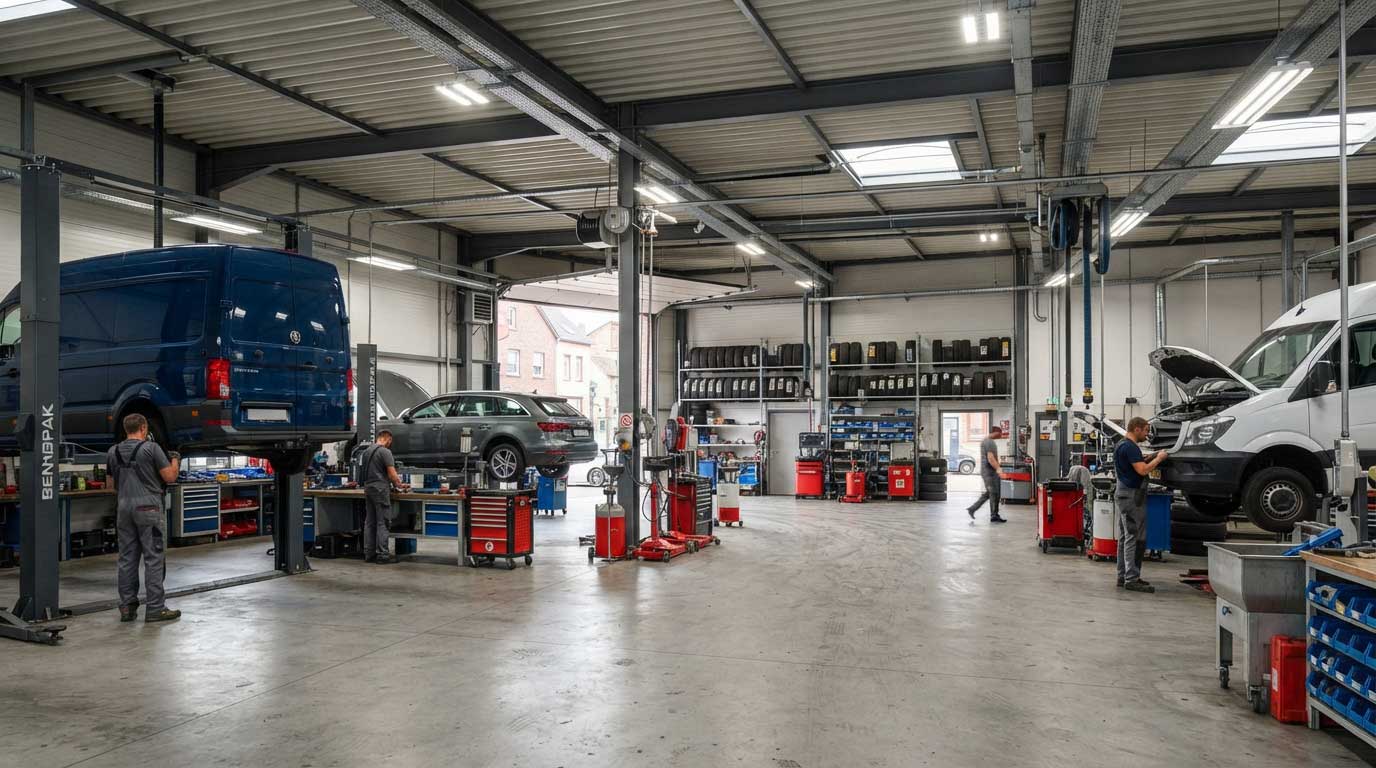
The fixture is only one part of the installation.
For a garage, pay attention to:
Use appropriate chains, aircraft cable, pendant hardware, or surface-mount brackets according to the fixture design and ceiling structure.
Electrical work should comply with applicable local codes and be performed by a qualified professional where required.
If the garage is exposed to moisture, dust, chemicals, or pressure washing, select an appropriate IP-rated fixture rather than assuming every high bay is suitable.
Think about how the fixture will be serviced before installing it.
A 25-foot-high fixture may require a lift for maintenance. A slightly more expensive fixture with better reliability can therefore have a lower total ownership cost.
IES maintenance guidance emphasizes planning maintenance, understanding failure modes, and considering maintenance economics during lighting design and product selection.
Yes. High bay lights are especially suitable for garages with high ceilings, large floor areas, vehicle lifts, or professional workshop activities.
High bays are generally most useful in garages with ceilings around 15–20 feet or higher, although the exact choice depends on room dimensions, fixture output, optics, and required illumination.
There is no universal wattage. A 100W–240W LED high bay may be appropriate depending on ceiling height, floor size, fixture efficiency, spacing, and required light levels.
They can be if the garage has a low ceiling or the fixture is oversized. In an 8–10-foot garage, lower-output LED fixtures may provide better comfort and less glare.
4000K–5000K is a practical range for many workshops because it provides a neutral-to-cool appearance suitable for vehicle inspection and detailed mechanical work.
Yes. LED high bays can be paired with occupancy and motion sensors, dimming systems, and other controls when the fixture and control equipment are compatible.
Start with ceiling height, garage dimensions, required illumination, mounting positions, beam angle, lumen output, and operating conditions. For larger garages, use a photometric layout before finalizing the fixture quantity.
can you use high bay lights in a garage? Yes. High bay lights are an excellent option for large garages, commercial workshops, vehicle maintenance facilities, and spaces with high ceilings. For small low-ceiling garages, a lower-profile LED solution may be more suitable.
At SEEKINGLED, I would start with the garage itself rather than the product catalog.
Measure the ceiling.
Map the vehicle bays.
Mark the lifts and workbenches.
Then determine where the light needs to reach.
That process usually produces a better result than simply asking, “How many watts do I need?”
For a large garage, the right high bay should deliver enough usable light at the working surface, maintain reasonable uniformity, control glare, and remain reliable through long operating hours.
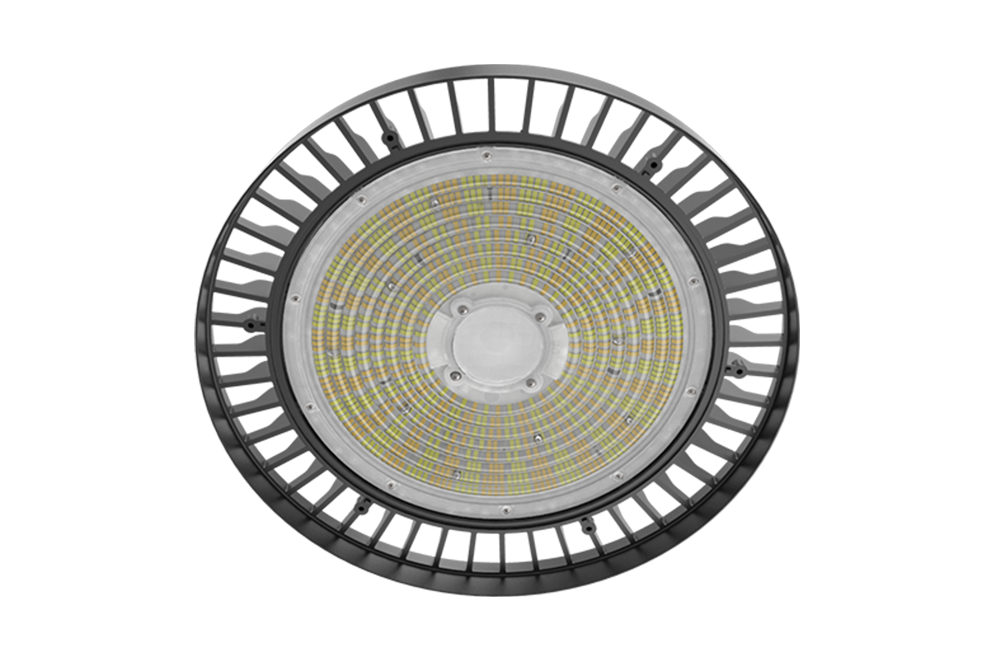
The SEEKING HBC-T Series high bay lights LED offer long-lasting performance for warehouses, production plants and logistics centers. Durable IP65 & IK08 housing, 60°/90° beam angles, up to 150 lm/W, and a lifespan beyond 100,000 hours. Ideal for airport halls, commercial storage, construction sites and large indoor spaces.
View details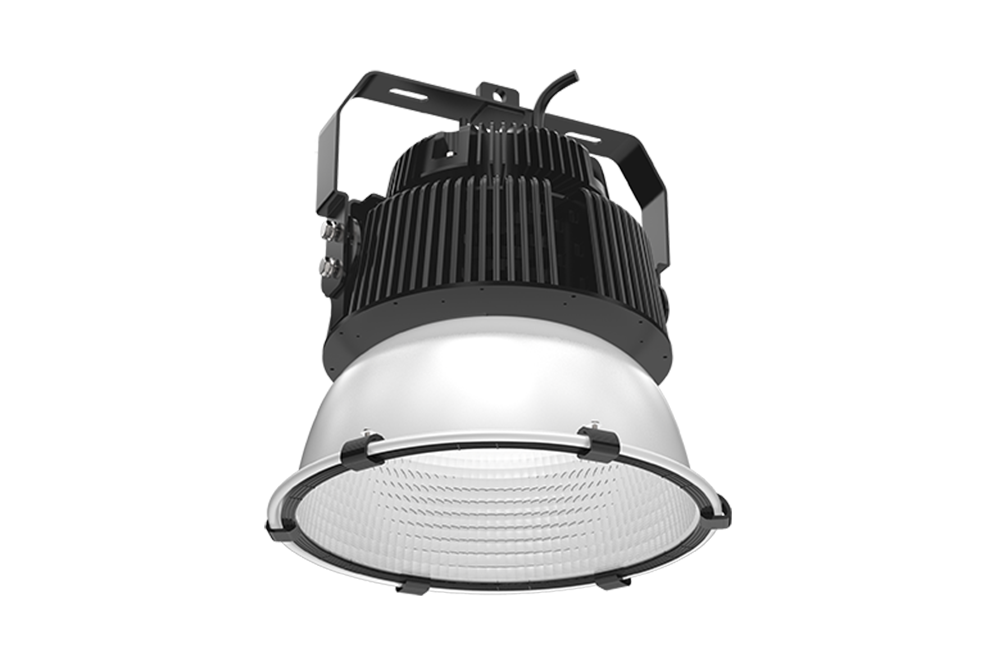
The SEEKING HBS Series LED UFO high bay light delivers 140 lm/W efficiency, IP65 protection and MEAN WELL drivers. A durable high-rise lighting solution for factories, warehouses and commercial halls.
View details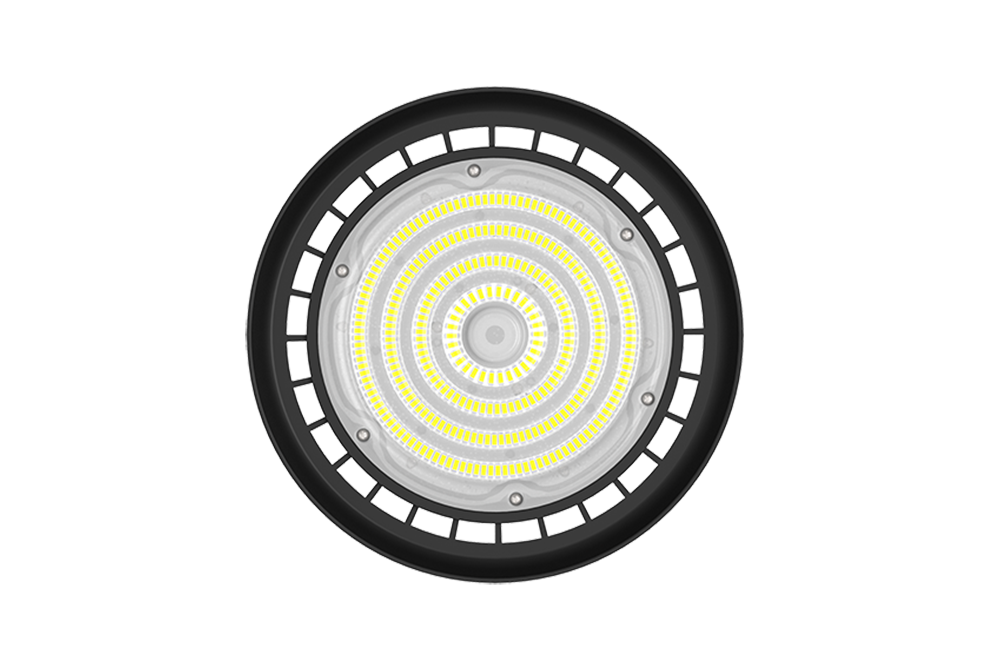
SEEKING HBD Series LED high bay lighting delivers 160 lm/W efficiency, IP66 protection, and long 100,000-hour lifespan. A durable UFO high bay solution for warehouses, workshops, logistics centers and commercial facilities.
View details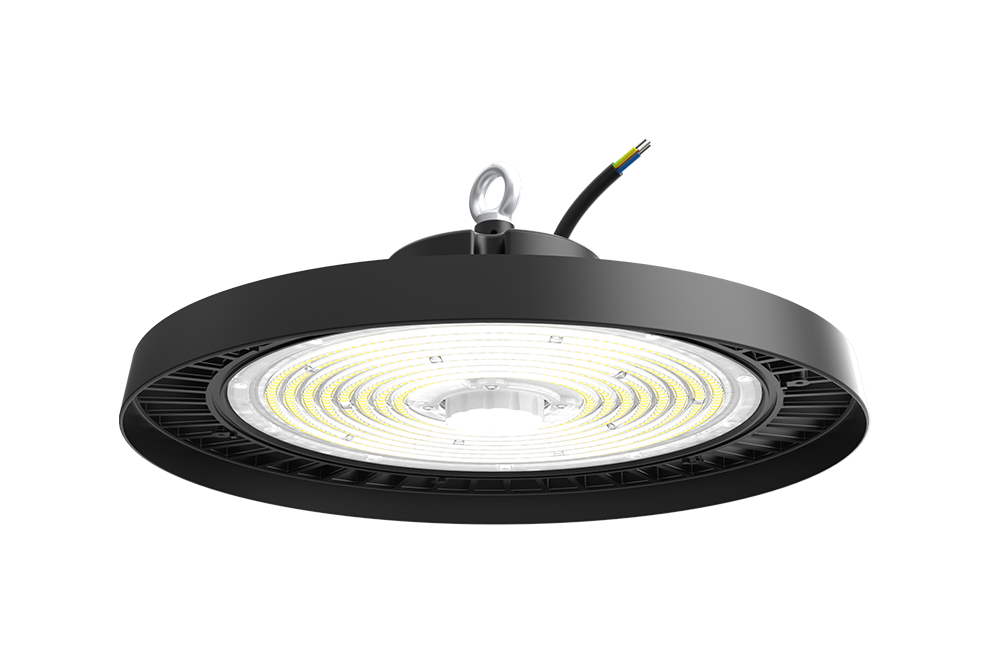
The SEEKING HBC Series high bay LED light fixtures combine strong efficiency, practical design and reliable SOSEN drivers. A durable UFO high bay lighting option for warehouses, workshops and wholesale projects.
View details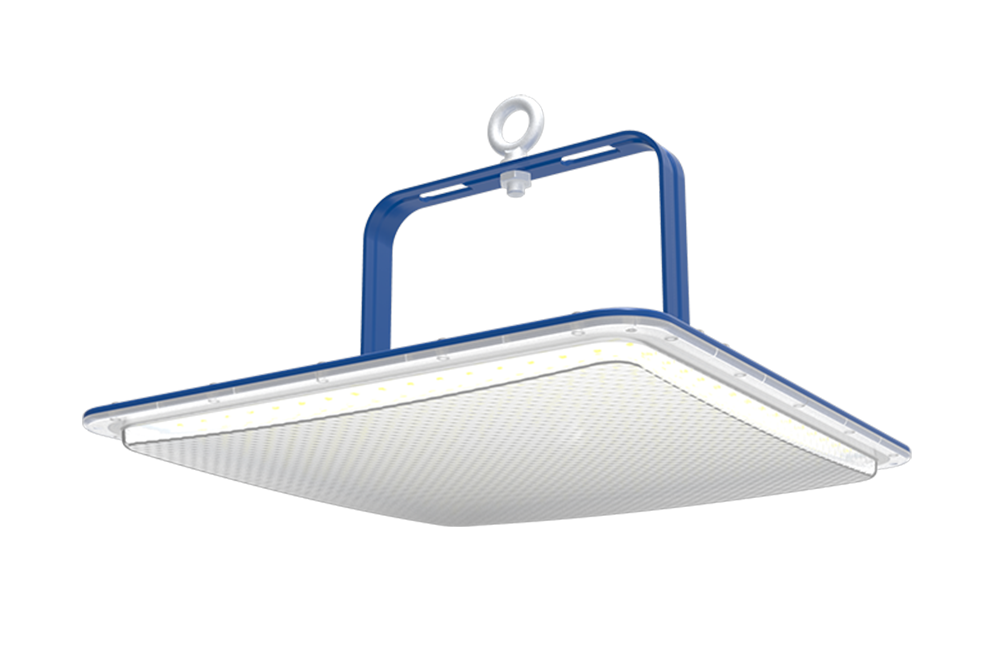
The SEEKING GSL Series high bay LED light delivers powerful, efficient lighting for industrial and commercial spaces. With IP65 protection, flexible mounting, and up to 140 lm/W performance, it’s ideal for warehouses, workshops, and retail areas.
View details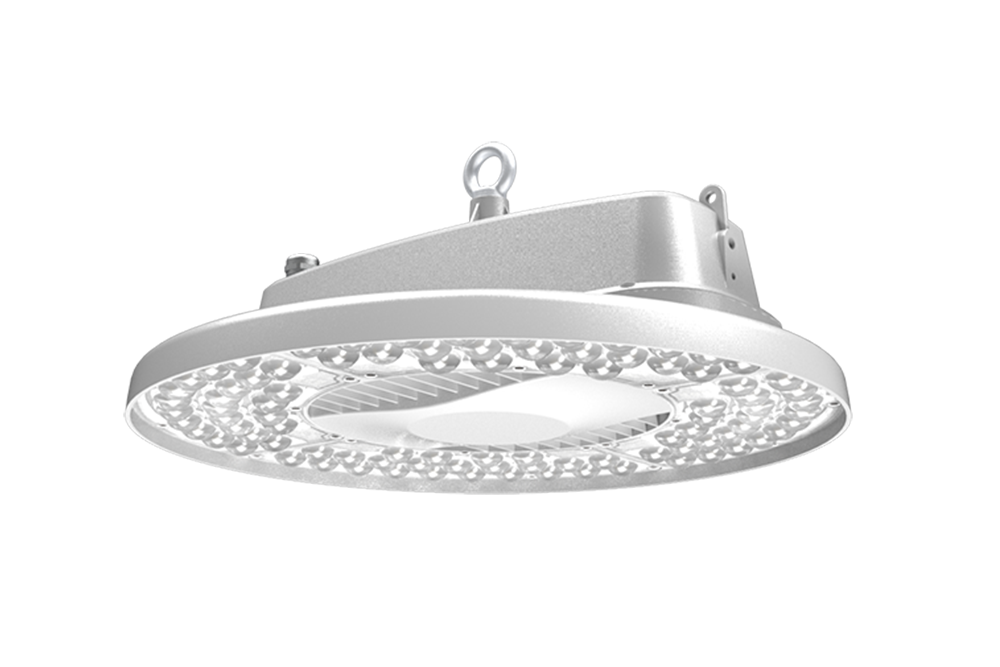
The SEEKING HB15(GLE) Series delivers advanced high bay led lighting with UGR 100,000 h) and reliable illumination for demanding commercial environments.
View details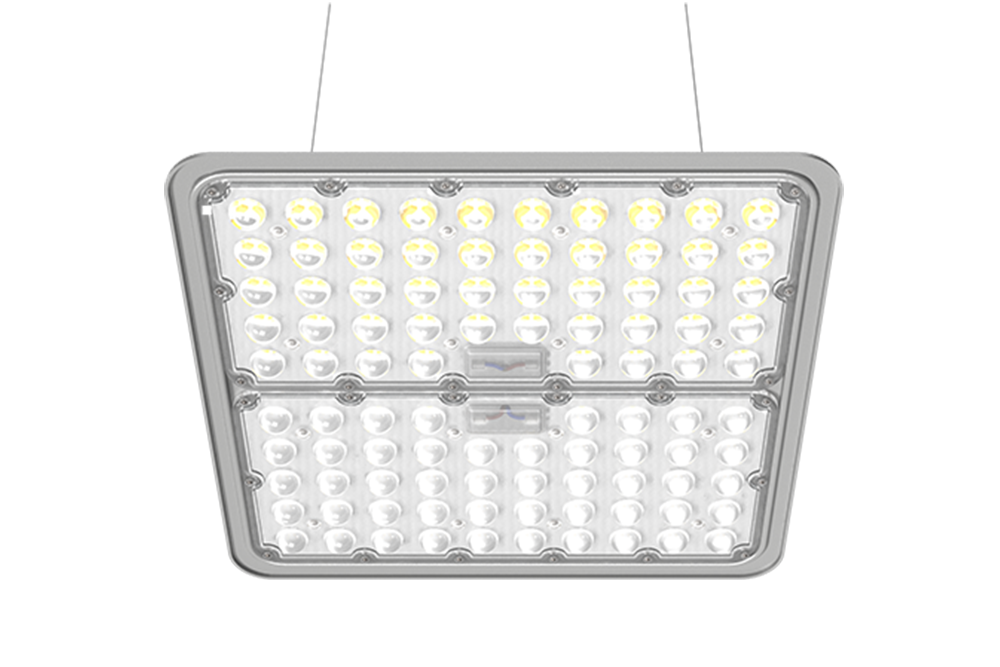
Discover the SEEKING HB13(GLK) Series ufo led high bay light, engineered for sports halls, airport lounges, showrooms, and large commercial spaces. UGR 100,000 h). Ideal for industrial ufo high bay lighting fixtures and commercial retrofits.
View details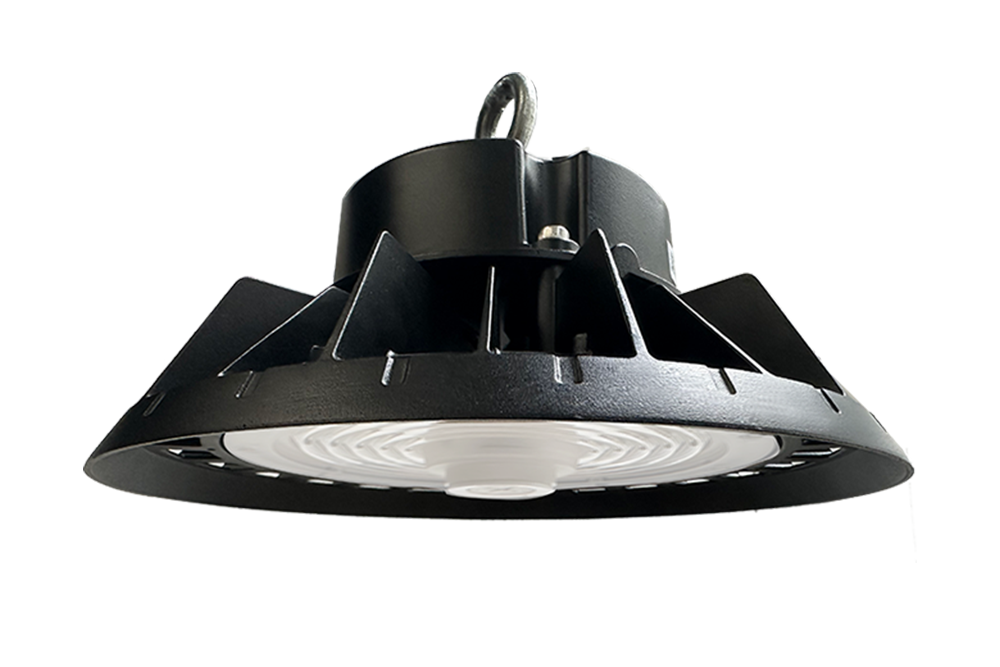
SEEKING HBF Series offers industrial LED high bay lighting with up to 200lm/W efficiency, SOSEN flicker-free driver, IP65 protection and optional microwave motion sensor. Ideal for warehouses, factories and commercial distribution projects.
View details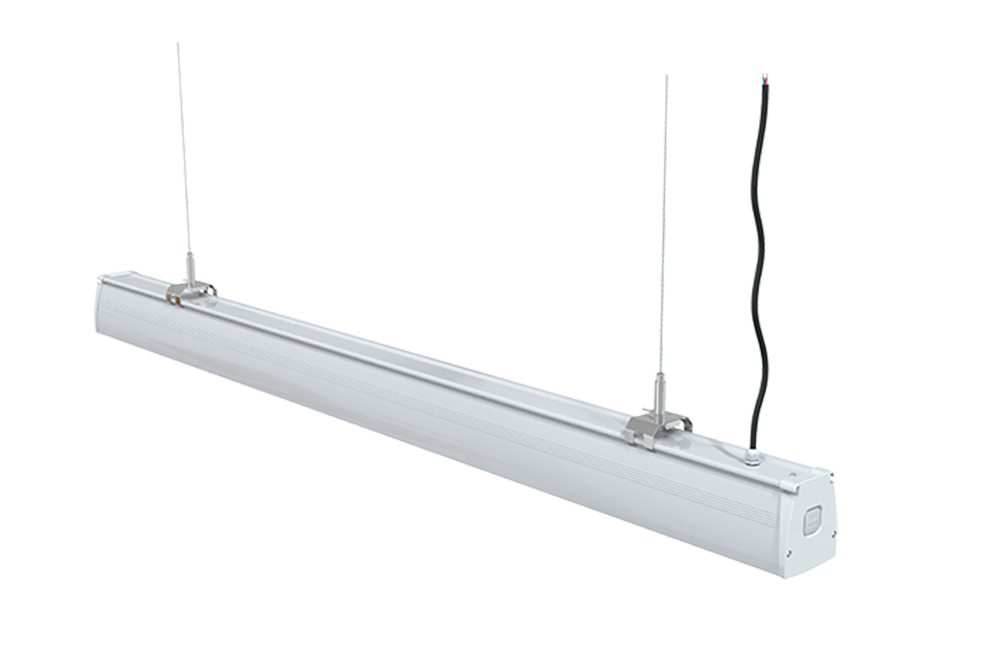
The HLD Series linear high bay LED lights from SEEKING deliver up to 200 lm/W with multiple beam angles and adjustable CCT options for warehouse, workshop, corridor and general industrial lighting.
View details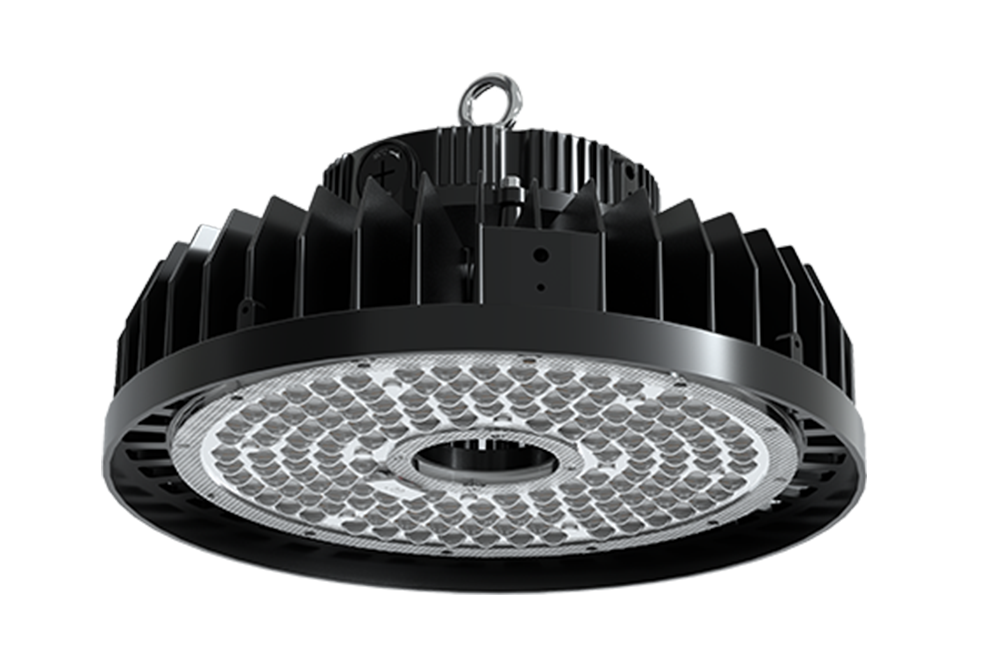
The HBK Series LED high bay light by SEEKING combines 500W power, 160–175 lm/W efficiency and IP65 durability for heavy-duty industrial lighting. Designed for warehouse, factory and production facilities with demanding ceiling heights.
View details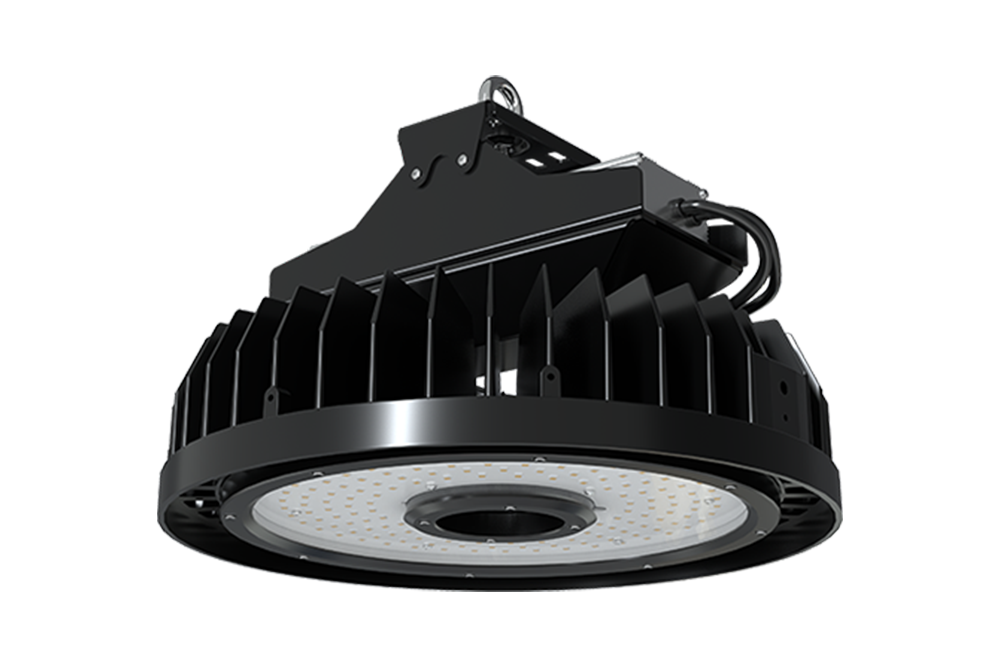
LED high bay lights engineered for extreme heat and low-temperature industrial sites. SEEKING HBK Ultua Series operates from -40°C to +70°C with Nichia LEDs and Inventronics driver.
View details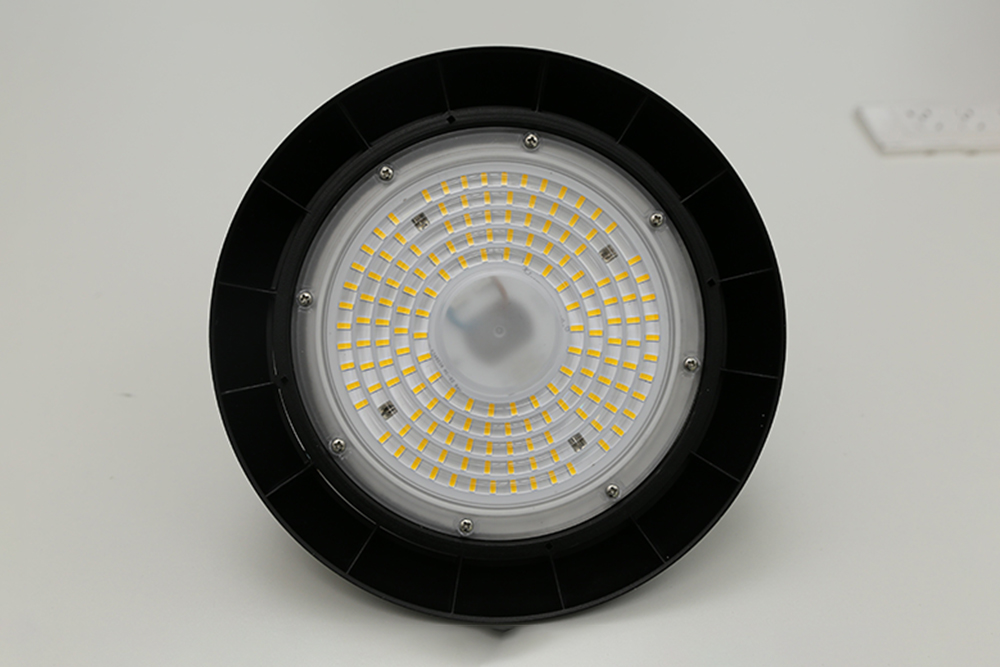
High bay LED lights built for warehouses, production plants and wholesale distribution. SEEKING HBI Series offers up to 200lm/W, IP65, IK08 and optional microwave motion sensor for energy saving operation.
View details
How to connect LED flood light safely and correctly? Learn wiring basics, common mistakes, and installation tips used in professional LED flood light projects by SEEKINGLED.
View details
A typical modern LED street light produces about 5,000–30,000 lumens, while larger roadway fixtures may exceed 30,000 lumens.
View details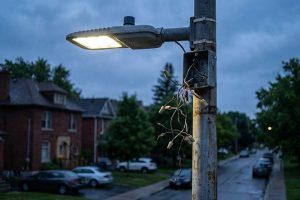
Are exposed wires for LED street lights dangerous in real street conditions? Learn the actual safety risks, common causes, and how professionals handle it.
View details
No. A flood light is dimmable only when its LED driver and control system support a compatible dimming method.
View details