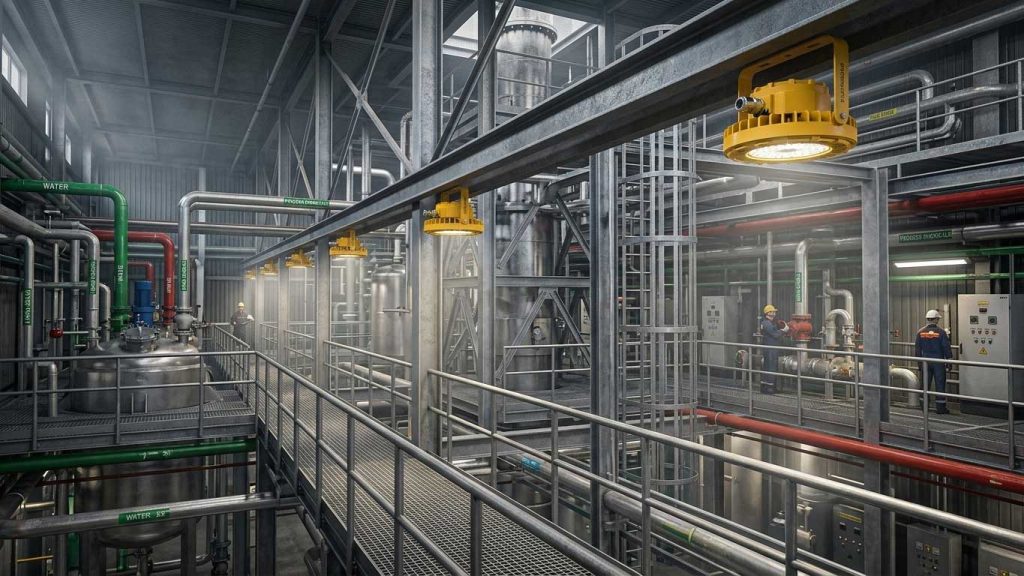
ATEX LED lighting is certified equipment designed to operate safely in explosive atmospheres by preventing ignition from heat, sparks, or electrical faults under defined conditions.
That’s the clean answer.
On-site, it’s less clean.
ATEX LED lighting is one of those terms people nod at—until they’re standing in front of an inspector, or worse, a shutdown notice.
So let’s be clear early:
ATEX is not a feature
It’s not optional
It’s a compliance boundary
Cross it wrong, and the project stops.
I’ve worked on sites where perfectly functional LED fixtures—good output, solid build—had to be removed. Not because they failed technically. Because one document didn’t match the zone classification.
That’s how unforgiving ATEX is.
atex led lighting: What It Means in Practical Terms
ATEX comes from EU Directive 2014/34/EU.
It governs equipment used in explosive atmospheres—gas, vapor, dust.
ATEX LED lighting (or led atex lighting) is designed so it cannot ignite those environments—not during normal operation, and not during predictable faults.
Equipment must meet strict requirements around ignition prevention and classification.
In practice, that means:
controlled surface temperature (T-class)
sealed enclosure (IP-rated)
no spark emission
certified internal components
If a supplier can’t clearly state zone + gas group + temperature class, you’re not looking at real ATEX lighting.
You’re looking at risk.
Not Just Fixtures: The Whole System Matters
One mistake I’ve seen repeatedly:
People treat atex lights as standalone products.
They’re not.
The system includes:
fixture (atex light fittings)
cable glands
drivers
wiring
mounting hardware
One weak component—and the certification is effectively broken.
atex lighting: Where It’s Actually Required
From experience, these are the environments where ATEX lighting isn’t optional:
oil & gas processing
chemical plants
paint booths
grain silos (dust explosion risk)
fuel storage and loading
Dust gets underestimated.
According to OSHA, combustible dust incidents continue to cause serious industrial accidents when controls are missing: https://www.osha.gov/combustible-dust
Dust ignition thresholds can be as low as 50 g/m³, depending on material.
I’ve seen facilities focus heavily on gas zones—and completely overlook dust classification.
Inspectors don’t overlook it.
Zone Classification Reality
Zone
Description
Risk Level
Zone 0
continuous explosive atmosphere
highest
Zone 1
likely during operation
high
Zone 2
unlikely but possible
moderate
Zone matters more than wattage.
I’ve seen buyers treat Zone 2 fixtures as “close enough” for Zone 1.
They weren’t.
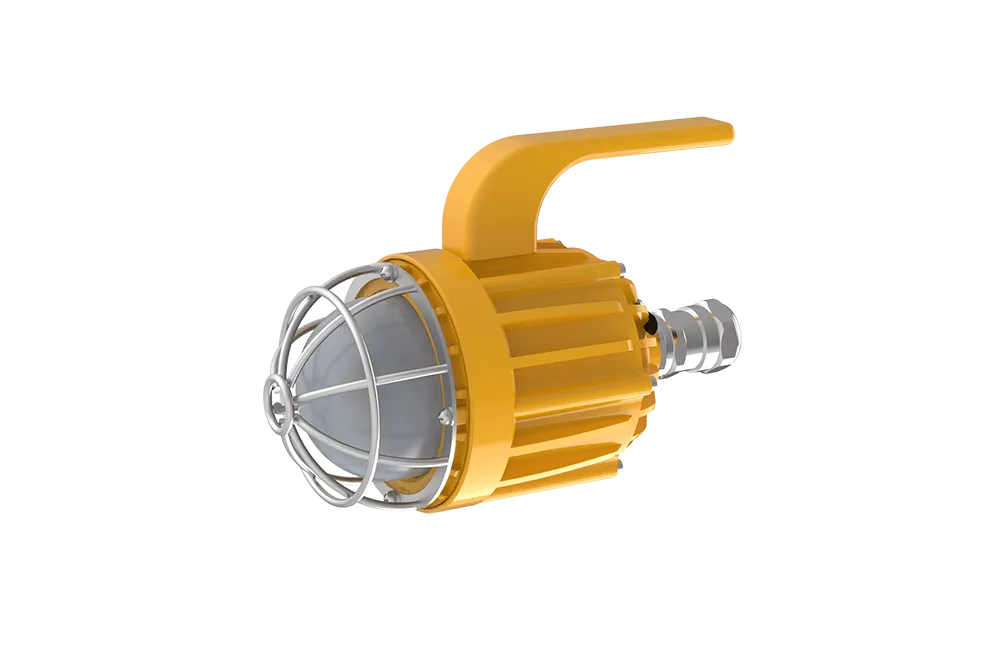
atex work light: Portable Risk Most People Ignore
Fixed lighting gets attention.
Portable lighting—atex work light—often doesn’t.
That’s a mistake.
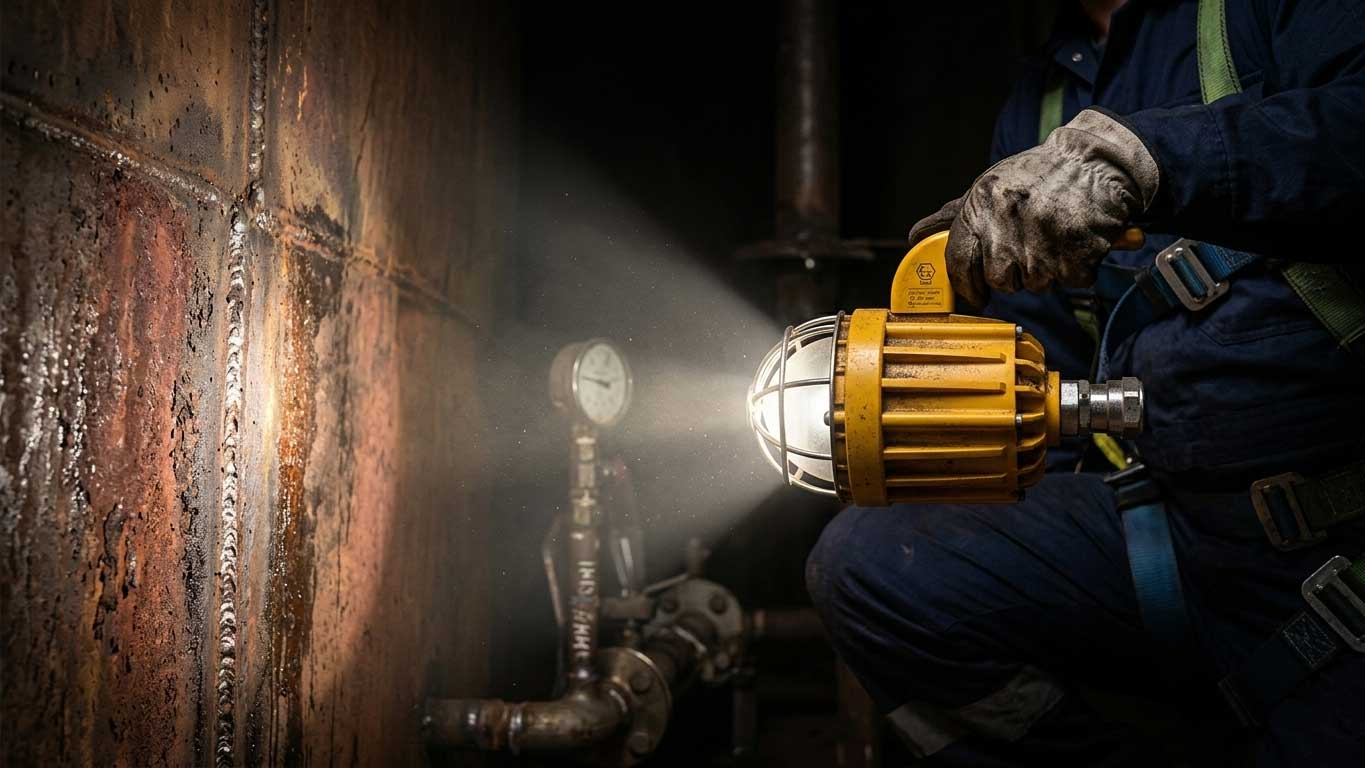
Portable lights are:
moved frequently
exposed to impact
used in confined spaces
Which makes them riskier.
In one shutdown job, a non-certified work light stopped the entire operation. Not because it failed—but because it could fail.
That’s enough.
atex rated lights: Common Mistakes I’ve Seen
Not theoretical mistakes.
Real ones.
1. Confusing “Explosion Proof” with ATEX
Explosion-proof is a concept.
ATEX is a legal certification.
They are not interchangeable.
2. Ignoring Dust Zones
Gas gets attention.
Dust gets forgotten.
Until inspection.
3. Mixing Certified and Non-Certified Parts
The luminaire may be ATEX.
The cable gland isn’t.
That’s still a failure.
4. Overlooking Temperature Class
A fixture can be certified—and still wrong for the environment if the T-rating doesn’t match.
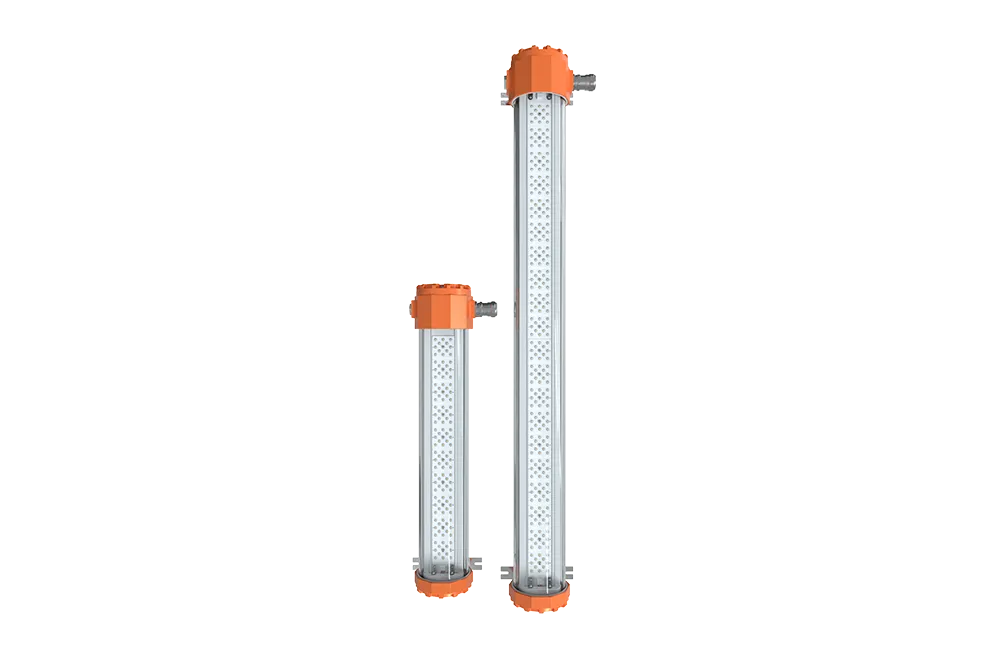
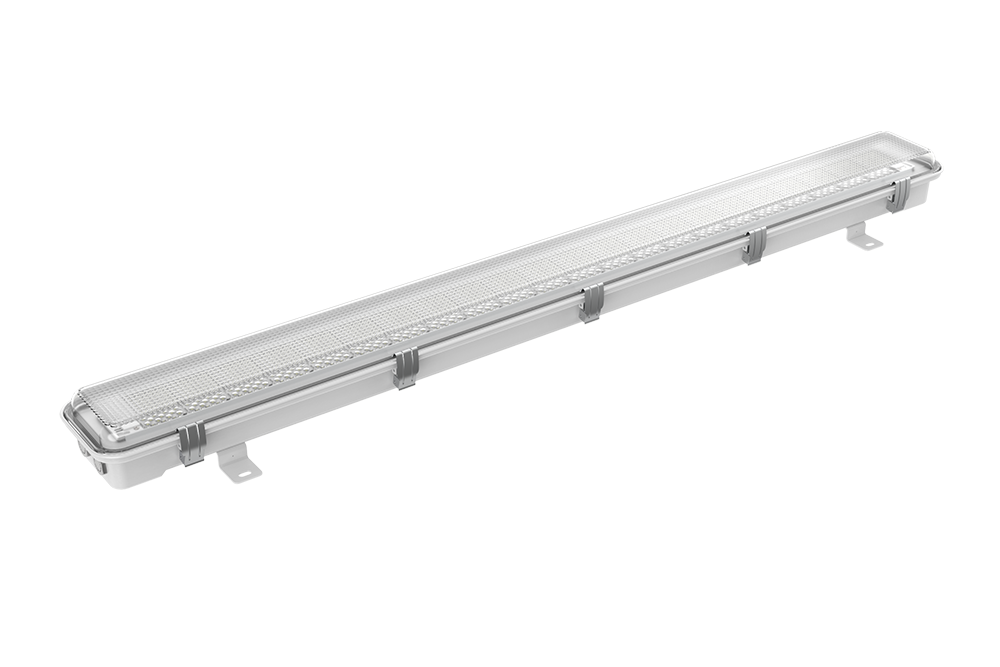
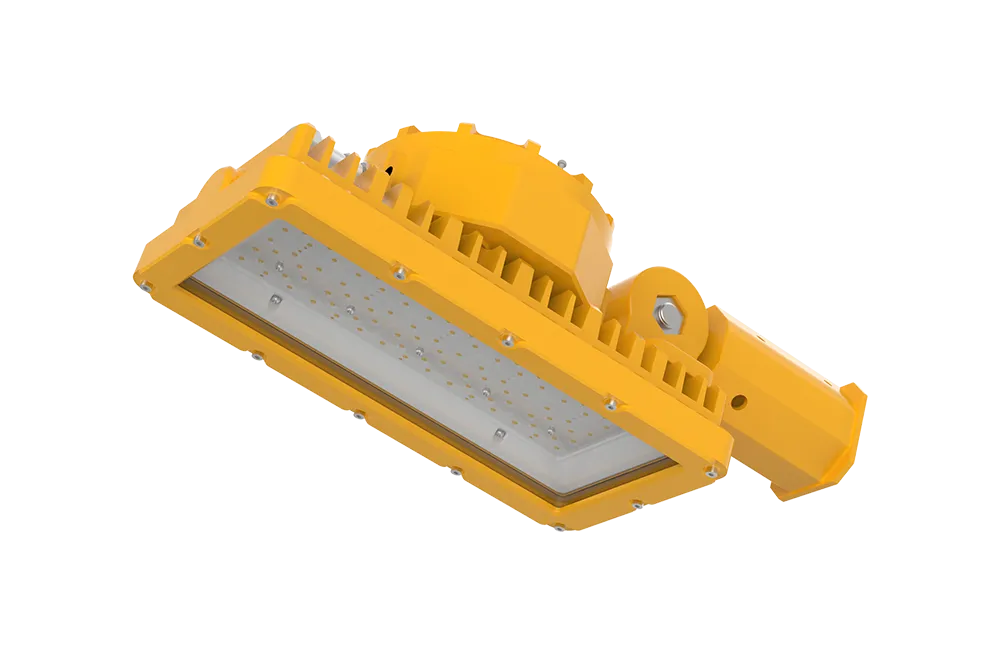
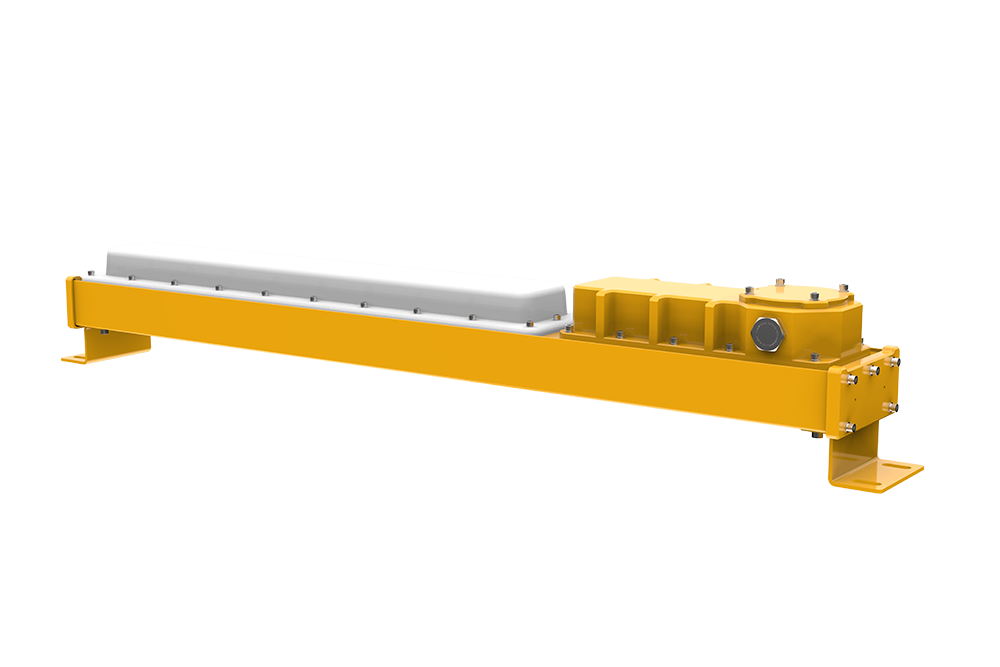
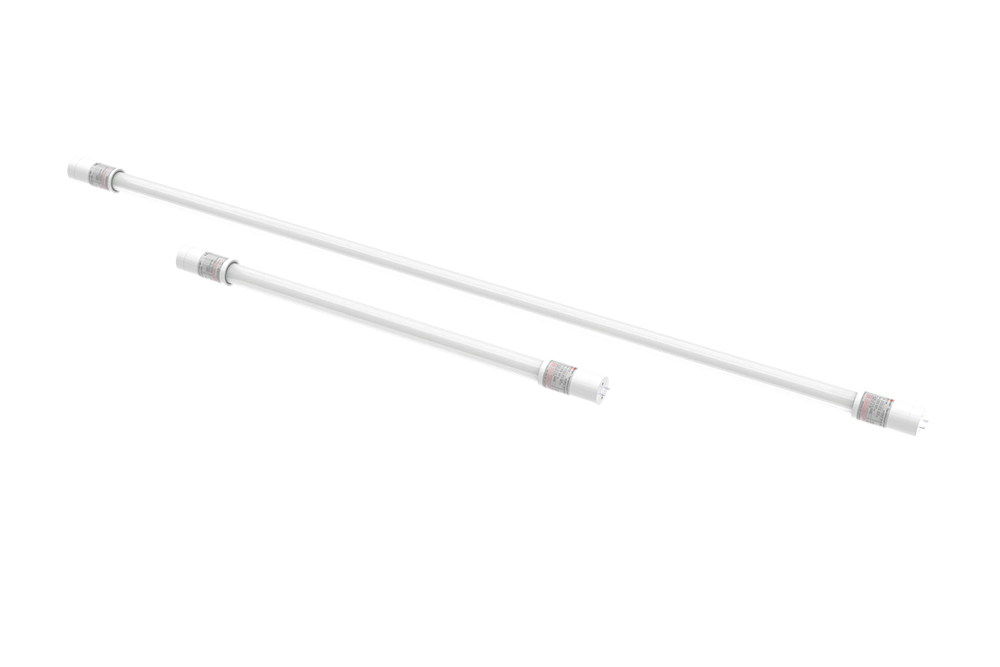
SEEKINGLED LED Linear Explosion Proof Light and Explosion Proof lighting is ATEX and IECEx certified for Zone 1, Zone 2, Zone 21 and Zone 22 hazardous locations, built for long-term industrial use.
LED Linear Explosion Proof Lights and EX Proof lights for Zone 1, Zone 2, Zone 21 and Zone 22 hazardous areas. ATEX & IECEx certified explosion proof LED linear lighting with emergency function, adjustable power and IP67 protection by SEEKINGLED.
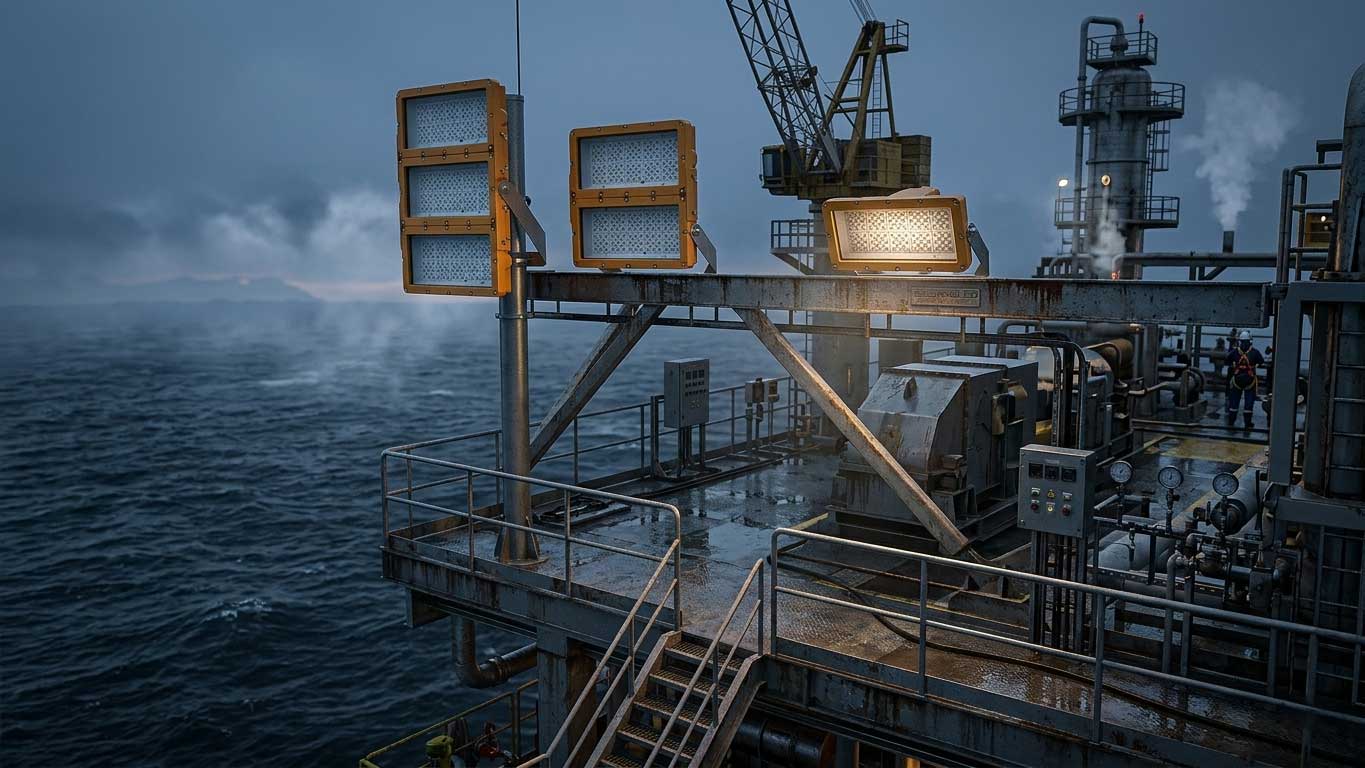
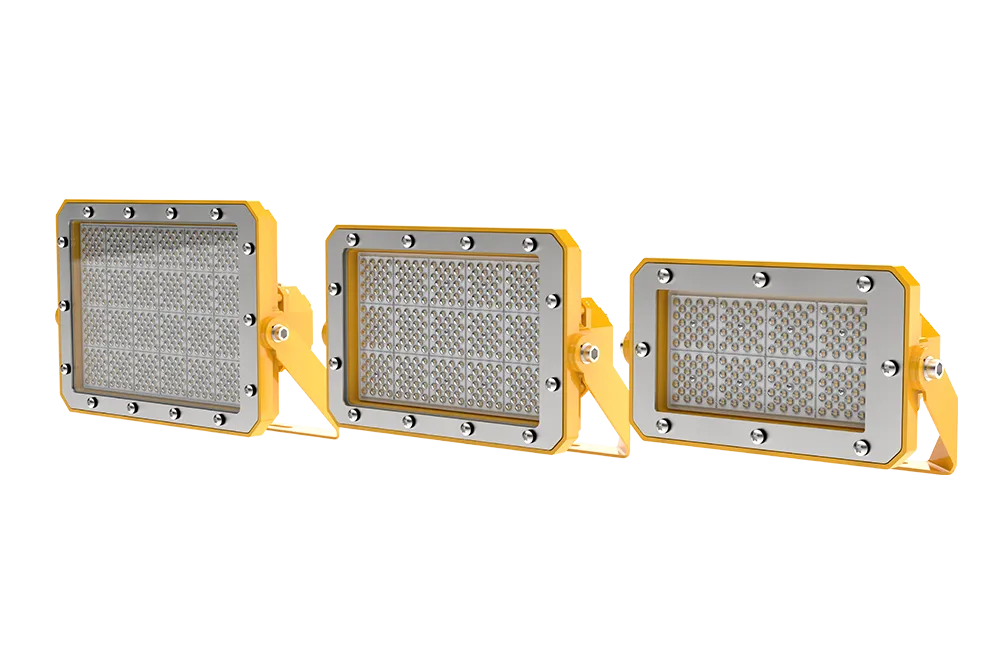
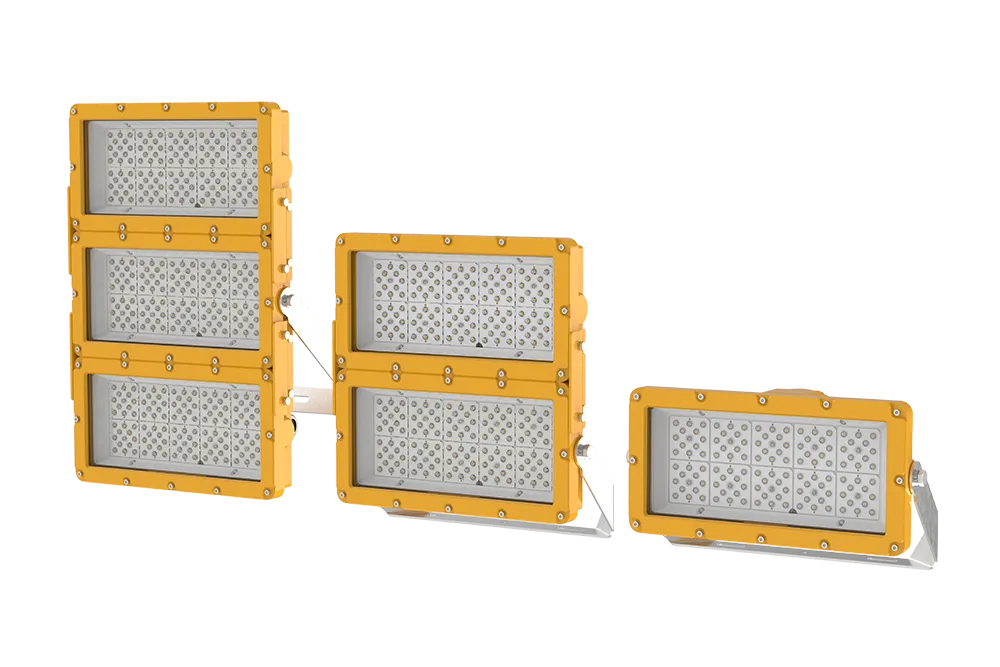
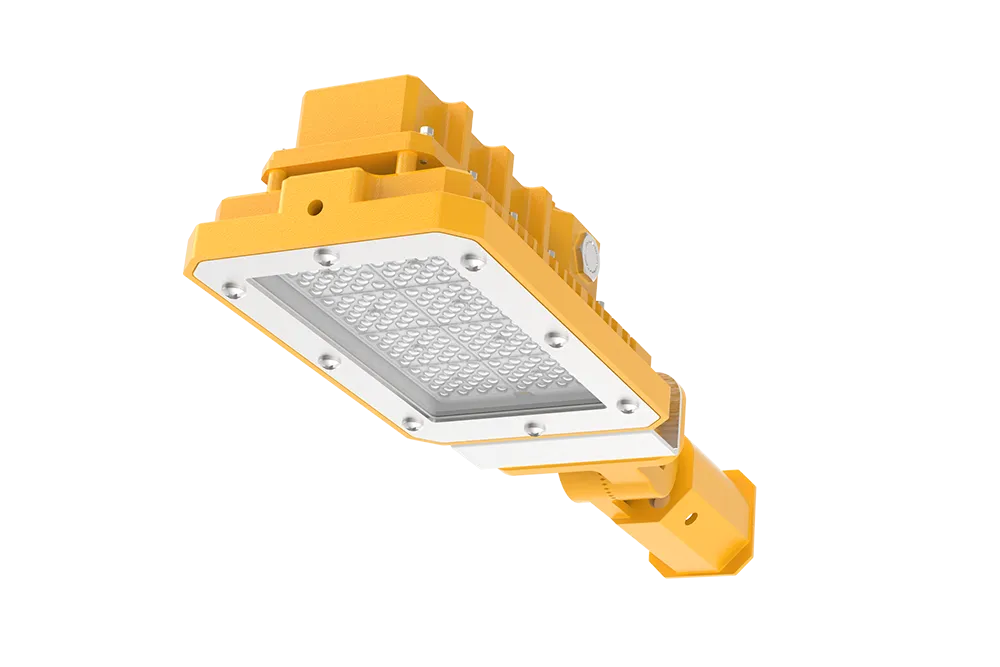
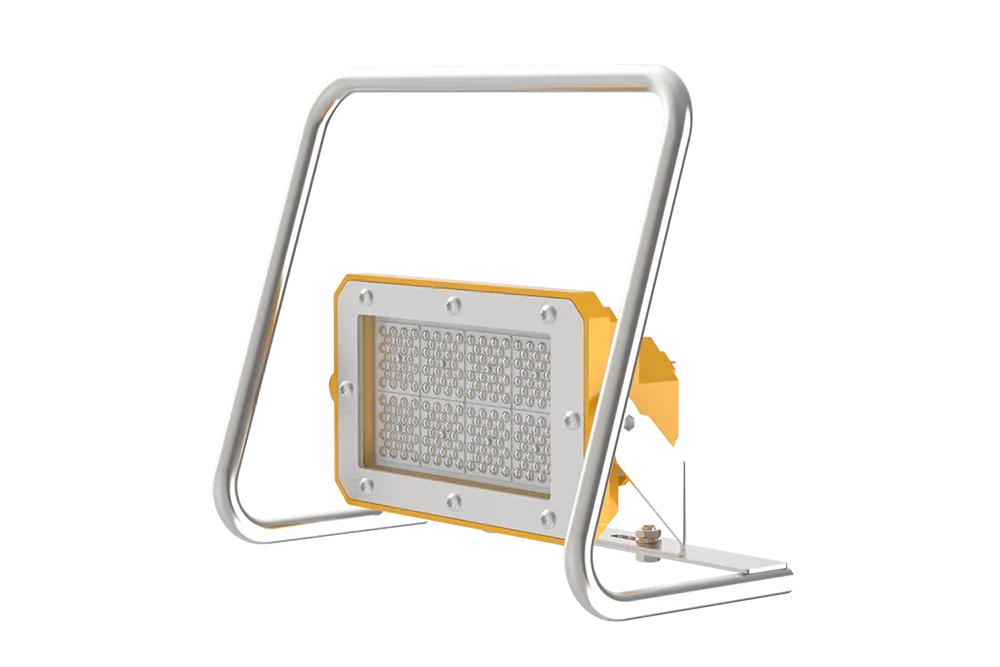
SEEKINGLED LED Explosion Proof Flood Lights are ATEX certified for Zone 2 and Zone 22 hazardous areas, offering high efficiency, adjustable power and integrated junction box.
SEEKINGLED LED Explosion Proof Flood Lights are flameproof ATEX and IECEx certified for Zone 1 and Zone 2 hazardous areas, offering high power, adjustable output and long service life.
SEEKINGLED LED Gas Station Canopy Lights are ATEX certified for Zone 2 and Zone 22 hazardous areas, featuring adjustable power and built-in explosion-proof junction box.
ATEX: Ex II 2G Ex db IIB T6/T5 GbEx II 2D Ex tb IIIC T80°C/ T95°C Db IECEx Ex db IIB T6 Gb;Ex tb IIIC T80°C Db Feature: ● For Zone 1,2 and Zone 21,22● Flameproof type, the strongest● 100W can replace 250W HID,energy saving● Power:60W,80W,10…
ATEX: II 3G Ex nR ⅡC T5/T6 GcII 3D Ex tc ⅢC T80℃/T95℃Dc ATEX Certificate NO: TÜV CY 26 ATEX 0207611 X Feature: ● For Zone 2 and Zone 22● 150W can replace 250W HID lamps,Energy saving● Power:50W,75W,100W,150W,200W Application: Oil and gas, m…
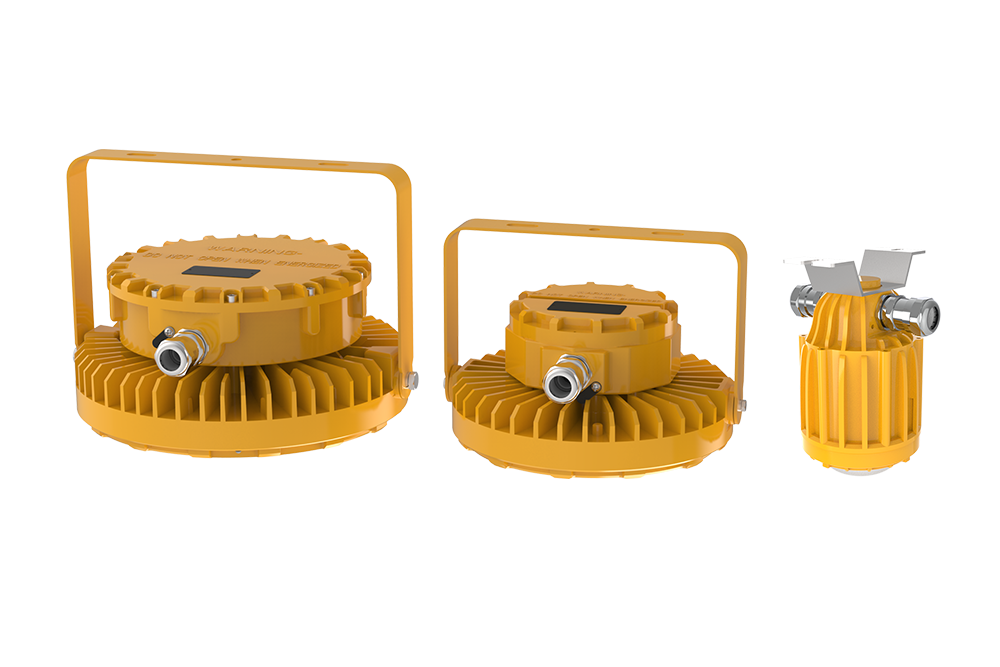
LED explosion proof high bay lights are designed for Zone 1, Zone 2, Zone 21 and Zone 22 hazardous areas. This page introduces the HB21 Series from SEEKING, including certifications, power options and real application considerations.
LED Linear Explosion Proof Lights from SEEKINGLED. LU Series Flame Proof lights ATEX-certified explosion proof LED linear lighting for Zone 2 gas and Zone 22 dust areas, IP69K, IK10, long lifetime and flexible power options.
Certified explosion proof work lights for Zone 1 & 21 hazardous areas. Portable, ATEX & IECEx approved, built for oil, gas and chemical plants by SEEKINGLED.
ATEX: II 3G Ex nR ⅡC T6 GcII 3D Ex tc ⅢC T80℃ Dc ATEX Certificate NO: TÜV CY 26 ATEX 0207611 X Feature: ● For Zone 2 and Zone 22● Accepts battery-powered supply● indestructible● Power:AC input:50W,75W,100WDC input:15W,25W,35W Application: O…
ATEX: Ex II 2G Ex db IIB T6 GbEx II 2D Ex tb IIIC T80°C Db IECEx Ex db IIB T6 Gb;Ex tb IIIC T80°C Db Feature: ● For Zone 1,2 and Zone 21,22● Flameproof type, the strongest Application: Oil and gas, marine, Chemical, pharmaceutical, semicondu…
ATEX: Ex II 2G Ex db IIB T6 GbEx II 2D Ex tb IIIC T80°C Db IECEx Ex db IIB T6 Gb;Ex tb IIIC T80°C Db Feature: ● For Zone 1,2 and Zone 21,22● Flameproof type, the strongest Application: Oil and gas, marine, Chemical, pharmaceutical, semicondu…
ATEX: Ex II 2G Ex d e IIB T6 Gb ATEX: Ex d e IIB T6 Gb; Feature: ● For Zone 1,2● 9W can replace 18W fluorescent lamps,50% Energy saving Application: Oil and gas, marine, Chemical, pharmaceutical, semiconductor,mining,military industry, pain…
This article shares real engineering experience with Sports Stadium LED Lighting Technology, focusing on visibility, energy use, and long-term operation in modern stadiums by SEEKINGLED.
27-30th,October,2016 Booth: 5B-E25HBS series high bay light include 100W, 120W, 150W, 200W, 240W, with round heat-sink, IP65 protection grade. Use Meanwell HBG driver, SMD3030 LED chips, whole lamp 5 year warranty, light efficiency update to...
Are LED light bars street legal in Texas? This Q&A explains when LED light bars are legal, when they are not, and how Texas law is applied in real driving situations.
 Seeking LED