 Seeking LED
What is explosion proof Class 1 Div 1 lighting?
0What is explosion proof Class 1 Div 1 lighting? Learn how hazardous location lighting prevents ignition in oil, gas, and chemical facilities. Expert guide by SEEKINGLED.
View detailsSearch the whole station
Can industrial high bay LED lighting improve factory and warehouse lighting? Yes. Industrial high bay LED lighting is designed for high ceilings, large floor areas, long operating hours, and demanding environments where consistent illumination and energy efficiency are essential.
I have worked with commercial LED lighting projects at SEEKINGLED for more than a decade, and this is one area where specifications on paper can be misleading. A factory may have a 30-foot ceiling, hundreds of fixtures, dusty equipment, forklifts, cranes, and workers performing different tasks under the same roof. A fixture that looks excellent in a catalog still has to work on that floor.
The IES specifically recognizes industrial lighting as a specialized application covering warehouses, storage, machining, metal fabrication, food processing, humid and corrosive environments, high-temperature areas, and outdoor industrial spaces.
Industrial high bays are built around a simple problem: large spaces need usable light from a considerable mounting height.
Ordinary commercial ceiling fixtures often cannot deliver sufficient illumination efficiently at those heights.Visit product page:Industrial LED High Bay Lights
LED high bays solve this with high lumen output, controlled optics, and purpose-built thermal designs.
Typical applications include:
| Industrial Application | High Bay Lighting Requirement |
|---|---|
| Manufacturing Plants | Uniform work-plane illumination |
| Warehouses | Wide coverage and aisle visibility |
| Distribution Centers | Long operating life and efficiency |
| Workshops | Better visibility around machinery |
| Logistics Facilities | Consistent illumination over large areas |
| Production Lines | Controlled glare and good color rendering |
The installation environment changes the specification.
A clean distribution warehouse is relatively straightforward. A metal fabrication plant with airborne particles and high ambient temperatures is not.
Industrial high bay fixtures are not simply brighter versions of ordinary LED ceiling lights.
They are engineered around:
The fixture’s lumen output is important, but I would never approve a project based on lumens alone.
The actual question is how much useful light reaches the working surface.
OSHA’s regulations provide a useful illustration. For certain construction environments, the minimum illumination listed for indoor warehouses is 5 foot-candles, while general construction plant and shops are listed at 10 foot-candles. OSHA also states that illumination should be measured at the working surface.
Data source:https://www.osha.gov/laws-regs/regulations/standardnumber/1926/1926.56
Those values are regulatory examples for specific covered workplaces, not universal lighting-design targets. The point is more important: lighting should be evaluated where the work happens, not at the ceiling.
Warehouse lighting presents a particular challenge because shelving changes the way light travels.
In an open warehouse, a wide distribution may provide efficient overlapping coverage.
In a high-rack warehouse, that same distribution may send too much light toward the upper rack structure while leaving the aisle floor less effectively illuminated.
Before selecting a fixture, I normally want to know:
The IES industrial lighting practice specifically includes warehouse and storage-area lighting as well as lighting equipment, controls, maintenance, and economic analysis.
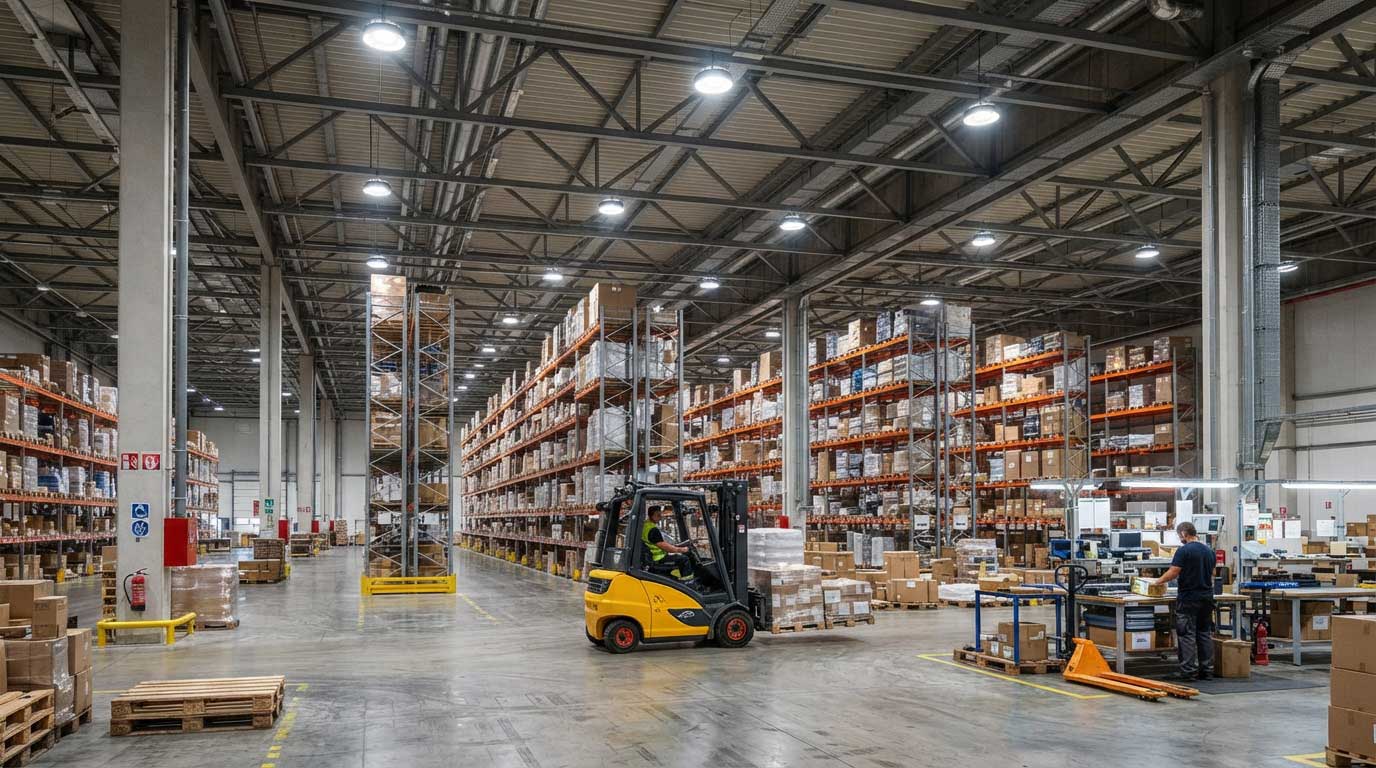
Yes, but the savings depend on what the LED system replaces and how the facility operates.
The U.S. Department of Energy states that LED lighting uses at least 75% less energy than incandescent lighting and can last up to 25 times longer. While that comparison is not a direct metal-halide-to-LED calculation, it demonstrates the broader efficiency advantage of LED technology.
For industrial facilities, the financial effect comes from more than fixture efficiency.
Consider a warehouse operating:
That is approximately 3,744 operating hours annually.
Now multiply those hours across 100, 200, or 500 fixtures.
A difference of 50W per fixture becomes significant at that scale.
There is another cost that is easy to overlook: maintenance.
Replacing lamps or drivers at 30 feet requires access equipment, labor, safety procedures, and sometimes production downtime. LED high bays with long rated service lives can reduce how frequently those interventions are required.
Ceiling height determines how far light must travel.
Typical high-bay projects may involve mounting heights of 20, 25, 30, or even 40 feet. The higher the fixture, the more carefully the optical distribution needs to be selected.
A 150W fixture is not automatically equivalent to another 150W fixture.
Compare:
Common high-bay optics include:
These are starting points, not fixed rules.
I have seen 120° optics work beautifully in one low-mounted production space and perform poorly in a much taller facility. The room layout matters more than the number printed beside the beam angle.
Heat is one of the less visible factors in LED fixture performance.
A high bay may operate for thousands of hours every year. If the installation is hot, dusty, or poorly ventilated, thermal management becomes especially important.
A commercial industrial fixture should be evaluated for:
The IES specifically identifies high-temperature and corrosive industrial environments as special lighting considerations.
This is why I would not use exactly the same high bay for a climate-controlled warehouse and a hot manufacturing area without checking the environmental specifications first.
Not every industrial space is simply “indoors.”
Some facilities have:
Metalworking, woodworking, agricultural processing, and other operations can produce airborne particles.
Cleaning processes, condensation, or open loading areas can expose fixtures to moisture.
Foundries, production lines, and poorly ventilated facilities can create elevated ambient temperatures.
Certain manufacturing processes can expose luminaires to chemicals or corrosive substances.
In these situations, check the fixture’s IP rating, operating temperature, housing material, impact resistance, and certifications before selecting it.
The IES specifically lists humid, corrosive, high- and low-temperature, food and drug processing, and hazardous areas among industrial lighting applications requiring special consideration.
A warehouse can have plenty of total light and still feel poorly lit.
I have walked through installations where the area directly beneath each fixture was extremely bright, but the spaces between fixtures were noticeably darker. Workers moving forklifts through those transitions experience a completely different visual environment than the lumen number on the product sheet suggests.
Uniformity depends on:
OSHA also emphasizes that illumination should be measured at the task or working surface and that fixtures should, where possible, be positioned to avoid shining directly into employees’ eyes.
For larger facilities, an IES photometric file and lighting simulation are worth requesting before placing a large order.
Modern LED high bays can work with:
This is particularly useful in warehouses with irregular occupancy.
A loading area may need full output when trucks are being unloaded. Thirty minutes later, maintaining every fixture at maximum output may accomplish very little.
LED technology makes this type of control practical without sacrificing instant startup.
SEEKINGLED develops LED high bay lighting for warehouses, factories, workshops, logistics centers, and other commercial and industrial environments.
When evaluating a project, I recommend treating the fixture as part of the lighting system rather than an isolated product.
The right specification normally combines:
That combination is what determines whether the lighting works after installation.
Yes. Industrial LED high bays are widely suited to warehouses because they provide high lumen output, controlled beam distribution, and efficient illumination for high ceilings and large floor areas.
Yes. LED high bays can replace many traditional metal halide systems when lumen output, mounting height, beam distribution, electrical compatibility, and required illumination are properly evaluated.
Many industrial high bays are designed for mounting heights above 20 feet. The appropriate fixture depends on the actual ceiling height, lumen output, optic, spacing, and required illumination.
There is no single best beam angle. A 60° beam can suit controlled or taller applications, while 90° or 120° distributions may work better for broader areas. A photometric layout provides a more reliable answer.
Some models are designed with IP-rated protection against dust and water, but not every industrial high bay is waterproof. Always verify the manufacturer’s IP rating and environmental specifications.
Yes. LED high bays can integrate with motion or occupancy sensors, dimming systems, daylight controls, and building management systems when compatible equipment is selected.
Can industrial high bay LED lighting improve industrial lighting? Yes. It is particularly effective for warehouses, factories, distribution centers, workshops, and other large spaces where high ceilings, long operating hours, and demanding working conditions make ordinary lighting inefficient.
The mistake is choosing a high bay because it has a high wattage or an impressive lumen figure.
Start with the building.
Look at the ceiling height. Walk the aisles. Check where workers actually perform tasks. Look at machinery, racks, forklifts, dust, heat, and maintenance access.
Then select the fixture.
That is the approach I have found most reliable through commercial lighting work at SEEKINGLED.
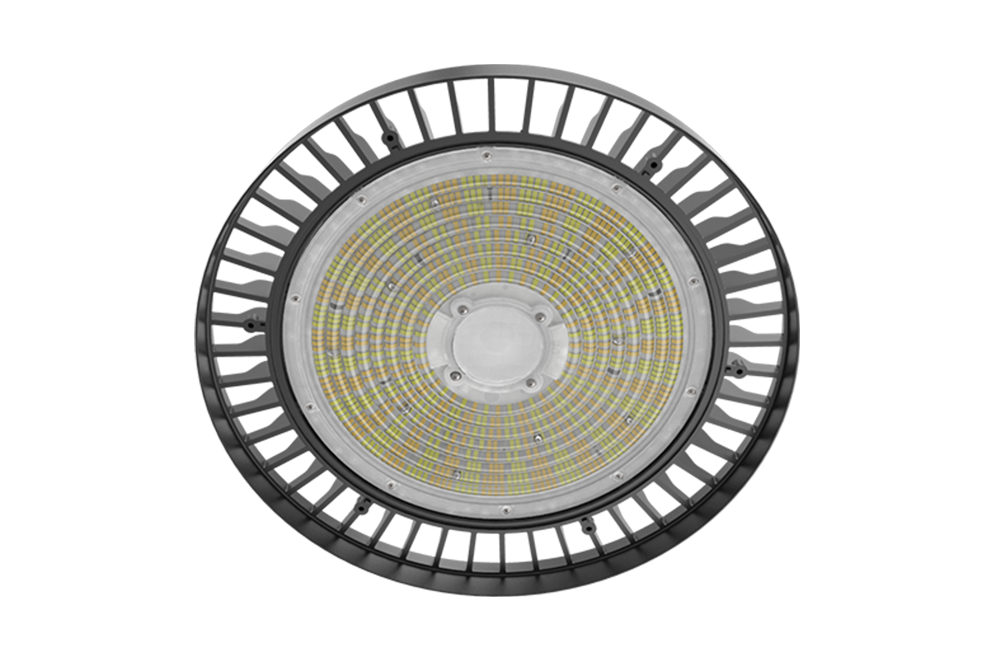
The SEEKING HBC-T Series high bay lights LED offer long-lasting performance for warehouses, production plants and logistics centers. Durable IP65 & IK08 housing, 60°/90° beam angles, up to 150 lm/W, and a lifespan beyond 100,000 hours. Ideal for airport halls, commercial storage, construction sites and large indoor spaces.
View details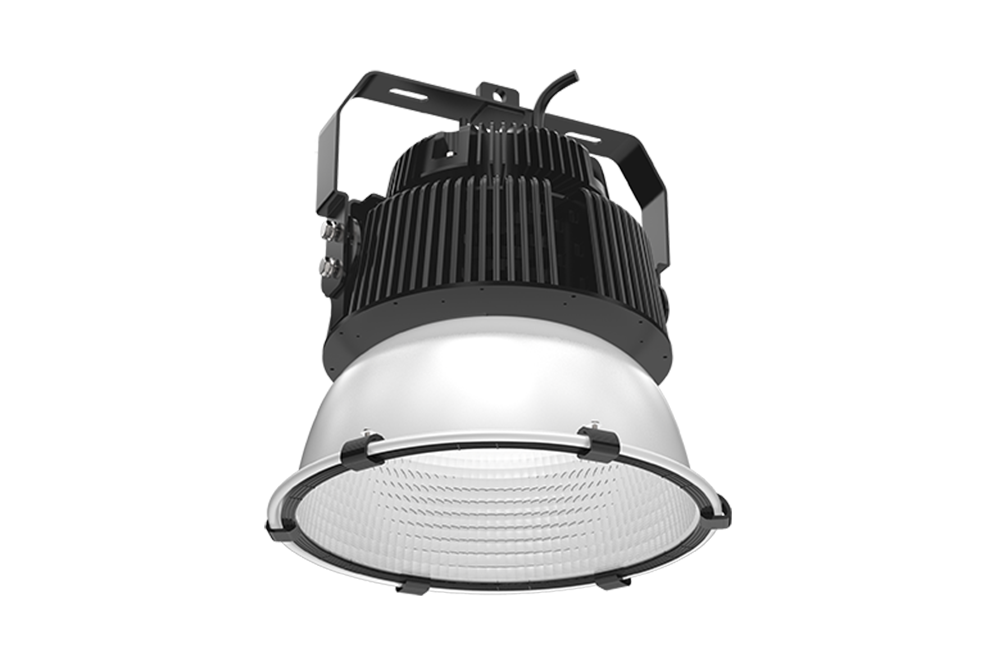
The SEEKING HBS Series LED UFO high bay light delivers 140 lm/W efficiency, IP65 protection and MEAN WELL drivers. A durable high-rise lighting solution for factories, warehouses and commercial halls.
View details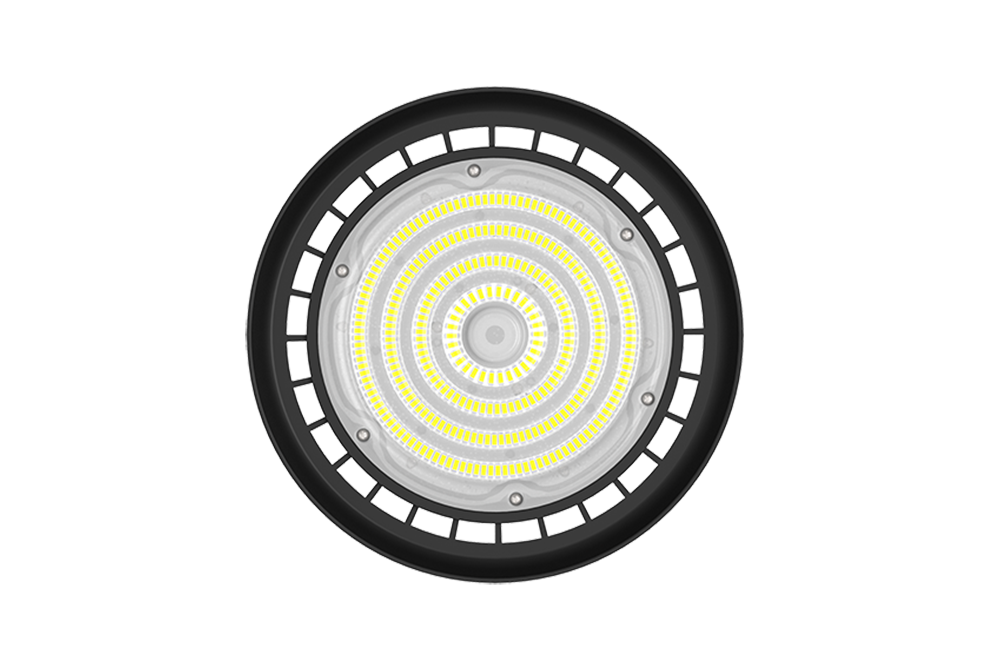
SEEKING HBD Series LED high bay lighting delivers 160 lm/W efficiency, IP66 protection, and long 100,000-hour lifespan. A durable UFO high bay solution for warehouses, workshops, logistics centers and commercial facilities.
View details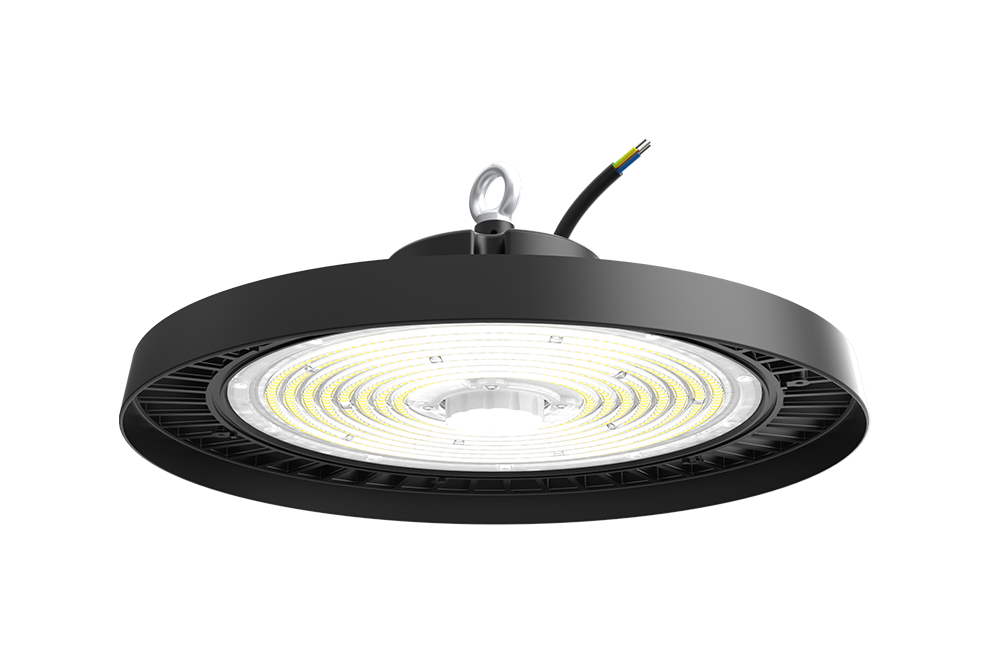
The SEEKING HBC Series high bay LED light fixtures combine strong efficiency, practical design and reliable SOSEN drivers. A durable UFO high bay lighting option for warehouses, workshops and wholesale projects.
View details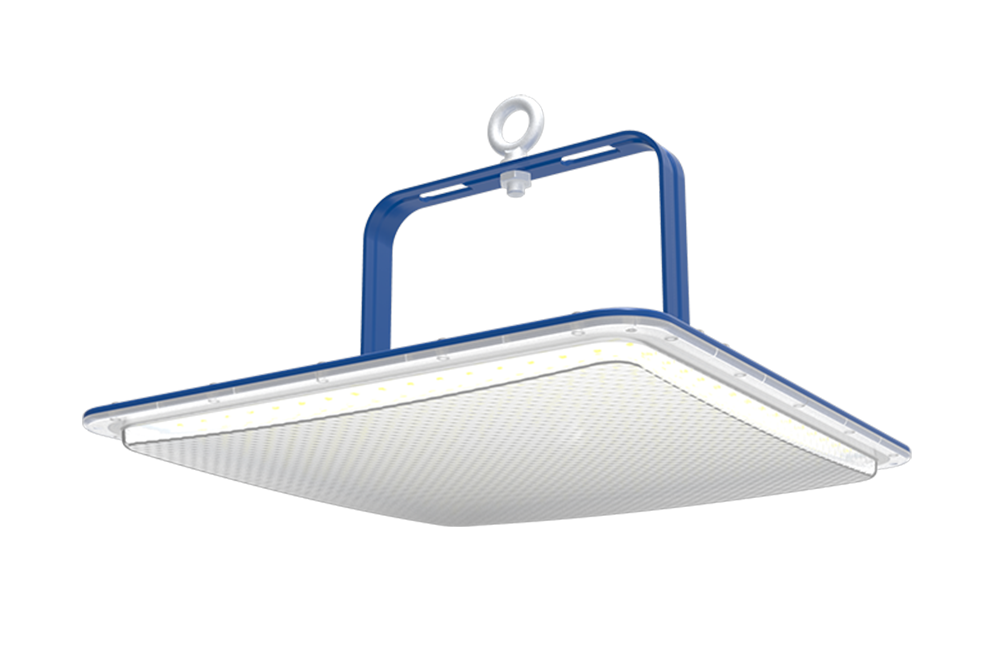
The SEEKING GSL Series high bay LED light delivers powerful, efficient lighting for industrial and commercial spaces. With IP65 protection, flexible mounting, and up to 140 lm/W performance, it’s ideal for warehouses, workshops, and retail areas.
View details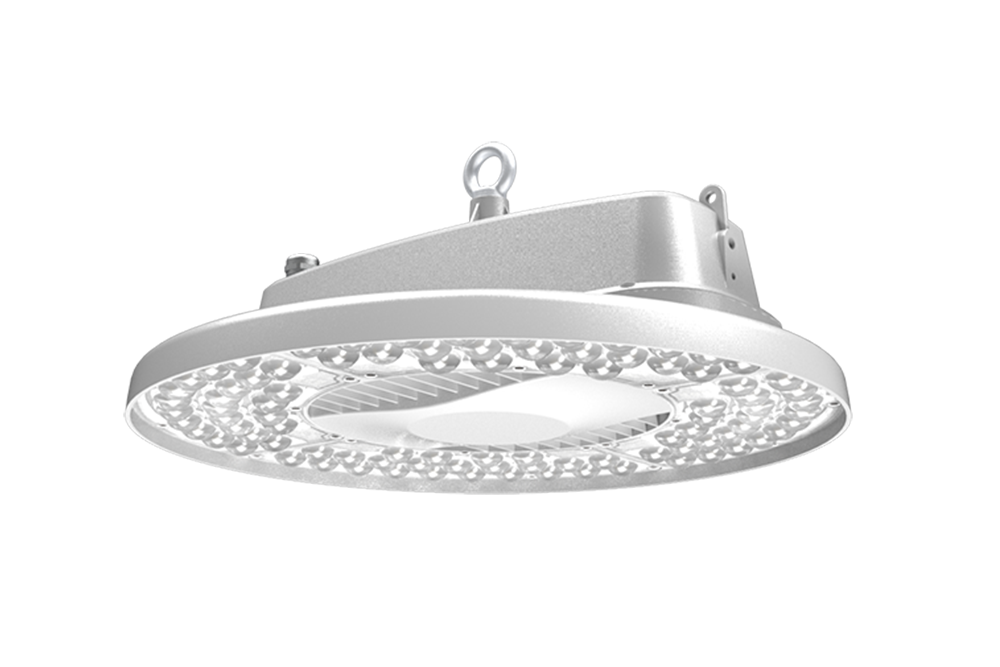
The SEEKING HB15(GLE) Series delivers advanced high bay led lighting with UGR 100,000 h) and reliable illumination for demanding commercial environments.
View details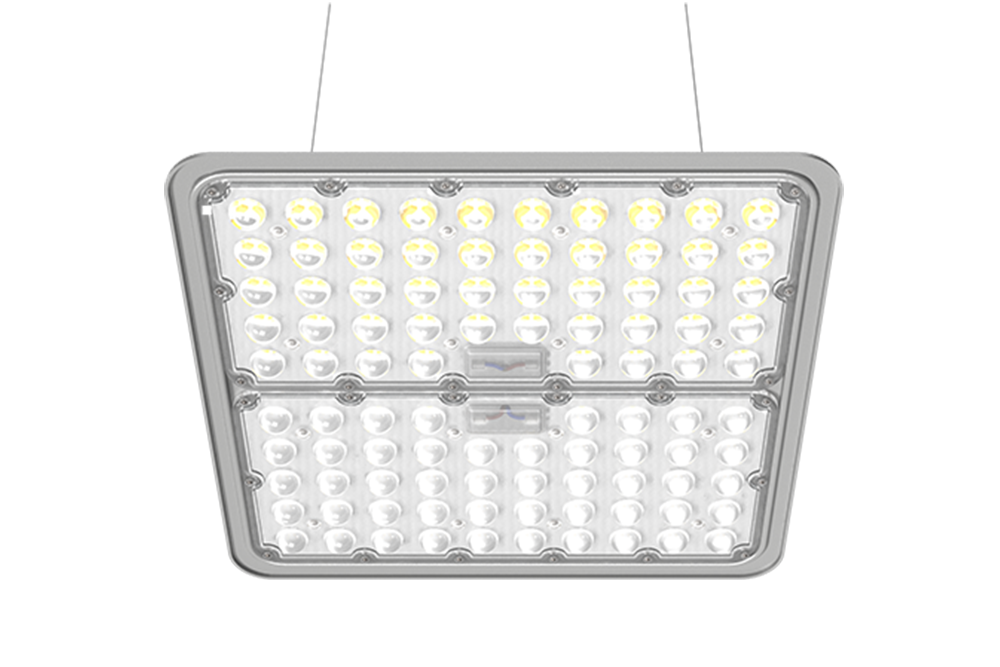
Discover the SEEKING HB13(GLK) Series ufo led high bay light, engineered for sports halls, airport lounges, showrooms, and large commercial spaces. UGR 100,000 h). Ideal for industrial ufo high bay lighting fixtures and commercial retrofits.
View details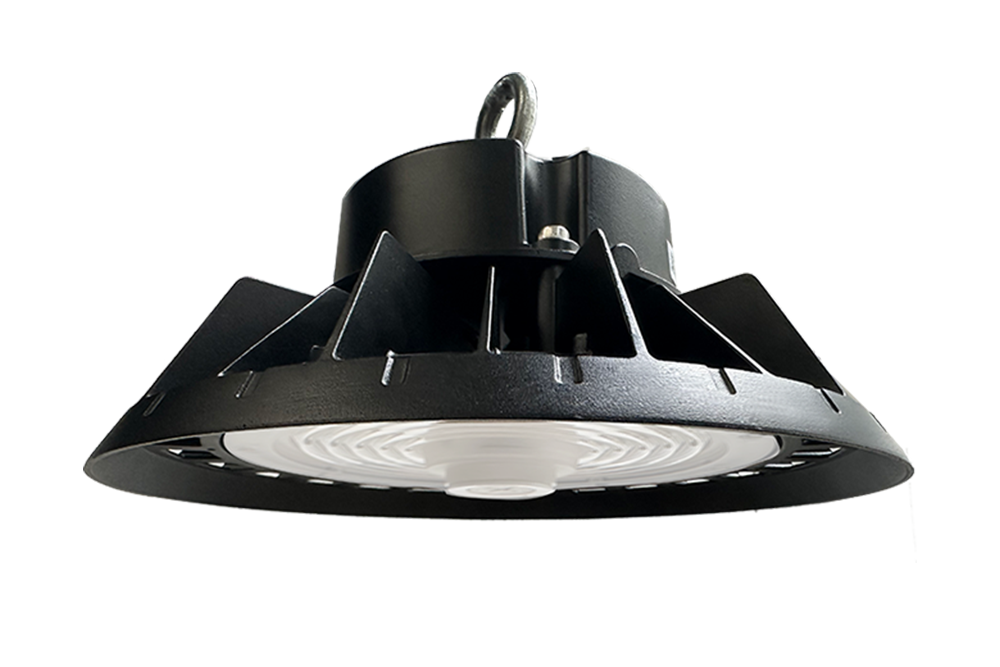
SEEKING HBF Series offers industrial LED high bay lighting with up to 200lm/W efficiency, SOSEN flicker-free driver, IP65 protection and optional microwave motion sensor. Ideal for warehouses, factories and commercial distribution projects.
View details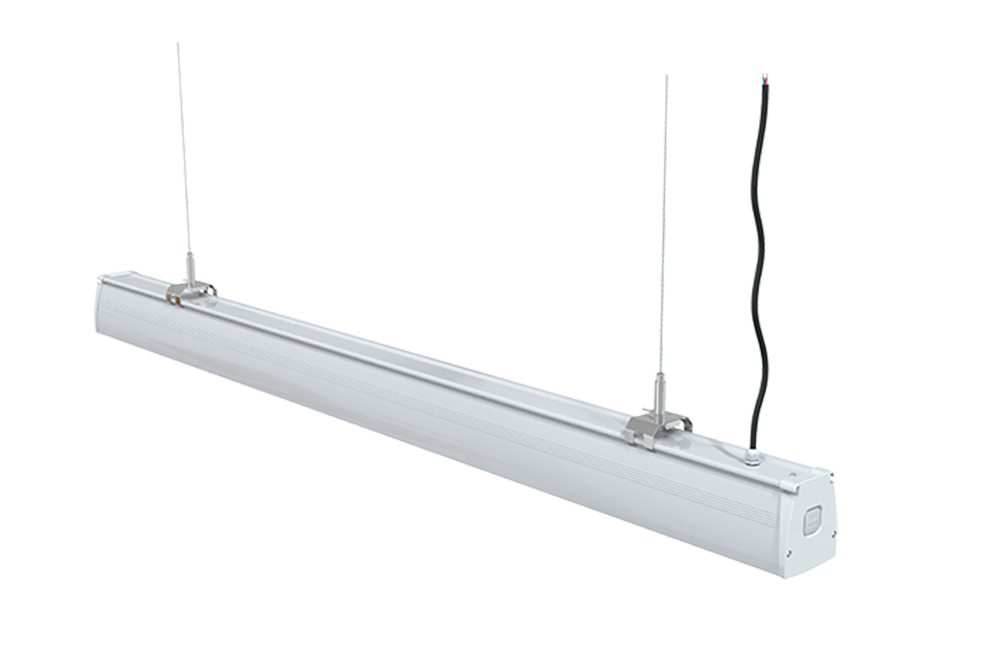
The HLD Series linear high bay LED lights from SEEKING deliver up to 200 lm/W with multiple beam angles and adjustable CCT options for warehouse, workshop, corridor and general industrial lighting.
View details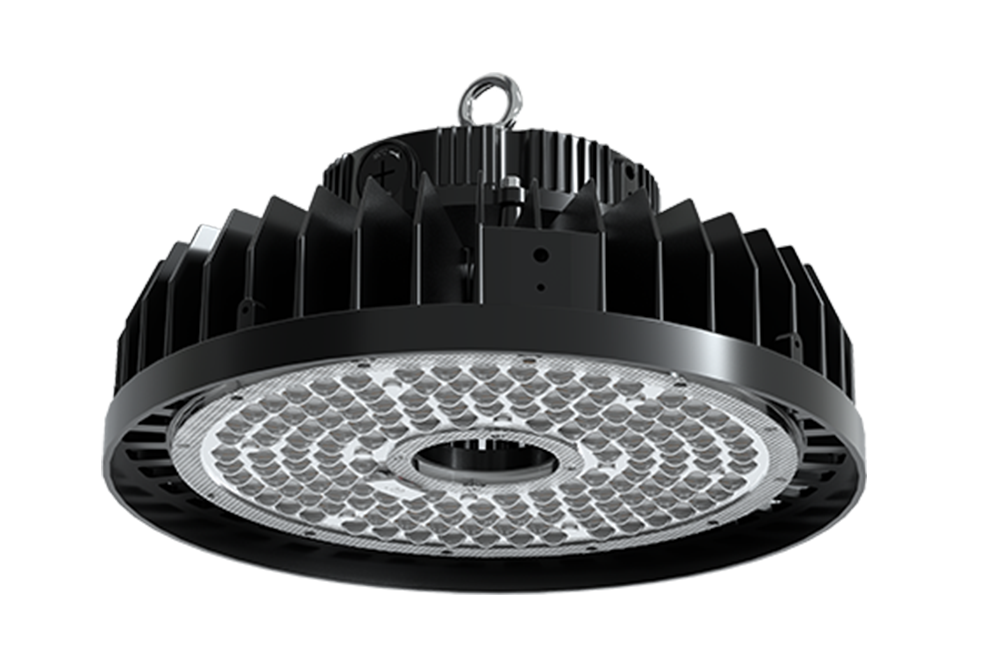
The HBK Series LED high bay light by SEEKING combines 500W power, 160–175 lm/W efficiency and IP65 durability for heavy-duty industrial lighting. Designed for warehouse, factory and production facilities with demanding ceiling heights.
View details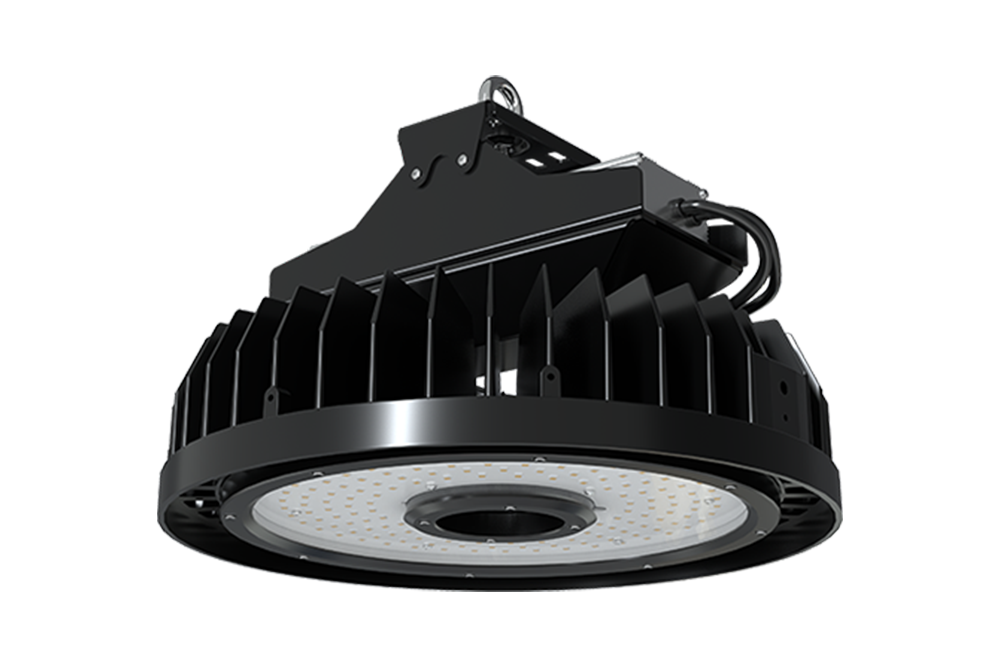
LED high bay lights engineered for extreme heat and low-temperature industrial sites. SEEKING HBK Ultua Series operates from -40°C to +70°C with Nichia LEDs and Inventronics driver.
View details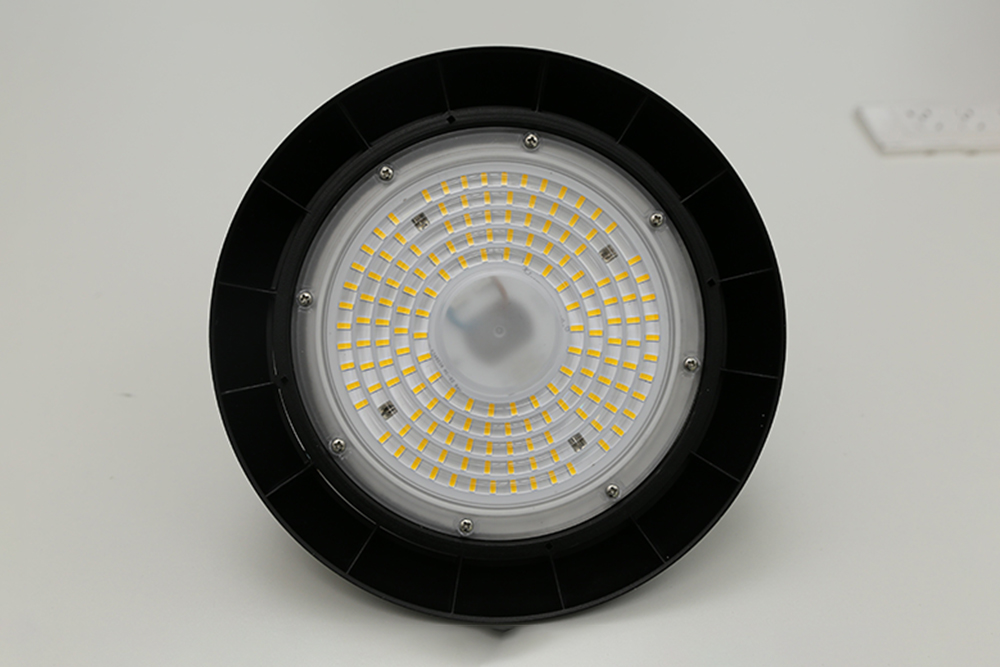
High bay LED lights built for warehouses, production plants and wholesale distribution. SEEKING HBI Series offers up to 200lm/W, IP65, IK08 and optional microwave motion sensor for energy saving operation.
View details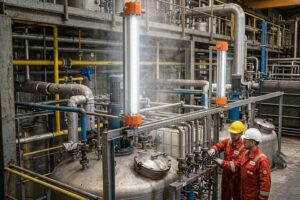
What is explosion proof Class 1 Div 1 lighting? Learn how hazardous location lighting prevents ignition in oil, gas, and chemical facilities. Expert guide by SEEKINGLED.
View details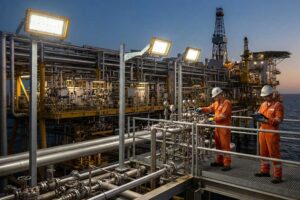
What Is LED Hazardous Area Lighting? Learn how certified hazardous LED lighting protects explosive environments, how it works, where it is used, and how to choose the right solution from SEEKINGLED.
View details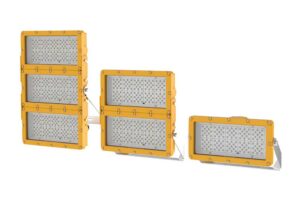
Learn the main explosion-proof types used in hazardous area lighting, including Ex d, Ex e, Ex m, Ex n, and Ex i protection methods for industrial safety.
View details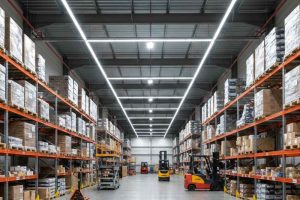
LED high bay spacing chart by ceiling height explained with real warehouse logic. Learn spacing ranges, common errors, and how to adjust for layout.
View details