 Seeking LED
A Max LED Flood Light: How Powerful Flood Lighting Really Works
63A max led flood light delivers powerful illumination for stadiums, yards, and large outdoor spaces. Discover how to choose high-output flood lights with SEEKINGLED.
View detailsSearch the whole station
Do high bay lights get hot? Yes, high bay lights produce heat during operation, but a properly designed LED high bay should manage that heat effectively. The housing and heat sink can become warm or hot to the touch, while good thermal design protects LEDs, drivers, light output, and service life.
This is one of those questions that sounds simple until you stand underneath a 200W high bay after several hours of operation.
The fixture may feel surprisingly warm.
That does not automatically mean something is wrong.
I have inspected and evaluated industrial LED lighting products at SEEKINGLED for years, and thermal performance is one of the areas I pay close attention to because it is easy to judge incorrectly from the outside. A hot aluminum housing is not necessarily a failed fixture. In fact, transferring heat into the housing is part of what the fixture is supposed to do.
The real concern is where the heat goes and how effectively the fixture gets rid of it.
LED high bays convert electrical energy into both visible light and heat.
LEDs are much more efficient than traditional incandescent sources, but they are not 100% efficient.
A U.S. Department of Energy technical report explains that LEDs generate little infrared and ultraviolet radiation, but a significant portion of electrical input still becomes heat that must be transferred away from the LED through the circuit board, heat sink, housing, or luminaire frame.Visit product page:Industrial LED High Bay Lights
That means heat is normal.
The important distinction is between:
normal operating heat
and
excessive heat caused by poor thermal design or unsuitable operating conditions.
There is no single temperature that applies to every high bay.
Temperature depends on:
A 100W fixture installed in a cool warehouse will behave differently from a 240W fixture operating continuously inside a hot manufacturing facility.
The LED itself is also considerably hotter than the outside housing in many designs. This is why manufacturers distinguish between ambient temperature, case temperature, and LED junction temperature.
The junction temperature is particularly important because it directly influences LED performance and lifetime.
DOE notes that excessive heat can cause reduced light output, color shift, accelerated lumen depreciation, and shortened useful life.
So when evaluating a high bay, I don’t ask only, “Does the body feel hot?”
I ask, “What is the thermal design doing with that heat?”
Yes.
A metal high-bay housing can become warm or hot during normal operation because the housing often functions as part of the heat-dissipation system.
This is particularly common with aluminum fixtures.
A well-designed housing may deliberately conduct heat away from the LED board and spread it across a larger surface area where it can dissipate into surrounding air.
That means touching the housing and finding it warm is not, by itself, evidence of a problem.
What would concern me is a combination of:
DOE’s guidance on LED outdoor lighting similarly emphasizes that heat sinking and airflow must keep LEDs and power supplies within an acceptable operating temperature range.
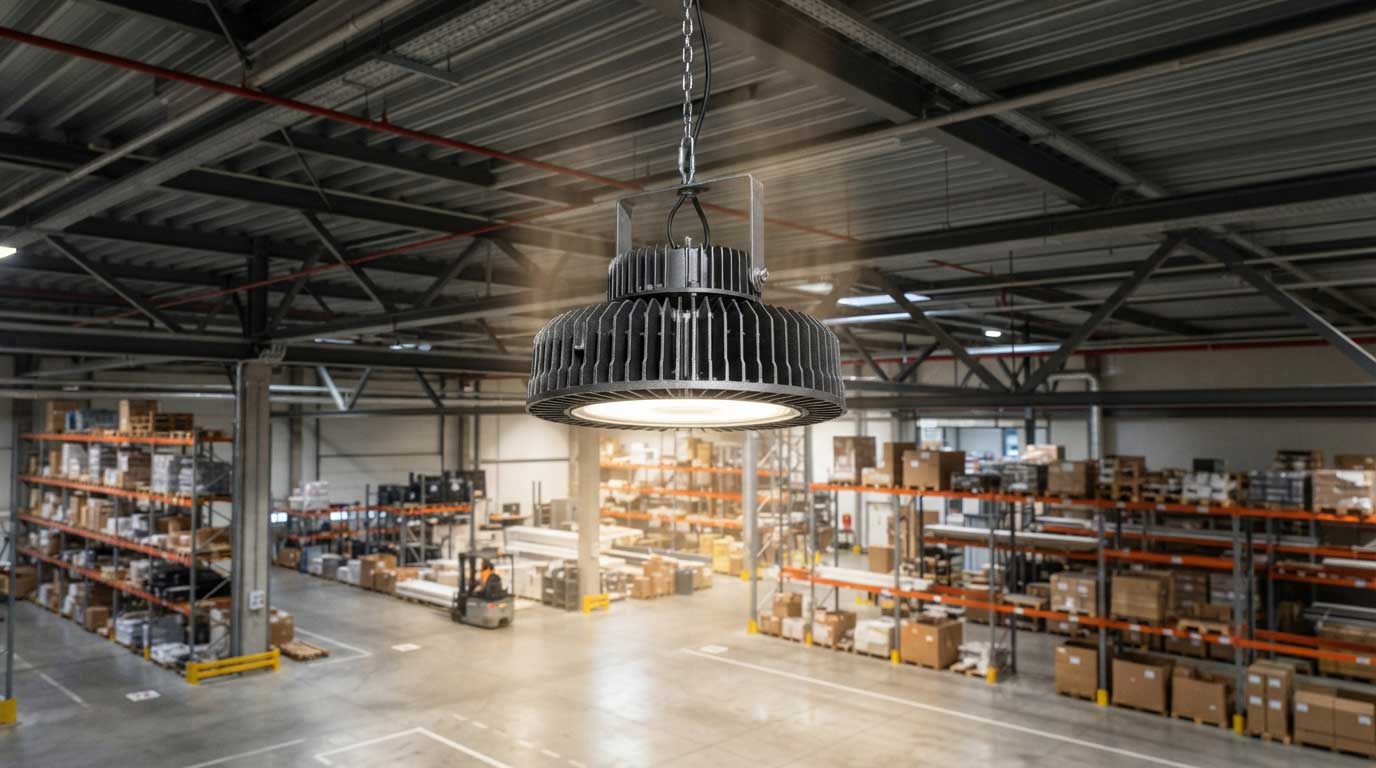
Thermal management is not a cosmetic feature.
It directly affects performance.
DOE describes thermal management as a critical part of successful LED system design and explains that excess heat can produce short-term effects such as reduced light output and color shift, as well as long-term accelerated lumen depreciation.
This is particularly important for high bays because they often operate for long periods.
Consider a factory operating:
12 hours/day × 6 days/week × 52 weeks = 3,744 hours/year.
At that operating schedule, a fixture can accumulate thousands of hours of thermal exposure every year.
A poorly designed heat path may not fail immediately.
It may simply lose performance faster.
That is harder to notice—and more expensive to correct.
A commercial LED high bay typically uses several thermal pathways.
Aluminum is widely used because it conducts heat effectively and can be formed into large surface areas.
The fins increase the area exposed to air.
More surface area means more opportunity for heat to move away from the fixture.
Heat must travel from the LED package or PCB into the heat sink.
Poor thermal contact creates resistance in this path.
Even an excellent heat sink cannot compensate for a poorly engineered connection between the LED board and the thermal structure.
Most industrial high bays use passive cooling rather than fans.
Warm air naturally rises away from the fixture while cooler surrounding air replaces it.
This is why installing a high bay in an unusually enclosed or poorly ventilated location can affect thermal performance.
The LED driver generates heat as well.
It should be considered separately from the LED board because driver temperature can influence reliability.
DOE’s solid-state lighting research identifies the driver, thermal-management structure, and optical system as important parts of overall luminaire performance rather than treating LED efficacy as the only efficiency factor.
Usually, higher electrical power means more total heat must be managed, but wattage alone does not determine fixture temperature.
Consider two hypothetical fixtures:
| Fixture | Power | Efficiency | Approx. Light Output |
|---|---|---|---|
| A | 150W | 130 lm/W | 19,500 lm |
| B | 150W | 180 lm/W | 27,000 lm |
| C | 240W | 160 lm/W | 38,400 lm |
Fixture C consumes substantially more power, so it has more thermal energy to manage.
But fixture design still matters.
A larger 240W fixture with a well-designed aluminum heat sink may maintain better thermal conditions than a compact, poorly ventilated 150W product.
This is why I prefer evaluating thermal design together with efficacy, rather than comparing wattage in isolation.
DOE’s current FEMP purchasing guidance lists 175 lm/W as the minimum luminous efficacy for qualifying industrial high-bay LED luminaires producing at least 10,000 lumens under its federal purchasing criteria.
Higher efficacy can reduce the amount of electrical power required for a given light output, although the complete thermal design still determines actual operating temperatures.
Excessive temperature can affect both immediate performance and long-term reliability.
Possible symptoms include:
DOE specifically states that thermal management is critical to long-term LED performance because heat can degrade or destroy longevity and light output.
This is why a manufacturer’s operating-temperature specification deserves as much attention as the lumen figure.
A warehouse at 20°C is an easy thermal environment.
A production area at 45°C is a different engineering problem.
Before installing high bays in a hot facility, check:
Find the actual maximum temperature around the fixture, not the average annual temperature outside the building.
Confirm the manufacturer’s rated ambient operating range.
The driver can become a limiting component even when the LEDs themselves remain within acceptable conditions.
Avoid unnecessarily restricting natural convection around the fixture.
Follow the manufacturer’s installation instructions and required clearances.
DOE recommends obtaining operating-temperature information at a verifiable measurement point and understanding how that temperature relates to light output and lumen maintenance for the LEDs used.
That is a useful procurement habit.
Ask for the actual data.
Don’t rely only on the phrase “excellent heat dissipation.”
Good thermal performance starts before installation.
Use these practices:
Dust deserves special attention.
A layer of industrial dust across a heat-dissipation surface may look harmless from the floor, but over thousands of operating hours it can interfere with heat transfer.
That is the kind of detail that tends to appear during maintenance rather than during the original purchasing decision.
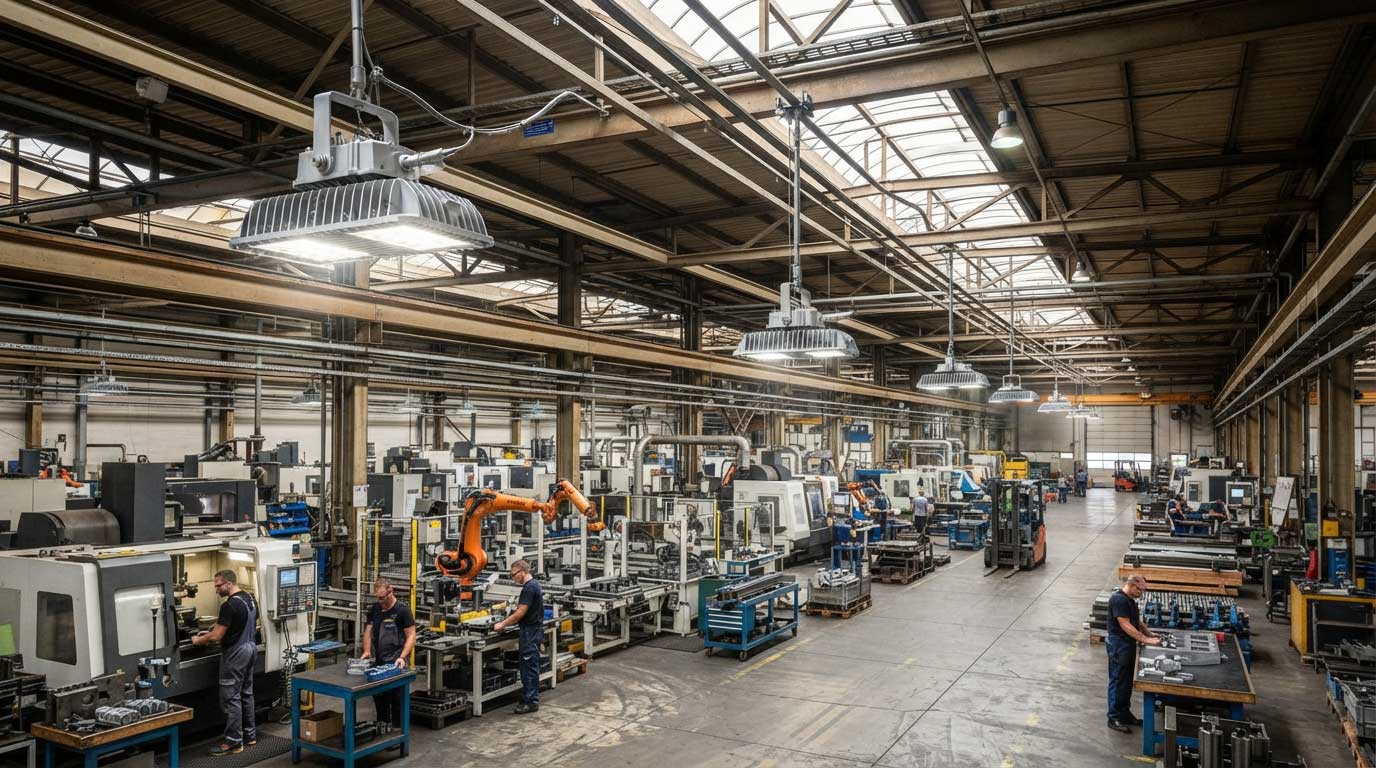
The answer depends on the technologies being compared.
LEDs produce heat, but they generally produce less wasted energy than incandescent lighting. DOE states that LEDs use at least 75% less energy than incandescent lighting and can last up to 25 times longer.
Data source:https://www.energy.gov/cmei/femp/purchasing-energy-efficient-light-fixtures-luminaires
However, comparing fixture temperature directly is more complicated.
A metal-halide lamp, for example, can operate with extremely high surface temperatures and also radiate substantial infrared energy. An LED high bay generally concentrates its thermal management around the LED board, driver, and heat sink.
So the better comparison is not:
“Which fixture feels cooler?”
It is:
“Which system maintains the required light output and reliability under the actual operating conditions?”
That is a much more useful engineering question.
At SEEKINGLED, we look at thermal performance as part of the entire fixture design.
For an industrial high bay, that means considering:
A high-bay fixture may look impressive on a specification sheet, but if the thermal path is weak, the problem usually appears later through lumen depreciation or component failures.
That is why thermal design is one of the details worth discussing before a large industrial lighting order.
Yes. High bay lights generate heat during operation. Properly designed LED high bays transfer that heat through the PCB, thermal interface, aluminum housing, and heat sink so the LED and driver remain within their intended operating range.
It can. A warm or hot aluminum housing can be normal because the housing may be actively dissipating heat. Surface temperature alone does not determine whether the fixture is operating incorrectly.
Heat sinks provide a larger surface area for transferring heat away from LED components. Effective thermal management helps protect light output, color stability, and long-term lumen maintenance.
Yes. Excessive heat can accelerate lumen depreciation and reduce useful life. DOE identifies thermal management as a critical factor in long-term LED performance.
Yes, provided the selected fixture is rated for the actual ambient temperature. High-temperature industrial applications require particular attention to the LED, driver, heat sink, housing, and airflow.
Not necessarily at the housing surface. Higher wattage generally means more heat must be managed, but fixture size, efficiency, heat-sink design, airflow, and ambient conditions also determine operating temperature.
Look for unusual flickering, visible light-output reduction, color changes, repeated shutdowns, driver failures, or temperatures exceeding the manufacturer’s specified operating range. For demanding installations, request verified thermal test data.
Do high bay lights get hot? Yes, they generate heat, and a properly designed LED high bay is built to dissipate it. A warm aluminum housing is often normal; excessive temperature that causes lumen loss, color shift, driver failure, or shortened life is not.
For industrial lighting, I would pay close attention to the thermal path before looking only at the advertised lumen output.
The LED creates heat.
The thermal interface moves it.
The aluminum structure spreads it.
The heat sink releases it.
The surrounding air carries it away.
If any part of that process is poorly designed, the fixture can lose performance long before anyone notices from the warehouse floor.
For SEEKINGLED high bay applications, thermal management should therefore be evaluated alongside efficacy, beam angle, IP rating, driver quality, ambient temperature, and operating hours.
A high bay that runs cool enough to maintain its rated performance is far more valuable than one that simply looks impressive on a specification sheet.
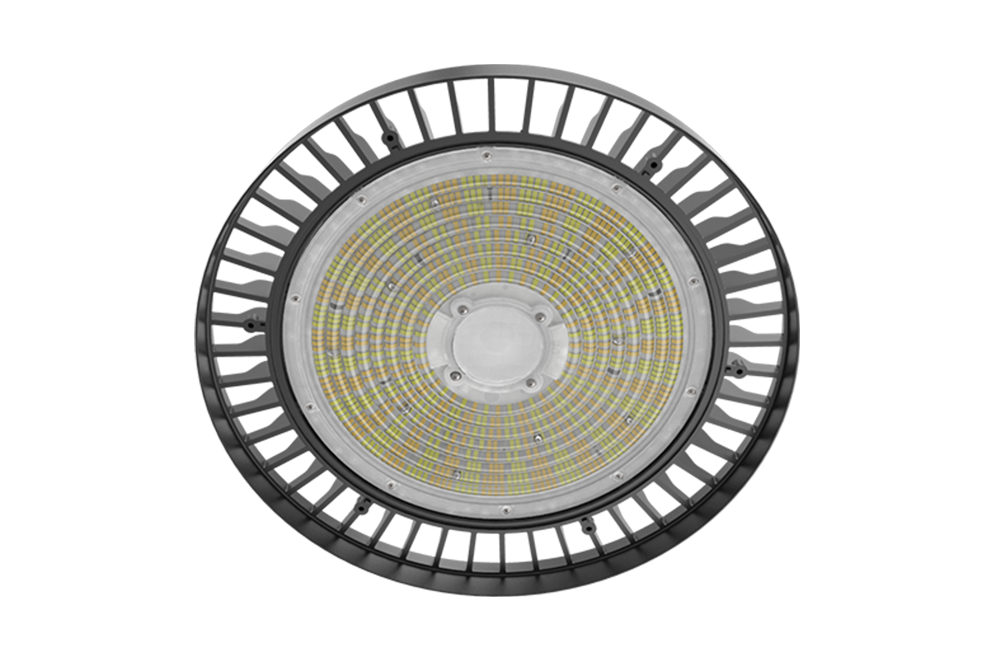
The SEEKING HBC-T Series high bay lights LED offer long-lasting performance for warehouses, production plants and logistics centers. Durable IP65 & IK08 housing, 60°/90° beam angles, up to 150 lm/W, and a lifespan beyond 100,000 hours. Ideal for airport halls, commercial storage, construction sites and large indoor spaces.
View details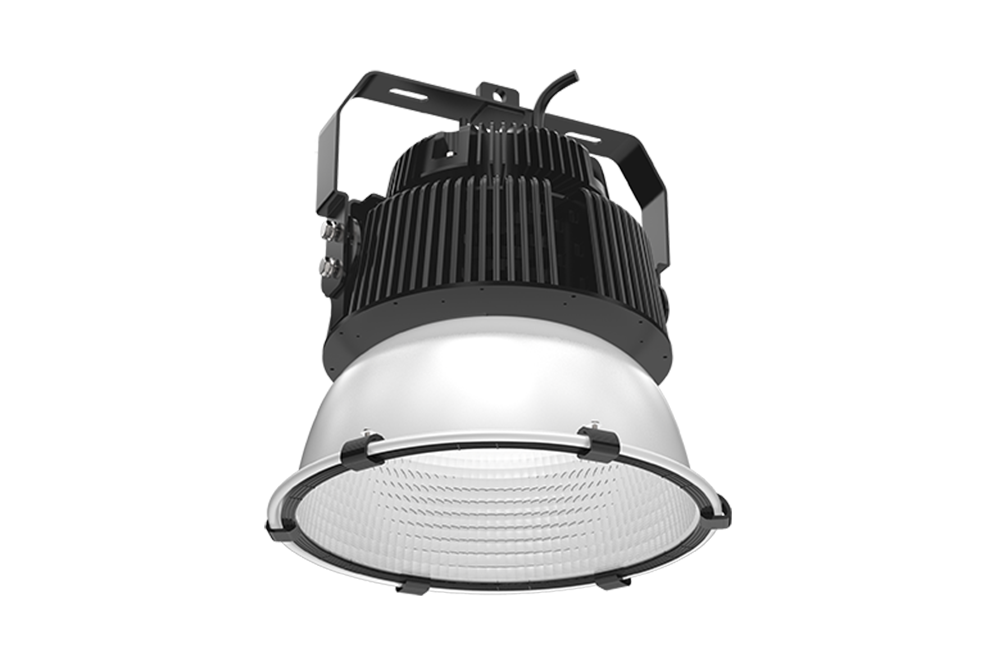
The SEEKING HBS Series LED UFO high bay light delivers 140 lm/W efficiency, IP65 protection and MEAN WELL drivers. A durable high-rise lighting solution for factories, warehouses and commercial halls.
View details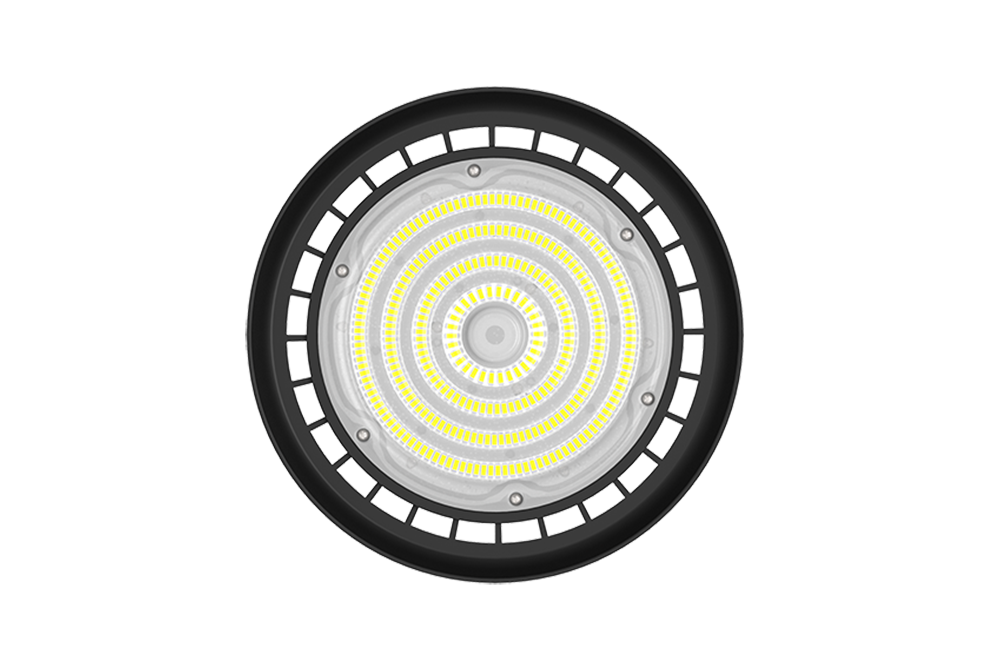
SEEKING HBD Series LED high bay lighting delivers 160 lm/W efficiency, IP66 protection, and long 100,000-hour lifespan. A durable UFO high bay solution for warehouses, workshops, logistics centers and commercial facilities.
View details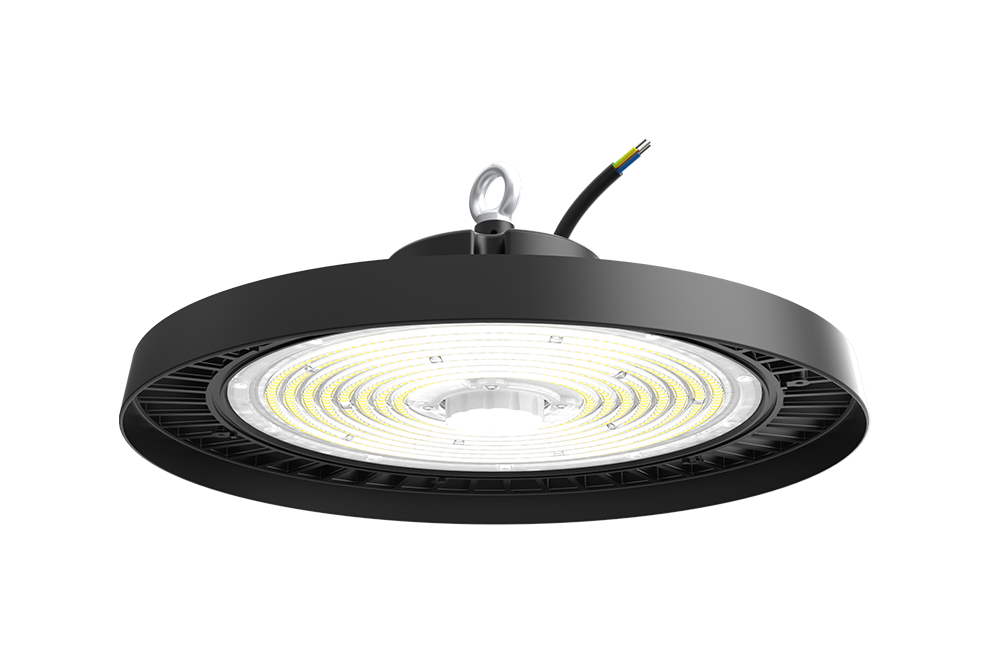
The SEEKING HBC Series high bay LED light fixtures combine strong efficiency, practical design and reliable SOSEN drivers. A durable UFO high bay lighting option for warehouses, workshops and wholesale projects.
View details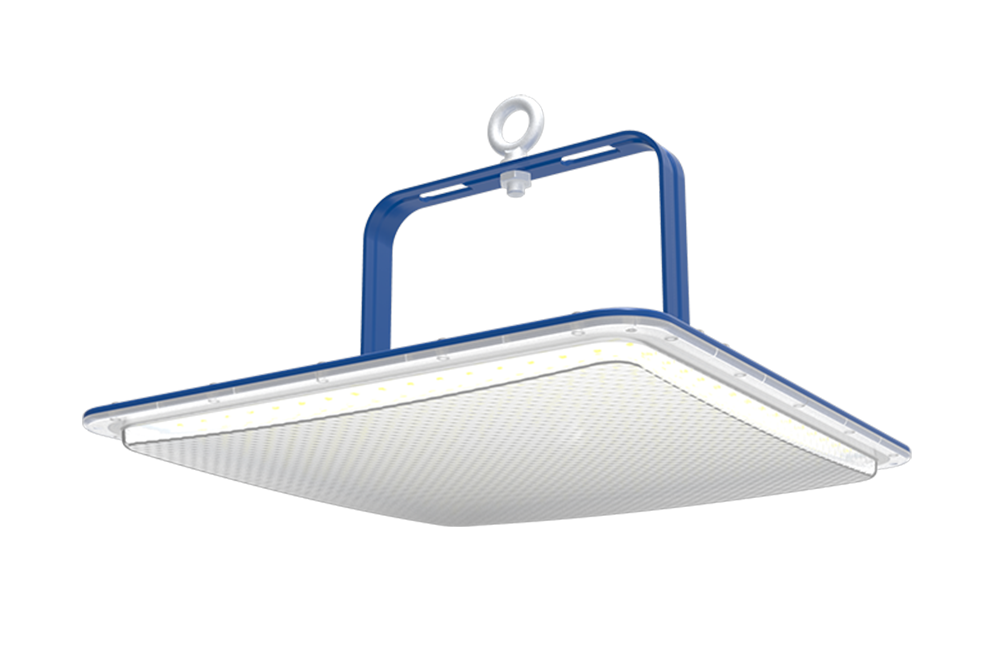
The SEEKING GSL Series high bay LED light delivers powerful, efficient lighting for industrial and commercial spaces. With IP65 protection, flexible mounting, and up to 140 lm/W performance, it’s ideal for warehouses, workshops, and retail areas.
View details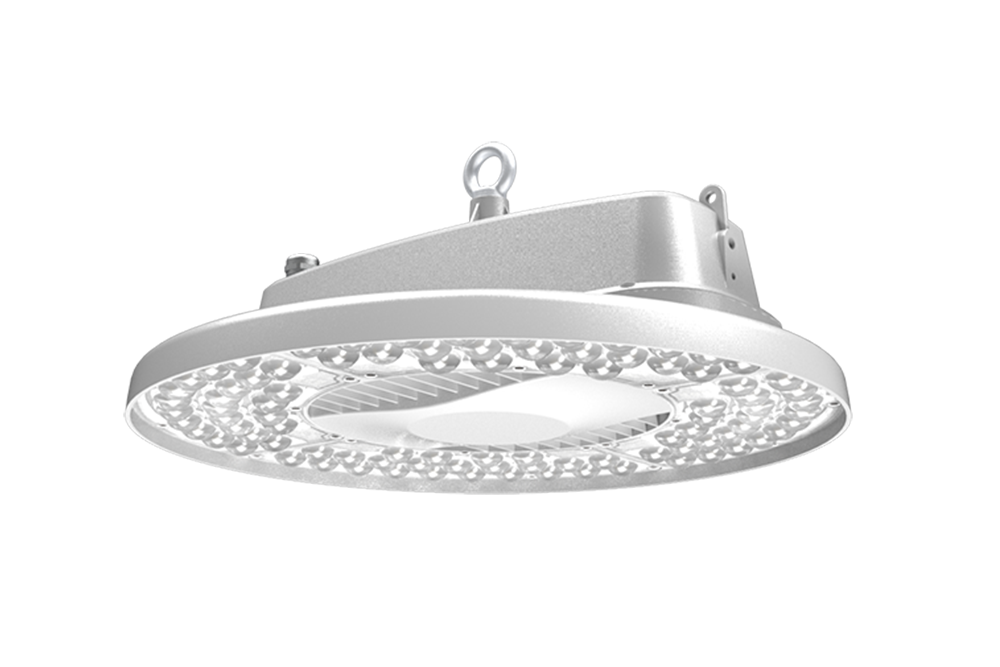
The SEEKING HB15(GLE) Series delivers advanced high bay led lighting with UGR 100,000 h) and reliable illumination for demanding commercial environments.
View details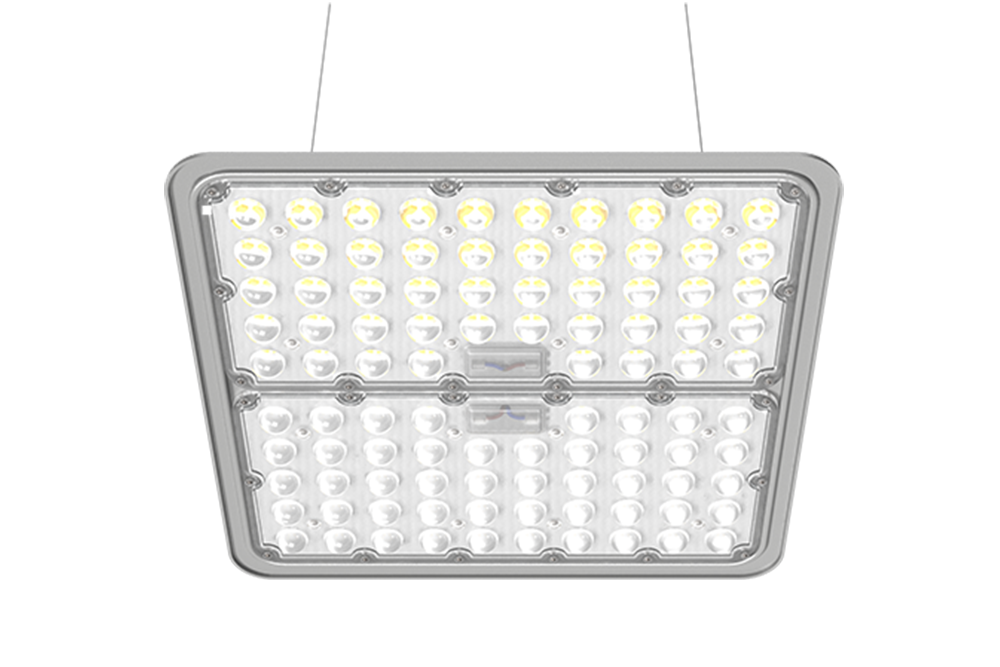
Discover the SEEKING HB13(GLK) Series ufo led high bay light, engineered for sports halls, airport lounges, showrooms, and large commercial spaces. UGR 100,000 h). Ideal for industrial ufo high bay lighting fixtures and commercial retrofits.
View details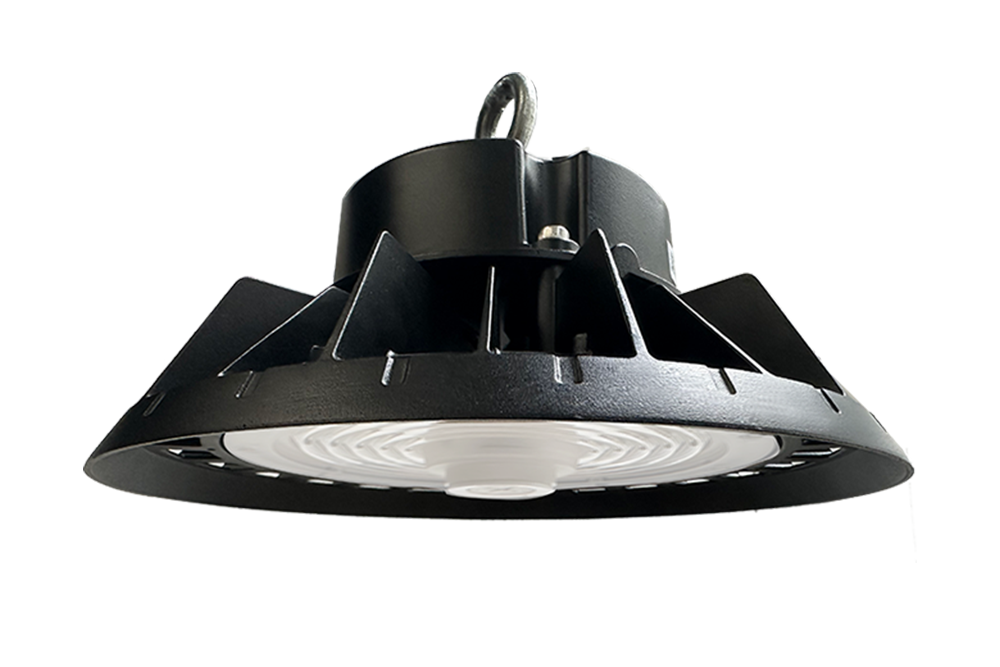
SEEKING HBF Series offers industrial LED high bay lighting with up to 200lm/W efficiency, SOSEN flicker-free driver, IP65 protection and optional microwave motion sensor. Ideal for warehouses, factories and commercial distribution projects.
View details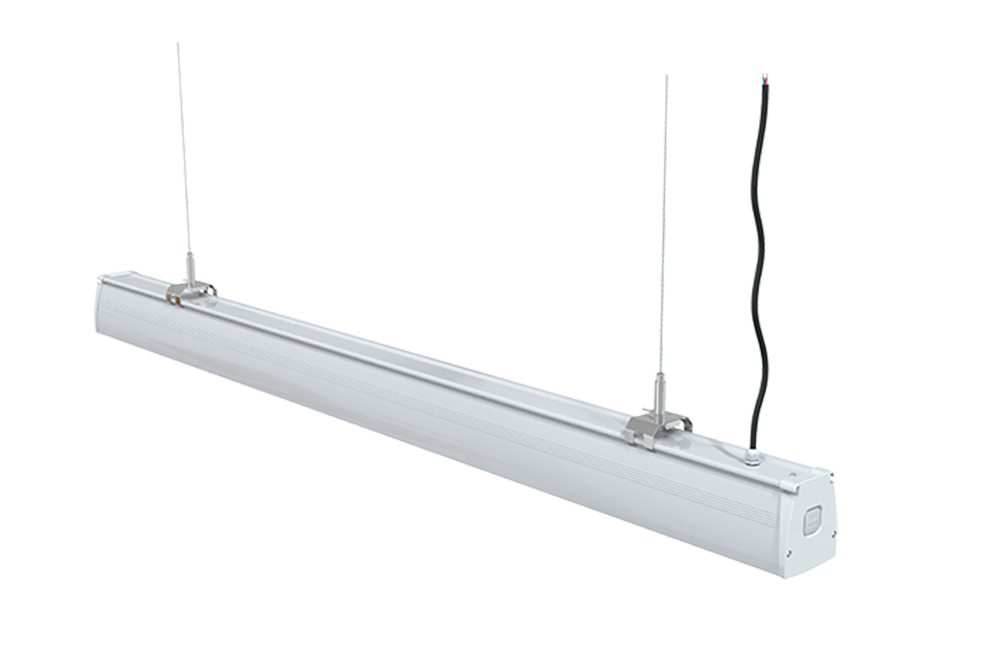
The HLD Series linear high bay LED lights from SEEKING deliver up to 200 lm/W with multiple beam angles and adjustable CCT options for warehouse, workshop, corridor and general industrial lighting.
View details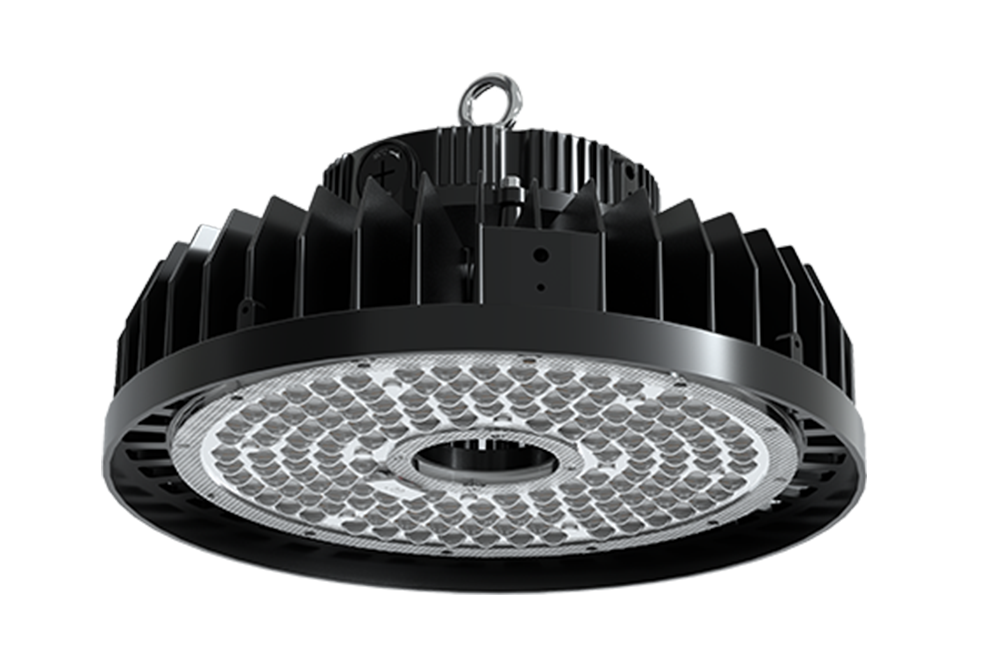
The HBK Series LED high bay light by SEEKING combines 500W power, 160–175 lm/W efficiency and IP65 durability for heavy-duty industrial lighting. Designed for warehouse, factory and production facilities with demanding ceiling heights.
View details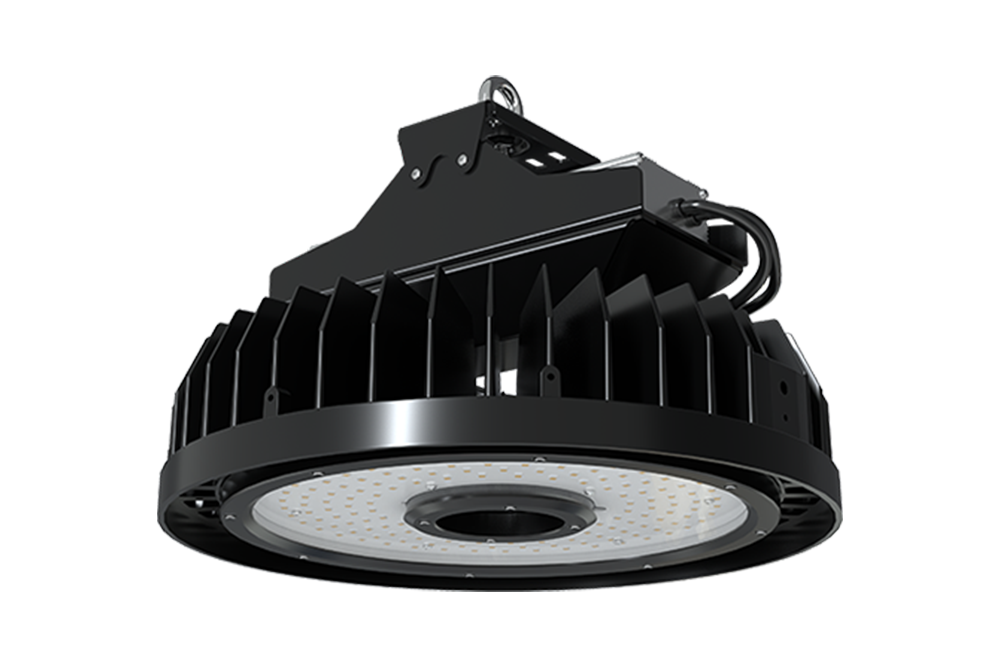
LED high bay lights engineered for extreme heat and low-temperature industrial sites. SEEKING HBK Ultua Series operates from -40°C to +70°C with Nichia LEDs and Inventronics driver.
View details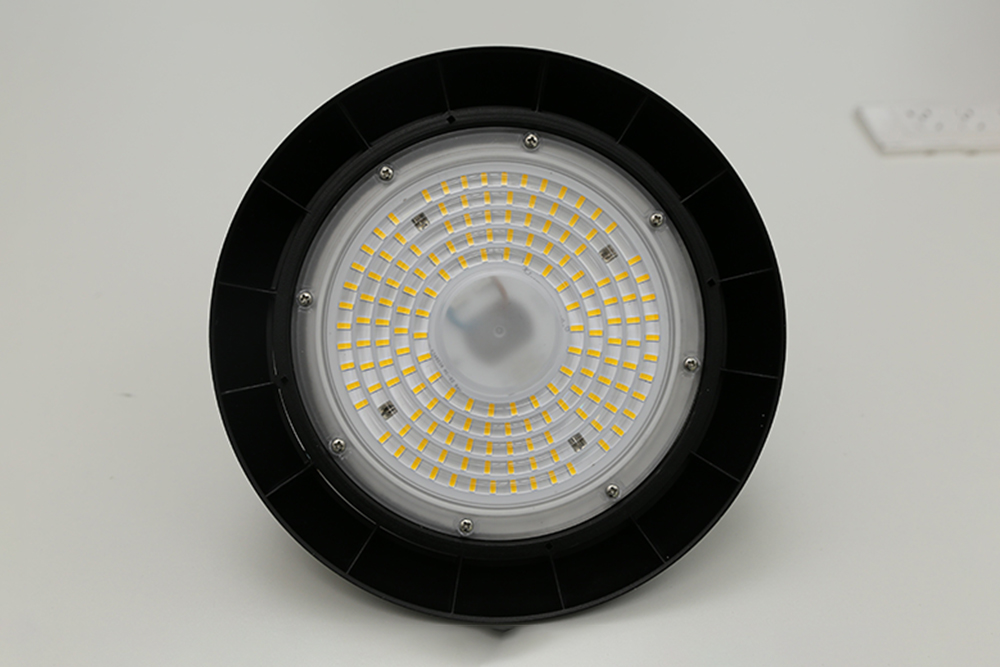
High bay LED lights built for warehouses, production plants and wholesale distribution. SEEKING HBI Series offers up to 200lm/W, IP65, IK08 and optional microwave motion sensor for energy saving operation.
View details
A max led flood light delivers powerful illumination for stadiums, yards, and large outdoor spaces. Discover how to choose high-output flood lights with SEEKINGLED.
View details
590nm Amber Explosion Proof Lights protect coastal hazardous areas while reducing sea turtle disruption. Certified LED solutions for ports, LNG, and offshore sites.
View details
Explosion proof high bay LED light selection requires more than certification. This article shares real project experience using SEEKINGLED HB21 Series in ATEX and IECEx hazardous areas, with insights based on IEC 60079 standards and long-term fie...
View details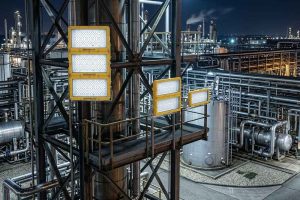
Are all LED lights explosion proof? Learn why only certified fixtures meet safety standards, and how to choose compliant lighting for hazardous areas.
View details