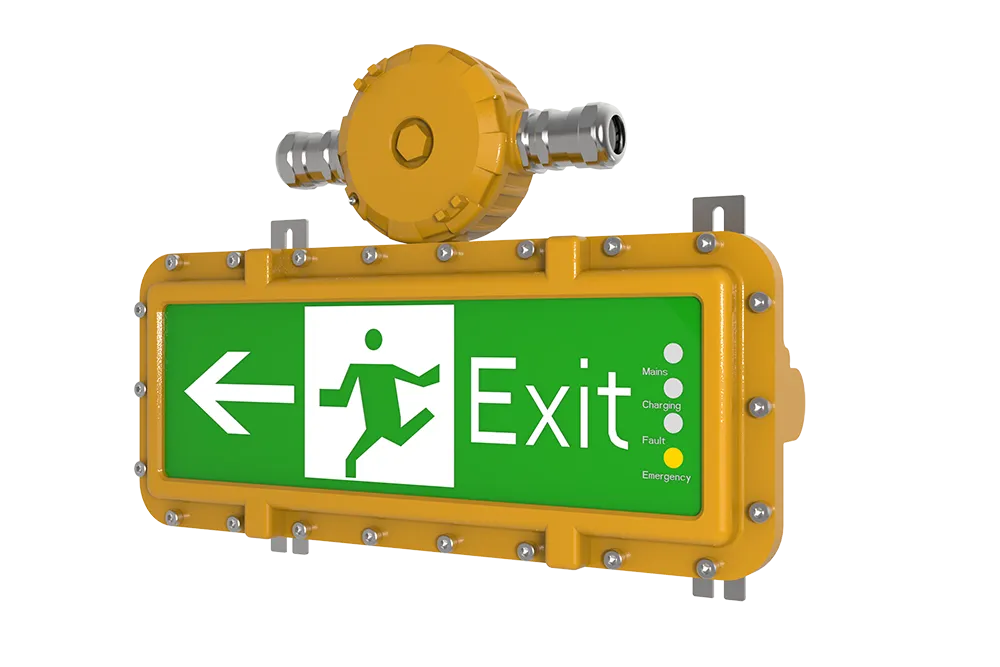
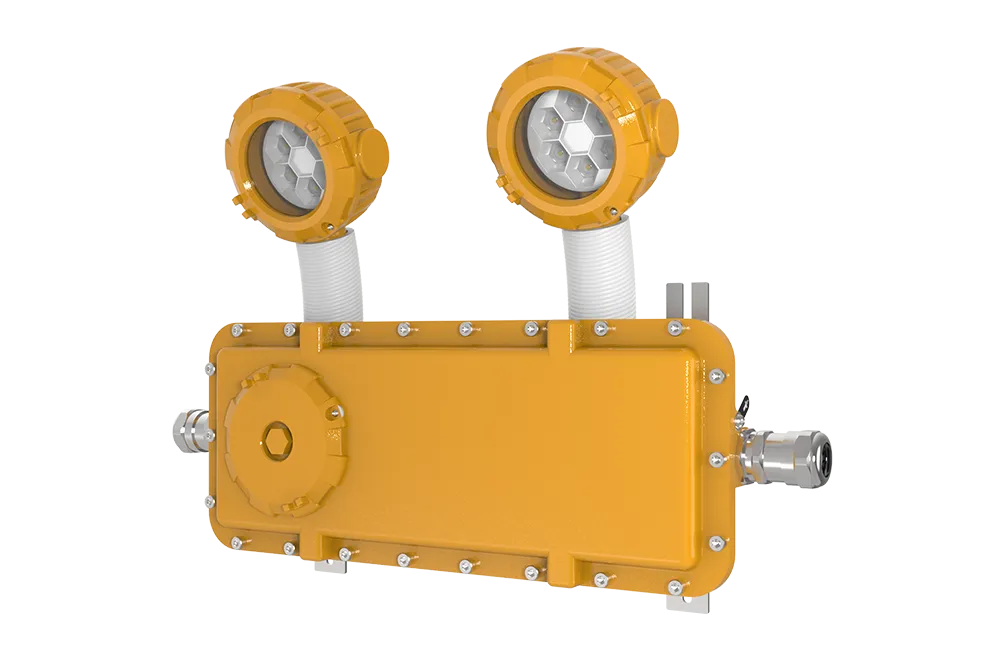
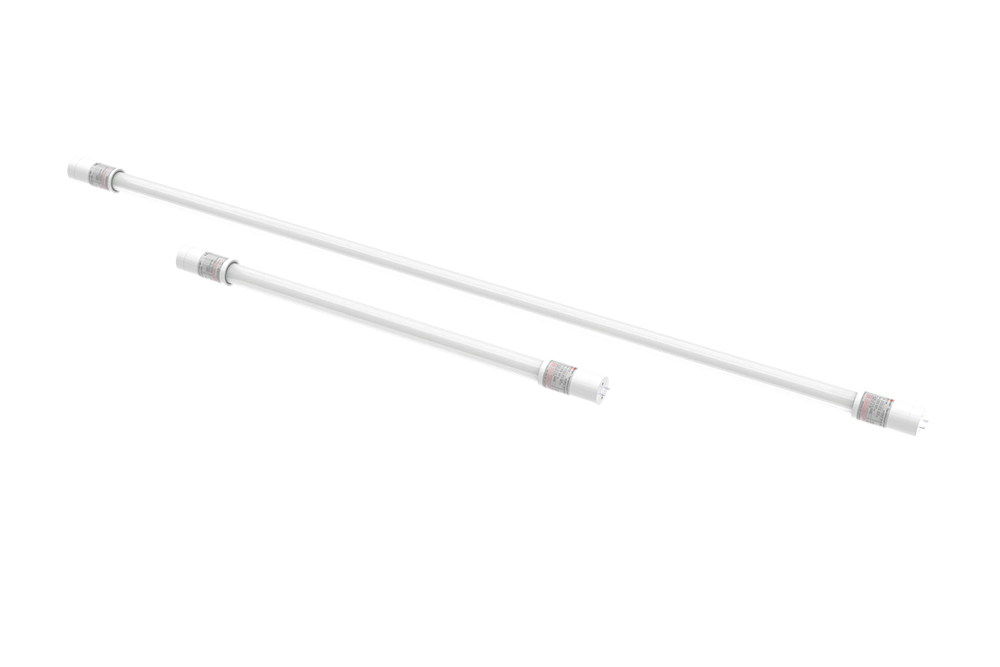
Class 1 Div 1 vs Div 2 classification defines how often flammable gases or vapors are present in hazardous industrial environments. Div 1 areas contain explosive atmospheres during normal operation, while Div 2 areas only face hazards during abnormal conditions like leaks or equipment failure.
People outside hazardous industries often assume the difference is minor. In reality, that distinction changes everything — fixture design, installation rules, inspection requirements, maintenance procedures, and even legal liability after an accident.
I remember walking through a solvent recovery plant in Texas where two identical-looking production rooms sat side by side. One required fully explosion-proof Class 1 Division 1 lighting. The other used Class 1 Division 2 fixtures. To a visitor, they looked almost identical. To the engineering team, they were completely different risk environments.
That’s how hazardous location classification works in practice.
Why Class 1 Div 1 vs Div 2 Matters
Hazardous area classification is not paperwork created for bureaucracy.
It exists because industrial explosions happen extremely fast.
According to the U.S. Chemical Safety Board (CSB), vapor cloud explosions and combustible atmosphere incidents continue to cause severe industrial accidents globally. OSHA and NFPA regulations require facilities handling flammable materials to classify hazardous environments properly and install certified equipment accordingly.
The purpose of class 1 div 1 vs div 2 classification is simple:
Reduce ignition risk
Prevent catastrophic explosions
Protect workers
Standardize safety engineering
Without proper classification, even a normal LED light switch can become an ignition source.
What Does “Class 1” Mean?
The NEC (National Electrical Code) hazardous-location system divides dangerous environments into Classes.
Class I Definition
Class I locations contain:
Flammable gases
Vapors
Volatile liquids
Common industrial examples include:
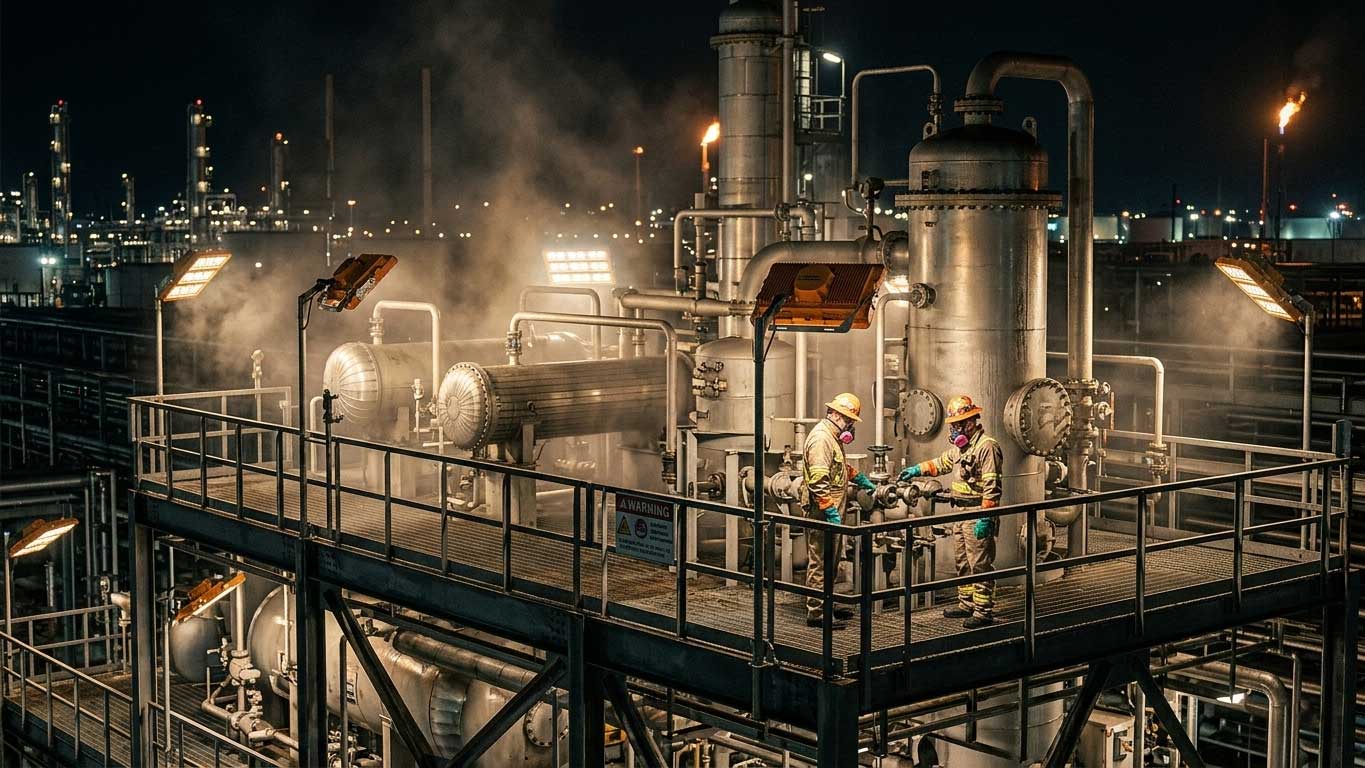
Oil refineries
LNG plants
Fuel terminals
Paint booths
Ethanol production facilities
Chemical processing plants
The “Class” identifies the hazard type.
The “Division” defines how often the hazard exists.
That frequency difference is the core of class 1 div 1 vs div 2.
What Is Class 1 Division 1?
Div 1 Hazard Definition
Class 1 Division 1 areas contain explosive gas or vapor under normal operating conditions.
That means hazardous atmospheres may exist:
Continuously
Frequently
During regular production
Typical Division 1 locations include:
Environment
Common Hazard
Fuel transfer pumps
Gasoline vapor
Paint spray booths
Solvent vapor
Open chemical mixing tanks
Flammable gas
LNG processing zones
Methane
Hydrogen handling areas
Hydrogen gas
These environments require the highest protection level.
Why Div 1 Equipment Is More Robust
Class 1 Division 1 lighting must survive internal faults without igniting surrounding gases.
That usually requires:
Explosion-proof enclosures
Flame-path engineering
Reinforced sealing
Strict temperature control
Certified hazardous wiring systems
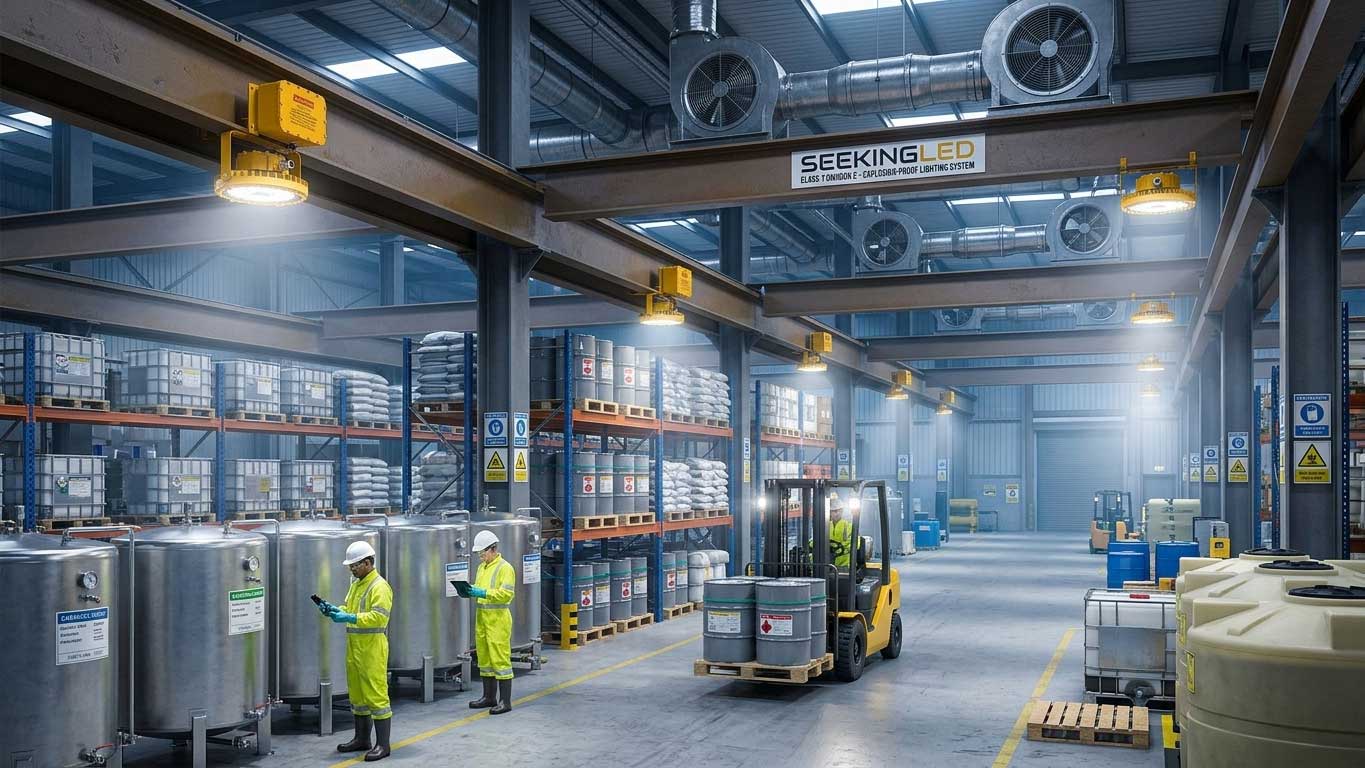
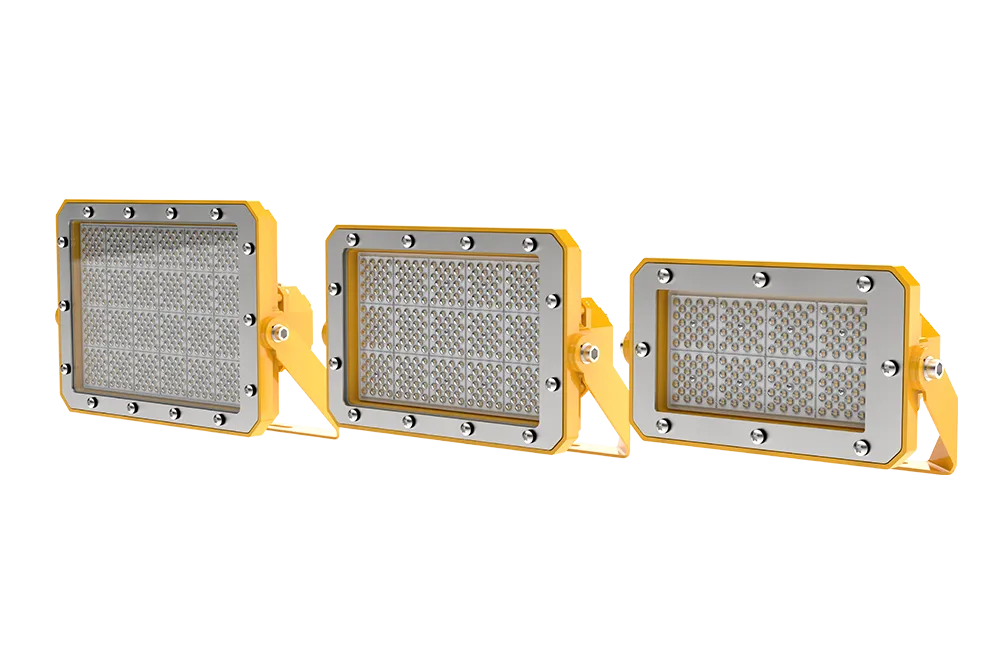
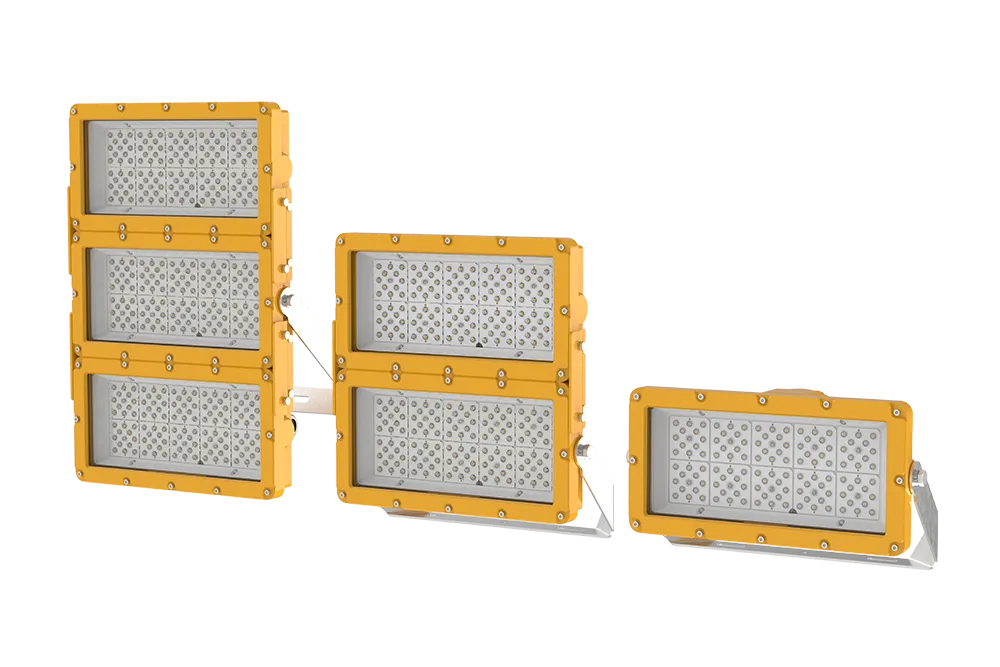
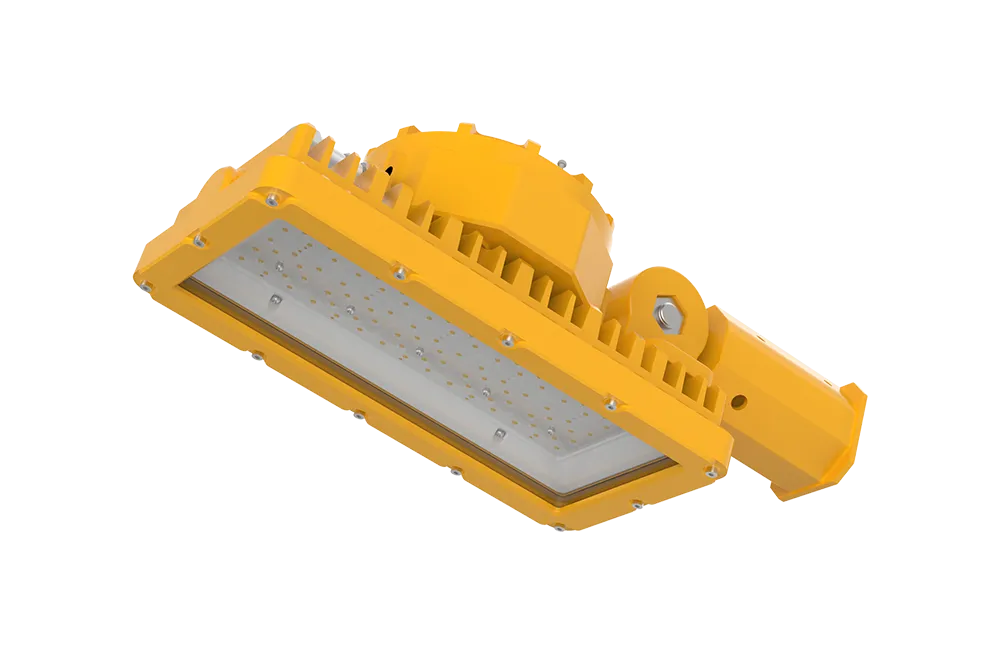
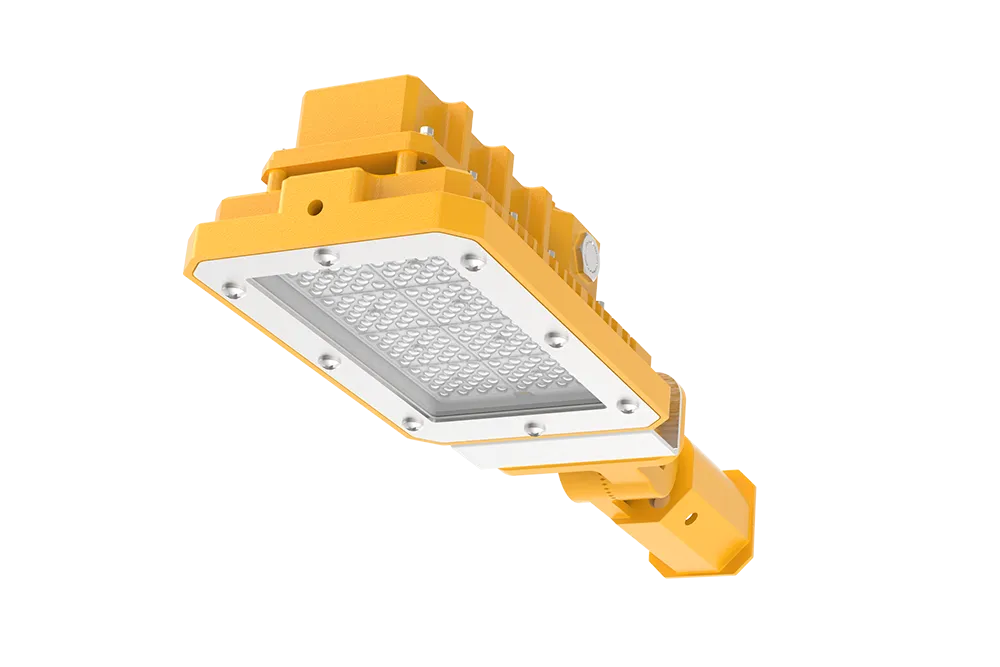
SEEKINGLED Division 1 fixtures are commonly engineered using thick aluminum housings and sealed electrical chambers capable of containing internal ignition events safely.
What Is Class 1 Division 2?
Div 2 Hazard Definition
Class 1 Division 2 areas only become hazardous during abnormal conditions.
Examples include:
Pipe leaks
Equipment rupture
Ventilation failure
Accidental spills
Under ordinary operation, dangerous gas concentrations are not normally present.
Typical Division 2 environments include:
Environment
Hazard Source
Fuel storage perimeter
Accidental vapor release
Sealed chemical systems
Valve failure
Battery charging rooms
Hydrogen accumulation
Wastewater facilities
Unexpected methane release
Division 2 still requires certified hazardous location equipment — just not always the same protection level as Division 1.
Common Misunderstanding About Div 2
One dangerous misconception is thinking Div 2 equals “safe enough for regular lights.”
That is incorrect.
Division 2 environments can absolutely explode under abnormal conditions.
I’ve personally seen facilities fail inspection because standard industrial high bays were installed near classified solvent systems. The fixtures worked fine electrically. They simply lacked hazardous-location certification.
That distinction alone stopped project approval.
Main Differences Between Class 1 Div 1 vs Div 2
Side-by-Side Comparison
Feature
Class 1 Div 1
Class 1 Div 2
Hazard Presence
Normal operation
Abnormal conditions
Risk Level
Higher
Lower
Fixture Design
Explosion-proof
Non-incendive or explosion-proof
Installation Cost
Higher
Moderate
Inspection Requirements
Stricter
Moderate
Typical Applications
Refineries, spray booths
Storage areas, utility zones
This table simplifies the concept, but real facilities often contain both classifications simultaneously.
One production building may have:
Div 1 inside process equipment zones
Div 2 along surrounding corridors
Non-classified office areas nearby
That overlap creates major engineering complexity.
Explosion-Proof vs Non-Incendive Lighting
Division 1 Lighting
Most class 1 division 1 lighting uses explosion-proof protection methods.
If ignition occurs inside the fixture:
Flames remain contained
Pressure does not escape externally
External gas cannot ignite
This requires precision-machined flame paths and thick enclosure walls.
Division 2 Lighting
Class 1 division 2 lighting may use:
Non-incendive protection
Sealed electrical systems
Reduced ignition-energy design
Some facilities still choose full explosion-proof fixtures in Div 2 environments for standardization purposes.
That happens frequently offshore, where maintenance simplicity outweighs initial cost savings.
Temperature Ratings Matter More Than Most Buyers Realize
Ignition risk is not limited to sparks.
Hot surfaces alone can ignite gas.
That is why hazardous lighting uses temperature classifications.
T-Code
Maximum Surface Temperature
T1
450°C
T2
300°C
T3
200°C
T4
135°C
T5
100°C
T6
85°C
Modern explosion proof lighting systems commonly target T4–T6 ratings.
SEEKINGLED hazardous-area fixtures are frequently engineered for low-surface-temperature operation in volatile environments.
Real-World Cost Differences
Why Div 1 Costs More
Division 1 projects typically require:
Heavier fixtures
Explosion-proof conduit systems
Specialized seals
Additional inspections
More complex installation
In large refinery projects, lighting infrastructure costs can increase significantly when moving from Div 2 to Div 1 specifications.
Still, under-specifying hazardous equipment is never worth the risk.
The cost of a single industrial explosion can exceed decades of preventive investment.
Corrosion and Environmental Stress
Hazardous areas are rarely clean laboratory spaces.
Most environments also involve:
Salt spray
Chemical vapor
High humidity
Extreme temperature cycling
Mechanical vibration
That combination destroys poorly designed fixtures quickly.
SEEKINGLED hazardous-area lighting systems commonly use:
Stainless steel fasteners
Anti-corrosion coatings
Tempered borosilicate glass
Sealed LED driver chambers
In offshore environments, corrosion protection often matters as much as explosion certification.
Common Industries Using Div 1 and Div 2 Lighting
Oil & Gas
Refineries
Offshore platforms
LNG facilities
Pipeline compressor stations
Chemical Manufacturing
Solvent handling
Paint production
Pharmaceutical processing
Food & Agriculture
Ethanol plants
Grain storage
Sugar processing
Wastewater Treatment
Methane accumulation makes many wastewater facilities partially classified hazardous locations.
This surprises many non-industrial buyers.
Field Insight — The Hidden Inspection Problem
One issue rarely discussed online:
Maintenance modifications.
I’ve seen facilities unknowingly void hazardous-area compliance because contractors replaced:
Cable glands
Junction boxes
Mounting hardware
with non-certified parts during routine maintenance.
Even if the fixture itself remains certified, surrounding installation components must also comply.
That’s where many inspection failures happen.
FAQ — Class 1 Div 1 vs Div 2
What is the main difference between Class 1 Div 1 vs Div 2?
Div 1 hazards exist during normal operations. Div 2 hazards only appear during abnormal conditions like leaks or failures.
Can Div 1 fixtures be used in Div 2 areas?
Yes. Division 1 equipment can generally be used in Division 2 environments.
Are Div 2 fixtures cheaper?
Usually yes, because they often use less complex protection methods.
Is ATEX the same as Div 1 and Div 2?
No. ATEX uses Zone classifications instead of Divisions, though they serve similar purposes.
What industries commonly require explosion proof lighting?
What are the electrical requirements for Class 1 Division 1 locations?
Class 1 Division 1 electrical requirements include explosion-proof equipment, approved wiring methods, sealed conduit systems, and certified components designed to prevent ignition in areas where flammable gases or vapors exist during normal operation.
Electrical systems typically require:
Explosion-proof enclosures
Certified cable glands
Proper grounding methods
Temperature-rated equipment
NEC-compliant installation practices
What is Class 2 Division 1?
Class 2 Division 1 refers to hazardous locations where combustible dust is present continuously, frequently, or during normal operation.
Unlike Class 1 areas involving gases and vapors, Class 2 locations involve dust hazards such as:
Grain dust
Coal dust
Metal dust
Chemical powder
Lighting and electrical equipment must prevent dust ignition through sealed designs and controlled surface temperatures.
What is a Class 1 Division 2 UPS system?
A Class 1 Division 2 UPS system is an uninterruptible power supply designed for locations where flammable gases or vapors may exist only under abnormal conditions.
These systems are commonly used in:
Oil and gas facilities
Chemical plants
Fuel storage areas
They require certified components, proper enclosure protection, and installation methods suitable for hazardous environments.
What is Class 1 Division 1?
Class 1 Division 1 is a hazardous location classification where flammable gases, vapors, or liquids are present during normal operating conditions.
Typical Class 1 Division 1 environments include:
Refineries
Fuel processing areas
Chemical production zones
Paint spray booths
Equipment installed in these areas must be explosion-proof and designed to contain internal ignition.
What is the difference between ATEX Zone 2 vs Class 1 Division 2?
ATEX Zone 2 and Class 1 Division 2 describe areas where explosive gases are not normally present but may occur during abnormal conditions.
The main difference is the classification system:
ATEX Zone 2 → European hazardous area standard
Class 1 Division 2 → North American NEC hazardous location system
Both require certified equipment, but their testing methods and markings differ.
What is Class 1 Division 1 explosion proof?
Class 1 Division 1 explosion-proof equipment is designed to contain internal explosions and prevent ignition of surrounding hazardous gases or vapors.
Explosion-proof Class 1 Div 1 lighting usually includes:
Heavy-duty aluminum housings
Flame-path protection
Sealed electrical chambers
Controlled surface temperatures
It is commonly used in refineries, chemical plants, and offshore facilities.
What is Class 1 Division 2?
Class 1 Division 2 is a hazardous location classification where flammable gases or vapors are normally contained but may appear during equipment failure, leakage, or abnormal conditions.
Common applications include:
Fuel storage areas
Compressor stations
Chemical processing facilities
Battery rooms
Class 1 Division 2 still requires certified hazardous-location equipment.
What is the difference between Class 1 and Class 2 hazardous locations?
Class 1 locations involve flammable gases, vapors, or liquids, while Class 2 locations involve combustible dust hazards.
The difference is based on the type of hazardous material:
Classification
Hazard Type
Class 1
Gas, vapor, flammable liquid
Class 2
Combustible dust
Both require specially designed electrical equipment to reduce ignition risks.
What is the difference between Class 1 Division 2 vs ATEX?
Class 1 Division 2 and ATEX systems classify hazardous areas differently but serve the same purpose: preventing ignition in explosive environments.
Key differences:
Class 1 Division 2 → North American NEC classification
ATEX → European Union certification system
Divisions use Div 1 and Div 2 categories
ATEX uses Zone 0, Zone 1, and Zone 2 categories
Equipment selection depends on regional regulations and project requirements.
What is a Class 1 Division 2 enclosure?
A Class 1 Division 2 enclosure is a protective housing designed to prevent ignition risks in areas where flammable gases or vapors may exist under abnormal conditions.
These enclosures typically provide:
Sealed protection
Corrosion resistance
Temperature control
Certified hazardous-area compliance
They are widely used for LED lighting, control panels, junction boxes, and electrical equipment in industrial environments.
Why SEEKINGLED Hazardous Lighting Is Used in Industrial Projects
Daweiboss specializes in explosion-proof and hazardous-area LED lighting systems for petrochemical plants, offshore platforms, marine facilities, and industrial manufacturing environments. His work includes hazardous-location compliance consulting, industrial retrofit projects, and energy-efficient explosion-proof lighting design.
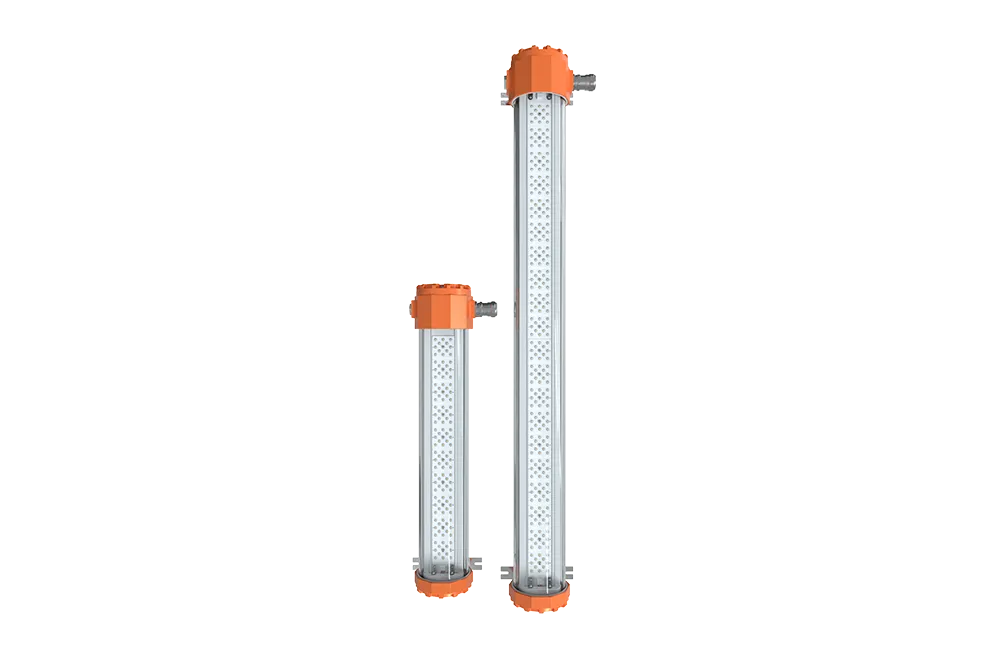
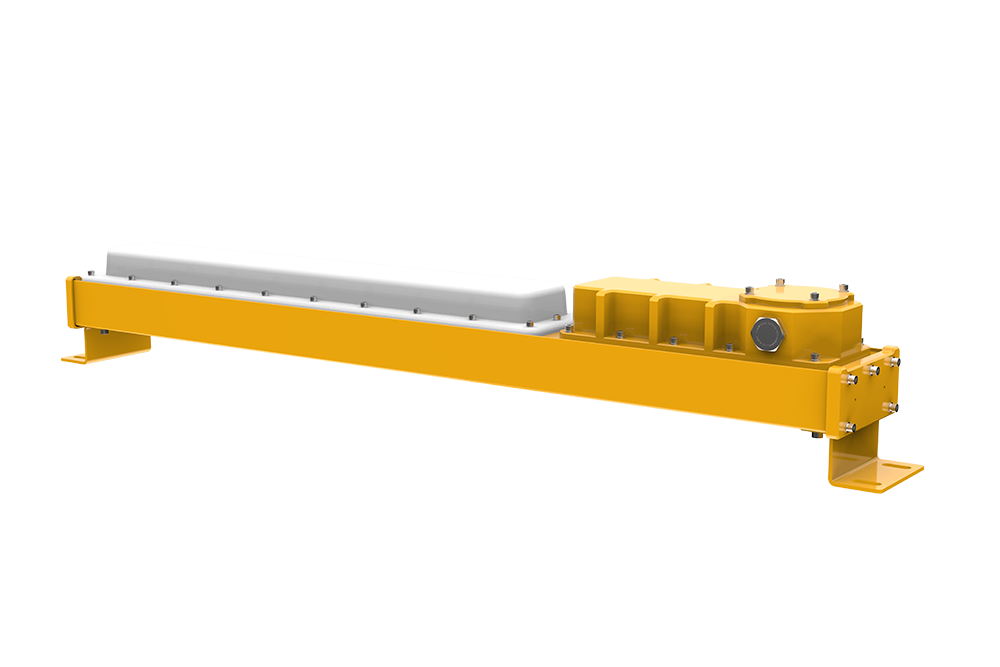
SEEKINGLED LED Linear Explosion Proof Light and Explosion Proof lighting is ATEX and IECEx certified for Zone 1, Zone 2, Zone 21 and Zone 22 hazardous locations, built for long-term industrial use.
LED Linear Explosion Proof Lights and EX Proof lights for Zone 1, Zone 2, Zone 21 and Zone 22 hazardous areas. ATEX & IECEx certified explosion proof LED linear lighting with emergency function, adjustable power and IP67 protection by SEEKINGLED.
SEEKINGLED LED Explosion Proof Flood Lights are ATEX certified for Zone 2 and Zone 22 hazardous areas, offering high efficiency, adjustable power and integrated junction box.
SEEKINGLED LED Explosion Proof Flood Lights are flameproof ATEX and IECEx certified for Zone 1 and Zone 2 hazardous areas, offering high power, adjustable output and long service life.
SEEKINGLED LED Gas Station Canopy Lights are ATEX certified for Zone 2 and Zone 22 hazardous areas, featuring adjustable power and built-in explosion-proof junction box.
ATEX: Ex II 2G Ex db IIB T6/T5 GbEx II 2D Ex tb IIIC T80°C/ T95°C Db IECEx Ex db IIB T6 Gb;Ex tb IIIC T80°C Db Feature: ● For Zone 1,2 and Zone 21,22● Flameproof type, the strongest● 100W can replace 250W HID,energy saving● Power:60W,80W,100W Application: Oil and gas, marine, Chemical, pharmaceutical, semiconductor,mining,military industr…
ATEX: II 3G Ex nR ⅡC T5/T6 GcII 3D Ex tc ⅢC T80℃/T95℃Dc ATEX Certificate NO: TÜV CY 26 ATEX 0207611 X Feature: ● For Zone 2 and Zone 22● 150W can replace 250W HID lamps,Energy saving● Power:50W,75W,100W,150W,200W Application: Oil and gas, marine, Chemical, pharmaceutical, semiconductor,mining,military industry, paint booth,power plant ETC…
LED explosion proof high bay lights are designed for Zone 1, Zone 2, Zone 21 and Zone 22 hazardous areas. This page introduces the HB21 Series from SEEKING, including certifications, power options and real application considerations.
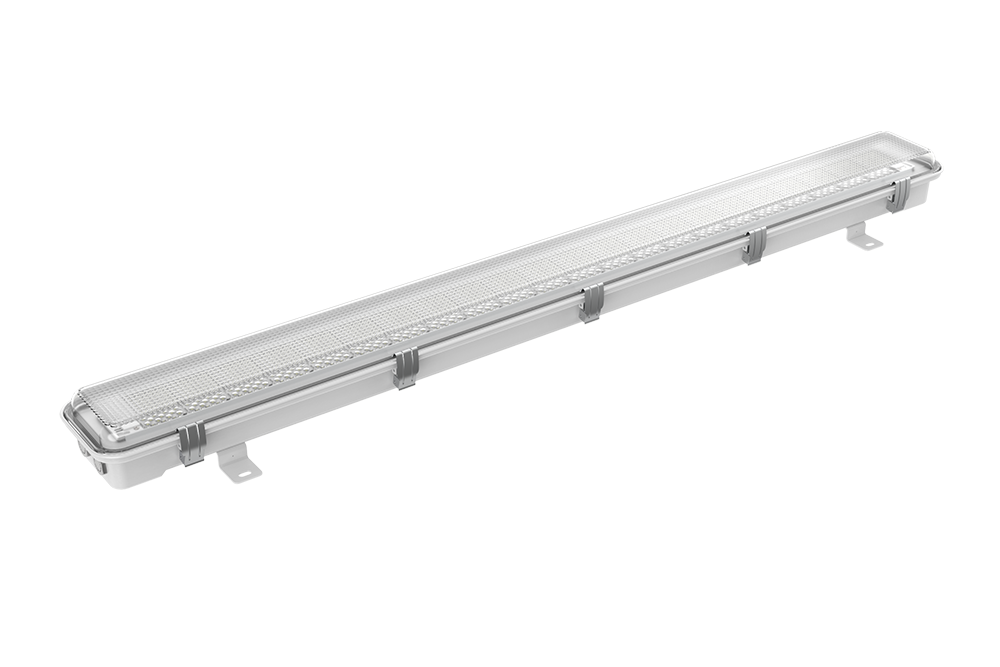
LED Linear Explosion Proof Lights from SEEKINGLED. LU Series Flame Proof lights ATEX-certified explosion proof LED linear lighting for Zone 2 gas and Zone 22 dust areas, IP69K, IK10, long lifetime and flexible power options.
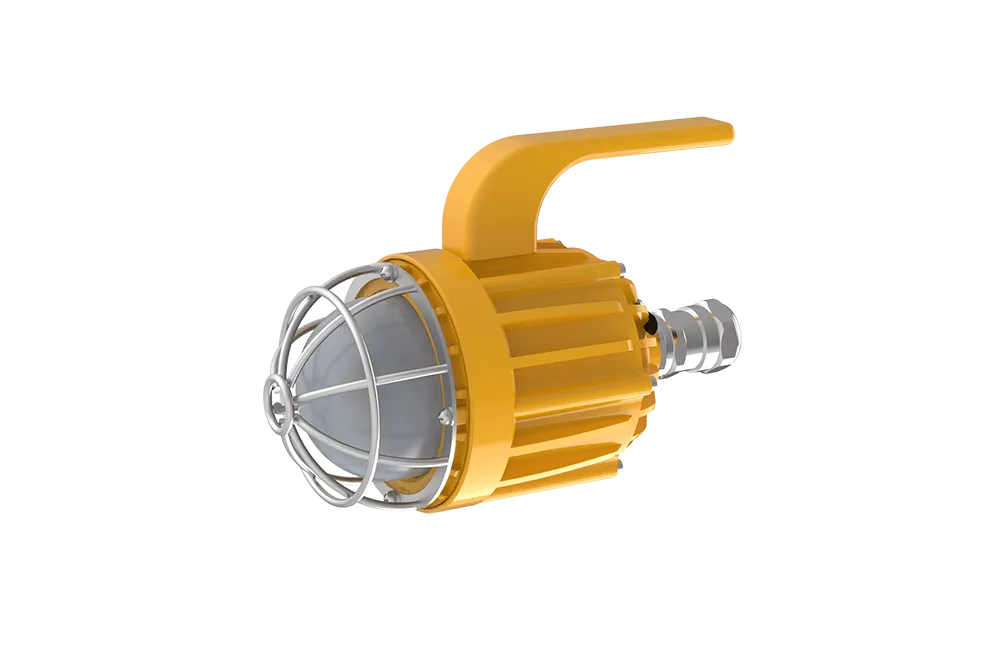
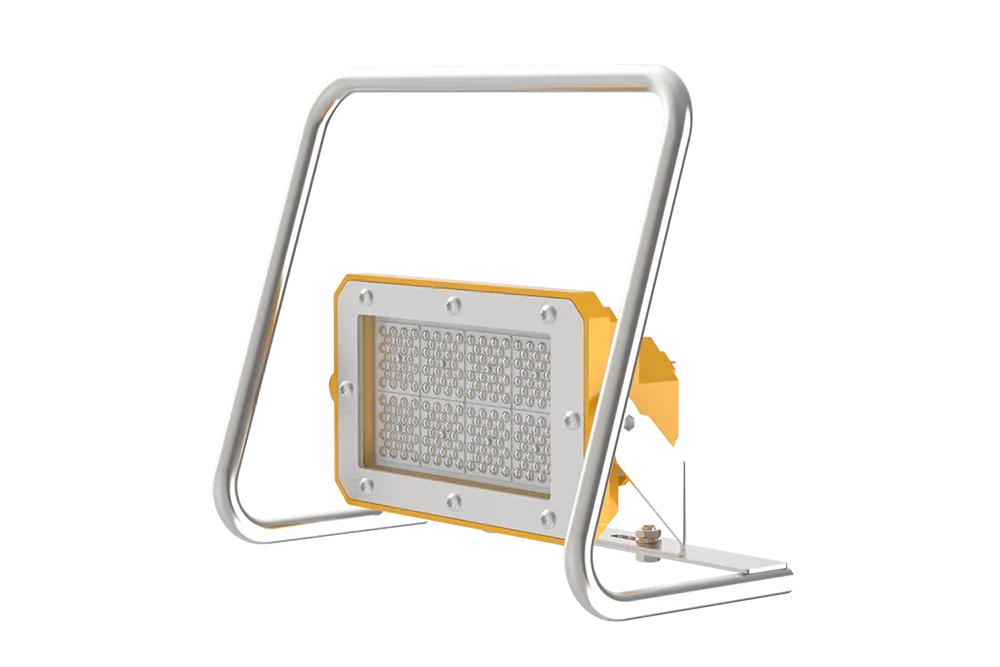
Certified explosion proof work lights for Zone 1 & 21 hazardous areas. Portable, ATEX & IECEx approved, built for oil, gas and chemical plants by SEEKINGLED.
ATEX: II 3G Ex nR ⅡC T6 GcII 3D Ex tc ⅢC T80℃ Dc ATEX Certificate NO: TÜV CY 26 ATEX 0207611 X Feature: ● For Zone 2 and Zone 22● Accepts battery-powered supply● indestructible● Power:AC input:50W,75W,100WDC input:15W,25W,35W Application: Oil and gas, marine, Chemical, pharmaceutical, semiconductor,mining,military industry, paint booth,po…
ATEX: Ex II 2G Ex db IIB T6 GbEx II 2D Ex tb IIIC T80°C Db IECEx Ex db IIB T6 Gb;Ex tb IIIC T80°C Db Feature: ● For Zone 1,2 and Zone 21,22● Flameproof type, the strongest Application: Oil and gas, marine, Chemical, pharmaceutical, semiconductor,mining,military industry, paint booth,power plant ETC hazardous area. Technical Specifications:…
ATEX: Ex II 2G Ex db IIB T6 GbEx II 2D Ex tb IIIC T80°C Db IECEx Ex db IIB T6 Gb;Ex tb IIIC T80°C Db Feature: ● For Zone 1,2 and Zone 21,22● Flameproof type, the strongest Application: Oil and gas, marine, Chemical, pharmaceutical, semiconductor,mining,military industry, paint booth,power plant ETC hazardous area. Technical Specifications:…
ATEX: Ex II 2G Ex d e IIB T6 Gb ATEX: Ex d e IIB T6 Gb; Feature: ● For Zone 1,2● 9W can replace 18W fluorescent lamps,50% Energy saving Application: Oil and gas, marine, Chemical, pharmaceutical, semiconductor,mining,military industry, paint booth,power plant ETC hazardous area. Technical Specifications: Standards:60079-0, 60079-1, 60079…
Explosion proof lights factory explained: certifications, production process, and real quality control insights. Learn how SEEKINGLED ensures safety and reliability.
Explosion proof LED lighting Class 1 Division 1 ensures safe operation in hazardous gas environments. Learn standards, applications, and SEEKINGLED solutions.
led flood light with lens delivers precise beam control, reduced glare, and higher efficiency. Ideal for sports, industrial, and outdoor lighting upgrades.
Explosion proof LED high bay lighting for hazardous areas. Safe, energy-efficient illumination for refineries, warehouses, and industrial sites by SEEKINGLED.
 Seeking LED