 Seeking LED
How Many Amps Does LED Lights Draw?
168how many amps does led lights draw in real installations? Learn typical LED current draw, practical wiring examples, and electrical load insights from SEEKINGLED.
View detailsSearch the whole station
A class 1 div 2 light fixture is designed for hazardous locations where flammable gases or vapors are not normally present during regular operation but may appear under abnormal conditions such as leaks, equipment failure, or accidental releases. These fixtures reduce ignition risk while delivering reliable industrial illumination in demanding environments.
I still remember walking through a compressor station in West Texas late at night. The facility manager pointed at an old fluorescent fixture hanging above a pipeline corridor and said quietly, “That lamp shouldn’t even be here anymore.” A week later, the entire section was retrofitted with Class 1 Division 2 LED fixtures after a routine inspection identified non-compliant lighting near a gas transfer area.
That’s the reality of hazardous-area lighting. Most upgrades don’t happen because someone wants prettier light. They happen because safety teams know what can go wrong.
Many buyers see the phrase “Class 1 Div 2 light fixture” on specification sheets without fully understanding the classification itself.
The designation comes from the NEC (National Electrical Code) hazardous location system used across the United States and Canada.
| Term | Meaning |
|---|---|
| Class 1 | Flammable gases or vapors are present |
| Division 2 | Hazard exists only under abnormal conditions |
| Fixture | Lighting equipment certified for that area |
Typical gases include:
Division 2 areas are considered “less hazardous” than Division 1, but that doesn’t mean ordinary fixtures are acceptable.
One gas leak near an unprotected electrical component can still trigger ignition.
According to OSHA and NFPA guidelines, hazardous locations require specially certified electrical equipment to reduce explosion risks.
Reference sources:
A surprising number of industrial environments fall into Division 2 classification.
This is probably the largest market segment.
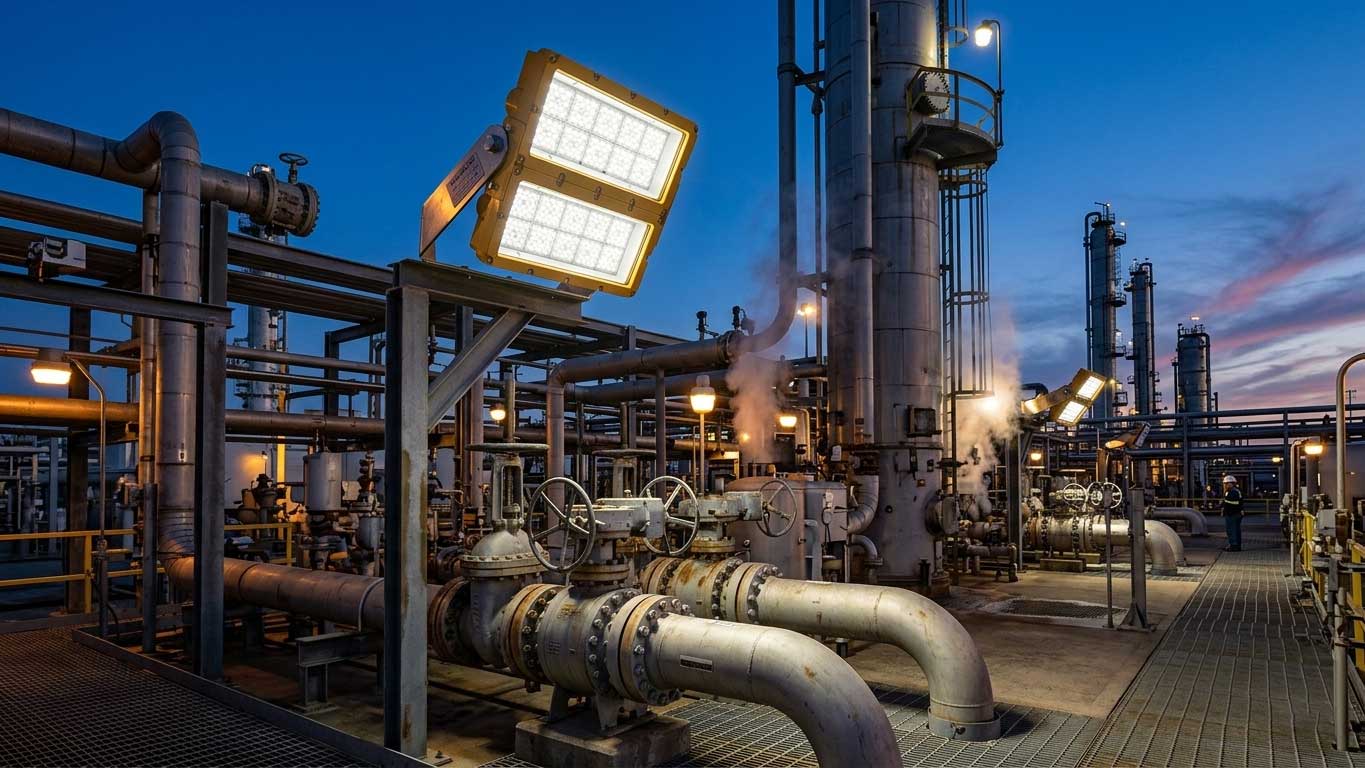
Class 1 Div 2 light fixture installations are common in:
In many modern refineries, engineers strategically classify surrounding zones so lighting systems match actual hazard probability.
Not every area needs full explosion-proof protection.
That distinction matters financially.
Chemical plants often contain areas where volatile vapors may escape only during maintenance or accidental leaks.
Examples include:
I once toured a coating factory where the production manager explained that almost all lighting failures happened near solvent transfer pumps. Corrosion and heat accelerated driver failure faster than expected.
After switching to hazardous location LED lighting with sealed drivers, maintenance calls dropped dramatically.
People rarely think about wastewater plants as hazardous environments.
But methane accumulation can create classified areas around:
That’s why Class 1 Division 2 lighting frequently appears there.
At first glance, some fixtures look similar.
Internally, they are completely different products.
Ordinary industrial lights can generate:
A Class 1 Div 2 light fixture is engineered to prevent those conditions from igniting surrounding gases.
Protection methods may include:
Hazardous-area fixtures are heavier for a reason.
SEEKINGLED fixtures typically use:
These materials survive:
Standard warehouse fixtures usually aren’t built for those conditions.
Older hazardous lighting systems were dominated by HID lamps.
They created problems everywhere:
Modern Class 1 Div 2 LED fixtures changed the equation.
Typical performance now includes:
| Feature | Modern LED Fixture |
|---|---|
| Efficiency | 140–160 lm/W |
| Lifespan | 50,000–100,000 hours |
| Startup | Instant |
| Maintenance | Minimal |
| Heat Output | Lower than HID |
The International Energy Agency estimates industrial LED upgrades can reduce lighting energy usage by more than 50% in many facilities.
Source: https://www.iea.org
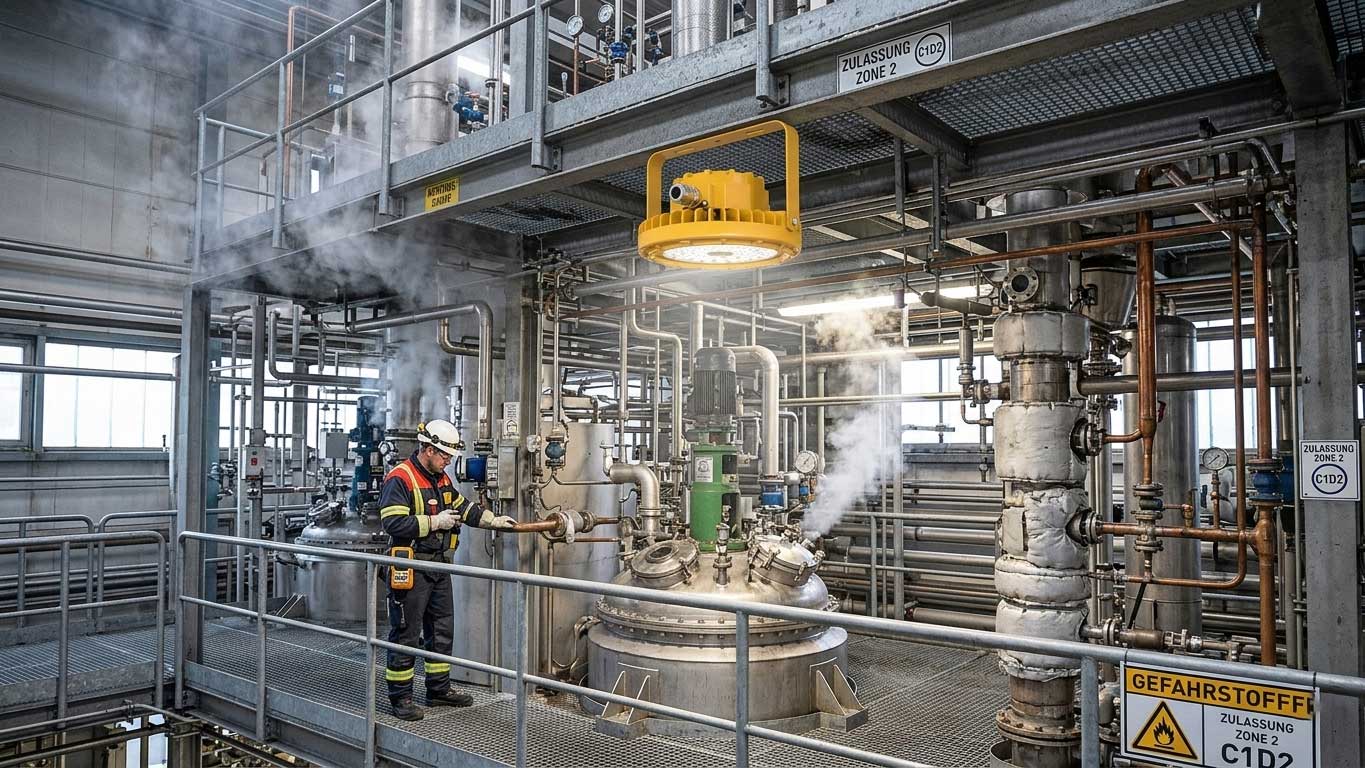
This causes confusion constantly.
Not every Class 1 Div 2 light fixture is fully explosion-proof.
Division 2 fixtures are designed for areas where hazardous gases are only present abnormally.
Explosion-proof fixtures for Division 1 environments must survive continuous hazardous exposure conditions.
| Feature | Division 1 | Division 2 |
|---|---|---|
| Hazard Frequency | Frequent | Abnormal only |
| Protection Level | Higher | Moderate |
| Fixture Cost | Higher | Lower |
| Common Areas | Refineries, spray booths | Pipe corridors, storage areas |
Choosing the wrong classification creates two problems:
Experienced EPC contractors usually perform detailed area classification studies before selecting lighting systems.
This is especially true in offshore and coastal projects.
I’ve personally seen cheap painted fixtures corrode within 18 months near marine terminals.
The problem usually starts small:
Then suddenly the fixture fails completely.
That’s why high-quality Class 1 Div 2 light fixture systems often include:
In hazardous environments, corrosion isn’t cosmetic.
It becomes a safety issue.
Even certified fixtures can become unsafe if installed incorrectly.
A hazardous-rated fixture is only as safe as the entire installation system around it.
That includes:
NFPA 70 NEC requirements govern much of this installation process in North America.
The current retrofit wave is massive.
Most facilities upgrading today are replacing:
The reasons are practical:
Changing lamps in hazardous areas is expensive.
Sometimes technicians need:
Reducing relamping frequency saves significant operational cost.
This sounds simple, but it matters.
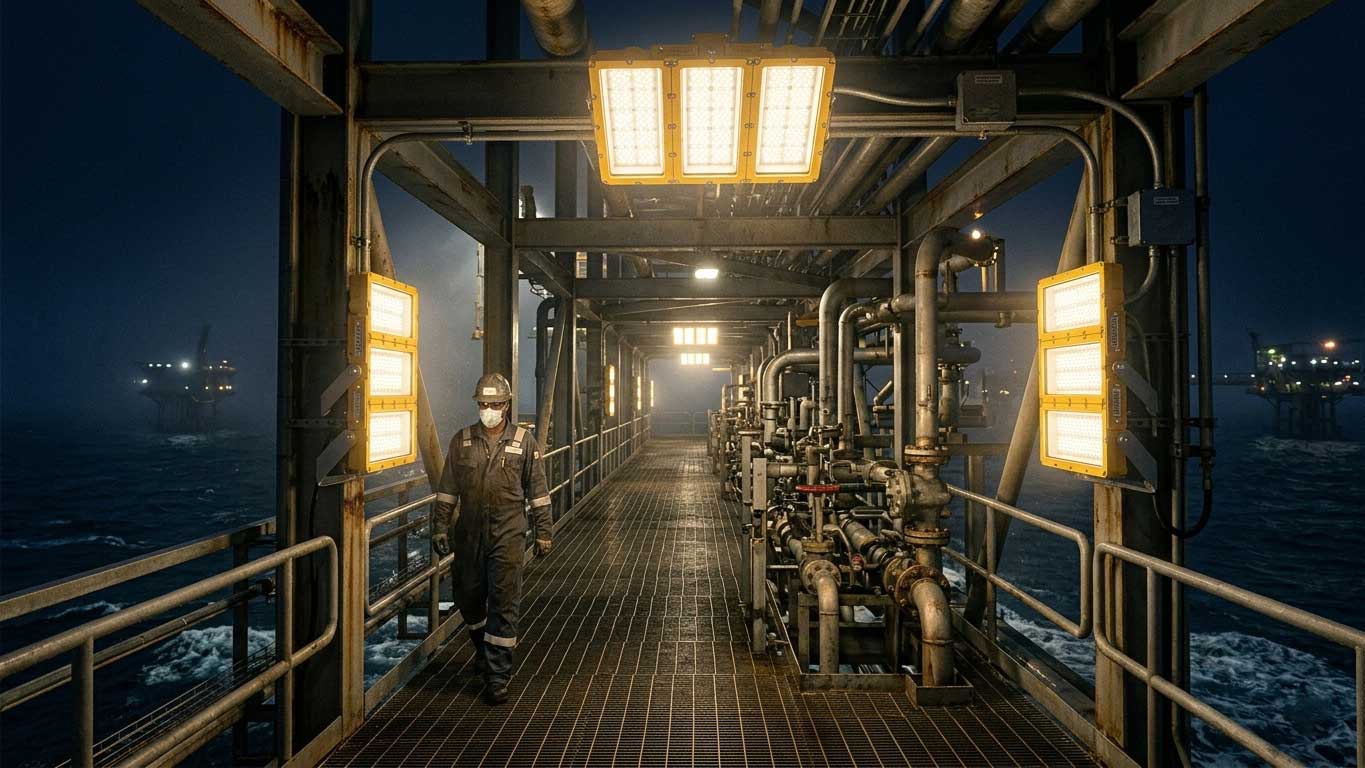
Modern LED hazardous location lighting improves:
One maintenance supervisor told me LED upgrades improved nighttime leak inspections immediately because technicians could finally distinguish pipe labeling clearly.
Not every hazardous fixture fits every project.
Here’s what experienced buyers evaluate first:
Always verify certifications carefully.
Real hazardous fixtures should include markings such as:
If documentation feels vague, that’s usually a warning sign.
SEEKINGLED develops Class 1 Div 2 light fixture solutions for demanding industrial environments including:
Key features include:
Our engineering team works directly with contractors and industrial maintenance teams dealing with real hazardous-area challenges — not just laboratory testing conditions.
That field feedback shapes every product revision we make.
A Class 1 Div 2 light fixture is hazardous-rated lighting designed for locations where flammable gases or vapors may exist under abnormal operating conditions.
No. Standard fixtures are not certified for hazardous locations and may create ignition risks.
Oil & gas, chemical processing, wastewater treatment, marine facilities, grain processing, and power generation commonly use these fixtures.
Some are explosion-proof, while others use alternative protection methods suitable for Division 2 classifications.
High-quality Class 1 Div 2 LED fixtures commonly last between 50,000 and 100,000 operating hours depending on environmental conditions.
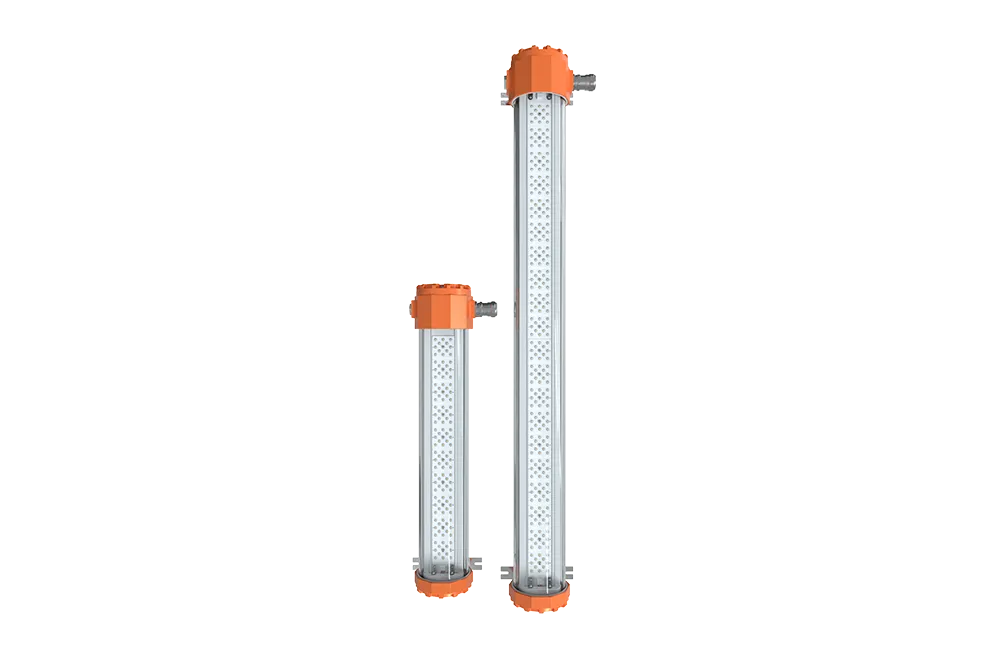
SEEKINGLED LED Linear Explosion Proof Light and Explosion Proof lighting is ATEX and IECEx certified for Zone 1, Zone 2, Zone 21 and Zone 22 hazardous locations, built for long-term industrial use.
View details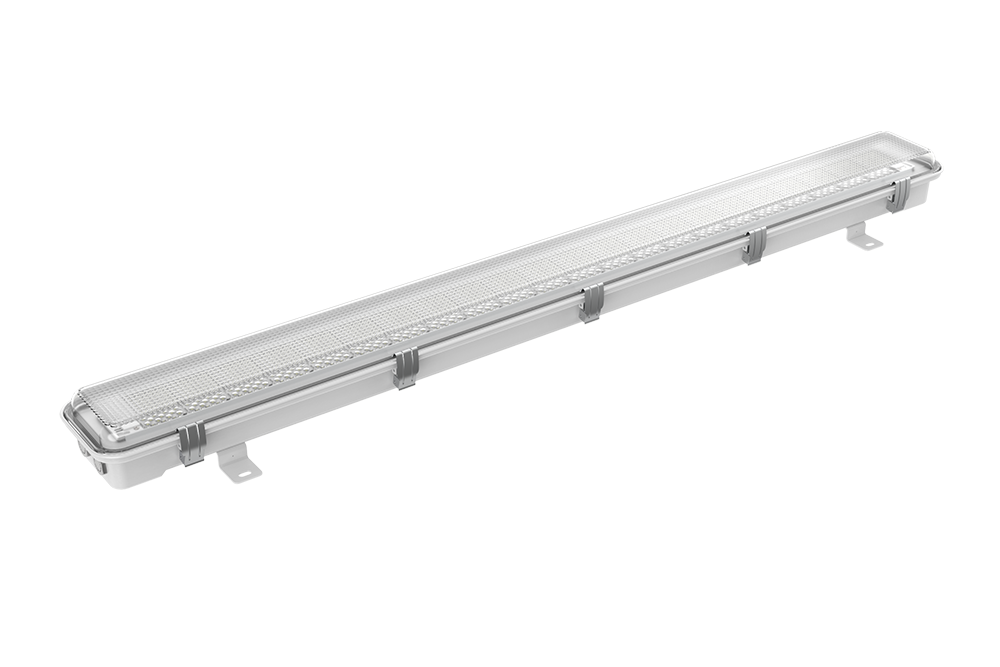
LED Linear Explosion Proof Lights and EX Proof lights for Zone 1, Zone 2, Zone 21 and Zone 22 hazardous areas. ATEX & IECEx certified explosion proof LED linear lighting with emergency function, adjustable power and IP67 protection by SEEKINGLED.
View details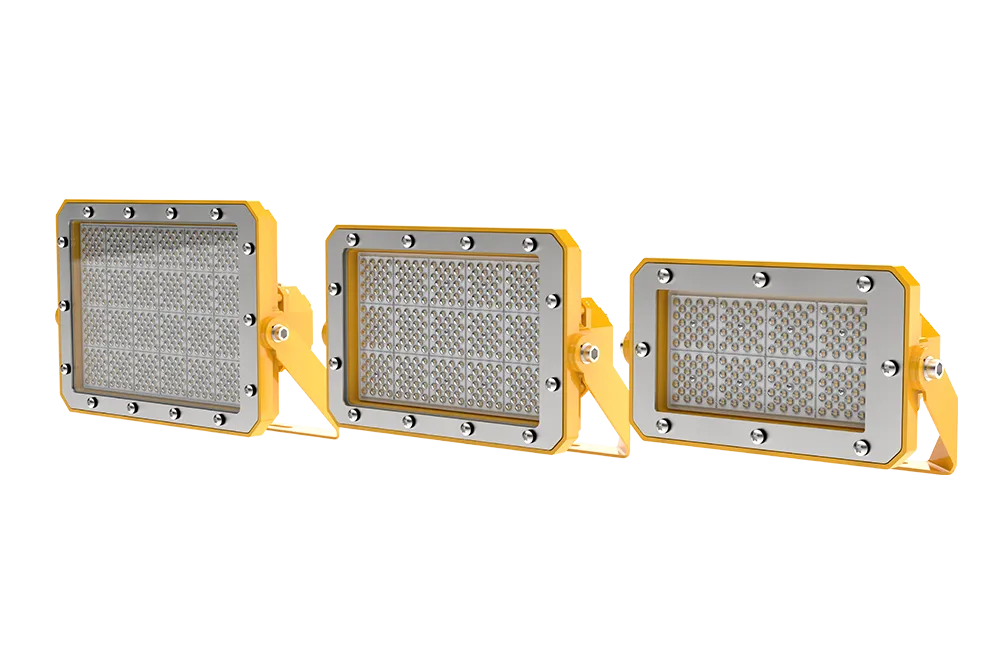
SEEKINGLED LED Explosion Proof Flood Lights are ATEX certified for Zone 2 and Zone 22 hazardous areas, offering high efficiency, adjustable power and integrated junction box.
View details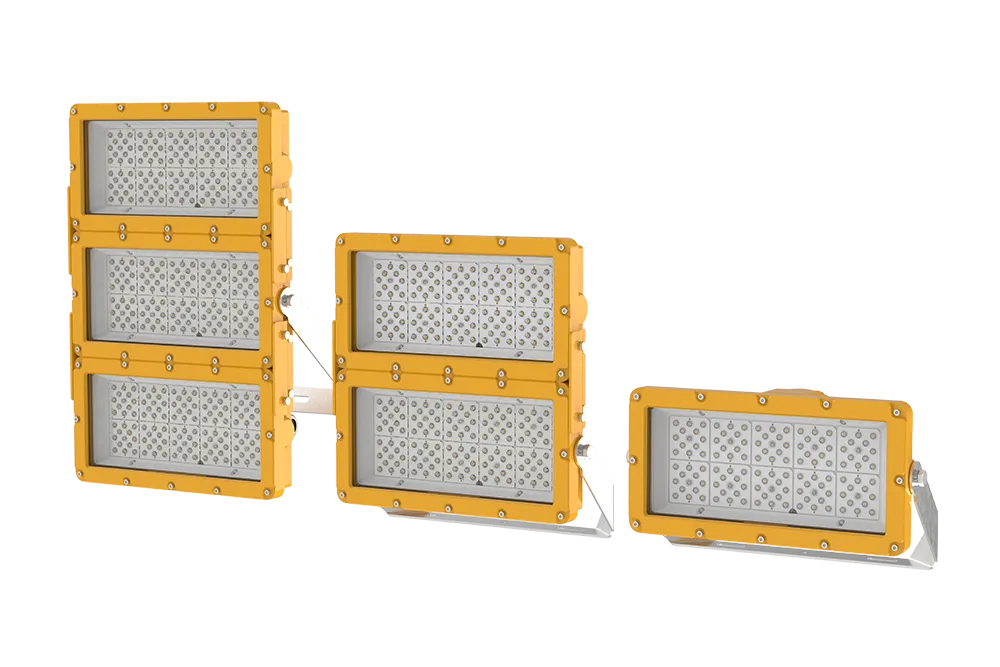
SEEKINGLED LED Explosion Proof Flood Lights are flameproof ATEX and IECEx certified for Zone 1 and Zone 2 hazardous areas, offering high power, adjustable output and long service life.
View details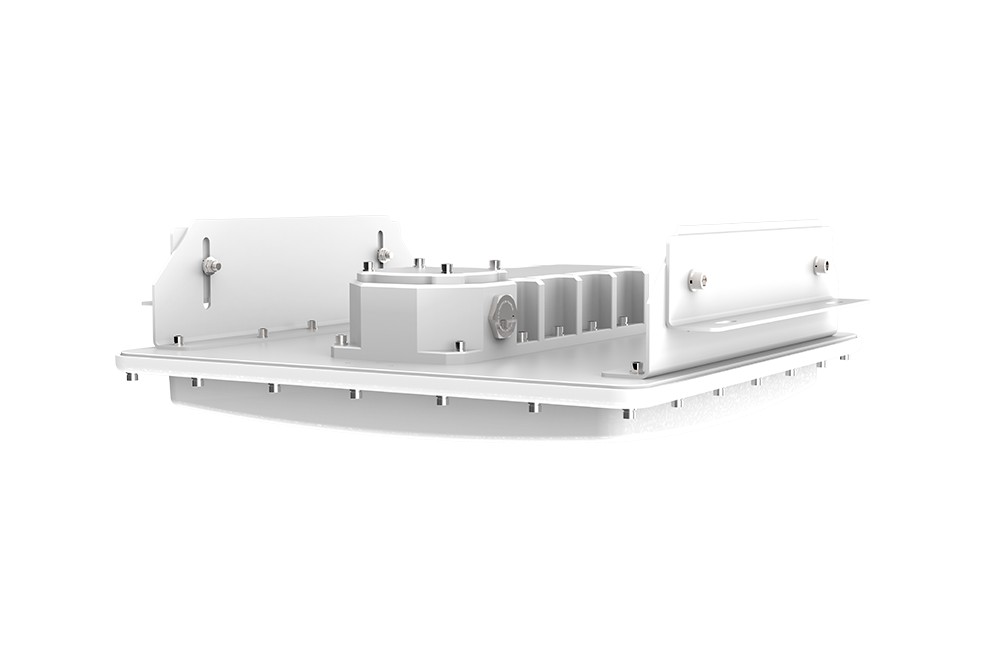
SEEKINGLED LED Gas Station Canopy Lights are ATEX certified for Zone 2 and Zone 22 hazardous areas, featuring adjustable power and built-in explosion-proof junction box.
View details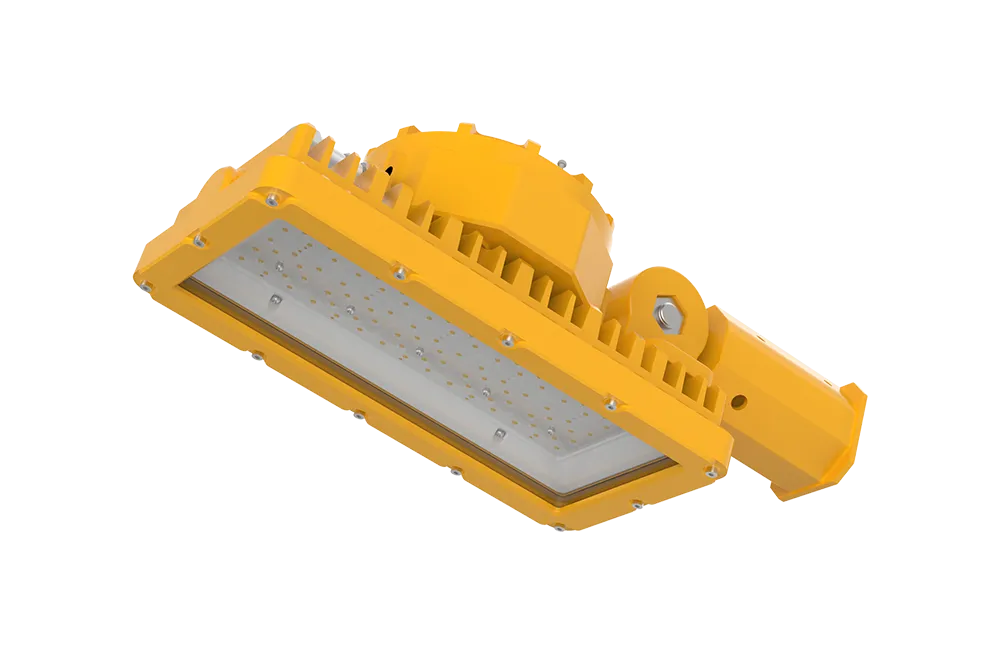
ATEX: Ex II 2G Ex db IIB T6/T5 GbEx II 2D Ex tb IIIC T80°C/ T95°C Db IECEx Ex db IIB T6 Gb;Ex tb IIIC T80°C Db Feature: ● For Zone 1,2 and Zone 21,22● Flameproof type, the strongest● 100W can replace 250W HID,energy saving● Power:60W,80W,100W Application: Oil and gas, marine, Chemical, pharmaceutical, semiconductor,mining,military industr…
View details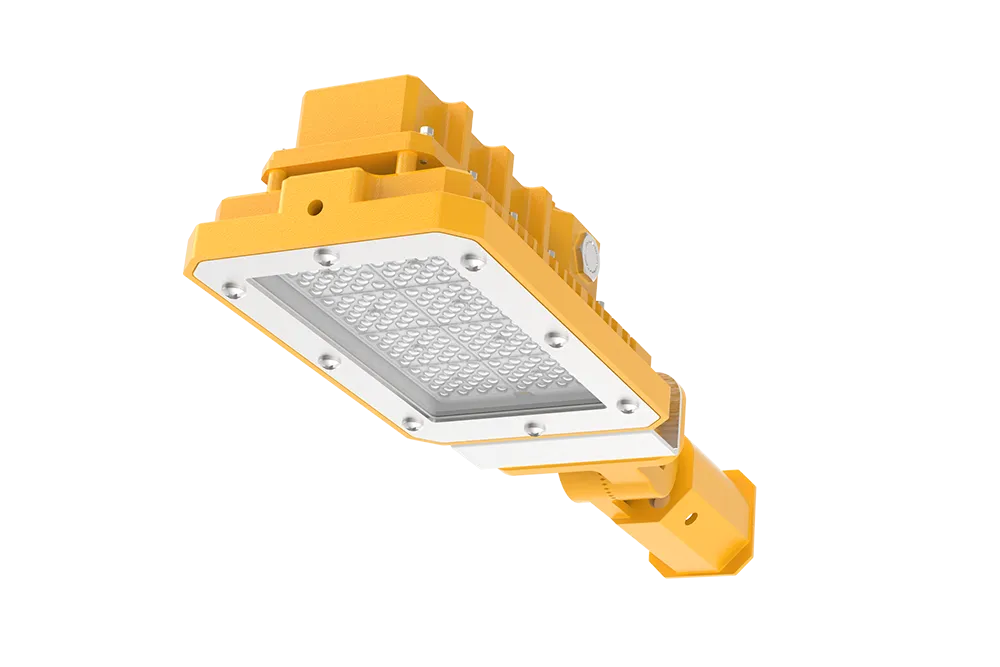
ATEX: II 3G Ex nR ⅡC T5/T6 GcII 3D Ex tc ⅢC T80℃/T95℃Dc ATEX Certificate NO: TÜV CY 26 ATEX 0207611 X Feature: ● For Zone 2 and Zone 22● 150W can replace 250W HID lamps,Energy saving● Power:50W,75W,100W,150W,200W Application: Oil and gas, marine, Chemical, pharmaceutical, semiconductor,mining,military industry, paint booth,power plant ETC…
View details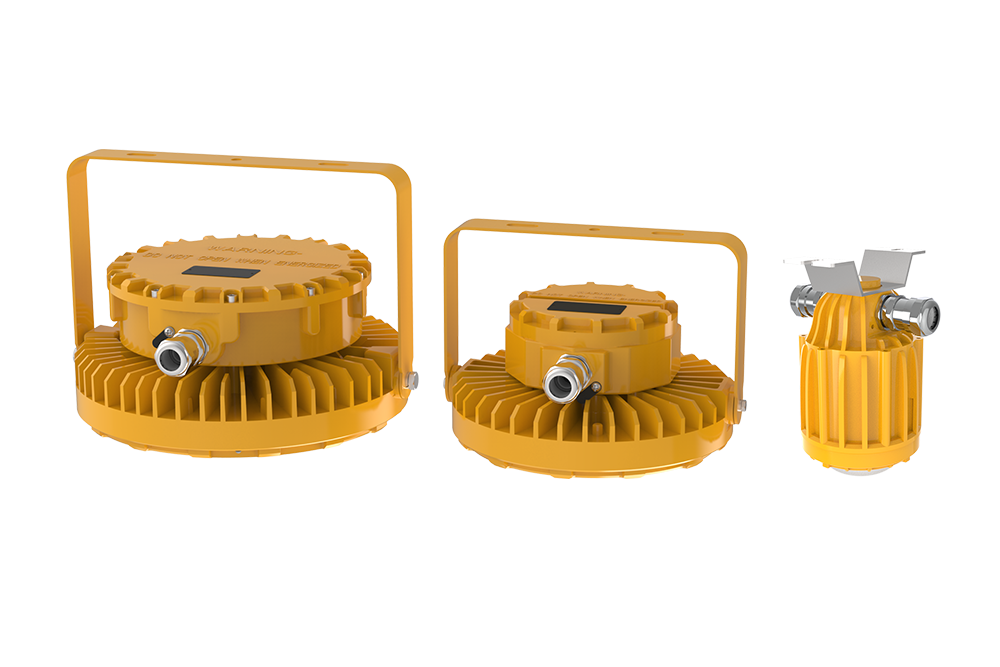
LED explosion proof high bay lights are designed for Zone 1, Zone 2, Zone 21 and Zone 22 hazardous areas. This page introduces the HB21 Series from SEEKING, including certifications, power options and real application considerations.
View details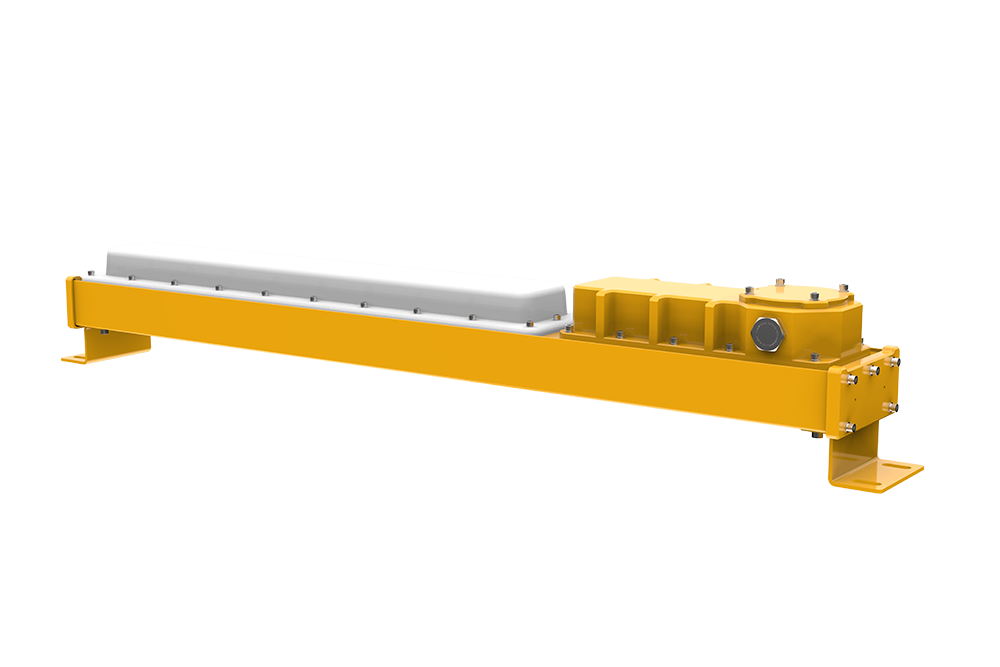
LED Linear Explosion Proof Lights from SEEKINGLED. LU Series Flame Proof lights ATEX-certified explosion proof LED linear lighting for Zone 2 gas and Zone 22 dust areas, IP69K, IK10, long lifetime and flexible power options.
View details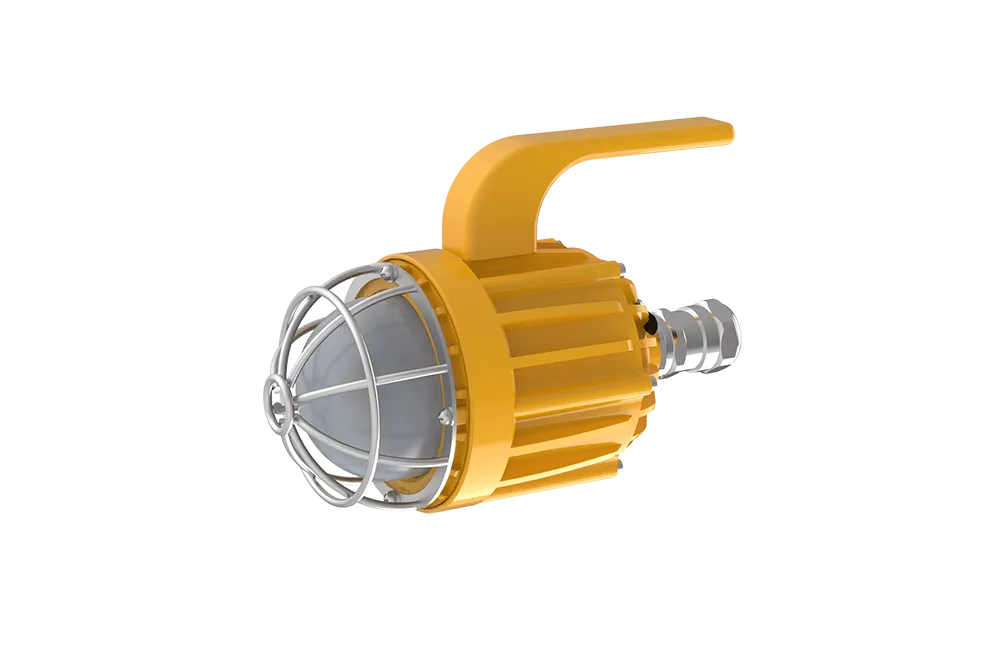
Certified explosion proof work lights for Zone 1 & 21 hazardous areas. Portable, ATEX & IECEx approved, built for oil, gas and chemical plants by SEEKINGLED.
View details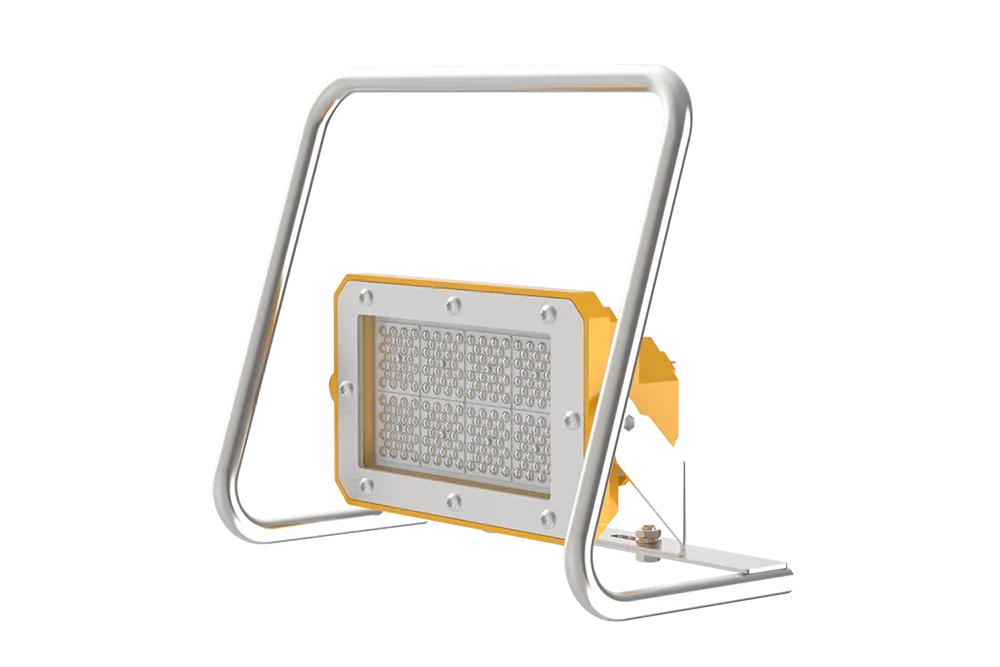
ATEX: II 3G Ex nR ⅡC T6 GcII 3D Ex tc ⅢC T80℃ Dc ATEX Certificate NO: TÜV CY 26 ATEX 0207611 X Feature: ● For Zone 2 and Zone 22● Accepts battery-powered supply● indestructible● Power:AC input:50W,75W,100WDC input:15W,25W,35W Application: Oil and gas, marine, Chemical, pharmaceutical, semiconductor,mining,military industry, paint booth,po…
View details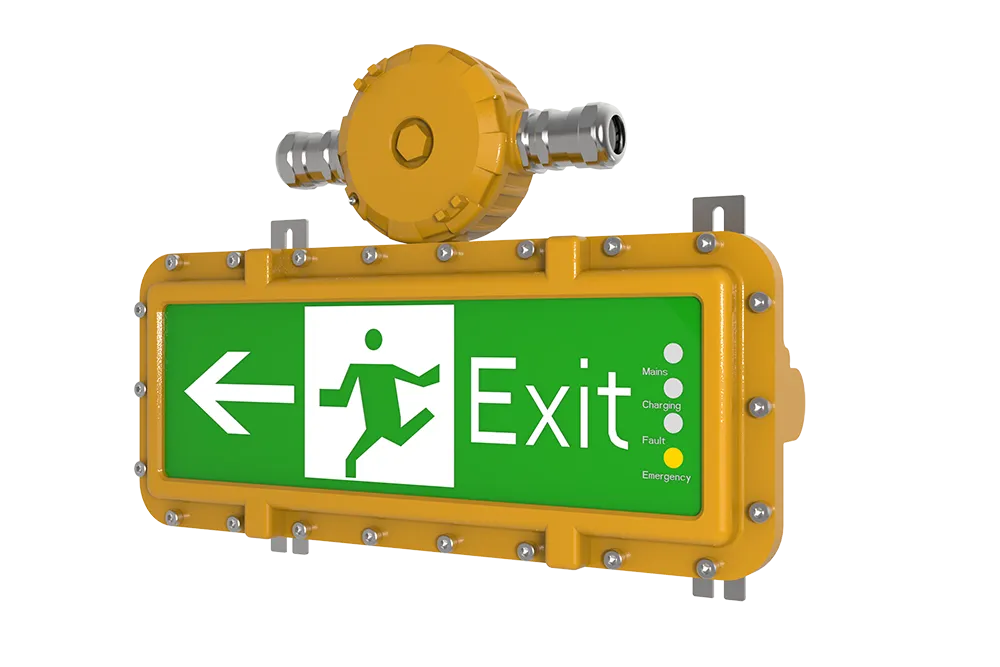
ATEX: Ex II 2G Ex db IIB T6 GbEx II 2D Ex tb IIIC T80°C Db IECEx Ex db IIB T6 Gb;Ex tb IIIC T80°C Db Feature: ● For Zone 1,2 and Zone 21,22● Flameproof type, the strongest Application: Oil and gas, marine, Chemical, pharmaceutical, semiconductor,mining,military industry, paint booth,power plant ETC hazardous area. Technical Specifications:…
View details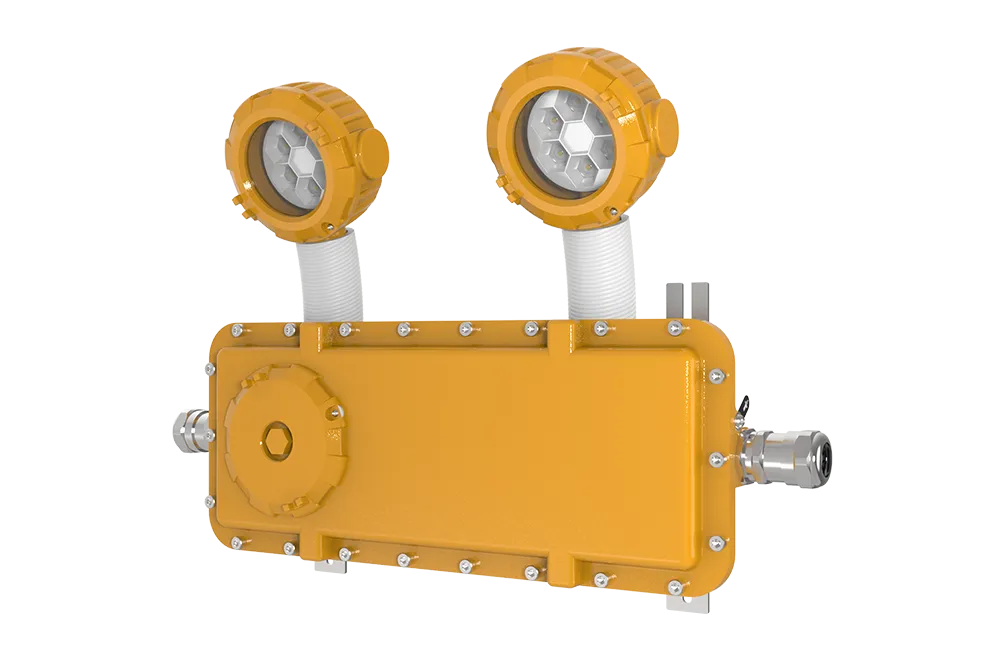
ATEX: Ex II 2G Ex db IIB T6 GbEx II 2D Ex tb IIIC T80°C Db IECEx Ex db IIB T6 Gb;Ex tb IIIC T80°C Db Feature: ● For Zone 1,2 and Zone 21,22● Flameproof type, the strongest Application: Oil and gas, marine, Chemical, pharmaceutical, semiconductor,mining,military industry, paint booth,power plant ETC hazardous area. Technical Specifications:…
View details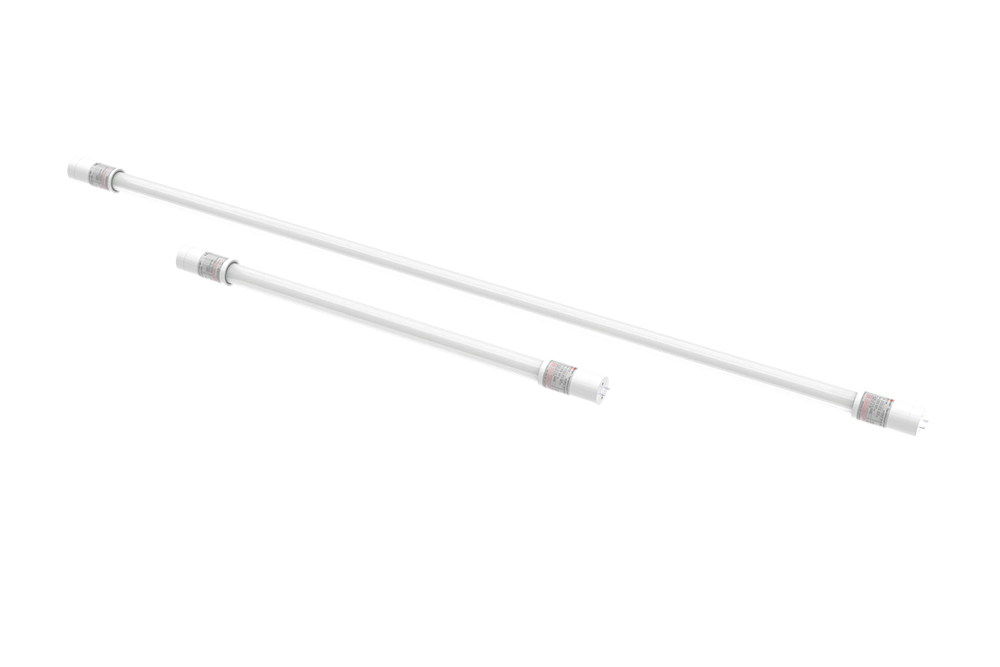
ATEX: Ex II 2G Ex d e IIB T6 Gb ATEX: Ex d e IIB T6 Gb; Feature: ● For Zone 1,2● 9W can replace 18W fluorescent lamps,50% Energy saving Application: Oil and gas, marine, Chemical, pharmaceutical, semiconductor,mining,military industry, paint booth,power plant ETC hazardous area. Technical Specifications: Standards:60079-0, 60079-1, 60079…
View details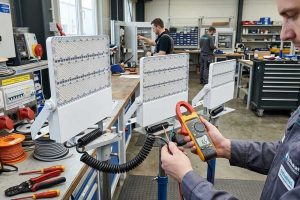
how many amps does led lights draw in real installations? Learn typical LED current draw, practical wiring examples, and electrical load insights from SEEKINGLED.
View details
What is the brightest LED flood light bulb in real use? Learn how brightness is judged on site, not just by lumen claims.
View details
How to Select the Right Hazardous Area – Zone 1 & 2 ATEX Lighting? Learn ATEX zone classification, gas groups, temperature classes, and expert selection tips for safer industrial lighting.
View details
ATEX certified lighting ensures safe, reliable illumination in explosive atmospheres. Learn certifications, applications, and selection tips for hazardous industrial locations.
View details