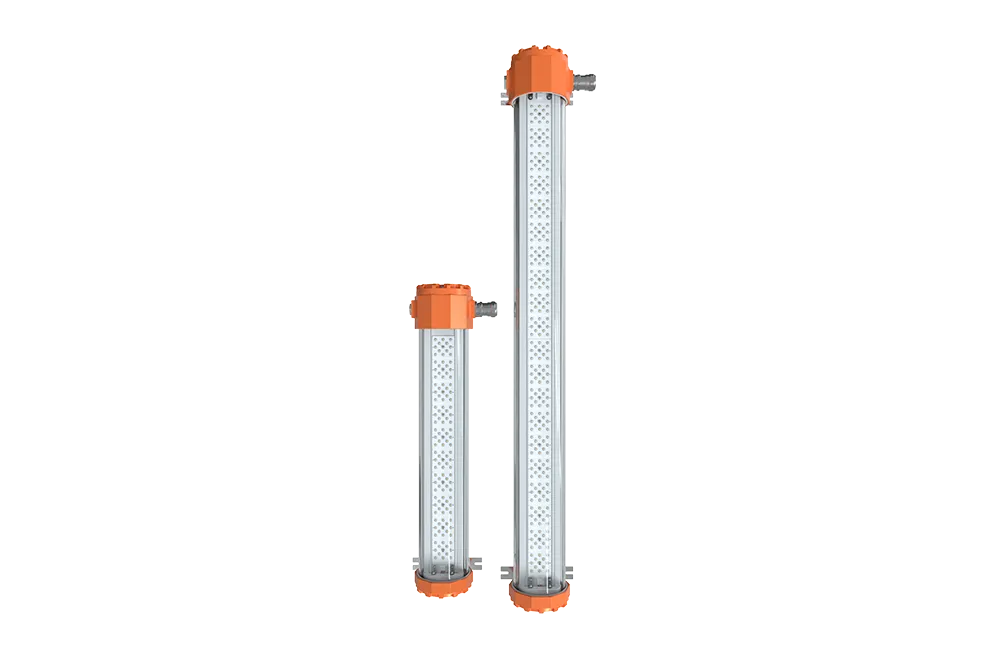
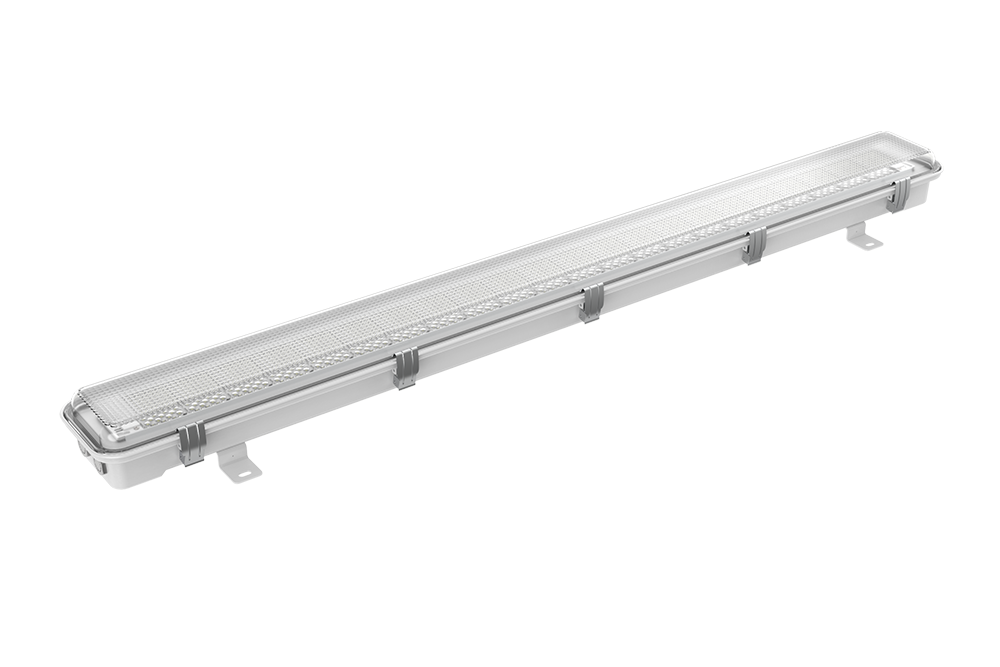
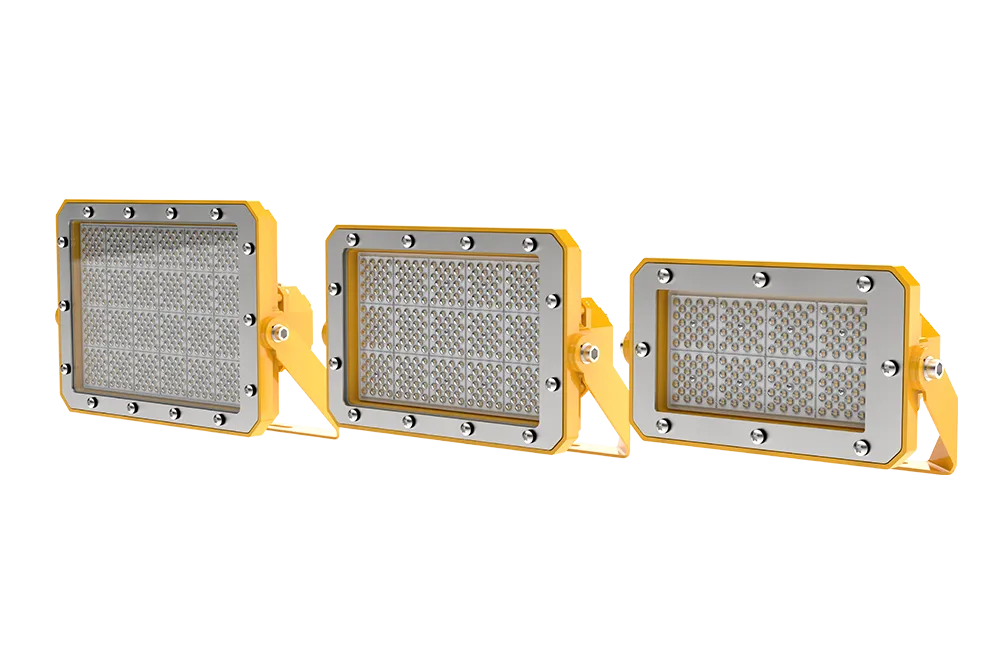
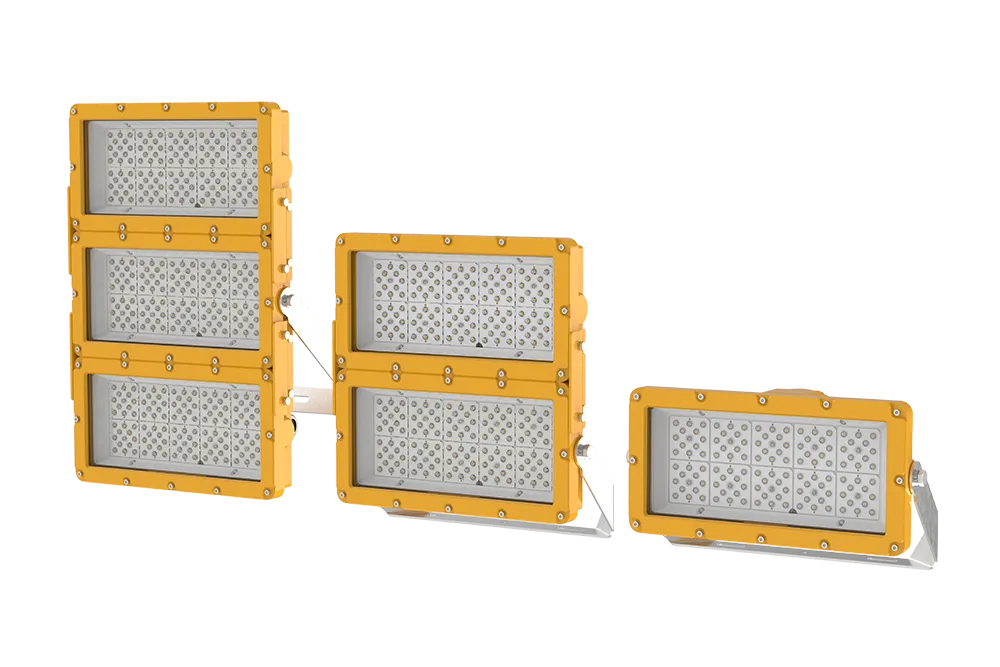
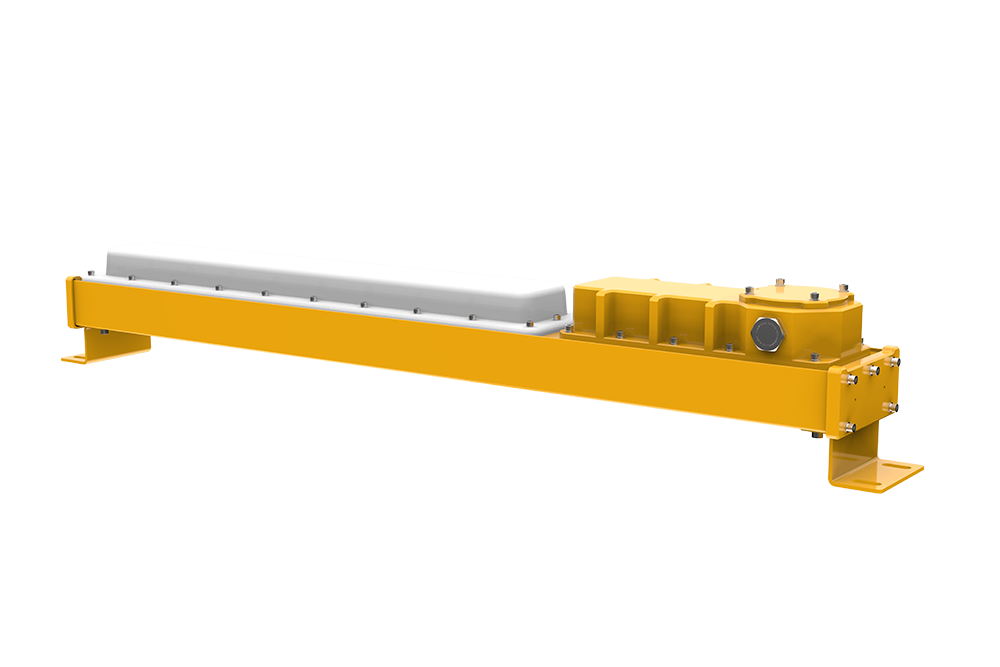
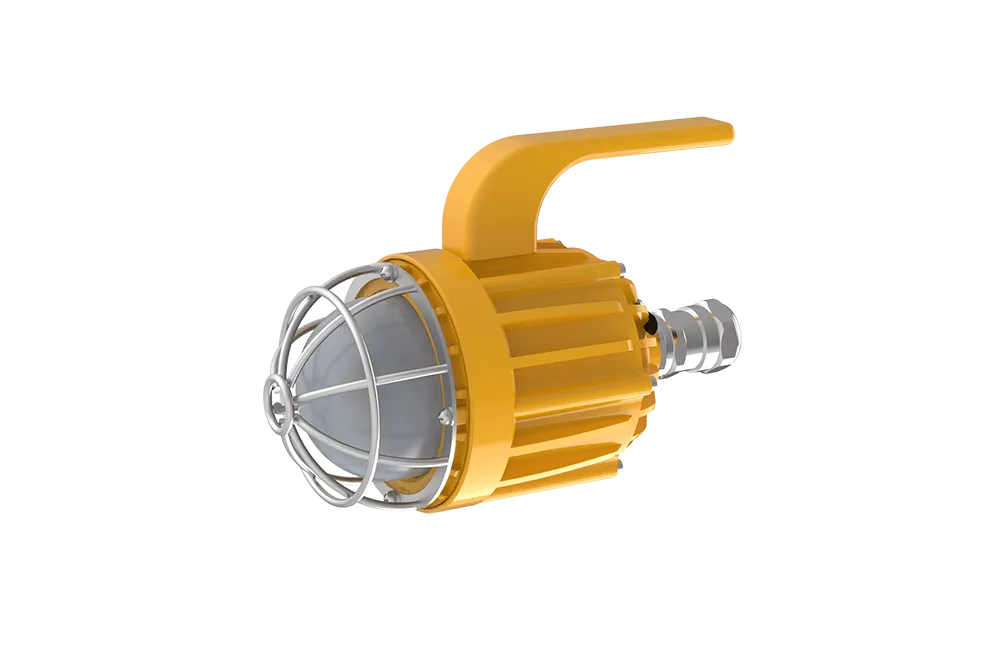
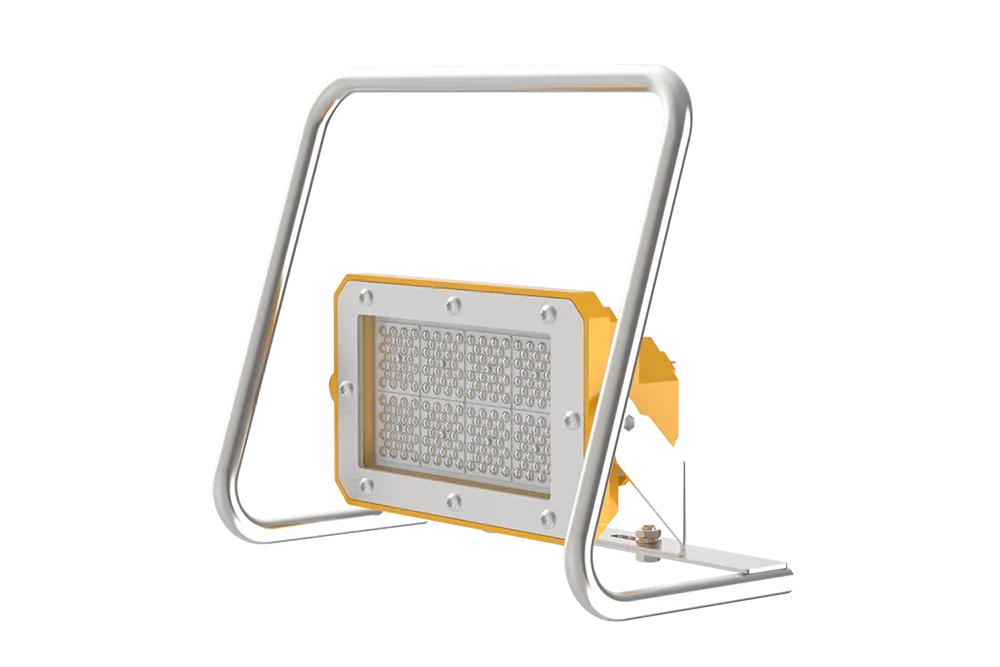
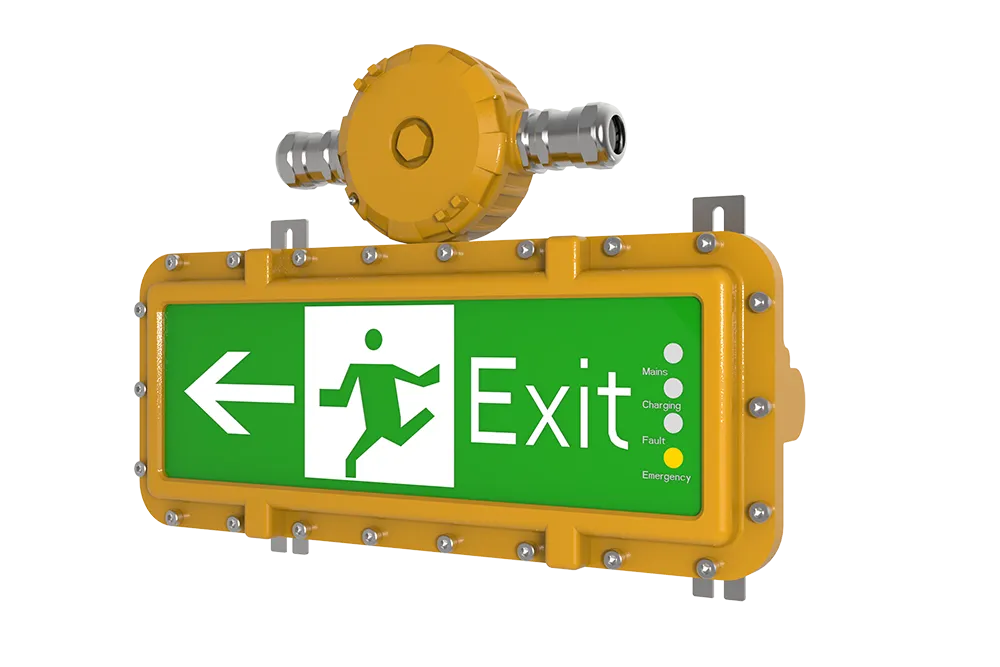
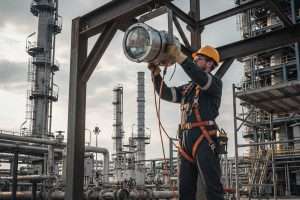
Q: What does explosion proof lighting mean in real applications?
What does explosion proof lighting mean?
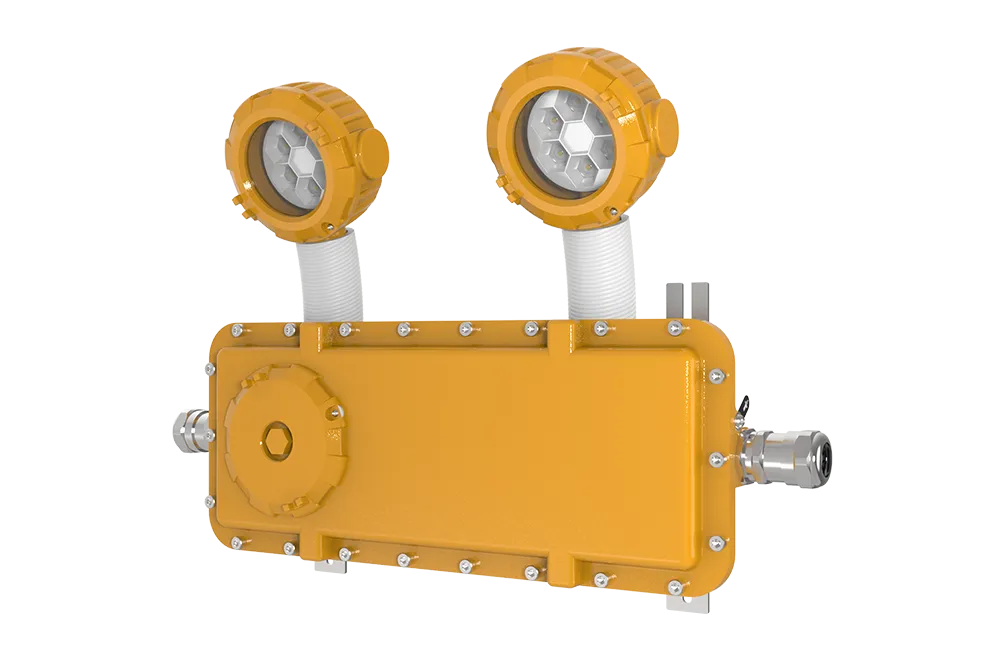
In practical terms, explosion proof lighting refers to lighting equipment that is designed to operate safely in hazardous locations where flammable gas, vapor, or combustible dust may be present.
It does not mean the light will never fail, and it does not mean it is immune to explosions. Instead, it means the fixture is built so that any internal ignition, spark, or high temperature will not trigger an external explosion.
Why “explosion proof” is often misunderstood
A common assumption is that explosion proof lighting is stronger, thicker, or simply “sealed better.” From an engineering perspective, that explanation is incomplete.
Explosion proof lighting is defined by how the enclosure manages risk:
- If ignition occurs inside, it must stay inside
- Surface temperatures must remain below ignition limits
- Electrical faults must not reach the surrounding atmosphere
This is why ordinary industrial LED lights, even rugged ones, do not qualify.
How explosion proof lighting is evaluated
Explosion proof lighting is not defined by marketing language. It is defined by certification standards such as ATEX and IECEx.
During testing, fixtures are operated under fault conditions, thermal stress, and abnormal electrical states. The goal is to confirm that the luminaire will not ignite the surrounding environment, even when something goes wrong internally.
SEEKINGLED designs explosion proof lighting with certification requirements in mind from the beginning, rather than adapting standard fixtures after the fact.
Explosion proof lighting vs hazardous location lighting
Another point of confusion is the difference between explosion proof lighting and general hazardous location lighting.
Explosion proof lighting is typically used in:
- Gas Zones 1 and 2
- Dust Zones 21 and 22
Other protection types may be suitable for lower-risk areas, but explosion proof lighting is often specified when risk levels are higher or when regulations are strict.
For project engineers, the correct choice depends on zone classification, gas group, and temperature class—not just brightness or efficiency.
Why certification matters more than design claims
From an inspection standpoint, explosion proof lighting is accepted only when it carries valid certification markings. Without this, even a well-built fixture can be rejected on site.
SEEKINGLED explosion proof lighting products are developed to meet these requirements so system integrators and end users can pass audits without redesigning the lighting plan.
Where explosion proof lighting is commonly used
Explosion proof lighting is widely applied in oil and gas facilities, chemical processing plants, paint booths, pharmaceutical production lines, and grain handling sites.
In these environments, lighting is part of the safety system—not just a utility. Using uncertified products increases both operational risk and project liability.
LED Explosion proof lights Recommendations
 Seeking LED