 Seeking LED
Cobra Head LED Street Light Designed for Roads That Must Stay Predictable
190A cobra head LED street light designed for urban and suburban roads, offering controlled optics, long lifespan, and stable performance by SEEKINGLED.
View detailsSearch the whole station
What is LED ATEX lighting?
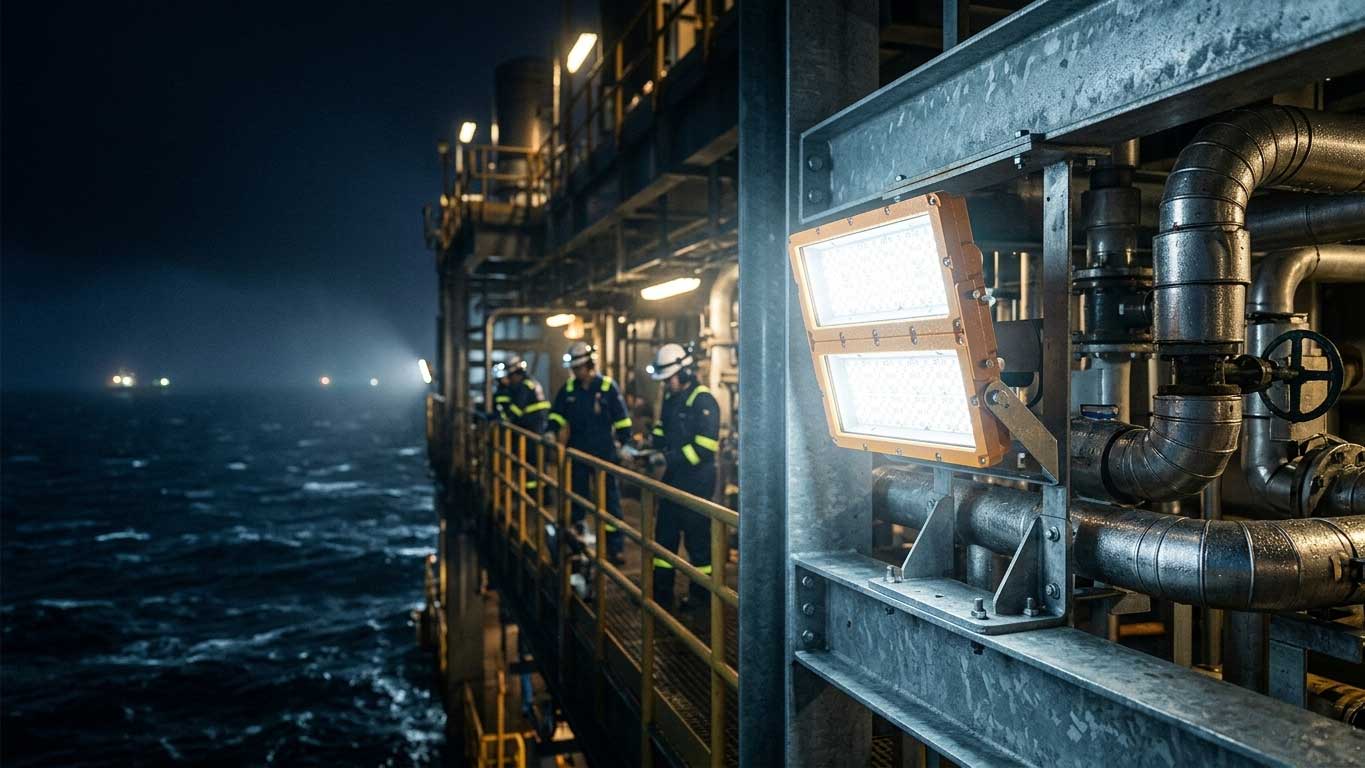
LED ATEX lighting is a certified explosion-proof lighting system designed for hazardous areas where flammable gas, vapor, dust, or combustible particles may ignite. These fixtures use sealed housings, temperature-controlled electronics, and ATEX-certified components to prevent sparks, arcs, or excessive heat from causing explosions in dangerous industrial environments.
I learned this the hard way during a refinery retrofit in Southeast Asia. A maintenance contractor installed a standard industrial flood light in a Zone 1 solvent storage corridor because “it looked sealed enough.” Three weeks later, inspectors shut the entire section down. The fixture itself never exploded — but it lacked certified ignition protection. In hazardous locations, “almost safe” is the same as unsafe.
Industrial sites are full of invisible risks. Gas leaks are not always dramatic. Sometimes the danger is a barely measurable vapor cloud floating near a valve rack at 2 a.m.
According to the European Commission ATEX directives, hazardous areas are locations where explosive atmospheres may occur due to gases, vapors, mists, or combustible dusts.
Source:
https://single-market-economy.ec.europa.eu/sectors/mechanical-engineering/atex_en
That is why facilities such as:
cannot use ordinary commercial lighting.
A conventional fixture may generate:
LED ATEX lighting is engineered specifically to contain or eliminate those risks.
Many buyers think explosion-proof lights are “stronger lights.” They are not. The engineering is completely different.
The housing is usually made from:
These enclosures are thick enough to contain an internal ignition event without allowing flames to escape into the hazardous atmosphere outside.
During one petrochemical installation I inspected, the ATEX flood lights weighed nearly three times more than normal LED floodlights of similar wattage. The extra mass was not cosmetic. It came from reinforced flameproof chambers and thermal management fins.
Heat matters more than brightness in hazardous areas.
A flammable gas can ignite simply from a hot surface. ATEX fixtures are designed to maintain strict temperature classes such as:
| Temperature Class | Maximum Surface Temperature |
|---|---|
| T1 | 450°C |
| T2 | 300°C |
| T3 | 200°C |
| T4 | 135°C |
| T5 | 100°C |
| T6 | 85°C |
Many refinery projects today require T4 or T5 rated fixtures.
ATEX comes from the French phrase:
“ATmosphères EXplosibles”
It refers to two European Union directives regulating equipment used in explosive atmospheres.
The two core directives are:
| Directive | Purpose |
|---|---|
| ATEX 2014/34/EU | Equipment certification |
| ATEX 1999/92/EC | Workplace safety requirements |
Source:
https://eur-lex.europa.eu
Manufacturers must test fixtures under strict laboratory conditions before certification.
This is where many purchasing mistakes happen.
| Zone | Risk Frequency |
|---|---|
| Zone 0 | Explosive gas continuously present |
| Zone 1 | Explosive gas likely during normal operation |
| Zone 2 | Explosive gas unlikely or temporary |
| Zone | Risk Frequency |
|---|---|
| Zone 20 | Combustible dust continuously present |
| Zone 21 | Dust likely during operation |
| Zone 22 | Dust occasional or abnormal |
A Zone 1 chemical loading bay needs far stricter protection than a Zone 2 maintenance corridor.
I have seen procurement teams accidentally purchase Zone 2 fixtures for Zone 1 applications because both products were labeled “hazardous area lights.” That shortcut can fail compliance audits instantly.
Ten years ago, many hazardous facilities still relied on metal halide fixtures.
Today, most new projects specify LED.
The reason is not just energy savings.
LED systems emit far less radiant heat than HID fixtures.
That reduces ignition risk.
According to the U.S. Department of Energy, quality LEDs can operate for 50,000 hours or more.
Source:
https://www.energy.gov/energysaver/led-lighting
In hazardous locations, reducing maintenance matters enormously because:
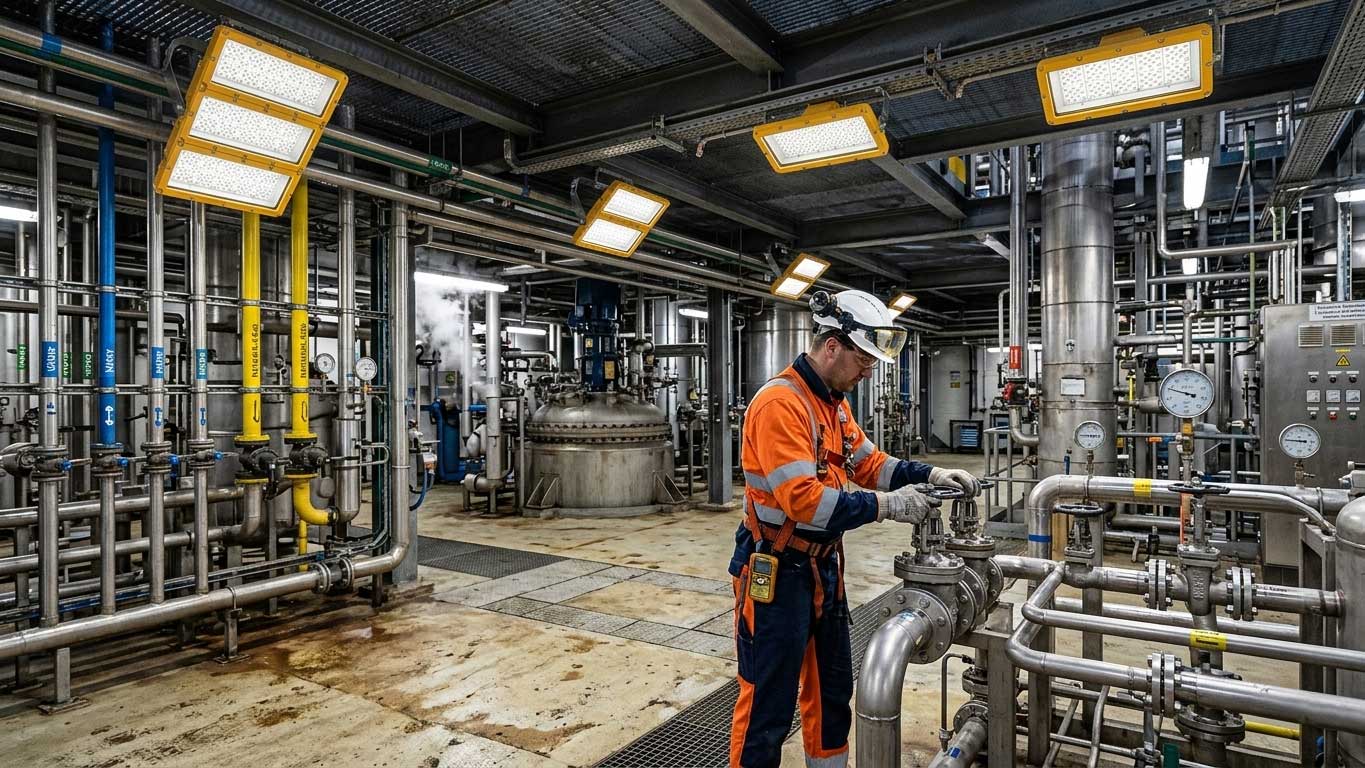
One offshore operator I worked with reduced annual lighting maintenance visits by nearly 60% after replacing HID floodlights with LED ATEX fixtures.
Most professional hazardous-area fixtures use:
to resist:
Offshore environments destroy poor coatings quickly.
High-quality ATEX fixtures typically use:
especially for marine use.
Many ATEX lights meet IK08 or IK10 impact standards.
This matters in:
where accidental impacts happen constantly.
Do not start with wattage.
Start with the hazardous classification.
| Requirement | Why It Matters |
|---|---|
| Zone classification | Determines certification level |
| Gas group | Identifies ignition characteristics |
| Temperature class | Prevents surface ignition |
| Mounting location | Impacts beam angle and corrosion resistance |
| Voltage range | Important for offshore and industrial grids |
| Beam distribution | Controls visibility and glare |
I usually tell clients this:
A badly selected ATEX light can still illuminate the area perfectly — right until the day it fails inspection.
Brightness is secondary to certification.
Some fixtures lose certification above certain operating temperatures.
Middle East refinery sites regularly exceed +50°C ambient temperature.
This is more common than most buyers realize.
Always verify:
through official certification databases.
Not exactly. ATEX is a European certification framework. Explosion-proof lighting is a broader industrial term. Many ATEX fixtures are explosion-proof, but certification requirements differ by region.
Yes. Most hazardous-area LED flood lights are designed for outdoor environments including offshore platforms, refineries, ports, and mining sites.
Quality industrial fixtures commonly reach 50,000–100,000 operating hours depending on thermal design and environmental conditions.
Within the European Union, ATEX certification is mandatory for equipment used in explosive atmospheres.
The best LED ATEX lighting rarely gets noticed.
That is actually the point.
No sparks. No shutdowns. No overheating alarms. No failed audits during midnight inspections.
After years around hazardous-area projects, I have learned something simple: operators do not remember the lighting brand when everything works. They remember the one fixture that forced a production stop because somebody tried to save money on certification.
That is why properly engineered LED ATEX lighting still matters — even in an industry obsessed with cutting operational costs.
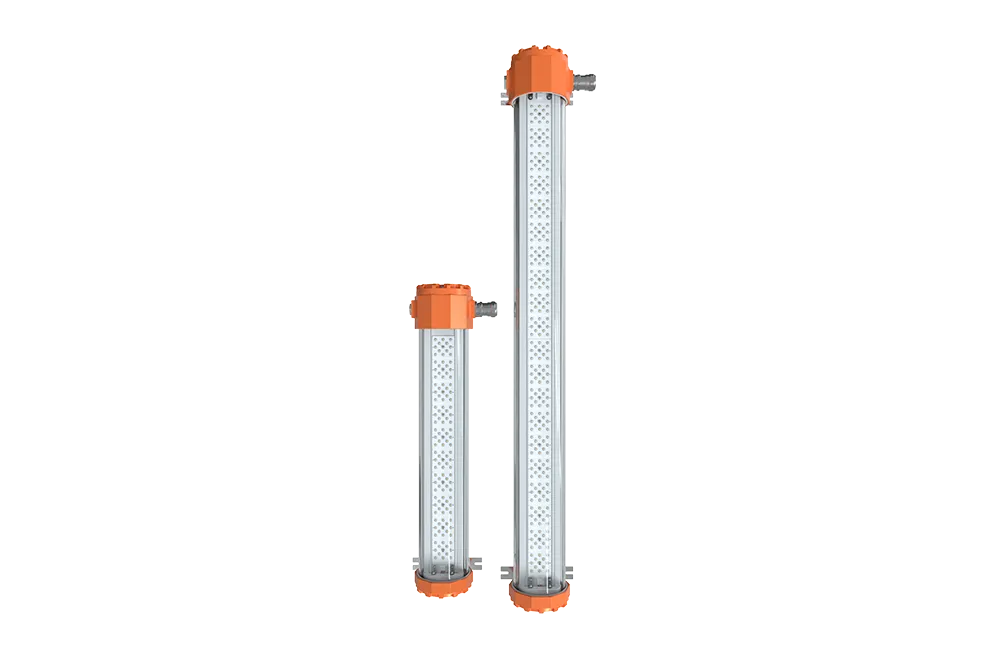
SEEKINGLED LED Linear Explosion Proof Light and Explosion Proof lighting is ATEX and IECEx certified for Zone 1, Zone 2, Zone 21 and Zone 22 hazardous locations, built for long-term industrial use.
View details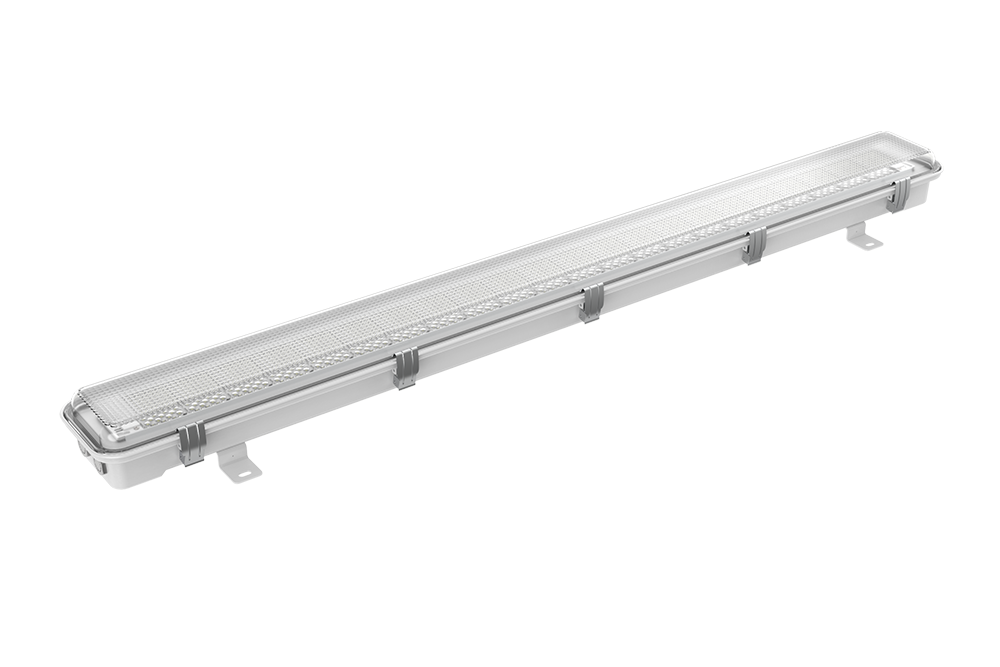
LED Linear Explosion Proof Lights and EX Proof lights for Zone 1, Zone 2, Zone 21 and Zone 22 hazardous areas. ATEX & IECEx certified explosion proof LED linear lighting with emergency function, adjustable power and IP67 protection by SEEKINGLED.
View details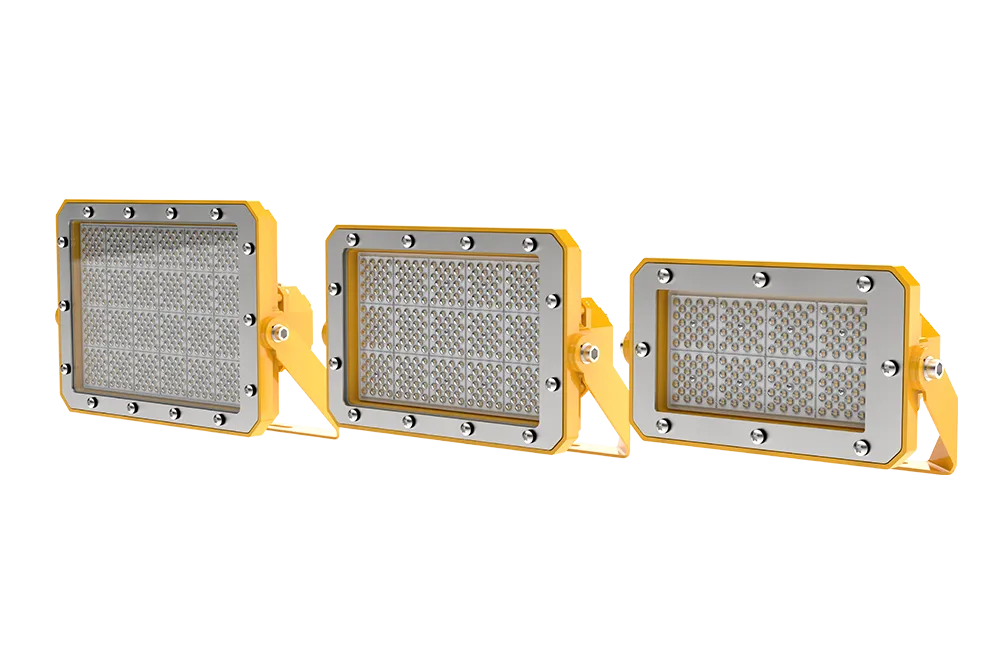
SEEKINGLED LED Explosion Proof Flood Lights are ATEX certified for Zone 2 and Zone 22 hazardous areas, offering high efficiency, adjustable power and integrated junction box.
View details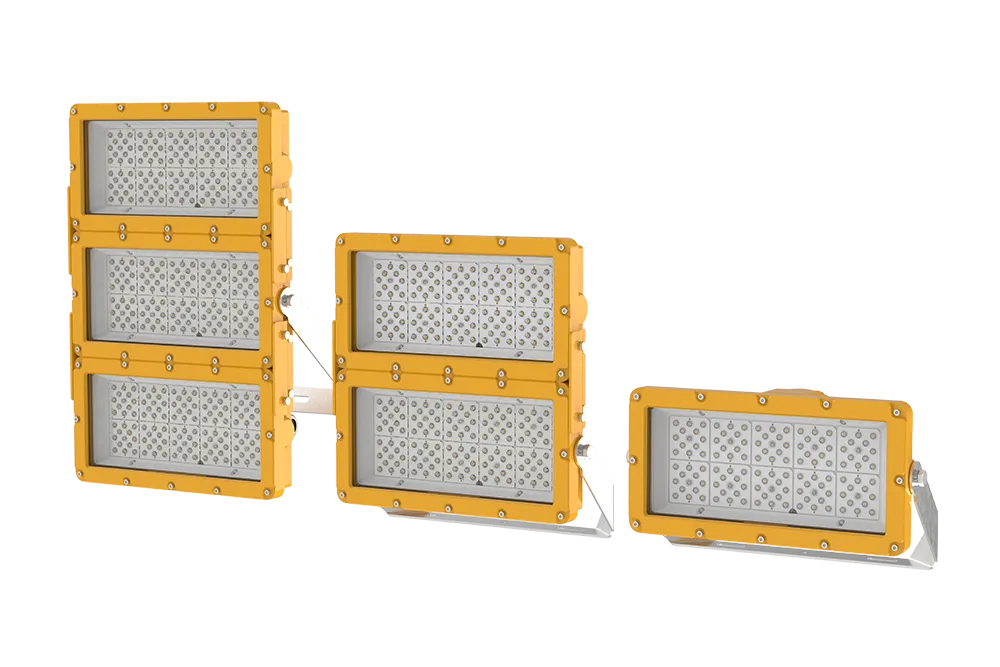
SEEKINGLED LED Explosion Proof Flood Lights are flameproof ATEX and IECEx certified for Zone 1 and Zone 2 hazardous areas, offering high power, adjustable output and long service life.
View details
SEEKINGLED LED Gas Station Canopy Lights are ATEX certified for Zone 2 and Zone 22 hazardous areas, featuring adjustable power and built-in explosion-proof junction box.
View details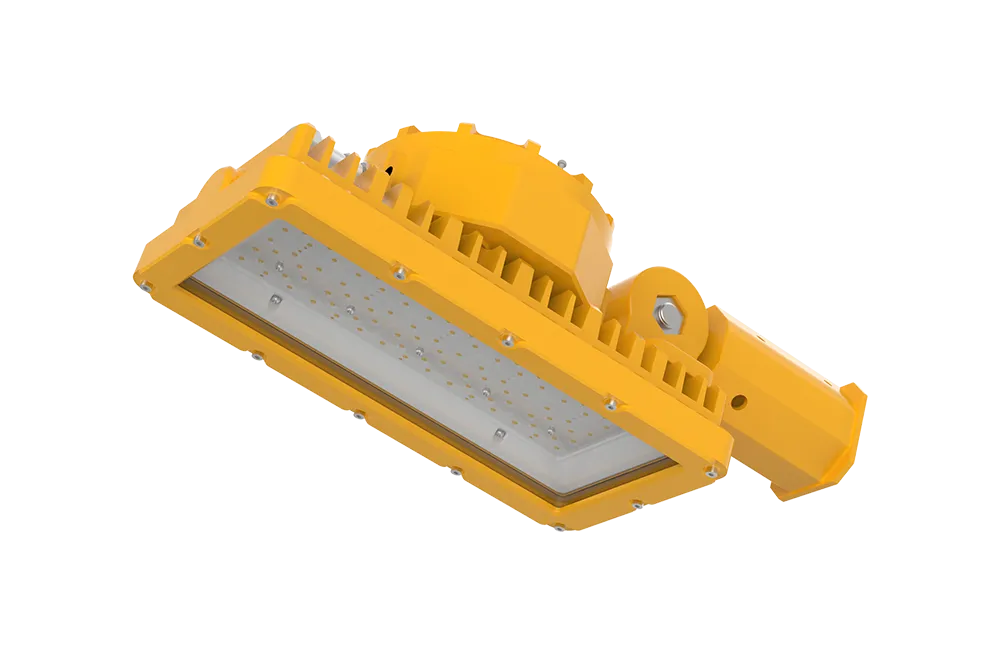
ATEX: Ex II 2G Ex db IIB T6/T5 GbEx II 2D Ex tb IIIC T80°C/ T95°C Db IECEx Ex db IIB T6 Gb;Ex tb IIIC T80°C Db Feature: ● For Zone 1,2 and Zone 21,22● Flameproof type, the strongest● 100W can replace 250W HID,energy saving● Power:60W,80W,100W Application: Oil and gas, marine, Chemical, pharmaceutical, semiconductor,mining,military industr…
View details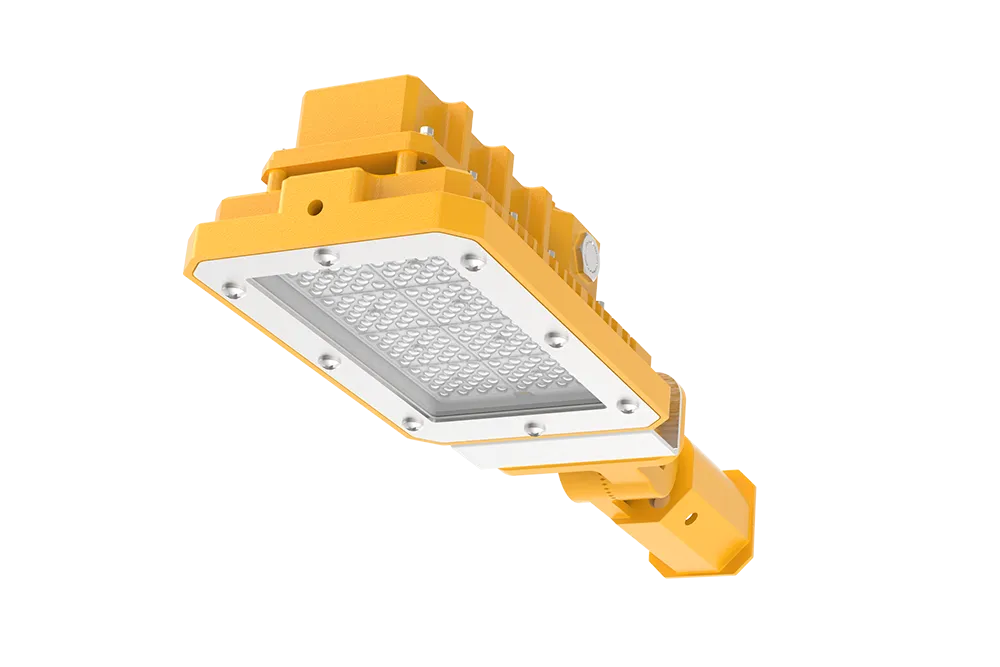
ATEX: II 3G Ex nR ⅡC T5/T6 GcII 3D Ex tc ⅢC T80℃/T95℃Dc ATEX Certificate NO: TÜV CY 26 ATEX 0207611 X Feature: ● For Zone 2 and Zone 22● 150W can replace 250W HID lamps,Energy saving● Power:50W,75W,100W,150W,200W Application: Oil and gas, marine, Chemical, pharmaceutical, semiconductor,mining,military industry, paint booth,power plant ETC…
View details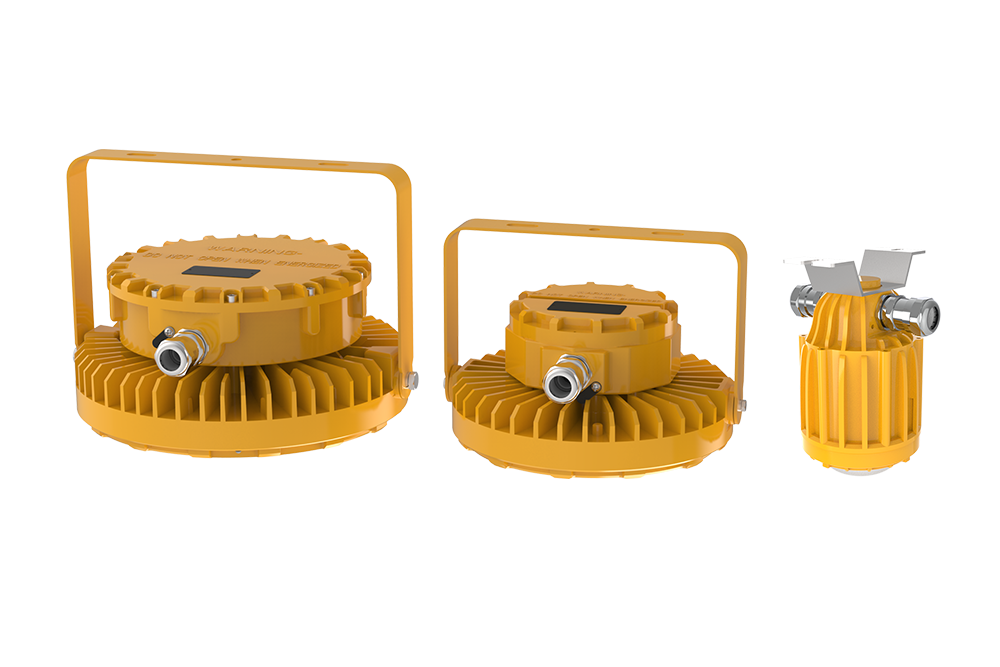
LED explosion proof high bay lights are designed for Zone 1, Zone 2, Zone 21 and Zone 22 hazardous areas. This page introduces the HB21 Series from SEEKING, including certifications, power options and real application considerations.
View details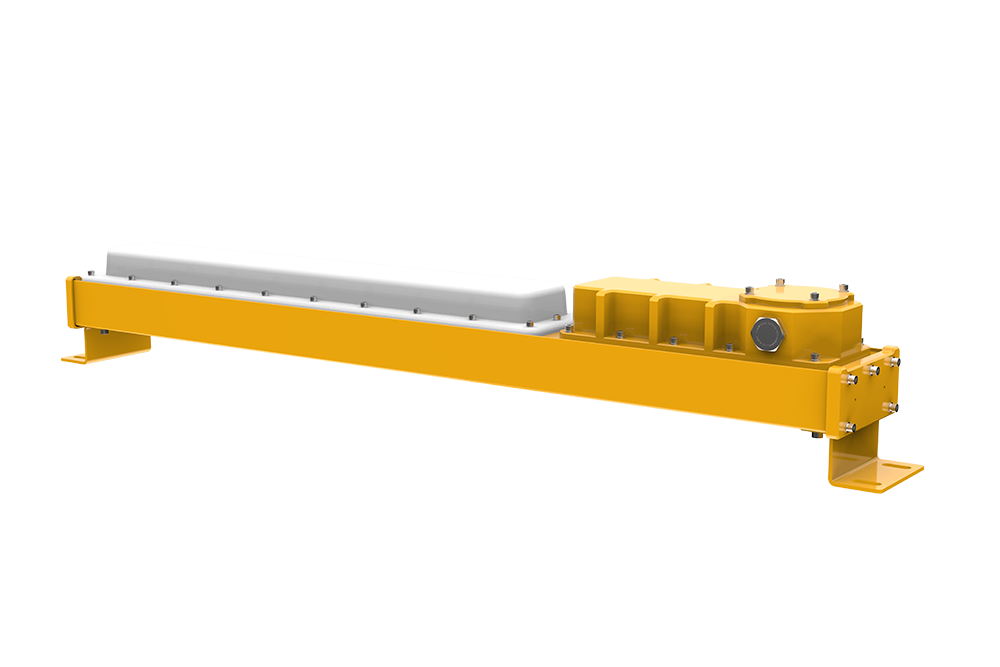
LED Linear Explosion Proof Lights from SEEKINGLED. LU Series Flame Proof lights ATEX-certified explosion proof LED linear lighting for Zone 2 gas and Zone 22 dust areas, IP69K, IK10, long lifetime and flexible power options.
View details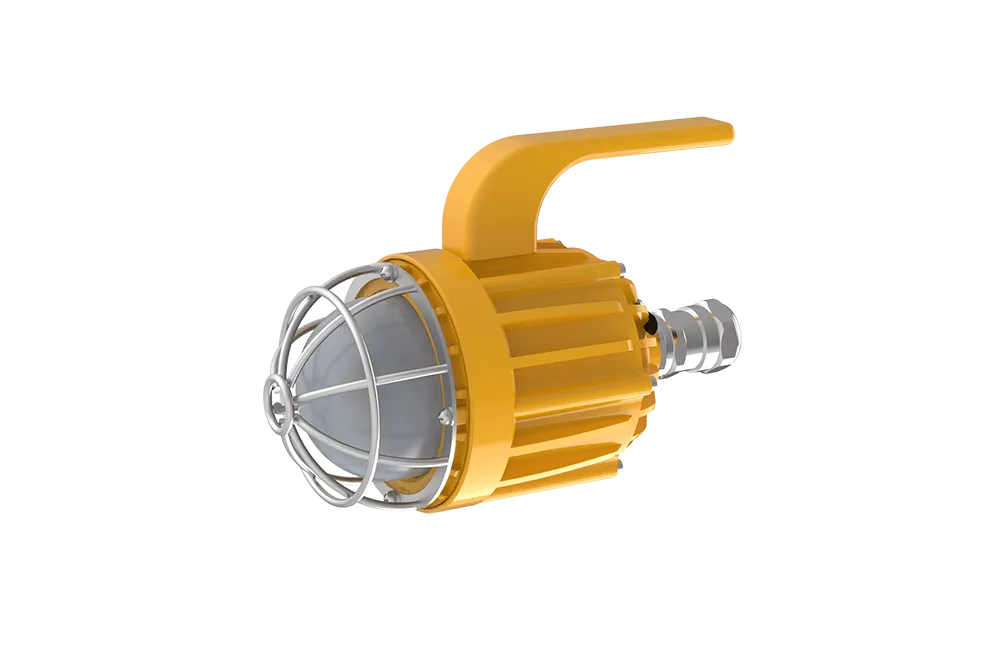
Certified explosion proof work lights for Zone 1 & 21 hazardous areas. Portable, ATEX & IECEx approved, built for oil, gas and chemical plants by SEEKINGLED.
View details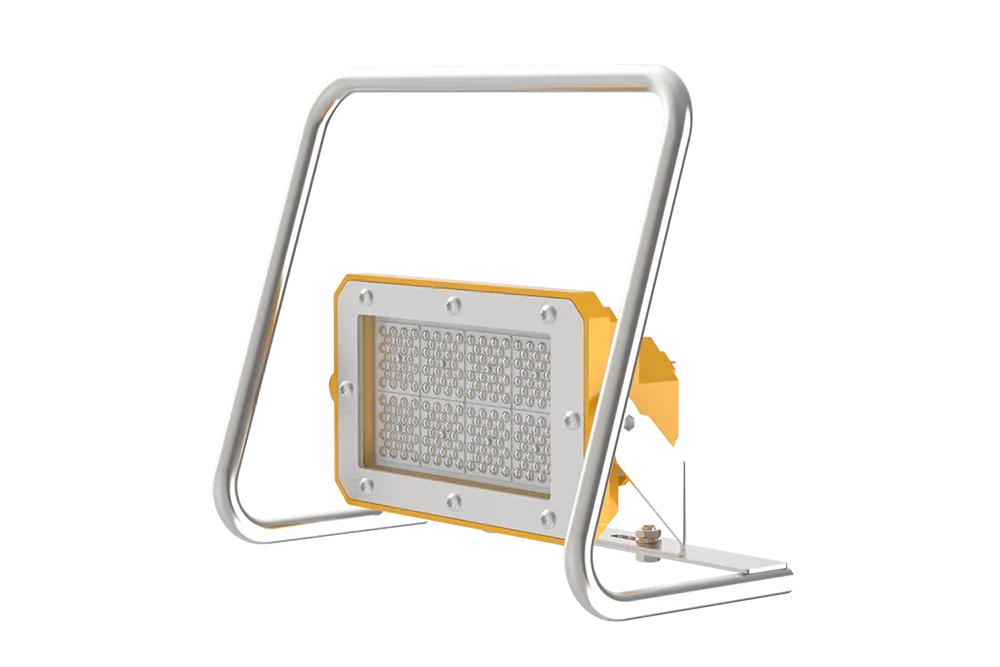
ATEX: II 3G Ex nR ⅡC T6 GcII 3D Ex tc ⅢC T80℃ Dc ATEX Certificate NO: TÜV CY 26 ATEX 0207611 X Feature: ● For Zone 2 and Zone 22● Accepts battery-powered supply● indestructible● Power:AC input:50W,75W,100WDC input:15W,25W,35W Application: Oil and gas, marine, Chemical, pharmaceutical, semiconductor,mining,military industry, paint booth,po…
View details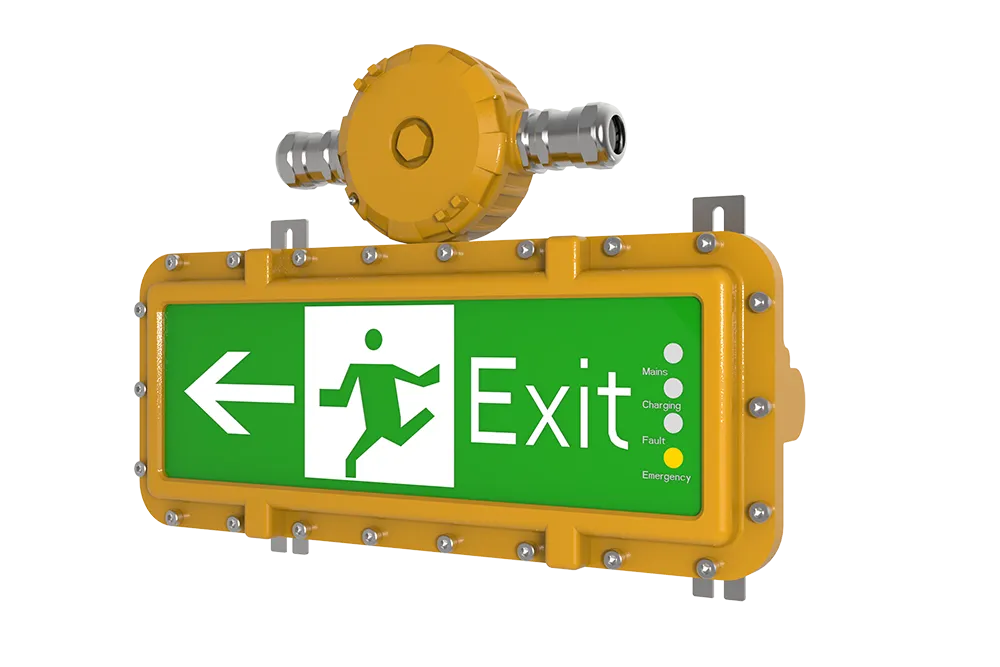
ATEX: Ex II 2G Ex db IIB T6 GbEx II 2D Ex tb IIIC T80°C Db IECEx Ex db IIB T6 Gb;Ex tb IIIC T80°C Db Feature: ● For Zone 1,2 and Zone 21,22● Flameproof type, the strongest Application: Oil and gas, marine, Chemical, pharmaceutical, semiconductor,mining,military industry, paint booth,power plant ETC hazardous area. Technical Specifications:…
View details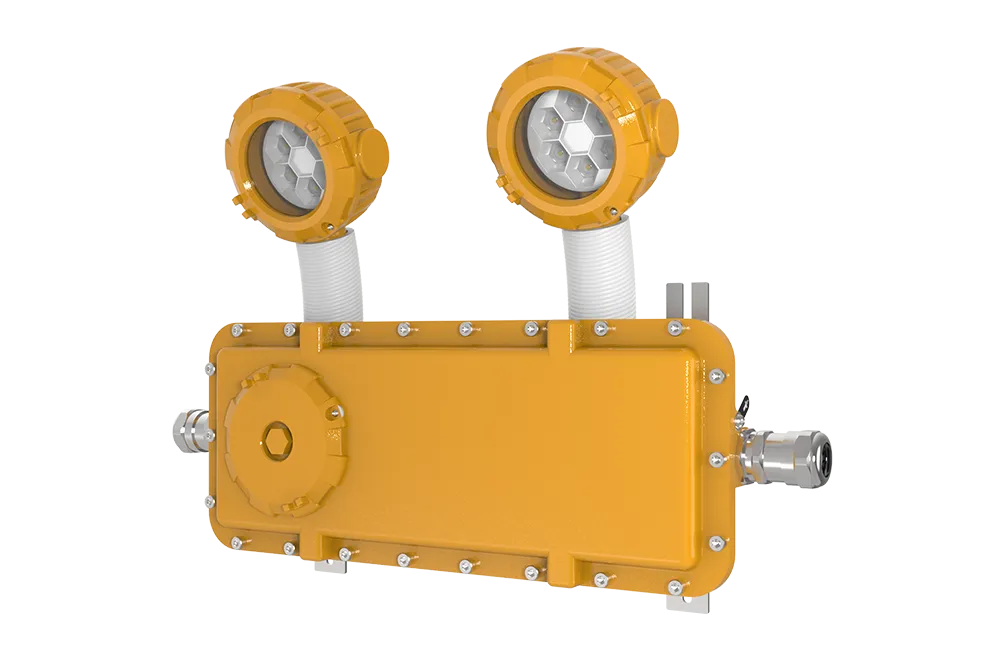
ATEX: Ex II 2G Ex db IIB T6 GbEx II 2D Ex tb IIIC T80°C Db IECEx Ex db IIB T6 Gb;Ex tb IIIC T80°C Db Feature: ● For Zone 1,2 and Zone 21,22● Flameproof type, the strongest Application: Oil and gas, marine, Chemical, pharmaceutical, semiconductor,mining,military industry, paint booth,power plant ETC hazardous area. Technical Specifications:…
View details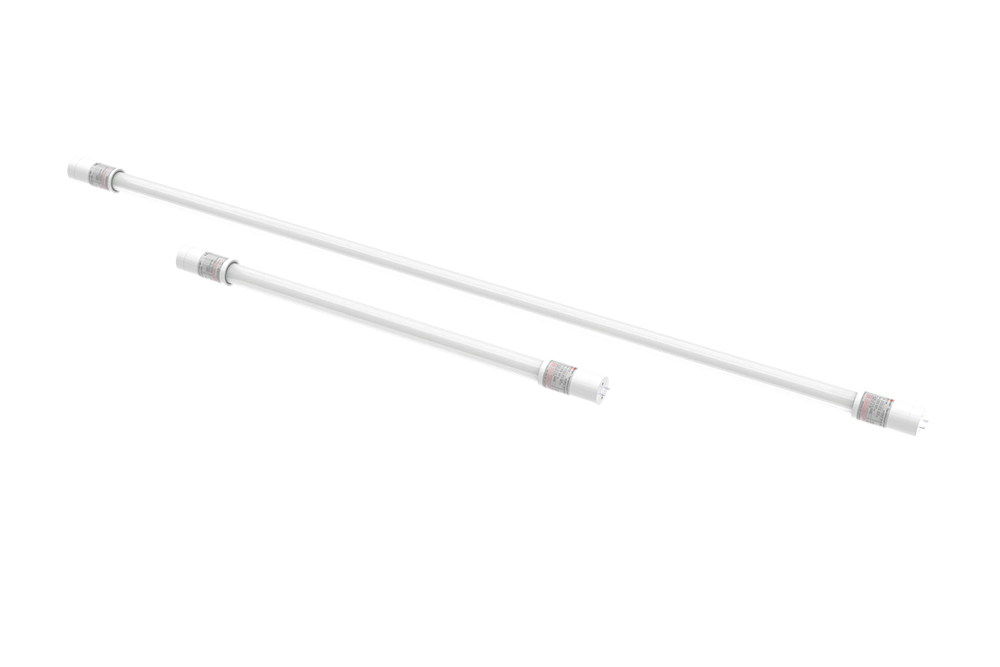
ATEX: Ex II 2G Ex d e IIB T6 Gb ATEX: Ex d e IIB T6 Gb; Feature: ● For Zone 1,2● 9W can replace 18W fluorescent lamps,50% Energy saving Application: Oil and gas, marine, Chemical, pharmaceutical, semiconductor,mining,military industry, paint booth,power plant ETC hazardous area. Technical Specifications: Standards:60079-0, 60079-1, 60079…
View details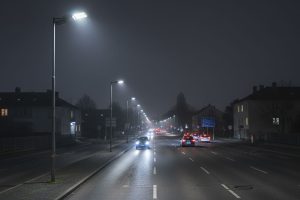
A cobra head LED street light designed for urban and suburban roads, offering controlled optics, long lifespan, and stable performance by SEEKINGLED.
View details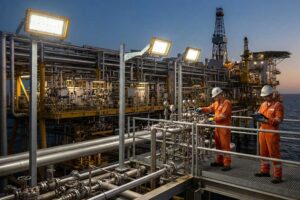
What Is LED Hazardous Area Lighting? Learn how certified hazardous LED lighting protects explosive environments, how it works, where it is used, and how to choose the right solution from SEEKINGLED.
View details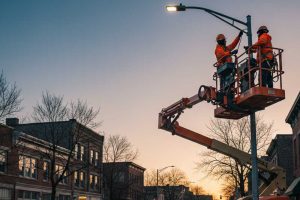
How to install LED street light on poles, roads, and parking areas. A practical installation guide based on real projects, common mistakes, and field experience.
View details
This engineering-based news article explains how energy saving LED lighting supports sustainable projects, covering LED Flood Light, LED Street Light, Sports Stadium LED Lighting and more by SEEKINGLED.
View details