 Seeking LED
Are LED Street Lights Cost Effective?
246Are LED street lights cost effective over time? This guide explains real costs, savings, and when LED street lighting truly makes financial sense.
View detailsSearch the whole station
The first time I walked through a crude oil transfer station at night, I remember noticing the lighting before anything else.
It wasn’t the brightness that stood out. It was the fact that every single fixture looked… overbuilt. Thick housings. Heavy mounting brackets. No exposed components anywhere.
That wasn’t accidental.
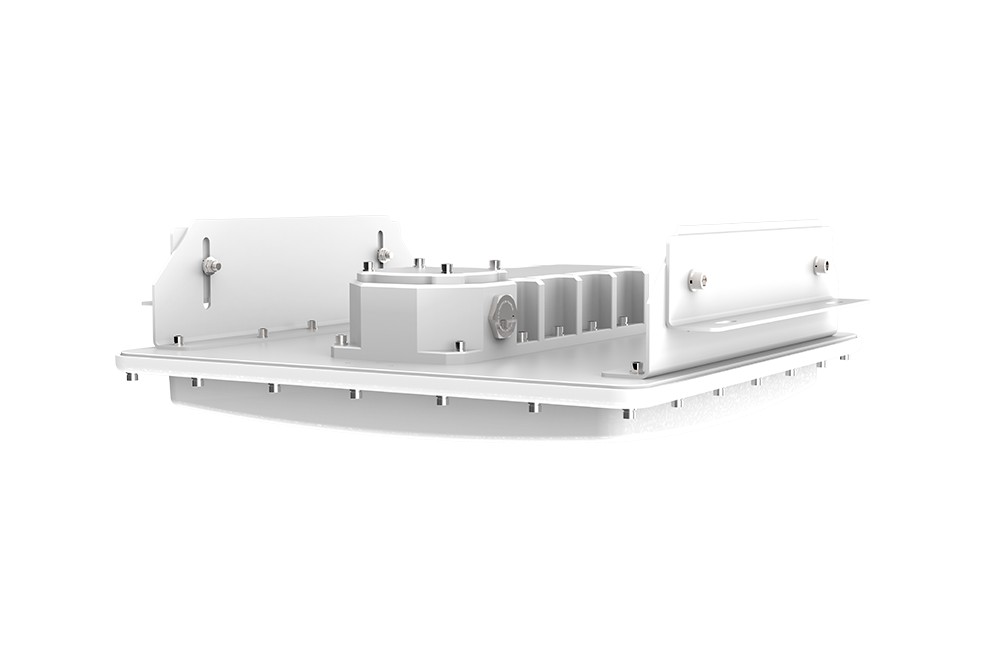
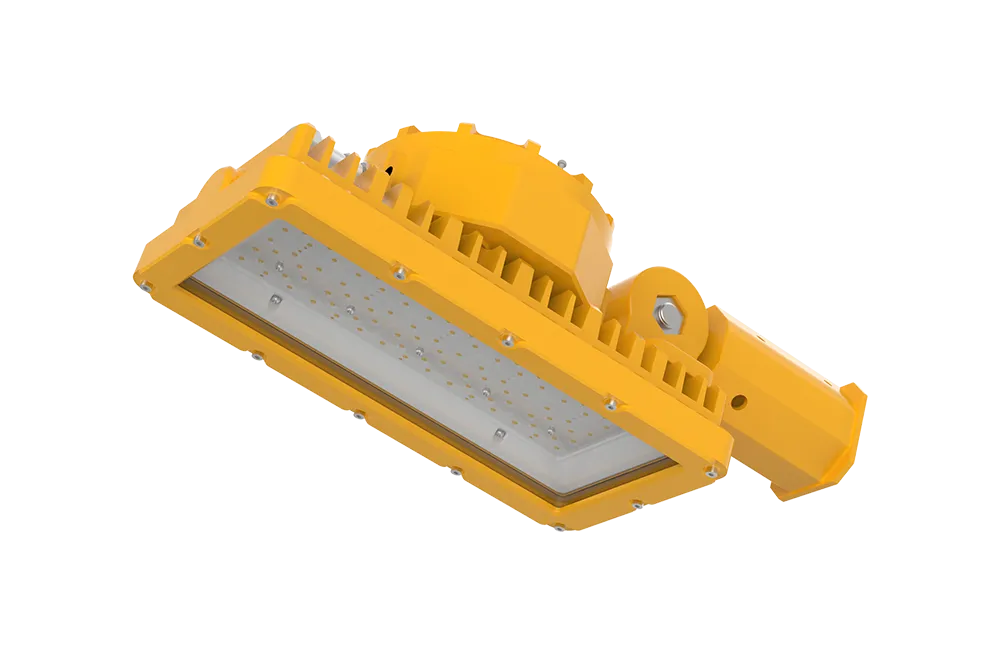
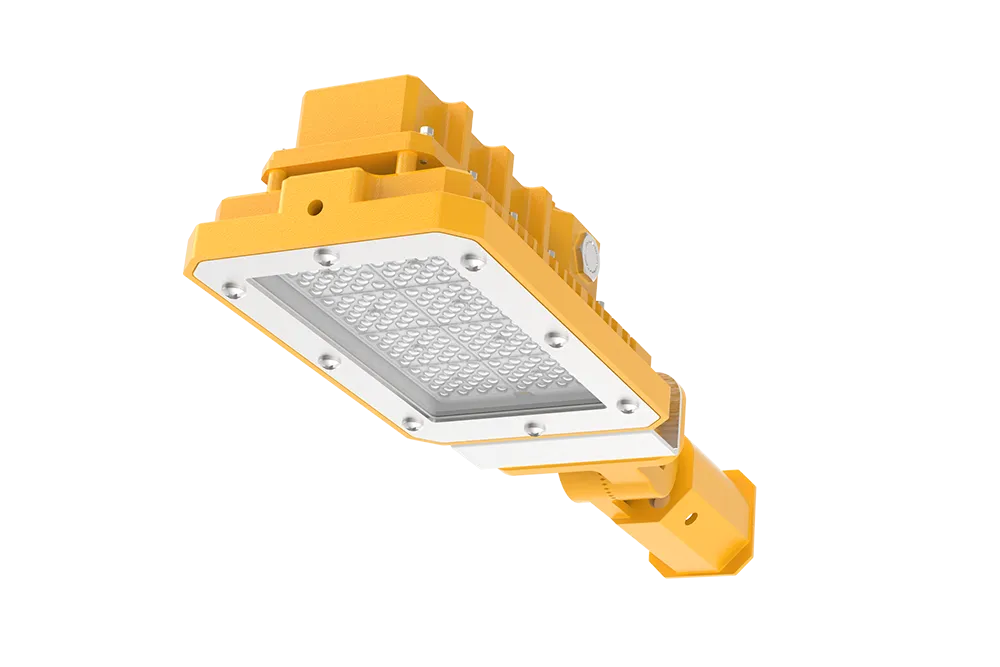
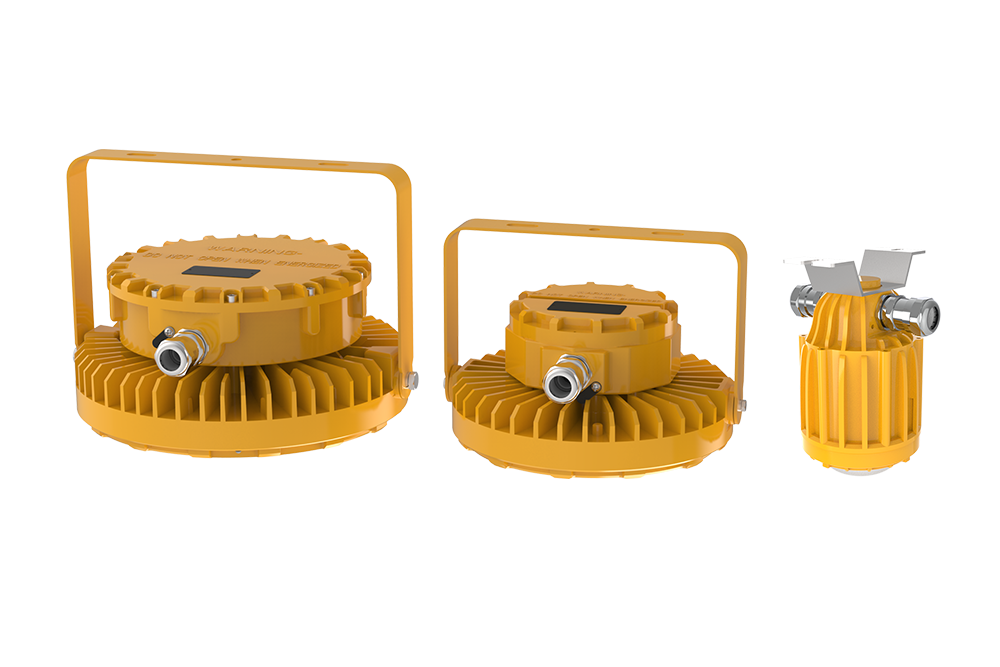
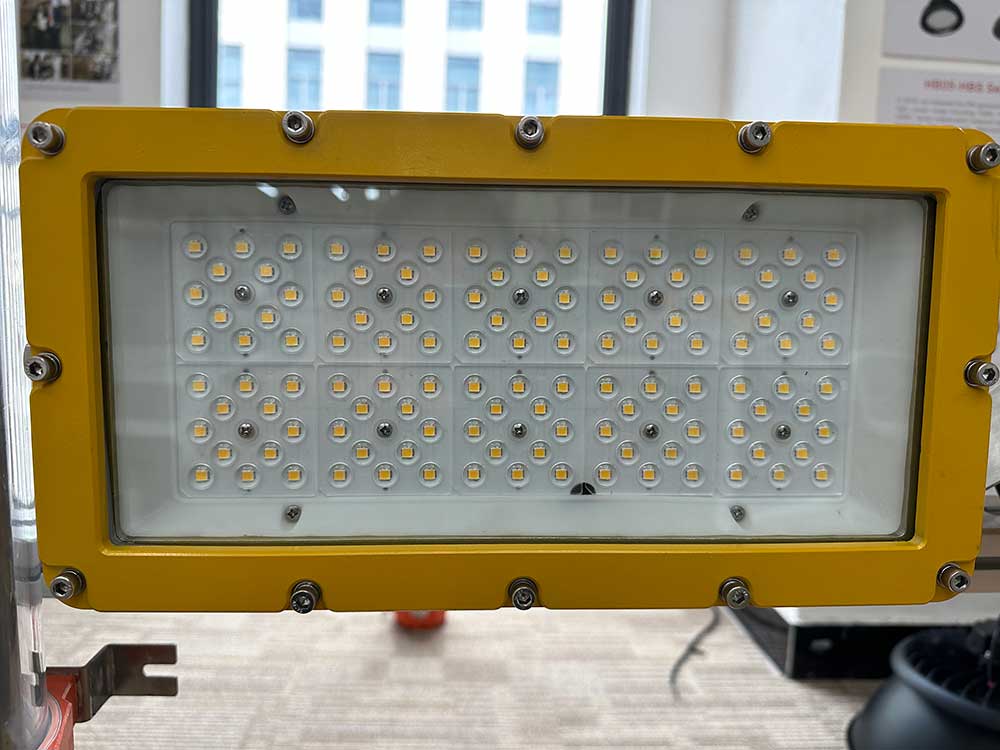
In environments where flammable gases or dust might exist, a standard industrial light simply isn’t acceptable. What’s required instead is a certified explosion proof flood light, built so that even if something goes wrong inside the fixture, the surrounding atmosphere remains safe.
In oil terminals, chemical plants, LNG facilities — this kind of lighting is not optional equipment. It’s basic infrastructure.
Most industrial lighting problems are about durability.
Hazardous area lighting is different. The focus shifts from durability to ignition prevention.
International standards such as IEC 60079-0 and IEC 60079-1 describe how electrical equipment must behave when installed in explosive atmospheres. These standards are widely adopted across Europe, the Middle East, and Asia for industrial safety regulation.
One of the key engineering concepts here is Ex d flameproof construction.
Instead of preventing sparks entirely (which is nearly impossible in electrical systems), flameproof equipment assumes ignition could occur inside the enclosure. The housing is designed strong enough to contain that explosion internally and prevent flame from escaping.
In practical terms, that means thicker housings, controlled flame paths, and precisely machined joints.
When properly built, an explosion proof flood light becomes a sealed protective system rather than just a lighting fixture.
Industrial sites dealing with combustible materials are categorized into zones depending on how frequently explosive atmospheres may occur.
The most common classifications are:
Zone 1 – flammable gases likely during normal operation
Zone 2 – gases present occasionally
Zone 21 – combustible dust present regularly
Zone 22 – dust present occasionally
Lighting equipment must be certified for the specific zone where it will operate.
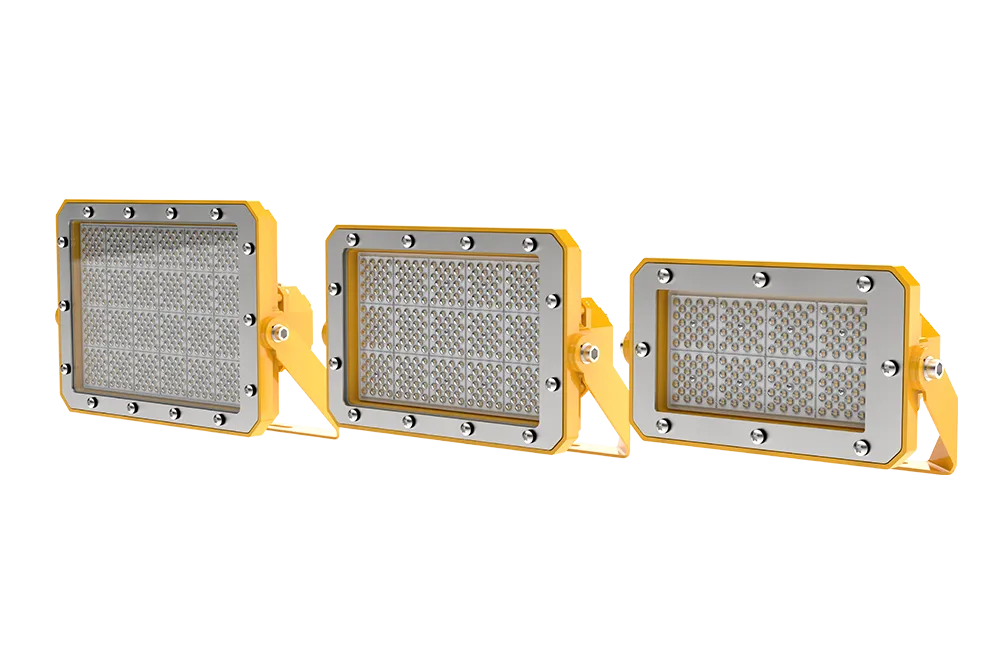
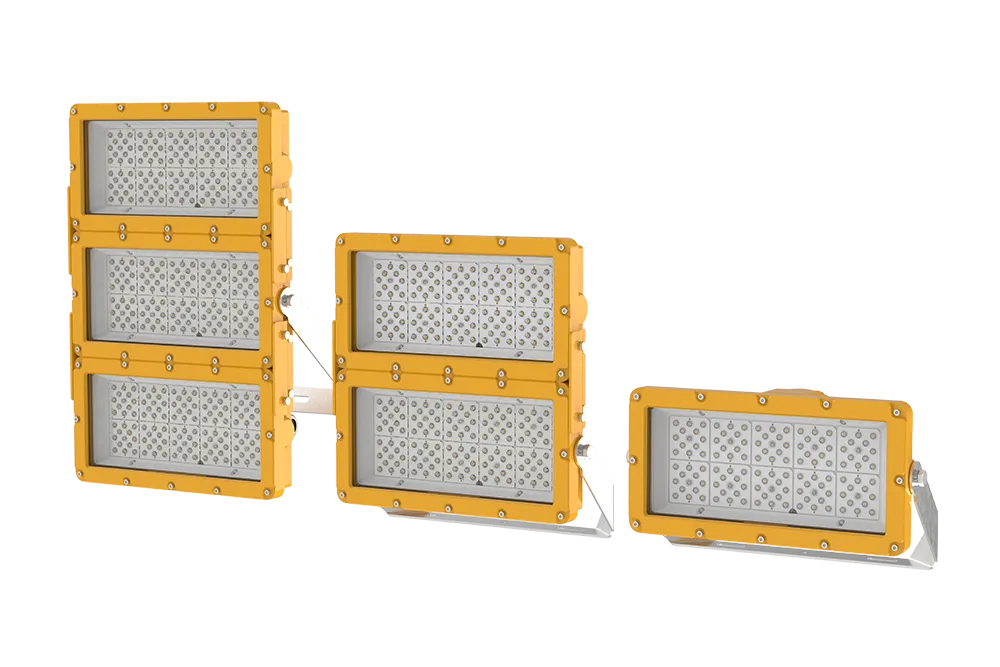
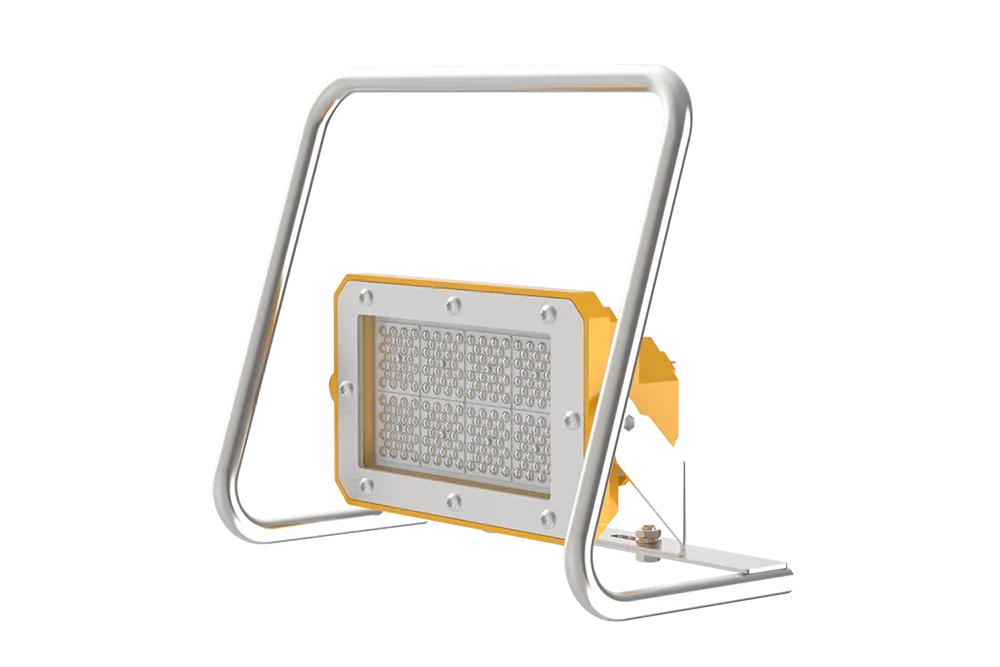
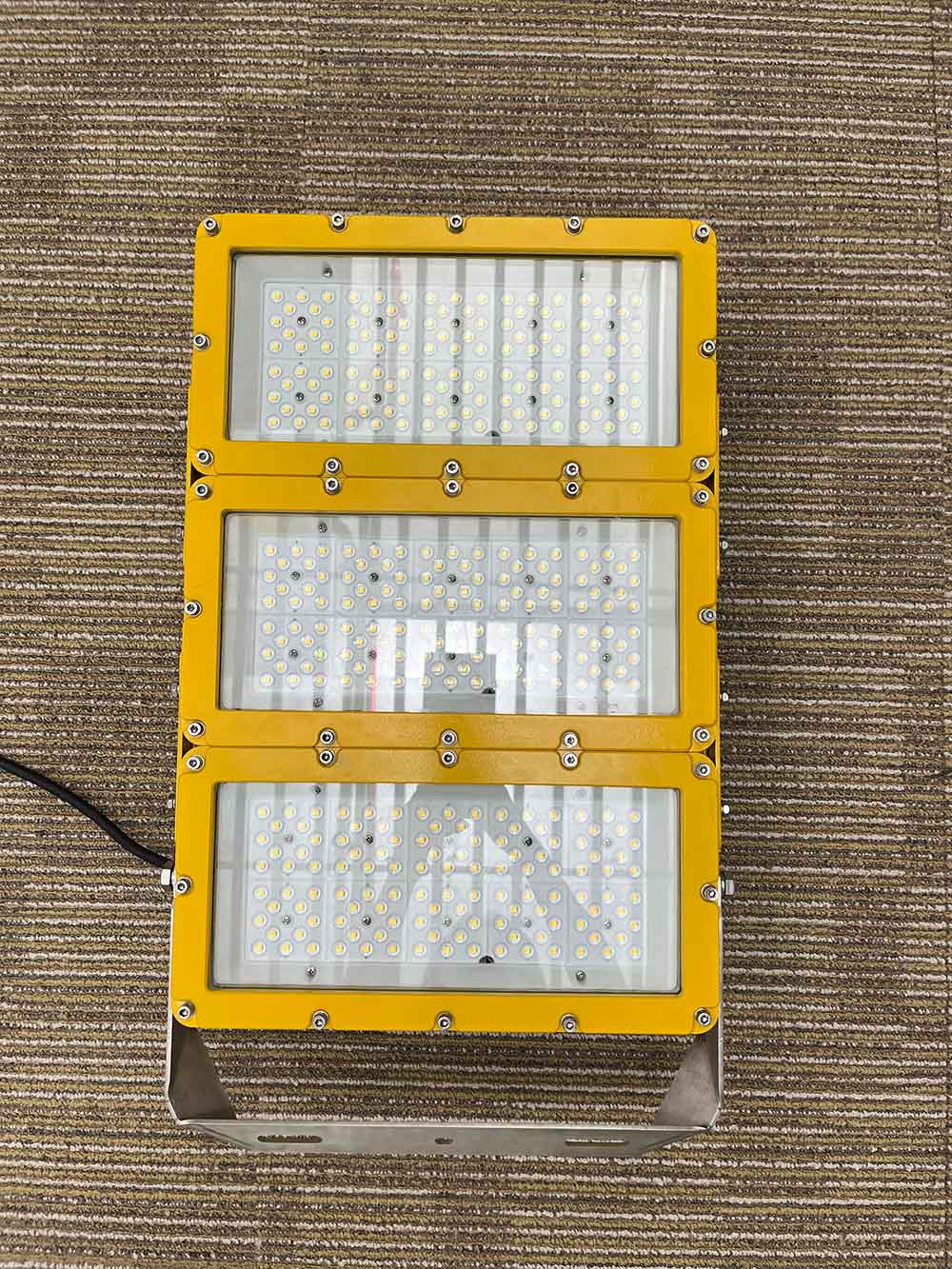
The FL7 Series explosion proof flood light from SEEKINGLED is designed for both gas and dust environments, covering Zones 1, 2, 21 and 22. That wider rating gives engineers more flexibility when planning installations across different facility areas.
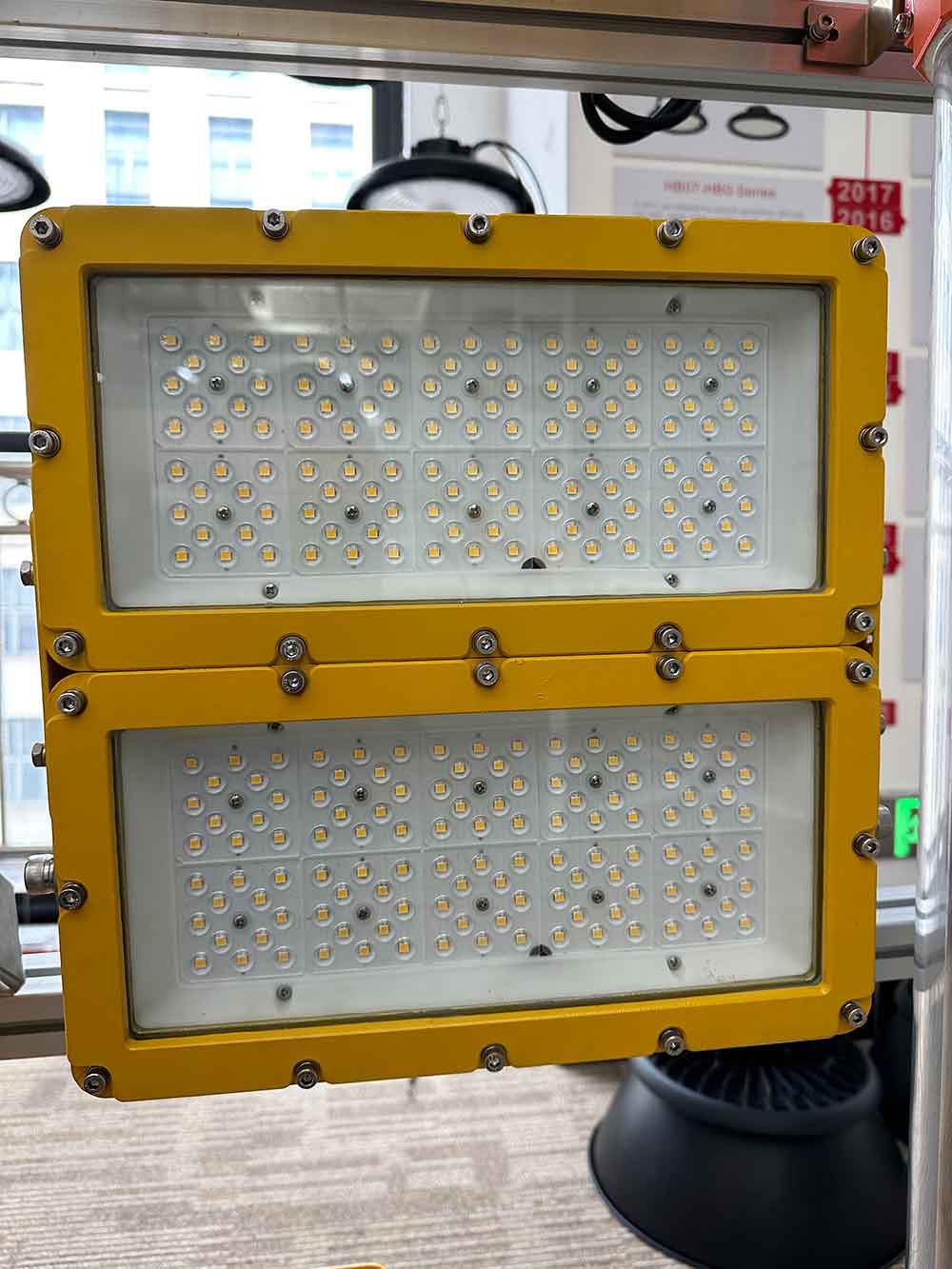
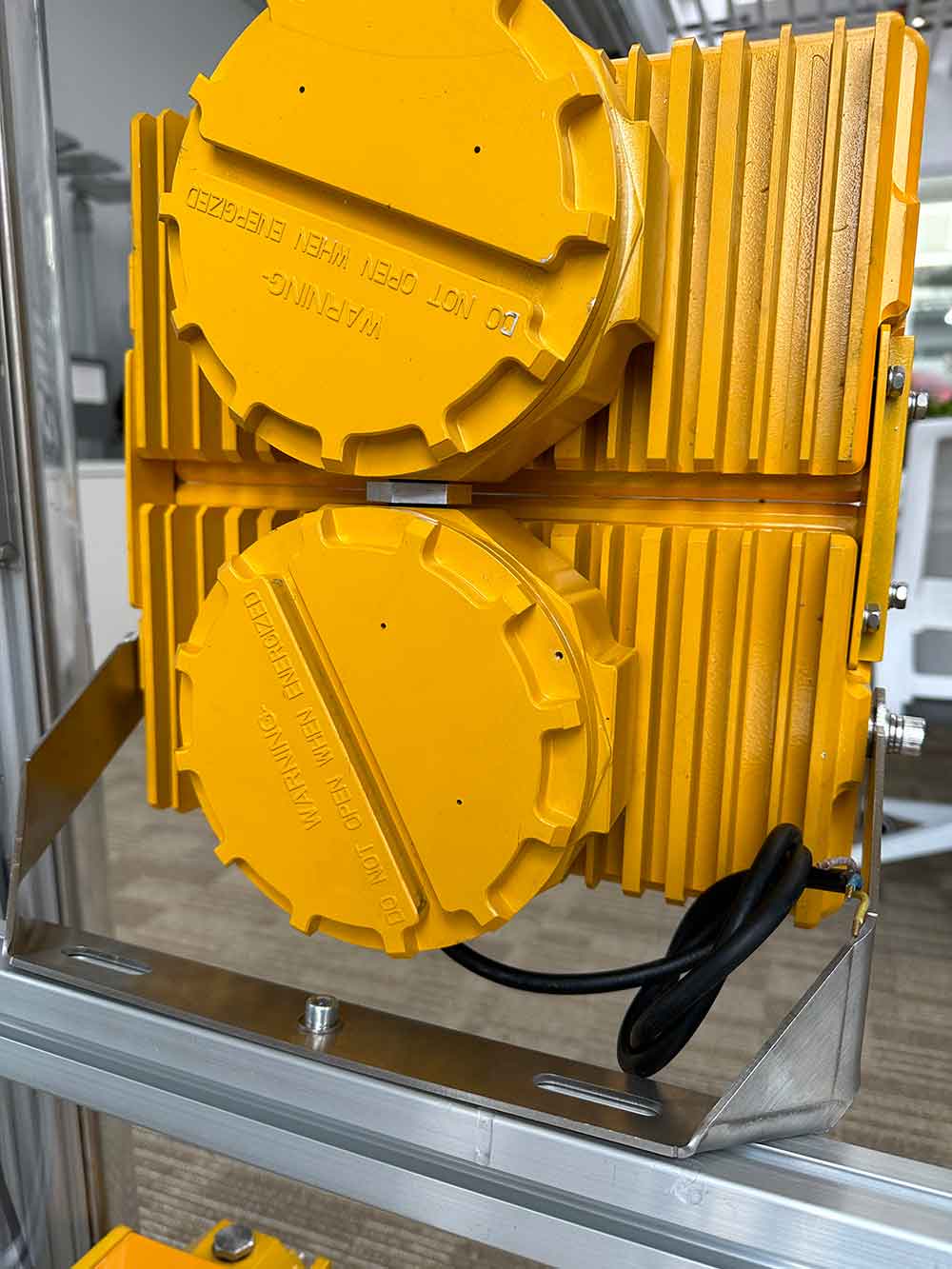
Another challenge appears when lighting large outdoor facilities.
Tank farms, offshore platforms, or airport fuel storage zones often require lighting installed 10 to 25 meters above ground level. A low-power fixture simply won’t cover the required area.
For that reason, the FL7 Series explosion proof flood light provides several power configurations:
100W
200W
300W
400W
At the upper range, these luminaires can illuminate large operational areas without needing excessive fixture counts.
The LED system used in the fixture achieves luminous efficacy of around 150 lumens per watt.
For comparison, the U.S. Department of Energy reports that LED lighting technology can reduce electricity consumption by 50–75 percent compared with traditional halogen lighting systems, depending on the application.
In facilities operating lights continuously, those savings accumulate quickly.
Switching from halogen or HID lighting to LED fixtures changes several operational factors at once.
First, heat output drops significantly.
Halogen lamps generate large amounts of radiant heat. LED sources operate much cooler, which helps maintain safer surface temperatures.
Second, startup time disappears.
Traditional discharge lamps can require several minutes to reach full brightness. LED flood lights turn on immediately.
Then there is the issue maintenance teams care about most: lifespan.
The FL7 Series explosion proof flood light is rated for 100,000 hours of operation.
For sites operating 24 hours per day, that translates to roughly 11 years of continuous service.
Anyone responsible for maintenance in hazardous areas understands why this matters. Replacing lighting equipment in such environments often requires work permits, safety supervision, and sometimes temporary shutdown procedures.
Reducing maintenance frequency is therefore a major operational benefit.
Another detail procurement engineers always check carefully is certification.
The FL7 Series carries CSA issued ATEX and IECEx certification, allowing the luminaire to be used across both European and international hazardous area markets.
For multinational projects — particularly in oil & gas — this simplifies equipment approval considerably.
Without these certifications, installing an explosion proof flood light in regulated environments simply isn’t possible.
In practice, this type of lighting is commonly installed in places where flammable substances are handled daily.
Examples include:
oil and gas refineries
petrochemical plants
offshore drilling platforms
military fuel storage sites
marine loading terminals
airport fuel depots
In these locations lighting fixtures must tolerate vibration, salt air, temperature swings, and continuous operation.
That combination of conditions is exactly what the SEEKINGLED FL7 Series was designed for.
Modern industrial lighting has evolved significantly over the past decade. LED technology improved efficiency, reduced maintenance demands, and extended operating life.
But in hazardous environments, safety certification remains the most important requirement.
A properly designed explosion proof flood light combines flameproof mechanical engineering with efficient LED technology. The result is a fixture that operates reliably while meeting strict safety regulations.
And in facilities where operations never stop, that reliability matters more than anything else.
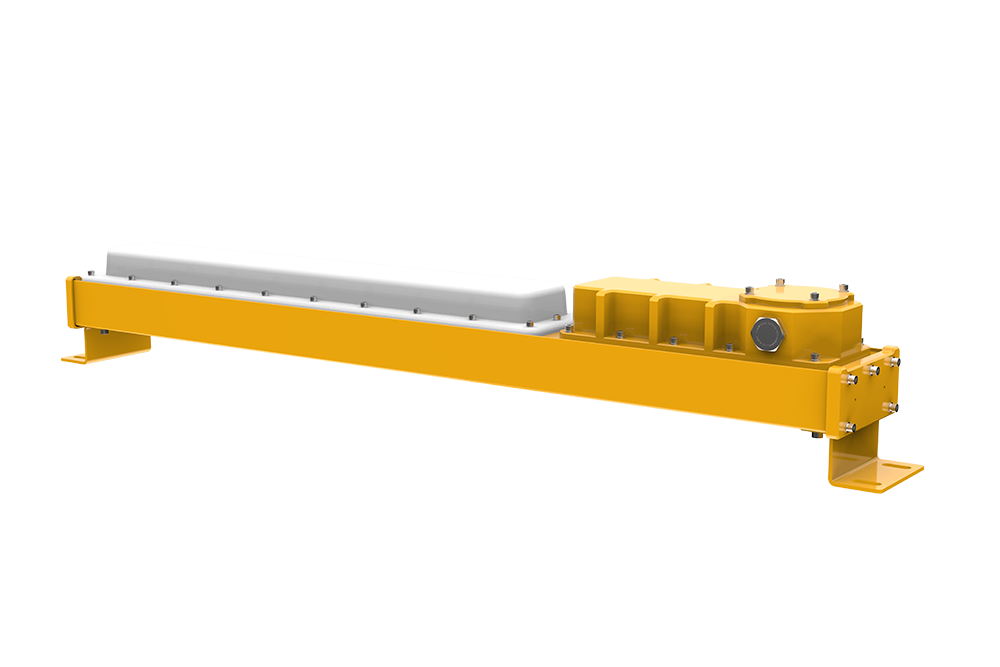
SEEKINGLED LED Linear Explosion Proof Light and Explosion Proof lighting is ATEX and IECEx certified for Zone 1, Zone 2, Zone 21 and Zone 22 hazardous locations, built for long-term industrial use.
LED Linear Explosion Proof Lights and EX Proof lights for Zone 1, Zone 2, Zone 21 and Zone 22 hazardous areas. ATEX & IECEx certified explosion proof LED linear lighting with emergency function, adjustable power and IP67 protection by SEEKINGLED.
SEEKINGLED LED Explosion Proof Flood Lights are ATEX certified for Zone 2 and Zone 22 hazardous areas, offering high efficiency, adjustable power and integrated junction box.
SEEKINGLED LED Explosion Proof Flood Lights are flameproof ATEX and IECEx certified for Zone 1 and Zone 2 hazardous areas, offering high power, adjustable output and long service life.
SEEKINGLED LED Gas Station Canopy Lights are ATEX certified for Zone 2 and Zone 22 hazardous areas, featuring adjustable power and built-in explosion-proof junction box.
ATEX: Ex II 2G Ex db IIB T6/T5 GbEx II 2D Ex tb IIIC T80°C/ T95°C Db IECEx Ex db IIB T6 Gb;Ex tb IIIC T80°C Db Feature: ● For Zone 1,2 and Zone 21,22● Flameproof type, the strongest● 100W can replace 250W HID,energy saving● Power:60W,80W,10…
ATEX: II 3G Ex nR ⅡC T5/T6 GcII 3D Ex tc ⅢC T80℃/T95℃Dc ATEX Certificate NO: TÜV CY 26 ATEX 0207611 X Feature: ● For Zone 2 and Zone 22● 150W can replace 250W HID lamps,Energy saving● Power:50W,75W,100W,150W,200W Application: Oil and gas, m…
LED explosion proof high bay lights are designed for Zone 1, Zone 2, Zone 21 and Zone 22 hazardous areas. This page introduces the HB21 Series from SEEKING, including certifications, power options and real application considerations.
LED Linear Explosion Proof Lights from SEEKINGLED. LU Series Flame Proof lights ATEX-certified explosion proof LED linear lighting for Zone 2 gas and Zone 22 dust areas, IP69K, IK10, long lifetime and flexible power options.
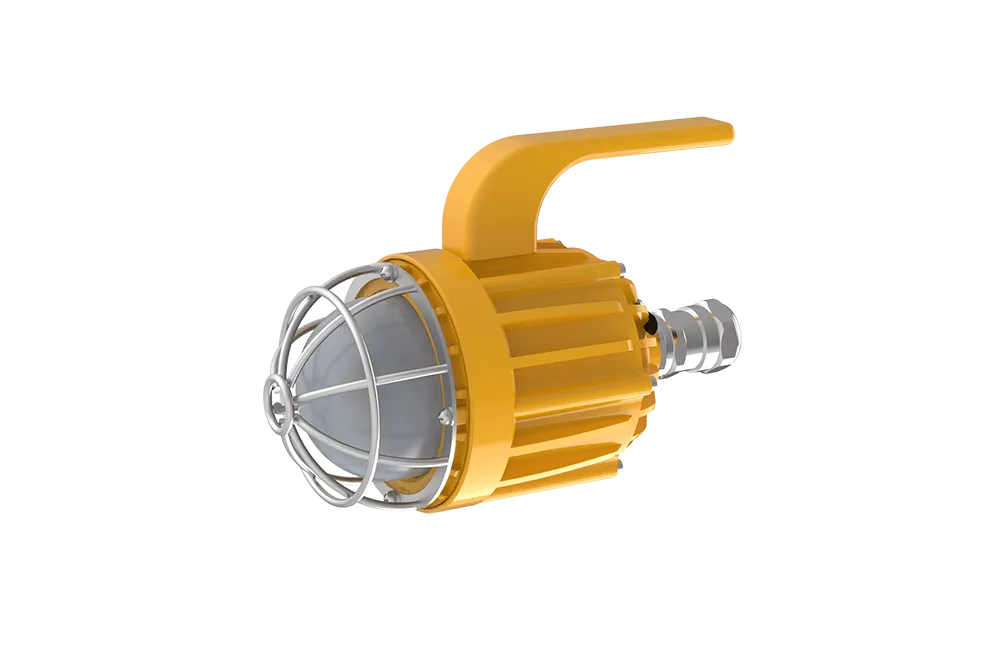
Certified explosion proof work lights for Zone 1 & 21 hazardous areas. Portable, ATEX & IECEx approved, built for oil, gas and chemical plants by SEEKINGLED.
ATEX: II 3G Ex nR ⅡC T6 GcII 3D Ex tc ⅢC T80℃ Dc ATEX Certificate NO: TÜV CY 26 ATEX 0207611 X Feature: ● For Zone 2 and Zone 22● Accepts battery-powered supply● indestructible● Power:AC input:50W,75W,100WDC input:15W,25W,35W Application: O…
ATEX: Ex II 2G Ex db IIB T6 GbEx II 2D Ex tb IIIC T80°C Db IECEx Ex db IIB T6 Gb;Ex tb IIIC T80°C Db Feature: ● For Zone 1,2 and Zone 21,22● Flameproof type, the strongest Application: Oil and gas, marine, Chemical, pharmaceutical, semicondu…
ATEX: Ex II 2G Ex db IIB T6 GbEx II 2D Ex tb IIIC T80°C Db IECEx Ex db IIB T6 Gb;Ex tb IIIC T80°C Db Feature: ● For Zone 1,2 and Zone 21,22● Flameproof type, the strongest Application: Oil and gas, marine, Chemical, pharmaceutical, semicondu…
ATEX: Ex II 2G Ex d e IIB T6 Gb ATEX: Ex d e IIB T6 Gb; Feature: ● For Zone 1,2● 9W can replace 18W fluorescent lamps,50% Energy saving Application: Oil and gas, marine, Chemical, pharmaceutical, semiconductor,mining,military industry, pain…
loading…
This is the last post!
Are LED street lights cost effective over time? This guide explains real costs, savings, and when LED street lighting truly makes financial sense.
View details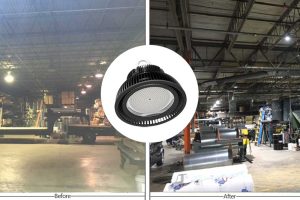
LED High Bay Replacement for 400W Metal Halide was carried out in Germany using XJ-HBG150W. This project record documents how 192 MH fixtures were replaced by 72 LED high bays through a new lighting calculation.
View details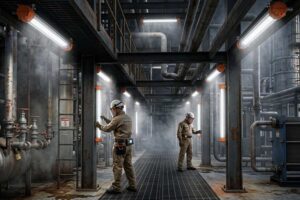
Explosion proof linear light designed for Zone 1 and Zone 2 hazardous locations. High-efficiency LED protection for oil, gas, marine, and chemical plants.
View details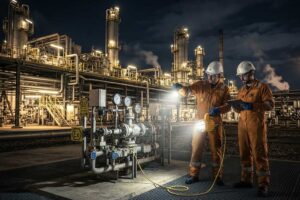
atex portable work light delivers safe illumination for hazardous zones. Explore ATEX certification, industrial applications, and field experience from SEEKINGLED.
View details