 Seeking LED
A Max LED Flood Light: How Powerful Flood Lighting Really Works
69A max led flood light delivers powerful illumination for stadiums, yards, and large outdoor spaces. Discover how to choose high-output flood lights with SEEKINGLED.
View detailsSearch the whole station
Do flood lights get hot? Yes, flood lights generate heat during operation, but the amount depends on the light source, power rating, fixture design, and cooling conditions. LED floodlights generally produce less waste heat than traditional incandescent lighting, yet their housings and heat sinks can still become hot enough to cause discomfort or burns.
For outdoor security lighting, warehouses, car parks, and industrial facilities, understanding where heat builds up matters as much as choosing the right brightness.
Every floodlight converts electrical energy into light and heat. The difference lies in how efficiently it produces visible light and how effectively it releases the remaining heat.
LED floodlights use semiconductor components rather than heated filaments. They typically generate less waste heat than incandescent lights, but the LED chips still need thermal management.
According to ENERGY STAR’s guide to LED lighting, LEDs can produce light up to 90% more efficiently than incandescent bulbs. The guide also explains that heat sinks absorb heat from LEDs and dissipate it into the surrounding air.
This distinction is important: an LED floodlight can run efficiently while its rear housing feels warm or hot. The heat sink is designed to move heat away from sensitive components, not to remain cool to the touch.
Halogen and incandescent floodlights generate substantial heat as part of their lighting process. They can also radiate heat toward nearby objects, which is a concern when lighting is installed close to combustible materials.
LED technology reduces this waste, but replacing an older lamp with an LED model does not automatically make every installation safe. Fixture temperature, clearance, ambient conditions, and manufacturer instructions still matter.
On a typical LED floodlight, the rear housing or finned heat sink may become noticeably warmer than the front lens. The driver compartment can also warm up during extended operation.
The exact temperatures vary by model and installation. There is no single operating temperature that applies to every LED floodlight.
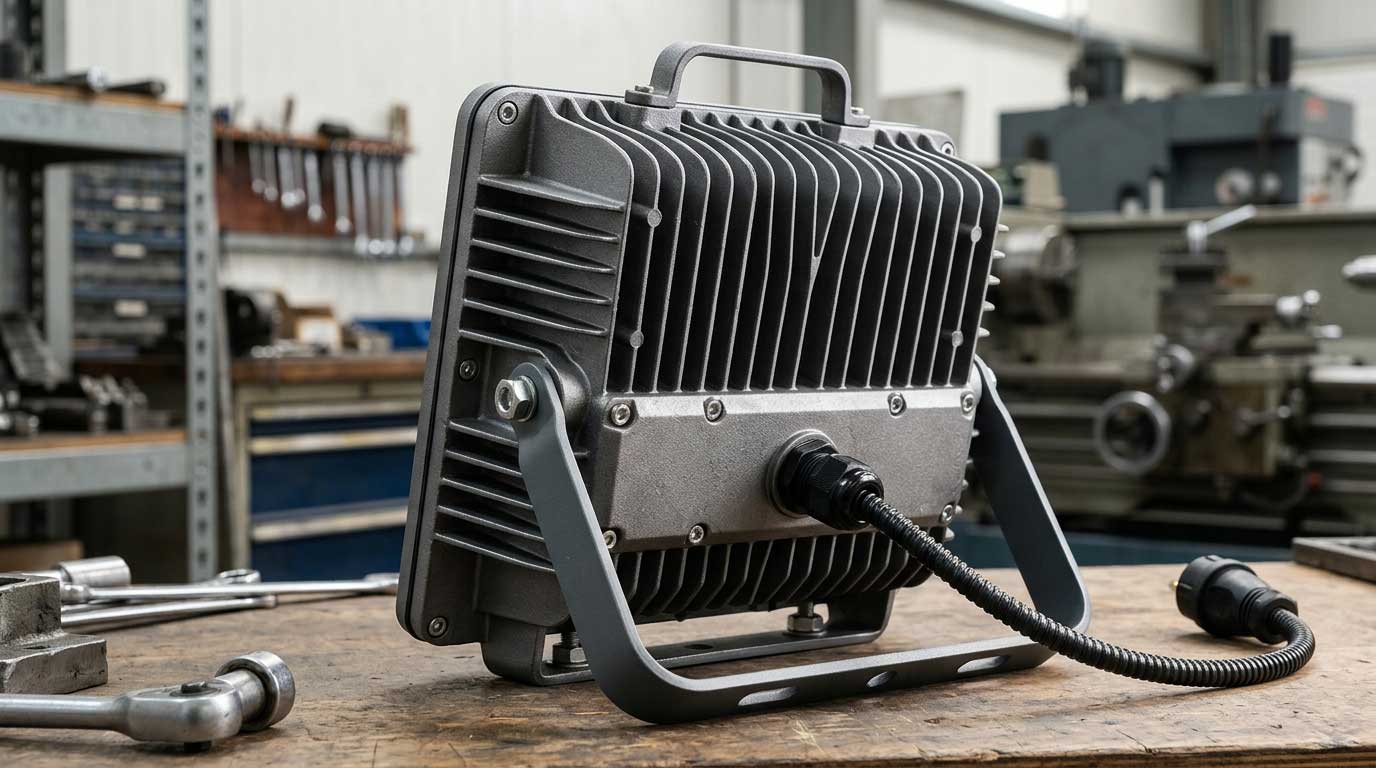
A floodlight that operates normally in one location may run hotter in another. These are the conditions worth checking during installation and maintenance.
For example, a warehouse floodlight running throughout a hot afternoon has different cooling conditions from an identical fixture operating outdoors on a cool evening. Comparing the two by touch alone is not a reliable way to determine whether either unit is faulty.
Warmth is expected. A sudden change in temperature, repeated shutdowns, visible damage, or a burning smell deserves attention.
| Observation | What it may indicate | Recommended response |
|---|---|---|
| Warm or hot housing during normal use | Normal heat dissipation | Check the product’s specified operating conditions |
| Flickering or repeated shutdowns | Possible driver or thermal problem | Switch off and arrange inspection |
| Burning smell or smoke | Potential electrical fault | Disconnect power safely and seek qualified assistance |
| Discolored housing or damaged wiring | Possible overheating or deterioration | Stop using the fixture until it is checked |
Do not touch an energized floodlight to test its temperature. Switch off the power and allow the unit to cool before inspecting it. For commercial installations, use an appropriate temperature-measurement method and compare the result with the manufacturer’s limits rather than relying on hand contact.
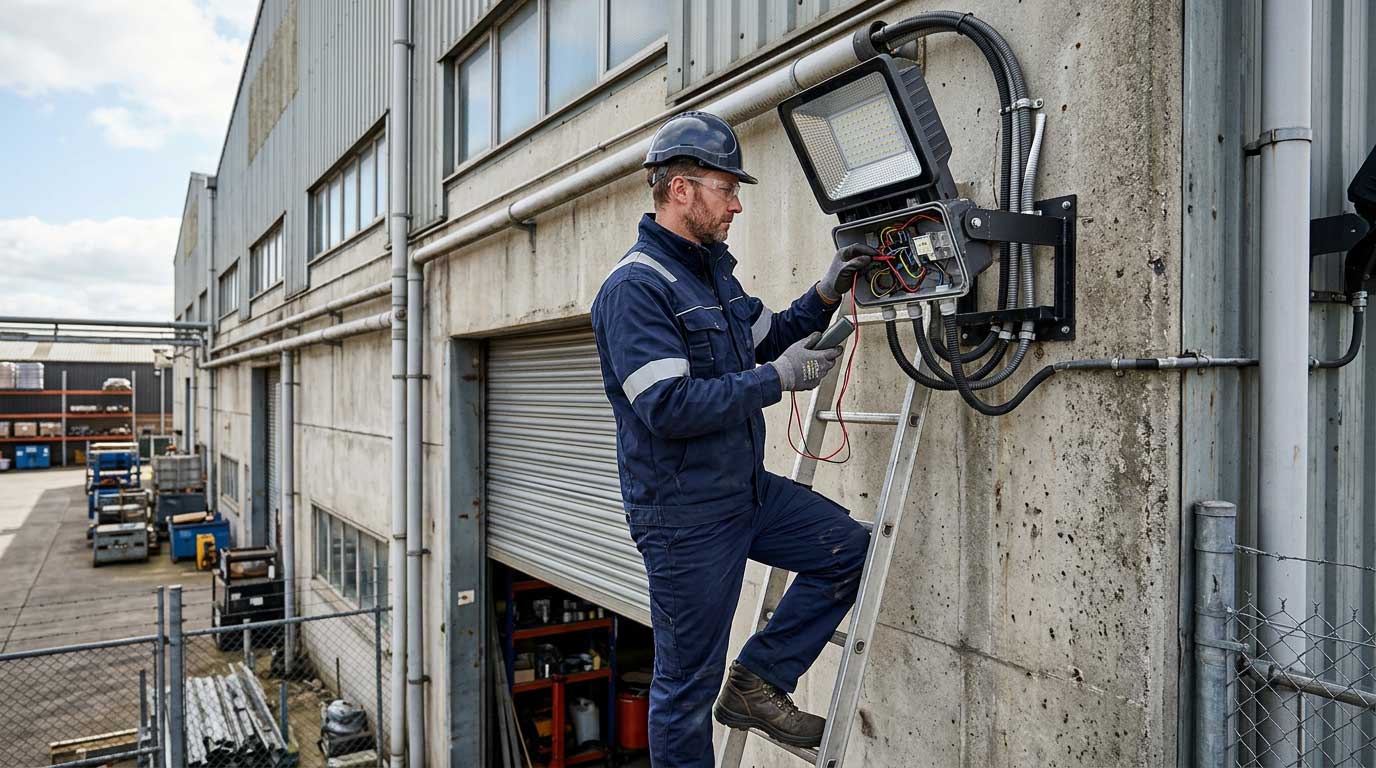
Use these practical checks when selecting or maintaining outdoor and industrial lighting:
An important purchasing detail is that electrical efficiency, housing temperature, and safety certification are separate considerations. A low-wattage fixture is not automatically suitable for every environment.
Yes. Some LED floodlight housings and heat sinks can become hot enough to cause discomfort or burns. The actual risk depends on the fixture and its operating conditions, so avoid touching an operating light.
Generally, LEDs produce less waste heat for comparable light output. However, the temperature of an individual fixture depends on its design, cooling system, power consumption, and surroundings.
There is no universal temperature limit for all LED floodlights. Check the manufacturer’s specified operating and surface-temperature limits for the exact model.
Yes. High ambient temperatures, blocked heat sinks, unsuitable mounting, and component faults can contribute to overheating even in outdoor installations.
If the heat is unusual or accompanied by a burning smell, flickering, smoke, or visible damage, switch off the power safely and arrange an inspection. Do not handle a potentially faulty energized fixture.
They can be suitable for extended operation when specifically designed for the application and installed according to the manufacturer’s instructions. Check the rated operating conditions, ventilation, electrical connections, and maintenance requirements.
Yes. Energy efficiency reduces wasted energy but does not eliminate heat generation. LED components and their drivers still require effective thermal management.
Do flood lights get hot? Yes, and LED technology reduces waste heat without eliminating it. For reliable lighting, assess the fixture’s thermal design, installation conditions, and manufacturer specifications rather than judging safety by wattage or touch alone.
Author and technical review: SEEKINGLED Lighting Technical Team. This article provides general lighting guidance; model-specific temperature limits and installation requirements should be confirmed against the relevant product documentation.
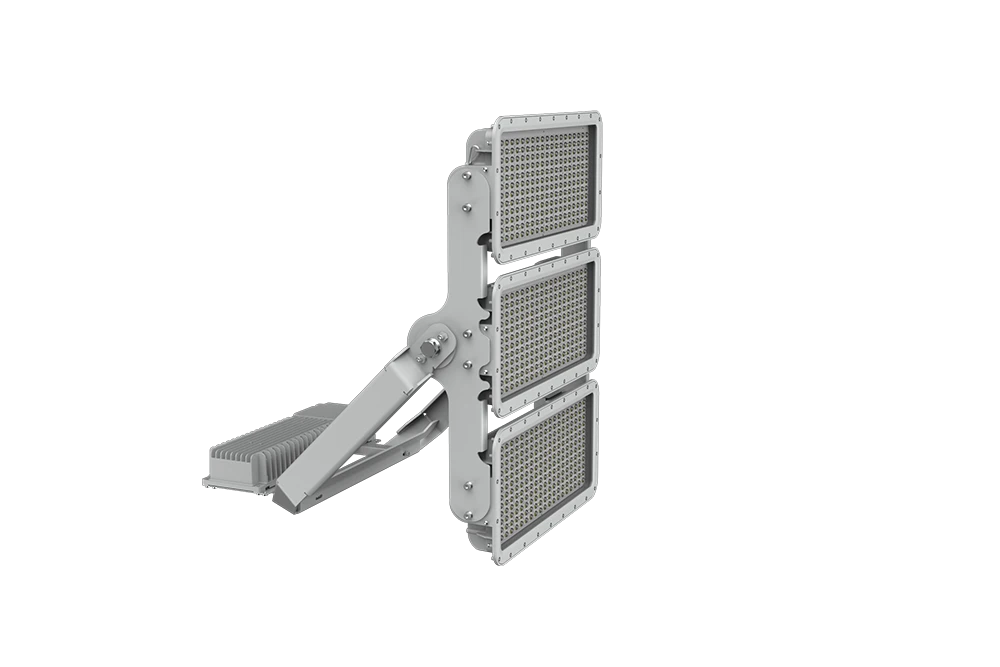
Sports Stadium LED Lighting by SEEKINGLED delivers high mast illumination, precise beam control, and EN 12193 compliant performance for professional venues.
View details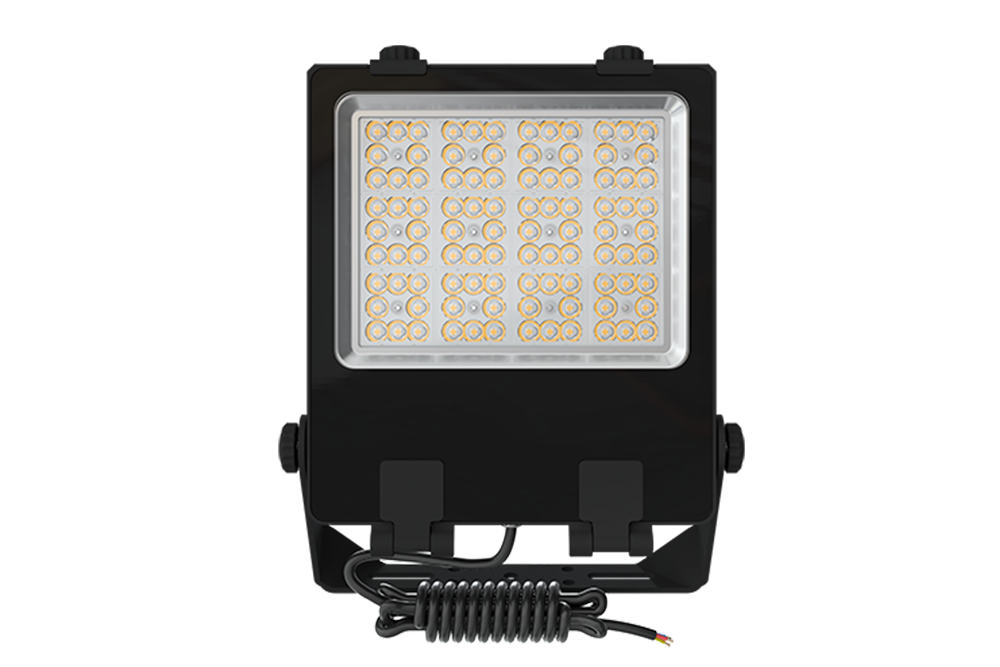
SEEKING FLX Series LED flood light outdoor for sports courts and open-area projects with 170lm/W efficiency, IP66 protection and multiple beam distributions. Designed for long-life commercial and public outdoor use.
View details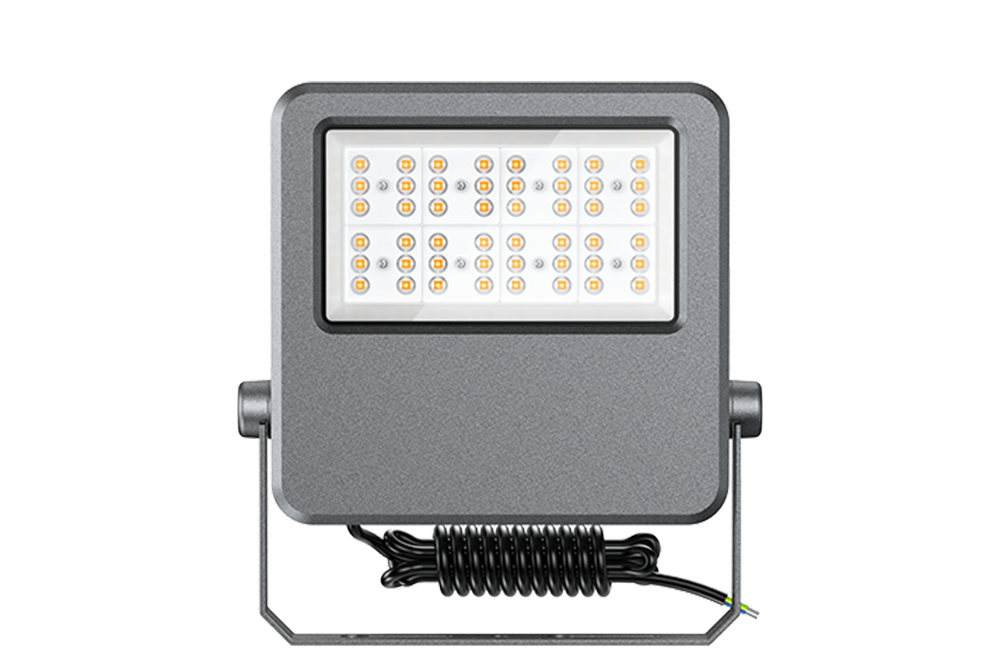
SEEKING FLE Series LED outdoor flood lights for sports grounds and open areas with multiple beam angles, IP66 protection and up to 170lm/W. Designed for long-life outdoor installations with professional driver options.
View details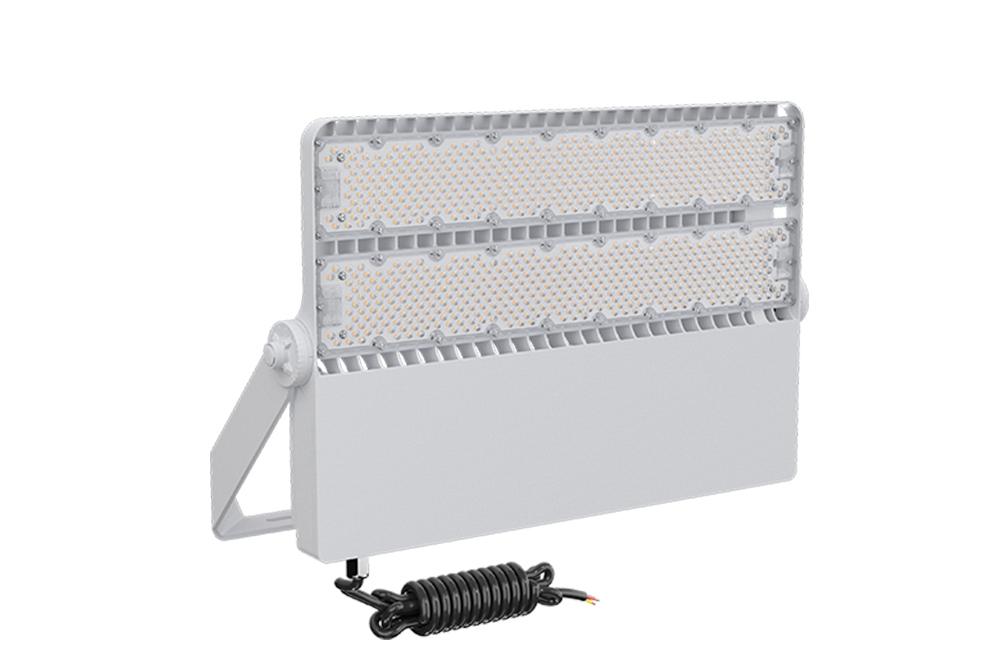
SEEKING FLD Series outdoor LED flood lights and high power led flood light deliver up to 960W with precision beam angles for sports fields, stadiums and large outdoor areas. IK08 & IP66 protection, 170lm/W efficiency and 100,000h lifetime.
View details
A max led flood light delivers powerful illumination for stadiums, yards, and large outdoor spaces. Discover how to choose high-output flood lights with SEEKINGLED.
View details
Explosion proof portable lighting for hazardous zones. Learn how certified portable LED lights improve safety, mobility, and uptime in industrial worksites.
View details
Upgrade large roads and industrial areas with a 200W LED street light delivering 150 lm/W efficiency, strong optics, and long service life by SEEKINGLED.
View details
Can LED replace street lights? A real-world answer based on field experience, covering performance, cost, replacement options, and long-term results.
View details