 Seeking LED
Where are explosion proof linear lights used?
20Where are explosion proof linear lights used? Discover the industries, hazardous zones, and industrial environments that require certified LED linear lighting.
View detailsSearch the whole station
Do flood lights give off heat? Yes, all floodlights produce heat while operating, including energy-efficient LED models. The amount depends on the light source, electrical power, fixture design, and surrounding conditions. LEDs generally waste less energy as heat than incandescent lamps, but their internal components still need effective cooling.
For outdoor security lighting, warehouses, loading bays, and industrial facilities, the practical question is not simply whether a floodlight gets warm. It is whether the fixture can manage that heat safely throughout its expected operating life.
A floodlight converts electrical energy into visible light and other forms of energy, including heat. Different lighting technologies handle this conversion differently.
LED chips generate heat at their semiconductor junctions. The driver, which regulates electrical power, also produces heat during operation. A well-designed fixture transfers this heat through its thermal materials and housing into the surrounding air.
According to the U.S. Department of Energy’s LED lighting guidance, residential LED products use at least 75% less energy and last up to 25 times longer than incandescent lighting. These figures describe the general benefits of LED technology, not a guaranteed temperature reduction for every floodlight.
That distinction matters in commercial projects. An LED floodlight can consume substantially less power than an older lamp while still developing a hot rear housing. The heat sink is doing its job by drawing heat away from sensitive components; a warm metal surface alone does not prove the fixture is faulty.
Traditional incandescent lamps heat a filament to produce light, so a substantial portion of their electrical input becomes heat. Halogen floodlights operate on a similar principle and can radiate considerable heat toward nearby surfaces.
LED floodlights are generally more energy-efficient, but the actual heat released by a complete fixture depends on its power consumption, optical efficiency, driver losses, and construction.
Heat is not distributed evenly throughout a floodlight. The LED mounting board, driver compartment, and rear housing can all warm up, while the front lens may have a different surface temperature.
The aluminum housing and cooling fins are particularly important. Their job is to transfer heat away from the LED components rather than eliminate it completely.
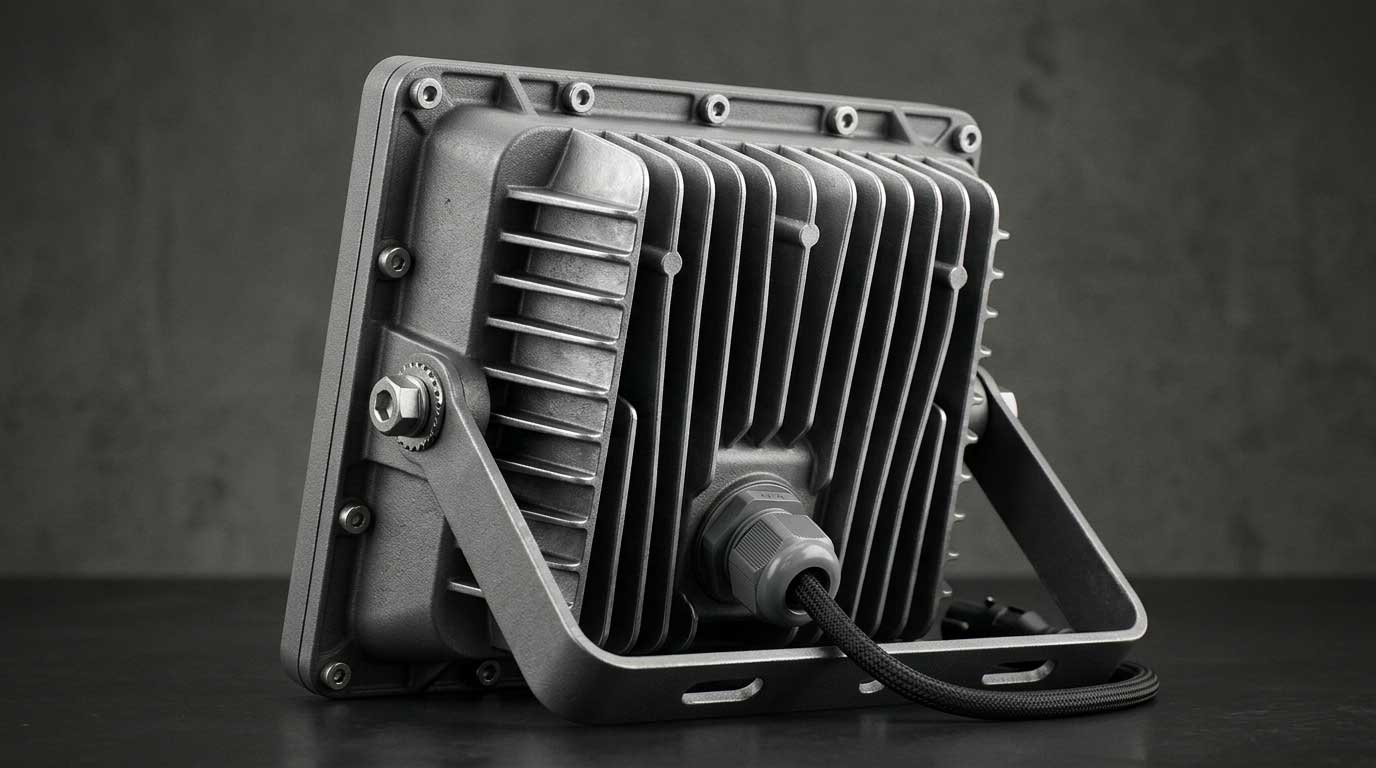
Two fixtures with similar brightness can have different power requirements and thermal behavior. During product selection, consider these factors rather than relying on wattage alone.
For example, a floodlight above a loading dock may operate for ten hours in warm weather with dust accumulating around its cooling fins. Its thermal performance may differ considerably from that of the same model installed in a clean, ventilated area. The difference is not necessarily a product defect; the installation environment must also be assessed.
Heat is an expected part of normal operation. Problems arise when temperatures exceed the fixture’s specified limits or when heat combines with poor installation, damaged components, or inadequate ventilation.
| What you observe | Possible explanation | What to do |
|---|---|---|
| Warm rear housing | Normal heat dissipation | Compare operating conditions with the product specifications |
| Repeated flickering or shutdowns | Possible driver or thermal issue | Arrange a qualified inspection |
| Burning smell or smoke | Potential electrical fault | Disconnect power safely and seek professional assistance |
| Damaged wiring or discolored components | Possible overheating or deterioration | Stop using the fixture until it has been checked |
Do not judge temperature safety by touching an energized fixture. If measurements are needed, use an appropriate instrument and compare the results with the manufacturer’s specified limits. Surface temperature and internal LED junction temperature are different measurements, so one cannot automatically be substituted for the other.
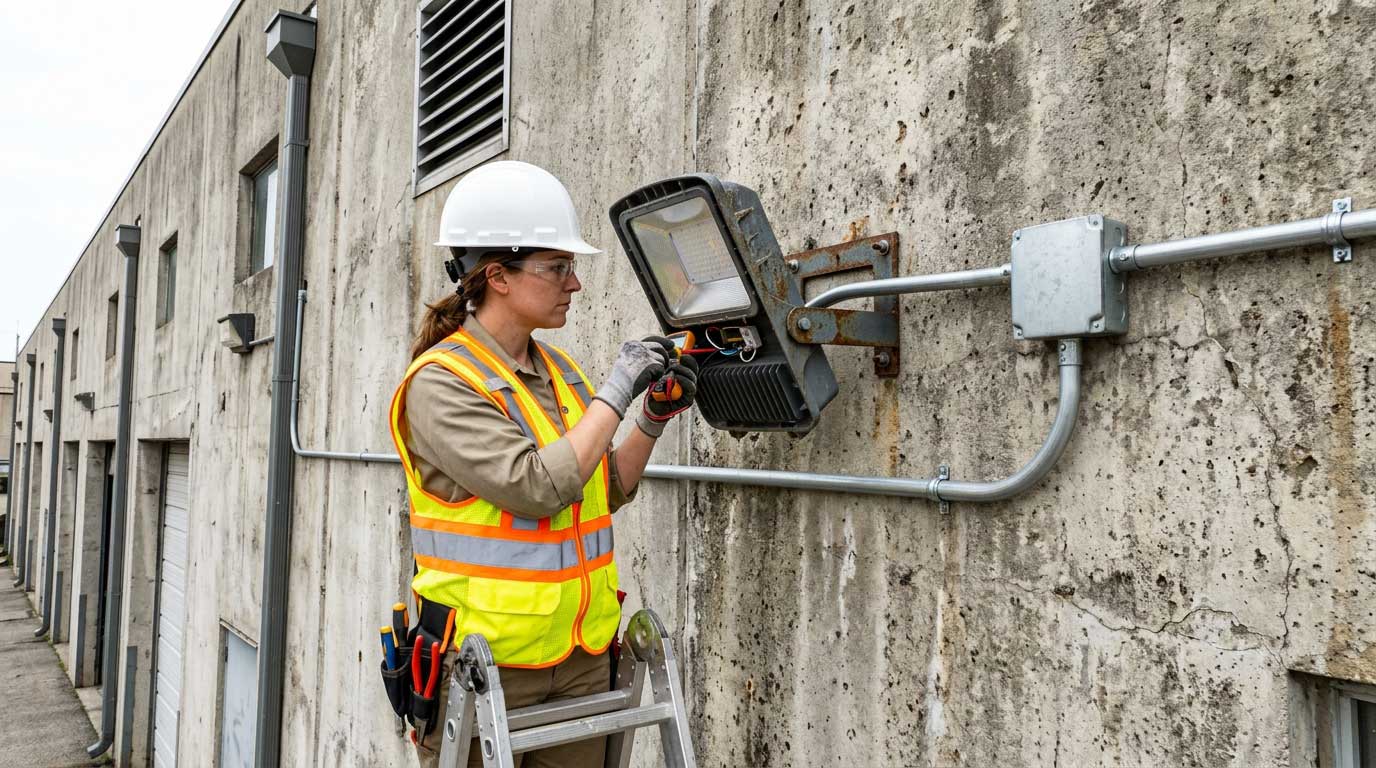
SEEKINGLED recommends evaluating the complete installation, not just the lamp’s rated wattage, when selecting lighting for industrial or outdoor applications.
One important purchasing consideration: energy efficiency, thermal performance, and hazardous-area certification address different requirements. A low-power LED floodlight is not automatically suitable for every industrial environment.
Yes. LED chips and their drivers generate heat as soon as the fixture operates. The housing may become warm as the fixture reaches its normal operating temperature.
There is no single value for every model. Heat generation depends on electrical input, lighting efficiency, driver losses, and fixture design. Manufacturer specifications and measured operating conditions provide a more reliable assessment.
Generally, LEDs convert electrical energy into useful light more efficiently and produce less waste heat for comparable light output. Actual fixture temperatures still depend on design and installation.
It can if a fixture is installed too close to heat-sensitive or combustible materials and the arrangement is not approved. Follow the manufacturer’s clearance requirements and applicable electrical and fire-safety rules.
They can. High ambient temperatures reduce the temperature difference available for cooling and may increase the fixture’s operating temperature.
Not necessarily. Warmth can be normal, but unusual heat accompanied by smoke, a burning smell, repeated shutdowns, or visible damage requires the fixture to be switched off safely and inspected.
Models designed and installed for extended operation can be used overnight within their specified conditions. Appropriate thermal management, electrical installation, and routine maintenance remain essential.
Do flood lights give off heat? Yes. LED floodlights typically reduce wasted energy compared with traditional lighting, but they still need effective thermal management. Choose a fixture suited to its environment, follow the manufacturer’s installation requirements, and investigate unusual temperature changes instead of assuming that every warm housing indicates a fault.
Author and technical review: SEEKINGLED Lighting Technical Team. This article provides general lighting guidance. Confirm model-specific operating temperatures, installation limits, and certification requirements against the relevant product documentation.
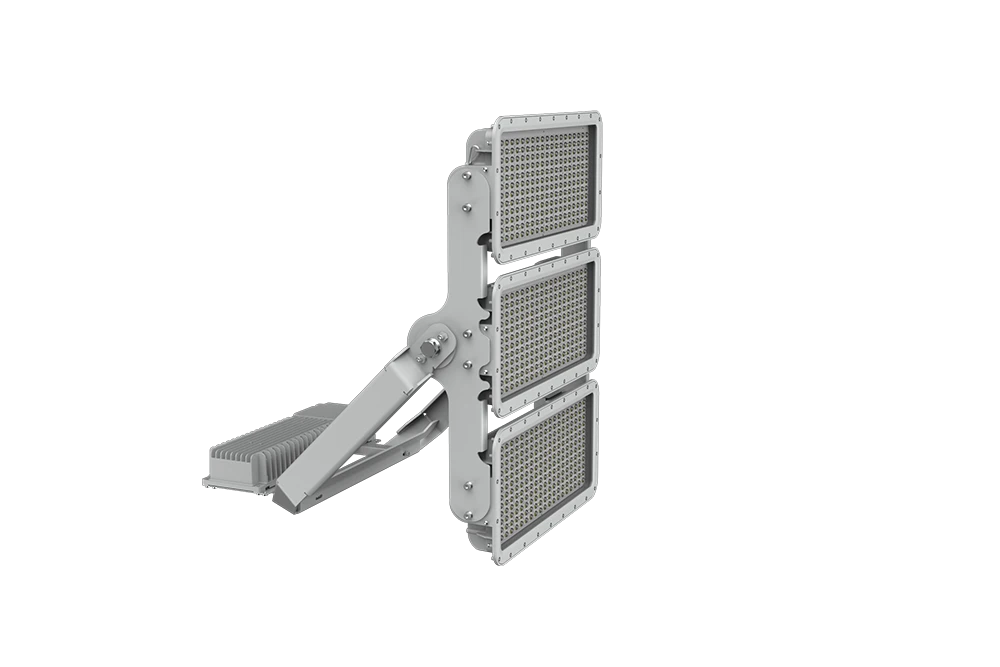
Sports Stadium LED Lighting by SEEKINGLED delivers high mast illumination, precise beam control, and EN 12193 compliant performance for professional venues.
View details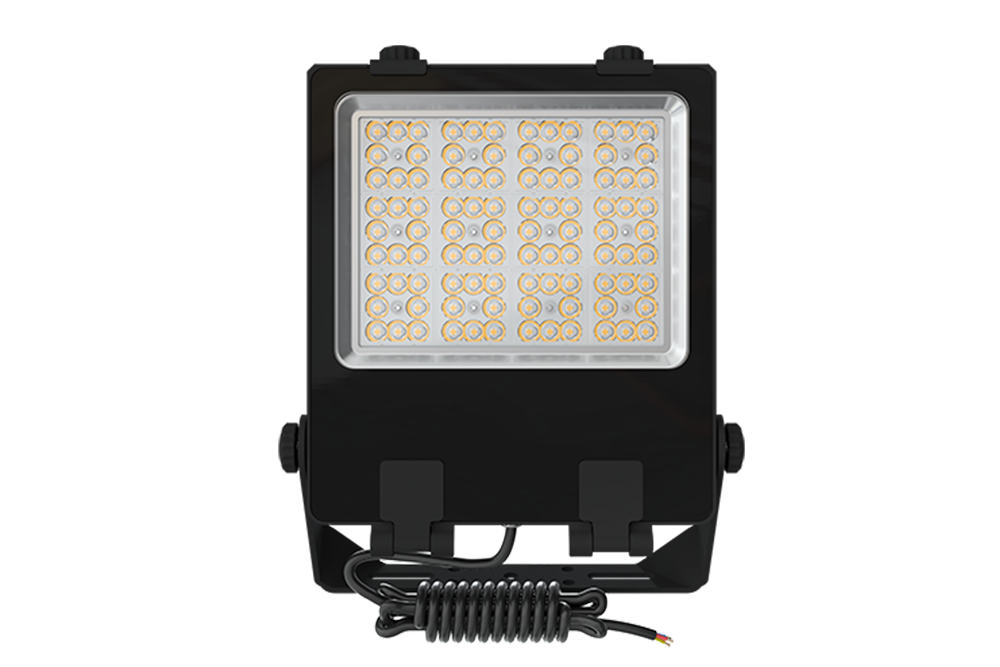
SEEKING FLX Series LED flood light outdoor for sports courts and open-area projects with 170lm/W efficiency, IP66 protection and multiple beam distributions. Designed for long-life commercial and public outdoor use.
View details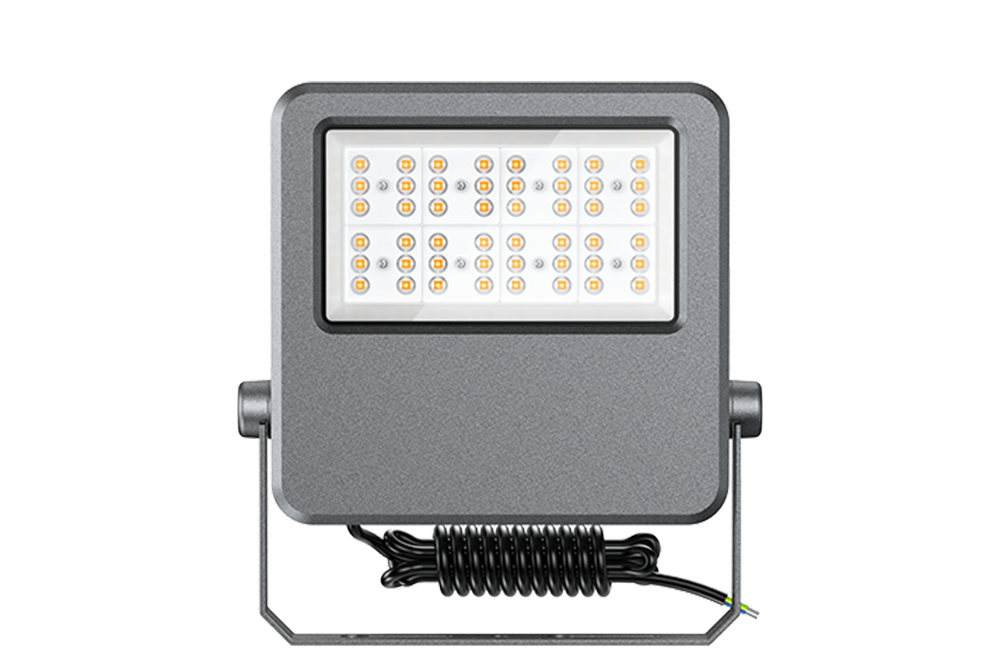
SEEKING FLE Series LED outdoor flood lights for sports grounds and open areas with multiple beam angles, IP66 protection and up to 170lm/W. Designed for long-life outdoor installations with professional driver options.
View details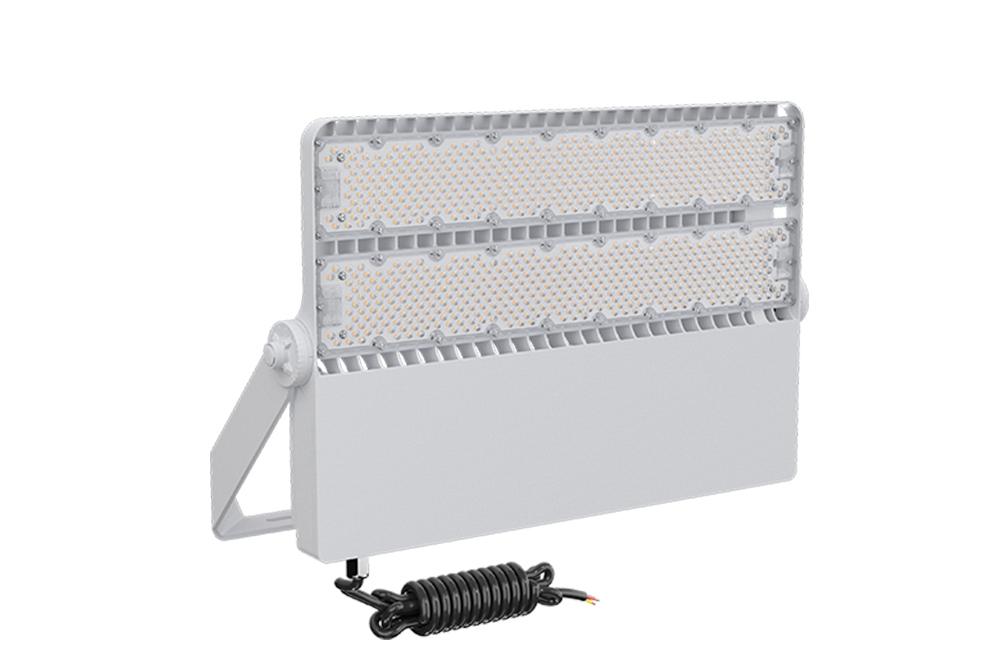
SEEKING FLD Series outdoor LED flood lights and high power led flood light deliver up to 960W with precision beam angles for sports fields, stadiums and large outdoor areas. IK08 & IP66 protection, 170lm/W efficiency and 100,000h lifetime.
View details
Where are explosion proof linear lights used? Discover the industries, hazardous zones, and industrial environments that require certified LED linear lighting.
View details
Are LED light bars street legal in Texas? This Q&A explains when LED light bars are legal, when they are not, and how Texas law is applied in real driving situations.
View details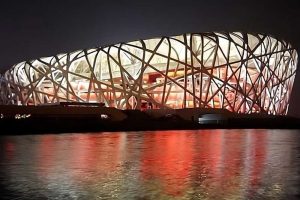
This article explores LED lighting applications beyond stadiums, based on real engineering experience with LED Flood Light, LED Street Light, and Sports Stadium LED Lighting solutions from SEEKINGLED.
View details
How to dim LED lights without a dimmer | SEEKINGLED
View details