 Seeking LED
how to install exterior flood light?
0Install an exterior flood light by isolating power, verifying wiring, using a weatherproof enclosure, securing the fixture, aiming it correctly, and testing ...
View detailsSearch the whole station
Class 1 Div 1 lighting is specifically designed for locations where flammable gases, vapors, or combustible mixtures may exist during normal operating conditions. These lighting systems use explosion-proof protection methods to prevent ignition and are required in some of the most dangerous industrial environments in the world.
The first time I entered a Class 1 Division 1 process area was at a Gulf Coast chemical facility nearly fifteen years ago. Before we even discussed light levels, beam angles, or energy savings, the safety manager asked a different question:
“Can this fixture survive an internal ignition event without igniting the atmosphere outside?”
That question still defines hazardous-area lighting today.
Many buyers focus on wattage, lumen output, or LED chip brands. In genuine Class 1 Division 1 locations, those specifications matter only after safety certification is confirmed.
Understanding the classification system is the foundation of selecting the correct fixture.
The National Electrical Code (NEC) defines hazardous locations based on the type of hazardous substance present and the likelihood of exposure.
| Classification Element | Meaning |
|---|---|
| Class 1 | Flammable gases or vapors are present |
| Division 1 | Hazard exists during normal operation |
| Lighting | Equipment designed for hazardous locations |
Class 1 Div 1 represents one of the highest-risk electrical installation environments commonly found in industrial facilities.
Examples include:
In these locations, explosive gases may be present frequently enough that standard industrial lighting becomes unacceptable.
People often assume explosion-proof fixtures are built to stop explosions.
Not exactly.
The purpose is to prevent the lighting fixture from becoming the ignition source.
A properly certified Class 1 Div 1 lighting fixture is designed so that:
This engineering approach has been refined over decades of industrial safety development.
Without it, a minor electrical fault could potentially become a catastrophic incident.
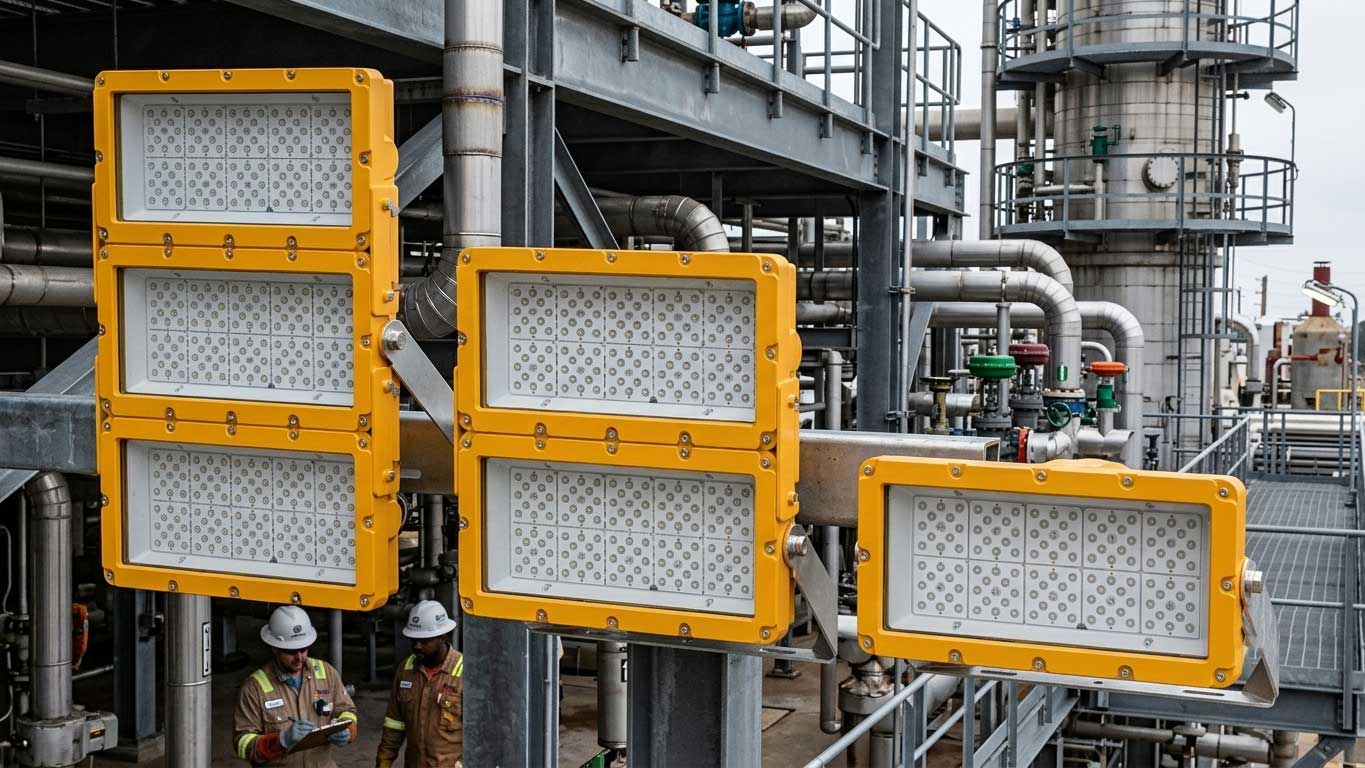
This is probably the most misunderstood topic in hazardous-area lighting.
During project reviews, I regularly see engineers mistakenly treating Division 1 and Division 2 as interchangeable.
They are not.
| Feature | Class 1 Div 1 | Class 1 Div 2 |
|---|---|---|
| Hazard Presence | During normal operation | Only under abnormal conditions |
| Risk Level | Higher | Lower |
| Certification Requirements | More stringent | Less stringent |
| Typical Applications | Process zones | Adjacent support areas |
| Fixture Construction | Heavier-duty protection | Less demanding |
A fixture approved only for Division 2 cannot automatically be installed in Division 1.
Yet this mistake still appears surprisingly often during site audits.
The environments vary dramatically, but the safety principles remain the same.
This remains the largest global market for Class 1 Div 1 lighting.
Typical applications include:
Hydrocarbon vapors create constant ignition concerns.
Reliable lighting becomes a safety requirement rather than a convenience.
Petrochemical facilities handle numerous volatile compounds.
Examples include:
Many processing areas remain classified throughout normal operation.
Liquefied natural gas terminals present unique challenges.
Cryogenic temperatures.
Corrosive environments.
Large open areas.
Continuous gas handling operations.
The lighting systems used in these facilities must withstand all of them simultaneously.
Not all flammable gases behave the same way.
Some ignite more easily.
Some burn more aggressively.
Some require much tighter equipment tolerances.
| Group | Typical Gas |
|---|---|
| A | Acetylene |
| B | Hydrogen |
| C | Ethylene |
| D | Propane |
Hydrogen and acetylene environments generally impose the most demanding equipment requirements.
I have worked on hydrogen-related projects where certification review took longer than fixture selection itself.
That level of scrutiny is justified.
Hydrogen’s ignition characteristics leave little room for error.
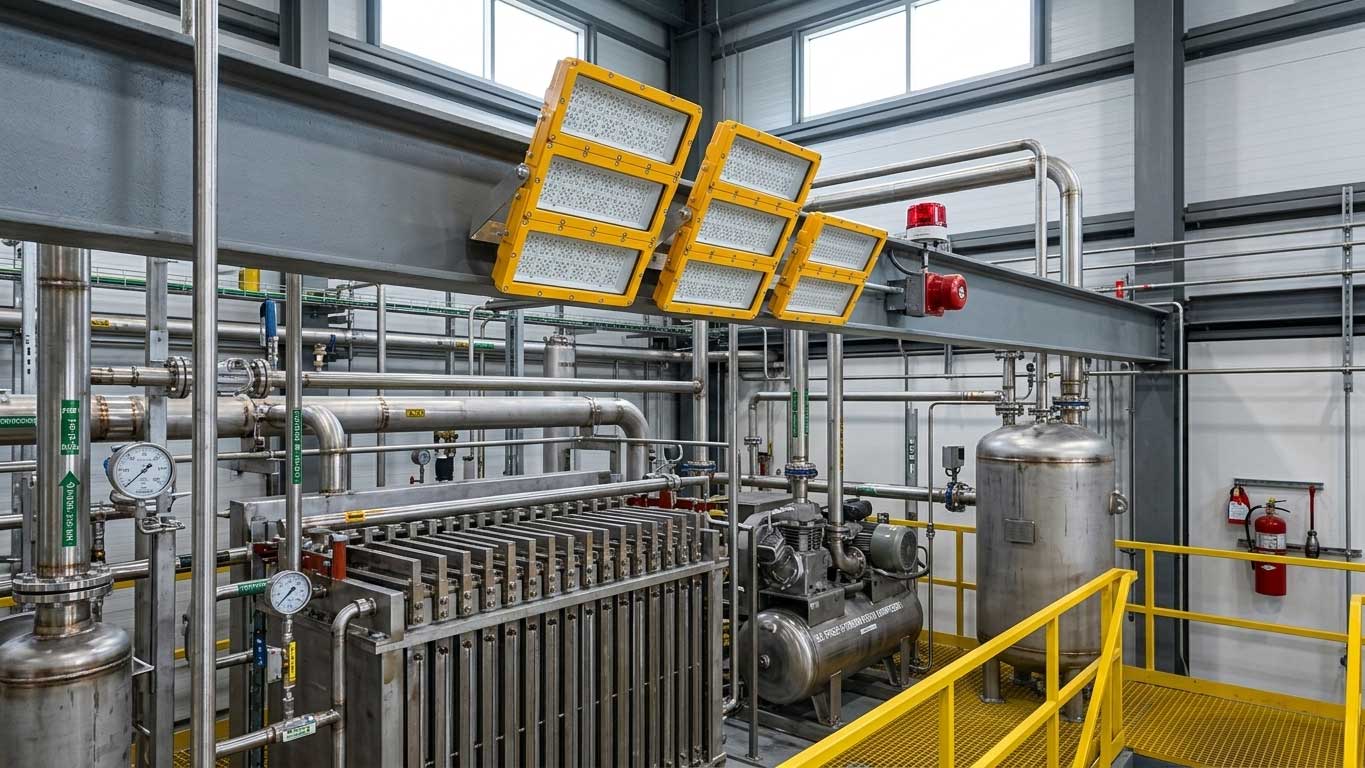
One specification often overlooked is the temperature rating.
A fixture may be explosion-proof.
It may have all the correct certifications.
Yet it can still be unsuitable if its surface temperature exceeds the ignition temperature of surrounding gases.
| Temperature Code | Maximum Surface Temperature |
|---|---|
| T1 | 450°C |
| T2 | 300°C |
| T3 | 200°C |
| T4 | 135°C |
| T5 | 100°C |
| T6 | 85°C |
As LED technology improved, lower operating temperatures became a major advantage.
Years ago, HID fixtures frequently created thermal challenges.
Modern LED Class 1 Div 1 lighting often achieves significantly lower surface temperatures while delivering better visibility.
The hazardous-area lighting market has transformed dramatically over the past decade.
The shift isn’t simply about energy efficiency.
It’s about reliability.
Consider a traditional metal halide fixture:
Now compare that with modern hazardous-area LEDs:
According to the U.S. Department of Energy, LED systems can significantly reduce lighting-related energy consumption while providing longer operational life than legacy technologies.
For facilities requiring continuous operation, maintenance reduction is often more valuable than energy savings.
Before purchasing any Class 1 Div 1 lighting fixture, verify certification documentation.
Never rely solely on marketing claims.
Look for:
A legitimate manufacturer should be able to provide certification evidence immediately.
If obtaining documentation becomes difficult, that is usually a warning sign.
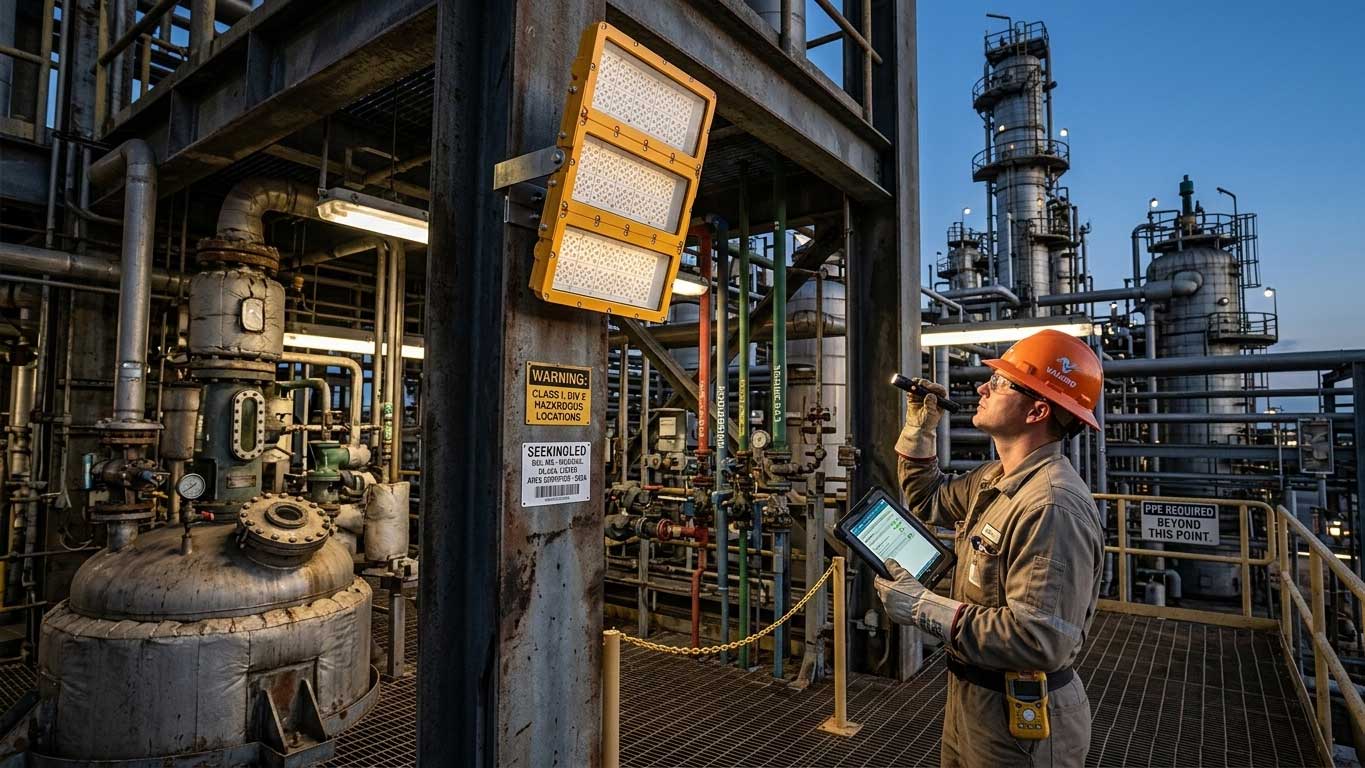
One refinery manager told me something years ago that still sticks with me:
“The most expensive light fixture is the one that fails during a shutdown window.”
He’s right.
In hazardous locations, fixture replacement often involves:
The fixture itself may represent only a small fraction of total replacement cost.
That reality explains why experienced operators frequently prioritize reliability over initial purchase price.
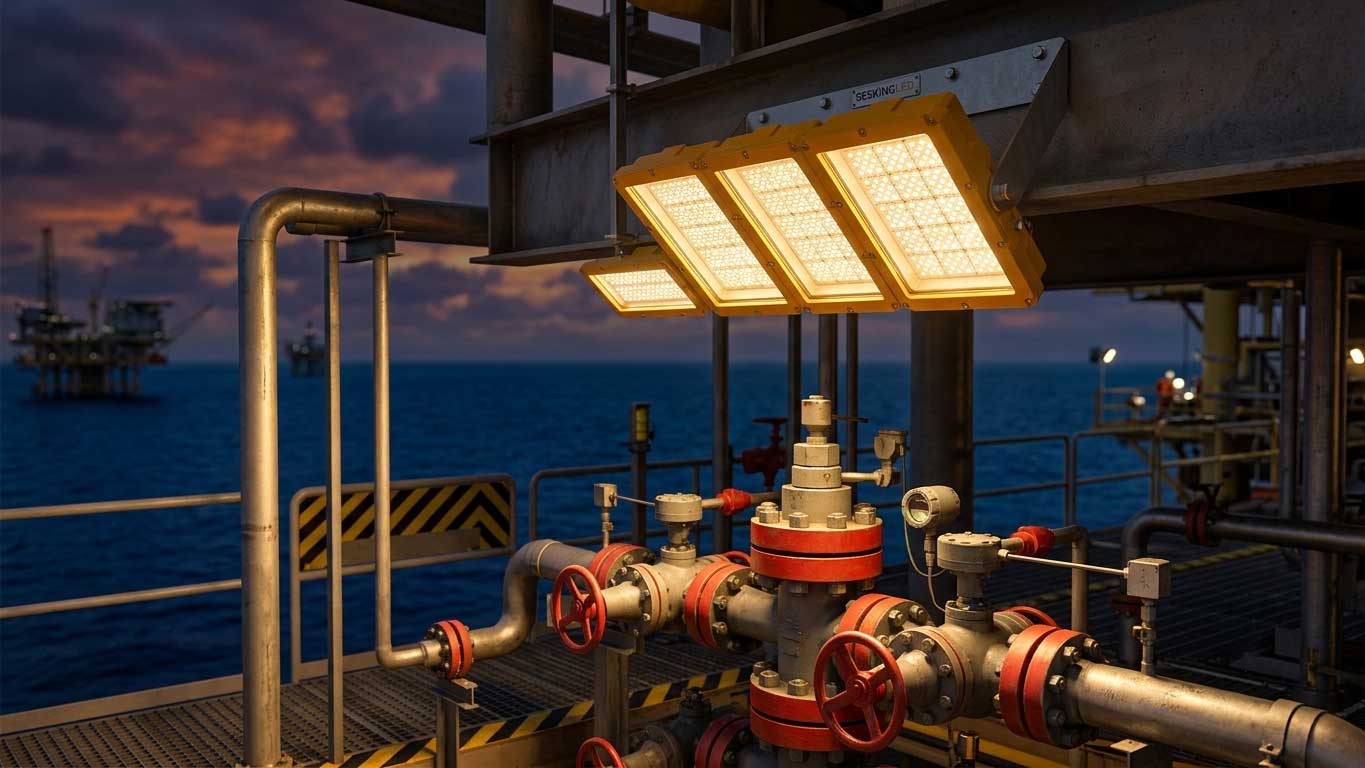
Many purchasing teams assume Class 1 Div 1 lighting is only necessary inside refineries.
That is rarely true.
Over the last decade, we have seen Class 1 Div 1 specifications appear in projects involving:
Typical applications include:
Hydrocarbon vapor release can occur during normal operation, making Division 1 classification necessary.
Chemical plants often handle:
Many of these substances possess low ignition energy and wide explosive limits.
Lighting systems must therefore remain incapable of becoming an ignition source even under fault conditions.
A surprising number of pharmaceutical facilities contain hazardous locations.
Production lines using:
can require Class 1 Div 1 certified luminaires.
This is especially common inside solvent extraction rooms.
Hydrogen is becoming increasingly important across energy infrastructure.
According to the U.S. Department of Energy, hydrogen possesses:
These characteristics make lighting reliability especially important.
Twenty years ago, hazardous area lighting looked very different.
Most facilities relied on:
These technologies produced light, but they created operational headaches.
I still remember standing beneath a metal halide floodlight during a refinery audit in Texas.
The fixture had only been operating for several years.
The lens had yellowed.
The ballast housing was overheating.
Light output had visibly deteriorated.
Meanwhile, nearby LED units remained bright and stable.
That contrast explained why LEDs rapidly replaced traditional technologies.
The U.S. Department of Energy has repeatedly reported substantial energy savings when industrial facilities transition to LED lighting.
Typical savings:
| Technology | Typical Efficiency |
|---|---|
| Metal Halide | 65–90 lm/W |
| High Pressure Sodium | 80–120 lm/W |
| Industrial LED | 130–180+ lm/W |
For facilities operating 24 hours per day, the reduction in energy costs becomes significant.
Maintenance in hazardous locations is expensive.
Replacing a failed fixture may require:
Every avoided maintenance event produces real operational savings.
This is one reason large operators increasingly evaluate lifecycle cost rather than purchase price alone.
One of the most overlooked elements of Class 1 Div 1 lighting selection is temperature classification.
Many buyers focus only on Division ratings.
That can be dangerous.
The fixture surface temperature must remain below the ignition temperature of surrounding gases.
| Temperature Class | Maximum Surface Temperature |
|---|---|
| T1 | 450°C |
| T2 | 300°C |
| T3 | 200°C |
| T4 | 135°C |
| T5 | 100°C |
| T6 | 85°C |
Lower numbers are not automatically better.
The correct class depends on the gas present.
Suppose a facility contains carbon disulfide.
Its ignition temperature is approximately 90°C.
A T4 fixture reaching 135°C would not be suitable.
A higher protection level would be required.
This illustrates why hazardous area lighting selection should always begin with site classification rather than fixture specifications.
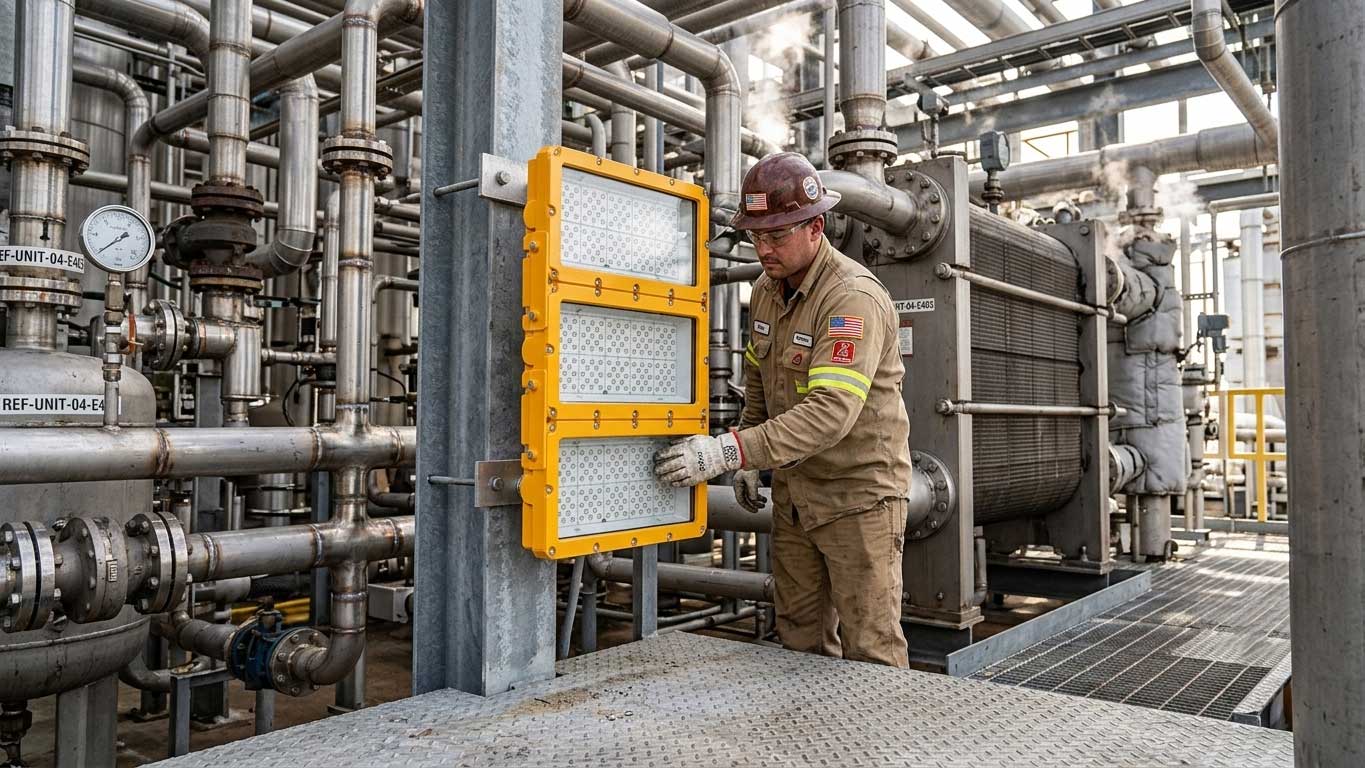
After reviewing hundreds of project inquiries, several purchasing mistakes appear repeatedly.
Division 2 fixtures are often less expensive.
However, they are not designed for environments where explosive gas may exist during normal operation.
Installing the wrong classification can create both safety and compliance risks.
Many hazardous sites experience:
A fixture rated for 40°C may perform poorly in a 60°C environment.
Always verify ambient temperature ratings.
A lower-cost fixture that fails prematurely often becomes more expensive over time.
Consider:
Lifecycle economics typically tell a different story.
At SEEKINGLED, our engineering team focuses on practical performance rather than laboratory specifications alone.
Field conditions matter.
Fixtures encounter:
Successful Class 1 Div 1 lighting must survive all of them simultaneously.
Key design priorities include:
The goal is simple:
Provide illumination that remains dependable long after installation crews have left the site.
Yes. Class 1 Div 1 lighting is specifically engineered and certified for locations where ignitable gas or vapor may exist during normal operations.
Yes. Modern LED technology is now the dominant solution for Class 1 Div 1 applications due to energy efficiency, long lifespan, and reduced maintenance requirements.
Common industries include:
High-quality industrial LED fixtures commonly achieve 50,000–100,000 operating hours depending on design, temperature, and operating conditions.
Not exactly.
ATEX uses Zone classifications while North America uses Class/Division classifications. However, many hazardous environments can be mapped between the two systems during engineering design.
Class 1 Div 1 lighting exists for the most demanding hazardous locations found in modern industry. When explosive gases may be present during normal operations, ordinary industrial fixtures are not enough. Properly certified Class 1 Div 1 lighting combines containment engineering, thermal control, rigorous testing, and long-life LED technology to deliver safe illumination where failure is simply not an option.
For refinery operators, offshore platforms, chemical plants, and hydrogen facilities, choosing the right Class 1 Div 1 lighting is less about brightness and more about risk management, compliance, and long-term reliability. That reality becomes obvious the moment you step onto an operating hazardous site.
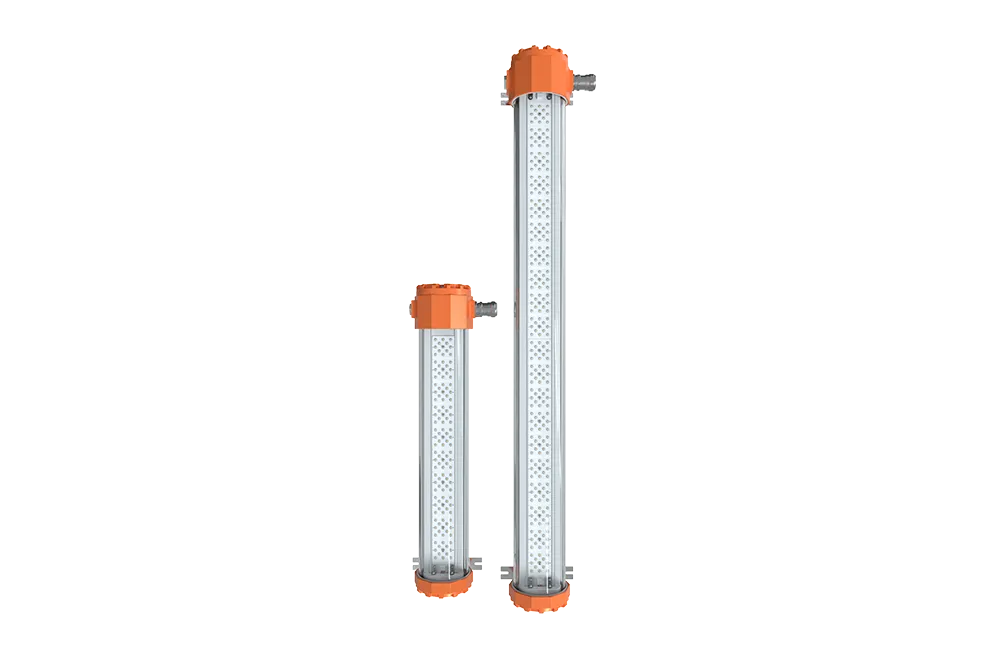
SEEKINGLED LED Linear Explosion Proof Light and Explosion Proof lighting is ATEX and IECEx certified for Zone 1, Zone 2, Zone 21 and Zone 22 hazardous locations, built for long-term industrial use.
View details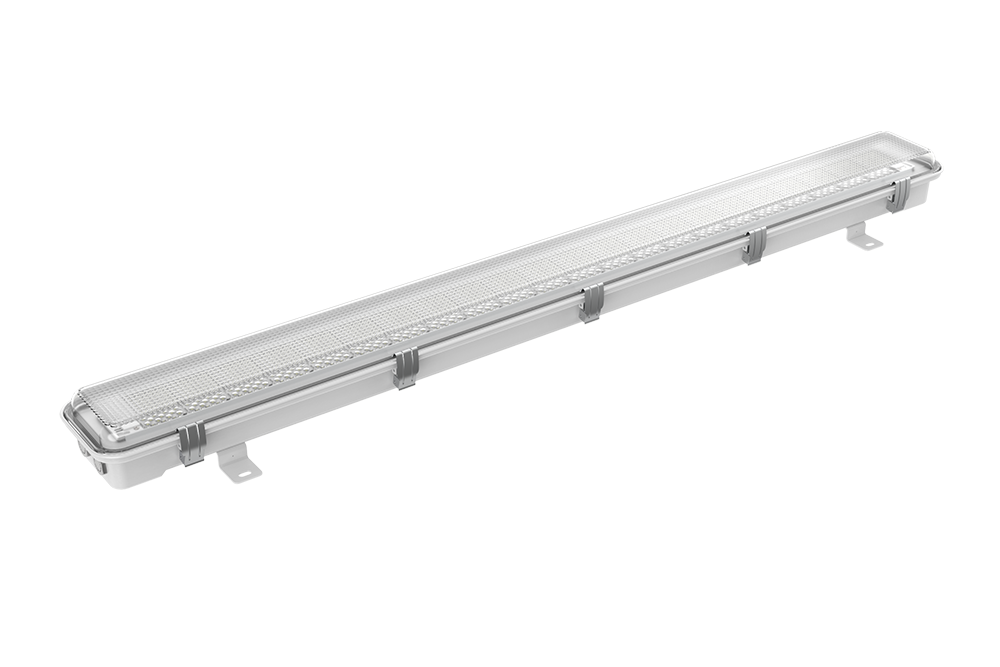
LED Linear Explosion Proof Lights and EX Proof lights for Zone 1, Zone 2, Zone 21 and Zone 22 hazardous areas. ATEX & IECEx certified explosion proof LED linear lighting with emergency function, adjustable power and IP67 protection by SEEKINGLED.
View details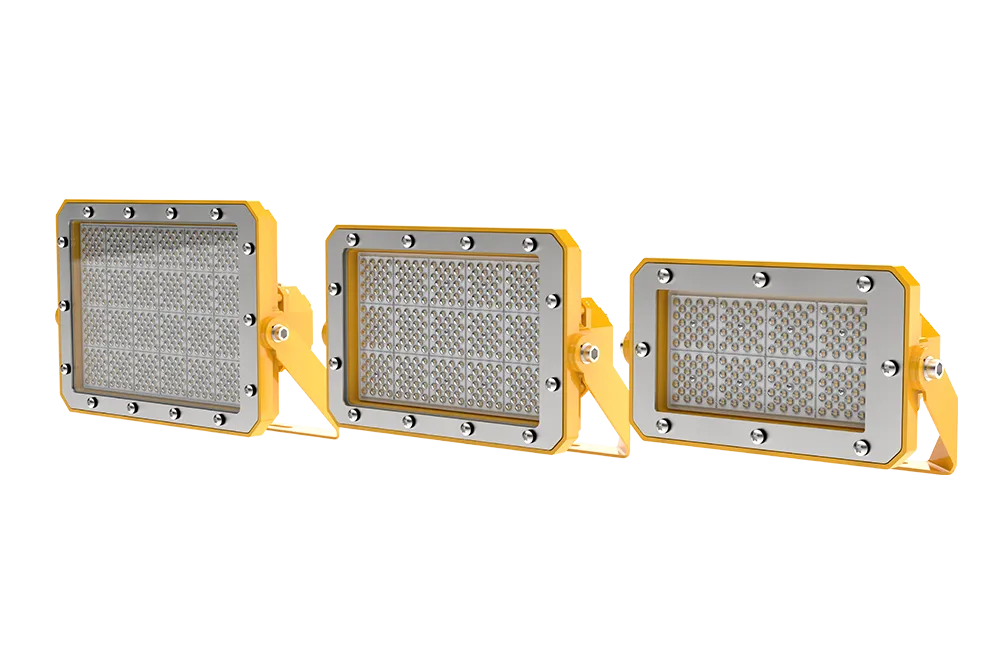
SEEKINGLED LED Explosion Proof Flood Lights are ATEX certified for Zone 2 and Zone 22 hazardous areas, offering high efficiency, adjustable power and integrated junction box.
View details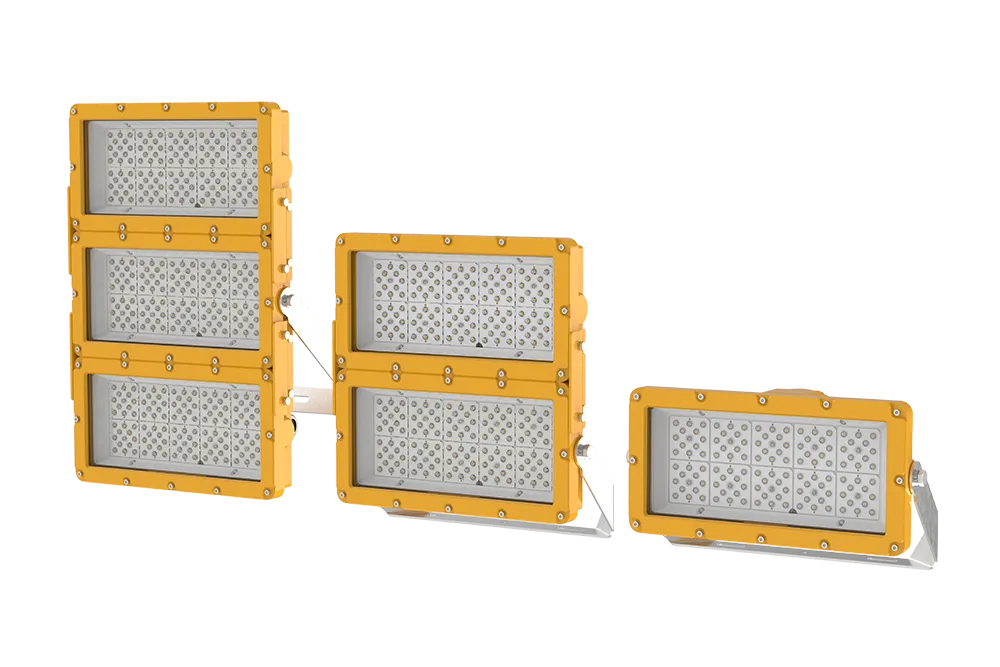
SEEKINGLED LED Explosion Proof Flood Lights are flameproof ATEX and IECEx certified for Zone 1 and Zone 2 hazardous areas, offering high power, adjustable output and long service life.
View details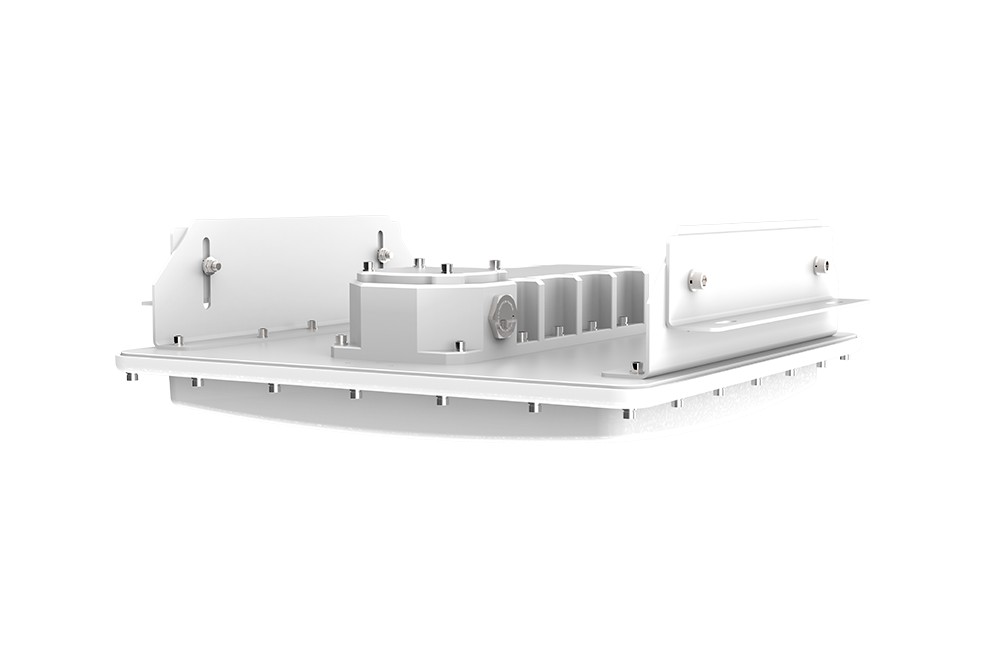
SEEKINGLED LED Gas Station Canopy Lights are ATEX certified for Zone 2 and Zone 22 hazardous areas, featuring adjustable power and built-in explosion-proof junction box.
View details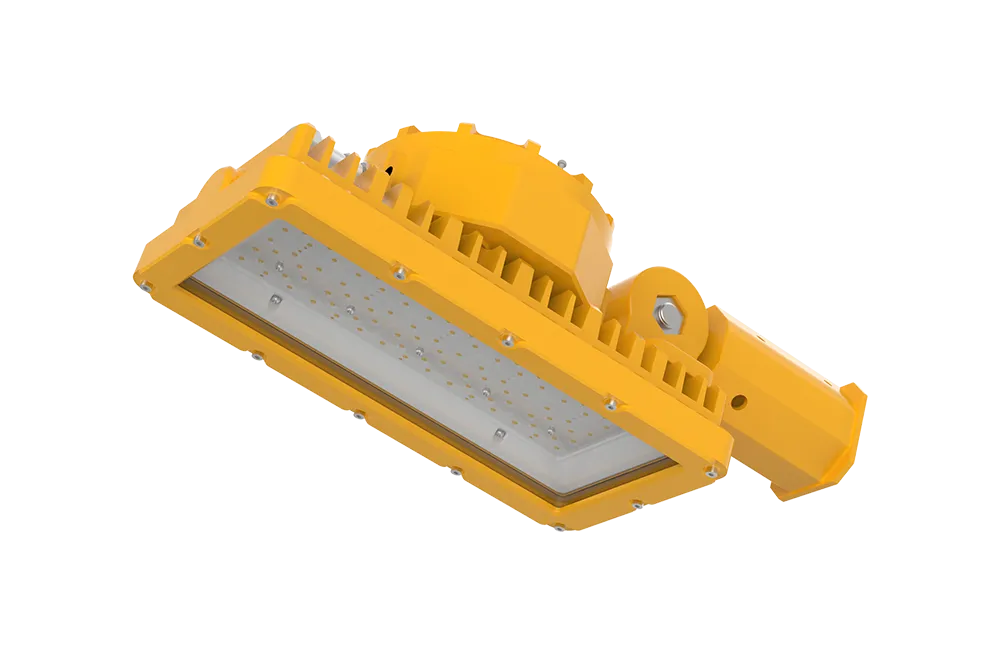
ATEX: Ex II 2G Ex db IIB T6/T5 GbEx II 2D Ex tb IIIC T80°C/ T95°C Db IECEx Ex db IIB T6 Gb;Ex tb IIIC T80°C Db Feature: ● For Zone 1,2 and Zone 21,22● Flameproof type, the strongest● 100W can replace 250W HID,energy saving● Power:60W,80W,100W Application: Oil and gas, marine, Chemical, pharmaceutical, semiconductor,mining,military industr…
View details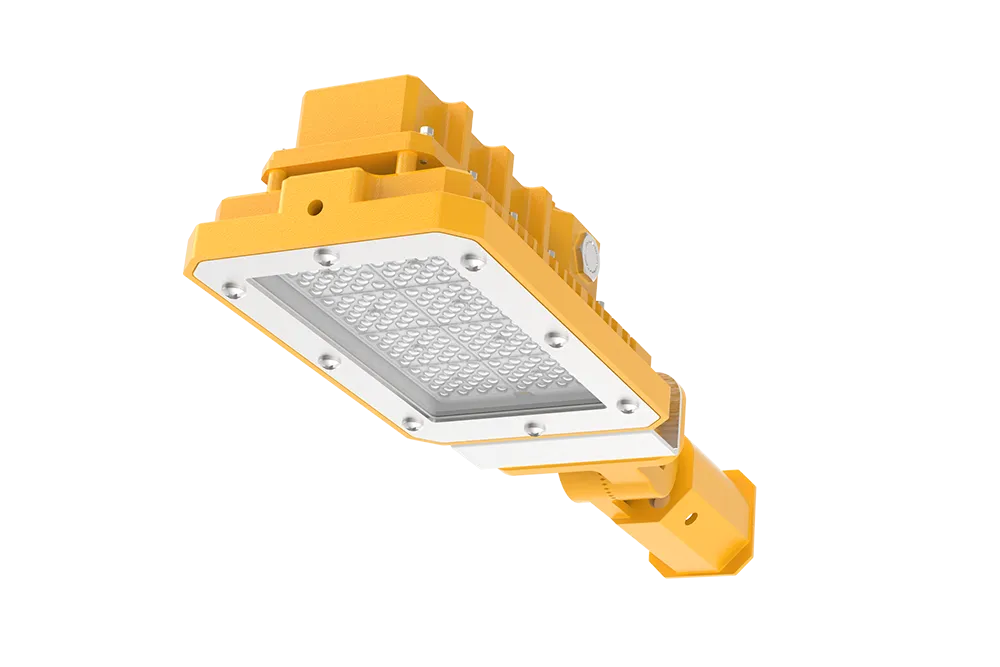
ATEX: II 3G Ex nR ⅡC T5/T6 GcII 3D Ex tc ⅢC T80℃/T95℃Dc ATEX Certificate NO: TÜV CY 26 ATEX 0207611 X Feature: ● For Zone 2 and Zone 22● 150W can replace 250W HID lamps,Energy saving● Power:50W,75W,100W,150W,200W Application: Oil and gas, marine, Chemical, pharmaceutical, semiconductor,mining,military industry, paint booth,power plant ETC…
View details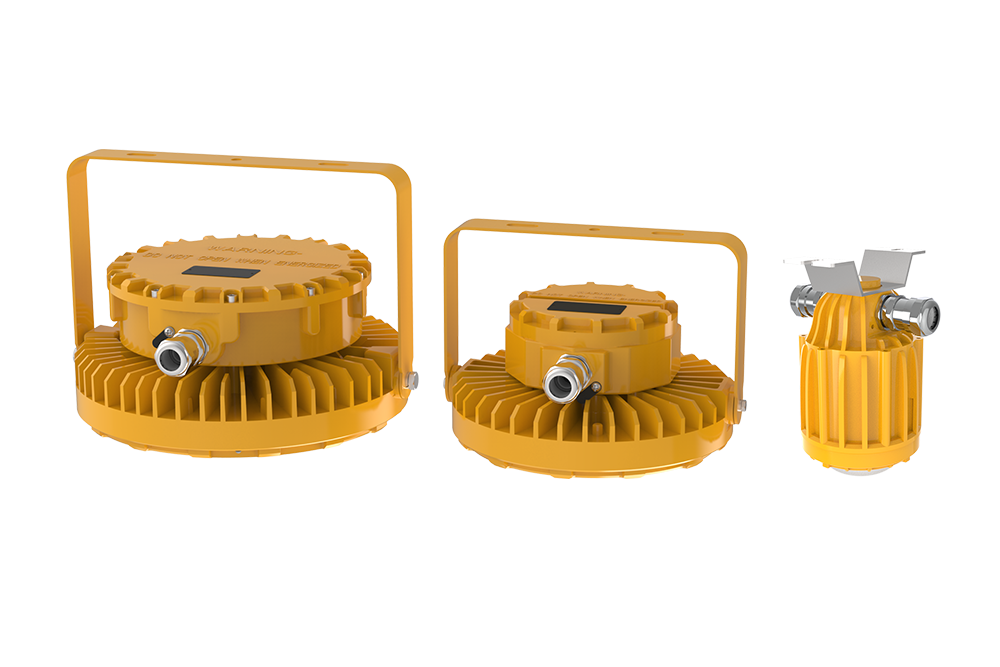
LED explosion proof high bay lights are designed for Zone 1, Zone 2, Zone 21 and Zone 22 hazardous areas. This page introduces the HB21 Series from SEEKING, including certifications, power options and real application considerations.
View details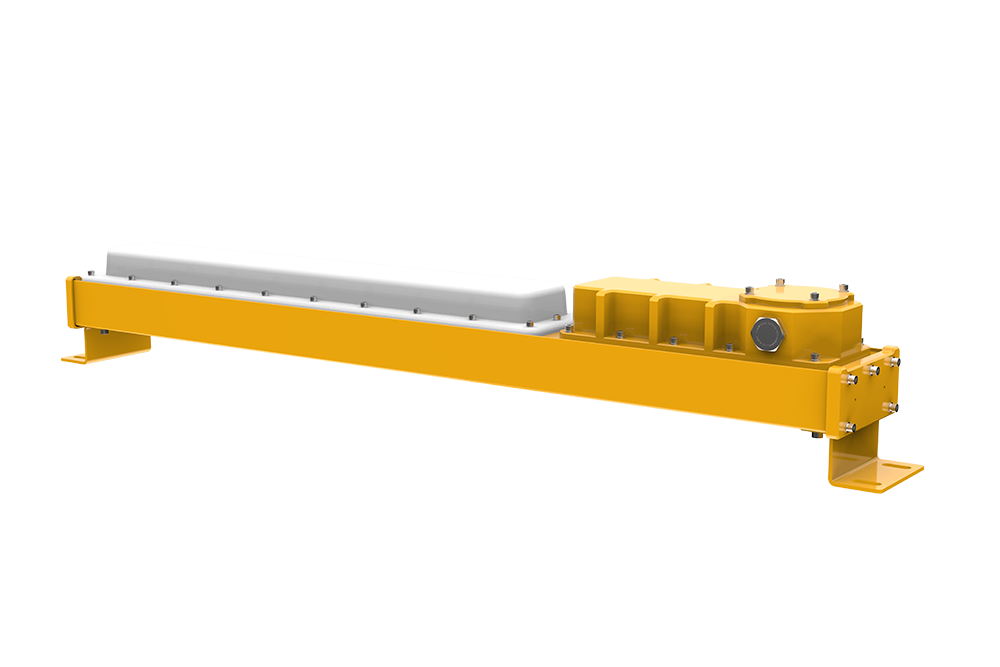
LED Linear Explosion Proof Lights from SEEKINGLED. LU Series Flame Proof lights ATEX-certified explosion proof LED linear lighting for Zone 2 gas and Zone 22 dust areas, IP69K, IK10, long lifetime and flexible power options.
View details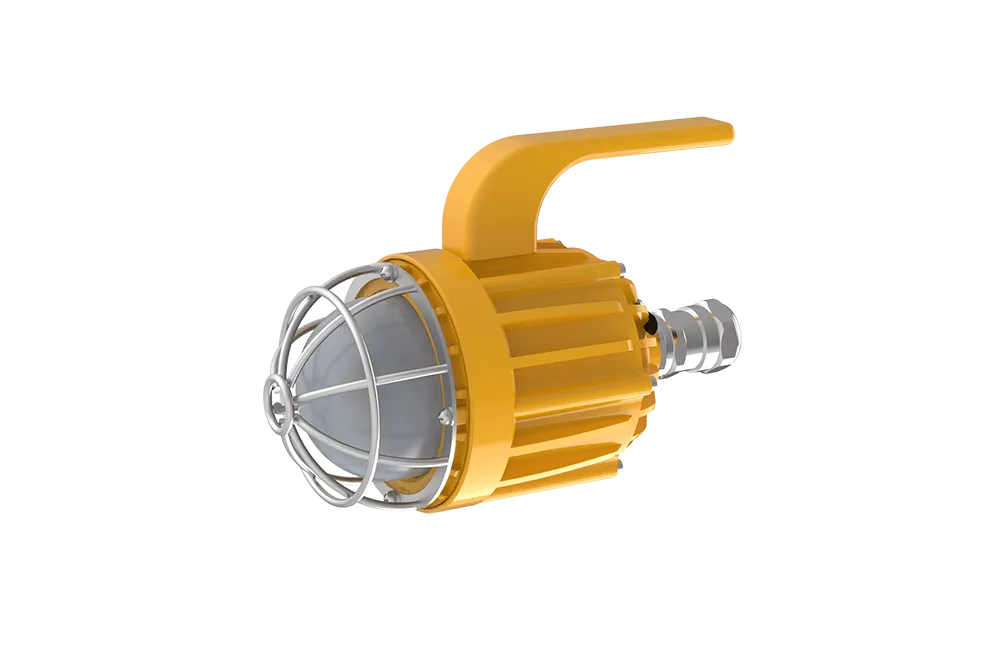
Certified explosion proof work lights for Zone 1 & 21 hazardous areas. Portable, ATEX & IECEx approved, built for oil, gas and chemical plants by SEEKINGLED.
View details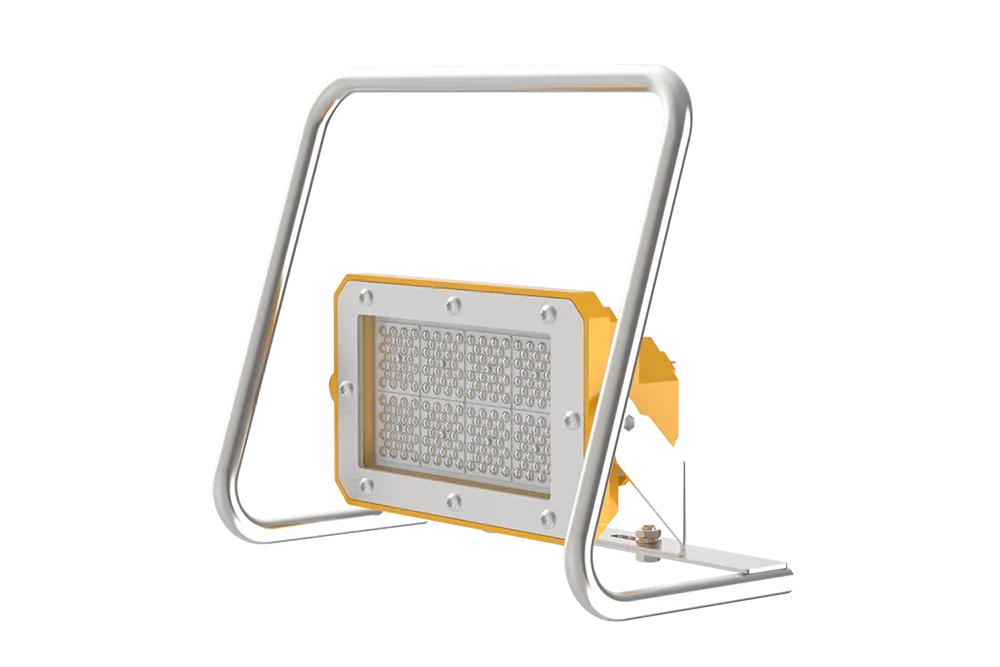
ATEX: II 3G Ex nR ⅡC T6 GcII 3D Ex tc ⅢC T80℃ Dc ATEX Certificate NO: TÜV CY 26 ATEX 0207611 X Feature: ● For Zone 2 and Zone 22● Accepts battery-powered supply● indestructible● Power:AC input:50W,75W,100WDC input:15W,25W,35W Application: Oil and gas, marine, Chemical, pharmaceutical, semiconductor,mining,military industry, paint booth,po…
View details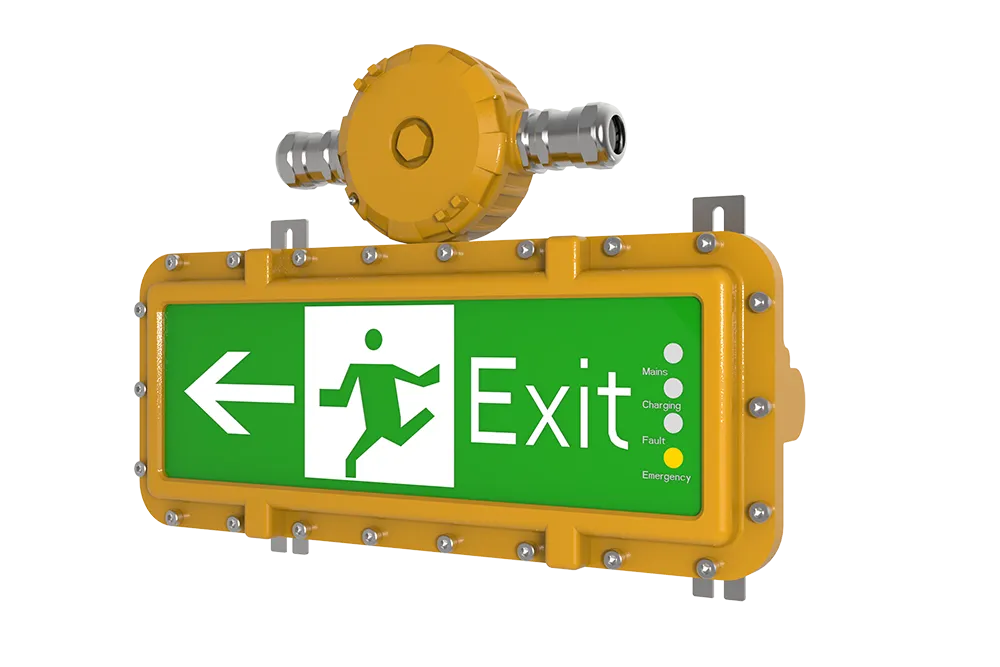
ATEX: Ex II 2G Ex db IIB T6 GbEx II 2D Ex tb IIIC T80°C Db IECEx Ex db IIB T6 Gb;Ex tb IIIC T80°C Db Feature: ● For Zone 1,2 and Zone 21,22● Flameproof type, the strongest Application: Oil and gas, marine, Chemical, pharmaceutical, semiconductor,mining,military industry, paint booth,power plant ETC hazardous area. Technical Specifications:…
View details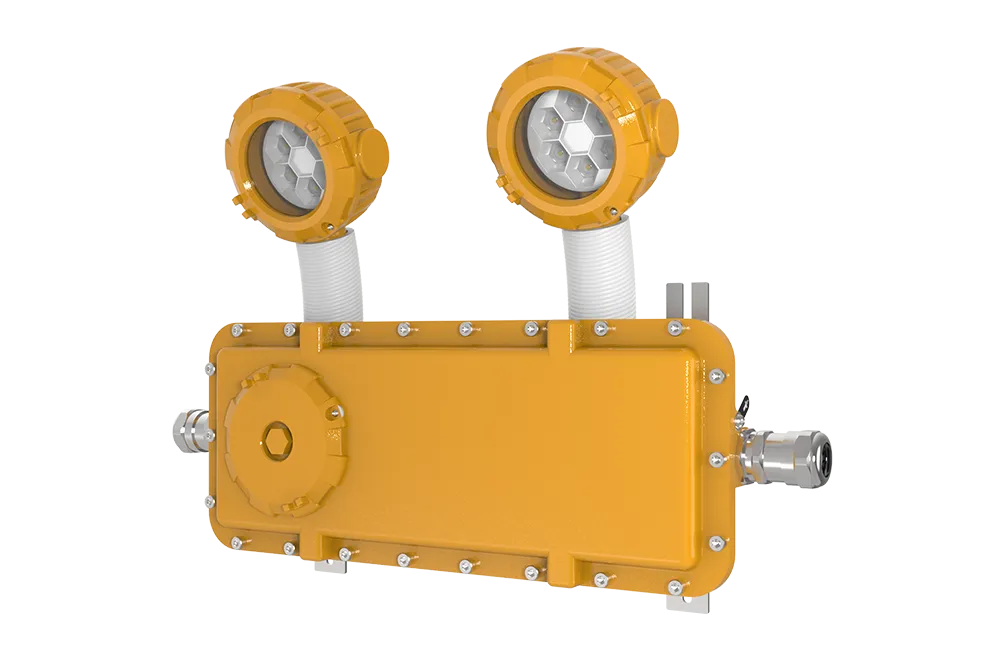
ATEX: Ex II 2G Ex db IIB T6 GbEx II 2D Ex tb IIIC T80°C Db IECEx Ex db IIB T6 Gb;Ex tb IIIC T80°C Db Feature: ● For Zone 1,2 and Zone 21,22● Flameproof type, the strongest Application: Oil and gas, marine, Chemical, pharmaceutical, semiconductor,mining,military industry, paint booth,power plant ETC hazardous area. Technical Specifications:…
View details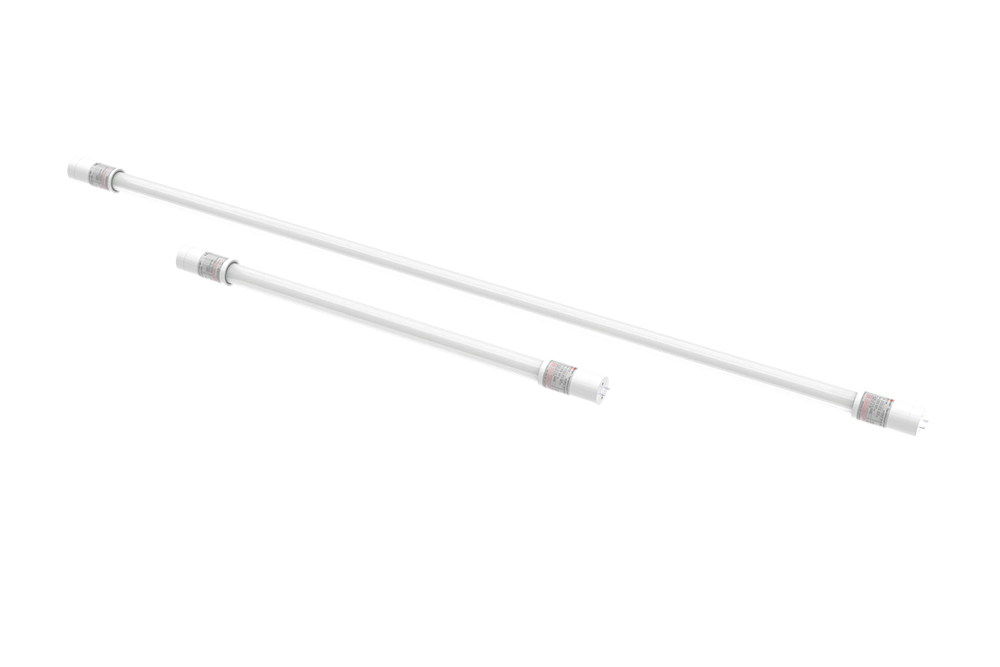
ATEX: Ex II 2G Ex d e IIB T6 Gb ATEX: Ex d e IIB T6 Gb; Feature: ● For Zone 1,2● 9W can replace 18W fluorescent lamps,50% Energy saving Application: Oil and gas, marine, Chemical, pharmaceutical, semiconductor,mining,military industry, paint booth,power plant ETC hazardous area. Technical Specifications: Standards:60079-0, 60079-1, 60079…
View details
Install an exterior flood light by isolating power, verifying wiring, using a weatherproof enclosure, securing the fixture, aiming it correctly, and testing ...
View details
Fog lights are generally neither flood nor spot lights. They use a broad, low, controlled beam for near-road visibility while limiting upward light and glare.
View details
what are flood lights? Learn how LED flood lights work, where they are used, and how to choose reliable outdoor lighting solutions with expert insights from SEEKINGLED.
View details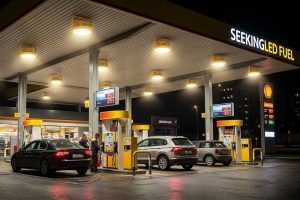
Explosion proof LED canopy lighting for hazardous fuel stations and industrial sites. Safe, low-glare, and reliable performance by SEEKINGLED.
View details