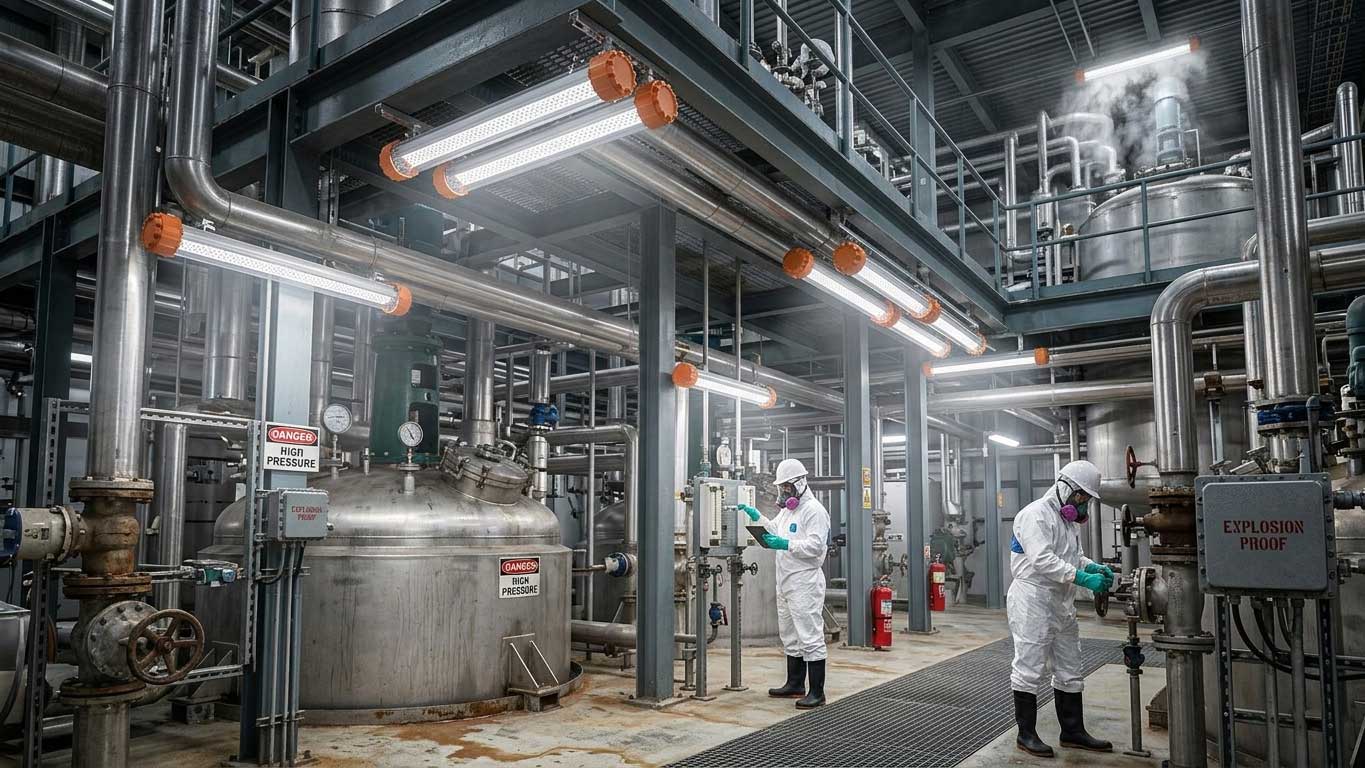
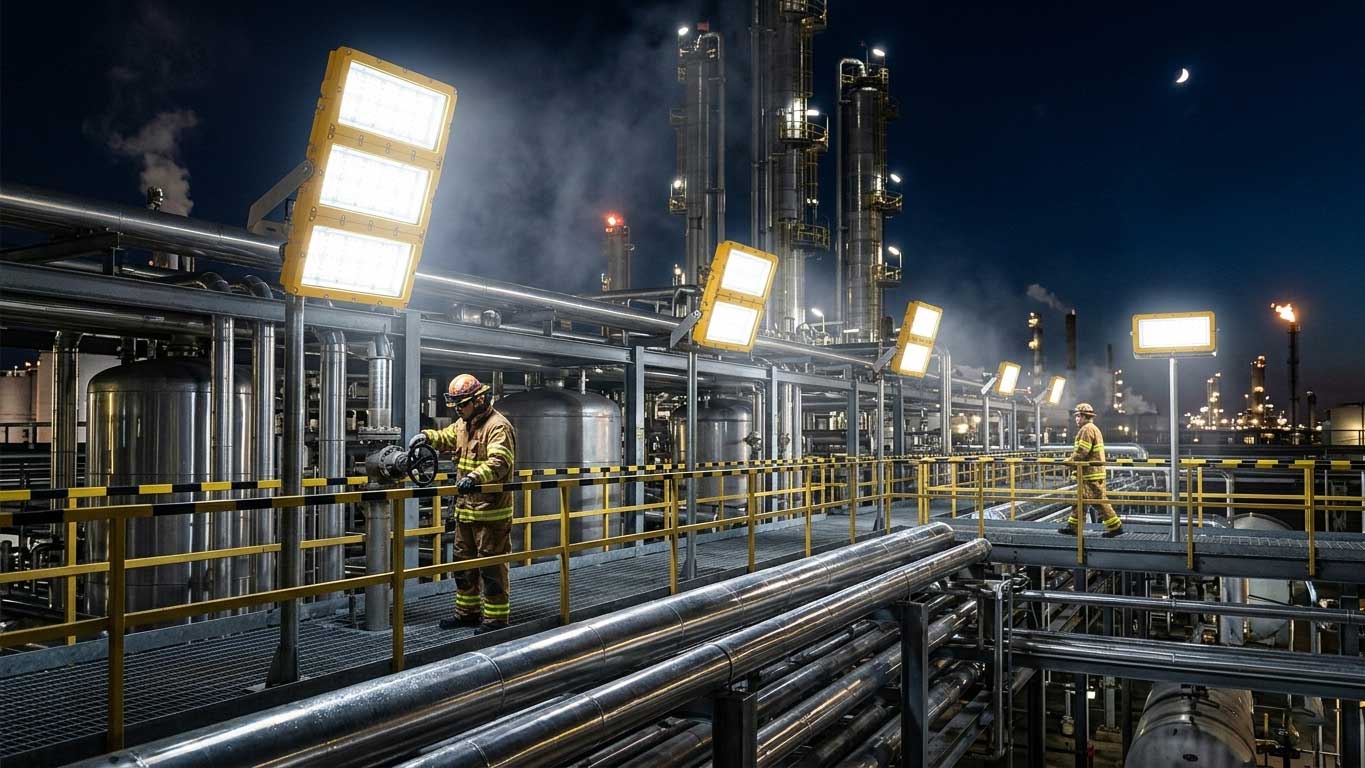
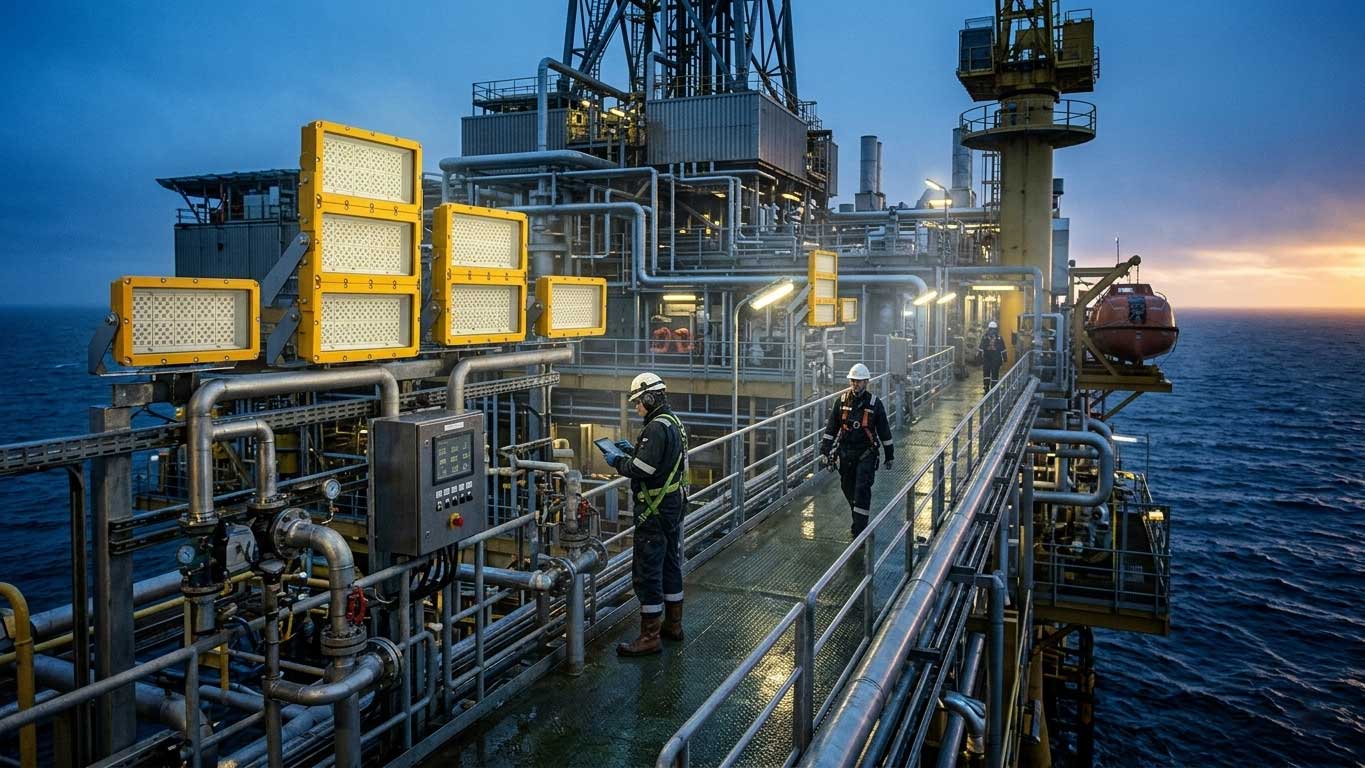
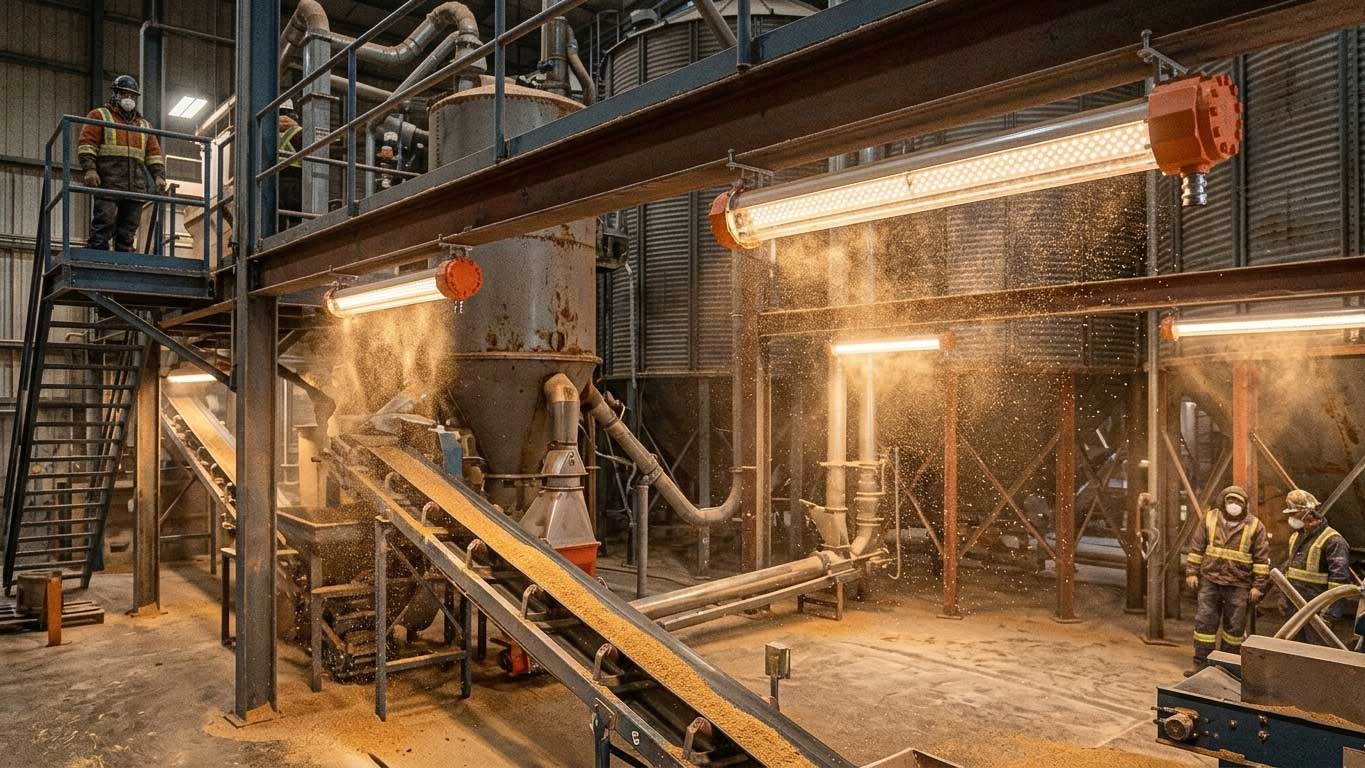
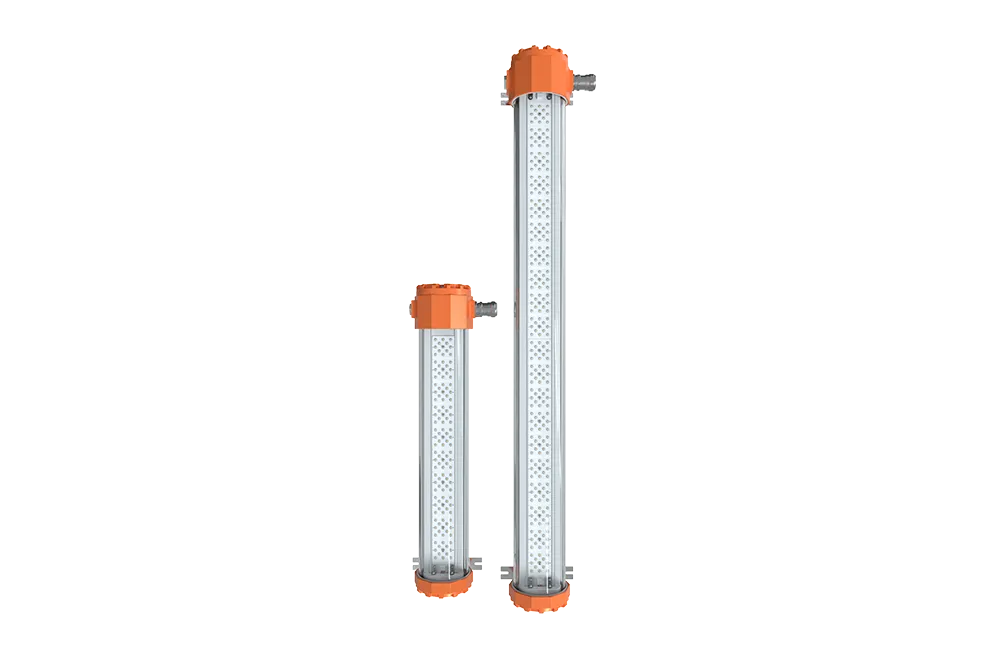
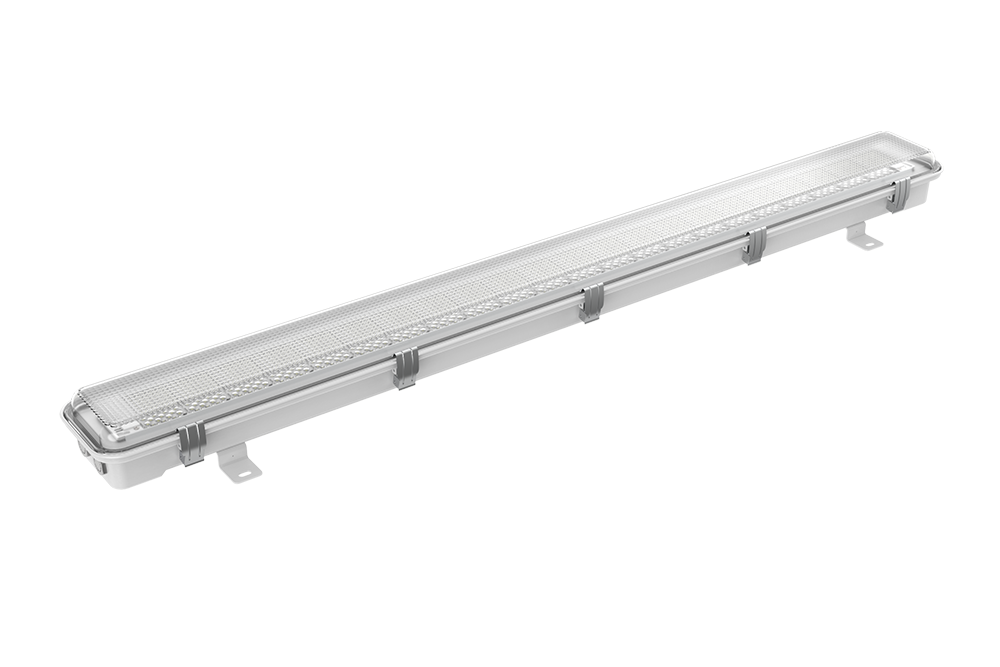
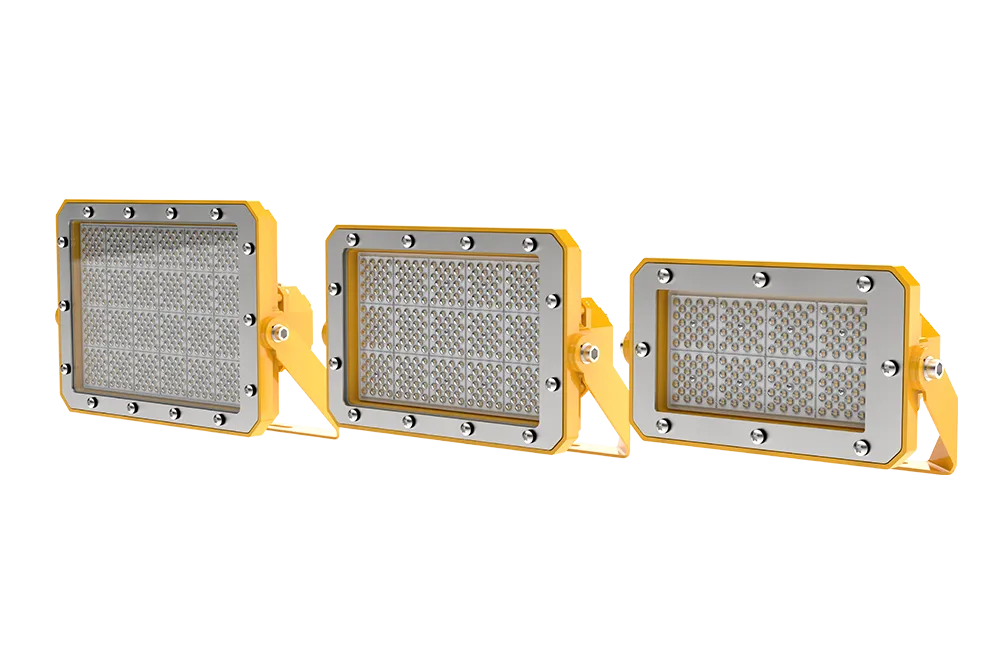
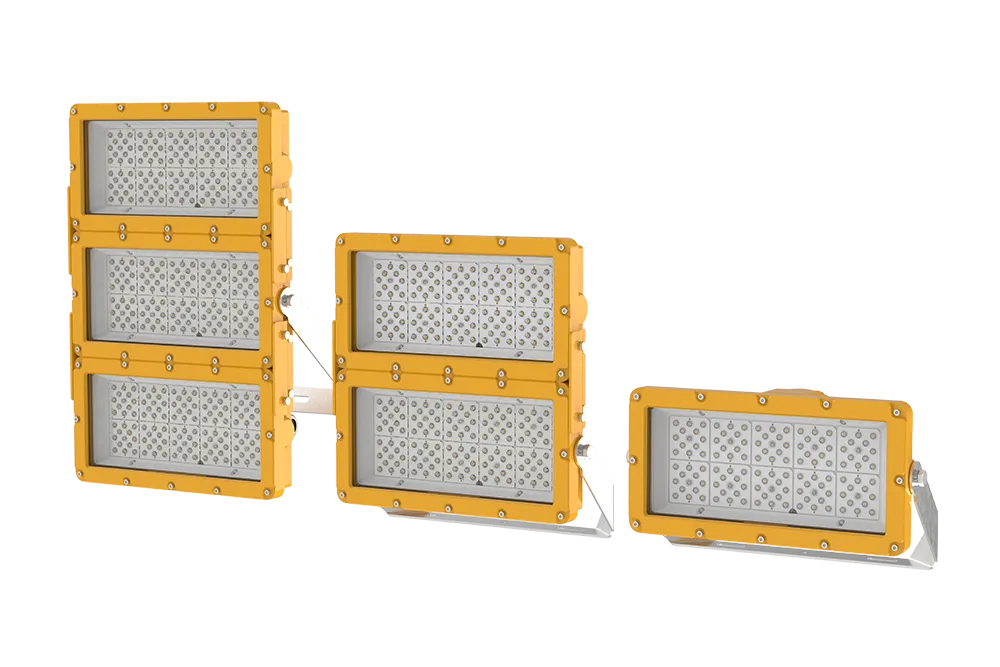
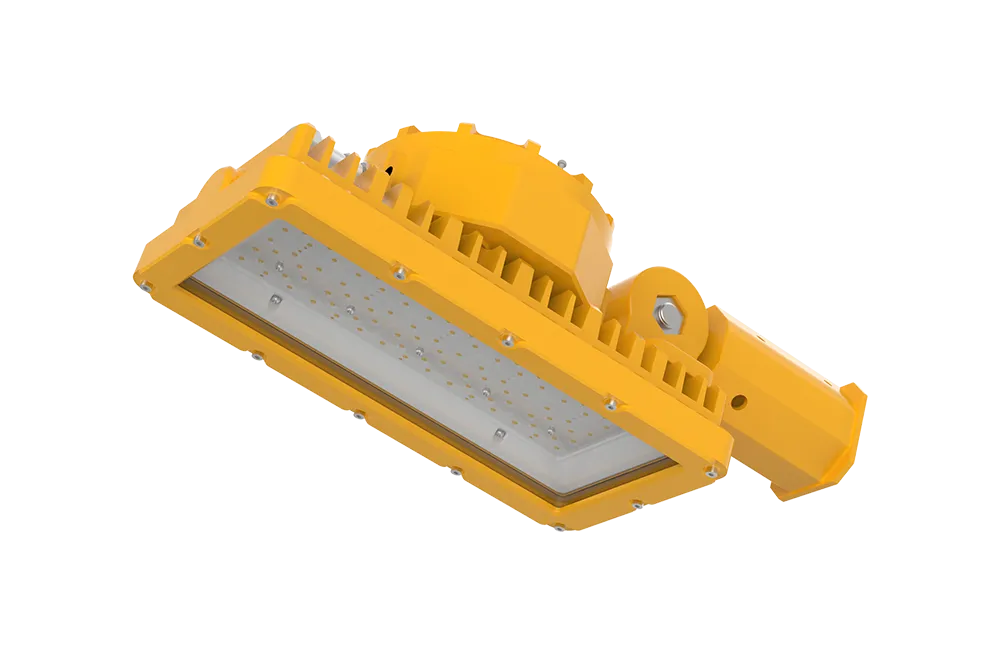
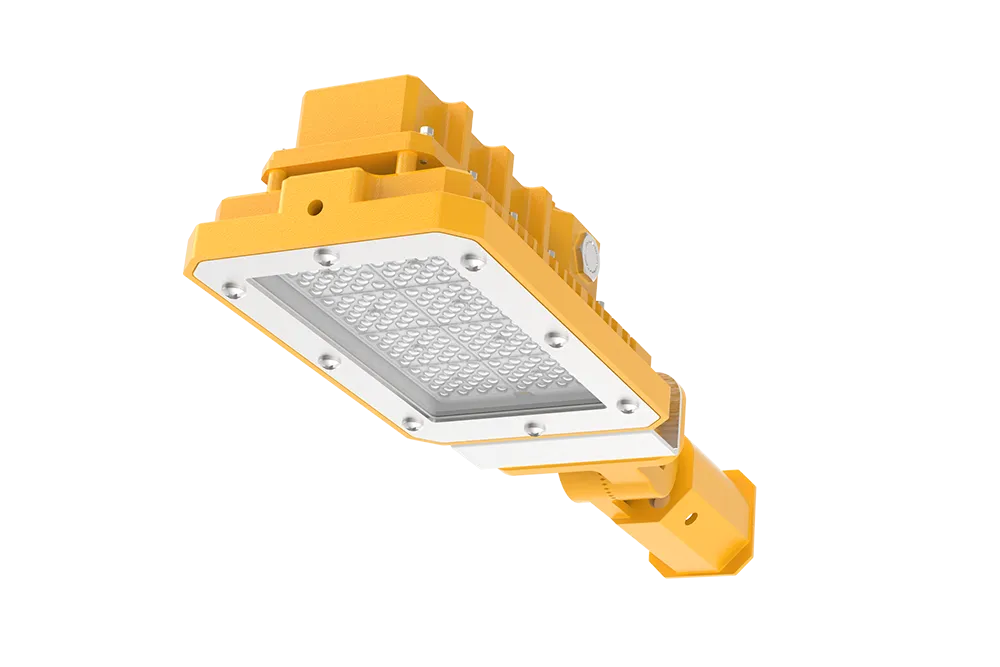
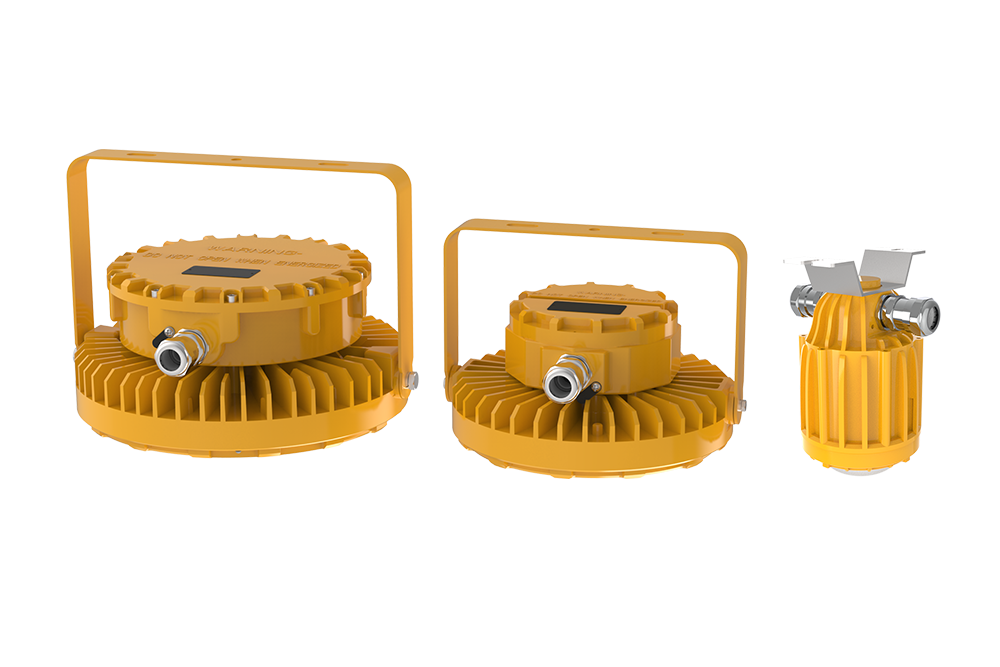
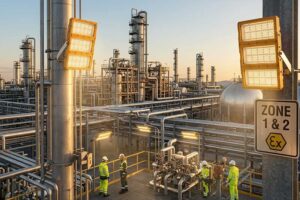
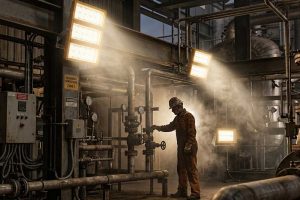
LED explosion proof lights for hazardous industrial locations are engineered to safely operate in environments containing flammable gases, combustible dust, or volatile vapors. Certified fixtures reduce ignition risk, improve maintenance efficiency, and deliver long-term reliability in refineries, chemical plants, offshore facilities, and other classified industrial zones.
A few years ago, during a site inspection at a coastal diesel storage terminal, I watched maintenance technicians shut down an entire transfer line simply to replace two failed high-pressure sodium fixtures. The lights themselves cost very little. The downtime did not.
That’s usually the hidden story behind hazardous-area lighting.
The conversation is rarely about brightness alone. In real industrial environments, lighting affects:
Worker safety
Inspection compliance
Maintenance scheduling
Energy consumption
Operational continuity
And once facilities move toward LED explosion proof lights, very few go backward.
Hazardous industrial locations contain airborne substances capable of ignition under specific conditions. A small electrical spark, excessive surface heat, or equipment failure can trigger catastrophic consequences.
According to the U.S. Occupational Safety and Health Administration (OSHA), hazardous locations are classified based on the presence of:
That’s why certified LED explosion proof lights for hazardous industrial locations are built differently from conventional industrial fixtures.
Not cosmetically different.
Mechanically different.
What Makes LED Explosion Proof Lights Different?
Explosion Containment Design
The term “explosion proof” often confuses buyers.
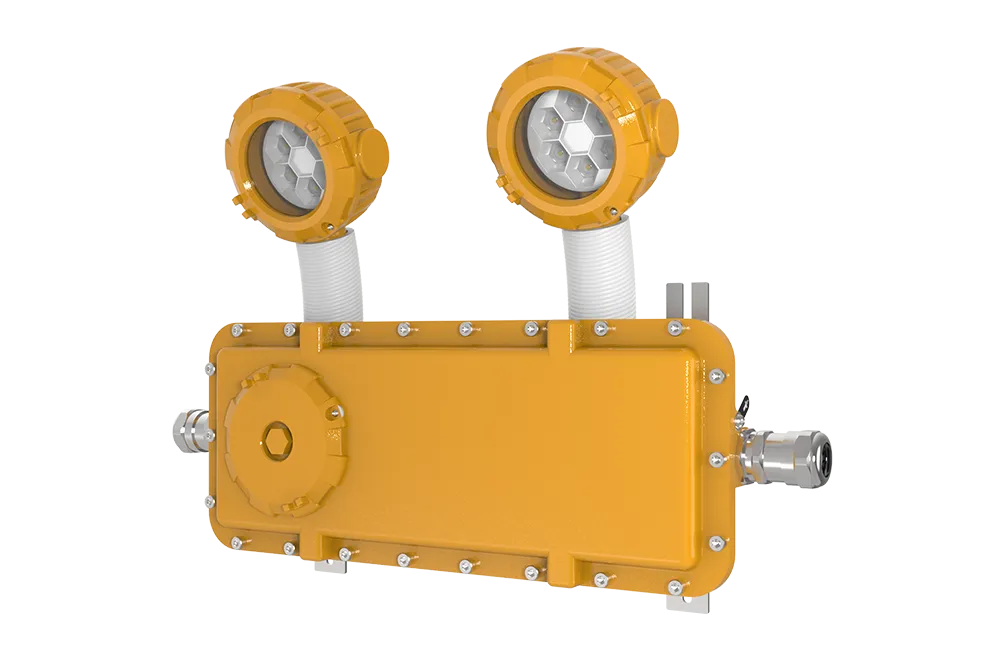
The fixture itself is not explosion resistant because explosions never happen. It is designed to contain an internal ignition event without allowing flames or hot gases to ignite the external atmosphere.
That engineering approach changes everything:
Housing thickness
Thread tolerances
Lens construction
Sealing systems
Heat management
High-quality fixtures typically use:
Copper-free aluminum housing
Tempered glass lenses
Stainless steel fasteners
Corrosion-resistant coatings
Cheap products imitate the appearance. Certified products survive actual industrial abuse.
I once inspected a low-cost imported fixture installed near a solvent blending station. From a distance, it looked acceptable. Up close, the mounting bolts already showed corrosion after one rainy season. Inside the enclosure, condensation had started forming around the driver compartment.
The fixture was technically “working.”
It was also quietly approaching failure.
Lower Operating Temperature Matters More Than Buyers Realize
Traditional HID fixtures generate enormous heat.
LED systems operate cooler while producing higher efficiency.
According to the U.S. Department of Energy, LED lighting significantly reduces energy waste and thermal output compared to conventional industrial lighting technologies.
That matters because hazardous gases have ignition temperature thresholds.
In practical terms:
Lower surface temperature reduces ignition risk
Cooler operation extends driver lifespan
Reduced thermal stress improves sealing longevity
Facilities operating in:
LNG plants
Paint manufacturing
Petrochemical storage
Offshore drilling
…often prioritize thermal performance before lumen output.
That surprises first-time buyers.
It doesn’t surprise experienced plant engineers.
Where LED Explosion Proof Lights Are Commonly Installed
Oil & Gas Facilities
Refineries are brutal on lighting systems.
Constant vibration, airborne hydrocarbons, high humidity, and temperature fluctuations destroy poorly built fixtures faster than specification sheets suggest.
Typical applications include:
Pipe racks
Loading terminals
Pump stations
Offshore platforms
Compressor buildings
At one refinery modernization project I visited, maintenance teams had already standardized LED explosion proof lighting because accessing elevated fixtures required full scaffold permits.
Reducing replacement frequency became more important than initial purchase cost.
Marine & Offshore Platforms
Salt air changes everything.
Corrosion attacks:
Hardware
Heat sinks
Cable entries
Mounting brackets
External coatings
Marine-grade explosion proof lights need more than waterproof ratings.
They require:
Anti-corrosion finishing
Stable thermal dissipation
UV-resistant materials
Reliable sealing under thermal cycling
Poorly engineered fixtures fail quietly offshore. First lumen depreciation. Then moisture intrusion. Then driver instability.
By the time flickering appears, internal damage has usually progressed for months.
Food Processing & Grain Facilities
Combustible dust remains underestimated.
The U.S. Chemical Safety Board (CSB) has documented numerous dust explosions across food and grain industries.
Are LED explosion proof lights required in hazardous industrial locations?
Yes. Most hazardous industrial environments require certified lighting fixtures that comply with local electrical safety standards and hazardous-area classifications.
What certifications should explosion proof LED lights have?
Common certifications include ATEX, IECEx, Class I Division 2, UL844, and other hazardous-location safety approvals depending on region and application.
How long do industrial explosion proof LED fixtures last?
High-quality LED explosion proof lights commonly operate between 50,000 and 100,000 hours depending on ambient conditions and driver quality.
Can explosion proof LED lights be used outdoors?
Yes. Most industrial fixtures are designed for outdoor hazardous environments and commonly feature IP66 or IP67 weather protection.
Do LED explosion proof lights reduce maintenance cost?
Absolutely. Longer lifespan and lower failure frequency significantly reduce labor costs, shutdown procedures, and replacement schedules.
Conclusion
LED explosion proof lights for hazardous industrial locations are no longer viewed as specialty upgrades. In modern industrial operations, they have become essential infrastructure for safety, compliance, reliability, and operational efficiency.
The difference between a low-cost fixture and a dependable industrial lighting system often becomes visible only after years of heat, corrosion, vibration, and nonstop operation.
That’s when engineering quality stops being marketing language and starts becoming operational reality.
LED Explosion Proof Lights for Hazardous Industrial Locations
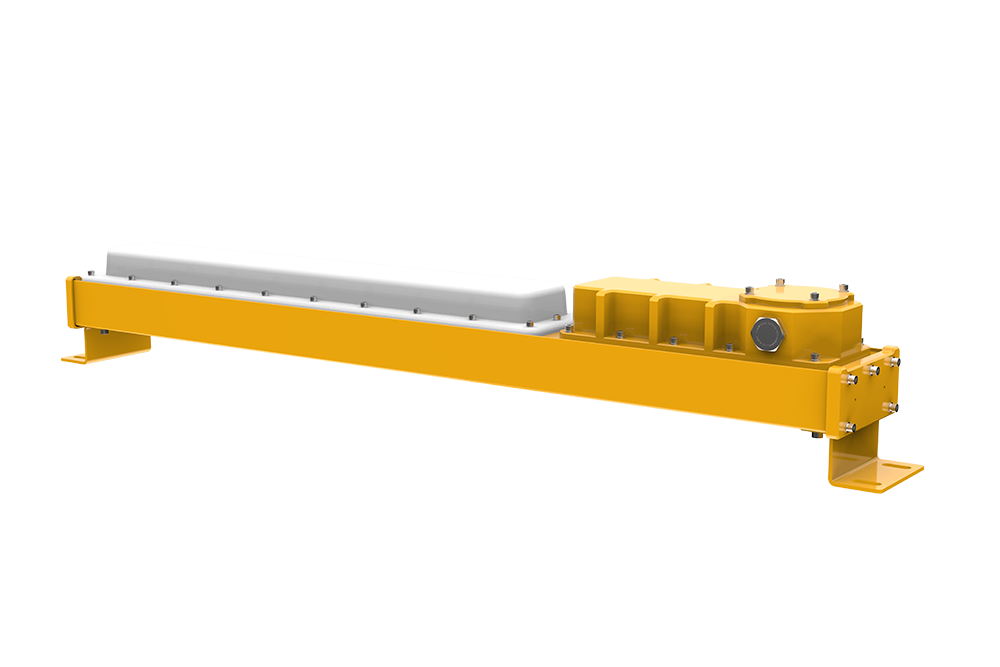
SEEKINGLED LED Linear Explosion Proof Light and Explosion Proof lighting is ATEX and IECEx certified for Zone 1, Zone 2, Zone 21 and Zone 22 hazardous locations, built for long-term industrial use.
LED Linear Explosion Proof Lights and EX Proof lights for Zone 1, Zone 2, Zone 21 and Zone 22 hazardous areas. ATEX & IECEx certified explosion proof LED linear lighting with emergency function, adjustable power and IP67 protection by SEEKINGLED.
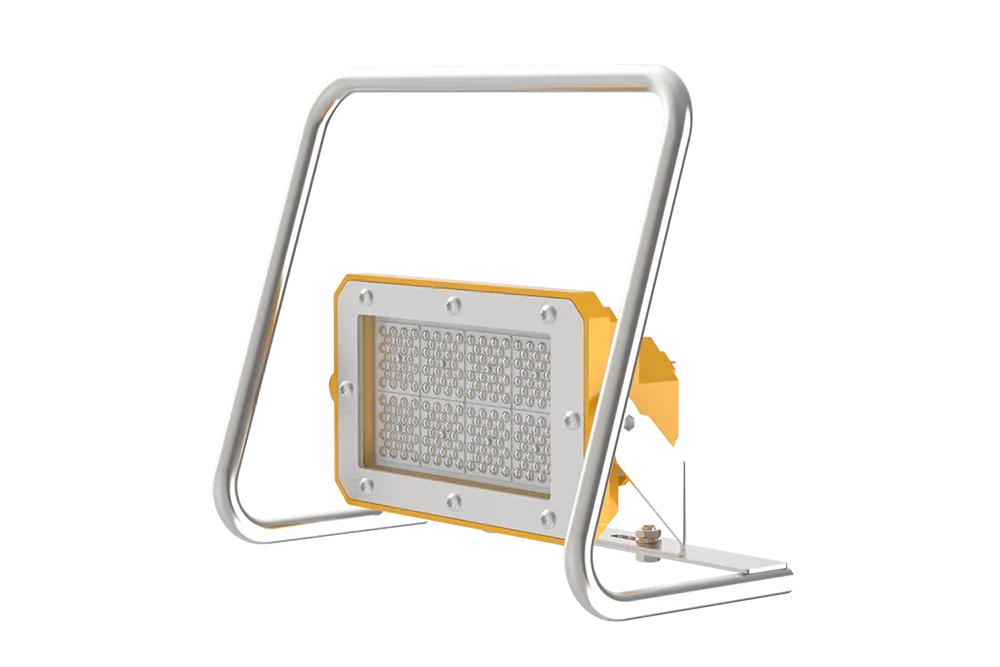
SEEKINGLED LED Explosion Proof Flood Lights are ATEX certified for Zone 2 and Zone 22 hazardous areas, offering high efficiency, adjustable power and integrated junction box.
SEEKINGLED LED Explosion Proof Flood Lights are flameproof ATEX and IECEx certified for Zone 1 and Zone 2 hazardous areas, offering high power, adjustable output and long service life.
SEEKINGLED LED Gas Station Canopy Lights are ATEX certified for Zone 2 and Zone 22 hazardous areas, featuring adjustable power and built-in explosion-proof junction box.
ATEX: Ex II 2G Ex db IIB T6/T5 GbEx II 2D Ex tb IIIC T80°C/ T95°C Db IECEx Ex db IIB T6 Gb;Ex tb IIIC T80°C Db Feature: ● For Zone 1,2 and Zone 21,22● Flameproof type, the strongest● 100W can replace 250W HID,energy saving● Power:60W,80W,100W Application: Oil and gas, marine, Chemical, pharmaceutical, semiconductor,mining,military industr…
ATEX: II 3G Ex nR ⅡC T5/T6 GcII 3D Ex tc ⅢC T80℃/T95℃Dc ATEX Certificate NO: TÜV CY 26 ATEX 0207611 X Feature: ● For Zone 2 and Zone 22● 150W can replace 250W HID lamps,Energy saving● Power:50W,75W,100W,150W,200W Application: Oil and gas, marine, Chemical, pharmaceutical, semiconductor,mining,military industry, paint booth,power plant ETC…
LED explosion proof high bay lights are designed for Zone 1, Zone 2, Zone 21 and Zone 22 hazardous areas. This page introduces the HB21 Series from SEEKING, including certifications, power options and real application considerations.
LED Linear Explosion Proof Lights from SEEKINGLED. LU Series Flame Proof lights ATEX-certified explosion proof LED linear lighting for Zone 2 gas and Zone 22 dust areas, IP69K, IK10, long lifetime and flexible power options.
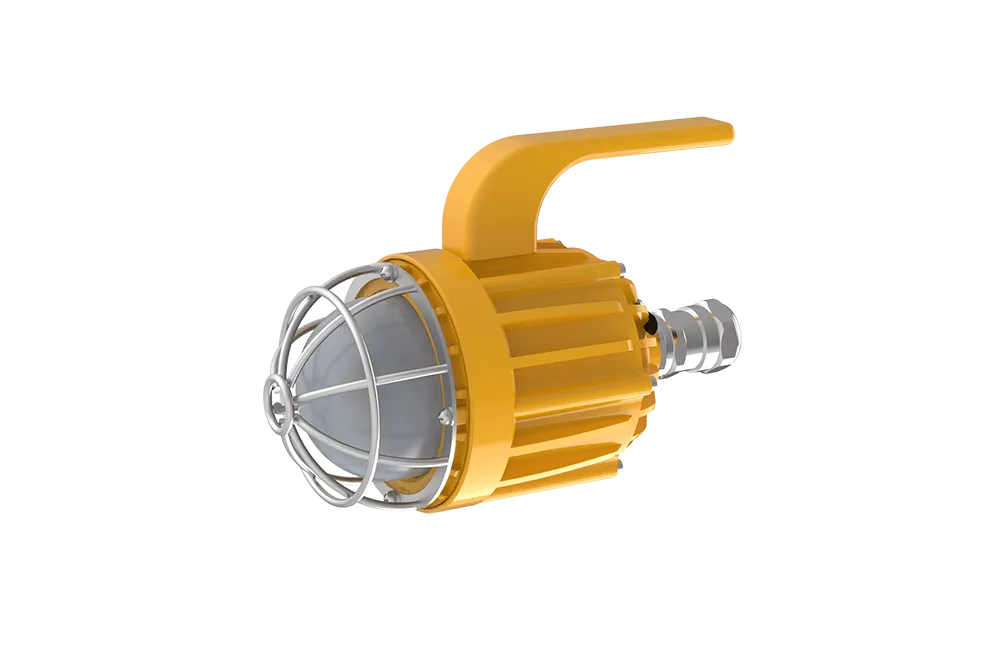
Certified explosion proof work lights for Zone 1 & 21 hazardous areas. Portable, ATEX & IECEx approved, built for oil, gas and chemical plants by SEEKINGLED.
ATEX: II 3G Ex nR ⅡC T6 GcII 3D Ex tc ⅢC T80℃ Dc ATEX Certificate NO: TÜV CY 26 ATEX 0207611 X Feature: ● For Zone 2 and Zone 22● Accepts battery-powered supply● indestructible● Power:AC input:50W,75W,100WDC input:15W,25W,35W Application: Oil and gas, marine, Chemical, pharmaceutical, semiconductor,mining,military industry, paint booth,po…
ATEX: Ex II 2G Ex db IIB T6 GbEx II 2D Ex tb IIIC T80°C Db IECEx Ex db IIB T6 Gb;Ex tb IIIC T80°C Db Feature: ● For Zone 1,2 and Zone 21,22● Flameproof type, the strongest Application: Oil and gas, marine, Chemical, pharmaceutical, semiconductor,mining,military industry, paint booth,power plant ETC hazardous area. Technical Specifications:…
ATEX: Ex II 2G Ex db IIB T6 GbEx II 2D Ex tb IIIC T80°C Db IECEx Ex db IIB T6 Gb;Ex tb IIIC T80°C Db Feature: ● For Zone 1,2 and Zone 21,22● Flameproof type, the strongest Application: Oil and gas, marine, Chemical, pharmaceutical, semiconductor,mining,military industry, paint booth,power plant ETC hazardous area. Technical Specifications:…
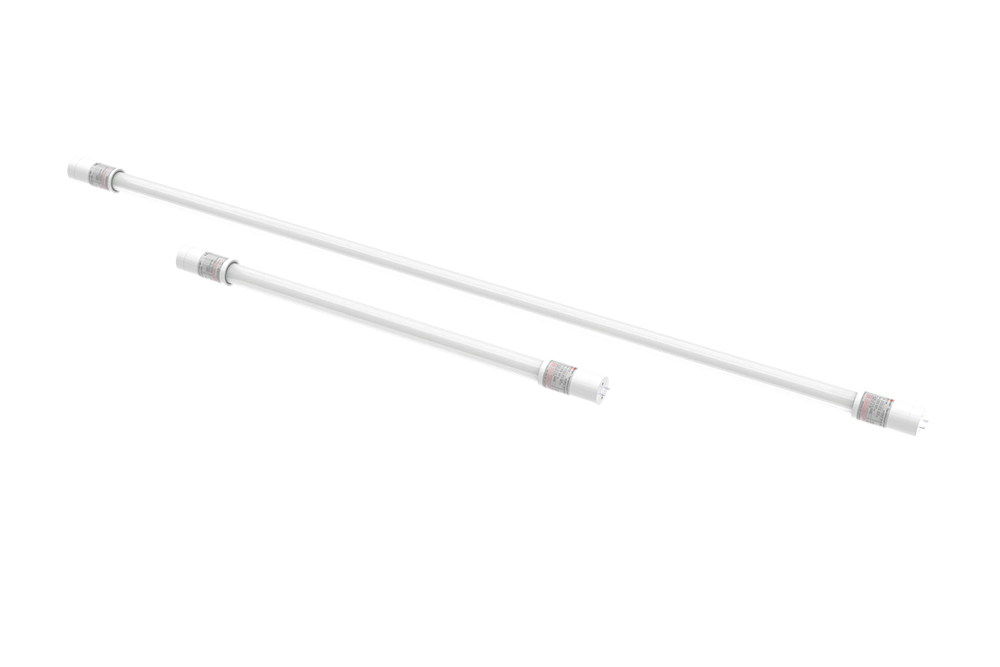
ATEX: Ex II 2G Ex d e IIB T6 Gb ATEX: Ex d e IIB T6 Gb; Feature: ● For Zone 1,2● 9W can replace 18W fluorescent lamps,50% Energy saving Application: Oil and gas, marine, Chemical, pharmaceutical, semiconductor,mining,military industry, paint booth,power plant ETC hazardous area. Technical Specifications: Standards:60079-0, 60079-1, 60079…
ATEX LED lighting designed for hazardous industrial zones. Learn how certified explosion-proof lighting improves safety and efficiency in oil, gas, and chemical facilities.
What Is LED Lighting for Hazardous Areas? Learn how certified explosion-proof LED lighting ensures safety, compliance, and efficiency in hazardous industrial environments. Expert guide from SEEKINGLED.
Discover hazardous area - zone 1 & 2 atex lighting solutions for oil, gas, chemical and industrial facilities. Learn ATEX requirements, Zone classifications, safety standards and expert selection advice from SEEKINGLED.
What are explosion proof lights cast from? Learn the real materials—aluminum alloys, stainless steel, tempered glass—and how they ensure safety in hazardous environments.
 Seeking LED