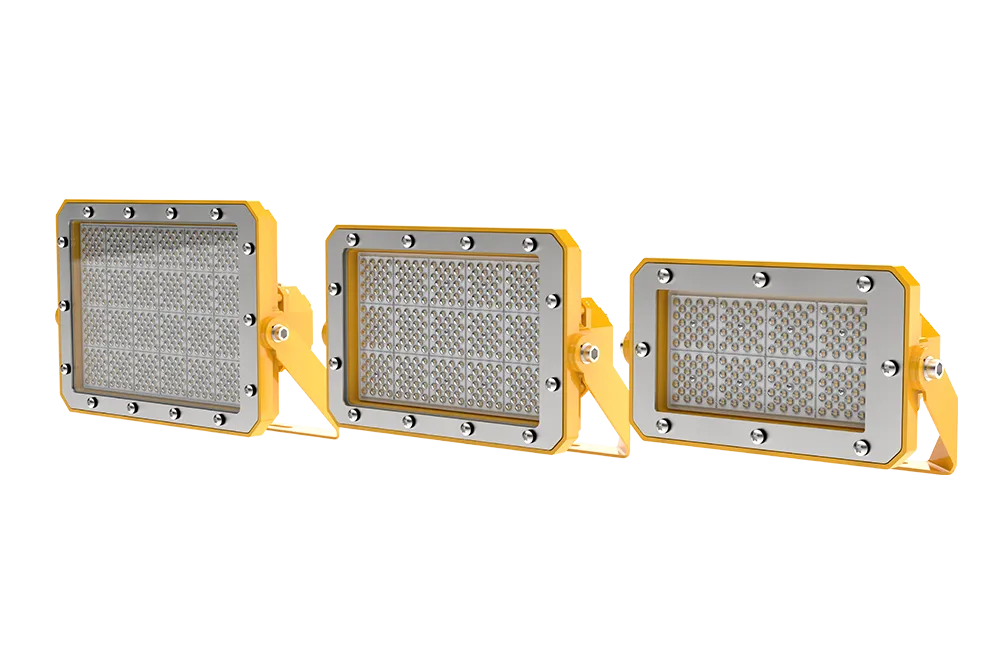
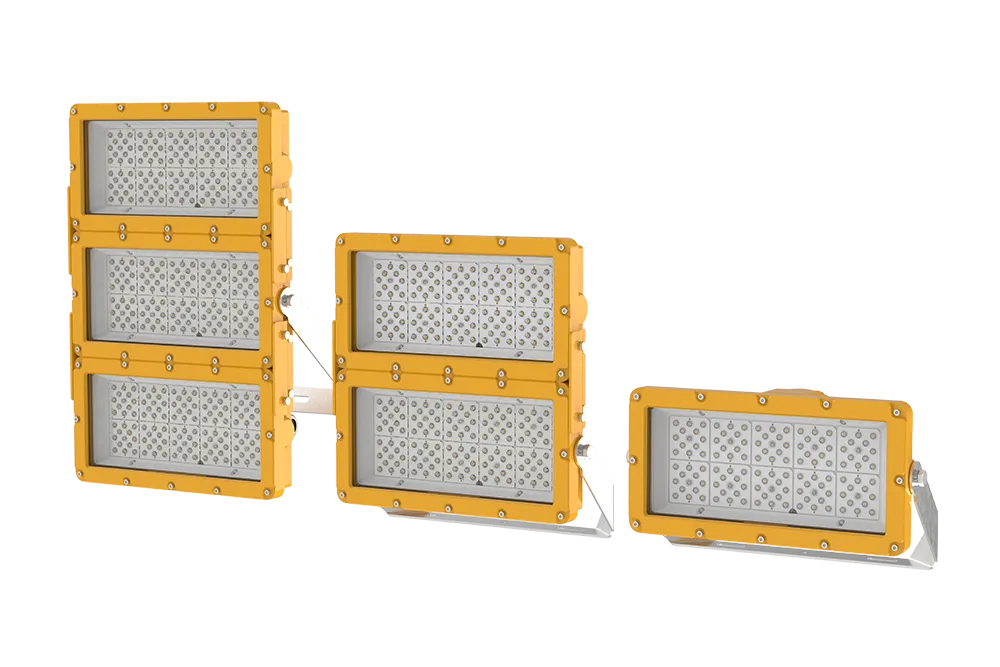
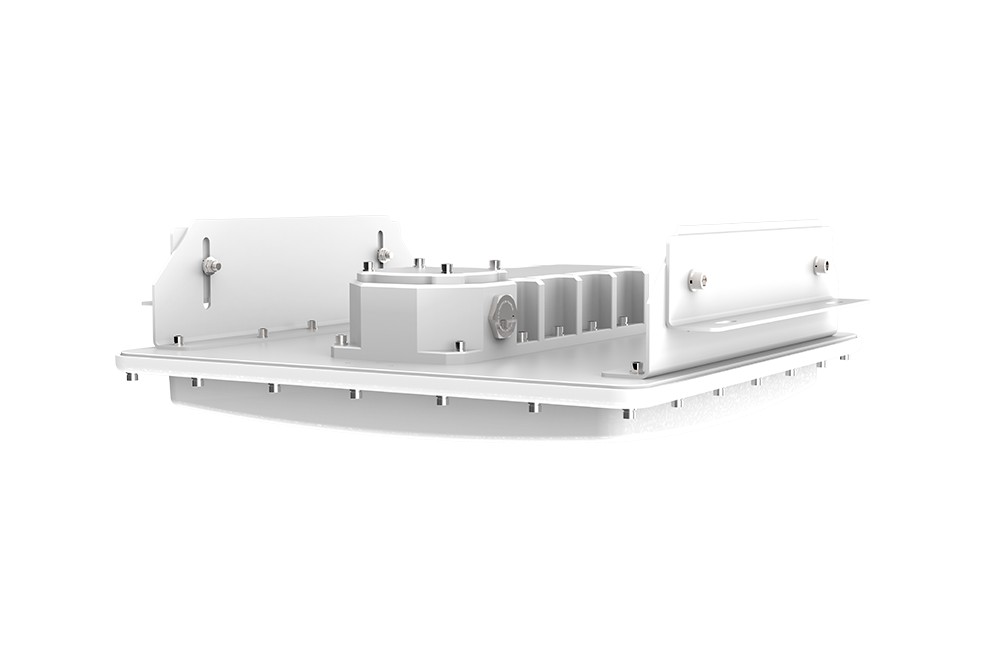
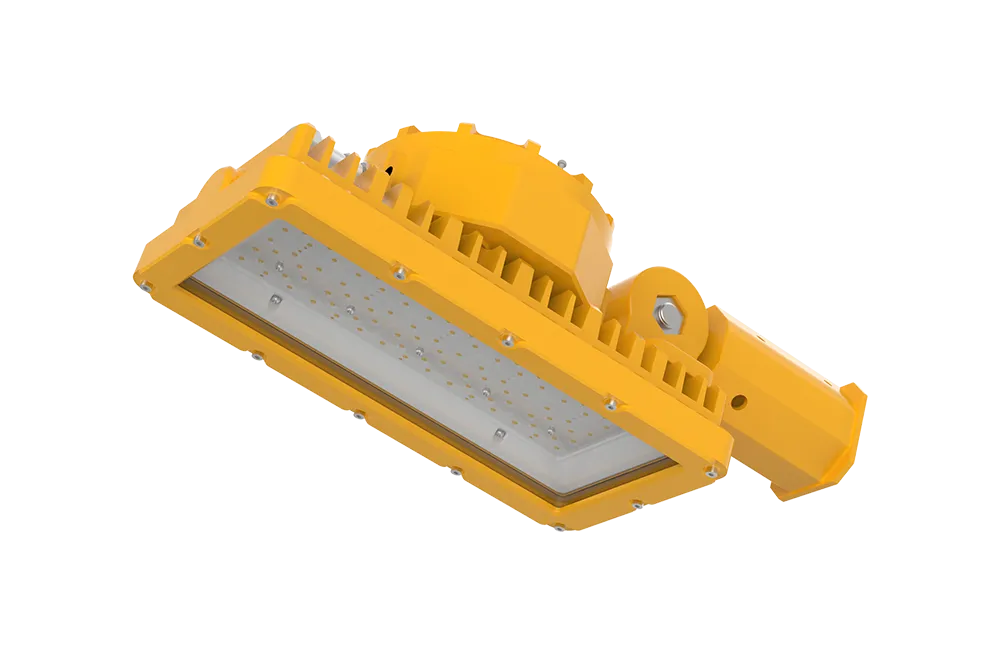
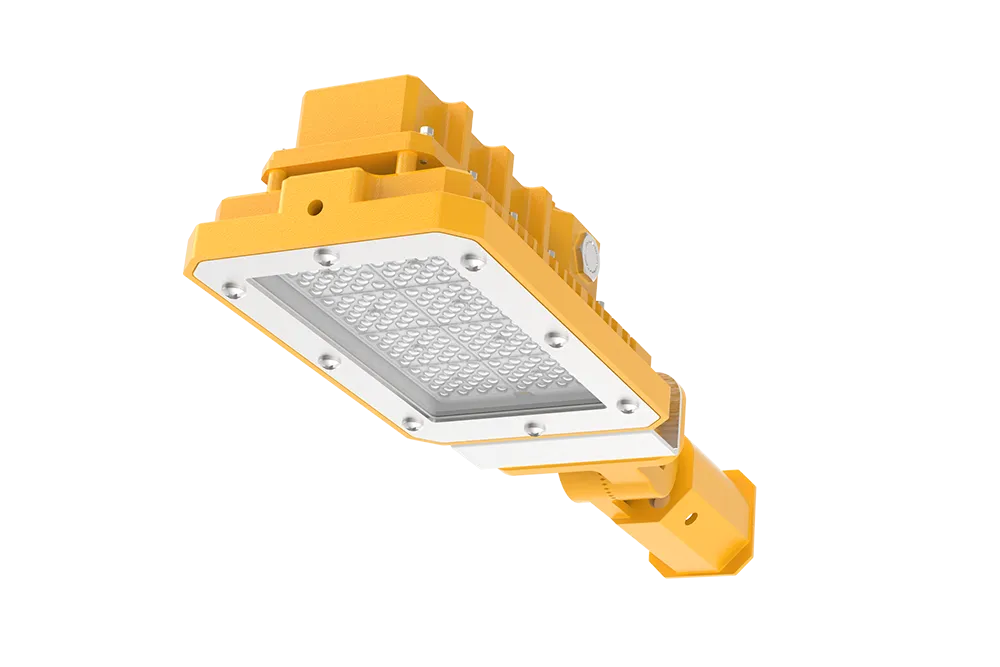
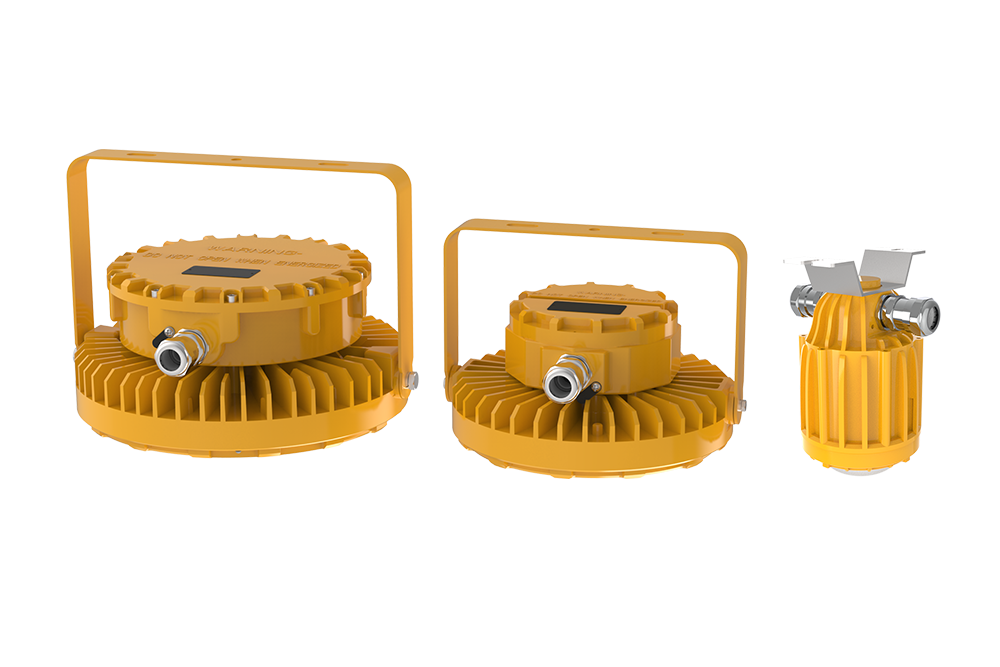
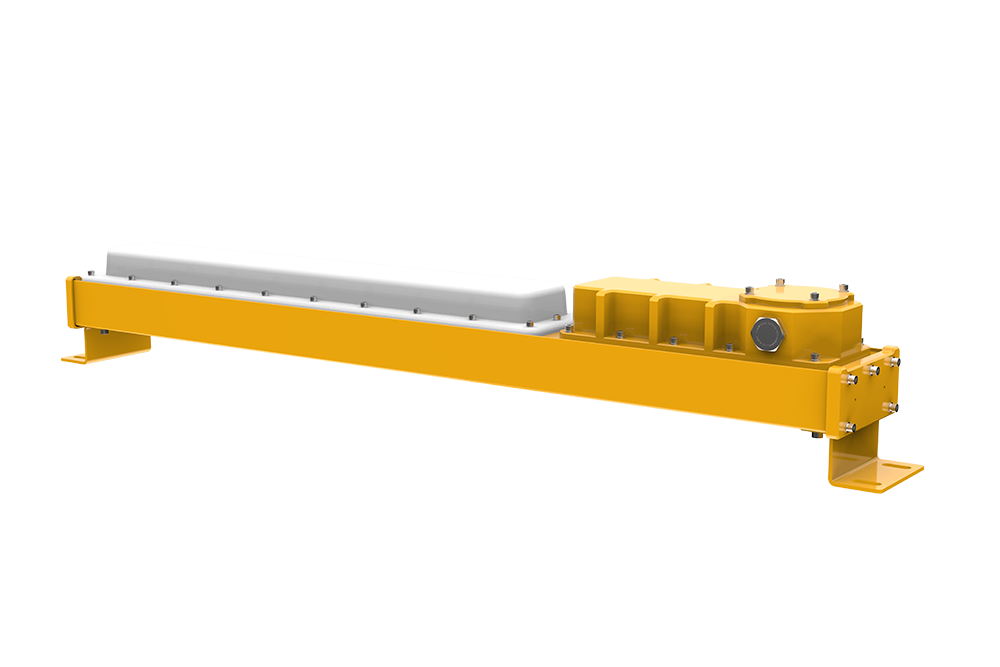
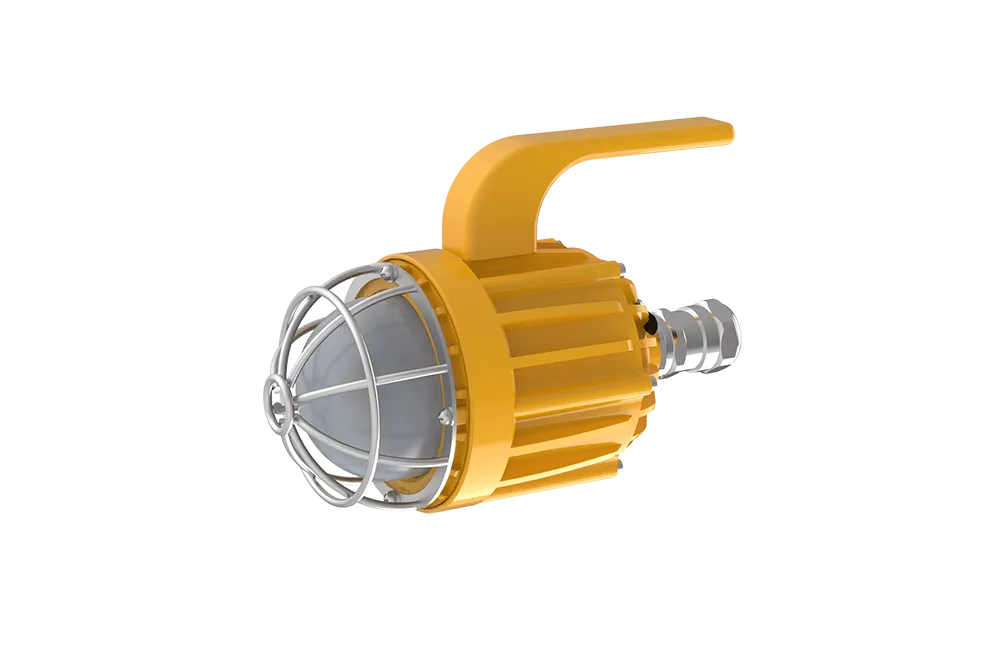
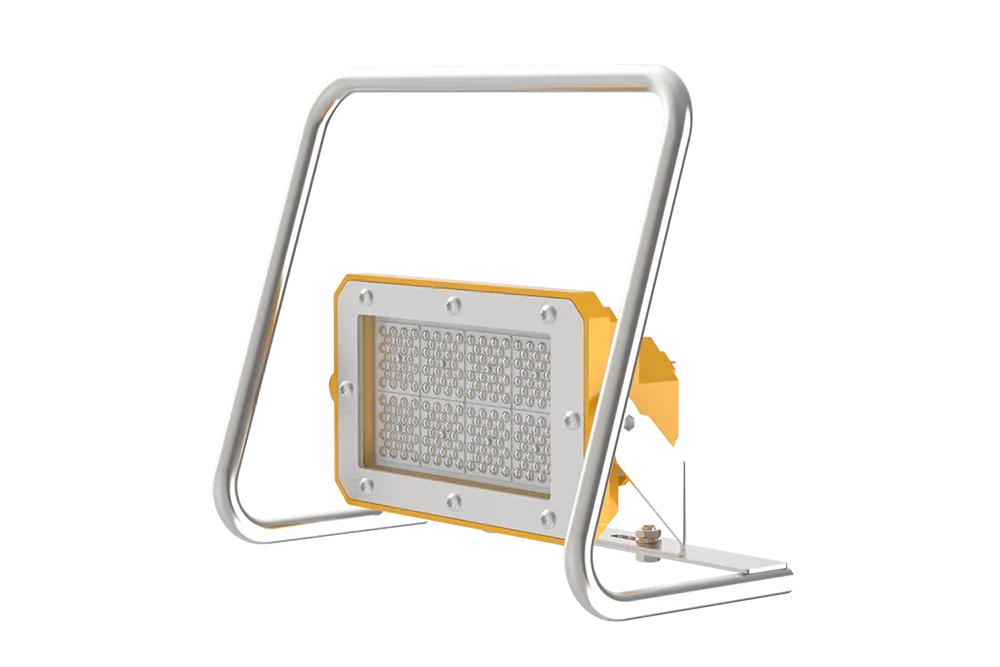
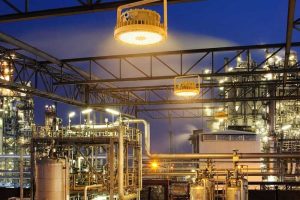
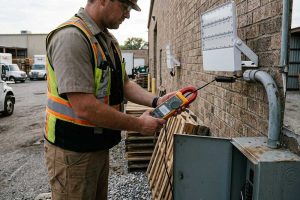
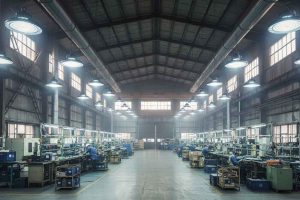
A Zone 1 LED floodlight is a certified hazardous-area lighting fixture designed for locations where explosive gas atmospheres are likely to occur during normal operations. It delivers high-output illumination while preventing the lighting equipment itself from becoming a potential ignition source.
The short answer is simple.
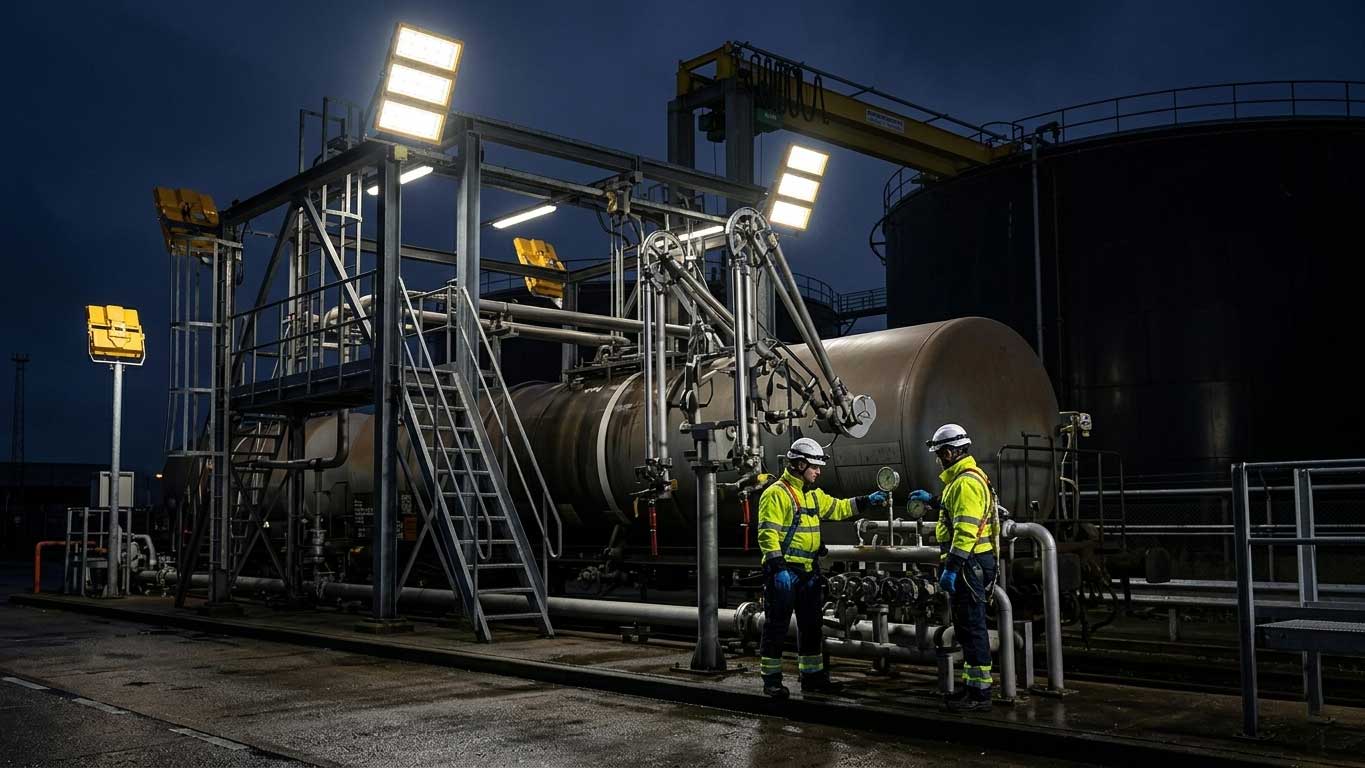
The real answer starts when you stand in a refinery at 2 a.m., with hydrocarbons moving through pipelines around you, and realize that the floodlight overhead is not just providing visibility—it is part of the site’s safety system.
After more than a decade working with hazardous-area lighting projects across oil terminals, chemical processing plants, offshore platforms, and fuel storage facilities, I have learned that most lighting buyers initially focus on brightness. Experienced engineers focus on something else entirely.
They focus on risk.
Why Does Zone 1 Exist?
Many people assume “Zone 1” is a product category.
It isn’t.
Zone 1 is a hazardous area classification.
According to the International Electrotechnical Commission (IEC), a Zone 1 location is an area where an explosive gas atmosphere is likely to occur occasionally during normal operation.
This means flammable gases are not present continuously, but they may appear during routine operating conditions.
Examples include:
Petroleum loading terminals
Refinery process units
LNG facilities
Chemical blending plants
Fuel transfer stations
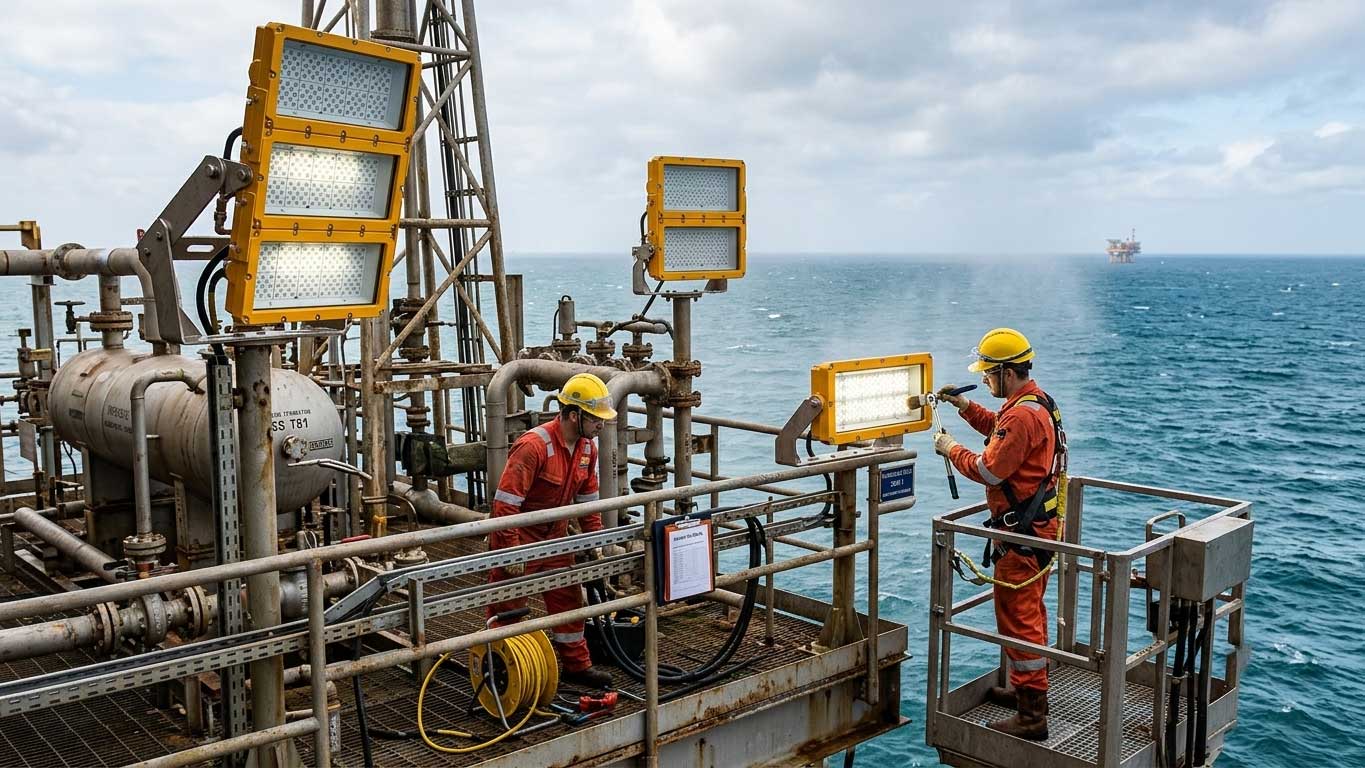
Offshore production platforms
In these environments, conventional lighting may create unacceptable ignition risks.
That is why Zone 1 LED floodlights exist.
The Moment Most People Understand Zone 1 Lighting
Several years ago, I visited a fuel loading facility along a coastal shipping terminal.
The site manager pointed toward a row of floodlights mounted above loading arms.
Nothing unusual at first glance.
Tank trucks moved in and out.
Operators completed routine checks.
Then he asked a simple question:
“If a gas release happened right now, would you trust that light?”
That changed the entire conversation.
Because hazardous-area lighting is not judged by how it performs on normal days.
It is judged by how safely it performs when abnormal conditions occur.
A Zone 1 LED floodlight is designed for exactly that scenario.
What Makes a Zone 1 LED Floodlight Different?
It Is Built Around Ignition Prevention
The engineering objective differs completely from standard industrial lighting.
A conventional floodlight focuses on:
Brightness
Efficiency
Cost
A Zone 1 LED floodlight must also address:
Surface temperature control
Explosion protection
Flame path integrity
Sealed electrical compartments
Hazardous-area certification
The goal is straightforward:
Prevent the fixture from igniting surrounding gases.
Certification Matters More Than Wattage
One mistake I still see is buyers comparing only wattage.
100W.
150W.
200W.
The numbers are easy to compare.
Certification is harder.
Yet certification is what determines whether the product is legally and safely suitable for a Zone 1 environment.
Common certifications include:
ATEX
IECEx
UL844
CSA hazardous location approvals
Without proper certification, brightness becomes irrelevant.
Why LEDs Replaced Traditional Hazardous-Area Floodlights
Fifteen years ago, many hazardous facilities relied on metal halide lighting.
Today, LED technology dominates new projects.
The reasons are practical rather than fashionable.
According to the U.S. Department of Energy, LED systems can significantly reduce energy consumption while offering substantially longer operational life compared with traditional lighting technologies.
A Zone 1 LED floodlight is used to safely illuminate hazardous locations where explosive gas atmospheres may occur during normal operation.
Is a Zone 1 LED floodlight explosion proof?
Many Zone 1 floodlights utilize explosion-proof or flameproof protection methods depending on certification requirements and application needs.
Where are Zone 1 LED floodlights installed?
They are commonly installed in refineries, chemical plants, offshore platforms, LNG facilities, fuel depots, and petrochemical processing areas.
How long does a Zone 1 LED floodlight last?
High-quality industrial LED floodlights are commonly designed for service lives exceeding 50,000 hours under normal operating conditions.
Is ATEX certification required?
For many European hazardous-area installations, ATEX certification is required to demonstrate compliance with applicable regulations.
Final Thoughts
When someone asks, “What is a Zone 1 LED floodlight?” the technical answer is straightforward: it is a certified lighting fixture designed for hazardous gas environments.
The practical answer is different.
A Zone 1 LED floodlight is one of those pieces of equipment operators depend on every day without thinking about it. It quietly delivers visibility, supports inspections, improves safety, and remains compliant in environments where mistakes can carry serious consequences.
That is why selecting the right Zone 1 LED floodlight matters.
SEEKINGLED LED Linear Explosion Proof Light and Explosion Proof lighting is ATEX and IECEx certified for Zone 1, Zone 2, Zone 21 and Zone 22 hazardous locations, built for long-term industrial use.
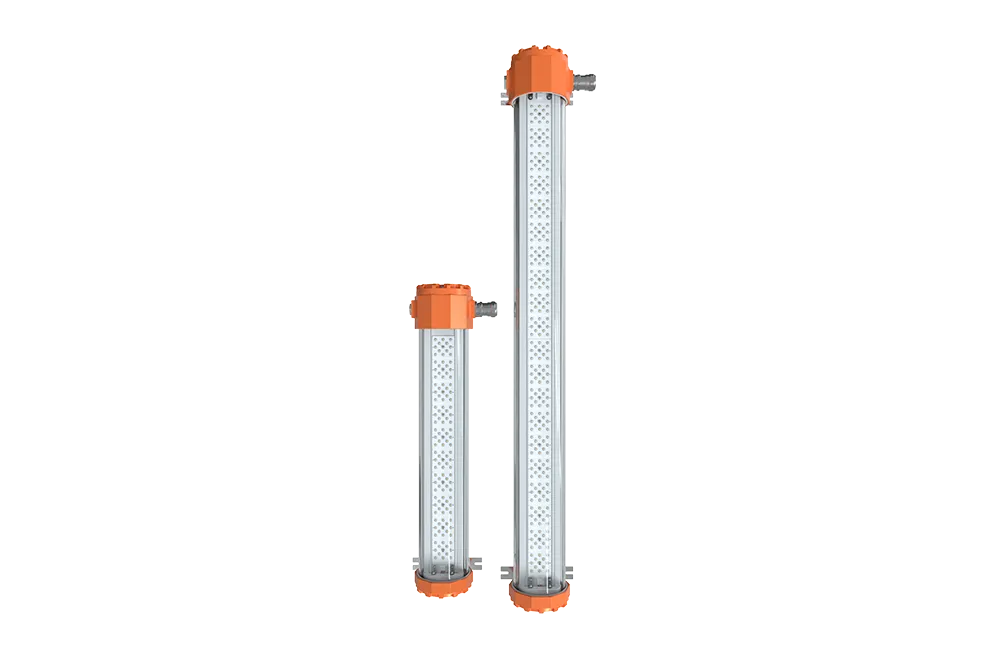
LED Linear Explosion Proof Lights and EX Proof lights for Zone 1, Zone 2, Zone 21 and Zone 22 hazardous areas. ATEX & IECEx certified explosion proof LED linear lighting with emergency function, adjustable power and IP67 protection by SEEKINGLED.
SEEKINGLED LED Explosion Proof Flood Lights are ATEX certified for Zone 2 and Zone 22 hazardous areas, offering high efficiency, adjustable power and integrated junction box.
SEEKINGLED LED Explosion Proof Flood Lights are flameproof ATEX and IECEx certified for Zone 1 and Zone 2 hazardous areas, offering high power, adjustable output and long service life.
SEEKINGLED LED Gas Station Canopy Lights are ATEX certified for Zone 2 and Zone 22 hazardous areas, featuring adjustable power and built-in explosion-proof junction box.
ATEX: Ex II 2G Ex db IIB T6/T5 GbEx II 2D Ex tb IIIC T80°C/ T95°C Db IECEx Ex db IIB T6 Gb;Ex tb IIIC T80°C Db Feature: ● For Zone 1,2 and Zone 21,22● Flameproof type, the strongest● 100W can replace 250W HID,energy saving● Power:60W,80W,100W Application: Oil and gas, marine, Chemical, pharmaceutical, semiconductor,mining,military industr…
ATEX: II 3G Ex nR ⅡC T5/T6 GcII 3D Ex tc ⅢC T80℃/T95℃Dc ATEX Certificate NO: TÜV CY 26 ATEX 0207611 X Feature: ● For Zone 2 and Zone 22● 150W can replace 250W HID lamps,Energy saving● Power:50W,75W,100W,150W,200W Application: Oil and gas, marine, Chemical, pharmaceutical, semiconductor,mining,military industry, paint booth,power plant ETC…
LED explosion proof high bay lights are designed for Zone 1, Zone 2, Zone 21 and Zone 22 hazardous areas. This page introduces the HB21 Series from SEEKING, including certifications, power options and real application considerations.
LED Linear Explosion Proof Lights from SEEKINGLED. LU Series Flame Proof lights ATEX-certified explosion proof LED linear lighting for Zone 2 gas and Zone 22 dust areas, IP69K, IK10, long lifetime and flexible power options.
Certified explosion proof work lights for Zone 1 & 21 hazardous areas. Portable, ATEX & IECEx approved, built for oil, gas and chemical plants by SEEKINGLED.
ATEX: II 3G Ex nR ⅡC T6 GcII 3D Ex tc ⅢC T80℃ Dc ATEX Certificate NO: TÜV CY 26 ATEX 0207611 X Feature: ● For Zone 2 and Zone 22● Accepts battery-powered supply● indestructible● Power:AC input:50W,75W,100WDC input:15W,25W,35W Application: Oil and gas, marine, Chemical, pharmaceutical, semiconductor,mining,military industry, paint booth,po…
ATEX: Ex II 2G Ex db IIB T6 GbEx II 2D Ex tb IIIC T80°C Db IECEx Ex db IIB T6 Gb;Ex tb IIIC T80°C Db Feature: ● For Zone 1,2 and Zone 21,22● Flameproof type, the strongest Application: Oil and gas, marine, Chemical, pharmaceutical, semiconductor,mining,military industry, paint booth,power plant ETC hazardous area. Technical Specifications:…
ATEX: Ex II 2G Ex db IIB T6 GbEx II 2D Ex tb IIIC T80°C Db IECEx Ex db IIB T6 Gb;Ex tb IIIC T80°C Db Feature: ● For Zone 1,2 and Zone 21,22● Flameproof type, the strongest Application: Oil and gas, marine, Chemical, pharmaceutical, semiconductor,mining,military industry, paint booth,power plant ETC hazardous area. Technical Specifications:…
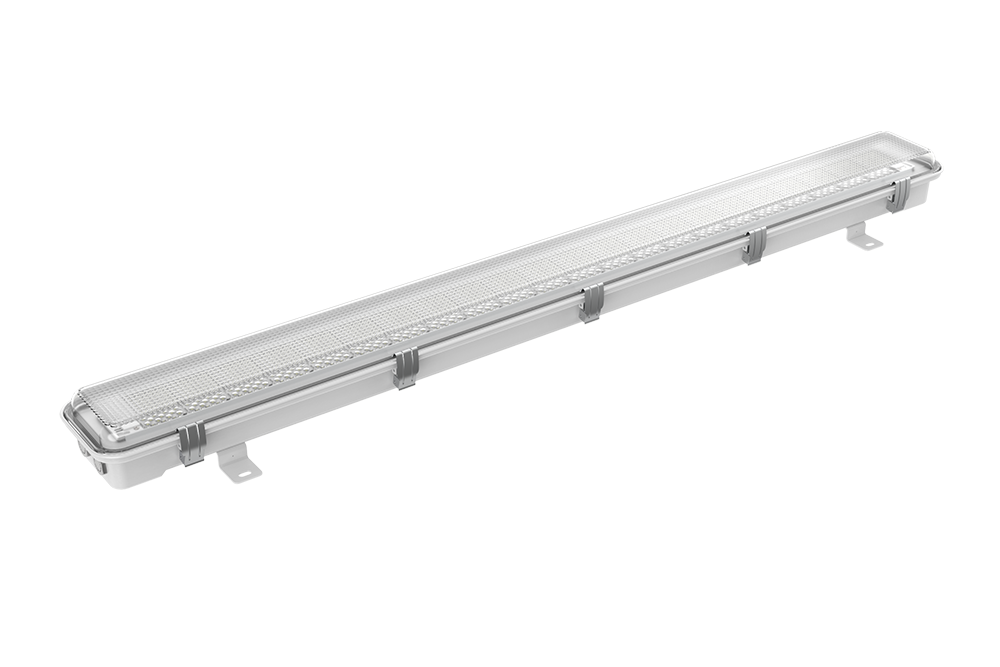
ATEX: Ex II 2G Ex d e IIB T6 Gb ATEX: Ex d e IIB T6 Gb; Feature: ● For Zone 1,2● 9W can replace 18W fluorescent lamps,50% Energy saving Application: Oil and gas, marine, Chemical, pharmaceutical, semiconductor,mining,military industry, paint booth,power plant ETC hazardous area. Technical Specifications: Standards:60079-0, 60079-1, 60079…
What is an explosion-proof high bay light fixture? Learn how it works, where it is used, and why certified explosion-proof high bay lighting is essential for hazardous industrial areas.
how many amps does a 200 watt led light draw in real installations? Discover the current draw at 120V and 240V, practical load calculations, and electrical tips from SEEKINGLED.
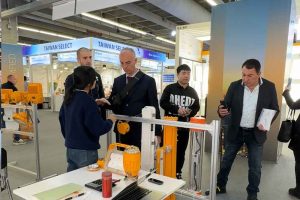
Today, March 9th, our Explosion proof light products are once again the center of attention, drawing huge crowds of buyers who keep stopping by to inspect, take photos, and discuss!Especially the LO Series and BAY51 Series explosion proof linear l...
 Seeking LED