 Seeking LED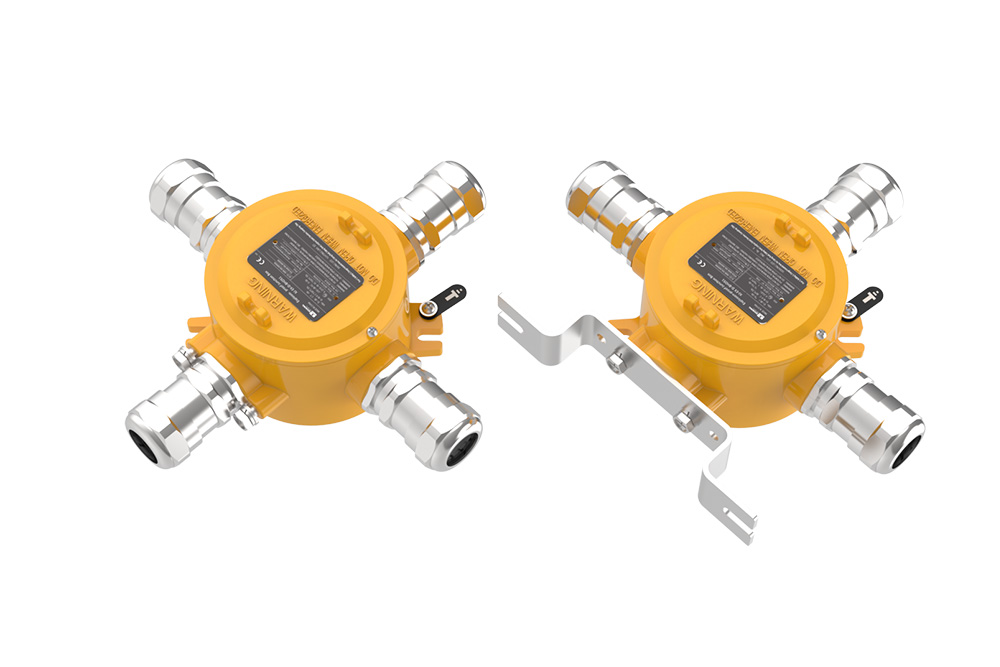
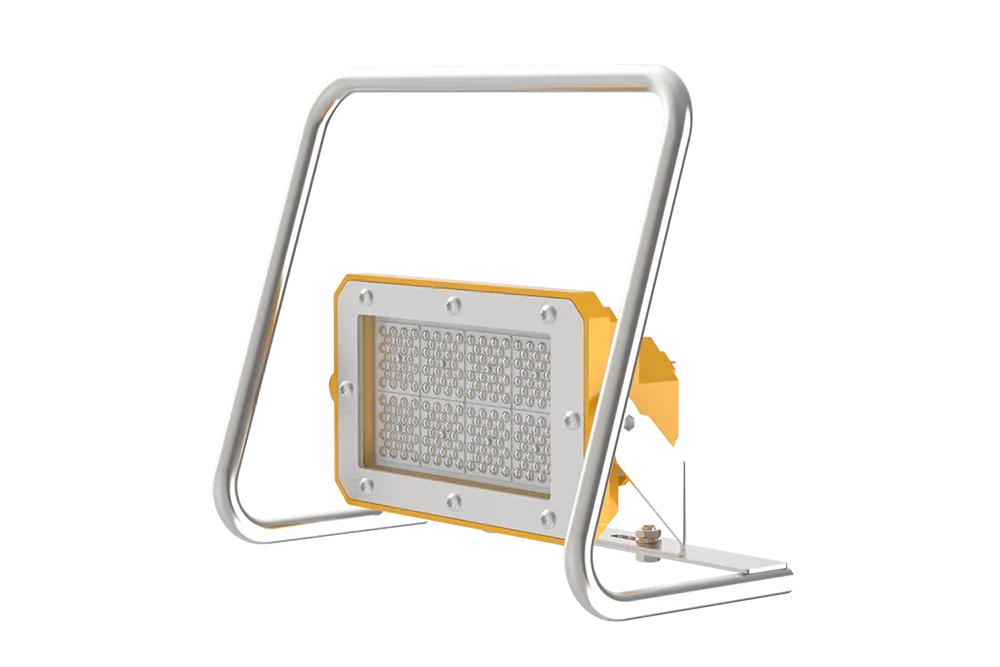
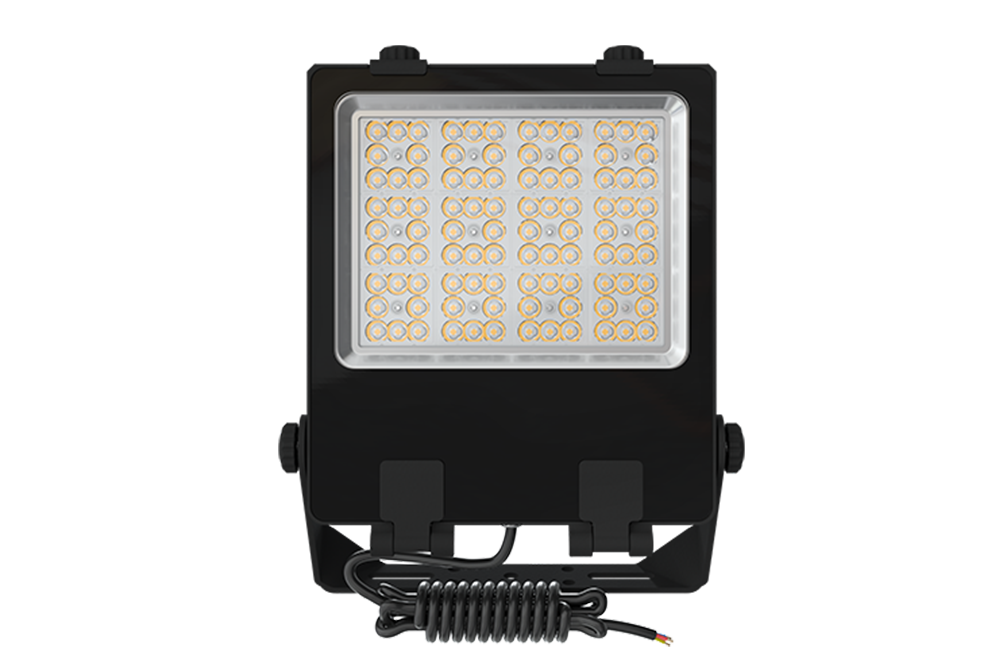
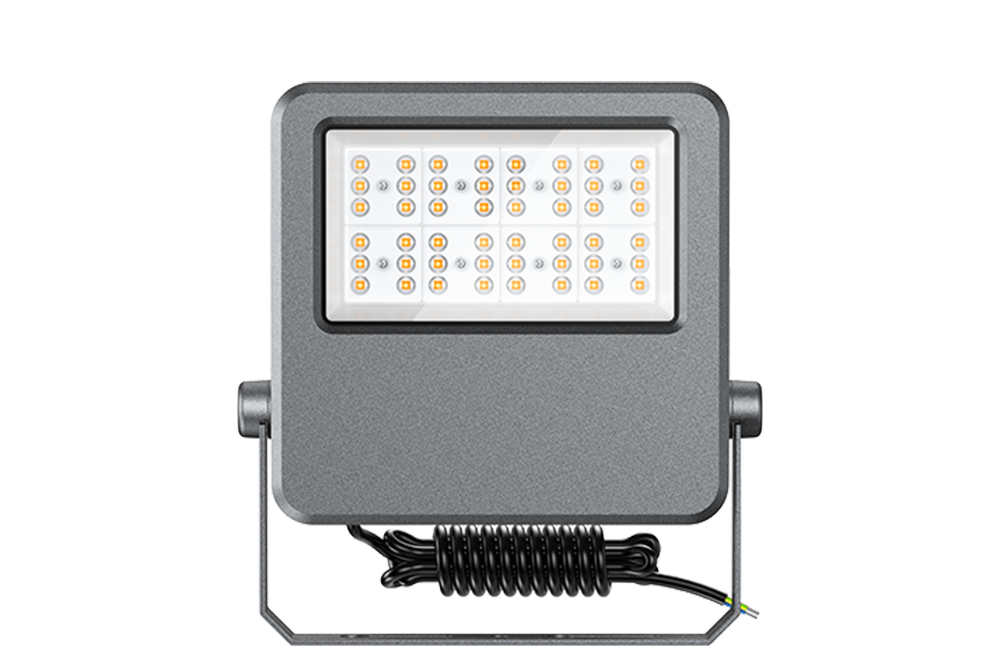
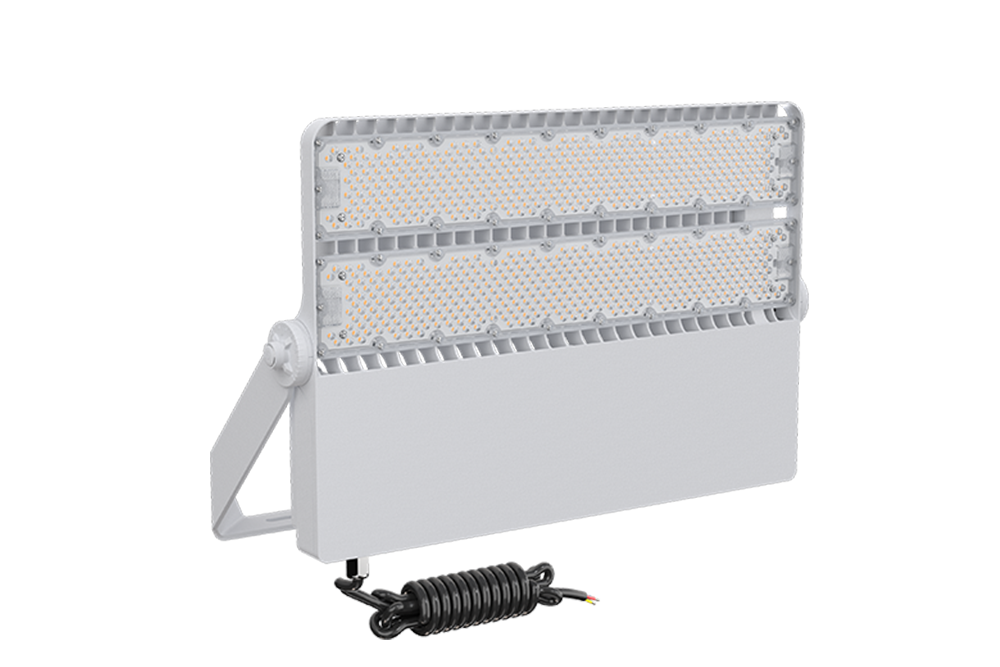
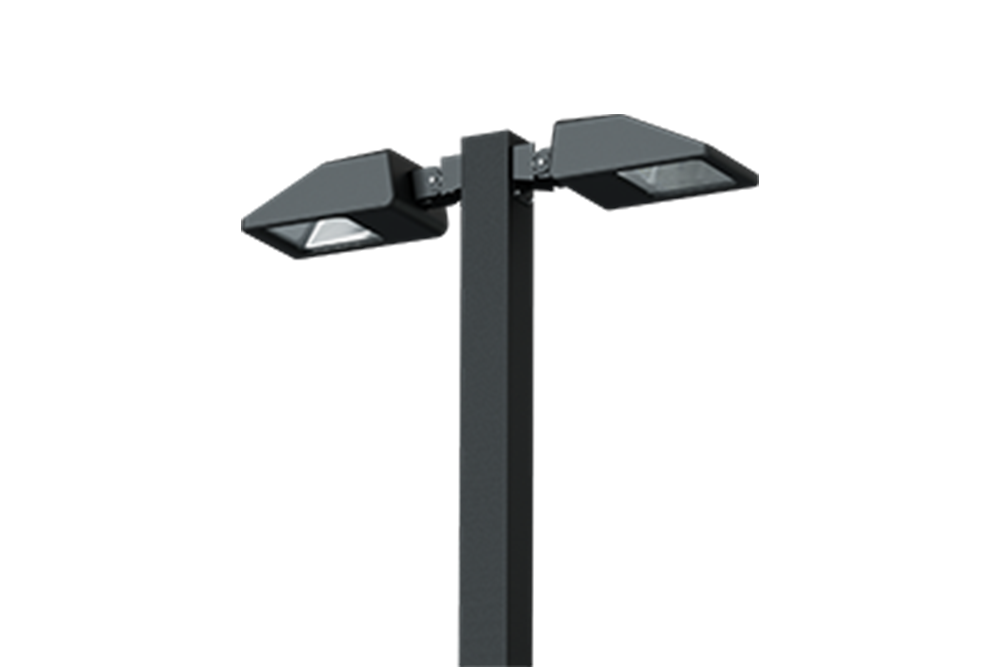
12 Volt DC LED Flood Lights: Where Low Voltage Actually Makes More Sense
6612 volt dc led flood lights offer safe, efficient low-voltage lighting. Explore real-world use cases, performance data, and expert installation insights.
View detailsSearch the whole station
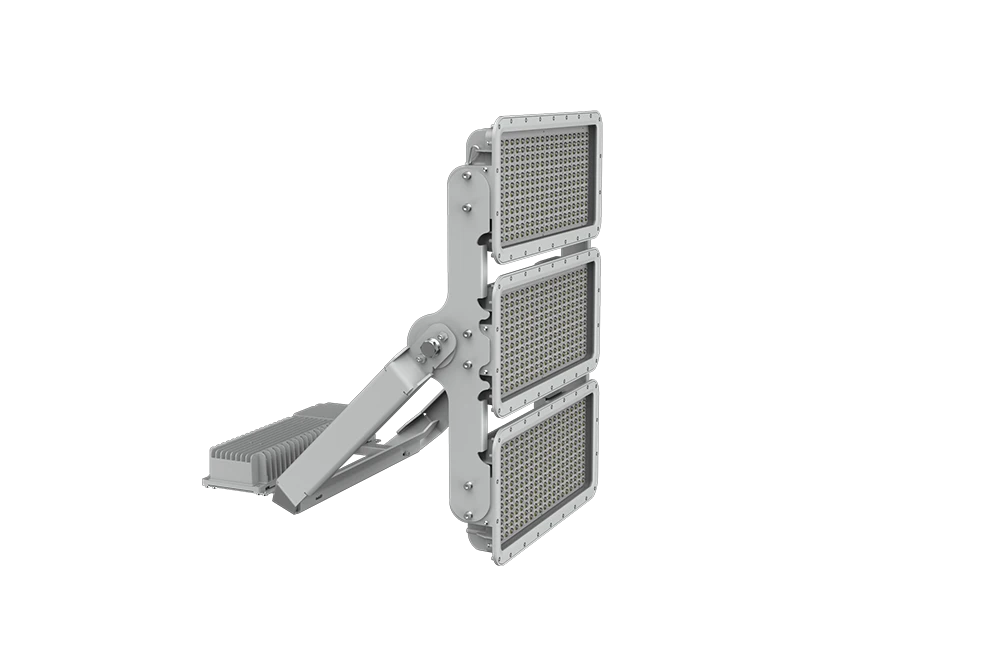
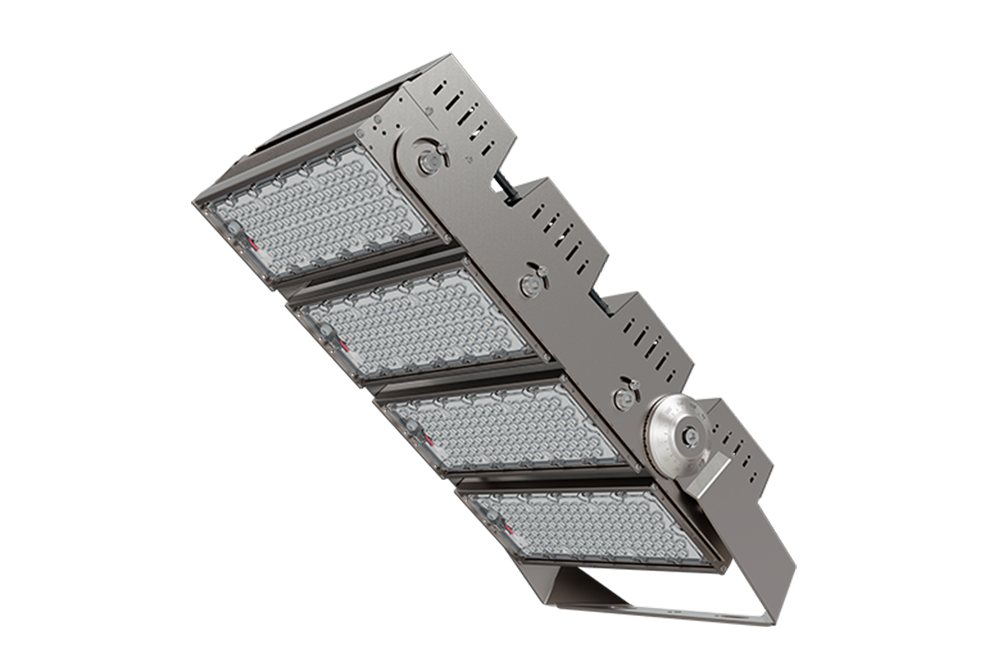
When people talk about LED lighting, stadiums often come first. High poles, powerful LED Flood Light systems, broadcast-level illumination. From an engineering perspective, however, stadiums are only one part of the picture. In real projects, LED lighting applications extend far beyond sports venues, and many of the technical decisions are shaped by daily operation rather than visual impact alone.
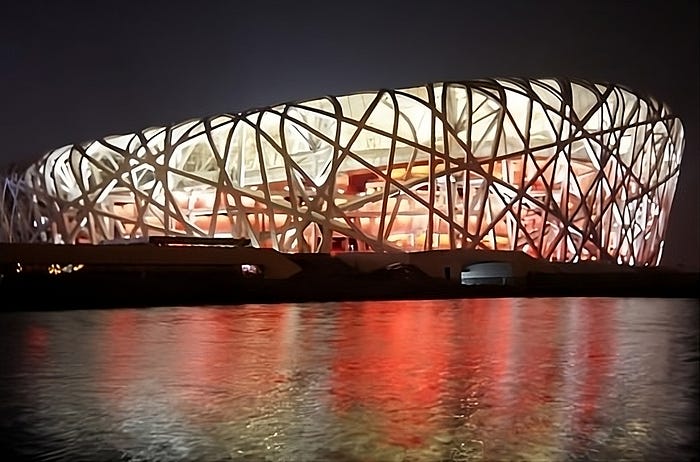
From factories and warehouses to public roads, gardens, and industrial zones, the core value of LED lighting lies in adaptability. Different venues ask different questions: how wide should the beam be, how stable is the output, how often will maintenance teams access the fixture. These are the details engineers spend time on.
Color temperature is usually one of the first parameters discussed. In Sports Stadium LED Lighting, higher color temperatures are often selected to keep visibility sharp for players, cameras, and spectators. In contrast, areas like pedestrian zones, parks, or residential surroundings often benefit from warmer tones to reduce glare and visual fatigue. LED technology allows these adjustments without redesigning the entire system, which is one reason it has replaced traditional light sources so quickly.
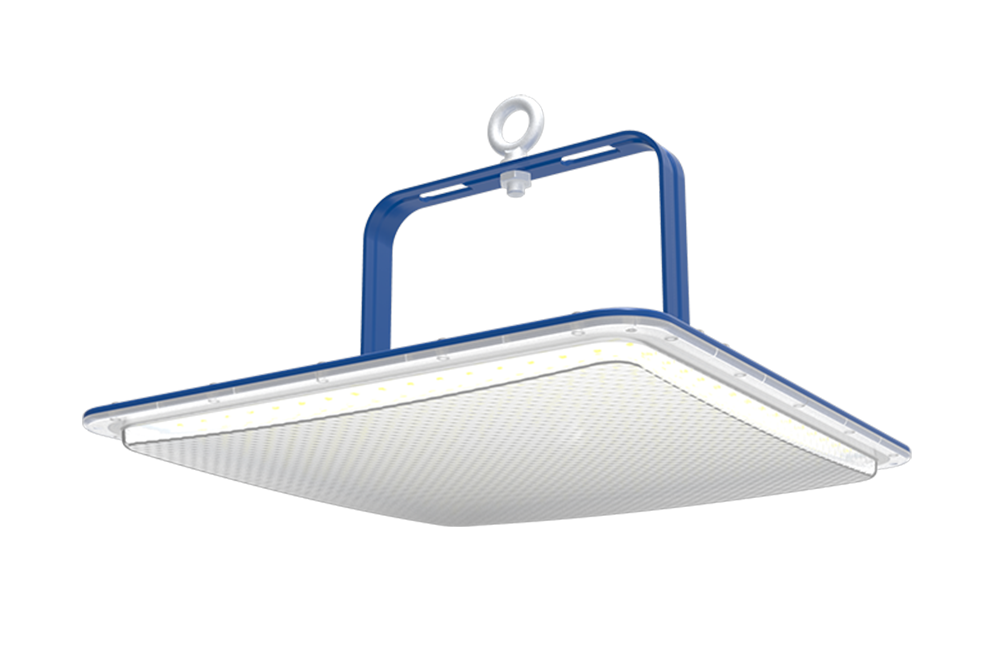
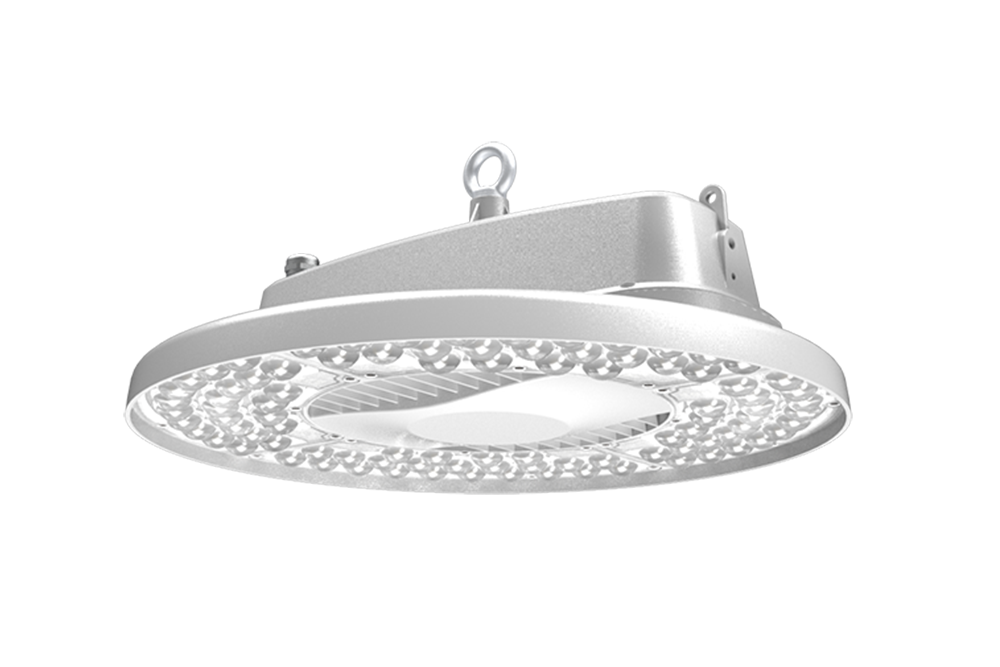
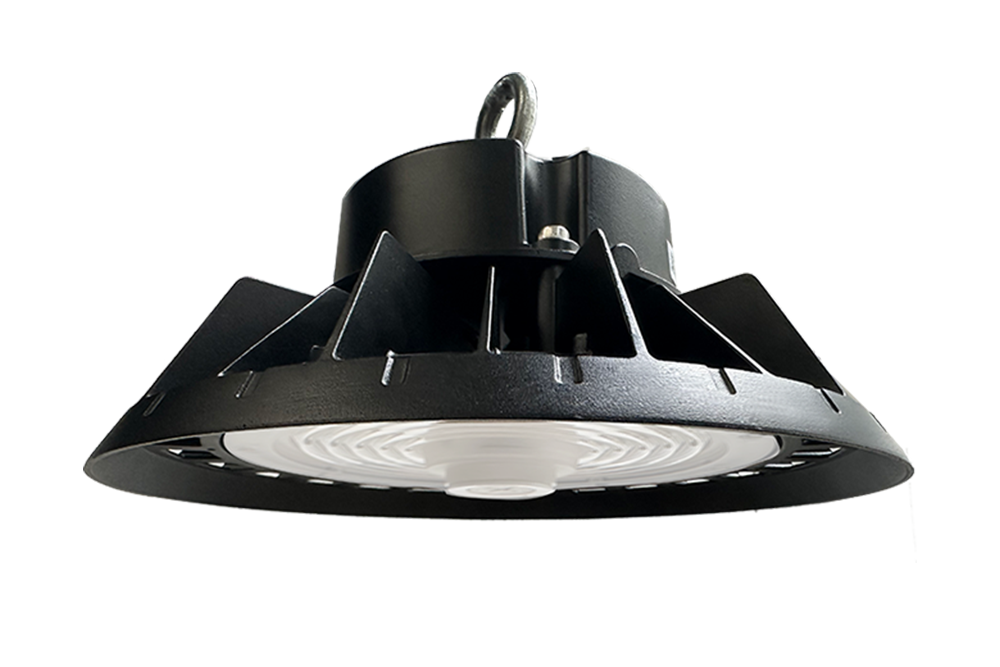
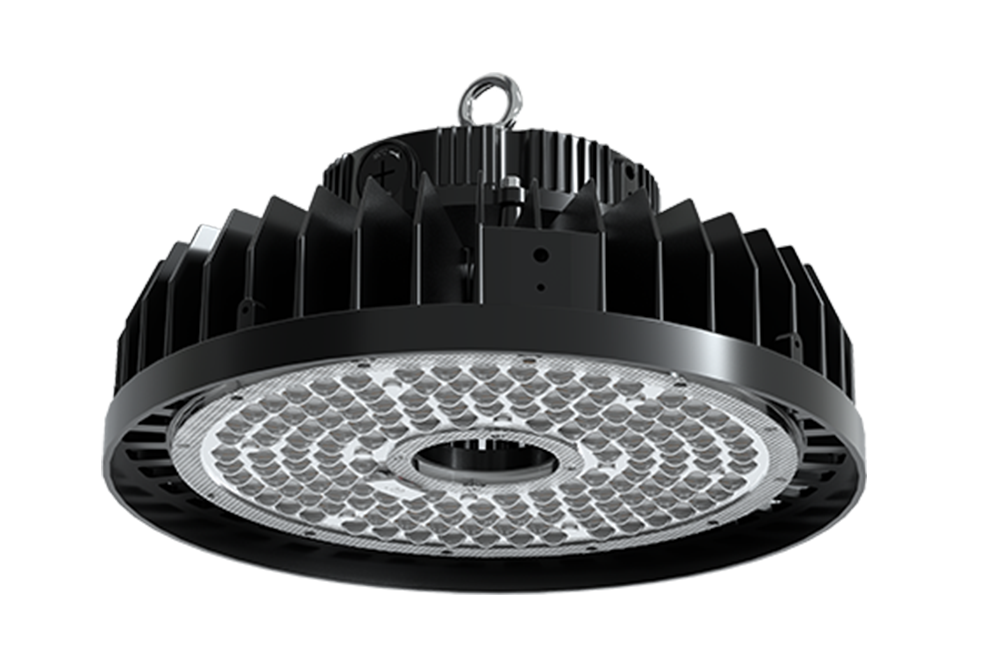
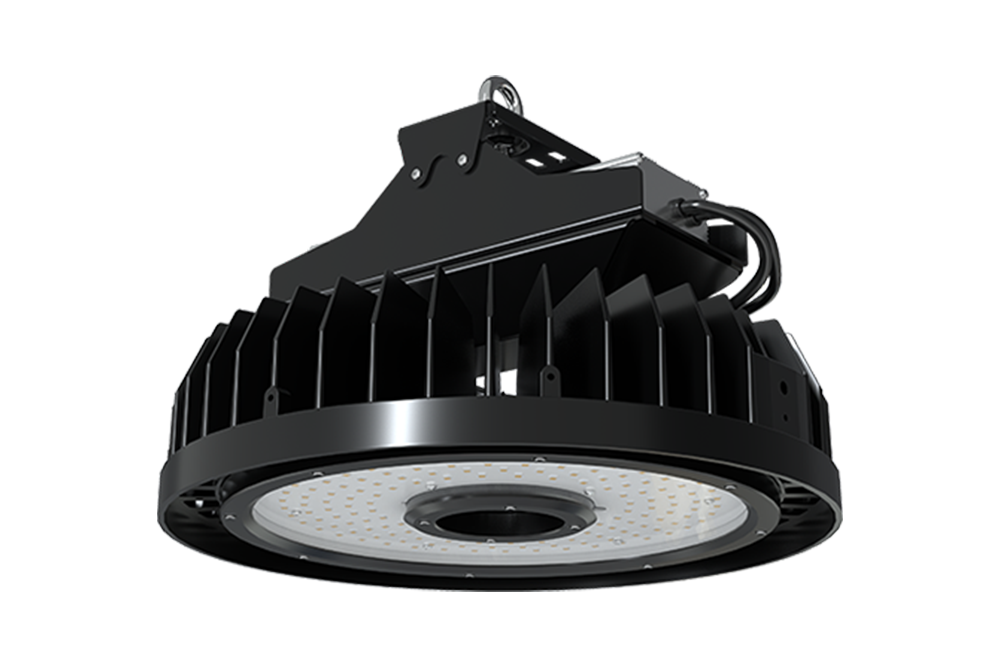
Beam angle becomes even more critical once you leave the stadium environment. In open yards or logistics centers using LED High Bay Light systems, uniform coverage is more important than visual drama. Narrow beams might work for highlighting, but wide and controlled distributions reduce shadow zones and improve working comfort. In road projects, LED Street Light optics must balance forward throw and spill control, especially where pedestrian safety and light pollution regulations overlap.
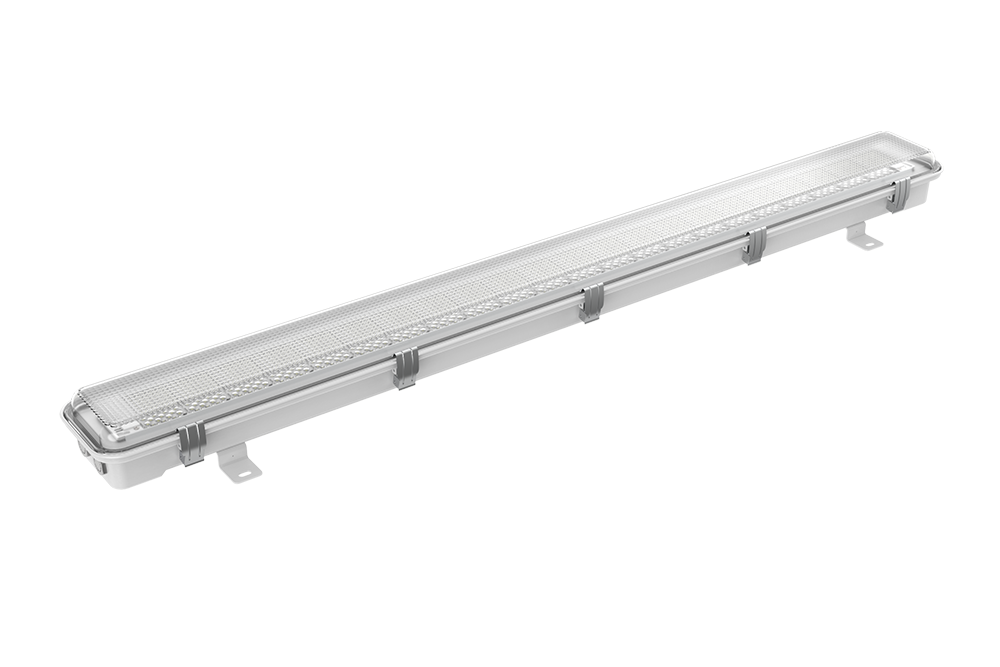
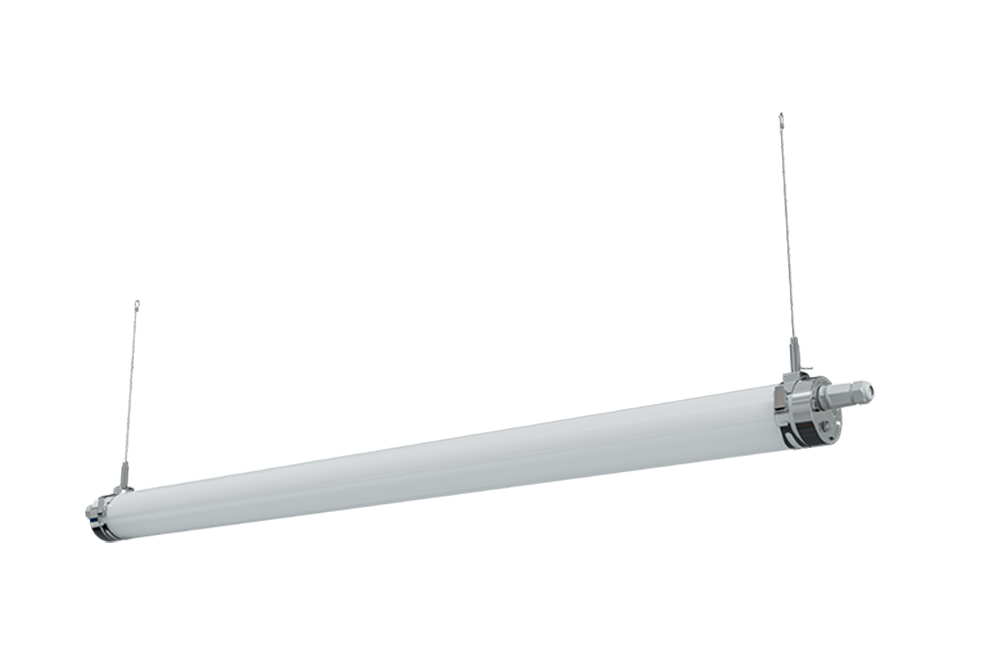
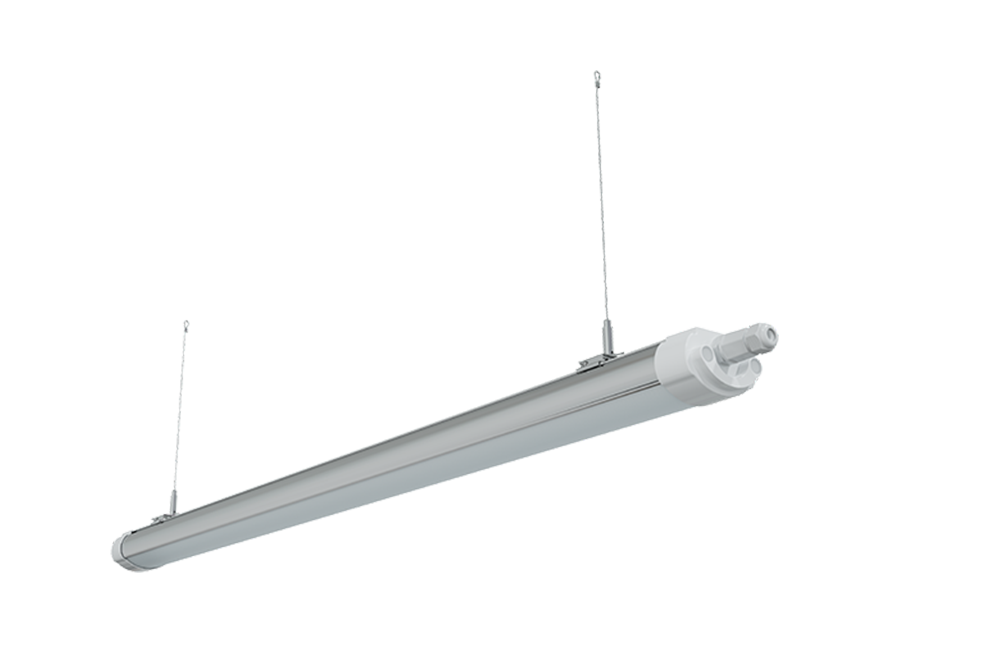
Outdoor environments introduce additional challenges. Weather exposure, vibration, and dust all influence fixture choice. Garden Lights LED systems may look decorative, but from an engineering standpoint, sealing, drainage, and long-term material stability matter more than shape. The same applies to LED Tri-proof Lamp installations in corridors, parking structures, or service tunnels, where moisture and cleaning routines are part of daily operation.
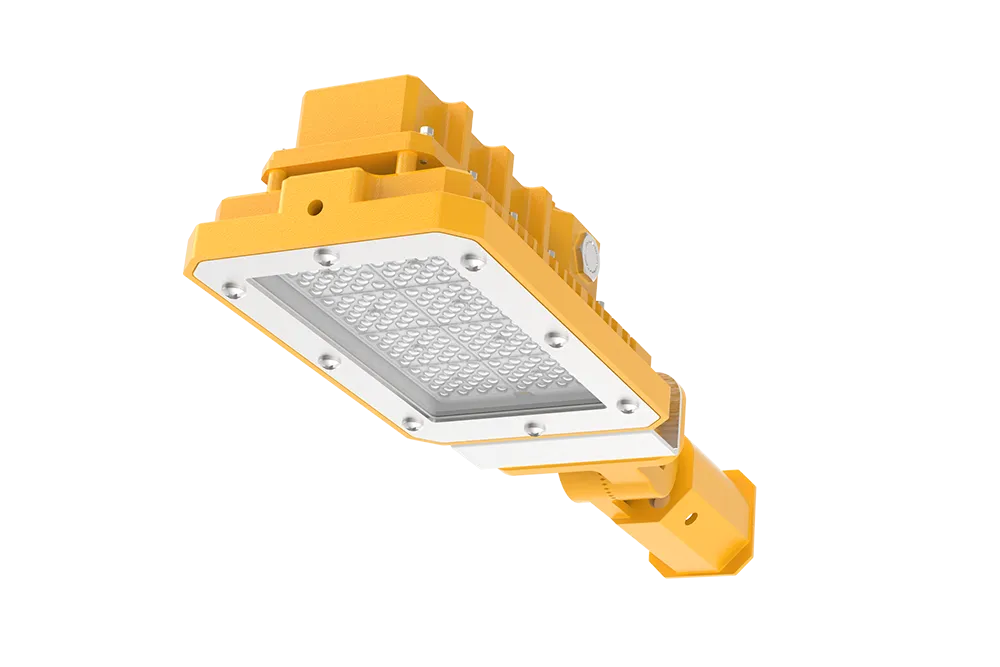
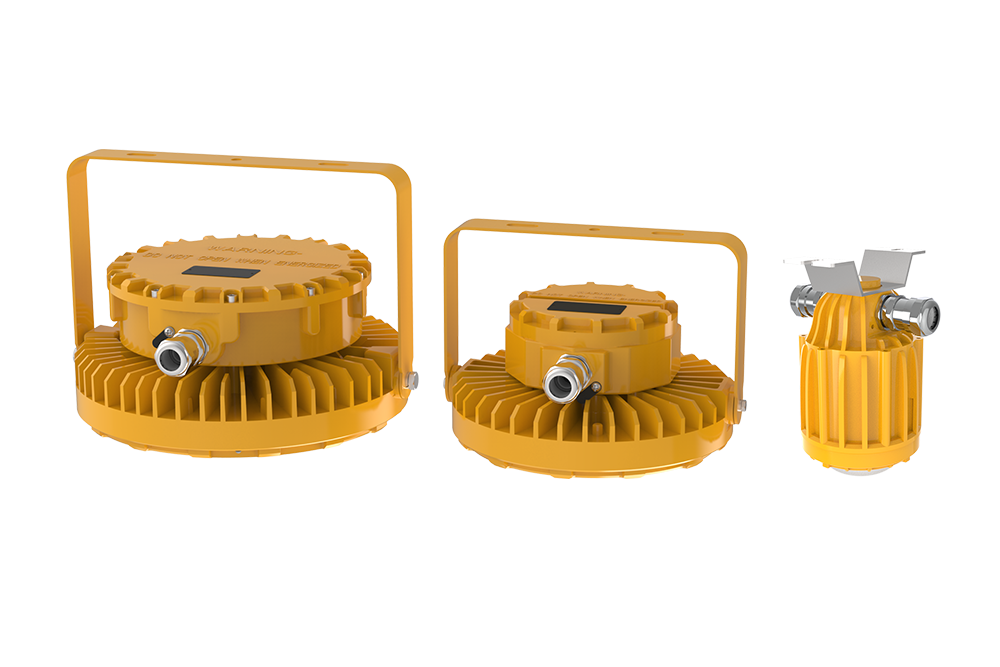
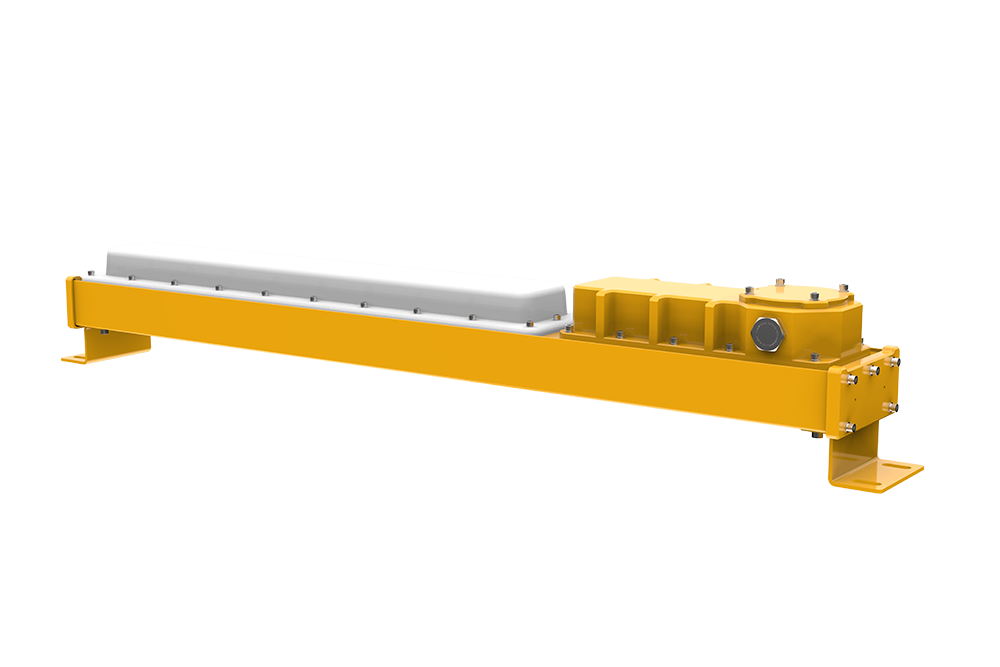
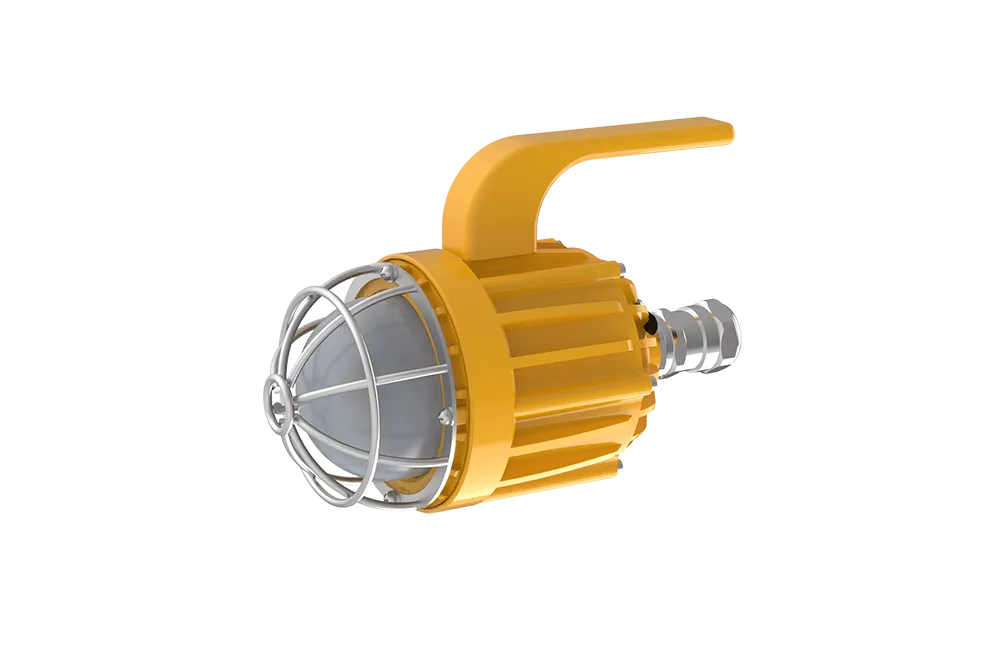
Industrial sites add another layer. In chemical plants or processing facilities, Explosion Proof Light solutions are required, not optional. These fixtures are selected less for efficiency and more for compliance, safety margins, and mechanical strength. Even so, LED technology has improved these applications by reducing heat buildup and extending maintenance intervals.
One practical advantage of LED systems across all these venues is control. Dimming, zoning, and timing are no longer complex add-ons. Whether it’s a stadium, a warehouse, or a street project, lighting can respond to real usage instead of fixed schedules. This reduces energy waste and extends system life, something project owners increasingly ask about.
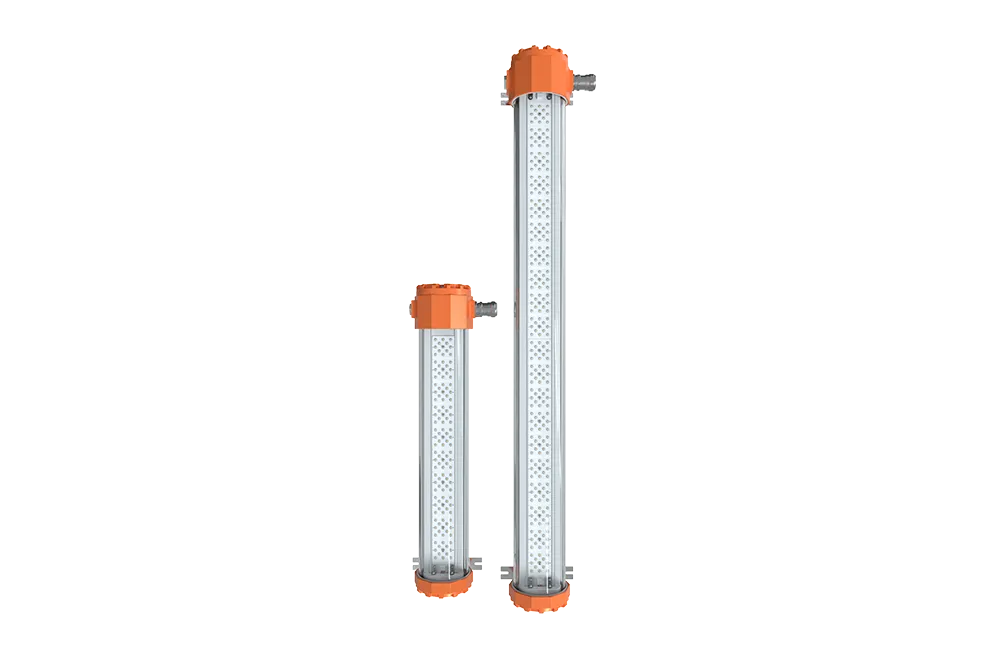
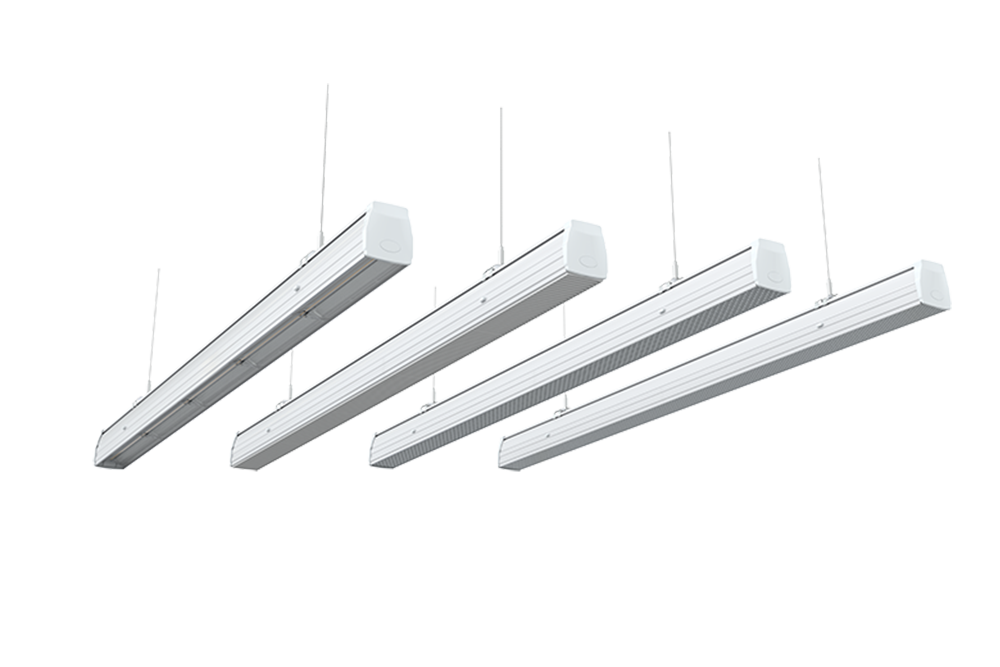
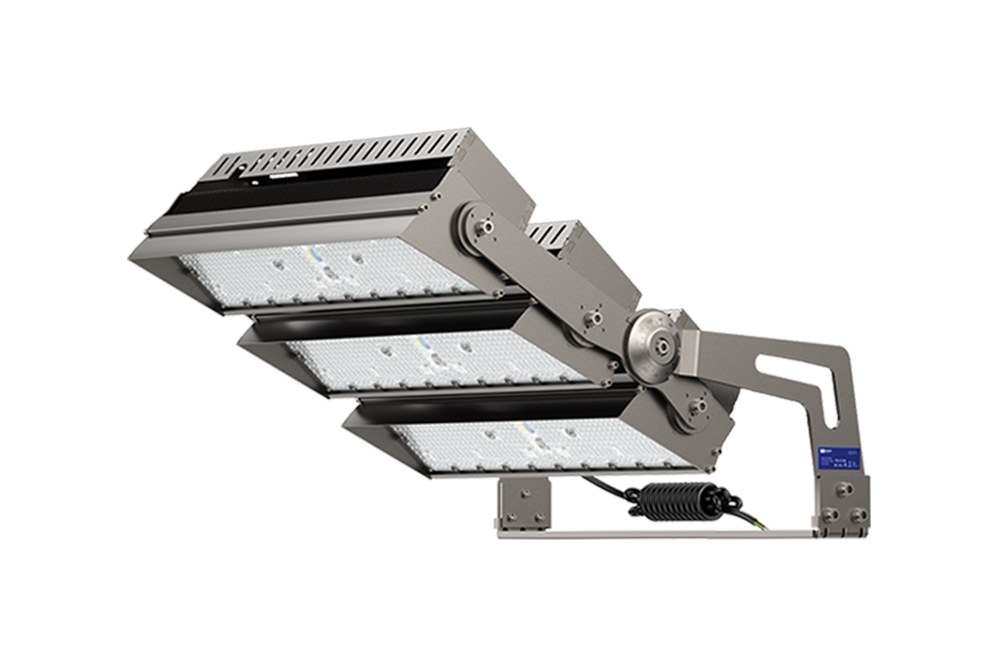
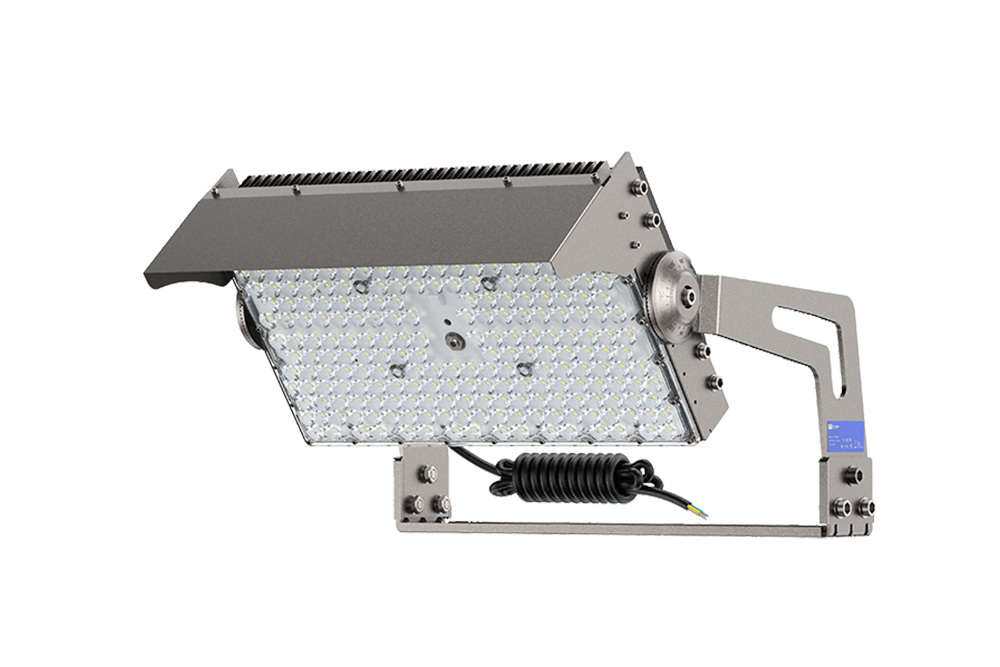
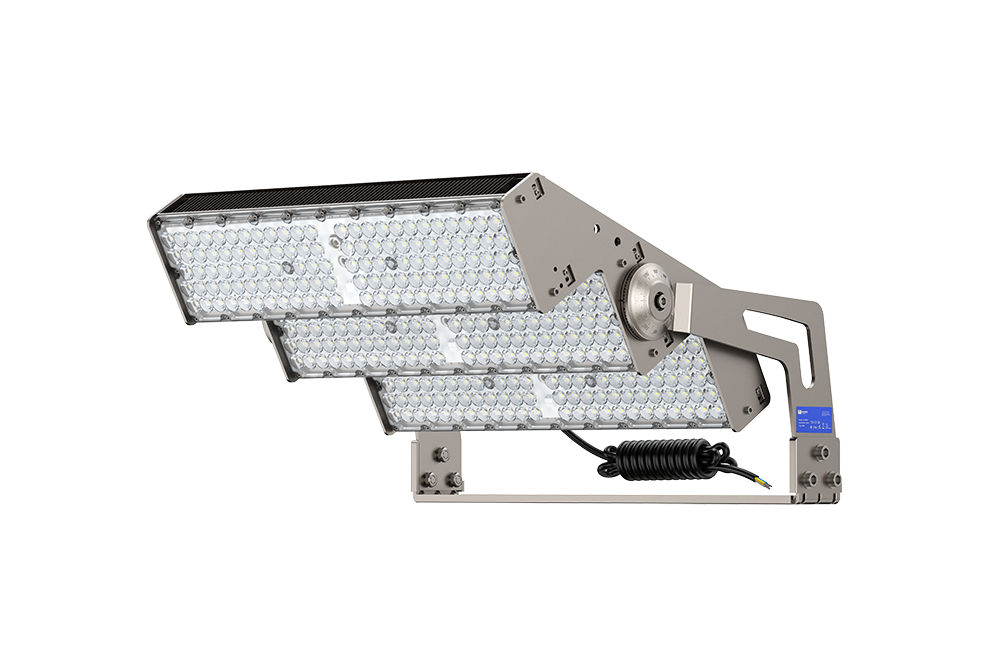
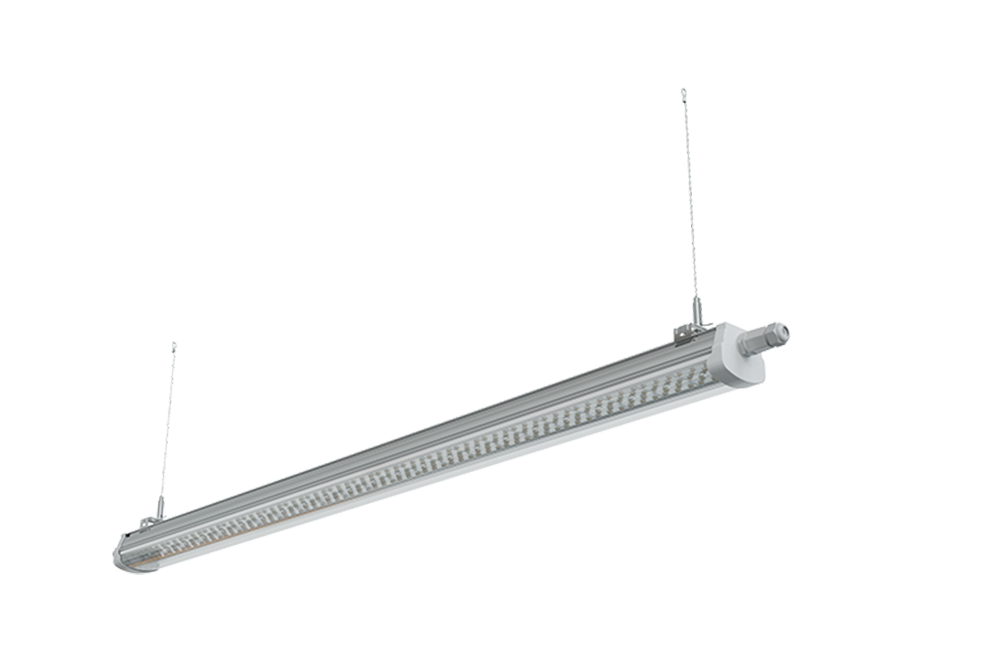
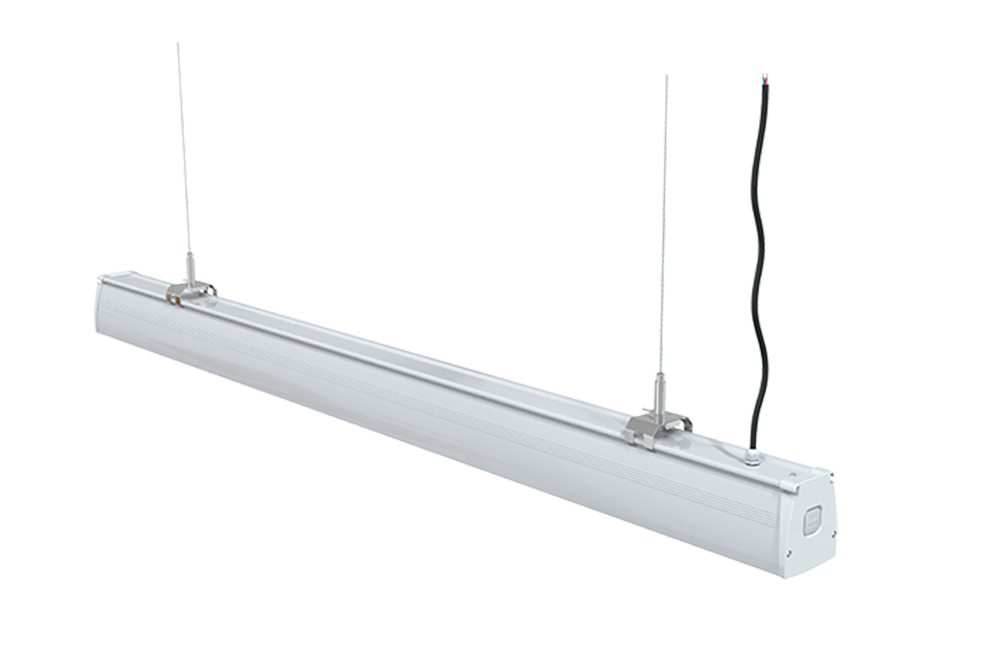
At SEEKINGLED, engineering teams often see projects where multiple LED categories coexist. A single site may combine Sports Stadium LED Lighting for the main field, LED Flood Light for exterior areas, Linear LED Light for service buildings, and LED Street Light for access roads. Designing these systems as one coordinated solution, rather than isolated products, is where experience matters most.
Looking forward, LED lighting applications will continue to spread, not because of trends, but because of practicality. Longer service life, predictable performance, and flexible optical design make LEDs suitable for places where lighting used to be an afterthought. From an engineering view, that versatility is the real reason LEDs now dominate so many different venues.
12 volt dc led flood lights offer safe, efficient low-voltage lighting. Explore real-world use cases, performance data, and expert installation insights.
View details
Why is my LED flood light dim? Learn the real reasons like voltage issues, driver problems or aging LEDs, and how SEEKINGLED flood lights maintain stable brightness.
View details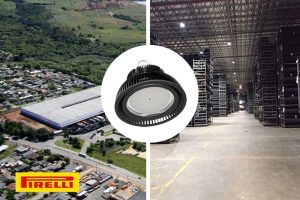
LED High Bay Lighting for Tire Factory was implemented at the Pirelli tire factory in Brazil. This project record documents the installation of XJ-HBG240W high bays and the lighting conditions inside the production space.
View details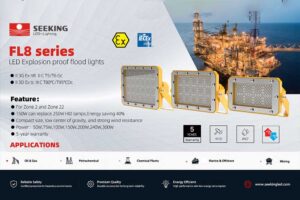
1.Key Temperature Parameters Common ambient ranges: -20°C to +40°C or -30°C to +55°C. High-end: -40°C to +55°C.T-Class (max surface temperature):T1 ≤450°C | T2 ≤300°C | T3 ≤200°C | T4 ≤135°C | T5 ≤100°C | T6 ≤85°C (strictest) 2.High-Temperature Ch...
View details