 Seeking LED
are fog lights flood or spot?
0Fog lights are generally neither flood nor spot lights. They use a broad, low, controlled beam for near-road visibility while limiting upward light and glare.
View detailsSearch the whole station
how to dim led lights without a dimmer?
You can dim LED lights without a dimmer by using lower voltage drivers, switching to lower wattage bulbs, adding diffusers, or using smart controls—but direct electrical dimming without proper drivers is limited and can be unsafe.
That’s the straight answer.
In practice, most “no-dimmer” solutions aren’t true dimming—they’re workarounds. Some work well. Some quietly damage the LED over time.
Incandescent bulbs dim naturally when voltage drops.
LEDs don’t. They rely on drivers.
According to the U.S. Department of Energy, LEDs require controlled electronic drivers to maintain efficiency and lifespan. Altering input improperly can reduce lifespan significantly.
From field troubleshooting, here’s what typically shows up:
I’ve seen installations where improper dimming reduced LED lifespan by over 40%—not immediately, but gradually.
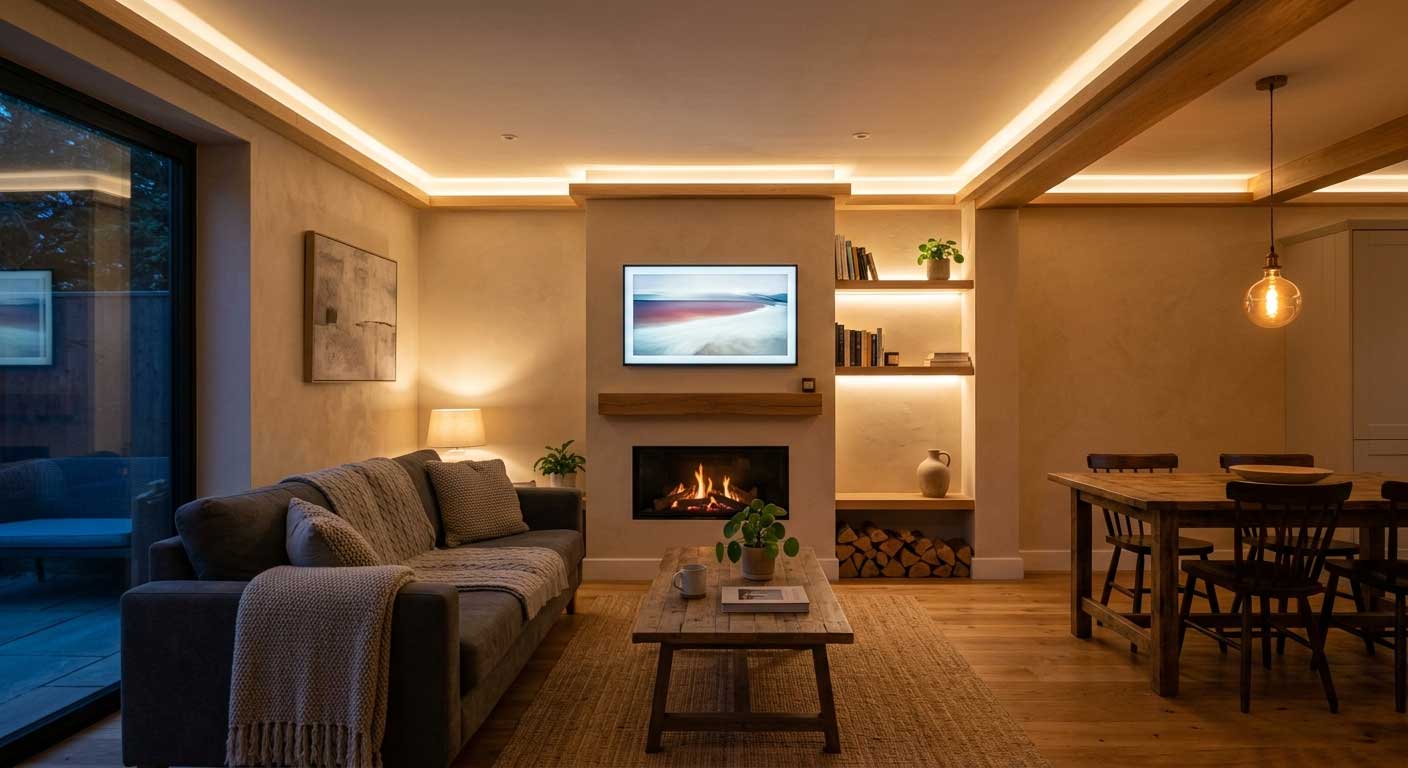
The simplest method:
Pros:
Cons:
This is often the most reliable “non-dimmer” solution.
Physical dimming instead of electrical:
Pros:
Cons:
Many modern LEDs include built-in dimming:
Pros:
Cons:
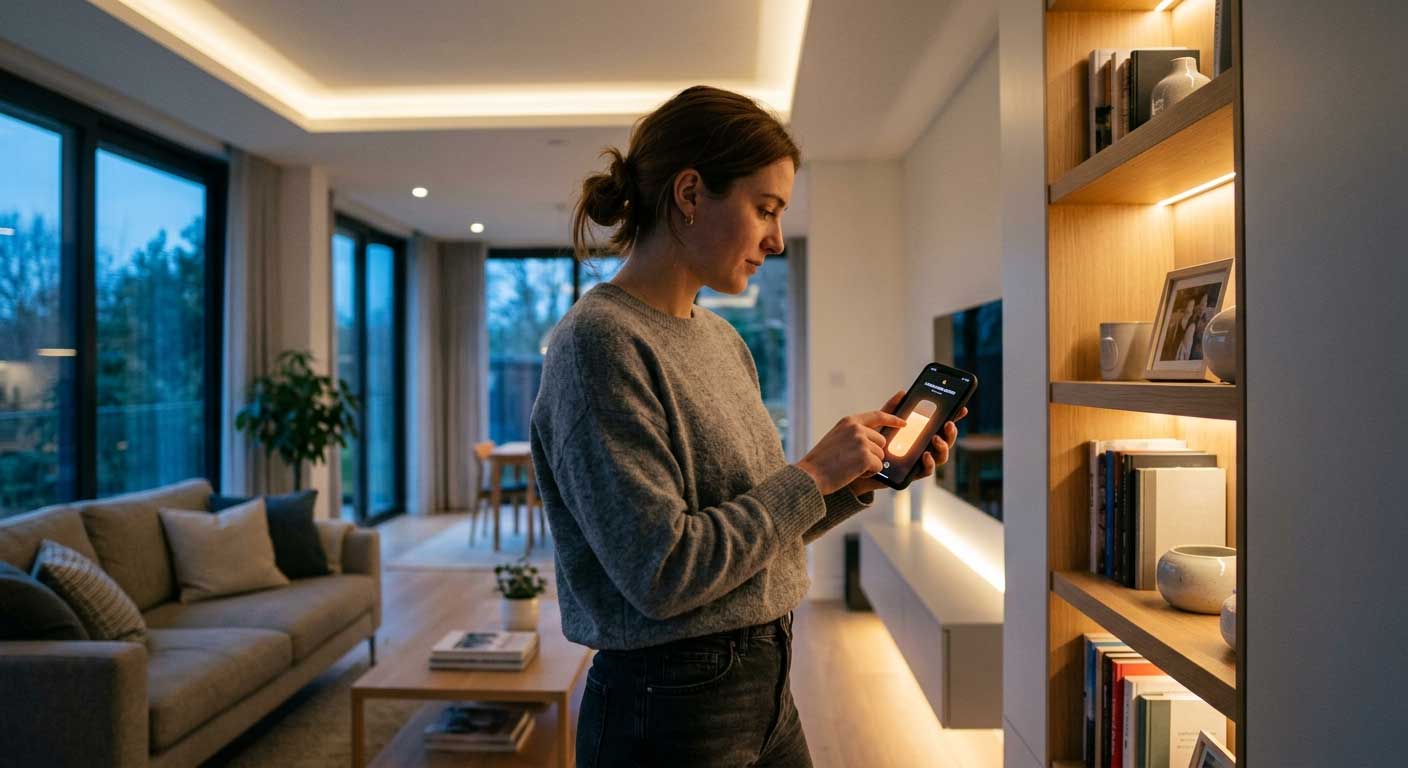
For technical users:
Example:
Pros:
Cons:
Some attempt:
Reality:
In several test cases, this method led to:
| Method | Safety | Effectiveness | Flexibility | Recommendation |
|---|---|---|---|---|
| Lower wattage bulb | High | Medium | Low | ✔ Best simple option |
| Diffuser | High | Low | Low | ✔ Safe but limited |
| Smart bulb | High | High | High | ✔ Best modern solution |
| Driver replacement | Medium | High | Medium | ⚠ Advanced users only |
| Voltage reduction | Low | Unstable | Low | ✘ Not recommended |
In multiple retrofit projects:
The result:
In one office retrofit, switching to proper dimmable or lower wattage LEDs improved user satisfaction immediately—no complex rewiring needed.
Lower brightness often means:
According to DOE data, improperly controlled LEDs lose efficiency advantages compared to properly driven systems.

Leads to:
Risks include:
Not all LEDs—even dimmable ones—work with all systems.
No. Only specific methods like lower wattage, diffusers, or smart bulbs are safe alternatives.
Generally no—it can damage the driver and reduce lifespan.
Switching to lower wattage or using smart bulbs is usually the safest and simplest.
More answers
This answer is based on hands-on experience with:
Across multiple cases:
Improper dimming methods accounted for a significant portion of early LED failures—not component defects.
Understanding how to dim led lights without a dimmer isn’t about finding a hack.
It’s about knowing the limits of LED systems.
Sometimes the smartest solution isn’t modifying the light—
it’s choosing the right one from the start.
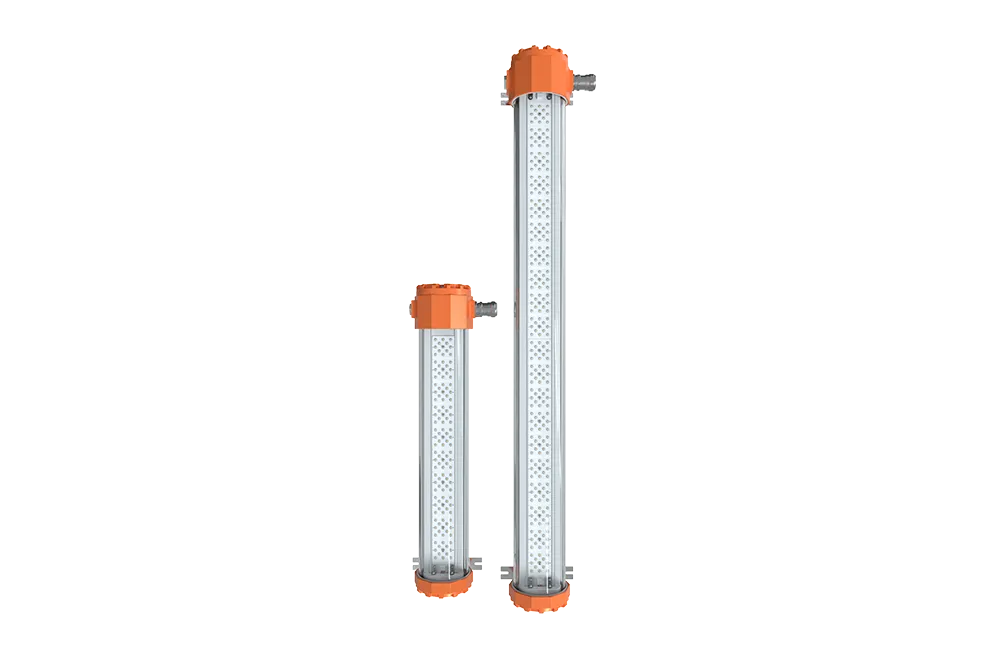
SEEKINGLED LED Linear Explosion Proof Light and Explosion Proof lighting is ATEX and IECEx certified for Zone 1, Zone 2, Zone 21 and Zone 22 hazardous locations, built for long-term industrial use.
View details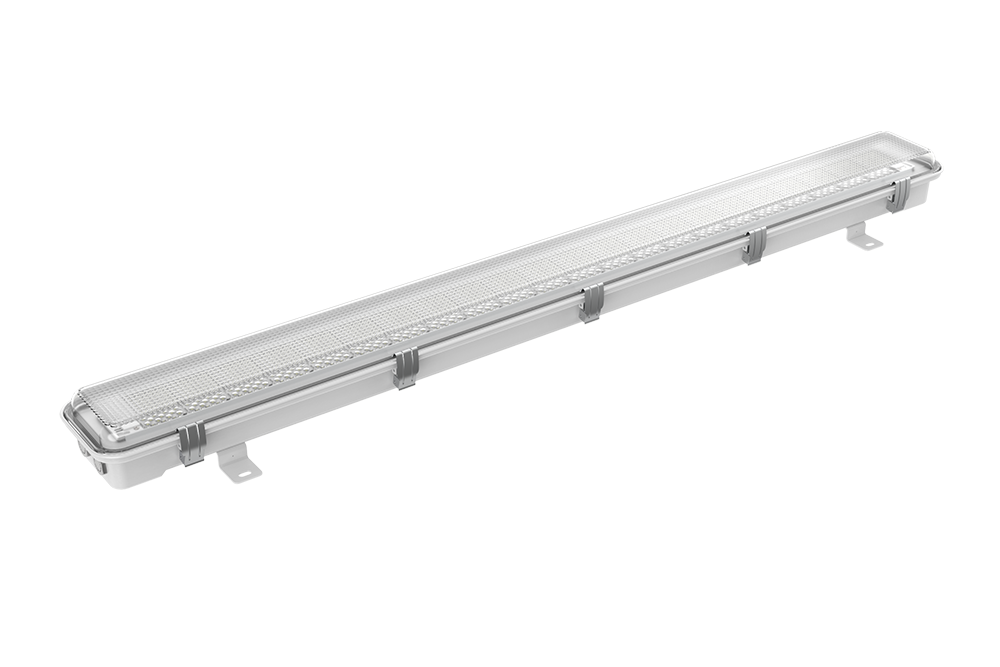
LED Linear Explosion Proof Lights and EX Proof lights for Zone 1, Zone 2, Zone 21 and Zone 22 hazardous areas. ATEX & IECEx certified explosion proof LED linear lighting with emergency function, adjustable power and IP67 protection by SEEKINGLED.
View details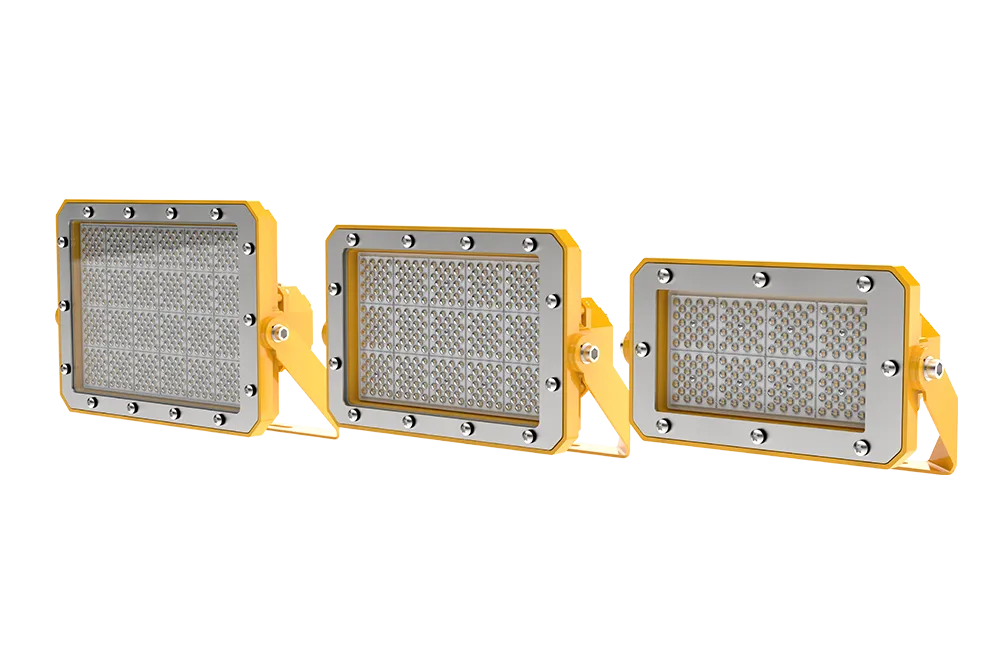
SEEKINGLED LED Explosion Proof Flood Lights are ATEX certified for Zone 2 and Zone 22 hazardous areas, offering high efficiency, adjustable power and integrated junction box.
View details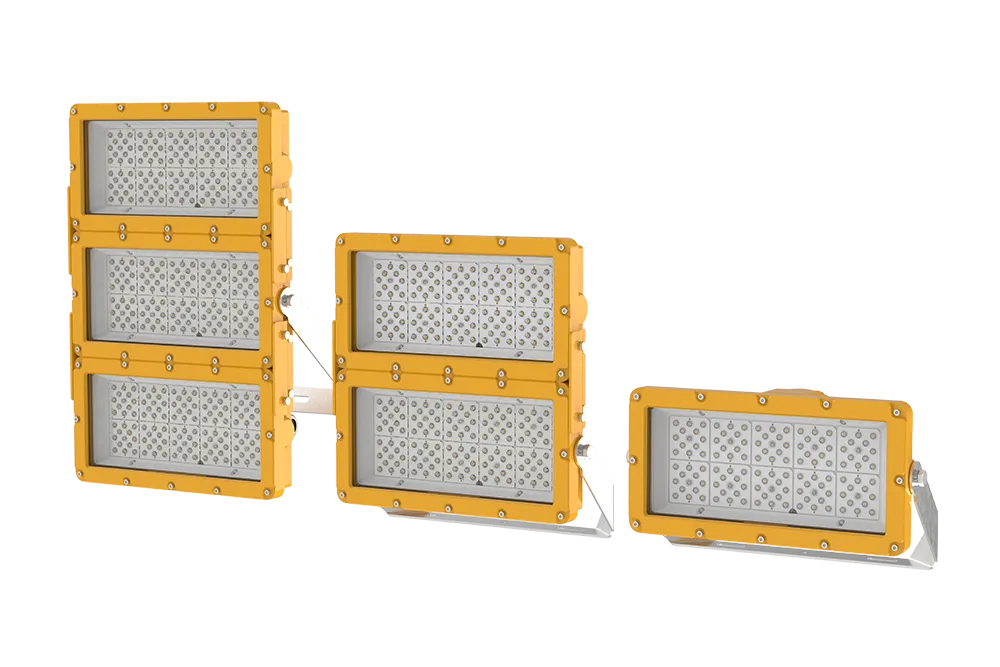
SEEKINGLED LED Explosion Proof Flood Lights are flameproof ATEX and IECEx certified for Zone 1 and Zone 2 hazardous areas, offering high power, adjustable output and long service life.
View details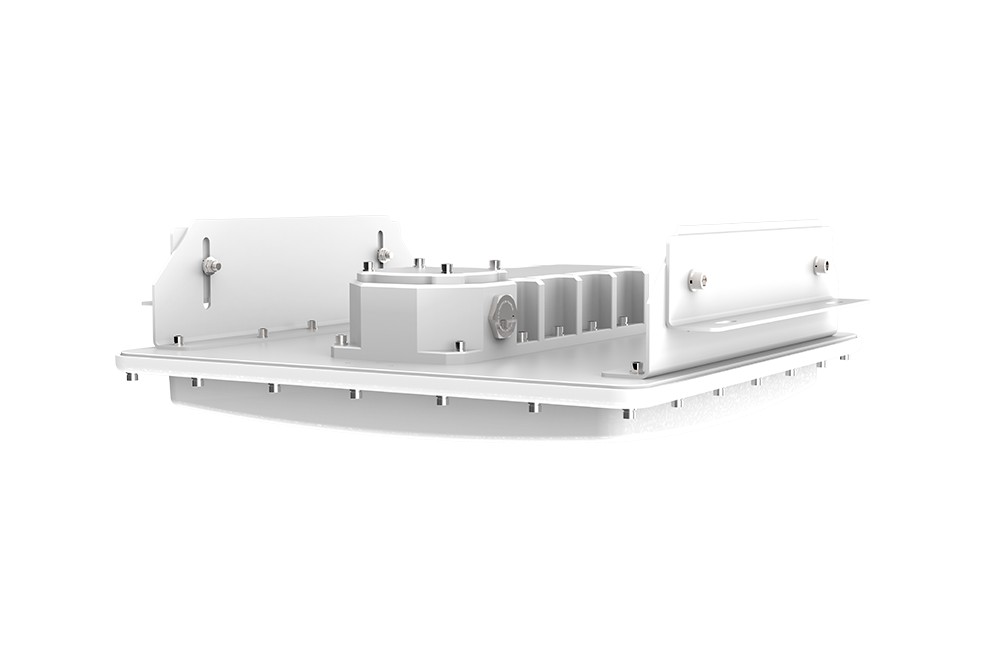
SEEKINGLED LED Gas Station Canopy Lights are ATEX certified for Zone 2 and Zone 22 hazardous areas, featuring adjustable power and built-in explosion-proof junction box.
View details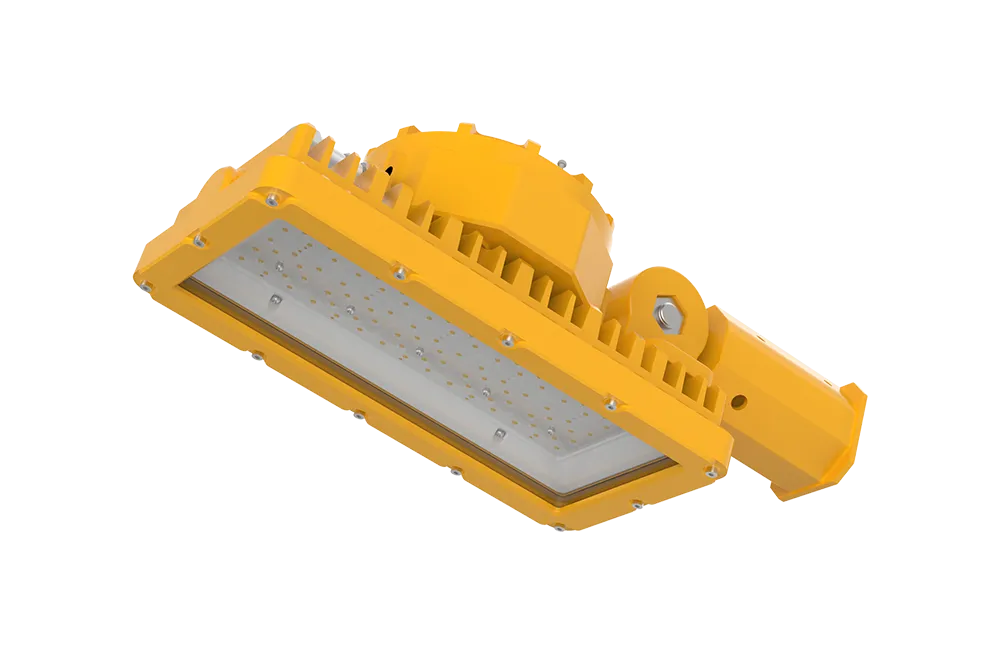
ATEX: Ex II 2G Ex db IIB T6/T5 GbEx II 2D Ex tb IIIC T80°C/ T95°C Db IECEx Ex db IIB T6 Gb;Ex tb IIIC T80°C Db Feature: ● For Zone 1,2 and Zone 21,22● Flameproof type, the strongest● 100W can replace 250W HID,energy saving● Power:60W,80W,100W Application: Oil and gas, marine, Chemical, pharmaceutical, semiconductor,mining,military industr…
View details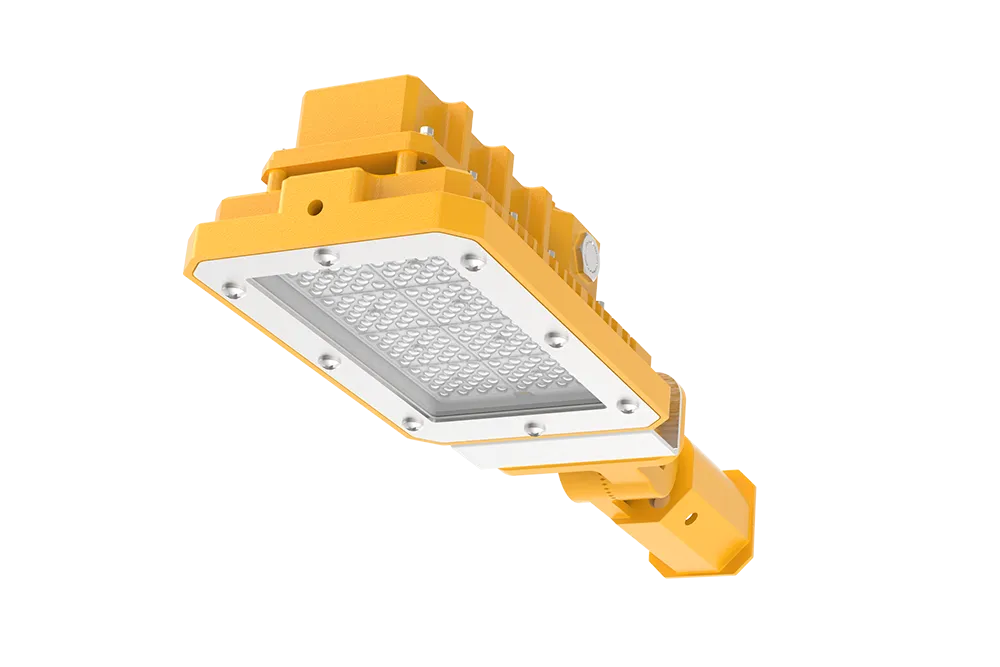
ATEX: II 3G Ex nR ⅡC T5/T6 GcII 3D Ex tc ⅢC T80℃/T95℃Dc ATEX Certificate NO: TÜV CY 26 ATEX 0207611 X Feature: ● For Zone 2 and Zone 22● 150W can replace 250W HID lamps,Energy saving● Power:50W,75W,100W,150W,200W Application: Oil and gas, marine, Chemical, pharmaceutical, semiconductor,mining,military industry, paint booth,power plant ETC…
View details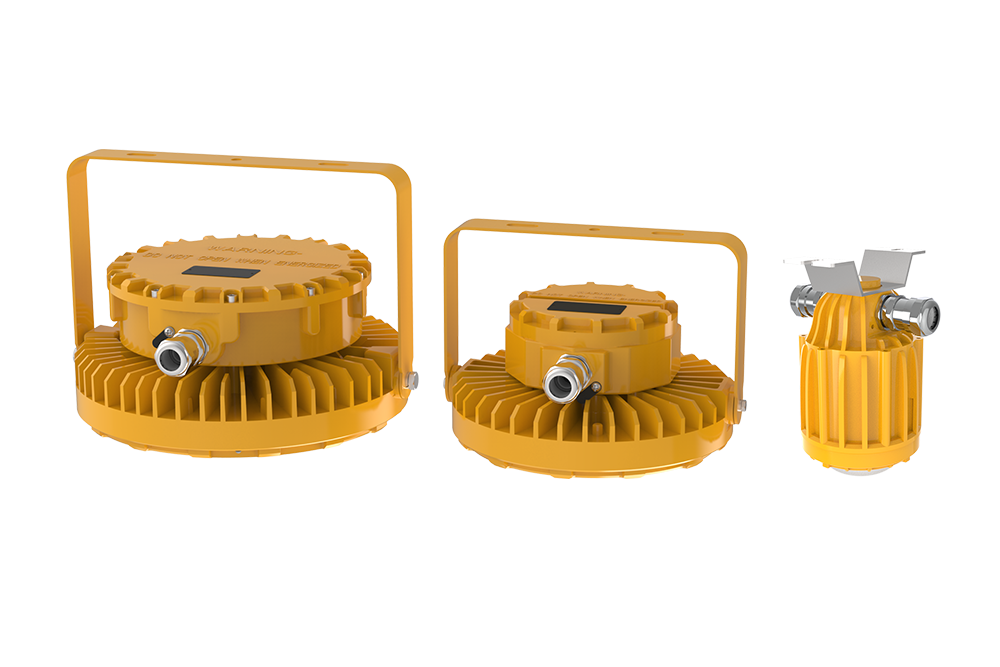
LED explosion proof high bay lights are designed for Zone 1, Zone 2, Zone 21 and Zone 22 hazardous areas. This page introduces the HB21 Series from SEEKING, including certifications, power options and real application considerations.
View details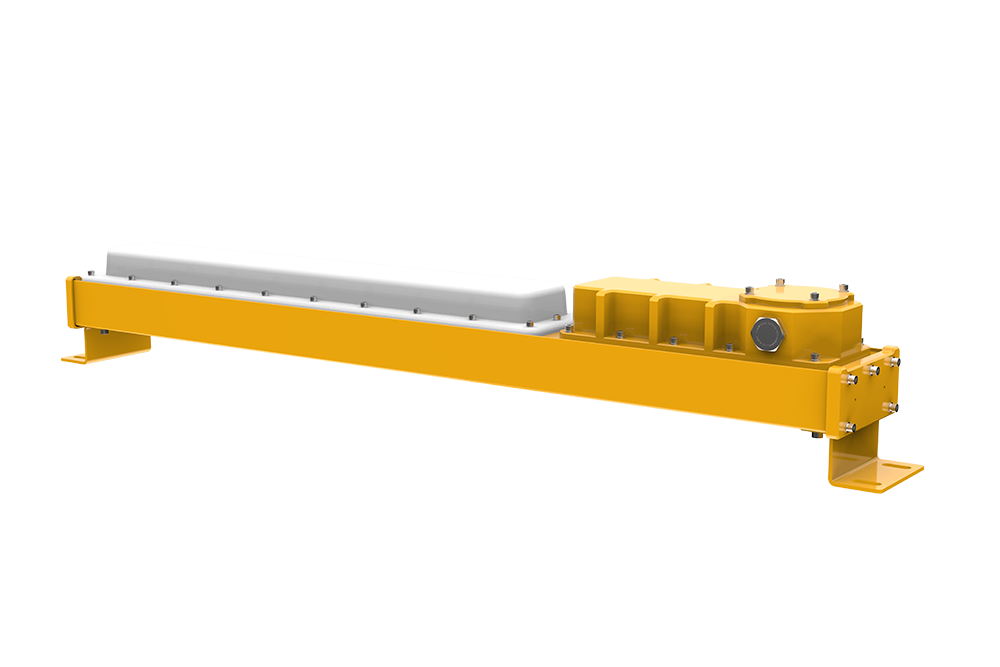
LED Linear Explosion Proof Lights from SEEKINGLED. LU Series Flame Proof lights ATEX-certified explosion proof LED linear lighting for Zone 2 gas and Zone 22 dust areas, IP69K, IK10, long lifetime and flexible power options.
View details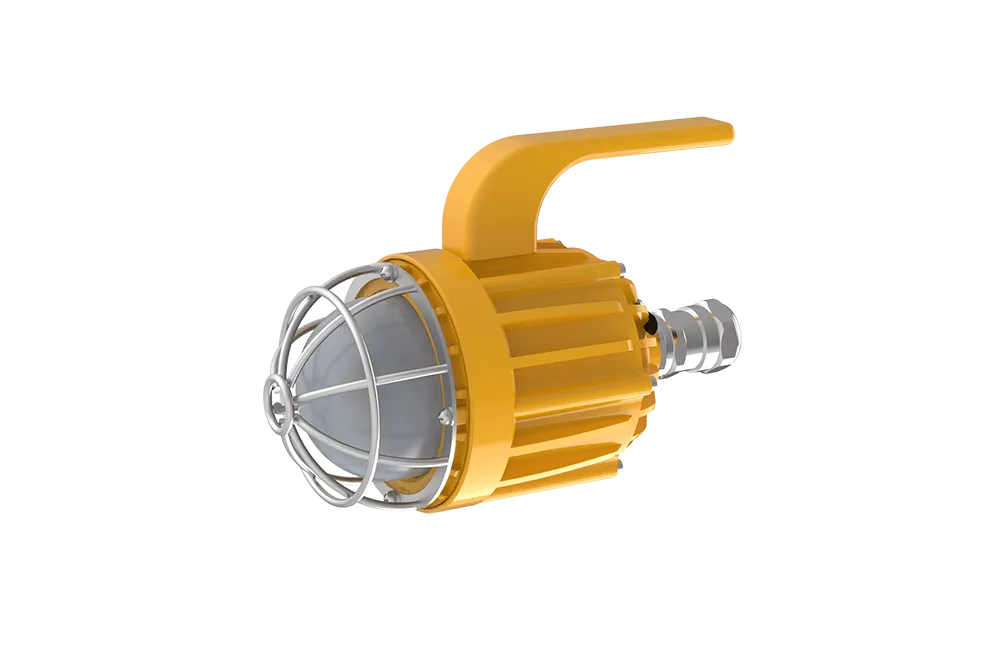
Certified explosion proof work lights for Zone 1 & 21 hazardous areas. Portable, ATEX & IECEx approved, built for oil, gas and chemical plants by SEEKINGLED.
View details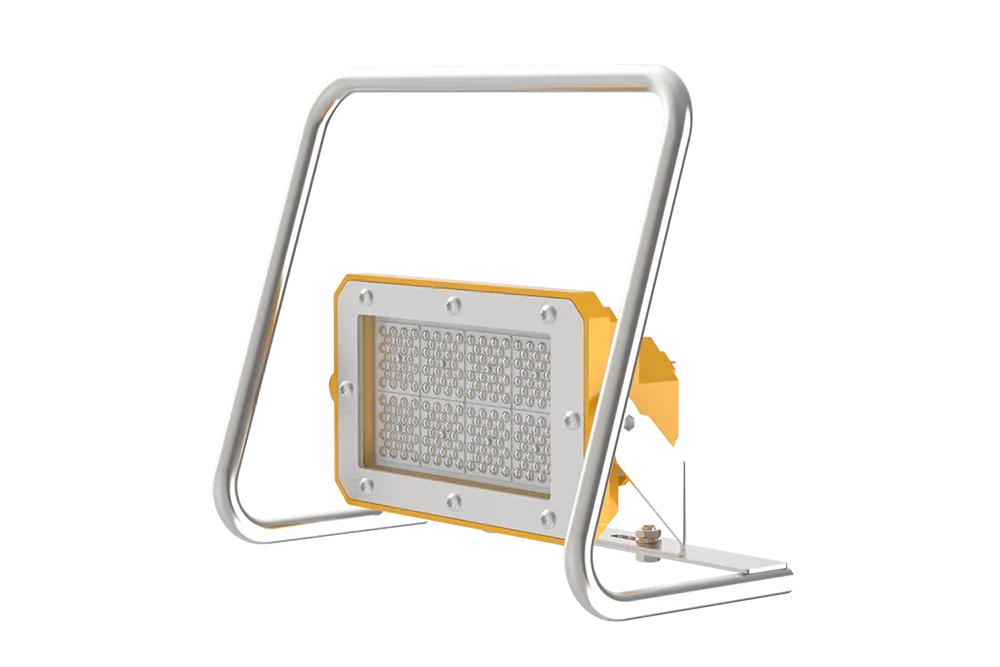
ATEX: II 3G Ex nR ⅡC T6 GcII 3D Ex tc ⅢC T80℃ Dc ATEX Certificate NO: TÜV CY 26 ATEX 0207611 X Feature: ● For Zone 2 and Zone 22● Accepts battery-powered supply● indestructible● Power:AC input:50W,75W,100WDC input:15W,25W,35W Application: Oil and gas, marine, Chemical, pharmaceutical, semiconductor,mining,military industry, paint booth,po…
View details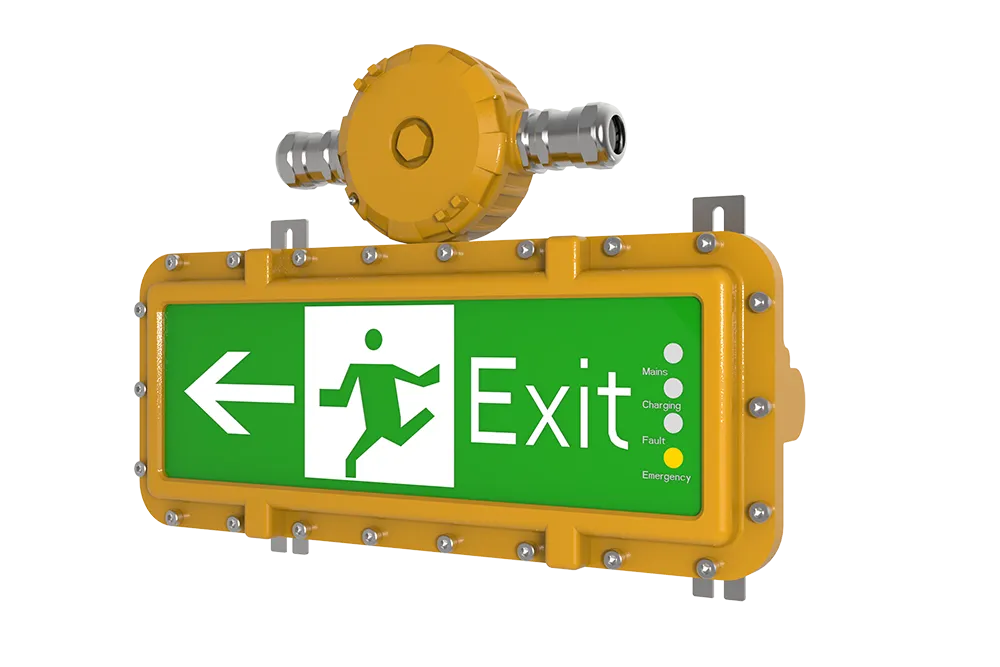
ATEX: Ex II 2G Ex db IIB T6 GbEx II 2D Ex tb IIIC T80°C Db IECEx Ex db IIB T6 Gb;Ex tb IIIC T80°C Db Feature: ● For Zone 1,2 and Zone 21,22● Flameproof type, the strongest Application: Oil and gas, marine, Chemical, pharmaceutical, semiconductor,mining,military industry, paint booth,power plant ETC hazardous area. Technical Specifications:…
View details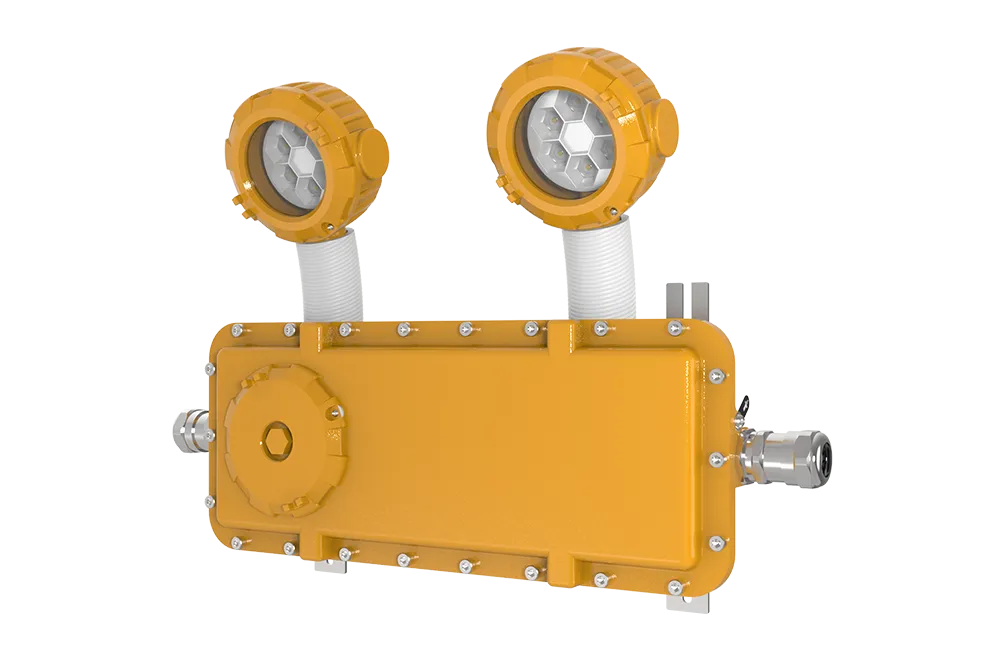
ATEX: Ex II 2G Ex db IIB T6 GbEx II 2D Ex tb IIIC T80°C Db IECEx Ex db IIB T6 Gb;Ex tb IIIC T80°C Db Feature: ● For Zone 1,2 and Zone 21,22● Flameproof type, the strongest Application: Oil and gas, marine, Chemical, pharmaceutical, semiconductor,mining,military industry, paint booth,power plant ETC hazardous area. Technical Specifications:…
View details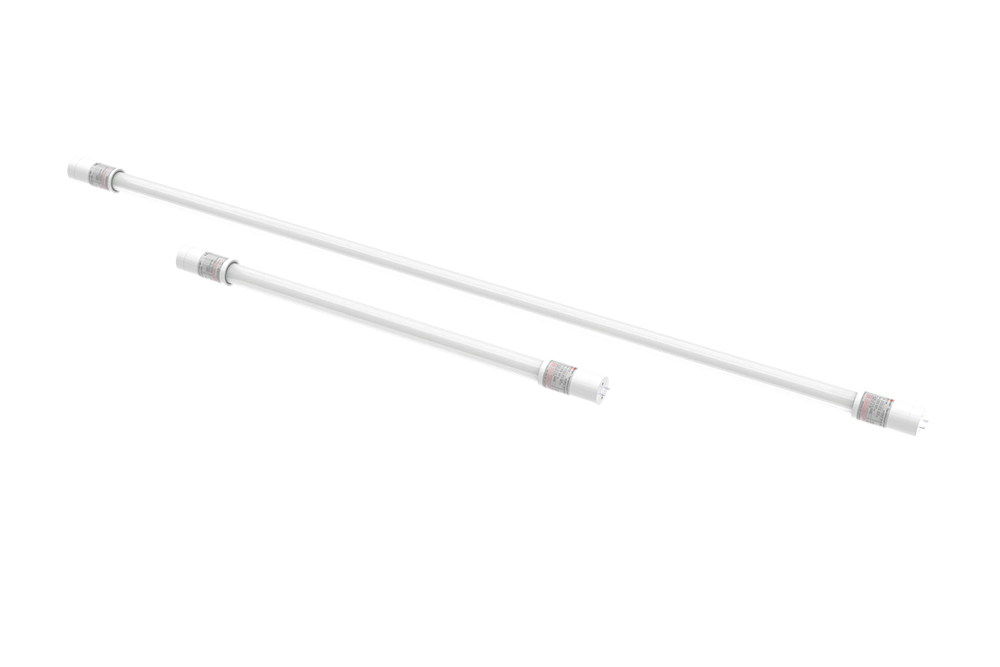
ATEX: Ex II 2G Ex d e IIB T6 Gb ATEX: Ex d e IIB T6 Gb; Feature: ● For Zone 1,2● 9W can replace 18W fluorescent lamps,50% Energy saving Application: Oil and gas, marine, Chemical, pharmaceutical, semiconductor,mining,military industry, paint booth,power plant ETC hazardous area. Technical Specifications: Standards:60079-0, 60079-1, 60079…
View details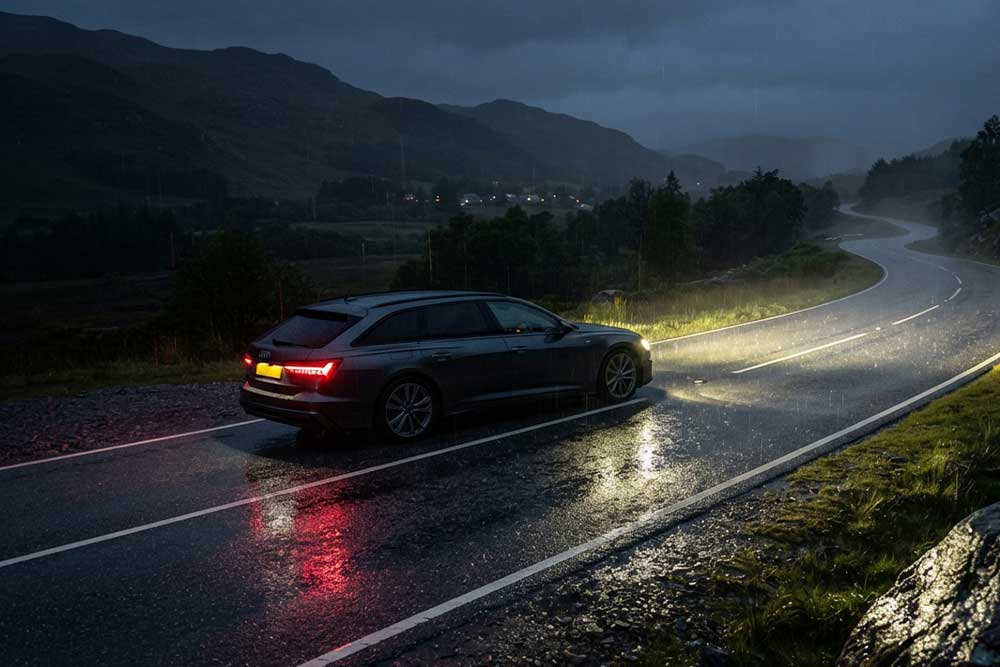
Fog lights are generally neither flood nor spot lights. They use a broad, low, controlled beam for near-road visibility while limiting upward light and glare.
View details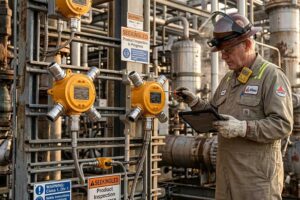
Learn how to get a explosive proof cap off junction box safely without damaging flame paths or certifications. Step-by-step guide for hazardous locations.
View details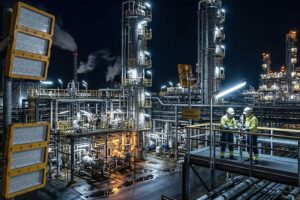
Hazardous area equipment classification defines safe electrical equipment for explosive gas and dust zones. Learn Zone, Division, ATEX, and IECEx standards.
View details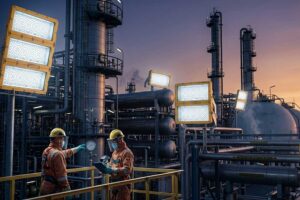
How to Select the Right Hazardous Area – Zone 1 & 2 ATEX Lighting? Learn ATEX zone classification, gas groups, temperature classes, and expert selection tips for safer industrial lighting.
View details