 Seeking LED
how to choose beam angle for high bay lights?
0Learn how to choose beam angle for high bay lights based on mounting height, floor layout, fixture spacing, and lighting goals for warehouses and industrial spaces.
View detailsSearch the whole station
Do high bay lights work at low level? Yes, high bay lights can work at lower mounting heights, but they are not always the best choice. On low ceilings, excessive lumen output, narrow optics, or poor fixture spacing can create glare, bright spots, and uneven illumination.
The word “high bay” causes some confusion.
It describes an application more than a simple fixture shape. The Illuminating Engineering Society defines high-bay lighting as interior lighting where the ceiling or roof trusses are greater than approximately 20 feet above the floor, while low-bay lighting is generally used at approximately 20 feet or less.
So if a warehouse has a 16-foot ceiling, installing a high-bay fixture is not automatically wrong.
But I would not simply take a fixture designed for a 30-foot installation and hang it at 12 feet.
That is where the lighting design starts to fall apart.
Yes, but the fixture needs to match the mounting height, light output, optics, and application.
This is something we pay attention to when evaluating high-bay projects at SEEKINGLED. A customer may initially specify a 150W or 200W high bay because the space is “industrial,” yet the actual ceiling may only be 12–15 feet.Visit product page:Industrial LED High Bay Lights
The problem isn’t the LED technology.
It is the relationship between the fixture and the working plane.
At a lower mounting height, the light has less distance to travel before reaching the floor or workbench. A high-output fixture that works beautifully at 25 feet can become uncomfortable and inefficient when mounted much closer.
For these applications, a carefully selected high bay can work.
A lower-output version may work even better.
Light distribution changes dramatically as the fixture gets closer to the working surface.
Imagine a 20,000-lumen fixture mounted at 30 feet.
Now move that same fixture to 12 feet.
The floor receives much more concentrated illumination directly beneath the fixture. If the optics are too narrow, the result can be a bright pool of light surrounded by darker areas.
That is not what a good industrial lighting layout should look like.
OSHA specifically notes that illumination depends on factors including the light source, distance, floor and wall colors, and surface characteristics. It recommends measuring actual illumination at the work surface rather than relying only on theoretical calculations.
Data source:https://www.osha.gov/laws-regs/standardinterpretations/1991-05-08-1
That is a useful lesson for anyone choosing high bays.
Mounting height is not a minor installation detail. It changes the entire optical behavior of the fixture.
Several problems can appear.
A powerful fixture sitting close to eye level can be uncomfortable, particularly when workers frequently look upward.
OSHA’s marine-terminal lighting standard specifically states that lights should, where possible, be positioned so they do not shine directly into employees’ eyes.
The area directly below the fixture may become substantially brighter than surrounding areas.
A narrow beam may fail to spread sufficiently across aisles, workstations, and equipment.
If too much light is concentrated in one location, increasing fixture wattage does not necessarily improve the space.
Bright fixtures and dark surrounding surfaces can create distracting contrast.
This becomes particularly noticeable in workshops with dark machinery, vehicles, steel structures, or black ceilings.
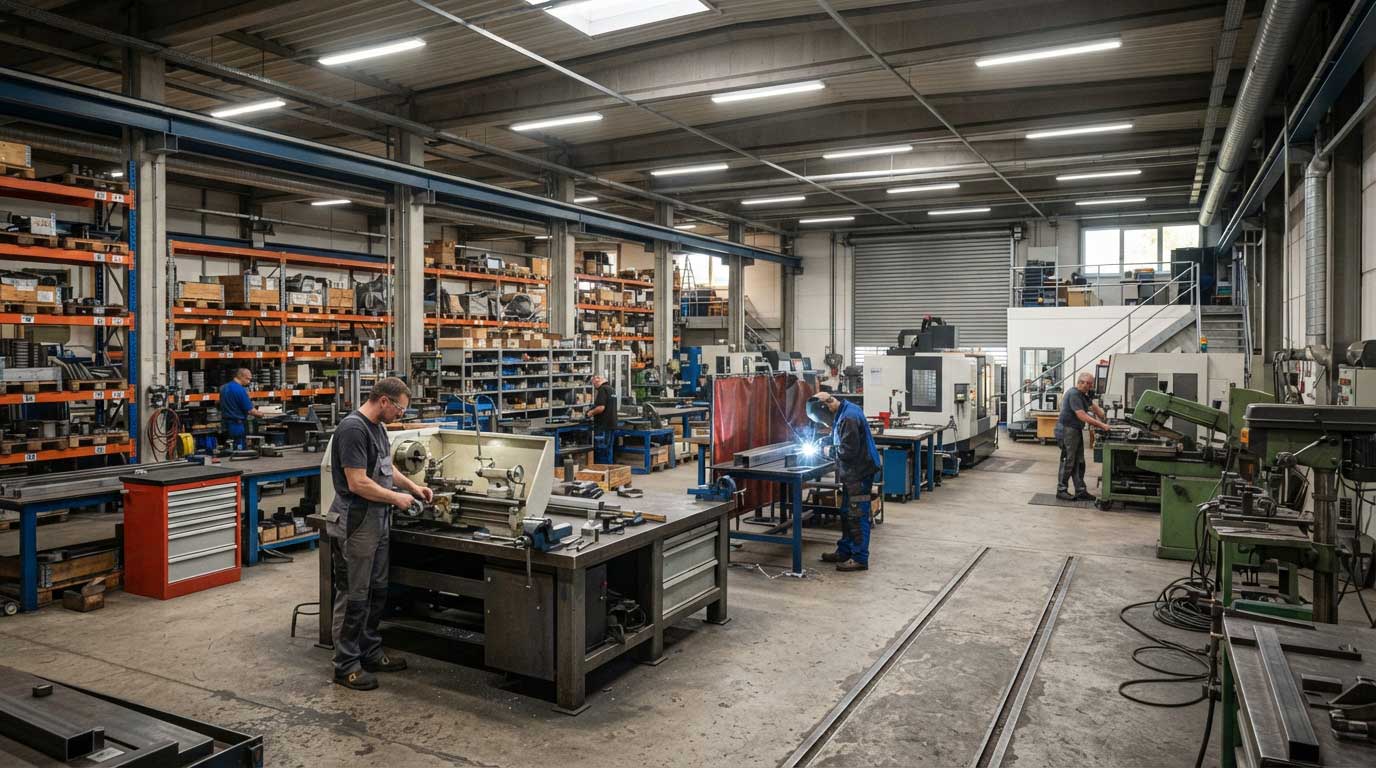
When the ceiling is low, a low-bay fixture is often the more natural choice.
DOE describes low/high-bay applications as common in warehouses, manufacturing facilities, and large indoor spaces. Its LED adoption research identifies low-bay applications as typically used for ceilings 20 feet or less, while high-bay applications are generally used above 20 feet.
The distinction is useful, but it should not become a rigid rule.
For example:
| Application | Ceiling Height | Possible Choice |
|---|---|---|
| Small workshop | 10–12 ft | Low bay / linear LED |
| Garage | 12–15 ft | Low bay or carefully selected high bay |
| Workshop | 15–20 ft | Low bay / high bay |
| Warehouse | 20–30 ft | High bay |
| Large distribution center | 30+ ft | High bay |
The exact fixture still depends on the photometric requirements.
You can, but I would not select the 150W rating without checking the actual lumen output and optics.
A 150W LED high bay producing 27,000 lumens is a very different proposition from a 150W fixture producing 18,000 lumens.
The difference matters even more when the fixture is installed low.
DOE’s current FEMP purchasing guidance lists minimum efficacy of 175 lm/W for industrial high-bay LED luminaires producing at least 10,000 lumens, while industrial low-bay luminaires from 5,000 to below 10,000 lumens have a minimum listed efficacy of 143 lm/W.
That distinction reinforces something we often see in product selection:
Wattage is not the lighting design.
Lumen output, distribution, mounting height, and spacing have to be considered together.
Beam angle becomes particularly important when a high bay is mounted lower than its typical application height.
A narrow optic can throw light farther.
That makes it useful for high mounting positions, aisles, or areas requiring controlled distribution.
At a low mounting height, however, it can create intense illumination directly below the fixture.
A medium distribution can provide a useful compromise for workshops and manufacturing spaces.
A wide beam can spread light across a larger area and is often worth considering when the mounting height is relatively low.
But wider is not automatically better.
If fixtures are installed too close together, a very wide distribution can produce unnecessary overlap.
For this reason, I prefer a photometric layout over choosing a beam angle from a simple “60° vs 90° vs 120°” chart.
There is no single lumen requirement for every low-ceiling space.
Start with the required illumination at the working surface.
OSHA’s construction standard, for example, lists 5 foot-candles for indoor warehouses and 10 foot-candles for general construction plants and shops covered by that standard. These are regulatory minimums for the applicable construction environments, not universal recommendations for every industrial lighting project.
The working surface matters.
A warehouse floor, machine table, inspection bench, and precision assembly station do not necessarily need the same lighting level.
For detailed industrial work, additional task lighting may also be appropriate.
OSHA’s marine-terminal standard explicitly recognizes that supplemental lighting may be used where occasional work tasks require more light than the general lighting system provides.
A low-bay fixture is usually worth considering when:
For a 10-foot garage, I would rarely start with a conventional high-output industrial high bay.
For a 19-foot manufacturing area, the decision becomes much more interesting.
That gray area is where photometric planning earns its keep.
Yes.
A 15-foot ceiling does not make a high bay unusable.
The fixture simply needs to be appropriate for that mounting height.
For example, a lower-output LED high bay with a broad distribution may perform well in a 15-foot workshop, while an extremely high-output fixture with a narrow optic could produce glare and poor uniformity.
The question should therefore be:
“What fixture produces the right illumination at 15 feet?”
rather than:
“Is 15 feet high enough for a high bay?”
That small change in thinking leads to better lighting decisions.
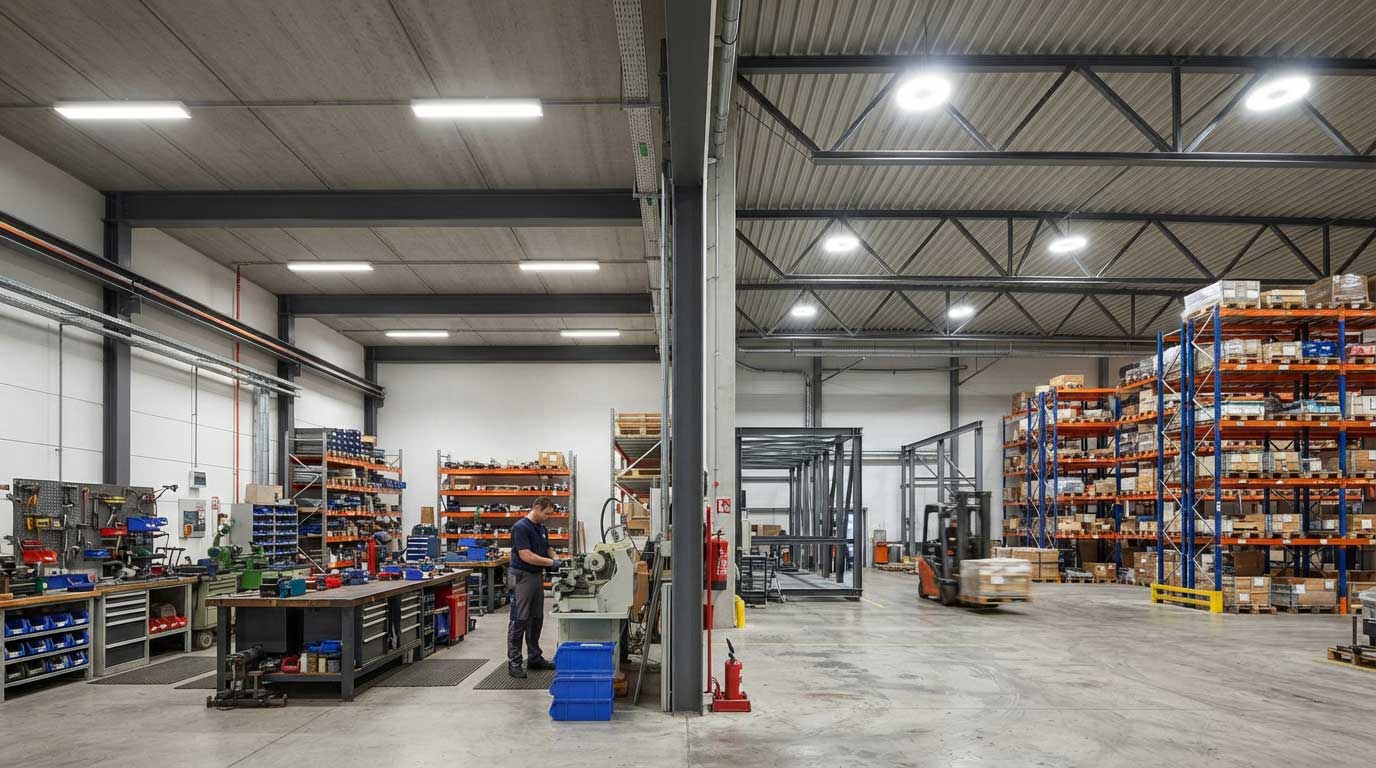
At SEEKINGLED, I would check these items before recommending a high bay for a low ceiling:
| Factor | What to Check |
|---|---|
| Ceiling height | Actual fixture mounting height |
| Lumen output | Delivered lumens, not wattage alone |
| Beam angle | Distribution at the working plane |
| Spacing | Distance between fixtures |
| Glare | Fixture position relative to eye level |
| Work type | General work or detailed tasks |
| Surface reflectance | Ceiling, walls, floor, equipment |
| Ambient conditions | Dust, heat, moisture |
| Controls | Sensors and dimming requirements |
| Photometric data | IES file / lighting simulation |
The last two are often overlooked.
A lighting layout can show whether a fixture is actually doing its job before the electrician installs dozens of units.
That saves time, money, and a very unpleasant conversation after commissioning.
Do high bay lights work at low level? Yes, they can, but only when the fixture’s lumen output, beam angle, spacing, and optical design suit the lower mounting height. For ceilings below about 20 feet, low-bay or compact LED fixtures are often the more natural starting point.
The IES classification is a useful reference: high bay is generally associated with ceiling heights above approximately 20 feet, while low bay is associated with approximately 20 feet or less.
But real projects are rarely that tidy.
A 17-foot automotive workshop may work extremely well with a carefully selected high bay.
A 12-foot workshop may be better served by a low-bay fixture.
And a 20-foot warehouse may need something completely different depending on the aisle layout and task requirements.
For SEEKINGLED projects, the better approach is to start with the mounting height and working surface, then select the fixture.
Not the other way around.
Yes. High bay lights can operate at lower mounting heights, but the fixture must have appropriate lumen output, beam angle, glare control, and spacing.
Yes, but a conventional high-output high bay may be excessive. A lower-output or wider-beam model may provide better uniformity and visual comfort.
There is no universal minimum. IES defines high-bay lighting as generally above 20 feet, but specific LED high bays can be suitable at lower heights when their optical design matches the application.
Usually, yes. Low-bay fixtures are specifically associated with ceiling heights of approximately 20 feet or less, making them a natural choice for many lower-ceiling applications.
Yes. High-output fixtures mounted close to the working plane can create excessive brightness or direct glare, particularly when workers frequently look upward.
A medium or wide distribution is often worth considering because it can spread light across the working area more effectively. The correct choice depends on fixture spacing and the photometric layout.
They can work well at 15 feet when the fixture is selected for that mounting height. Compare lumen output, beam distribution, spacing, glare, and required illumination before making the decision.
High bay lights can work at low mounting levels, but the fixture must be matched to the ceiling height, lumen output, beam angle, spacing, and visual task. For ceilings below 20 feet, low-bay fixtures are often the safer starting point, while carefully selected LED high bays can still perform well in workshops, garages, and industrial spaces.
At SEEKINGLED, we recommend evaluating the actual mounting height and working surface first, rather than choosing a fixture simply because it is labeled “high bay.” A properly designed lighting layout should control glare, avoid excessive hotspots, and deliver consistent illumination where people actually work.
For low-level applications, the best fixture is not necessarily the most powerful one. It is the one that puts the right amount of light in the right place.
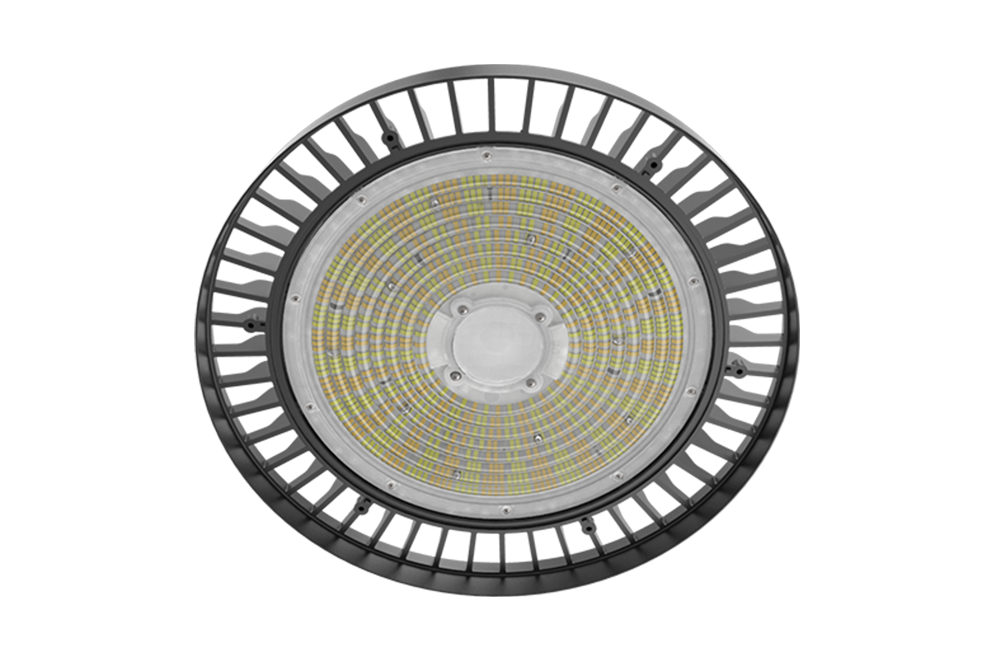
The SEEKING HBC-T Series high bay lights LED offer long-lasting performance for warehouses, production plants and logistics centers. Durable IP65 & IK08 housing, 60°/90° beam angles, up to 150 lm/W, and a lifespan beyond 100,000 hours. Ideal for airport halls, commercial storage, construction sites and large indoor spaces.
View details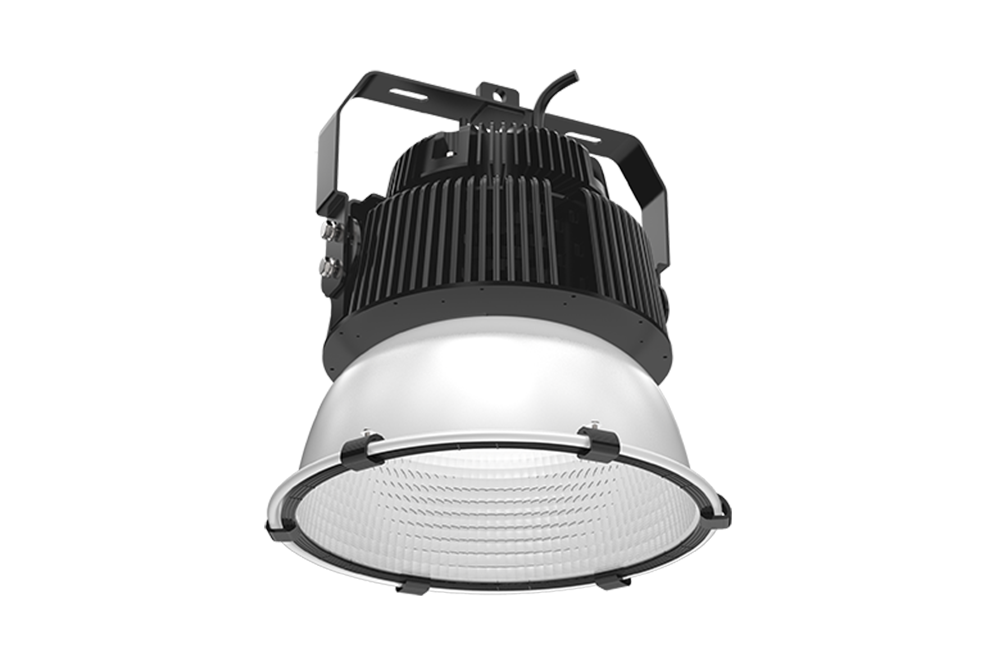
The SEEKING HBS Series LED UFO high bay light delivers 140 lm/W efficiency, IP65 protection and MEAN WELL drivers. A durable high-rise lighting solution for factories, warehouses and commercial halls.
View details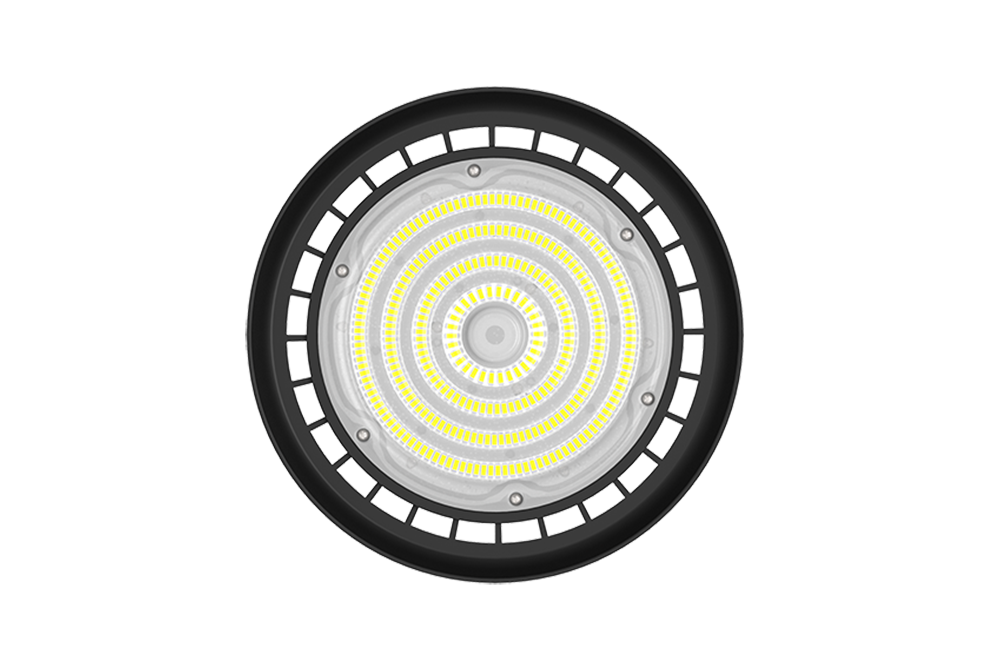
SEEKING HBD Series LED high bay lighting delivers 160 lm/W efficiency, IP66 protection, and long 100,000-hour lifespan. A durable UFO high bay solution for warehouses, workshops, logistics centers and commercial facilities.
View details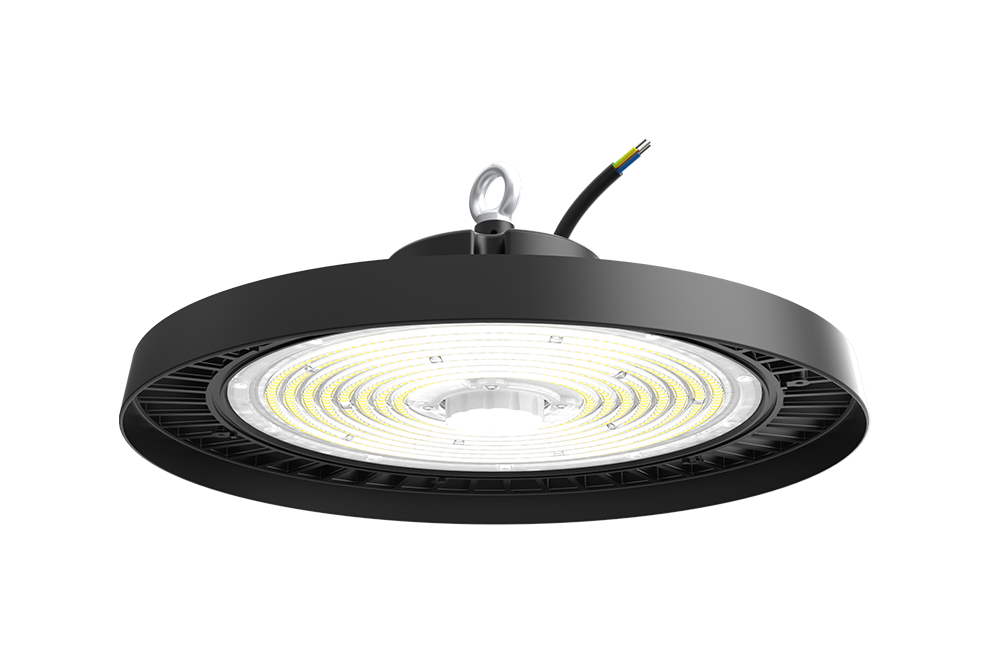
The SEEKING HBC Series high bay LED light fixtures combine strong efficiency, practical design and reliable SOSEN drivers. A durable UFO high bay lighting option for warehouses, workshops and wholesale projects.
View details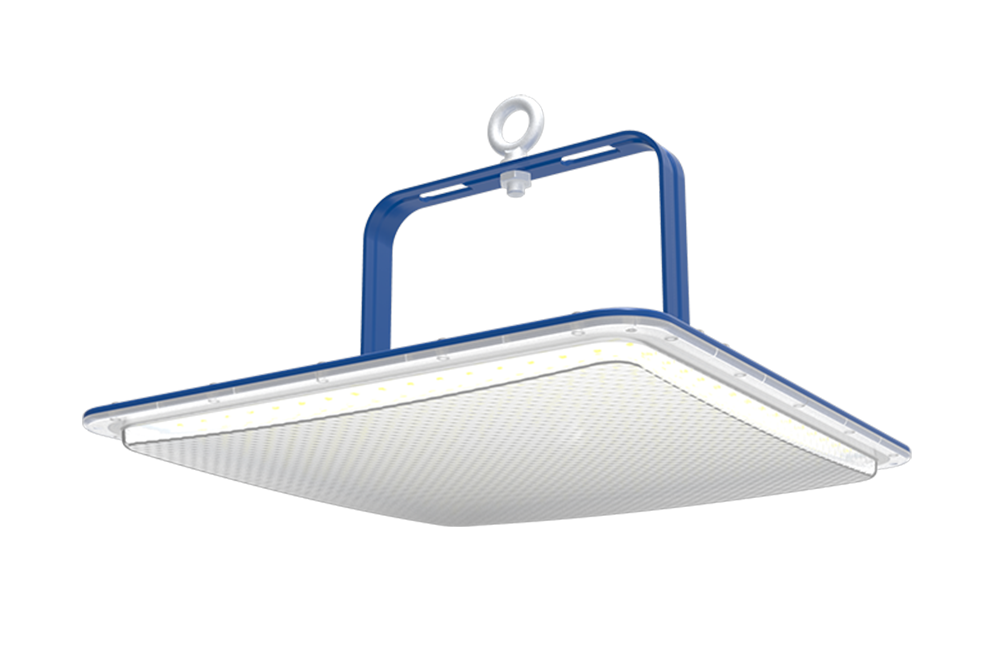
The SEEKING GSL Series high bay LED light delivers powerful, efficient lighting for industrial and commercial spaces. With IP65 protection, flexible mounting, and up to 140 lm/W performance, it’s ideal for warehouses, workshops, and retail areas.
View details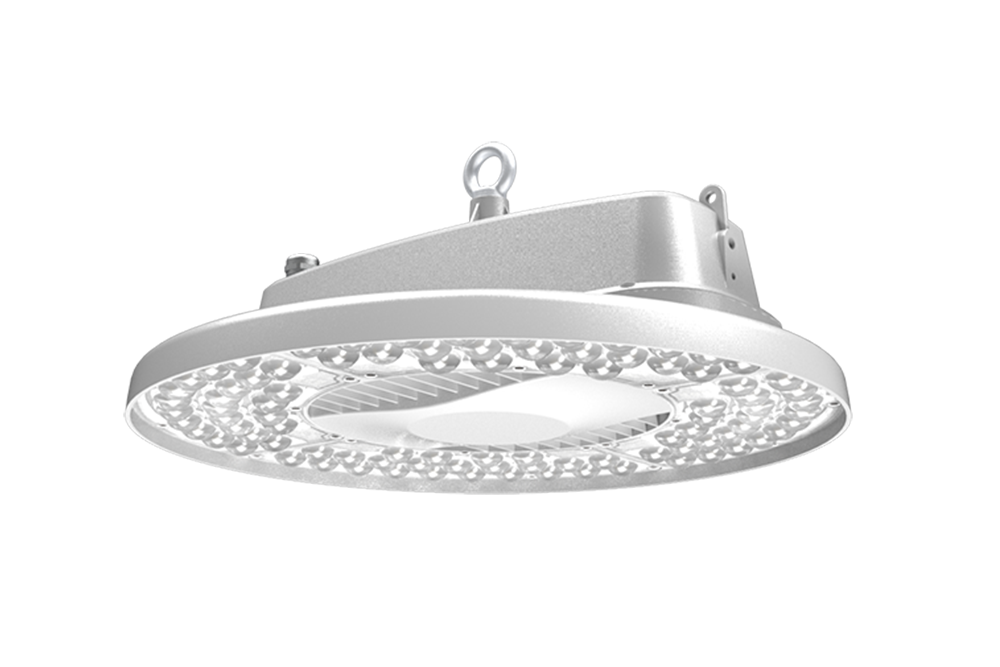
The SEEKING HB15(GLE) Series delivers advanced high bay led lighting with UGR 100,000 h) and reliable illumination for demanding commercial environments.
View details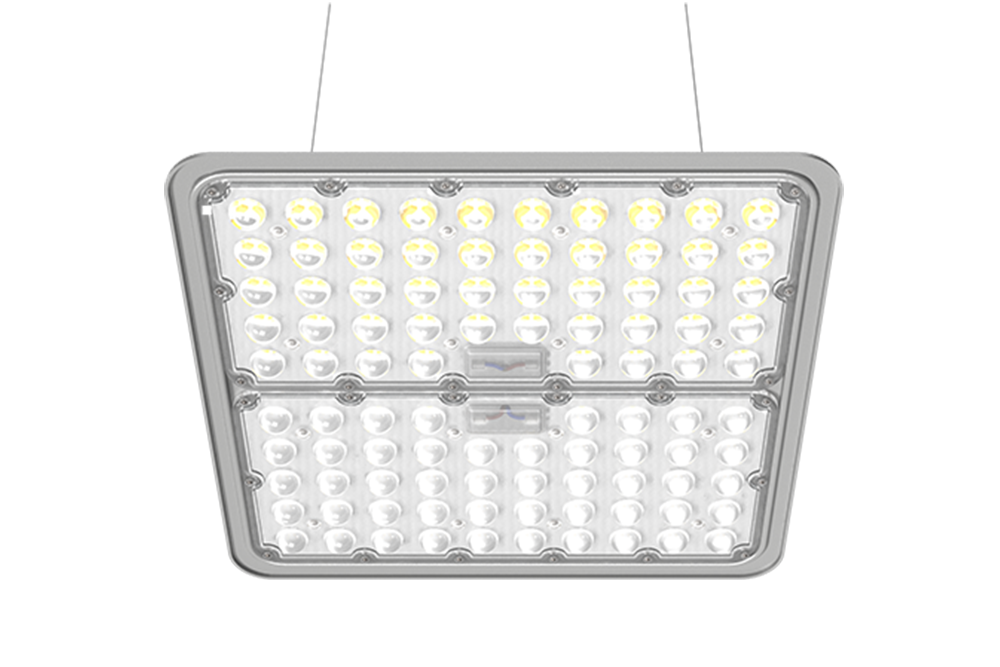
Discover the SEEKING HB13(GLK) Series ufo led high bay light, engineered for sports halls, airport lounges, showrooms, and large commercial spaces. UGR 100,000 h). Ideal for industrial ufo high bay lighting fixtures and commercial retrofits.
View details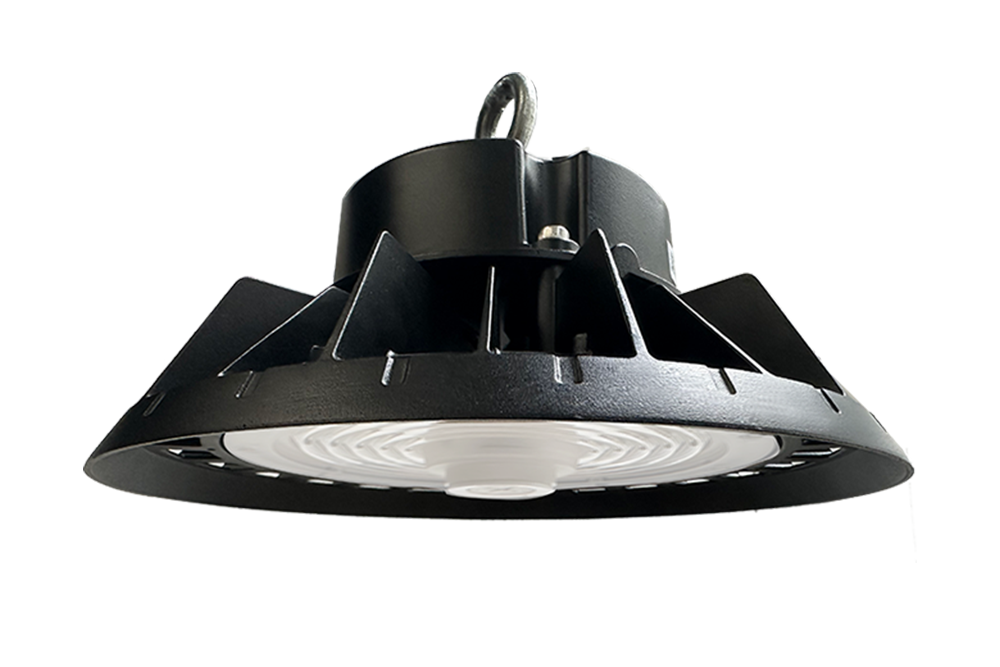
SEEKING HBF Series offers industrial LED high bay lighting with up to 200lm/W efficiency, SOSEN flicker-free driver, IP65 protection and optional microwave motion sensor. Ideal for warehouses, factories and commercial distribution projects.
View details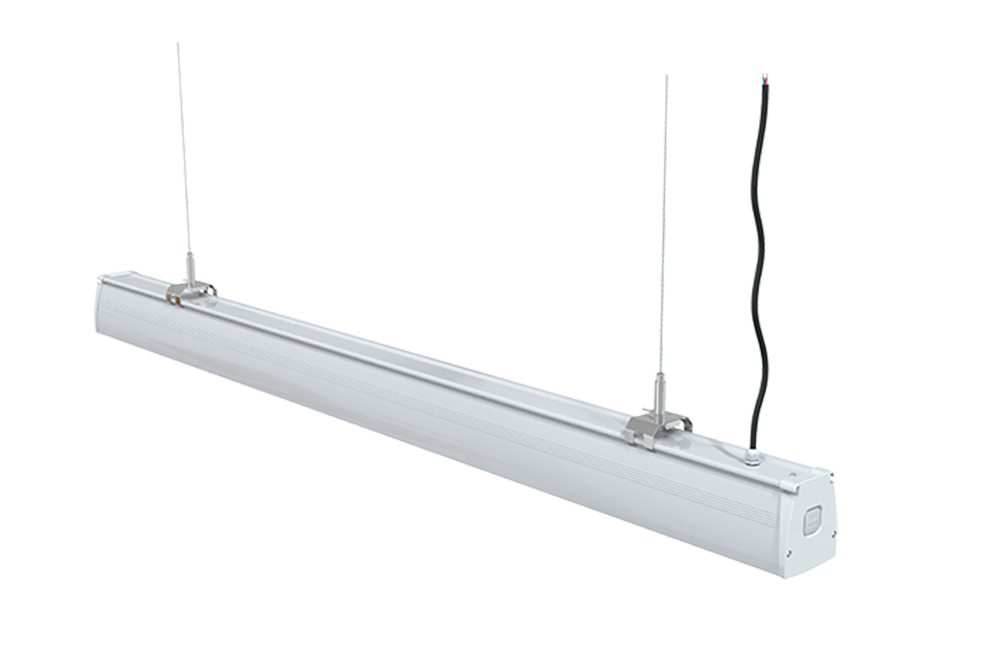
The HLD Series linear high bay LED lights from SEEKING deliver up to 200 lm/W with multiple beam angles and adjustable CCT options for warehouse, workshop, corridor and general industrial lighting.
View details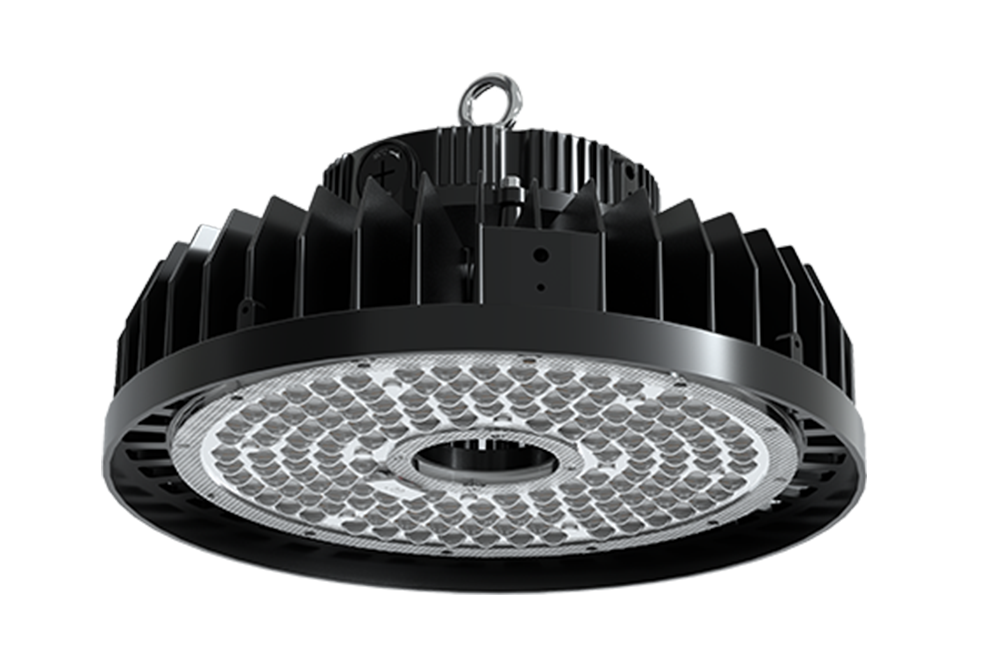
The HBK Series LED high bay light by SEEKING combines 500W power, 160–175 lm/W efficiency and IP65 durability for heavy-duty industrial lighting. Designed for warehouse, factory and production facilities with demanding ceiling heights.
View details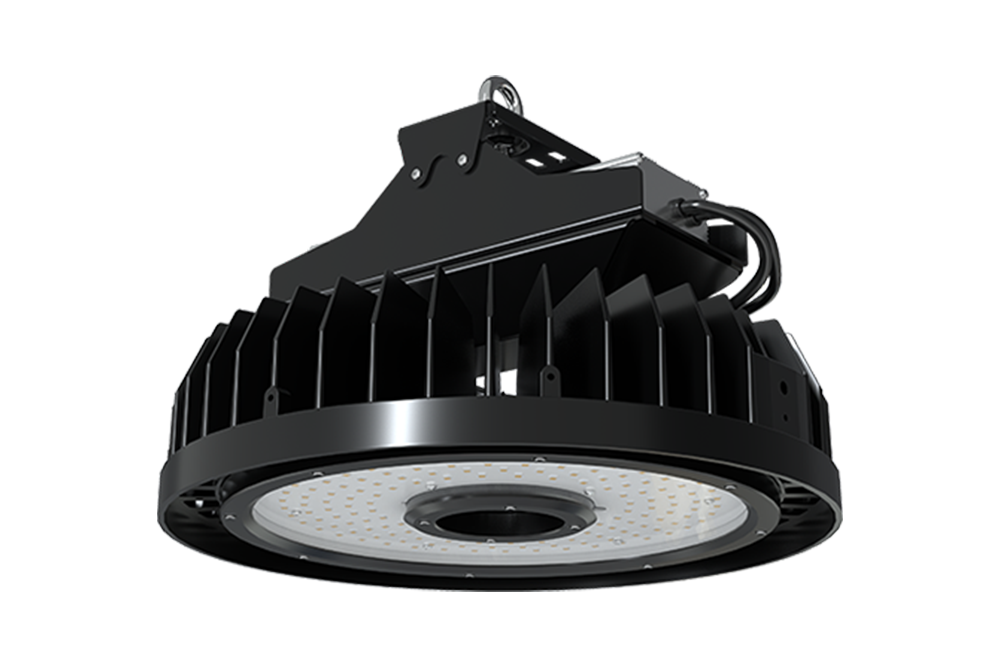
LED high bay lights engineered for extreme heat and low-temperature industrial sites. SEEKING HBK Ultua Series operates from -40°C to +70°C with Nichia LEDs and Inventronics driver.
View details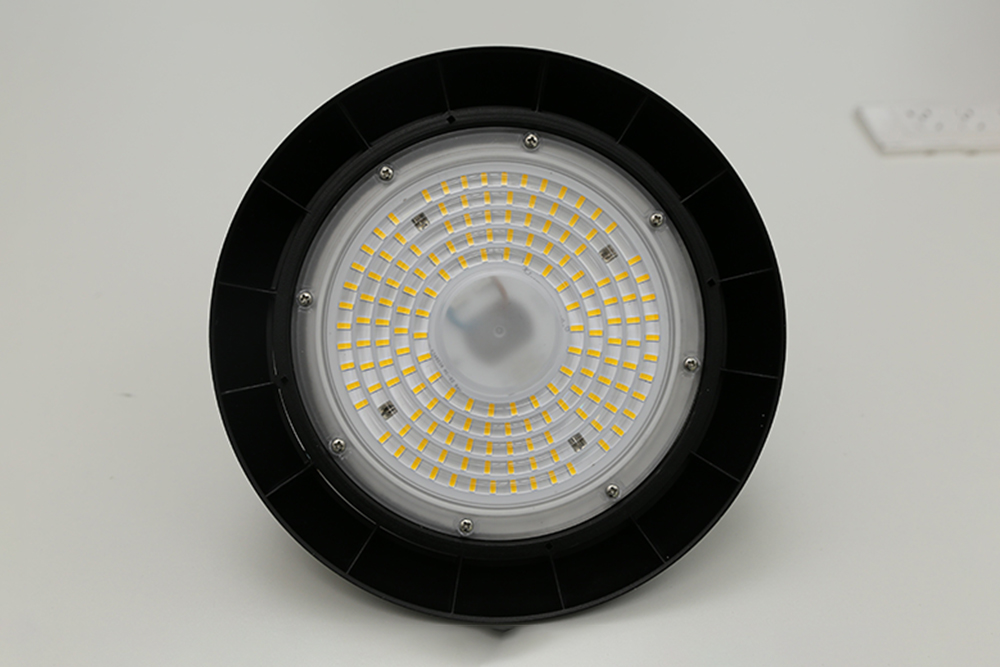
High bay LED lights built for warehouses, production plants and wholesale distribution. SEEKING HBI Series offers up to 200lm/W, IP65, IK08 and optional microwave motion sensor for energy saving operation.
View details
Learn how to choose beam angle for high bay lights based on mounting height, floor layout, fixture spacing, and lighting goals for warehouses and industrial spaces.
View details
Are LED lights street legal for public roads? Learn how regulations work, which LED lights are allowed, and why dedicated LED street lights like SEEKINGLED STA Series are widely approved.
View details
SEEKINGLED’s FLD Series High Mast Lights are specially designed for large-area outdoor illumination, ideal for sports fields, golf courses, training football pitches, ports, docks, and other high-mast applications over 12 meters.Available in 480W,...
View details
A flood light bulb is a directional lamp that spreads bright light across a broad area for yards, driveways, exteriors, signs, and security lighting.
View details