 Seeking LED
What are ATEX Light Fittings Used for?
0What are ATEX light fittings used for? Discover where ATEX-certified lighting is required, how it prevents ignition risks, and why industries rely on it for hazardous areas.
View detailsSearch the whole station
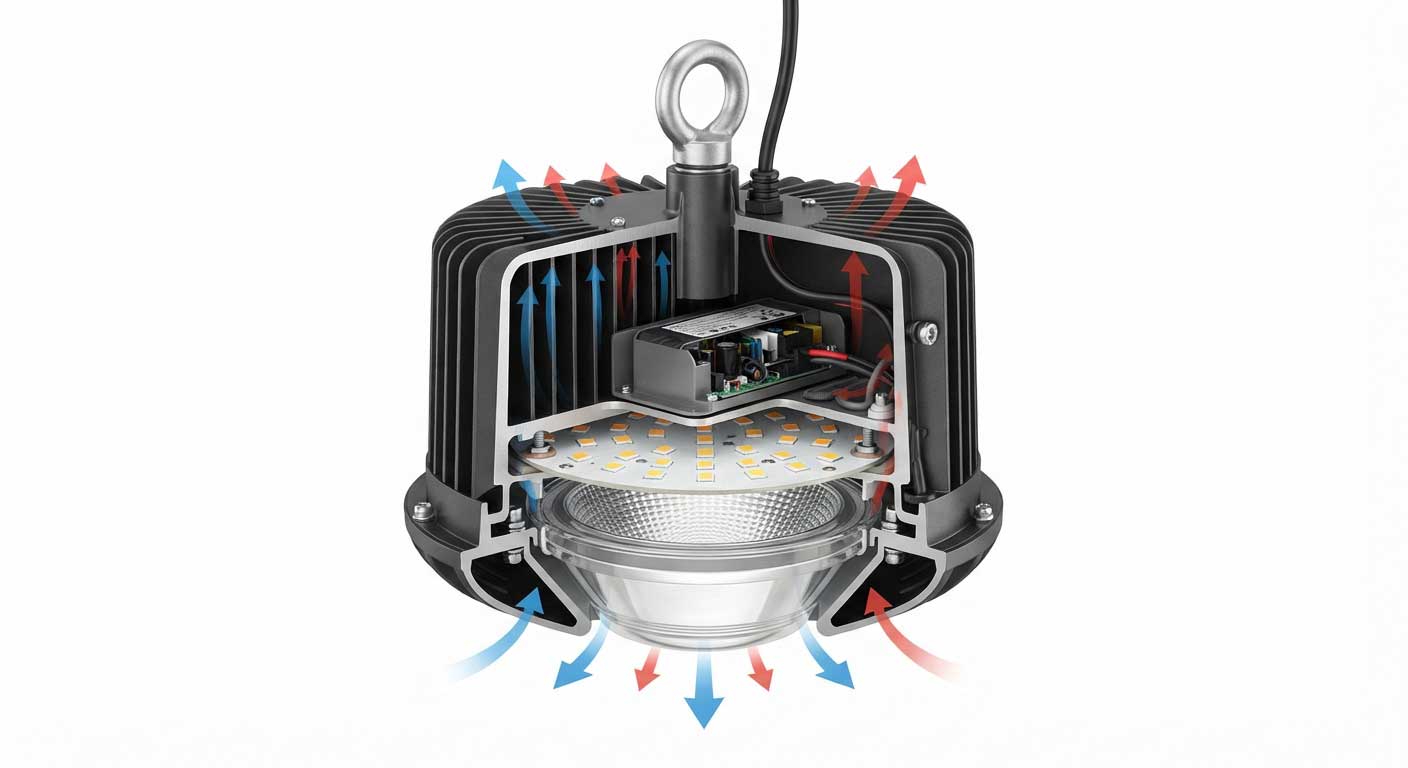
How do high bay lights work? High bay lights work by converting electrical energy into high-intensity LED illumination through LED chips, drivers, optical lenses, and thermal management systems. They are designed to deliver uniform light coverage in spaces with high ceilings such as warehouses, factories, and workshops.
A high bay fixture may look simple from the outside, but inside it is a carefully engineered lighting system.
When I inspect industrial lighting projects at SEEKINGLED, I rarely focus only on the wattage number printed on the product label. The real performance comes from how the LED module, driver, reflector, heat sink, and optical design work together after installation.
A 150W high bay installed correctly can outperform a higher-wattage fixture installed without considering ceiling height, beam angle, or spacing.
That is something we repeatedly see in factories and warehouses.
The fixture is only one part of the lighting system.
High bay lights work by using semiconductor LED technology to produce light when electrical current passes through LED chips.
Unlike traditional lighting technologies that create light by heating a filament or exciting gas inside a tube, LEDs generate light through electroluminescence.
The basic process includes:
The result is a powerful lighting source designed for large indoor spaces.
The U.S. Department of Energy explains that LEDs are semiconductor devices that produce light when electrons move through a semiconductor material, creating photons. This differs from incandescent technology, where most energy is lost as heat.
Source: https://www.energy.gov/energysaver/led-lighting
The heart of a modern high bay light is the LED module.
Inside the module are many small LED chips working together.
Each LED chip produces a limited amount of light, but hundreds or thousands of chips can be combined to create a powerful commercial fixture.
For example:
| Component | Function |
|---|---|
| LED chips | Generate visible light |
| PCB board | Transfers electrical current and heat |
| Driver | Controls voltage and current |
| Lens/reflector | Shapes beam distribution |
| Heat sink | Removes heat |
| Housing | Protects internal components |
A common misunderstanding is that a higher wattage automatically means better lighting.
It does not.
The efficiency of the LED package matters.
A modern 150W LED high bay producing 150–180 lumens per watt may provide significantly more light than an older fixture using the same electrical power.
The U.S. Department of Energy’s Federal Energy Management Program identifies luminous efficacy (lumens per watt) as a key performance measurement for LED luminaires.
Source: https://www.energy.gov/cmei/femp/purchasing-energy-efficient-commercial-and-industrial-led-luminaires
The driver is one of the most important parts of a high bay light.
LEDs require stable electrical current.
They cannot simply connect directly to building power because voltage fluctuations can damage the LED chips.
The driver performs several functions:
In industrial environments, the driver often becomes one of the first components affected by poor thermal conditions.
A high-quality LED fixture separates the driver from excessive heat whenever possible.
This is why industrial lighting manufacturers pay close attention to driver temperature ratings.
Producing light is only half the job.
The fixture must also put the light where people need it.
High bay lights use optical systems such as:
Different applications require different distributions.
For example:
| Beam Angle | Typical Application |
| Narrow beam | High ceilings, aisles, focused areas |
| Medium beam | General warehouses and workshops |
| Wide beam | Lower ceilings and open spaces |
A warehouse with 35-foot ceilings may need concentrated light distribution.
A workshop with a 15-foot ceiling usually requires a wider pattern.
Choosing the wrong beam angle can create uneven lighting, glare, and unnecessary energy use.
This is why professional lighting design considers the mounting height before selecting the fixture.
High bay lights produce heat during operation.
Although LEDs are more efficient than older technologies, electrical energy is not converted into light with zero loss.
The heat generated must be transferred away from sensitive components.
A typical thermal path looks like this:
LED chip → PCB → thermal material → aluminum heat sink → surrounding air
The heat sink plays a critical role by increasing the surface area available for heat dissipation.
Poor thermal management can result in:
DOE research on LED thermal management highlights that controlling junction temperature is essential for maintaining LED performance and lifetime.
Source:
https://www.energy.gov/eere/ssl/thermal-management
High bay lights are designed for large spaces where traditional fixtures often struggle to provide enough illumination.
Typical applications include:
The advantage comes from combining:
DOE reports that LED lighting can use at least 75% less energy than incandescent lighting and can last up to 25 times longer.
Source: https://www.energy.gov/energysaver/led-lighting
However, energy savings depend on the complete lighting design.
A poorly designed LED system can still waste light.
The goal is not simply installing the brightest fixture.
The goal is delivering useful light to the working area.
Installation height strongly affects performance.
Before installation, professionals normally evaluate:
For example:
A warehouse with 30-foot ceilings may use fewer high-output fixtures mounted farther apart.
A workshop with 15-foot ceilings may require lower-output fixtures installed closer together.
At SEEKINGLED, we often review the application environment first because the same fixture model can perform very differently depending on where it is installed.
Modern high bay lights are no longer just simple on-and-off fixtures.
Many industrial facilities now combine LED high bay lighting with intelligent control systems to reduce unnecessary energy consumption.
Common control options include:
For example, a warehouse with multiple aisles does not always need maximum brightness during every hour of operation.
A smart system can reduce output in unused areas and increase illumination when workers enter a specific zone.
The U.S. Department of Energy notes that LED technology is well suited for dimming and sensor-based control strategies because LEDs respond instantly compared with traditional lighting sources.
This is one reason industrial LED upgrades often involve more than replacing old lamps with new fixtures.
The bigger opportunity is improving how the entire lighting system operates.
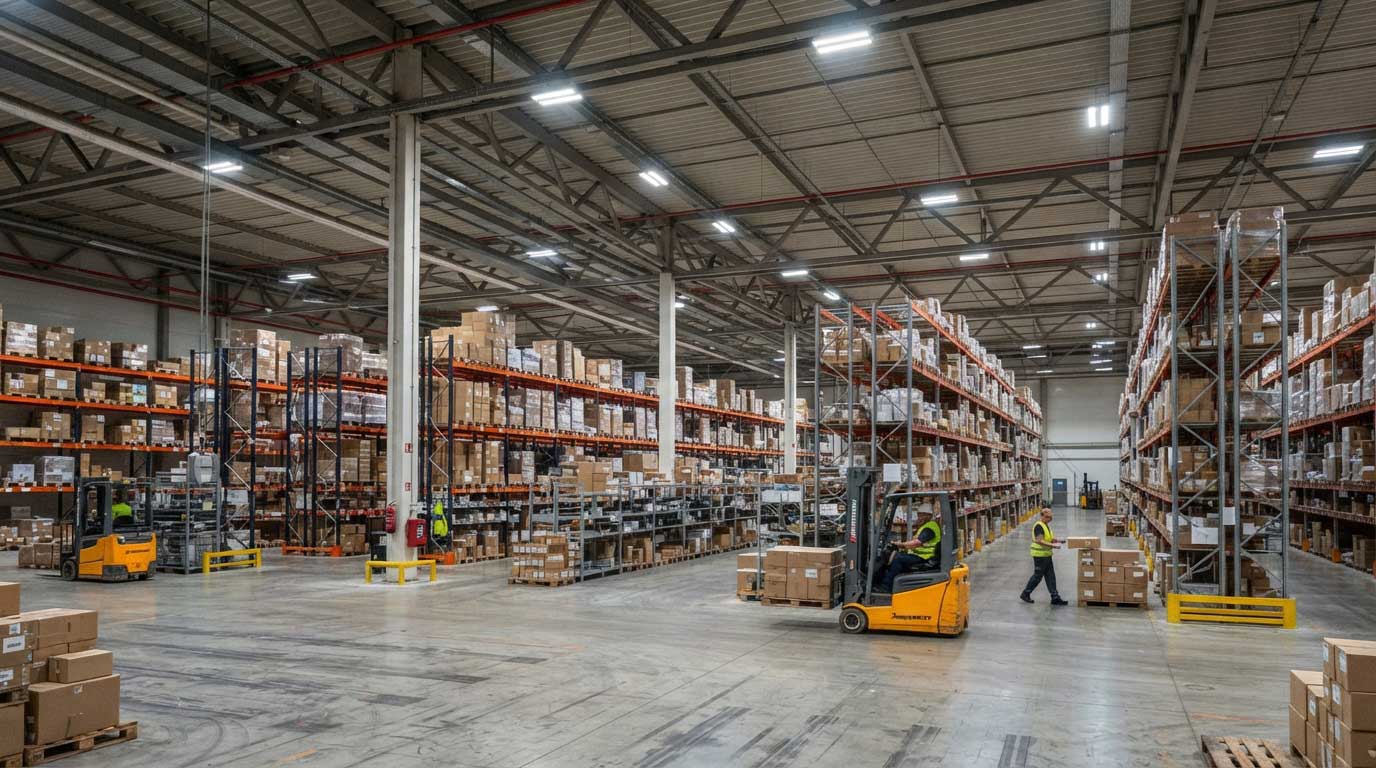
High bay lights are designed for environments where large areas need strong, consistent illumination from elevated mounting positions.
Typical applications include:
| Application | Why High Bay Lights Are Suitable |
|---|---|
| Warehouses | Provides wide coverage across storage areas |
| Manufacturing plants | Supports detailed industrial tasks |
| Automotive workshops | Improves visibility around vehicles and equipment |
| Aircraft hangars | Handles large open spaces |
| Sports facilities | Provides powerful overhead illumination |
| Agricultural buildings | Supports large indoor areas |
However, the same fixture does not perform identically in every location.
A 150W LED high bay in a 40-foot warehouse has a completely different job compared with a 150W fixture installed in a 16-foot workshop.
The mounting height changes:
This is why experienced lighting designers start with the environment instead of starting with product wattage.
One reason companies replace metal halide and fluorescent fixtures with LED high bays is efficiency.
Traditional industrial lighting often wastes energy through:
LED high bay lights solve many of these problems through solid-state technology.
According to ENERGY STAR, LED lighting products can produce light up to 90% more efficiently than incandescent lighting, while LED systems manage heat through dedicated thermal solutions such as heat sinks.
In industrial applications, the advantages become more noticeable because fixtures often operate for many hours every day.
A warehouse running lighting for 12–16 hours daily can quickly expose the difference between efficient and inefficient lighting systems.
The biggest savings are usually not from the LED chip alone.
They come from the entire system:
A properly designed LED high bay can provide many years of service, but lifetime depends on several factors.
Important factors include:
| Factor | Impact |
|---|---|
| LED quality | Determines light output stability |
| Driver reliability | Affects electrical performance |
| Heat management | Controls component stress |
| Operating temperature | Influences lifetime |
| Installation environment | Determines exposure conditions |
LED lifetime is usually measured by lumen depreciation rather than sudden failure.
In simple terms, the fixture becomes gradually less bright over time instead of suddenly stopping.
ENERGY STAR explains that LED lifetime is commonly defined when light output decreases by around 30% from its initial level.
In real industrial environments, dust, heat, vibration, and poor installation can shorten expected performance.
A premium fixture installed incorrectly may not outperform a well-designed fixture installed properly.
From my experience working with industrial lighting projects at SEEKINGLED, the strongest products usually share several characteristics.
A reliable high bay light should include:
High-quality LED chips provide stable brightness and better color consistency.
The driver must handle continuous operation and protect the LED module from unstable electrical conditions.
A large aluminum heat sink or optimized housing helps move heat away from sensitive components.
DOE research identifies thermal management as a critical factor affecting LED performance because excessive heat can accelerate lumen depreciation and reduce useful life.
The fixture should match:
Industrial environments may require protection against:
For example, food processing areas, warehouses, and workshops may have completely different environmental requirements.
Even excellent LED fixtures can perform poorly if the installation design is wrong.
Common mistakes include:
More power does not always mean better lighting.
A fixture that is too powerful can create glare and wasted energy.
A narrow beam in a low-ceiling workshop may create bright spots.
A wide beam in a very tall warehouse may not deliver enough intensity at the floor level.
Too many fixtures increase energy use.
Too few fixtures create dark areas.
Dust buildup, high temperatures, and chemical exposure can affect performance.
At SEEKINGLED, we often review installation conditions before recommending a lighting solution because the application determines the correct fixture design.
How do high bay lights work? High bay lights work by using LED chips, drivers, optical systems, and thermal management components to convert electrical power into controlled high-output illumination. Their performance depends on how well these components work together with the installation environment.
A high bay light is not simply a brighter ceiling lamp.
It is a complete lighting system designed for challenging spaces where height, coverage, efficiency, and reliability matter.
The LED module creates the light.
The driver controls the power.
The optics direct the beam.
The heat sink protects long-term performance.
When these parts are correctly engineered and properly installed, high bay lights can provide efficient, comfortable, and reliable illumination for warehouses, factories, workshops, and commercial buildings.
High bay lights use higher-output LED modules, stronger thermal management, and specialized optics designed for large spaces and higher mounting heights.
No. LED high bay lights do not use traditional fluorescent or metal halide ballasts. They use LED drivers to regulate electrical power.
Heat sinks remove heat generated by LED components. Proper thermal management helps maintain brightness and extend fixture life.
Installation height depends on the application. Many industrial high bays are used in spaces with ceilings from around 20 feet to over 40 feet, but the fixture design must match the mounting height.
Yes. Many modern LED high bay lights support dimming systems such as 0–10V controls and smart lighting sensors.
Yes. LED high bays generally provide high lumen output with lower energy consumption compared with many traditional industrial lighting technologies. DOE efficiency guidance evaluates industrial high bay luminaires using lumens per watt as a key performance measurement.
The main factors are LED quality, driver design, heat management, beam angle, mounting height, spacing, and environmental conditions.
High bay lights work by combining advanced LED technology with intelligent power control, optical design, and thermal management to deliver powerful lighting for large indoor environments.
The best results do not come from choosing the highest wattage fixture.
They come from matching the lighting system to the actual space.
A properly designed high bay installation should provide:
At SEEKINGLED, we approach high bay lighting from an engineering perspective: understand the environment first, then select the fixture.Visit the product page:Industrial LED High Bay Lights
Because industrial lighting is not only about producing more light.
It is about delivering the right light, exactly where people need it.
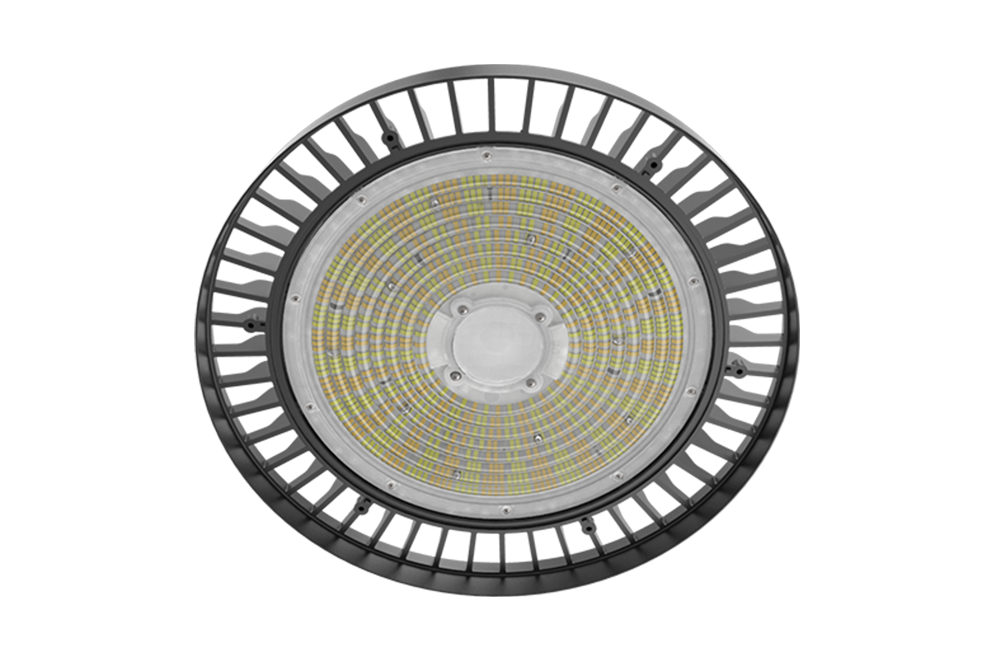
The SEEKING HBC-T Series high bay lights LED offer long-lasting performance for warehouses, production plants and logistics centers. Durable IP65 & IK08 housing, 60°/90° beam angles, up to 150 lm/W, and a lifespan beyond 100,000 hours. Ideal for airport halls, commercial storage, construction sites and large indoor spaces.
View details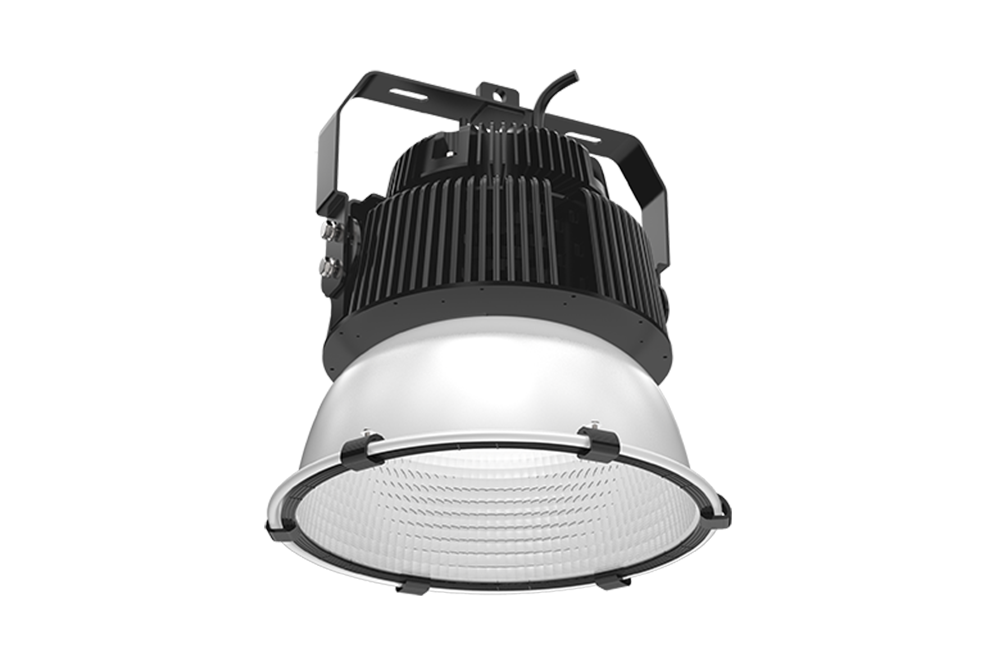
The SEEKING HBS Series LED UFO high bay light delivers 140 lm/W efficiency, IP65 protection and MEAN WELL drivers. A durable high-rise lighting solution for factories, warehouses and commercial halls.
View details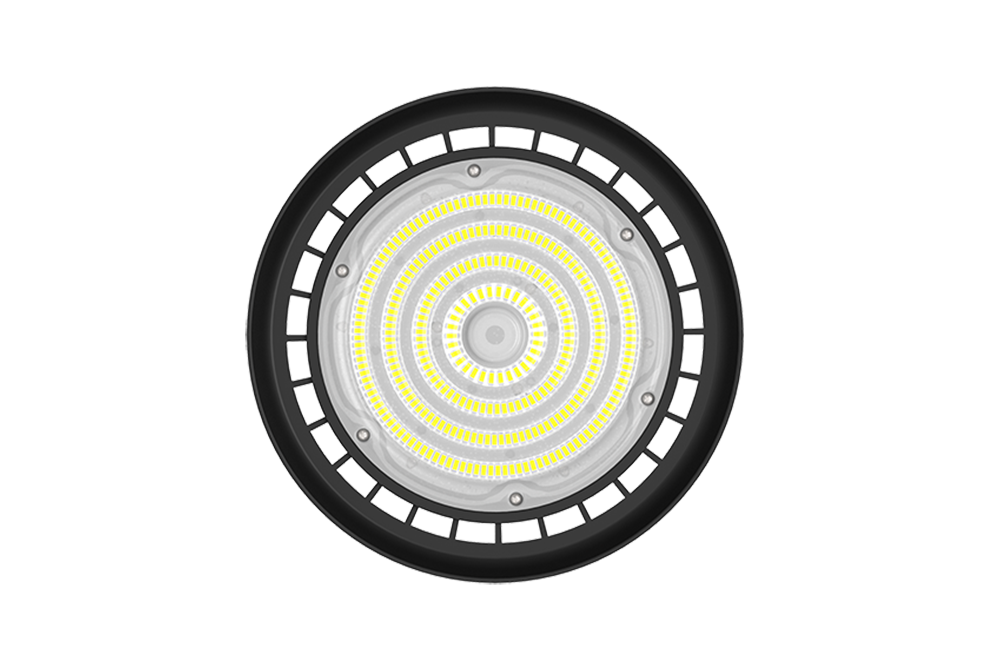
SEEKING HBD Series LED high bay lighting delivers 160 lm/W efficiency, IP66 protection, and long 100,000-hour lifespan. A durable UFO high bay solution for warehouses, workshops, logistics centers and commercial facilities.
View details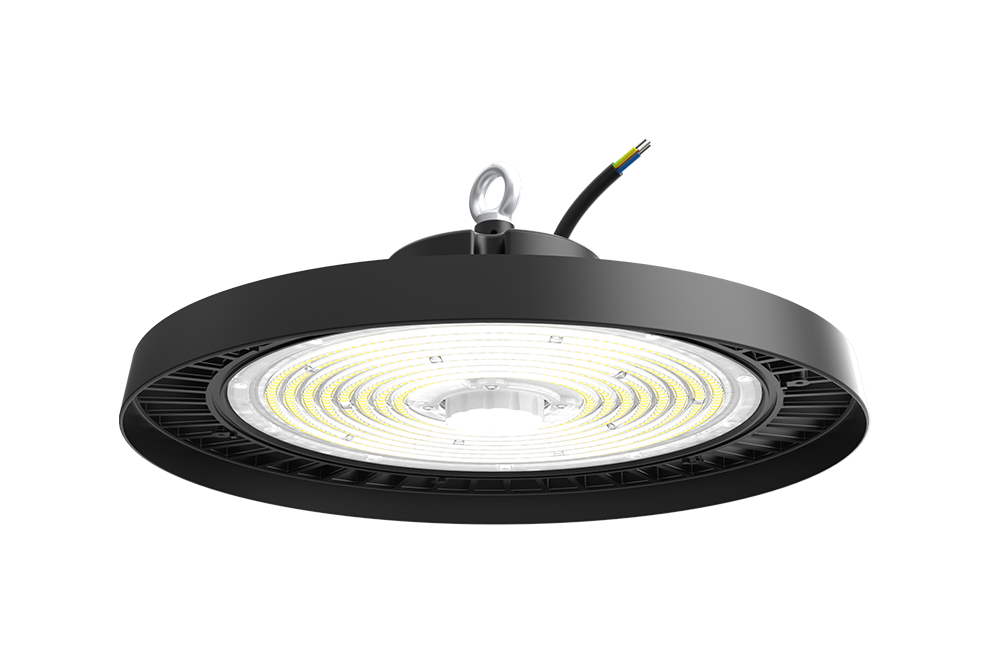
The SEEKING HBC Series high bay LED light fixtures combine strong efficiency, practical design and reliable SOSEN drivers. A durable UFO high bay lighting option for warehouses, workshops and wholesale projects.
View details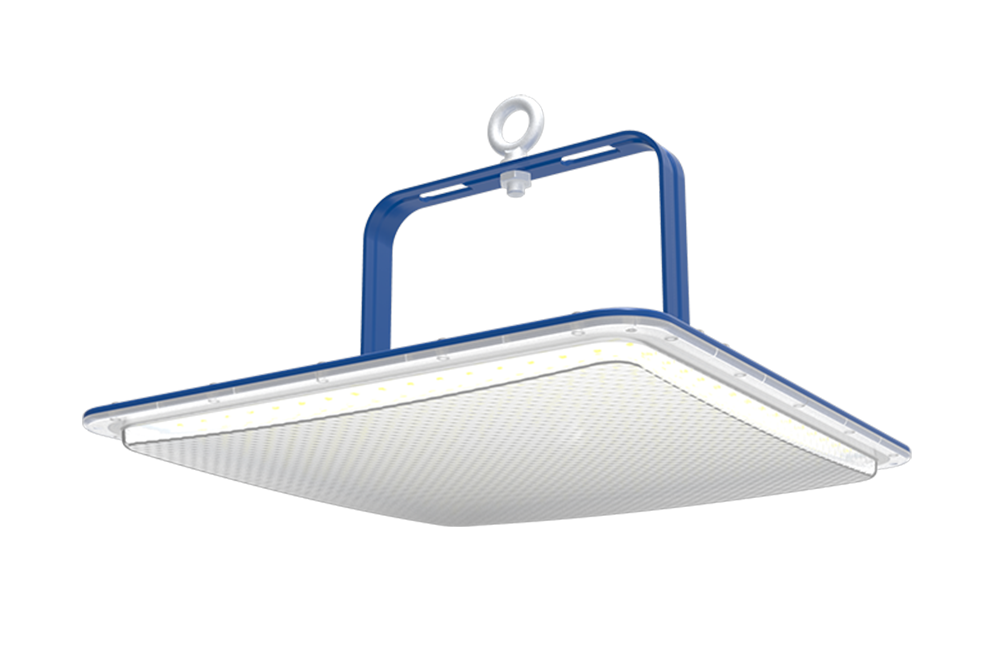
The SEEKING GSL Series high bay LED light delivers powerful, efficient lighting for industrial and commercial spaces. With IP65 protection, flexible mounting, and up to 140 lm/W performance, it’s ideal for warehouses, workshops, and retail areas.
View details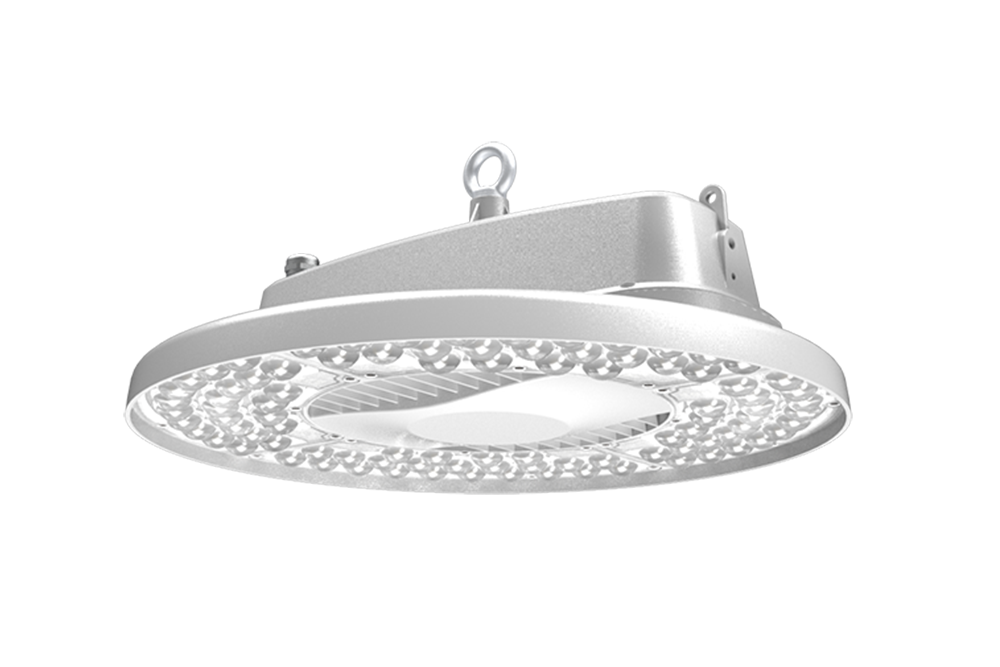
The SEEKING HB15(GLE) Series delivers advanced high bay led lighting with UGR 100,000 h) and reliable illumination for demanding commercial environments.
View details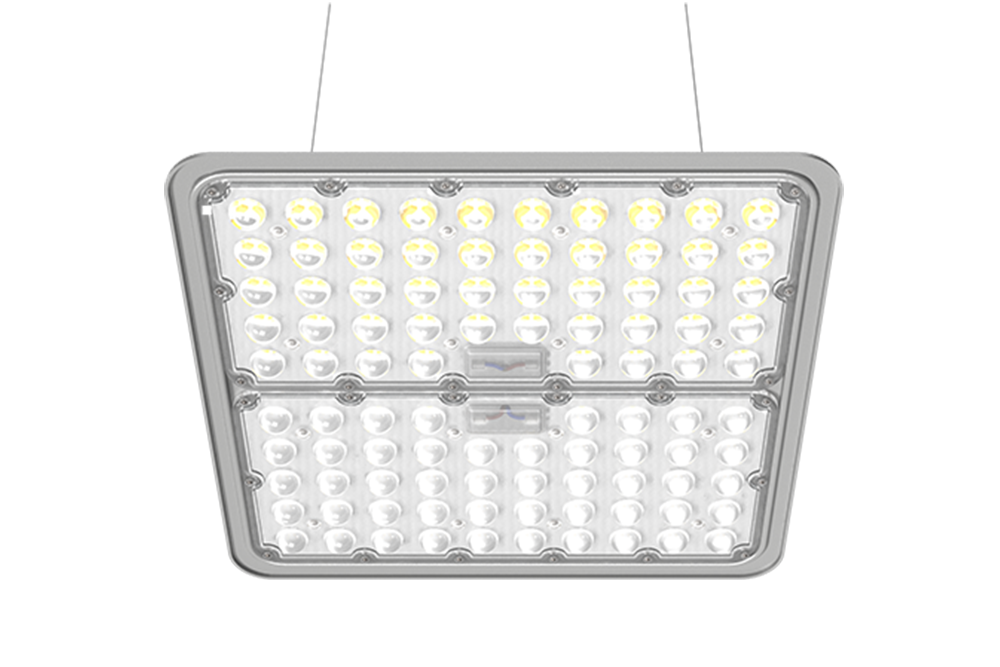
Discover the SEEKING HB13(GLK) Series ufo led high bay light, engineered for sports halls, airport lounges, showrooms, and large commercial spaces. UGR 100,000 h). Ideal for industrial ufo high bay lighting fixtures and commercial retrofits.
View details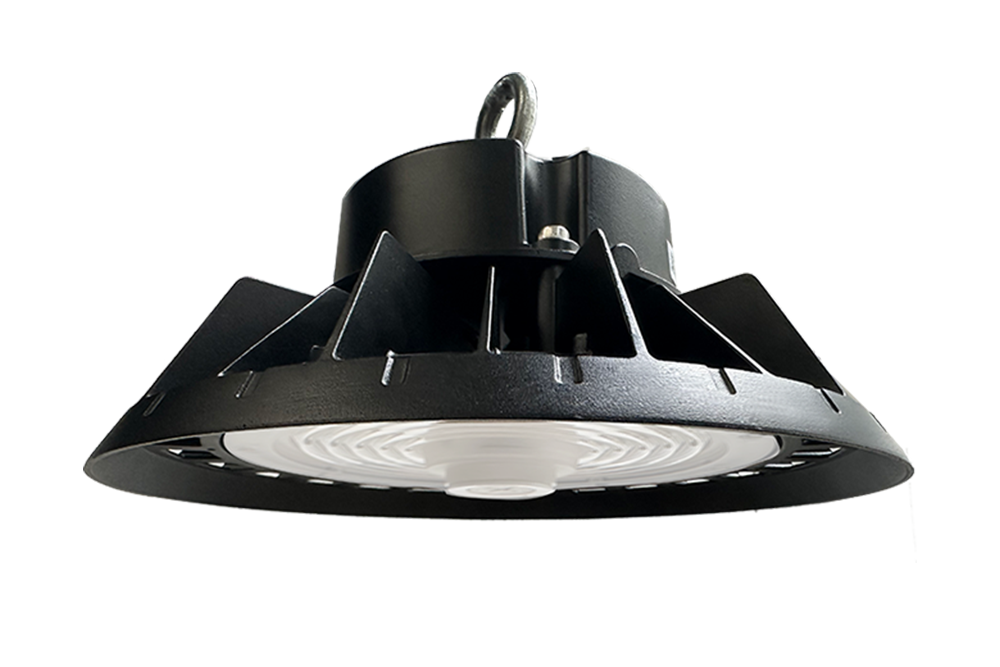
SEEKING HBF Series offers industrial LED high bay lighting with up to 200lm/W efficiency, SOSEN flicker-free driver, IP65 protection and optional microwave motion sensor. Ideal for warehouses, factories and commercial distribution projects.
View details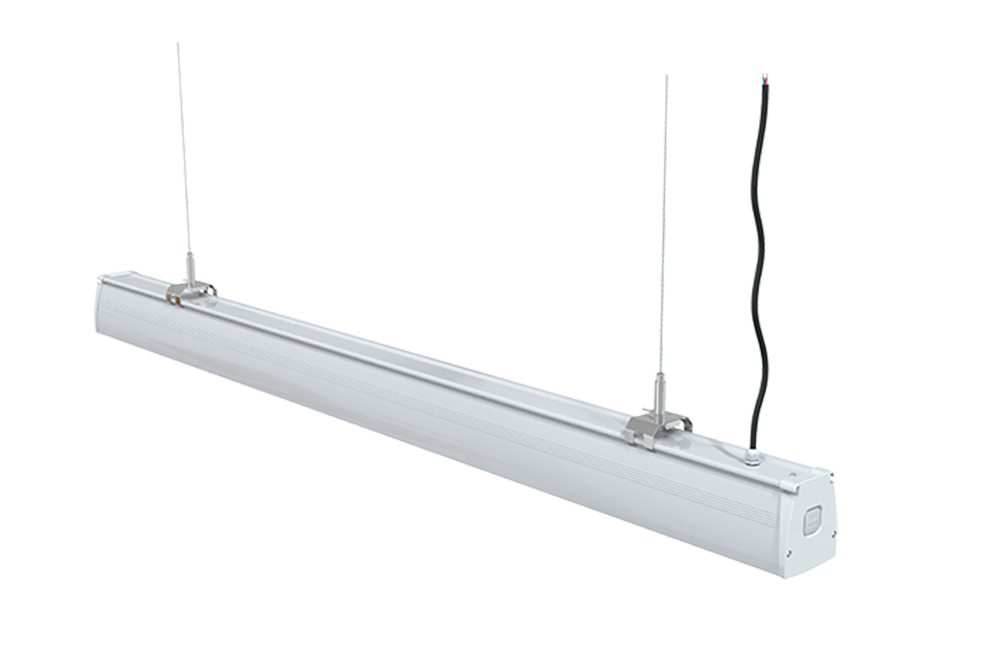
The HLD Series linear high bay LED lights from SEEKING deliver up to 200 lm/W with multiple beam angles and adjustable CCT options for warehouse, workshop, corridor and general industrial lighting.
View details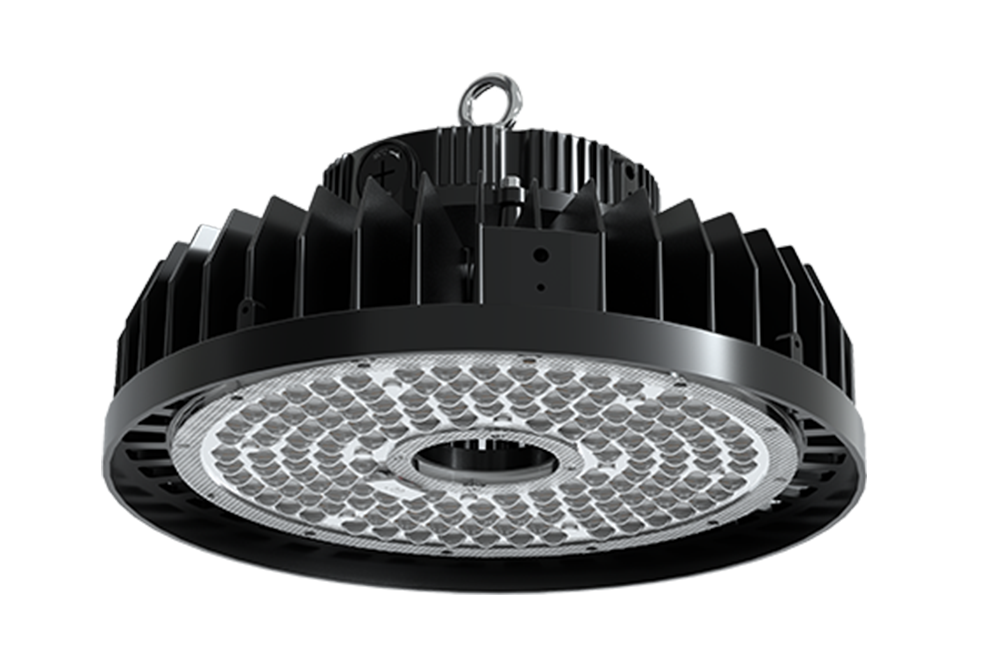
The HBK Series LED high bay light by SEEKING combines 500W power, 160–175 lm/W efficiency and IP65 durability for heavy-duty industrial lighting. Designed for warehouse, factory and production facilities with demanding ceiling heights.
View details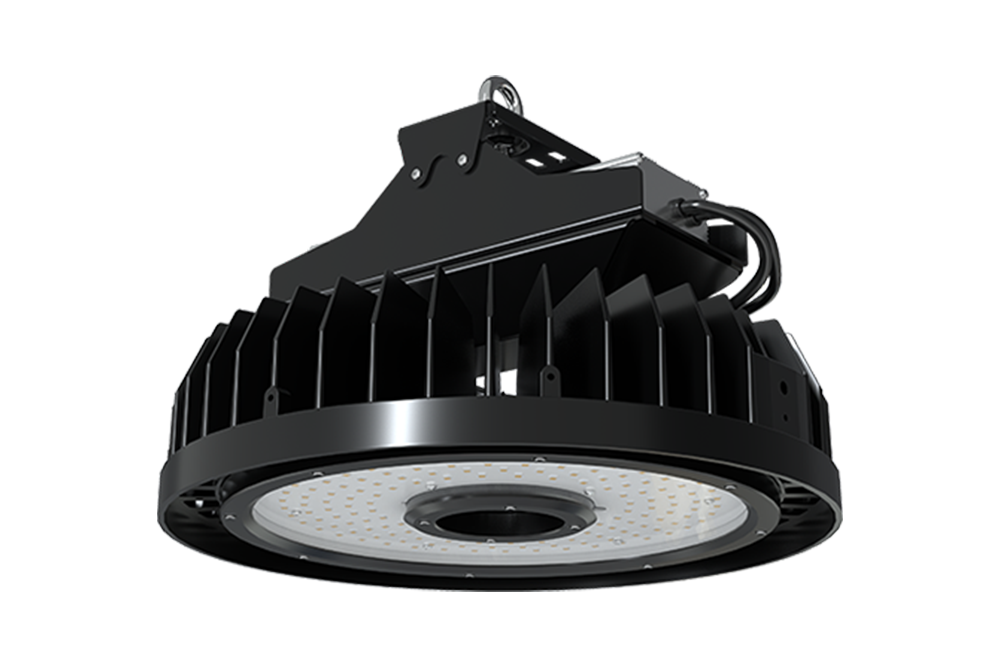
LED high bay lights engineered for extreme heat and low-temperature industrial sites. SEEKING HBK Ultua Series operates from -40°C to +70°C with Nichia LEDs and Inventronics driver.
View details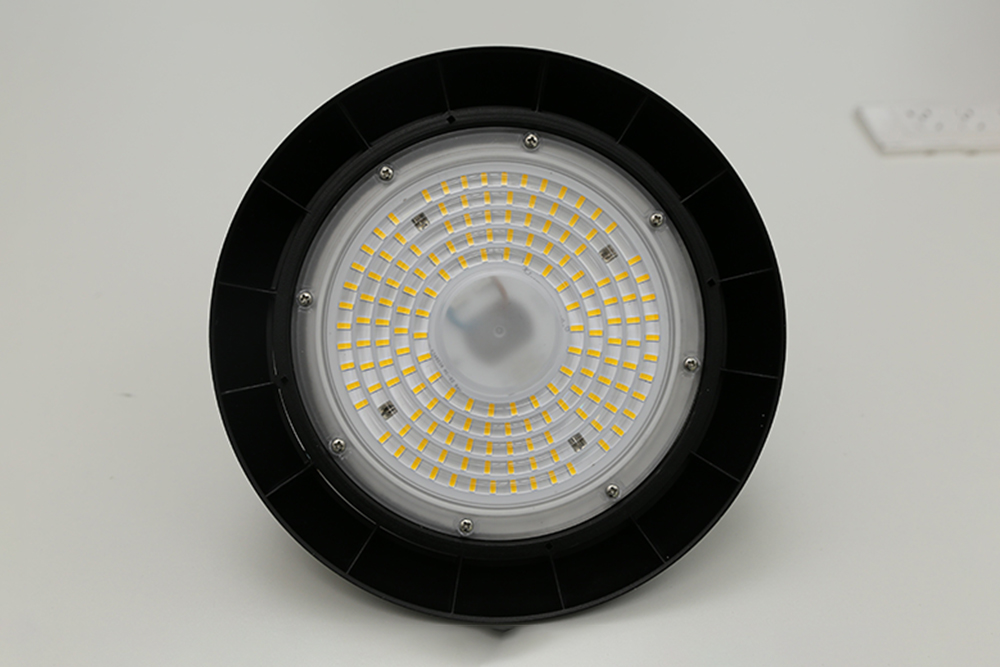
High bay LED lights built for warehouses, production plants and wholesale distribution. SEEKING HBI Series offers up to 200lm/W, IP65, IK08 and optional microwave motion sensor for energy saving operation.
View details
What are ATEX light fittings used for? Discover where ATEX-certified lighting is required, how it prevents ignition risks, and why industries rely on it for hazardous areas.
View details
In 2024, a European warehouse installed 120 pcs of SEEKING XJ-HBF200W LED High Bay Light, reaching 200 lm/W, 300+ LUX average illuminance and over 0.7 uniformity, cutting energy use compared to traditional metal halide high bays.
View details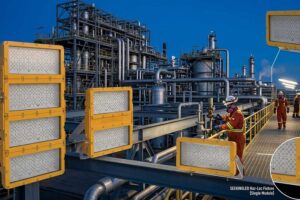
What are hazardous location LED lights? Discover how certified LED fixtures protect workers in explosive environments while improving safety and reliability.
View details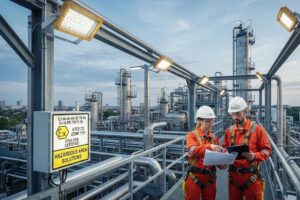
Discover what is atex, how ATEX certification protects hazardous workplaces, and how certified explosion proof lighting helps industries improve safety and reliability.
View details