 Seeking LED
Class 1 Div 2 Light Fixture for Hazardous Industrial Environments
0Class 1 Div 2 light fixture solutions improve industrial safety in oil, gas, chemical, and hazardous locations with certified LED performance from SEEKINGLED.
View detailsSearch the whole station
What is an explosion proof light?
An explosion proof light is a sealed, certified lighting fixture designed to contain internal sparks or heat, preventing ignition of flammable gases, vapors, or dust in hazardous environments.
That’s the direct answer. But in practice, this definition only scratches the surface. After years working on refinery and chemical plant lighting upgrades, I’ve learned that explosion proof lighting is less about brightness—and entirely about controlled failure.
An explosion proof light does not “withstand” an external explosion.
It is engineered so that:
This concept is defined under IEC 60079-1 (Flameproof Enclosures “Ex d”).
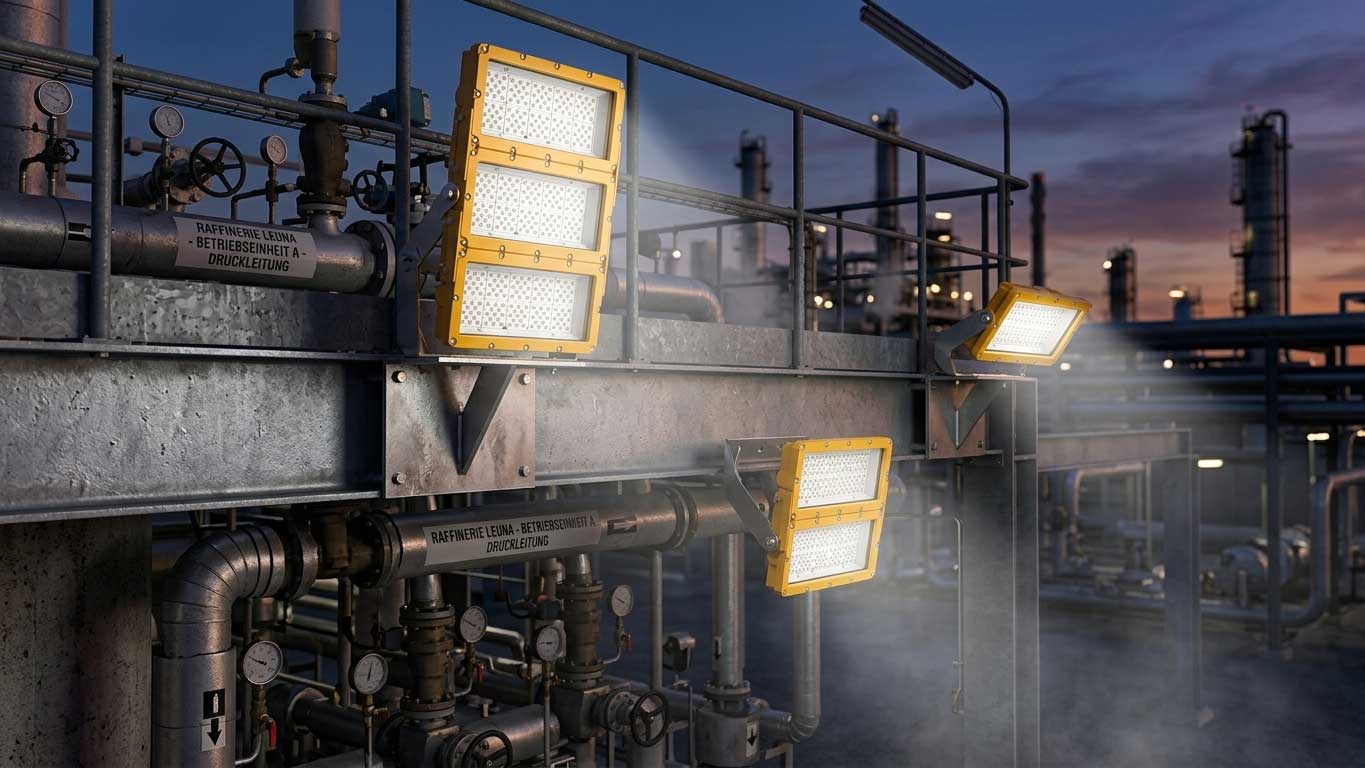
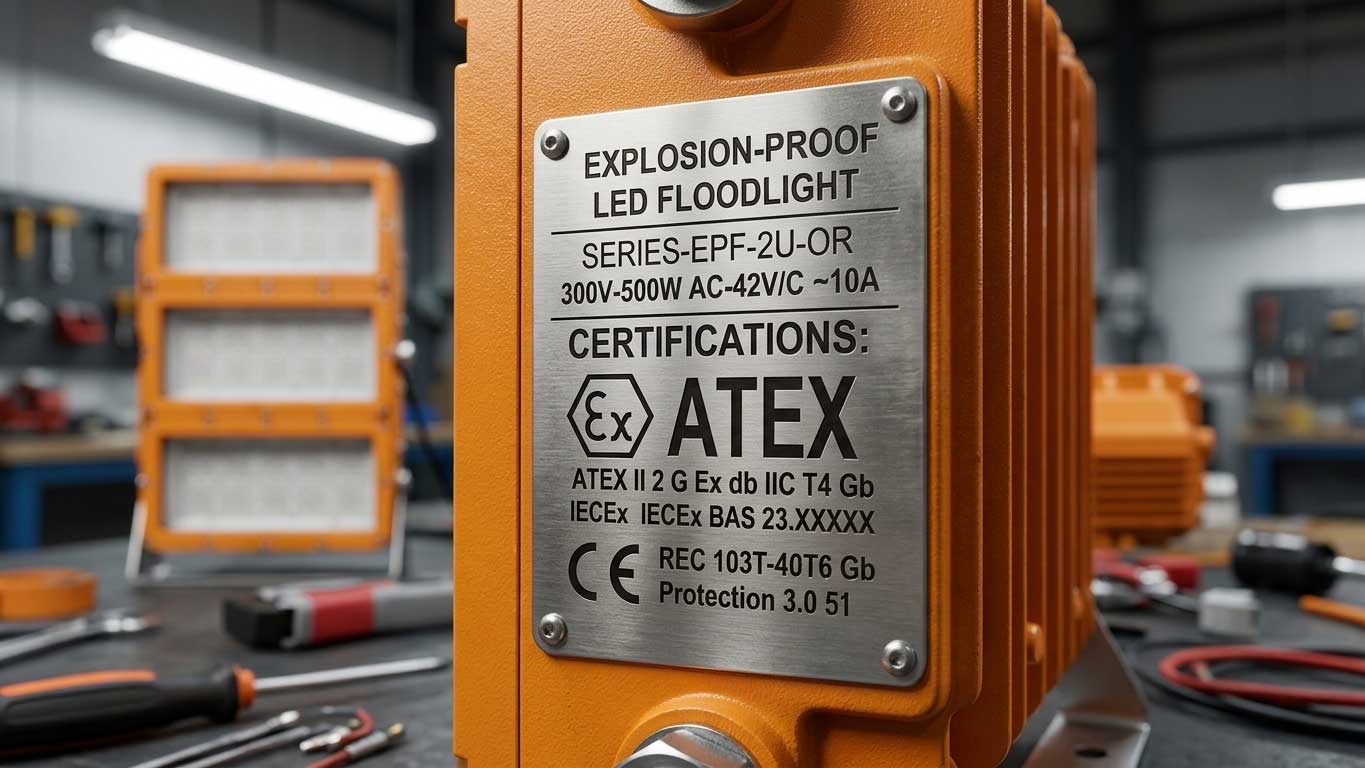
From hands-on inspections, every certified fixture shares a few non-negotiable features:
In one petrochemical audit I participated in, nearly 30% of rejected fixtures failed due to sealing defects, not electrical faults.
| Standard | Region | Typical Marking |
|---|---|---|
| ATEX Directive 2014/34/EU | Europe | Ex II 2G Ex d IIC T6 |
| IECEx Scheme | Global | Ex d IIC Gb |
| NEC (NFPA 70) | USA | Class I Division 1 |
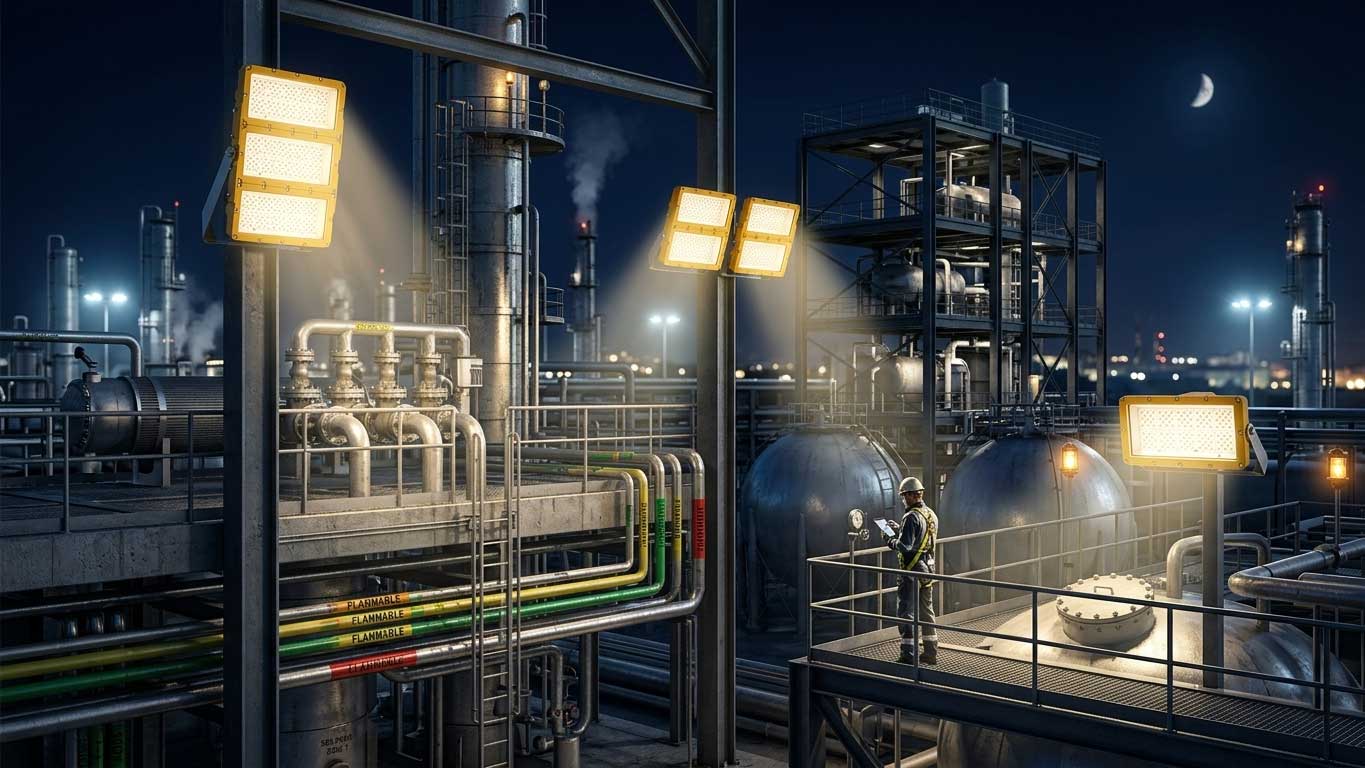
No. It prevents ignition, not external explosions.
No. Only certified fixtures are allowed.
Flameproof enclosure capable of containing internal explosions.
Over the past 9 years, I’ve worked on:
In inspections, over 28% of failures came from enclosure issues, not LEDs.
When asking What is an explosion proof light, the real question is:
Can it still contain ignition after years of stress and corrosion?
Because in hazardous environments,
the fixture defines the safety boundary.
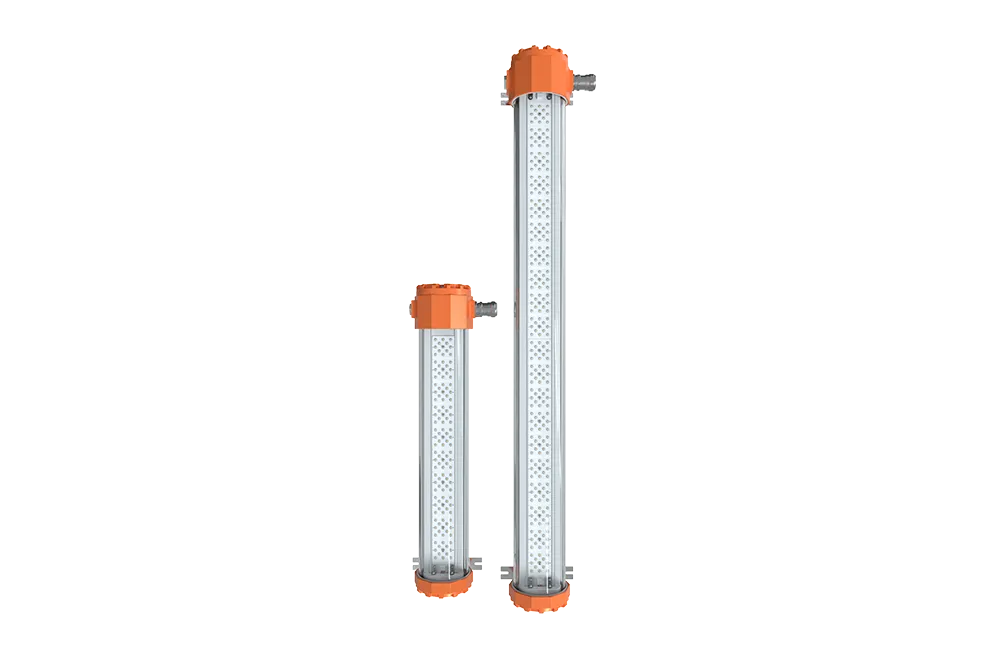
SEEKINGLED LED Linear Explosion Proof Light and Explosion Proof lighting is ATEX and IECEx certified for Zone 1, Zone 2, Zone 21 and Zone 22 hazardous locations, built for long-term industrial use.
View details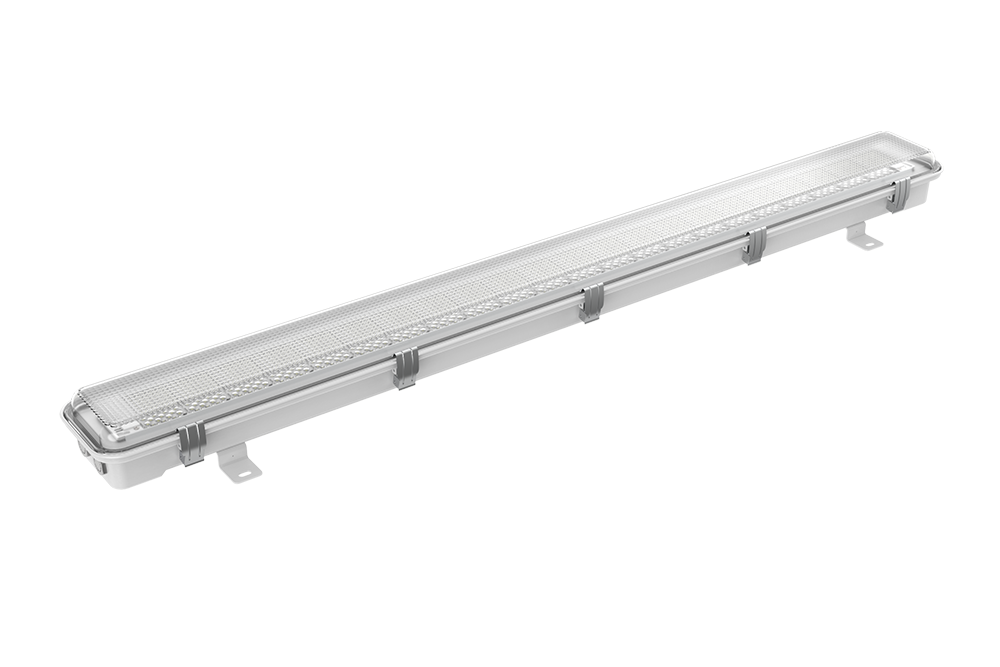
LED Linear Explosion Proof Lights and EX Proof lights for Zone 1, Zone 2, Zone 21 and Zone 22 hazardous areas. ATEX & IECEx certified explosion proof LED linear lighting with emergency function, adjustable power and IP67 protection by SEEKINGLED.
View details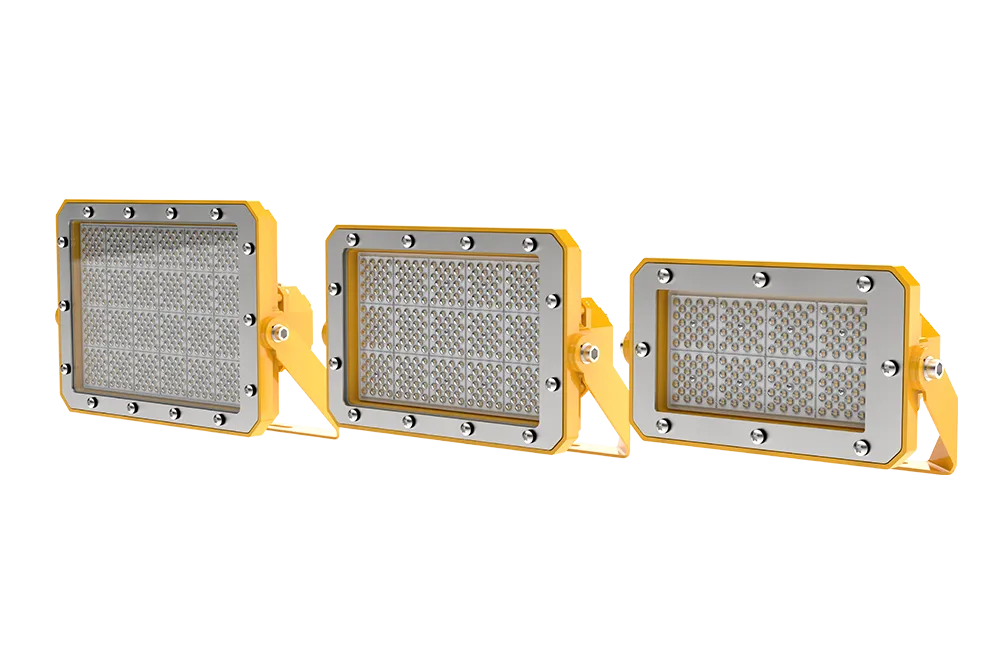
SEEKINGLED LED Explosion Proof Flood Lights are ATEX certified for Zone 2 and Zone 22 hazardous areas, offering high efficiency, adjustable power and integrated junction box.
View details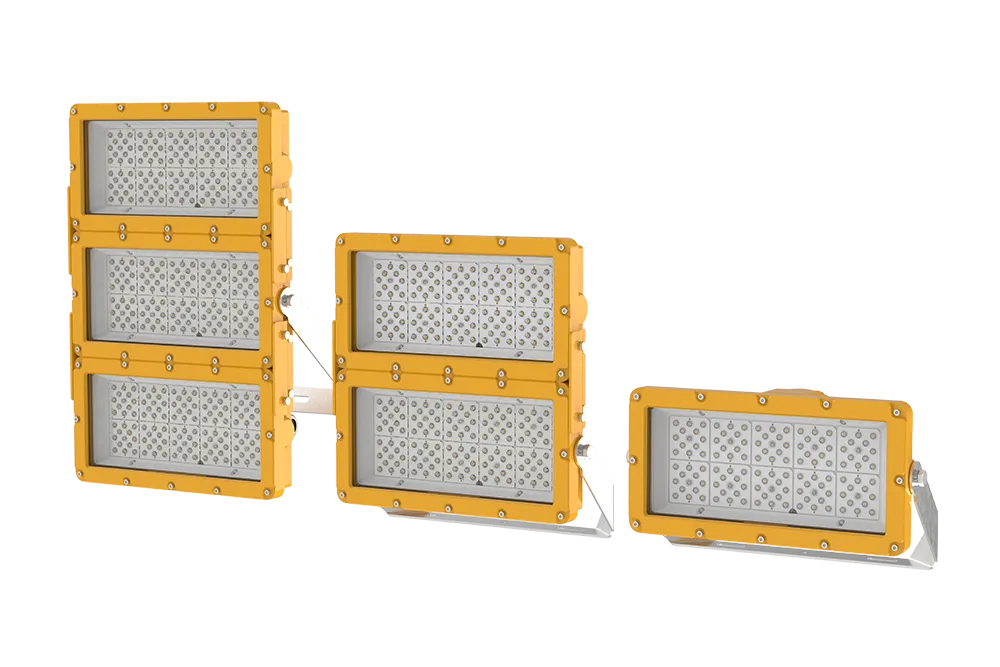
SEEKINGLED LED Explosion Proof Flood Lights are flameproof ATEX and IECEx certified for Zone 1 and Zone 2 hazardous areas, offering high power, adjustable output and long service life.
View details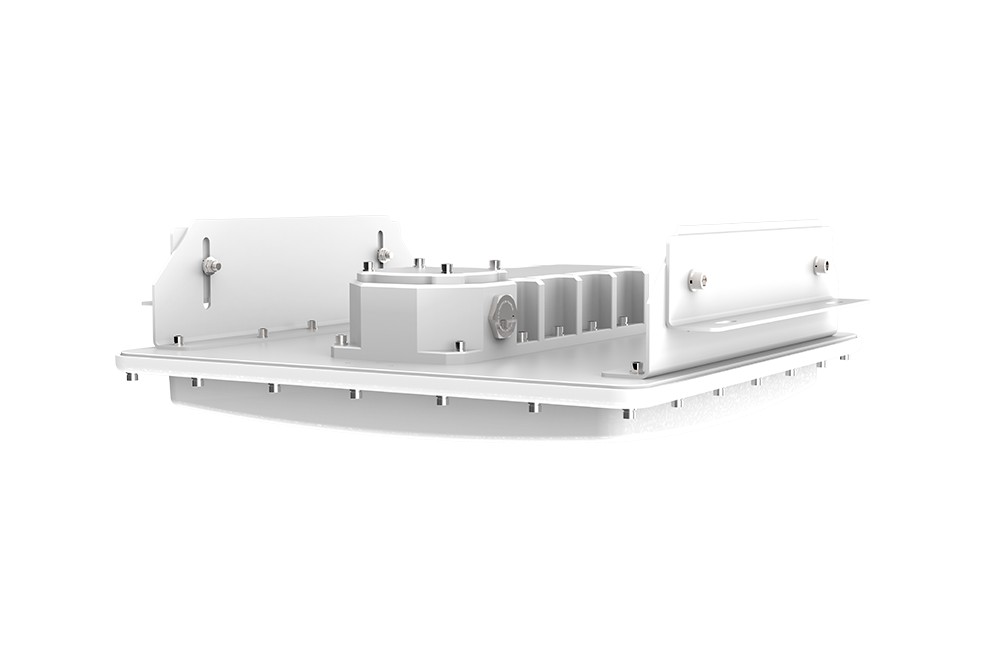
SEEKINGLED LED Gas Station Canopy Lights are ATEX certified for Zone 2 and Zone 22 hazardous areas, featuring adjustable power and built-in explosion-proof junction box.
View details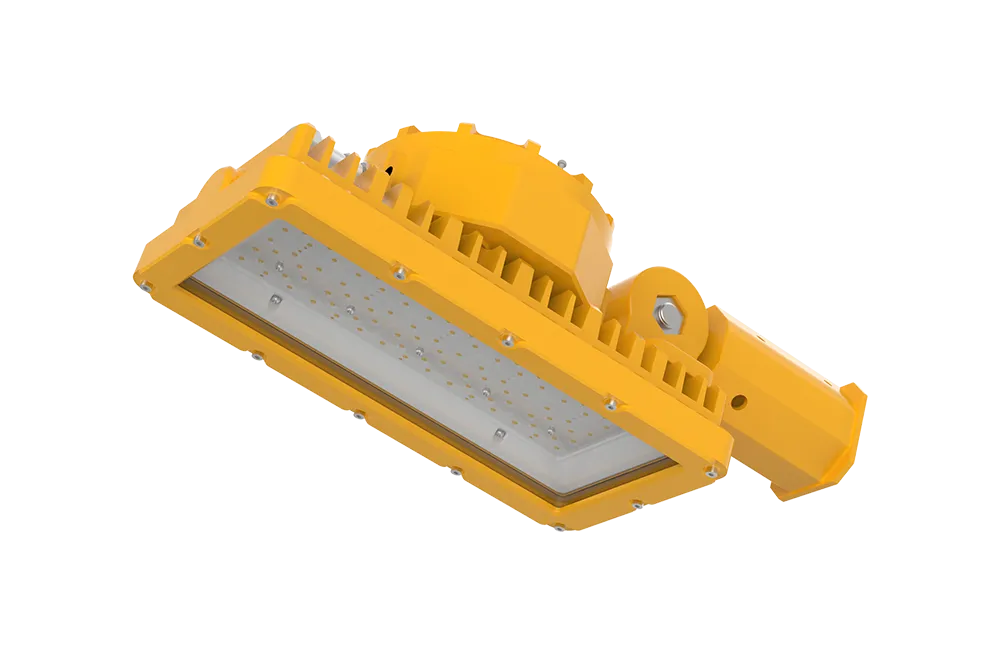
ATEX: Ex II 2G Ex db IIB T6/T5 GbEx II 2D Ex tb IIIC T80°C/ T95°C Db IECEx Ex db IIB T6 Gb;Ex tb IIIC T80°C Db Feature: ● For Zone 1,2 and Zone 21,22● Flameproof type, the strongest● 100W can replace 250W HID,energy saving● Power:60W,80W,100W Application: Oil and gas, marine, Chemical, pharmaceutical, semiconductor,mining,military industr…
View details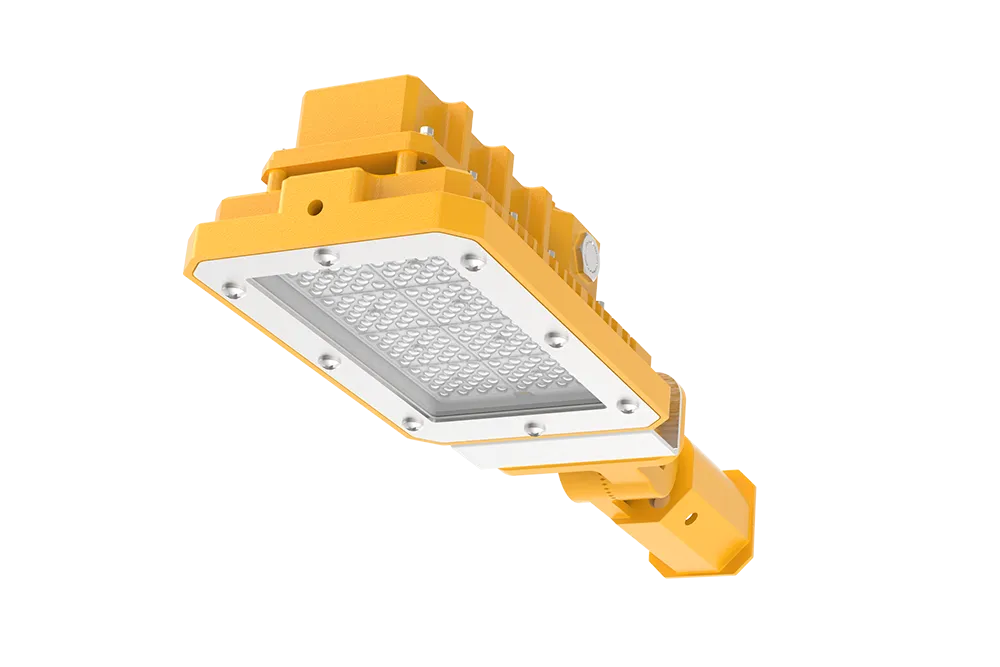
ATEX: II 3G Ex nR ⅡC T5/T6 GcII 3D Ex tc ⅢC T80℃/T95℃Dc ATEX Certificate NO: TÜV CY 26 ATEX 0207611 X Feature: ● For Zone 2 and Zone 22● 150W can replace 250W HID lamps,Energy saving● Power:50W,75W,100W,150W,200W Application: Oil and gas, marine, Chemical, pharmaceutical, semiconductor,mining,military industry, paint booth,power plant ETC…
View details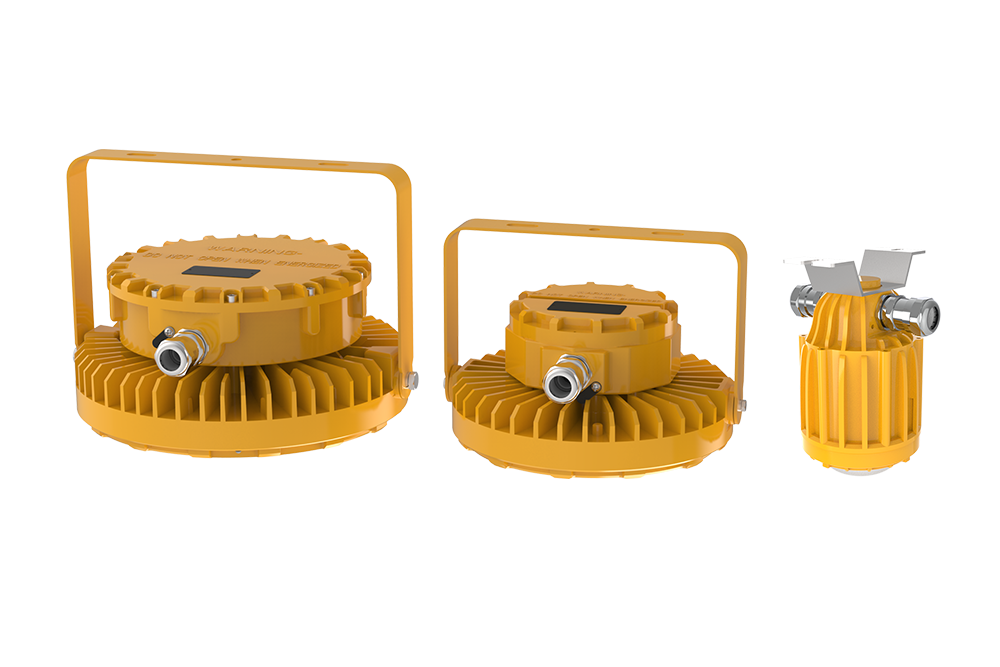
LED explosion proof high bay lights are designed for Zone 1, Zone 2, Zone 21 and Zone 22 hazardous areas. This page introduces the HB21 Series from SEEKING, including certifications, power options and real application considerations.
View details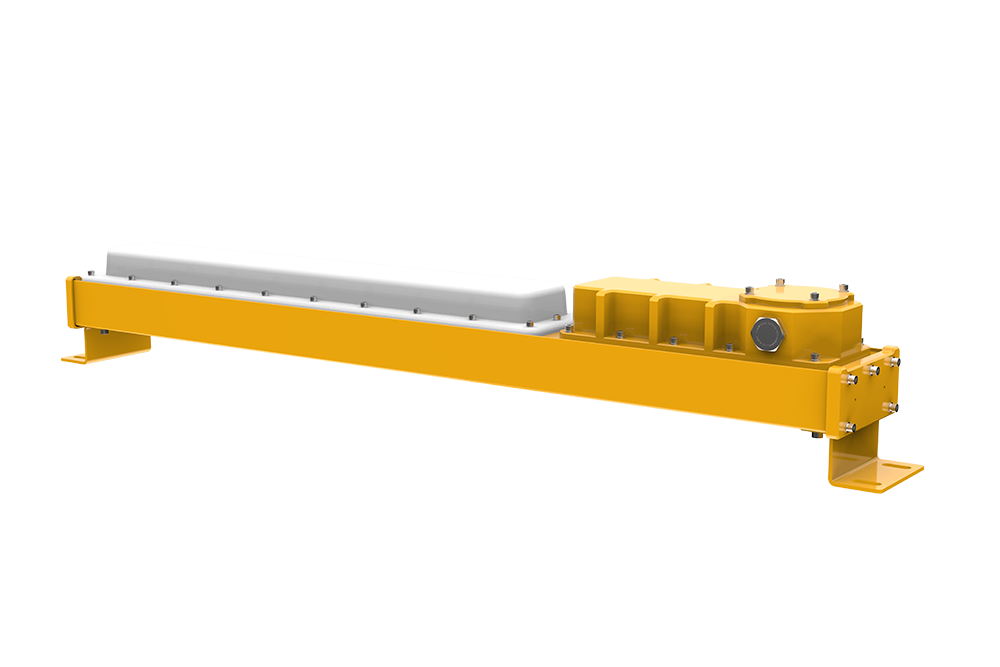
LED Linear Explosion Proof Lights from SEEKINGLED. LU Series Flame Proof lights ATEX-certified explosion proof LED linear lighting for Zone 2 gas and Zone 22 dust areas, IP69K, IK10, long lifetime and flexible power options.
View details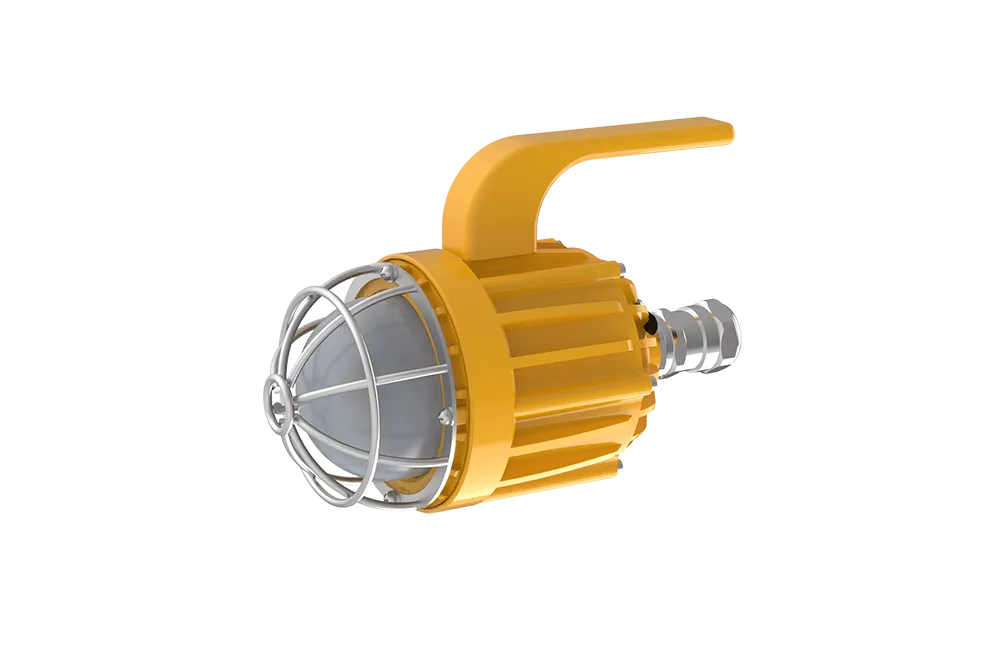
Certified explosion proof work lights for Zone 1 & 21 hazardous areas. Portable, ATEX & IECEx approved, built for oil, gas and chemical plants by SEEKINGLED.
View details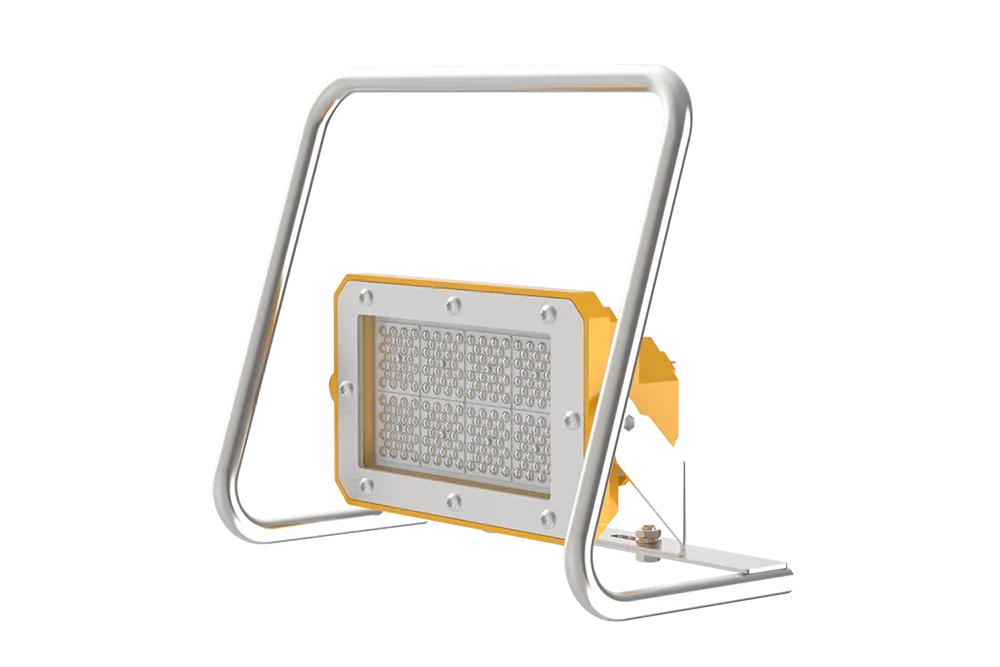
ATEX: II 3G Ex nR ⅡC T6 GcII 3D Ex tc ⅢC T80℃ Dc ATEX Certificate NO: TÜV CY 26 ATEX 0207611 X Feature: ● For Zone 2 and Zone 22● Accepts battery-powered supply● indestructible● Power:AC input:50W,75W,100WDC input:15W,25W,35W Application: Oil and gas, marine, Chemical, pharmaceutical, semiconductor,mining,military industry, paint booth,po…
View details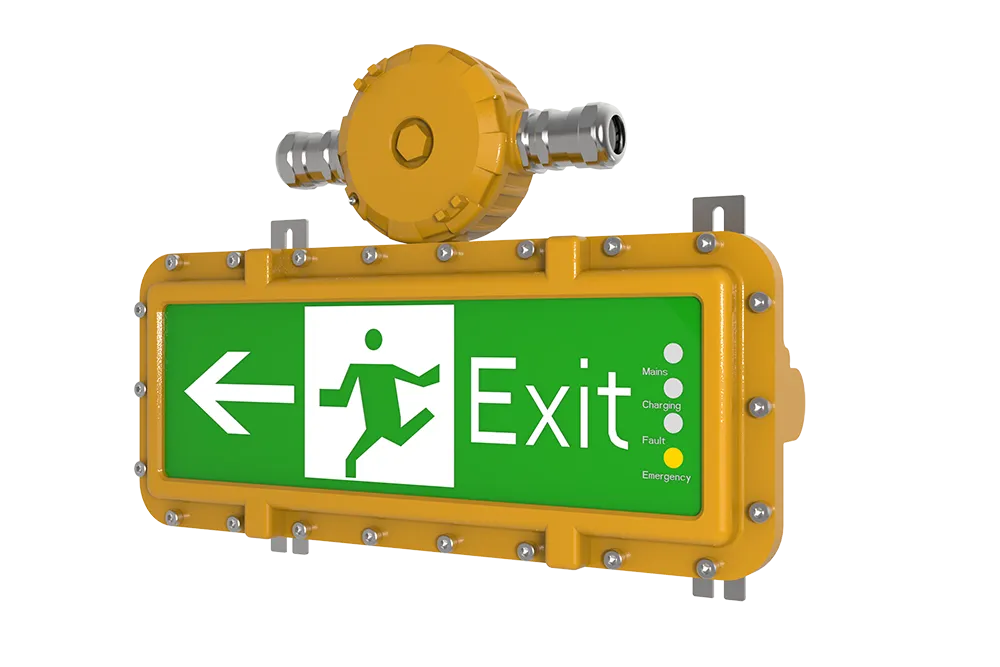
ATEX: Ex II 2G Ex db IIB T6 GbEx II 2D Ex tb IIIC T80°C Db IECEx Ex db IIB T6 Gb;Ex tb IIIC T80°C Db Feature: ● For Zone 1,2 and Zone 21,22● Flameproof type, the strongest Application: Oil and gas, marine, Chemical, pharmaceutical, semiconductor,mining,military industry, paint booth,power plant ETC hazardous area. Technical Specifications:…
View details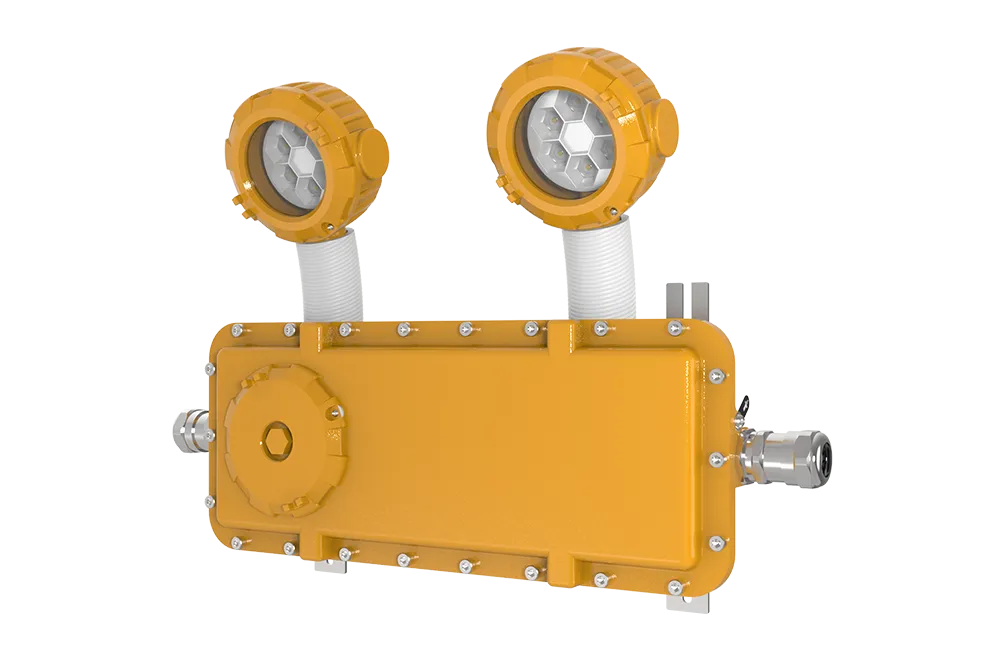
ATEX: Ex II 2G Ex db IIB T6 GbEx II 2D Ex tb IIIC T80°C Db IECEx Ex db IIB T6 Gb;Ex tb IIIC T80°C Db Feature: ● For Zone 1,2 and Zone 21,22● Flameproof type, the strongest Application: Oil and gas, marine, Chemical, pharmaceutical, semiconductor,mining,military industry, paint booth,power plant ETC hazardous area. Technical Specifications:…
View details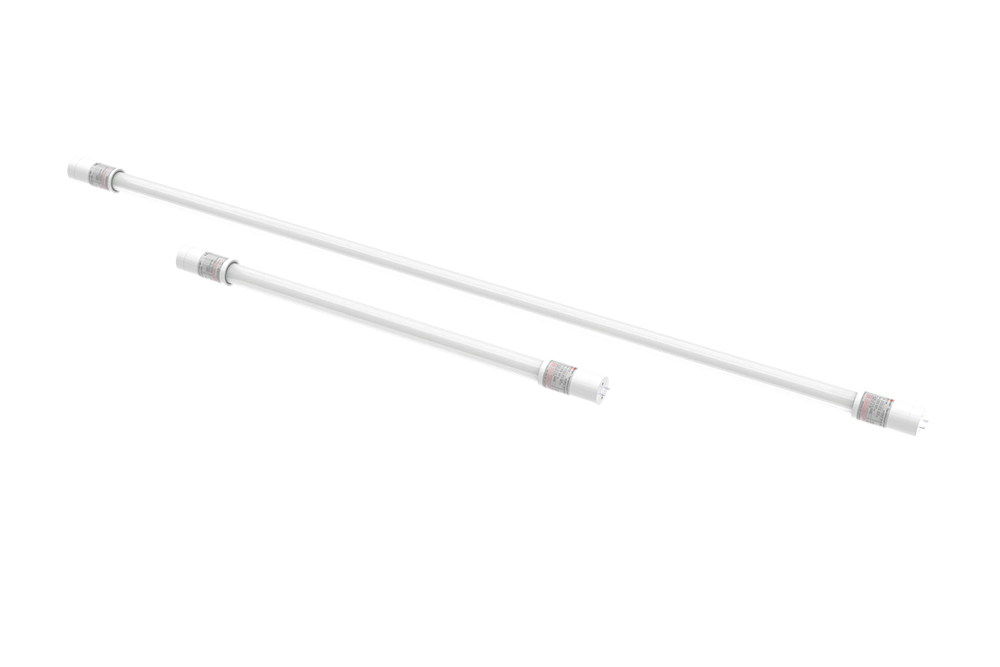
ATEX: Ex II 2G Ex d e IIB T6 Gb ATEX: Ex d e IIB T6 Gb; Feature: ● For Zone 1,2● 9W can replace 18W fluorescent lamps,50% Energy saving Application: Oil and gas, marine, Chemical, pharmaceutical, semiconductor,mining,military industry, paint booth,power plant ETC hazardous area. Technical Specifications: Standards:60079-0, 60079-1, 60079…
View details
Class 1 Div 2 light fixture solutions improve industrial safety in oil, gas, chemical, and hazardous locations with certified LED performance from SEEKINGLED.
View details
Class 1 Div 2 lighting provides certified illumination for hazardous industrial locations with safer operation, lower maintenance, and reliable LED performance.
View details
How to make explosion proof light safely for hazardous areas? This guide explains enclosure design, ATEX compliance, materials, testing, and real engineering practices used by SEEKINGLED explosion proof lighting.
View details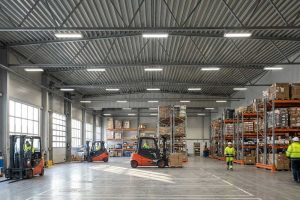
What is the minimum height for high bay LED lighting? This Q&A explains minimum mounting height, practical limits, and how to avoid glare and over-lighting.
View details