 Seeking LED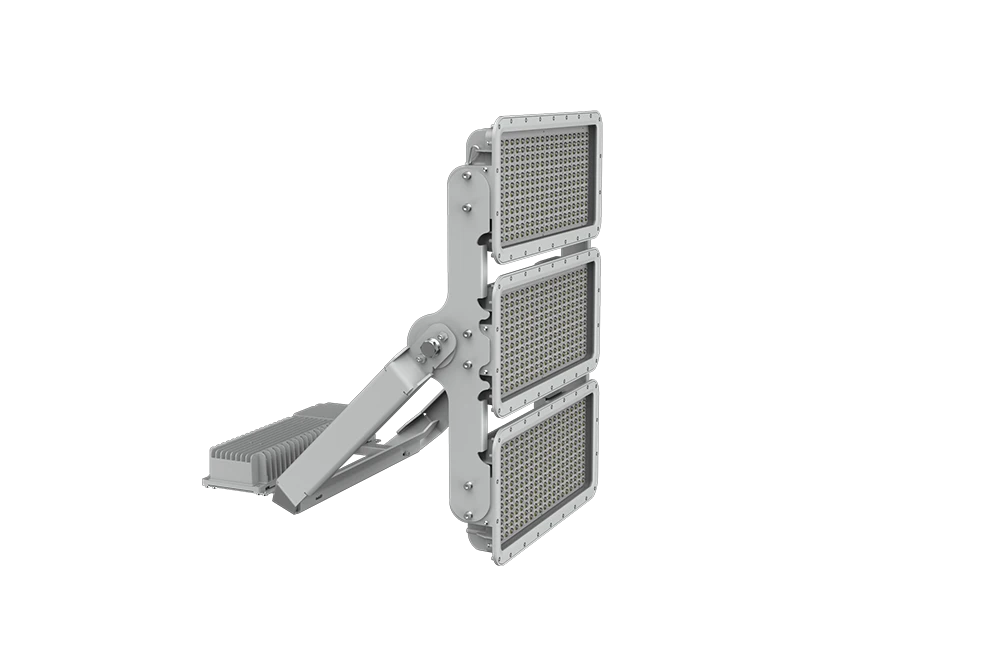
how to install exterior flood light?
0Install an exterior flood light by isolating power, verifying wiring, using a weatherproof enclosure, securing the fixture, aiming it correctly, and testing ...
View detailsSearch the whole station
Q: Do LED flood lights get hot?
Yes, LED flood lights do get hot while operating, especially high power models used outdoors. What matters is not whether heat exists, but how that heat is managed.
Unlike traditional metal halide floodlights, LED fixtures generate heat at the electronic level rather than from burning gases. That makes the heat more controlled, predictable, and easier to dissipate with proper design.
Why heat is normal in high power LED flood lights
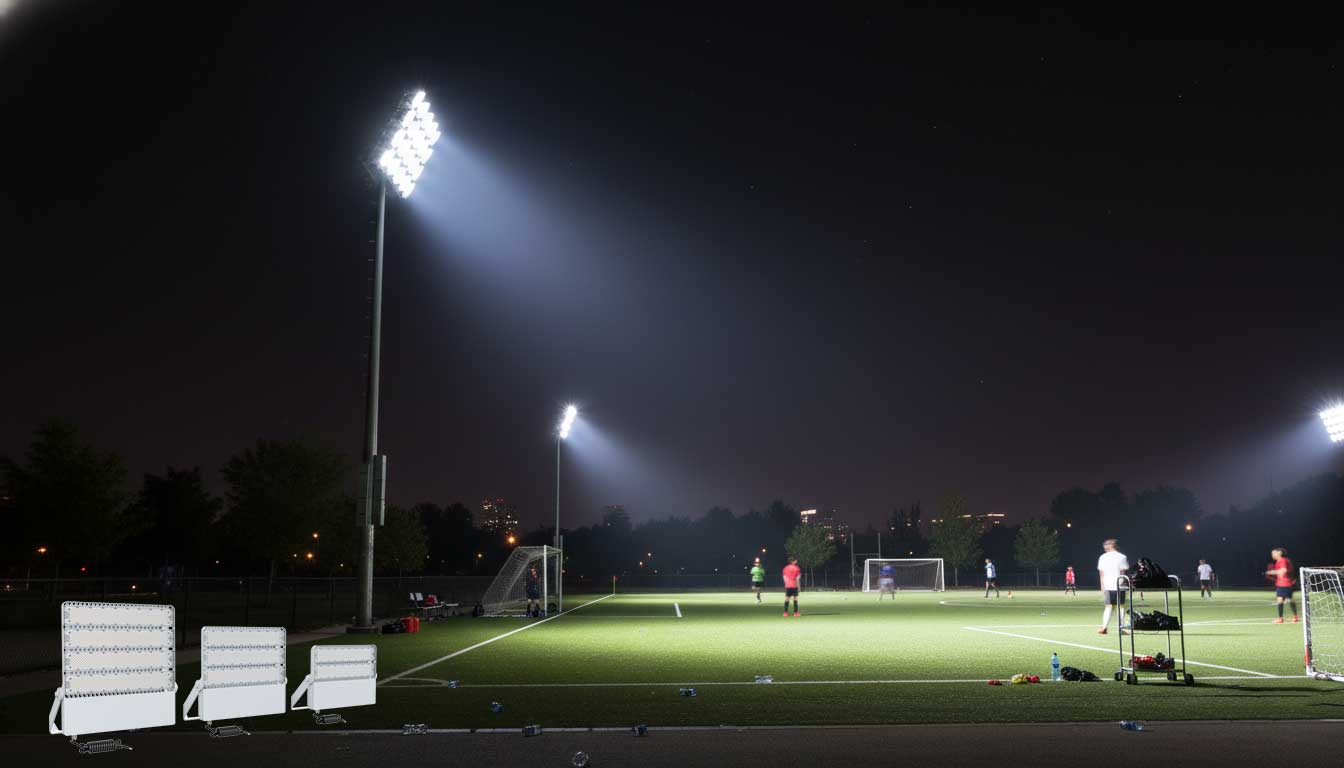
In large outdoor applications—football fields, logistics yards, construction zones—flood lights often run at 400W or higher for many hours. Electrical energy that is not converted into light becomes heat. This is unavoidable.
With LED flood lights, heat builds up mainly at the LED chips and driver. If that heat is not removed efficiently, it can shorten component life. That is why housing design matters as much as light output.
How SEEKINGLED FLD Series handles heat outdoors
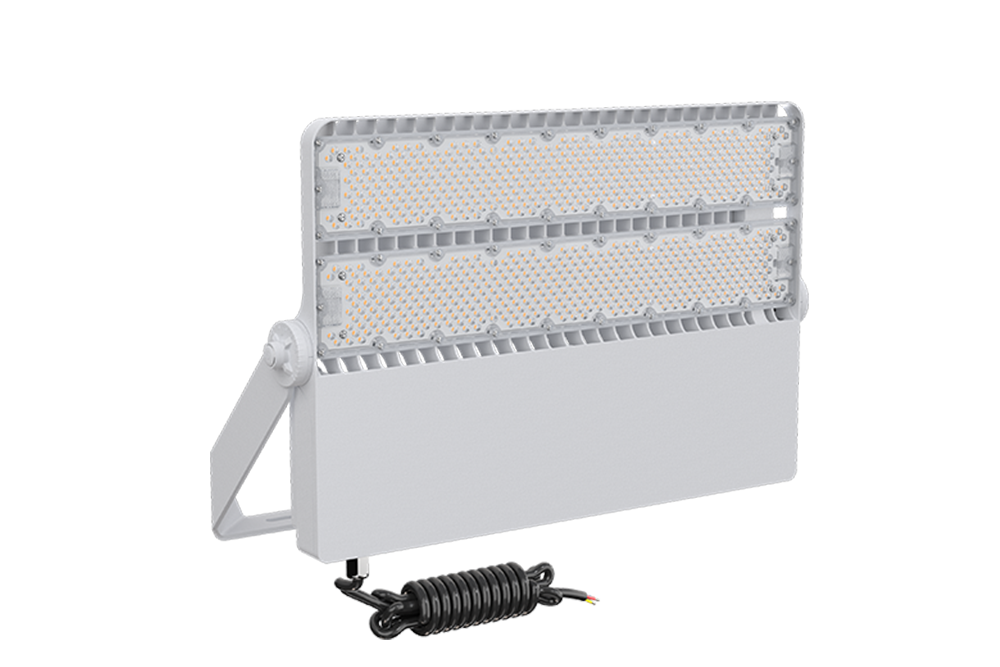
The SEEKINGLED FLD Series is designed specifically for high output outdoor use from 400W to 960W. Its die-cast aluminum housing works as a large passive heat sink, drawing heat away from the LEDs and spreading it across the body.
In real installations, the surface of the fixture will feel warm or hot to the touch after long operation, especially in summer conditions. This is normal and expected. Internally, the system is engineered to keep critical components within safe working temperatures.
The result is stable light output and a rated lifetime of L80B20 over 100,000 hours, even in demanding environments.
Is heat a safety concern?
For properly installed outdoor LED flood lights, heat is not a safety issue. The FLD Series uses constant-current drivers from SOSEN or MEAN WELL with built-in thermal protection. If abnormal temperatures occur due to wiring issues or extreme conditions, the driver protects the system.
Compared to HID floodlights, LED fixtures actually reduce fire risk because there is no arc tube or extreme surface temperature concentrated in a small area.
What installers should know about temperature
In outdoor projects, heat performance depends on more than the fixture alone. Mounting height, airflow, ambient temperature, and aiming angle all play a role.
Best practice includes:
When installed correctly, high power LED flood lights operate reliably without overheating problems.
Final answer
So, do LED flood lights get hot?
Yes, they do—but with professional thermal design like the SEEKINGLED FLD Series, that heat is controlled, expected, and safe for long-term outdoor use.

Install an exterior flood light by isolating power, verifying wiring, using a weatherproof enclosure, securing the fixture, aiming it correctly, and testing ...
View details
60 watt flood light delivers efficient, compact illumination for outdoor areas, offering energy savings, reliable brightness, and long lifespan performance.
View details
How far will a led flood light shine? Learn the real lighting distance, beam angles, and wattage impact. Practical outdoor lighting tips from SEEKINGLED experts.
View details
Flame proof light fittings for hazardous zones. Learn how certified industrial fixtures improve safety, durability, and visibility in explosive environments.
View details