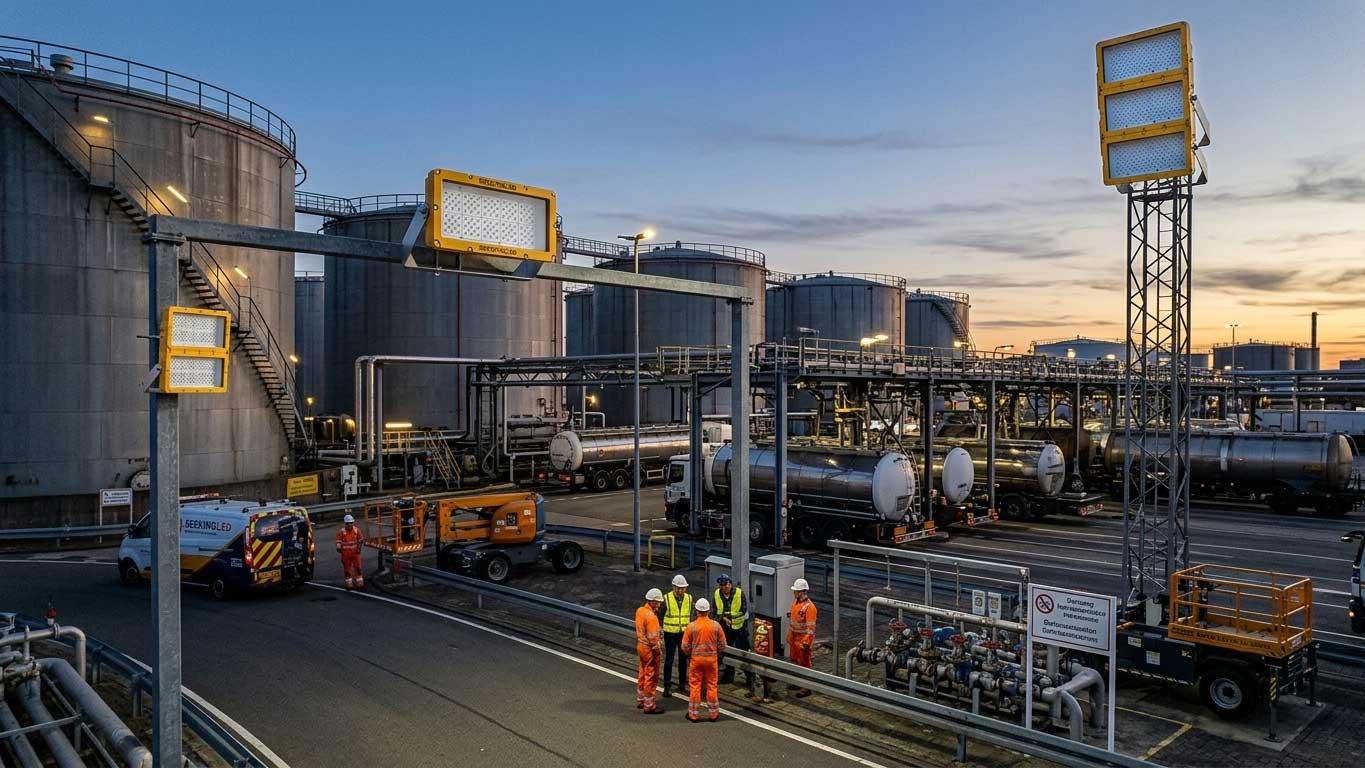
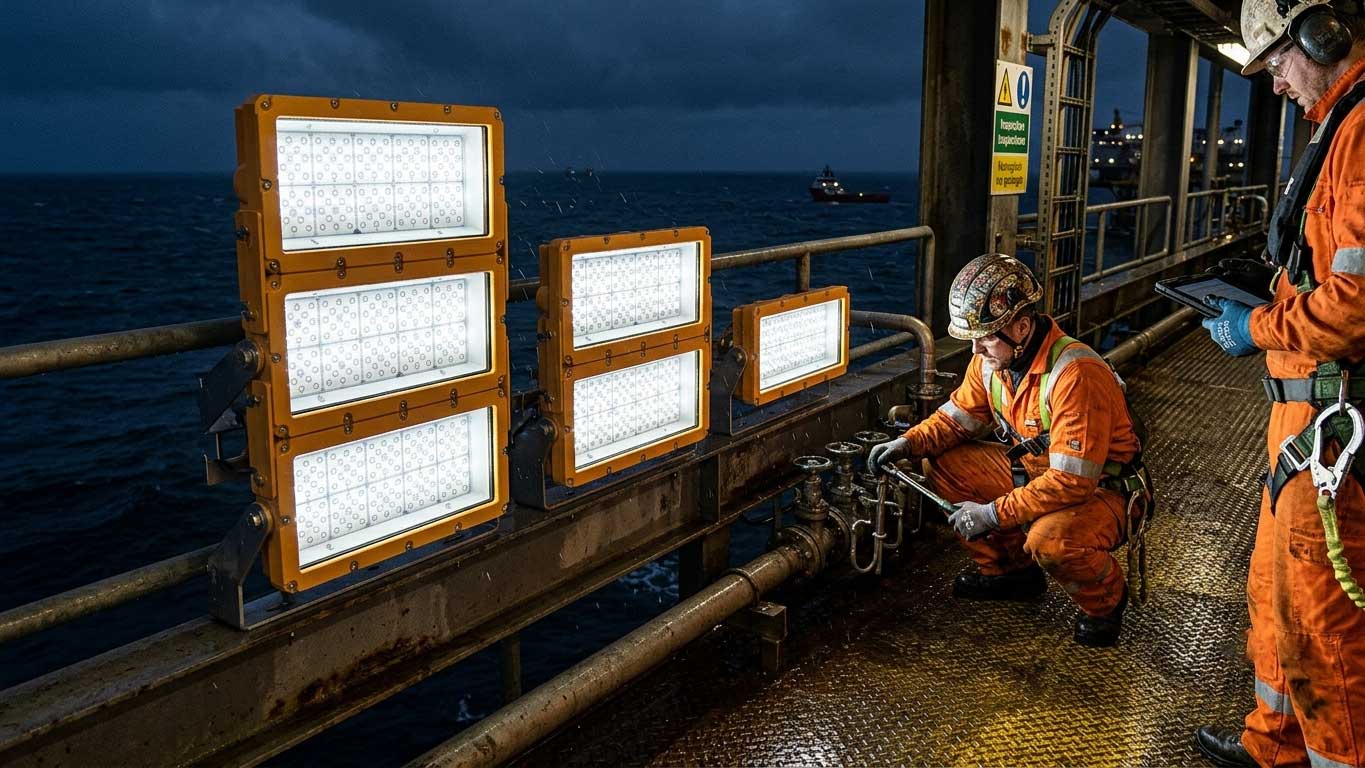
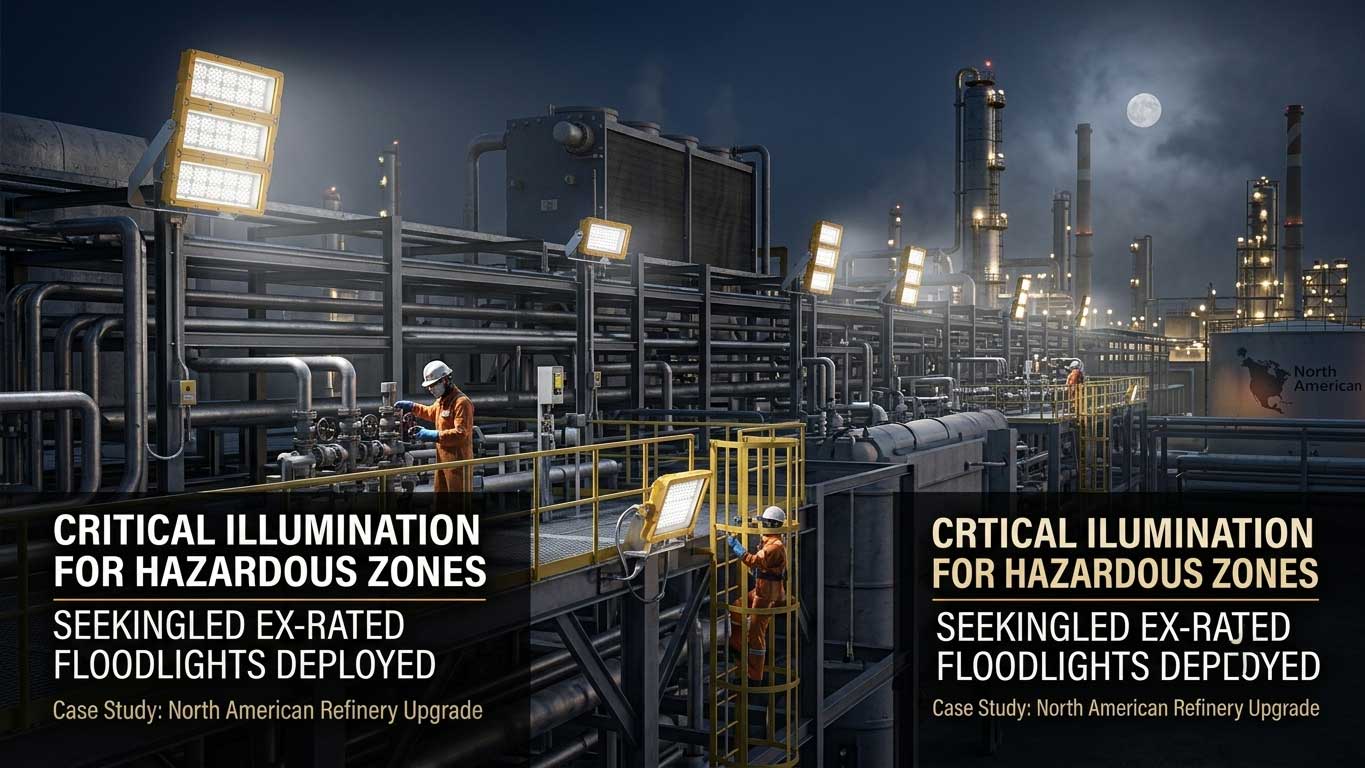
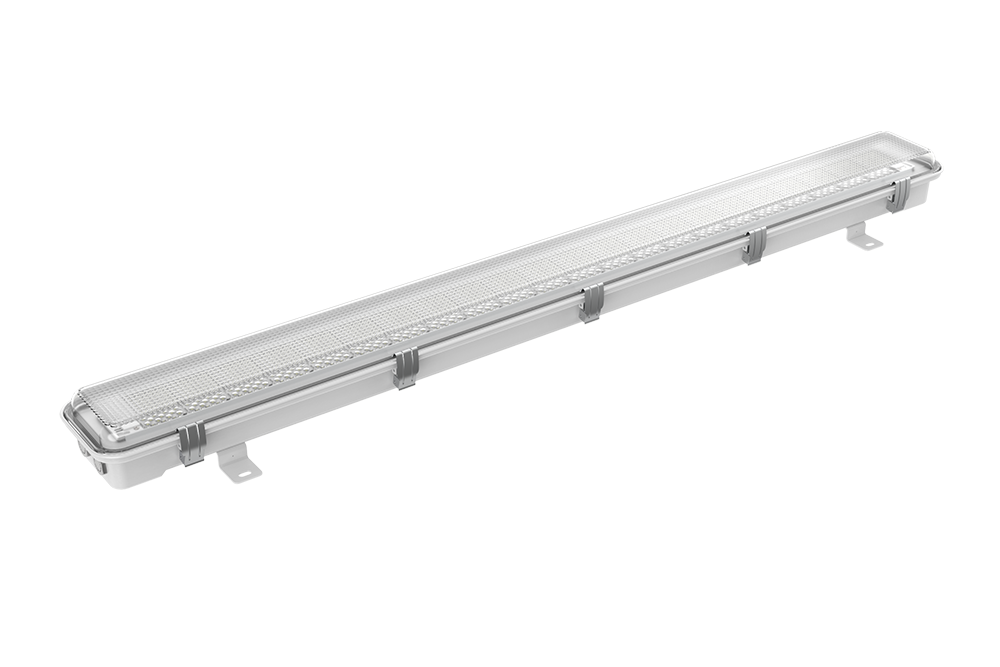
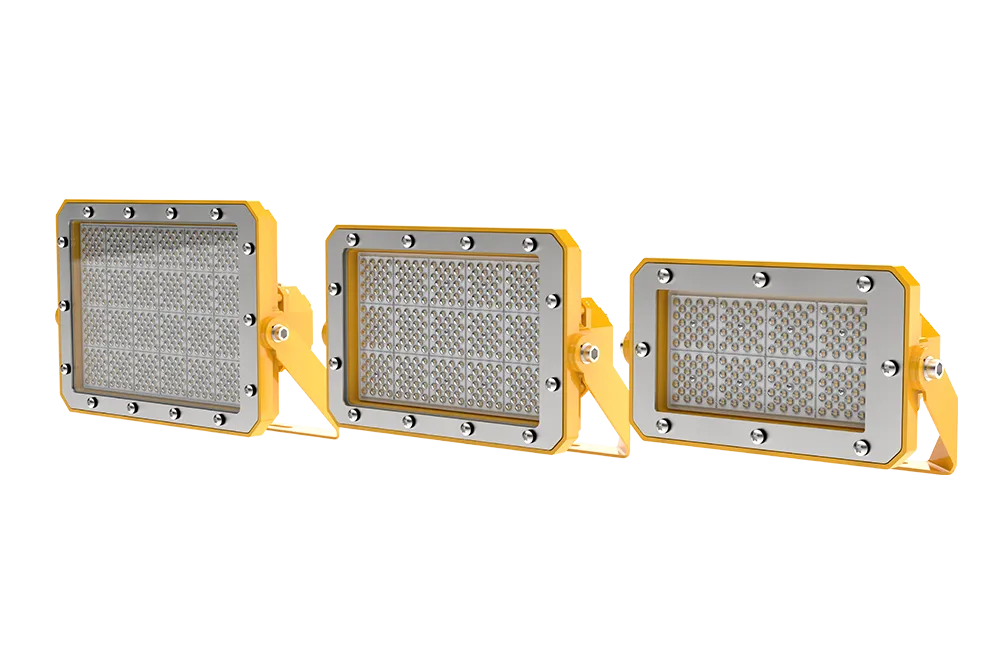
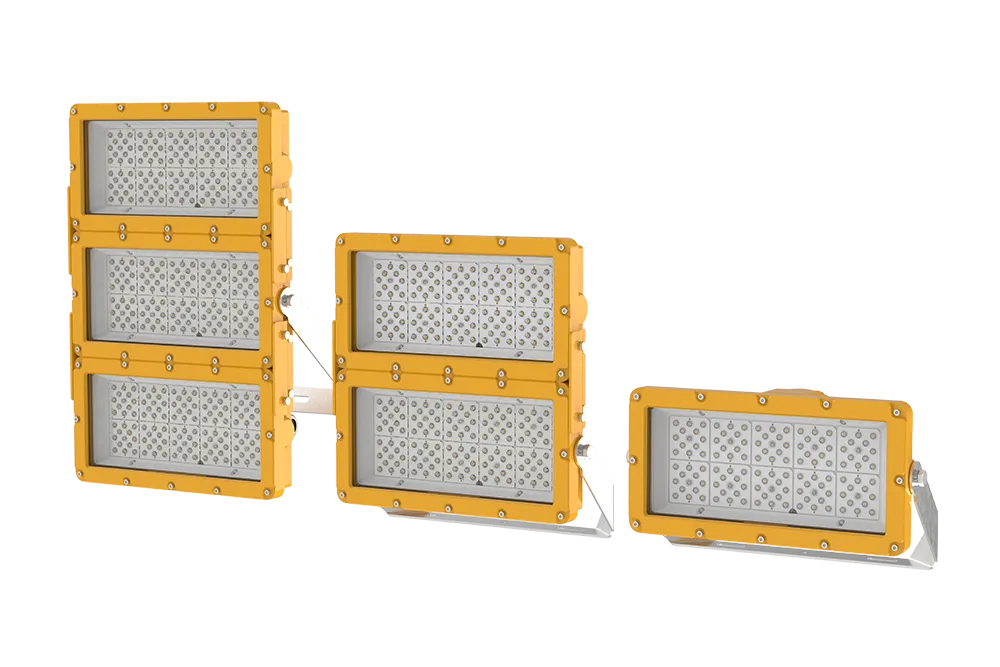
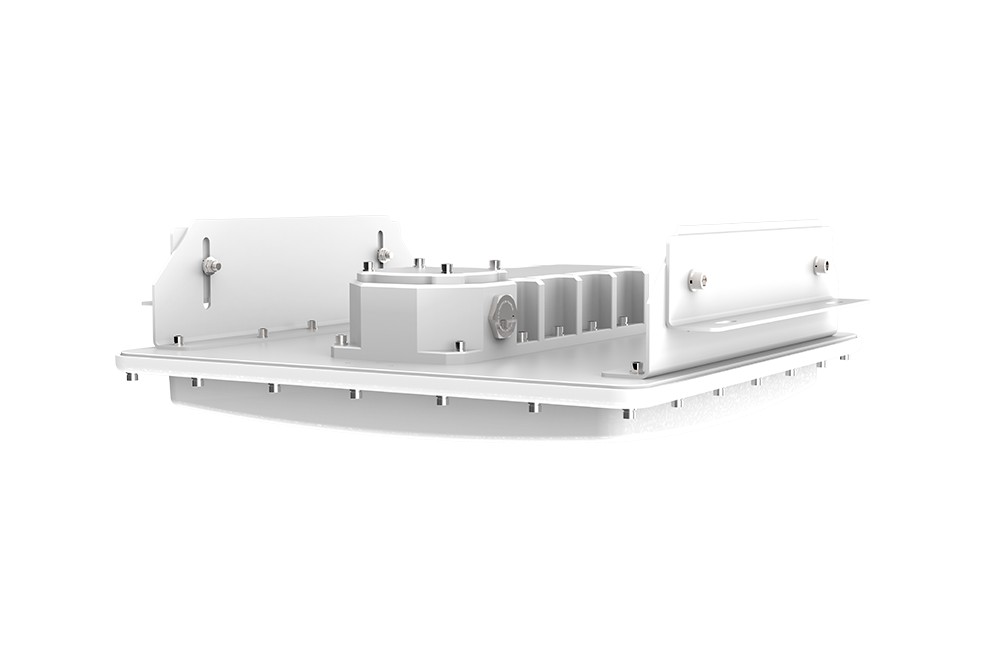
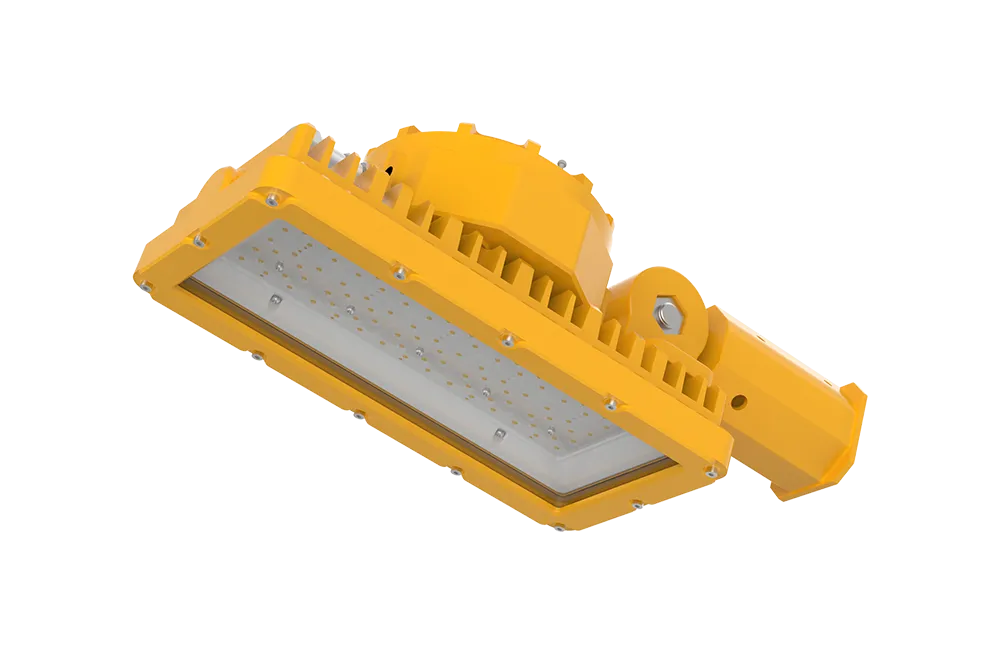
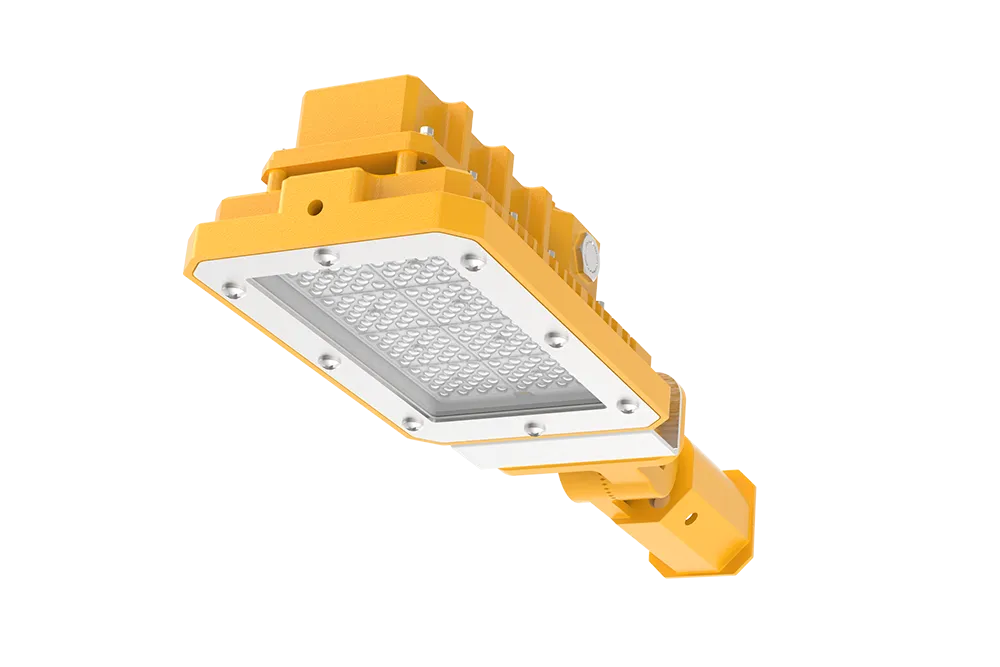
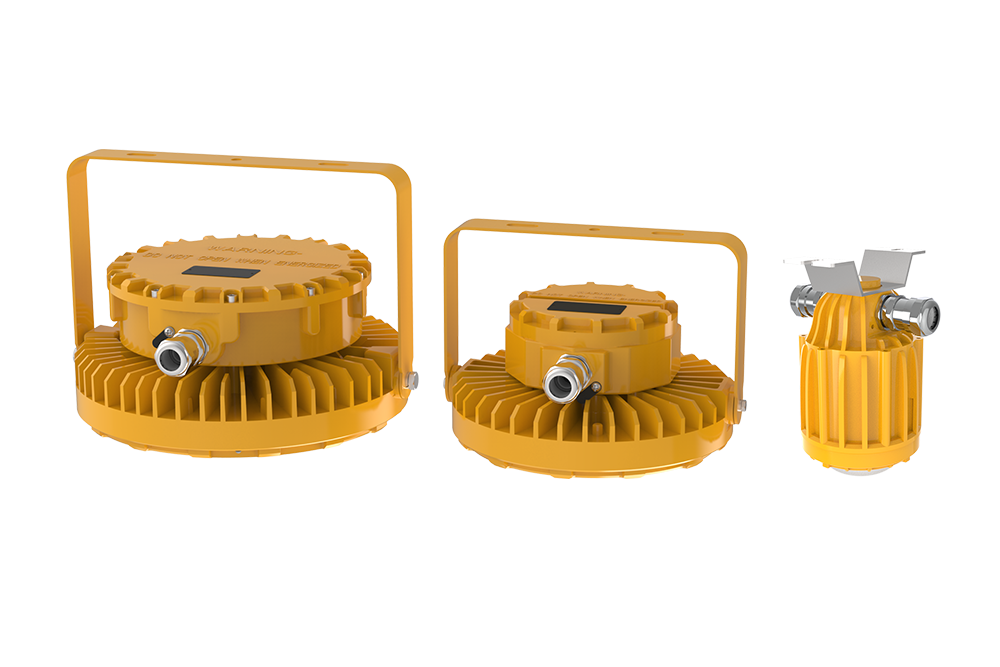
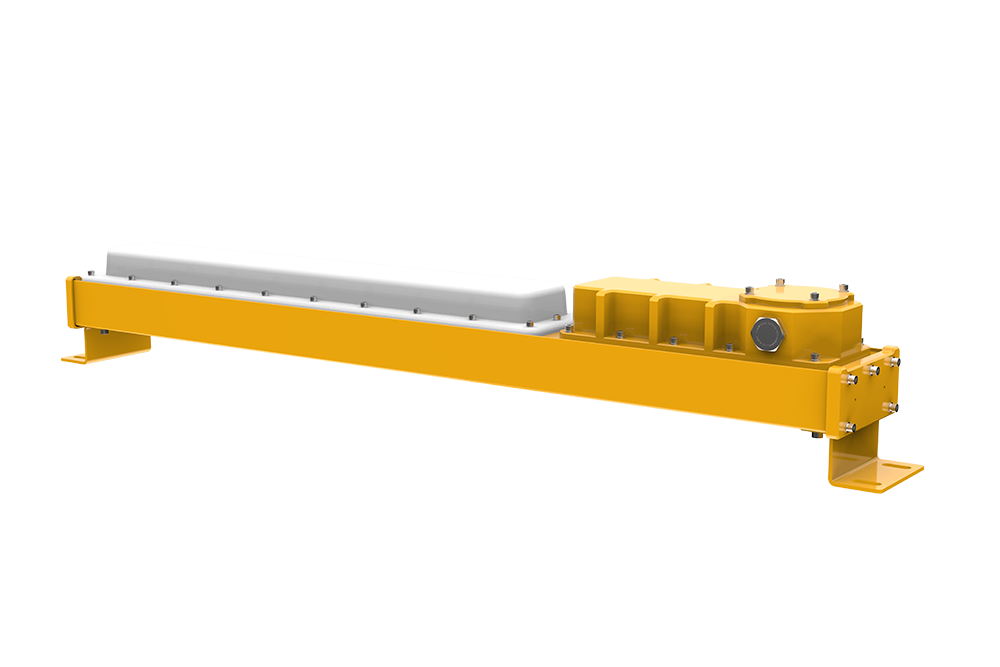
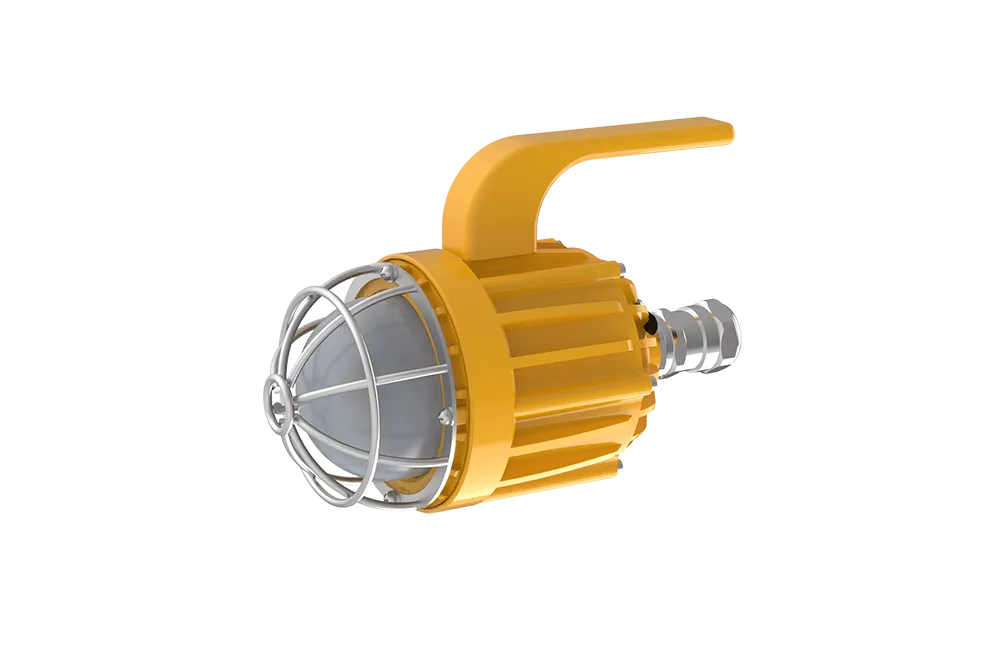
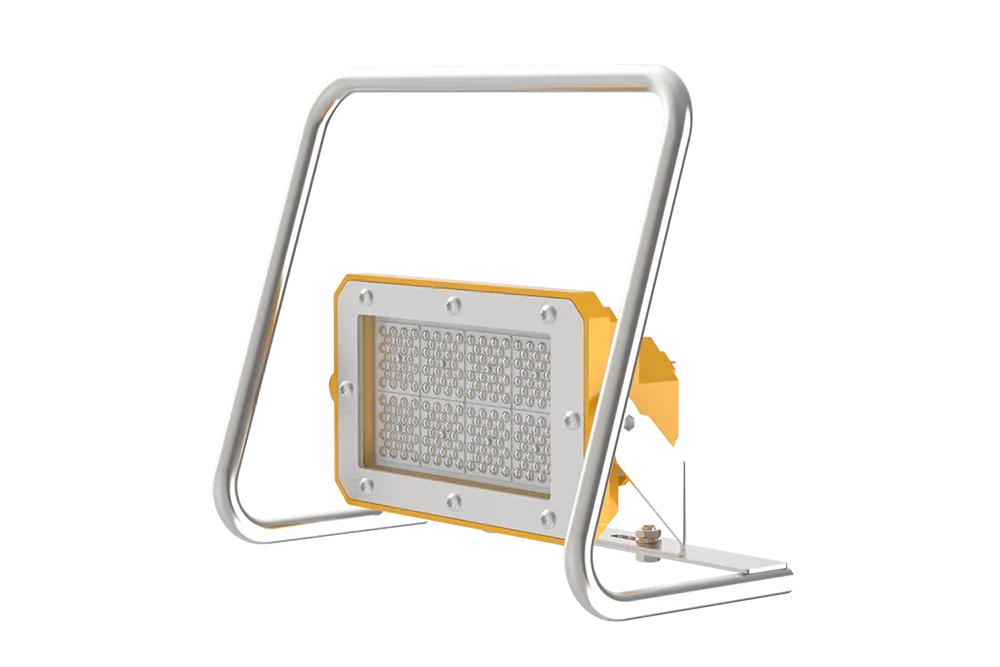
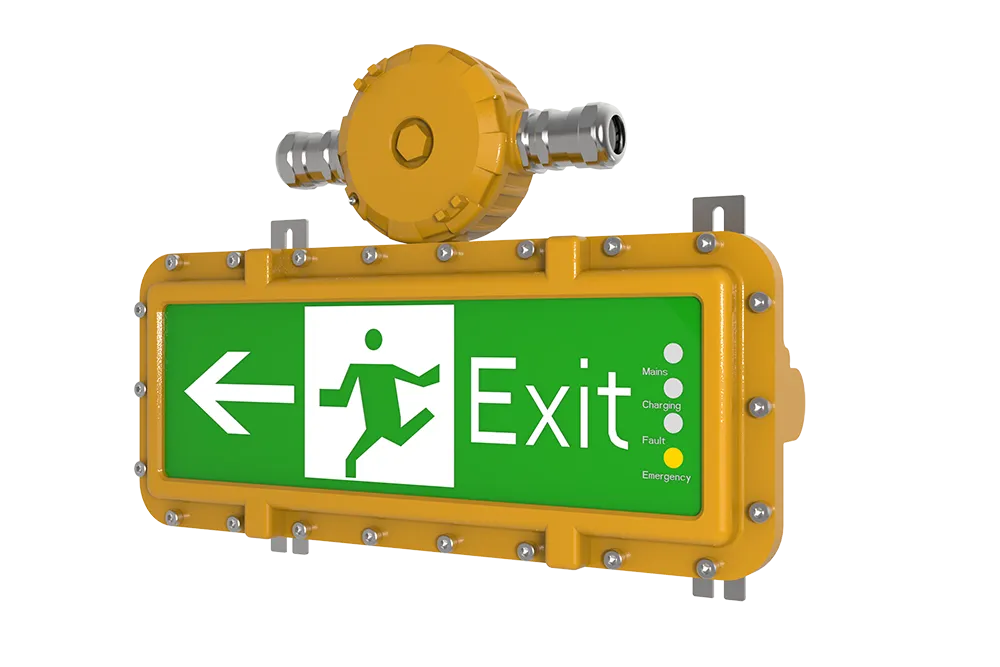
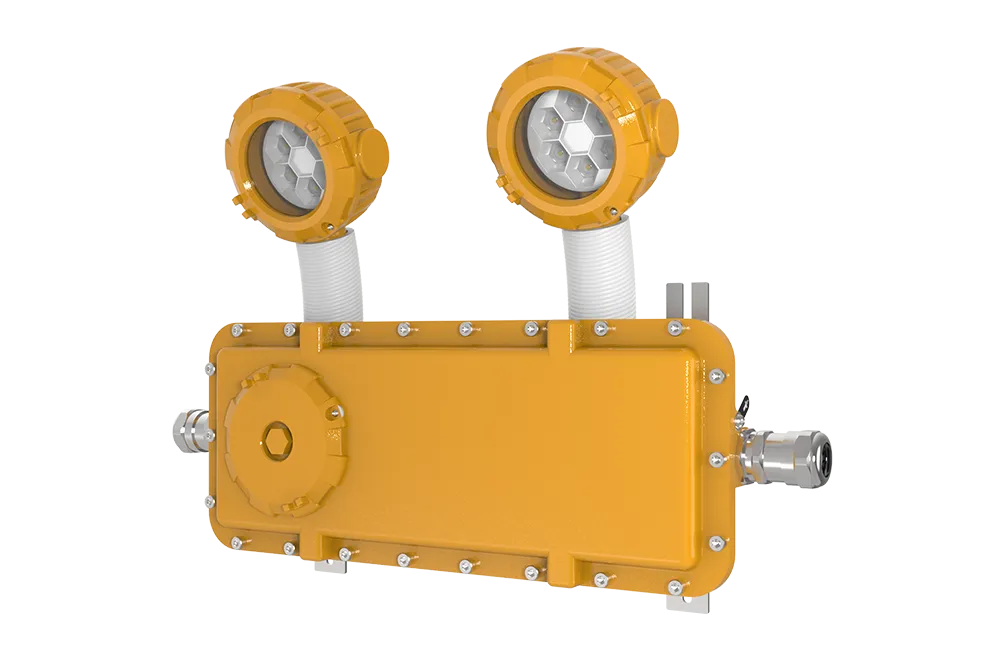
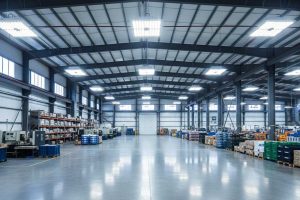
Lighting for hazardous areas is specially engineered and certified to operate safely where flammable gases, vapors, combustible dust, or fibers may create explosion risks. Unlike standard industrial luminaires, these fixtures are designed to prevent ignition while delivering reliable illumination in challenging operating conditions.
Several years ago, during a site inspection at a coastal fuel storage terminal, I arrived before sunrise. The facility looked quiet from the parking lot. Tank silhouettes stood against a grey horizon. Nothing unusual.
Then the maintenance supervisor pointed toward a loading rack.
“That fixture shouldn’t be there.”
At first glance, it seemed perfectly normal. Bright. New. Industrial-looking.
The problem wasn’t visible from the ground.
The problem was certification.
A contractor had replaced a damaged hazardous-location luminaire with a conventional industrial floodlight during an emergency shutdown. It operated for months before anyone noticed.
The light worked.
The installation did not.
That distinction matters more than many people realize.
In hazardous environments, lighting is never simply about visibility. It is about controlling risk.
Why Lighting for Hazardous Areas Exists
Every hazardous-area lighting standard begins with a simple reality:
Industrial facilities often contain substances capable of igniting under the wrong conditions.
These substances appear in surprisingly ordinary places.
When flammable gases, vapors, or combustible dust mix with oxygen, an ignition source can trigger an explosion.
According to the Occupational Safety and Health Administration (OSHA), combustible dust incidents have caused numerous explosions and fatalities across manufacturing industries.
Older floodlights often produced large amounts of wasted light.
Modern LED optics allow engineers to place illumination precisely where needed.
The difference becomes obvious during night inspections.
Instead of lighting the sky, the fixture illuminates the equipment.
Longer Operating Life
According to the U.S. Department of Energy, properly designed LED systems can achieve significantly longer operational lifetimes compared with many traditional lighting technologies.
Most purchasing mistakes are not immediately visible.
The light turns on.
The installation passes visual inspection.
Everything seems fine.
Then, eighteen months later, corrosion appears around external hardware.
Or the driver begins failing during summer heat.
Or replacement parts become unavailable.
One refinery manager once described cheap hazardous-area lighting as “the gift that keeps sending invoices.”
It was a surprisingly accurate description.
The fixture itself represented only a small percentage of the total lifecycle cost.
Labor, access equipment, permits, production interruptions, and maintenance planning ultimately cost far more.
That reality changes how experienced operators evaluate lighting investments.
Real-World Industries That Depend on Lighting for Hazardous Areas
The most revealing conversations about lighting rarely happen in procurement meetings. They happen during shutdowns.
Several years ago, I was walking through a fuel loading terminal during a maintenance outage. The site had recently replaced a mixture of aging metal halide floodlights and fluorescent fixtures with certified LED units. What surprised the maintenance team wasn’t the energy reduction.
It was the silence.
No weekly lamp replacements.
No failed ignitors.
No emergency callouts after heavy rain.
Just stable illumination.
That experience reflects a broader industrial trend.
According to the International Energy Agency (IEA), lighting accounts for roughly 15% of global electricity consumption in buildings and industrial facilities, making lighting efficiency a major operational concern.
Hydrogen is particularly challenging because of its extremely low ignition energy.
This is why Ex-rated equipment selection often becomes stricter than many engineers initially expect.
Chemical Manufacturing Plants
Chemical production environments introduce additional complexity.
Besides flammable gases, facilities may encounter:
Corrosive vapors
Acid mist
Solvents
Dust accumulation
Extreme temperatures
In these applications, fixture longevity often depends more on materials than LEDs.
The best lighting systems typically use:
Marine-grade aluminum
Stainless steel fasteners
UV-resistant powder coating
Tempered glass impact lenses
I’ve seen perfectly good LED boards fail simply because cheap coating systems allowed corrosion to reach electrical components.
Grain Processing and Food Facilities
Dust explosions remain underestimated.
According to the U.S. Occupational Safety and Health Administration (OSHA), combustible dust incidents continue to cause serious industrial explosions across food processing, grain handling, wood processing, and chemical facilities.
Different environments require different solutions.
Application
Recommended Fixture
Large outdoor area
Floodlight
Process area
Linear light
Stair tower
Bulkhead
Tank inspection
Portable light
Escape route
Emergency fixture
Step 4: Verify Certification Documents
Request:
ATEX certificate
IECEx certificate
Declaration of conformity
Test reports
Never rely solely on a catalog page.
Why LED Technology Dominates Modern Hazardous Lighting
Ten years ago, many hazardous facilities still relied on:
High-pressure sodium
Metal halide
Fluorescent systems
Today, LED dominates.
The reasons are practical.
Not fashionable.
Longer Service Life
Quality hazardous LEDs commonly achieve:
L70: 100,000+ hours
For a facility operating 24/7:
100,000 hours equals roughly 11.4 years of continuous operation.
Reduced Maintenance Exposure
Every maintenance activity introduces risk.
Reducing fixture replacement frequency means:
Fewer permits
Less scaffolding
Less manpower
Reduced exposure hours
This benefit is often more valuable than electricity savings.
Better Optical Control
Modern optics provide:
Narrow beam patterns
Medium flood distribution
Wide flood coverage
Light goes where operators need it.
Not into the night sky.
FAQ About Lighting for Hazardous Areas
Is lighting for hazardous areas legally required?
Yes. Most industrial regulations require certified equipment within classified hazardous locations.
Can ordinary LED lights be used in hazardous areas?
No. Standard fixtures are not designed to prevent ignition of flammable gases, vapors, or combustible dust.
What certifications should I look for?
Common certifications include:
ATEX
IECEx
UL844
CSA
UKCA Ex
Requirements vary by region.
How long do hazardous LED lights last?
Premium products commonly achieve 60,000–100,000+ operating hours when properly designed and installed.
Are LED hazardous lights worth the investment?
In most industrial applications, yes. Reduced maintenance, lower energy consumption, improved visibility, and longer lifespan typically produce a lower total cost of ownership.
The phrase lighting for hazardous areas sounds simple until you stand in front of a live process unit at midnight, with steam drifting across pipework and maintenance crews relying entirely on artificial light to work safely.
At that moment, lighting is no longer just an electrical component.
It becomes part of the site’s safety system.
The most successful facilities approach hazardous lighting the same way they approach pressure vessels, gas detection systems, and emergency shutdown equipment: they focus on reliability first, compliance second, and total lifecycle performance third.
That philosophy continues to guide how SEEKINGLED designs and supports professional lighting for hazardous areas across oil and gas, chemical processing, marine, mining, and heavy industrial applications worldwide.
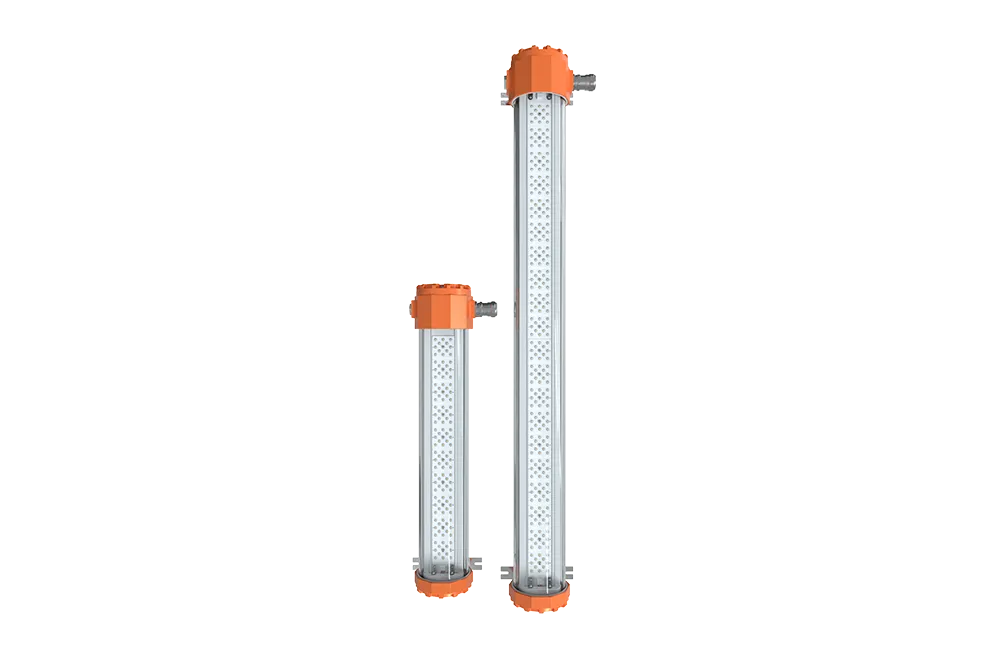
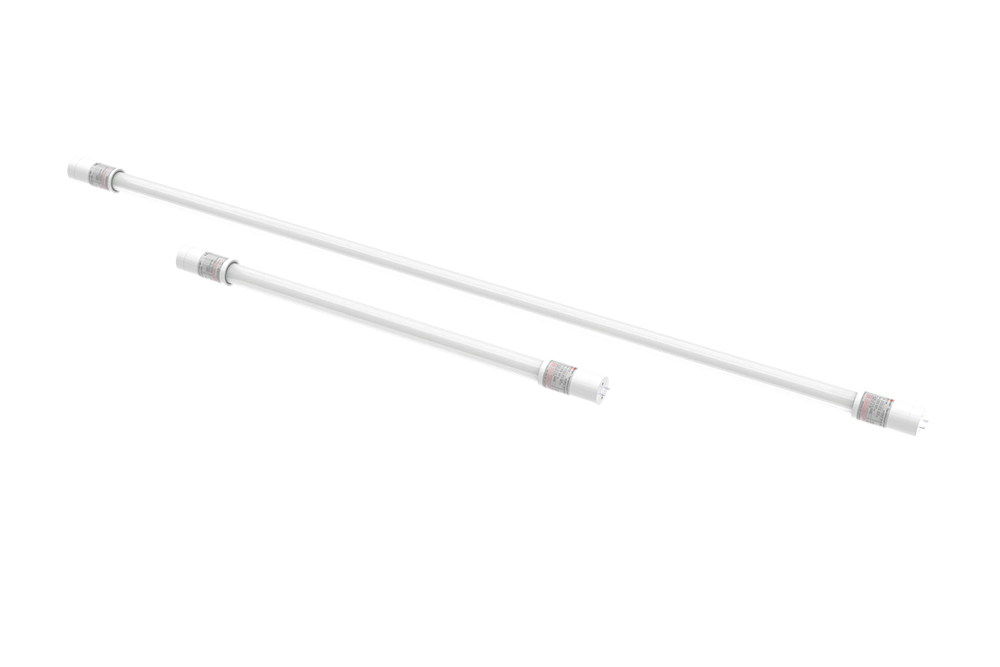
SEEKINGLED LED Linear Explosion Proof Light and Explosion Proof lighting is ATEX and IECEx certified for Zone 1, Zone 2, Zone 21 and Zone 22 hazardous locations, built for long-term industrial use.
LED Linear Explosion Proof Lights and EX Proof lights for Zone 1, Zone 2, Zone 21 and Zone 22 hazardous areas. ATEX & IECEx certified explosion proof LED linear lighting with emergency function, adjustable power and IP67 protection by SEEKINGLED.
SEEKINGLED LED Explosion Proof Flood Lights are ATEX certified for Zone 2 and Zone 22 hazardous areas, offering high efficiency, adjustable power and integrated junction box.
SEEKINGLED LED Explosion Proof Flood Lights are flameproof ATEX and IECEx certified for Zone 1 and Zone 2 hazardous areas, offering high power, adjustable output and long service life.
SEEKINGLED LED Gas Station Canopy Lights are ATEX certified for Zone 2 and Zone 22 hazardous areas, featuring adjustable power and built-in explosion-proof junction box.
ATEX: Ex II 2G Ex db IIB T6/T5 GbEx II 2D Ex tb IIIC T80°C/ T95°C Db IECEx Ex db IIB T6 Gb;Ex tb IIIC T80°C Db Feature: ● For Zone 1,2 and Zone 21,22● Flameproof type, the strongest● 100W can replace 250W HID,energy saving● Power:60W,80W,100W Application: Oil and gas, marine, Chemical, pharmaceutical, semiconductor,mining,military industr…
ATEX: II 3G Ex nR ⅡC T5/T6 GcII 3D Ex tc ⅢC T80℃/T95℃Dc ATEX Certificate NO: TÜV CY 26 ATEX 0207611 X Feature: ● For Zone 2 and Zone 22● 150W can replace 250W HID lamps,Energy saving● Power:50W,75W,100W,150W,200W Application: Oil and gas, marine, Chemical, pharmaceutical, semiconductor,mining,military industry, paint booth,power plant ETC…
LED explosion proof high bay lights are designed for Zone 1, Zone 2, Zone 21 and Zone 22 hazardous areas. This page introduces the HB21 Series from SEEKING, including certifications, power options and real application considerations.
LED Linear Explosion Proof Lights from SEEKINGLED. LU Series Flame Proof lights ATEX-certified explosion proof LED linear lighting for Zone 2 gas and Zone 22 dust areas, IP69K, IK10, long lifetime and flexible power options.
Certified explosion proof work lights for Zone 1 & 21 hazardous areas. Portable, ATEX & IECEx approved, built for oil, gas and chemical plants by SEEKINGLED.
ATEX: II 3G Ex nR ⅡC T6 GcII 3D Ex tc ⅢC T80℃ Dc ATEX Certificate NO: TÜV CY 26 ATEX 0207611 X Feature: ● For Zone 2 and Zone 22● Accepts battery-powered supply● indestructible● Power:AC input:50W,75W,100WDC input:15W,25W,35W Application: Oil and gas, marine, Chemical, pharmaceutical, semiconductor,mining,military industry, paint booth,po…
ATEX: Ex II 2G Ex db IIB T6 GbEx II 2D Ex tb IIIC T80°C Db IECEx Ex db IIB T6 Gb;Ex tb IIIC T80°C Db Feature: ● For Zone 1,2 and Zone 21,22● Flameproof type, the strongest Application: Oil and gas, marine, Chemical, pharmaceutical, semiconductor,mining,military industry, paint booth,power plant ETC hazardous area. Technical Specifications:…
ATEX: Ex II 2G Ex db IIB T6 GbEx II 2D Ex tb IIIC T80°C Db IECEx Ex db IIB T6 Gb;Ex tb IIIC T80°C Db Feature: ● For Zone 1,2 and Zone 21,22● Flameproof type, the strongest Application: Oil and gas, marine, Chemical, pharmaceutical, semiconductor,mining,military industry, paint booth,power plant ETC hazardous area. Technical Specifications:…
ATEX: Ex II 2G Ex d e IIB T6 Gb ATEX: Ex d e IIB T6 Gb; Feature: ● For Zone 1,2● 9W can replace 18W fluorescent lamps,50% Energy saving Application: Oil and gas, marine, Chemical, pharmaceutical, semiconductor,mining,military industry, paint booth,power plant ETC hazardous area. Technical Specifications: Standards:60079-0, 60079-1, 60079…
LED high bay light UFO designed for large indoor spaces requiring low glare, high efficiency and long-term reliability. SEEKINGLED HB13(GLK) Series delivers up to 170 lm/W, UGR
Learn how to identify Temperature Groups and T-Code in ATEX IECEx Zone systems. Compare T1-T6 ratings and select safer explosion proof lighting for hazardous areas.
What is ATEX certified lighting? Learn how ATEX-certified fixtures improve safety in explosive atmospheres and why they are essential for hazardous industrial locations.
 Seeking LED