 Seeking LED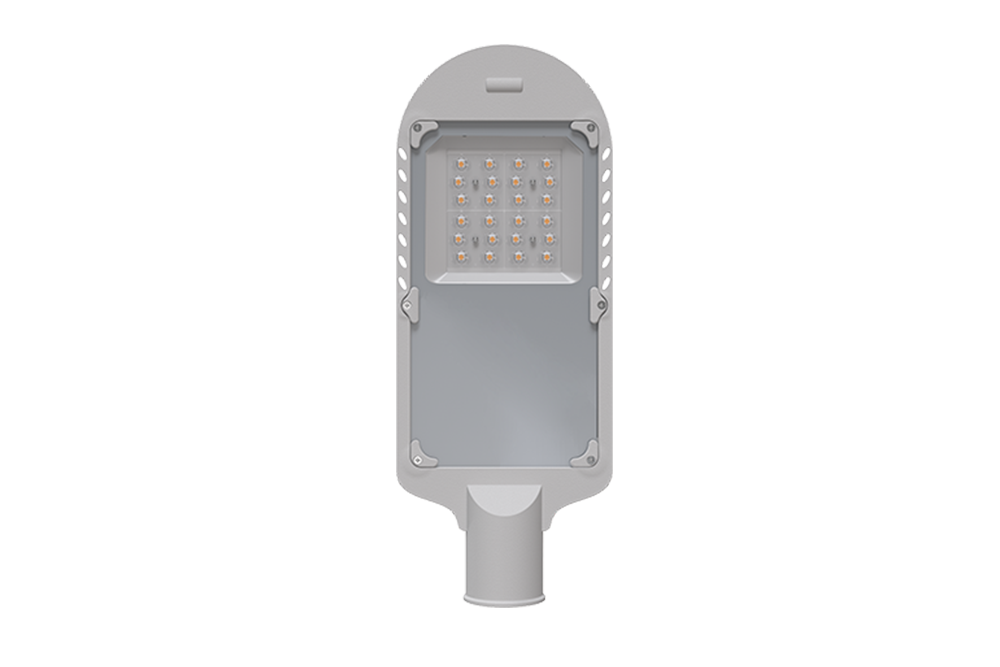
Should spray paint booths use explosion-proof lighting?
0Explosion-proof lighting is essential for spray paint booths. SEEKINGLED LO Series delivers ATEX & IECEx certified safety, IP69K protection, and high efficiency.
View detailsSearch the whole station
Short answer first, no hesitation: no, LED street lights do not cause cancer.
This question didn’t come from nowhere. It usually shows up after someone notices blue-toned light at night, or reads a headline that mixes indoor screen exposure with outdoor lighting. Different things. Very different conditions.
Standing under a street light is not the same as staring at a phone at midnight.
Most of the worry around do LED street lights cause cancer traces back to two ideas:
Both are often discussed together, and that’s where confusion starts.
Blue light can affect circadian rhythm if you’re exposed closely, directly, and for long periods — like phones, tablets, or indoor lighting at eye level. Street lights don’t work that way.
They’re distant. Diffused. Indirect.
LED street lights emit visible light only.
They do not emit:
That matters. Cancer risk discussions always come back to ionizing radiation. LED street lighting simply isn’t in that category.
At SEEKINGLED, fixtures are designed around photometric control — directing light downward, reducing glare, minimizing unnecessary spill. That’s not marketing language. That’s how outdoor lighting works when it’s done properly.
Here’s the practical test.
You walk under an LED street light. You keep moving. Light passes over you for a few seconds. Maybe a minute.
That exposure is nothing like:
No credible health authority treats outdoor LED street lighting as a cancer risk. And if it were, cities wouldn’t be rolling out millions of fixtures worldwide.
Some discussions confuse:
with cancer risk.
They’re not the same issue.
Yes, overly bright or poorly designed lighting can be uncomfortable. That’s a design problem, not a health hazard. Modern LED street lights, especially full-cutoff designs, exist specifically to reduce those issues.
Because they are:
SEEKINGLED works with municipalities that require strict compliance on photobiological safety standards. These products are reviewed, tested, and approved long before installation.
No city installs lighting that puts public health at risk. Period.
So, do LED street lights cause cancer?
No.
There is no evidence, no mechanism, and no real-world exposure scenario that supports that claim.
What LED street lights do cause is better visibility, safer roads, and lower energy use — when designed and installed correctly.
SEEKING STL-Series LED street lights deliver stable performance, 170 lm/W efficiency and 10KV surge protection. Ideal for city streets, parking lots, public roads and outdoor area lighting projects. Durable IP66 & IK08 design for long-term reliabi…
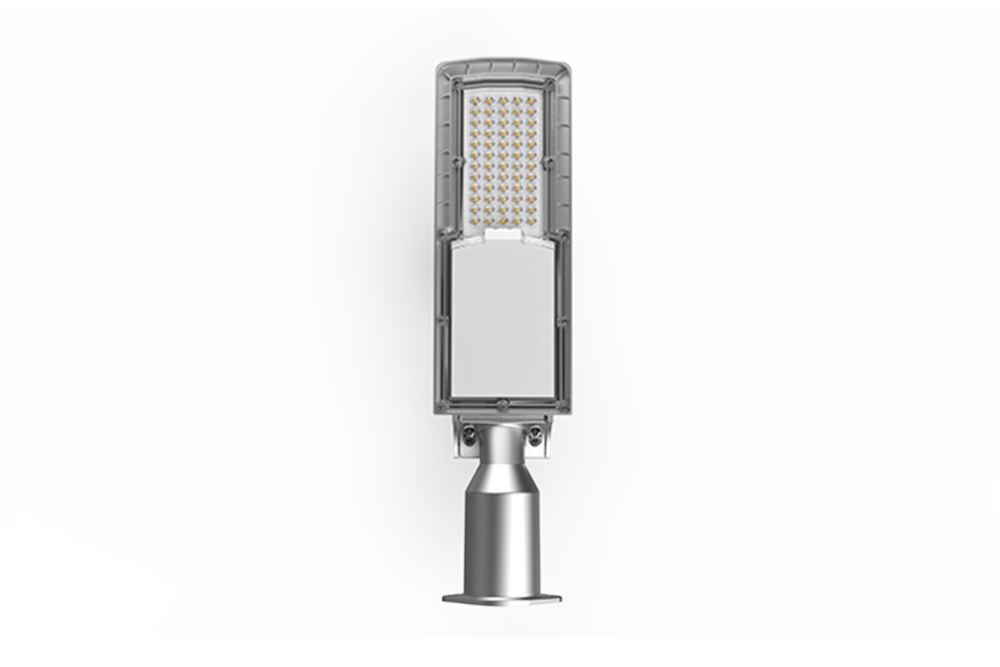
The SEEKING STC Series LED light street light delivers up to 170lm/W efficiency with MOSO drivers, IP66 protection, and a ±15° adjustable arm—ideal for roads, residential areas, and public lighting upgrades.
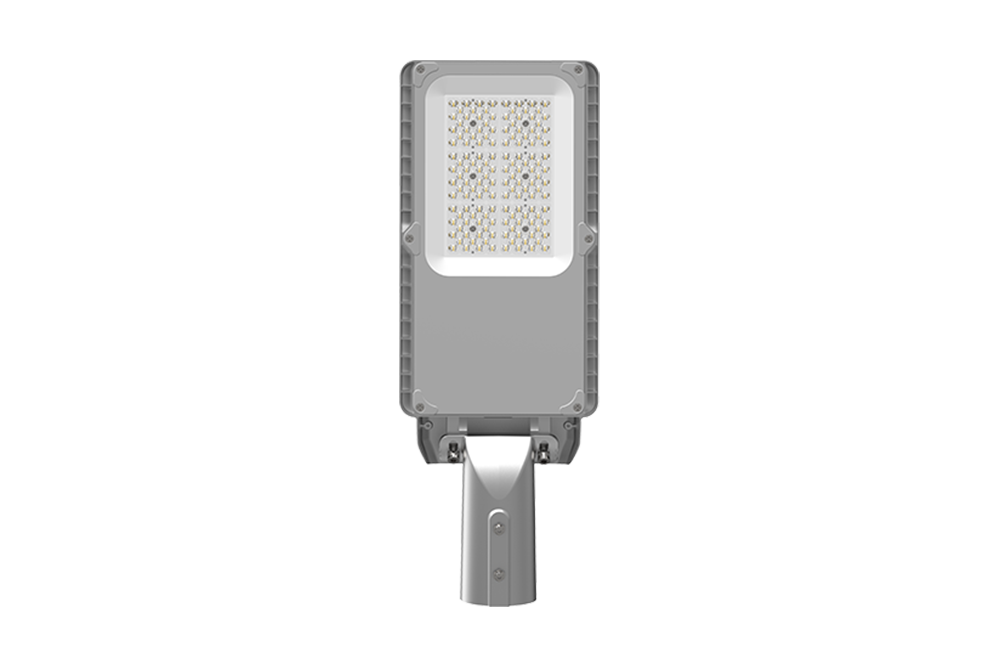
SEEKING STB Series LED street lighting delivers up to 160 lm/W, 10kV surge protection, IP66 waterproofing, and durable IK08 impact resistance. Ideal for streets, parking lots, and large outdoor areas needing long-lasting, energy-saving LED roadway…
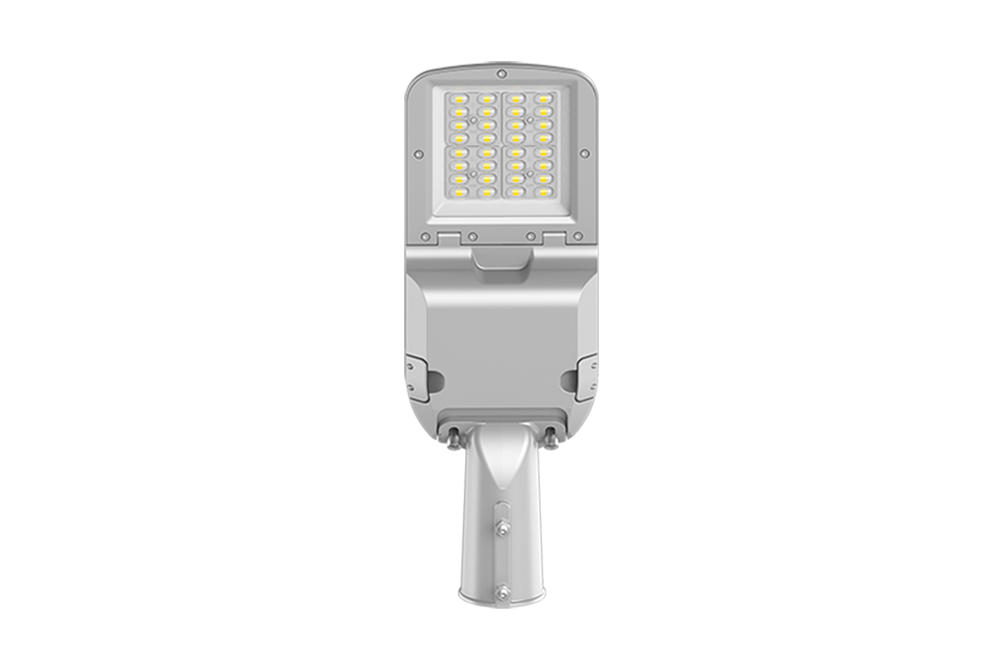
The SEEKING STA Series LED street light delivers strong efficiency, IP66 protection, 10kV surge resistance and multiple beam patterns for roads, parking lots and urban areas. High lumen output, easy installation and reliable performance for long-t…
loading…
This is the last post!
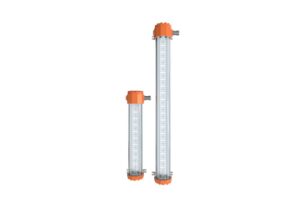
Explosion-proof lighting is essential for spray paint booths. SEEKINGLED LO Series delivers ATEX & IECEx certified safety, IP69K protection, and high efficiency.
View details
Why Explosion-Proof Flood Lights Exist is more than a safety question. Learn how hazardous-area flood lights prevent ignition risks in oil, gas, chemical, and dust-filled facilities.
View details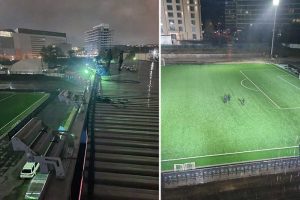
A football stadium in France upgraded its sports lighting usingSports Stadium LED Lighting to improve illuminance, uniformity, and player comfort.
View details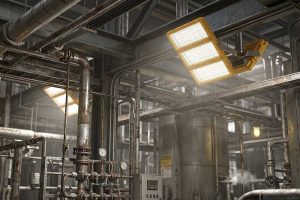
LED explosion proof lamp explained with real specs, certifications, and industrial use cases. Learn safe lighting solutions from SEEKINGLED experts.
View details