 Seeking LED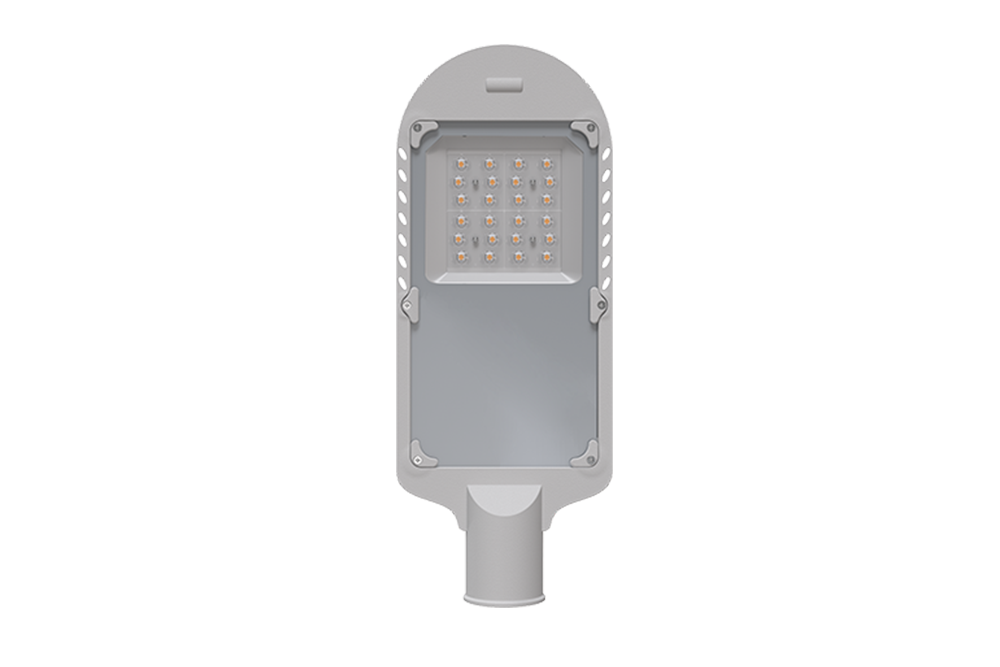
what are flood lights?
0what are flood lights? Learn how LED flood lights work, where they are used, and how to choose reliable outdoor lighting solutions with expert insights from SEEKINGLED.
View detailsSearch the whole station
People usually search how to repair LED street light after something has already gone wrong.
The light flickers.
It goes dark halfway through the night.
Or worse—it looks fine during the day and fails when it matters.
At that point, theory doesn’t help much. What helps is knowing where street lights actually fail.
Before tools come out, stop for a second.
Many LED street lights aren’t “dead.” They’re unstable.
From real maintenance cases, most calls labeled as LED street light repair turn out to be:
If the light turns on briefly, or works after a reset, that’s already a clue.
This is rarely the LED chips.
Most of the time, it’s the driver reacting to:
Replacing LEDs here is a mistake. It won’t solve anything.
Seen this more than people admit.
When an LED street light works cold but fails after 10–20 minutes, heat is the real issue.
Poor thermal contact, dust buildup, or a weakened driver will trigger protection.
This is a design problem showing itself—not a wiring issue.
Now you check basics:
If the driver is silent and the LEDs never flash, replacement is often faster than repair.
Here’s the truth most guides skip:
Not every street light should be repaired on-site.
These fixes make sense when access is safe and parts are available.
Those fixes don’t last. And they come back as repeat failures.
At SEEKINGLED, failed lights are often analyzed first, not rushed back into service.
You don’t need a lab. But you do need:
Guessing voltage ratings is how drivers die twice.
This shouldn’t need saying, but it still does.
LED street lights run high voltage. Repairs happen at height. Weather changes things fast.
If conditions aren’t right, the correct repair decision is not repairing yet.
That’s not caution—it’s experience.
Some failures aren’t accidents. They’re end-of-life signals.
If a light shows:
Repairing it buys time, not reliability.
SEEKINGLED designs street lights to be serviceable, but also honest about when replacement is the safer call.
So, how to repair LED street light?
You don’t start with parts.
You start with diagnosis.
Most failures aren’t dramatic. They’re gradual. Quiet. Predictable.
Good repair work fixes the cause, not the symptom.
Bad repair work just resets the countdown.
— SEEKINGLED
SEEKING STL-Series LED street lights deliver stable performance, 170 lm/W efficiency and 10KV surge protection. Ideal for city streets, parking lots, public roads and outdoor area lighting projects. Durable IP66 & IK08 design for long-term reliabi…
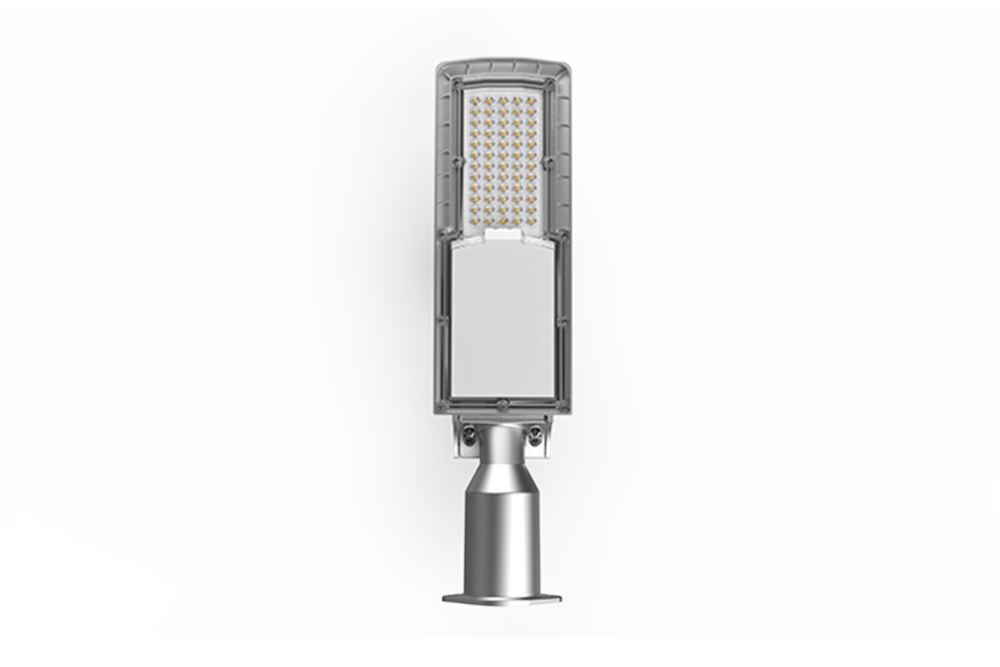
The SEEKING STC Series LED light street light delivers up to 170lm/W efficiency with MOSO drivers, IP66 protection, and a ±15° adjustable arm—ideal for roads, residential areas, and public lighting upgrades.
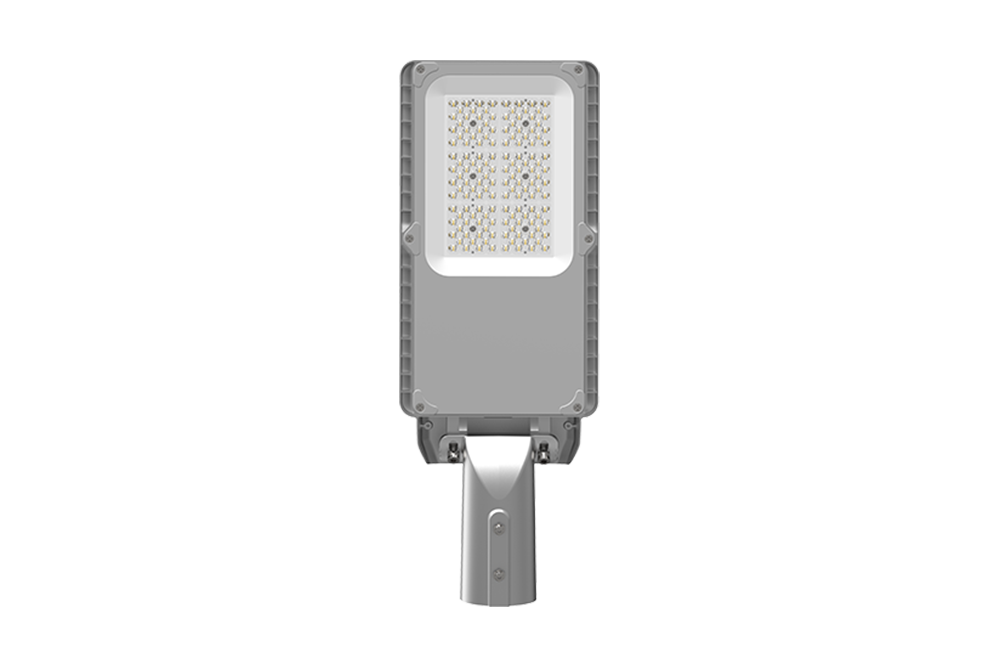
SEEKING STB Series LED street lighting delivers up to 160 lm/W, 10kV surge protection, IP66 waterproofing, and durable IK08 impact resistance. Ideal for streets, parking lots, and large outdoor areas needing long-lasting, energy-saving LED roadway…
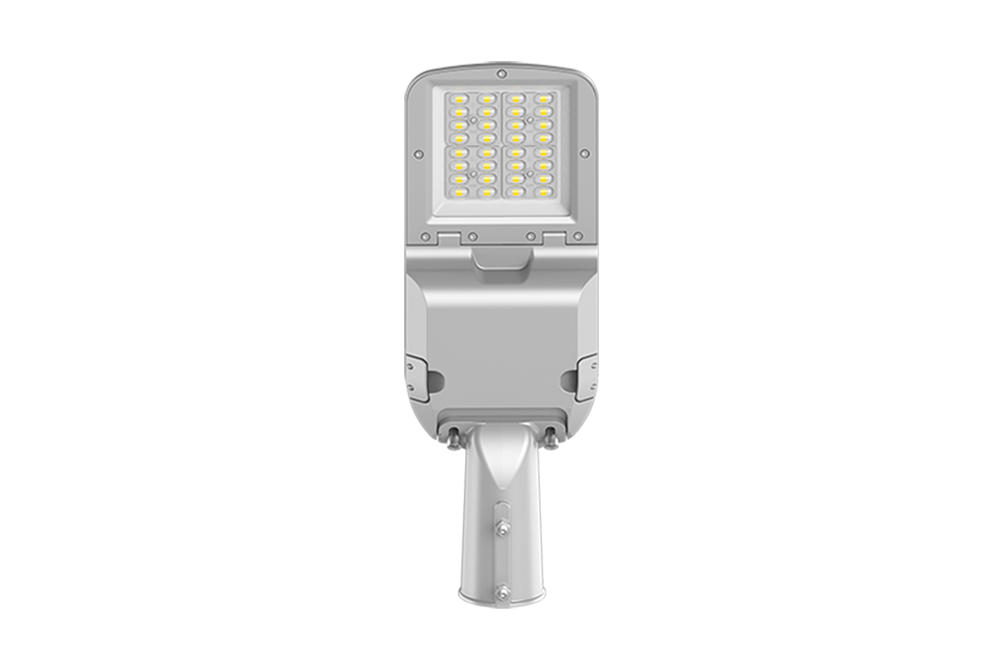
The SEEKING STA Series LED street light delivers strong efficiency, IP66 protection, 10kV surge resistance and multiple beam patterns for roads, parking lots and urban areas. High lumen output, easy installation and reliable performance for long-t…
loading…
This is the last post!

what are flood lights? Learn how LED flood lights work, where they are used, and how to choose reliable outdoor lighting solutions with expert insights from SEEKINGLED.
View details
How do high bay lights work? Learn how LED high bay lighting uses advanced LEDs, drivers, optics, and heat management to illuminate large industrial spaces efficiently.
View details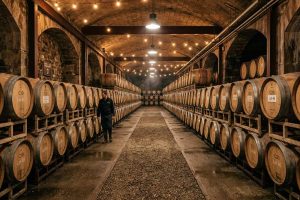
Wine cellar LED lighting for winery fermentation spaces. Low heat, moisture-resistant, and stable illumination for barrels and production by SEEKINGLED.
View details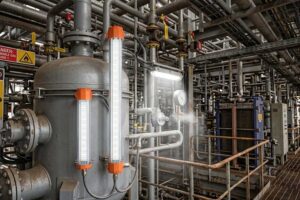
Explosion-Proof Light solutions for hazardous areas. Learn how explosion proof lighting differs from ordinary industrial lights for safer operations.
View details