Flood lights can use a lot of electricity when they have high wattage or stay on for long periods, but modern LED models usually consume far less power than traditional halogen lights at comparable light output. Actual running costs depend on wattage, daily operating hours, and your local electricity rate.
How Much Electricity Does a Flood Light Use?
The main factor is the light’s actual power consumption, measured in watts (W). A 100-watt floodlight running for one hour uses 0.1 kilowatt-hours (kWh). Leave it on for eight hours, and consumption reaches 0.8 kWh.
Use this formula to estimate energy consumption:
Electricity used (kWh) = Power (W) × Operating hours ÷ 1,000
For example, a 50 W LED floodlight operating for six hours each night uses:
50 W × 6 hours ÷ 1,000 = 0.3 kWh per night
Over 30 nights, that becomes 9 kWh. Multiply 9 kWh by your electricity price to estimate the monthly energy charge.
The U.S. Department of Energy explains that LED lighting uses substantially less energy than incandescent lighting and can last much longer. That makes LED technology a practical option for outdoor areas that need regular illumination. However, the actual savings depend on the fixtures being compared and how long they operate.
LED vs. Halogen Flood Lights: Which Uses More Electricity?
At a similar light output, an LED floodlight generally uses less electricity than a halogen floodlight. The wattage printed on a product label indicates power consumption, not how bright the light will appear on its own. For a fair comparison, check both wattage and lumens.
Example fixture
Illustrative power
Energy used in 5 hours
Energy used in 30 days at 5 hours/day
LED floodlight
30 W
0.15 kWh
4.5 kWh
LED floodlight
50 W
0.25 kWh
7.5 kWh
Halogen floodlight
150 W
0.75 kWh
22.5 kWh
Halogen floodlight
500 W
2.5 kWh
75 kWh
These are illustrative calculations, not specifications for every product. Actual brightness, efficiency, and operating conditions vary.
In this example, a 30 W LED uses 80% less electricity than a 150 W halogen light over the same operating period. That comparison assumes the chosen fixtures provide suitable light for the same task; actual lumen output should be checked before selecting a replacement.
For warehouses, loading bays, car parks, and building exteriors, comparing lumens per watt can help avoid paying to run a fixture that consumes more energy than necessary.
How Much Does It Cost to Run a Flood Light?
Your electricity rate makes a noticeable difference to the final bill. The U.S. Energy Information Administration reported an average U.S. residential electricity price of 17.30 cents per kWh in 2025. Local rates can be considerably higher or lower. Source: EIA electricity price data.
Using that rate, a 50 W LED floodlight running six hours every night costs approximately $1.56 per month in electricity:
9 kWh × $0.173 = $1.56
A 500 W floodlight running for the same six hours each night would use 90 kWh per month and cost about $15.57 at the same rate. These estimates cover energy consumption only, not installation or maintenance.
How to Reduce Flood Light Electricity Use
You do not necessarily need a dimmer or a smaller fixture. Start by checking whether the light is doing more work than the area requires.
Choose LED technology: Compare lumen output and wattage rather than choosing by wattage alone.
Use motion sensors where appropriate: A security light does not always need to remain at full brightness when nobody is nearby.
Set a practical schedule: Switch off decorative or nonessential floodlights when the area is not in use.
Aim the beam carefully: Direct light toward the driveway, entrance, or work area instead of wasting output on walls or the sky.
Check the actual operating hours: A light left on all night can consume more energy than a higher-wattage fixture used briefly.
For commercial sites, check lighting requirements before reducing output. A warehouse loading bay or vehicle access route may need consistent illumination for safe operations. The better choice is a fixture that provides the required coverage efficiently, not simply the one with the lowest wattage.
FAQ About does flood lights use a lot of electricity?
Do LED flood lights use a lot of electricity?
Generally, LED floodlights use less electricity than older halogen fixtures providing comparable light output. The exact difference depends on the products being compared.
Is it expensive to leave a floodlight on all night?
It depends on the wattage and electricity rate. A 50 W fixture running for 10 hours uses 0.5 kWh; multiply that by your local rate to calculate the cost.
What wattage floodlight should I choose?
Choose according to the area, mounting height, required brightness, and beam angle. Check lumens and coverage alongside wattage.
Do motion-sensor floodlights save electricity?
They can, because the light may operate at full output for fewer hours. Savings depend on how often the sensor activates and how the fixture is configured.
Are 100 W LED floodlights expensive to run?
At the 2025 U.S. average residential rate of 17.30 cents/kWh, a 100 W light running five hours daily costs approximately $2.60 over 30 days. Your local rate may differ.
How can I calculate my floodlight’s running cost?
Multiply wattage by hours of operation and divide by 1,000 to get kWh. Multiply the result by your electricity rate to estimate the energy cost.
Conclusion
Does flood lights use a lot of electricity? Not necessarily. High-wattage fixtures left on for long periods can consume substantial energy, while efficient LEDs and sensible controls can keep running costs low. Calculate usage from the actual wattage, daily operating hours, and local rate before selecting a fixture for your home or commercial site.
Author and review standard: Prepared for SEEKINGLED by the lighting content team, using energy-consumption calculations and U.S. Energy Information Administration pricing data. Product selection should be checked against the manufacturer’s lumen output, wattage, and installation specifications.
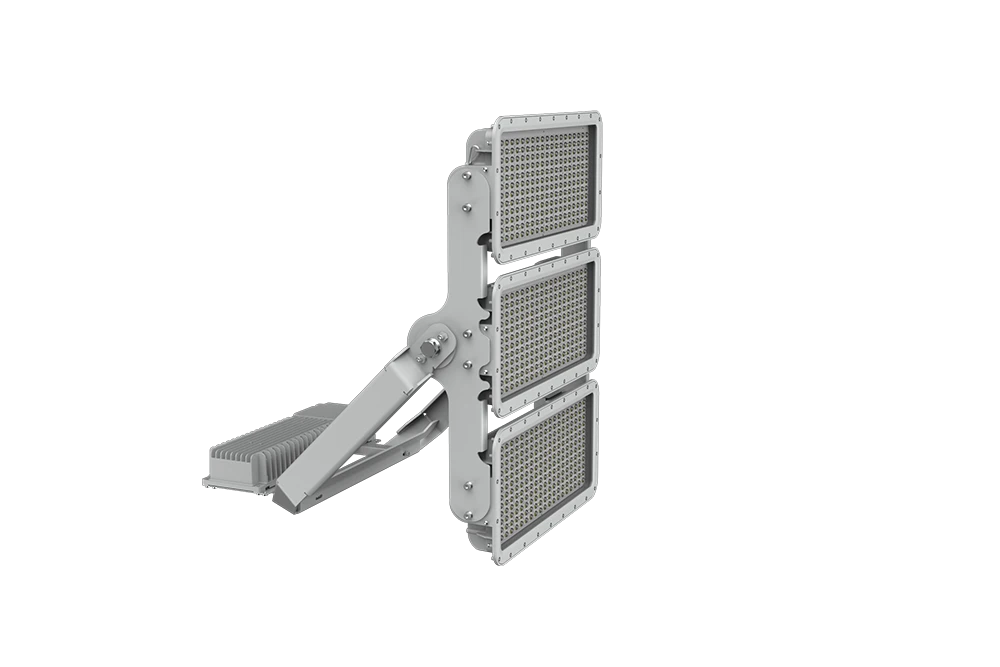
Sports Stadium LED Lighting by SEEKINGLED delivers high mast illumination, precise beam control, and EN 12193 compliant performance for professional venues.
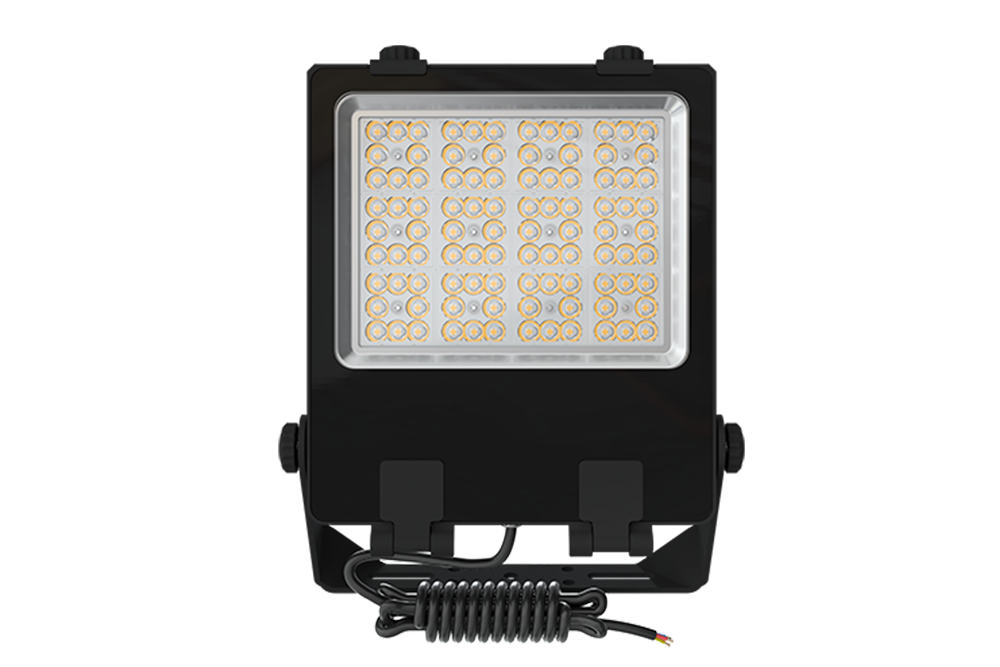
SEEKING FLX Series LED flood light outdoor for sports courts and open-area projects with 170lm/W efficiency, IP66 protection and multiple beam distributions. Designed for long-life commercial and public outdoor use.
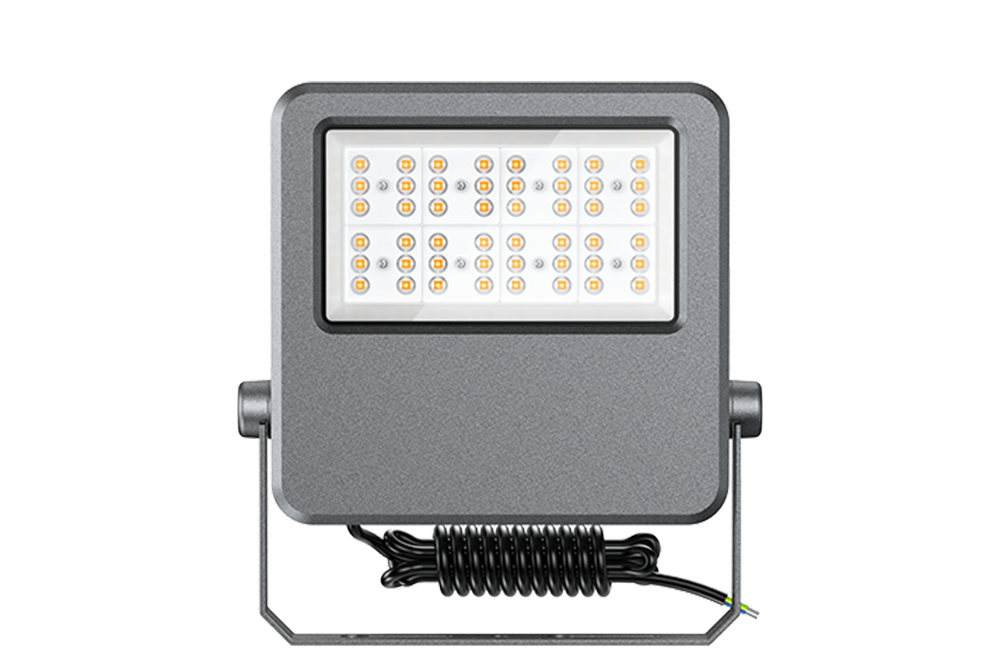
SEEKING FLE Series LED outdoor flood lights for sports grounds and open areas with multiple beam angles, IP66 protection and up to 170lm/W. Designed for long-life outdoor installations with professional driver options.
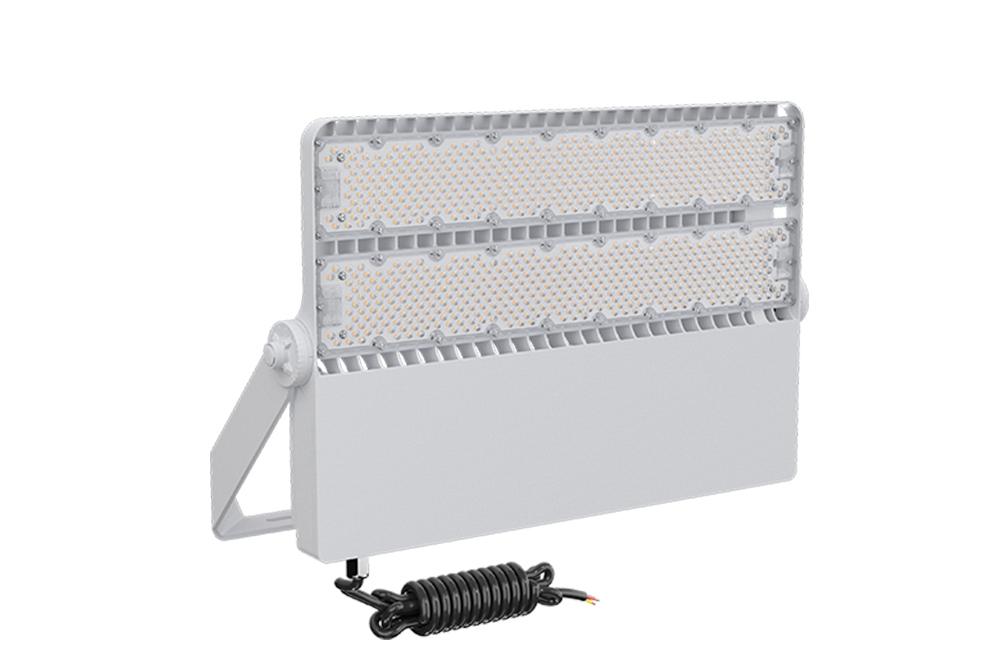
SEEKING FLD Series outdoor LED flood lights and high power led flood light deliver up to 960W with precision beam angles for sports fields, stadiums and large outdoor areas. IK08 & IP66 protection, 170lm/W efficiency and 100,000h lifetime.
Tennis Court High Bay Lighting requires uniform illumination, not only target lux levels. This case records how SEEKINGLED adjusted XJ-HBS beam angles in an Italian tennis court project to improve lighting distribution.
Upgrade your facility with indoor led floodlights from SEEKINGLED. Reliable brightness, lower energy costs, and real industrial performance that lasts.
Black Housing LED High Bay for Warehouse Lighting was required in a Danish warehouse. This project record documents how XJ-HBK130W was selected to meet aesthetic requirements while improving efficiency and reducing shipping cost.
How high to mount high bay LED lights for proper coverage and efficiency? This guide explains mounting height ranges, spacing logic, and real-world installation tips from SEEKINGLED projects.
 Seeking LED