Explosion Proof LED High Bay Lighting: What Actually Holds Up in Hazardous Areas
Written by a hazardous-area lighting engineer with over 10 years of hands-on experience supporting ATEX and IECEx projects across oil & gas, chemical plants, ports, and heavy industrial facilities.
When discussing explosion proof LED high bay lighting, most conversations stop at certificates. In the field, certificates are only the starting line. What matters is how a luminaire behaves after years of heat cycles, vibration, dust ingress, and maintenance access—often in places where shutdowns are expensive and mistakes are not forgiven.
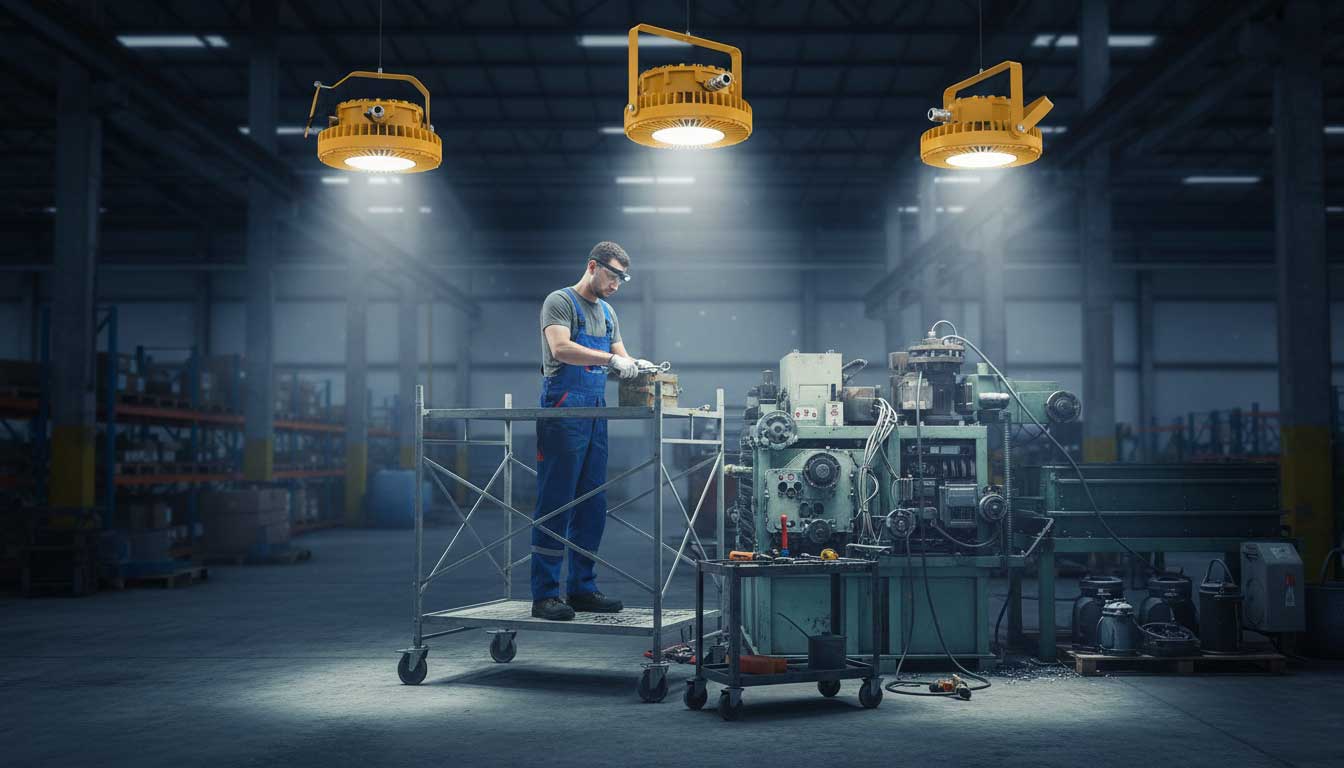
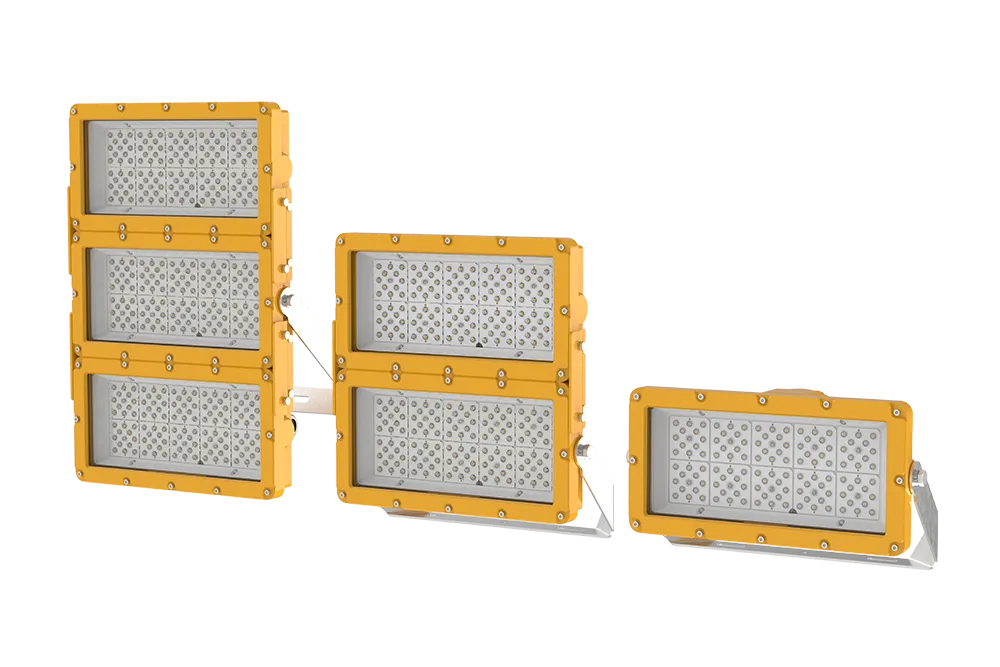
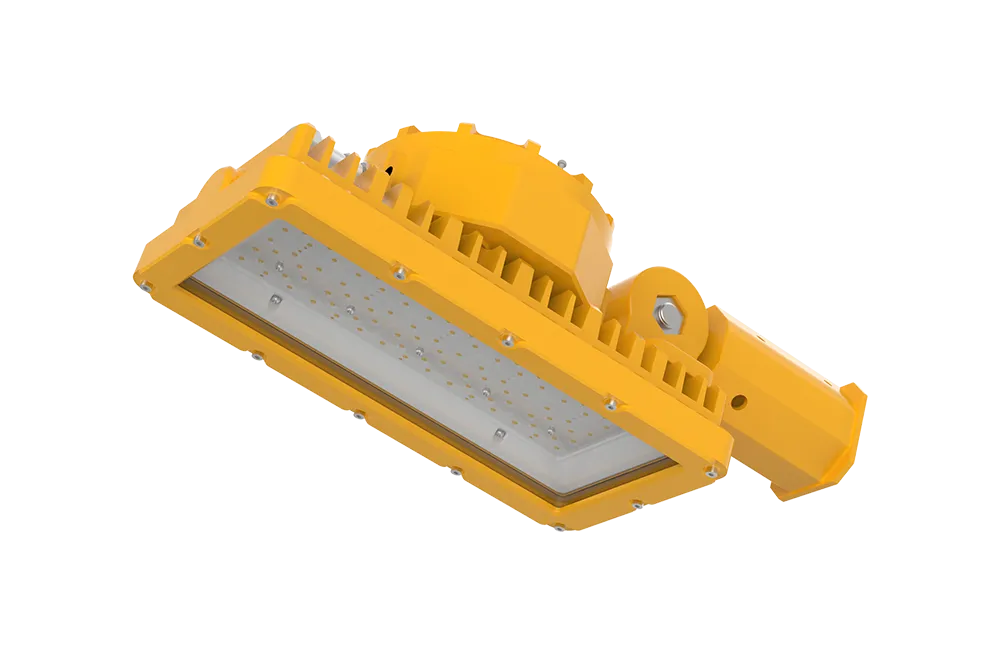
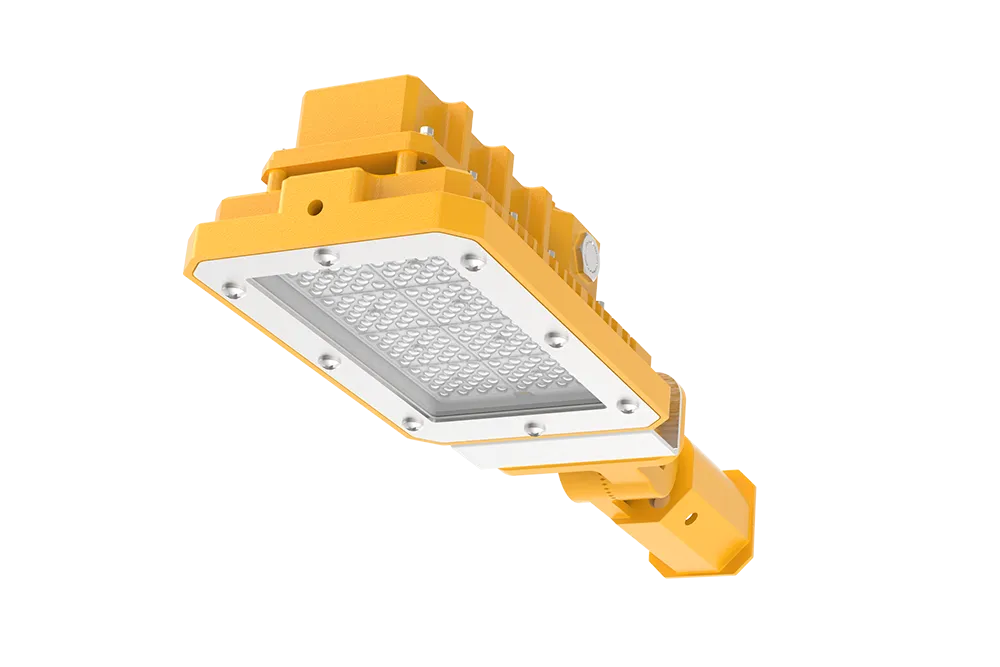
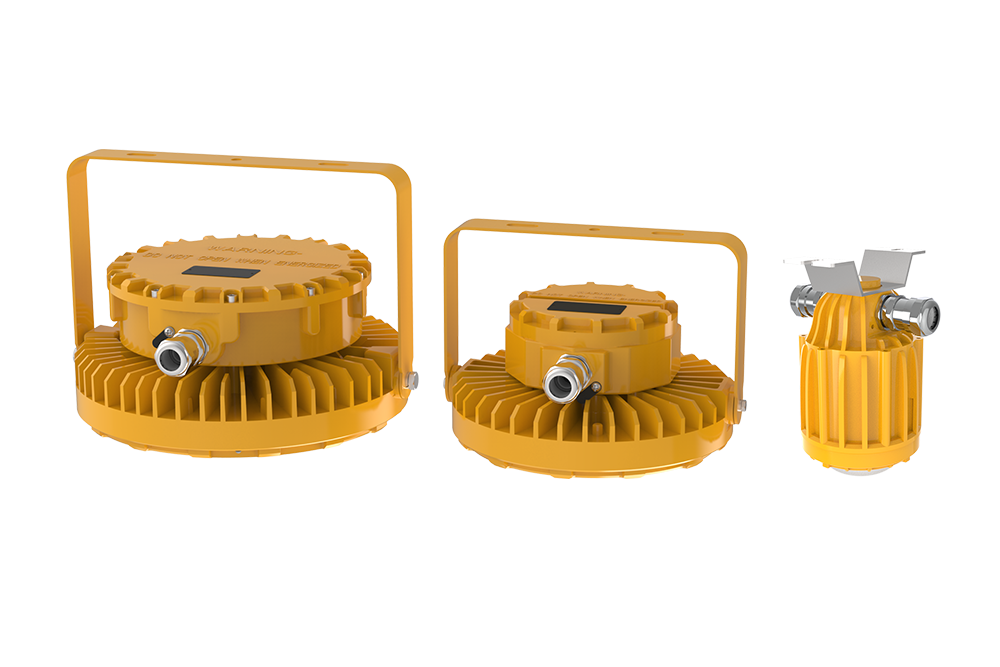
This article reflects what I’ve seen working with SEEKINGLED HB21 Series LED explosion proof high bay lights, not in theory, but installed and running in real hazardous environments.
Why High Bay Lighting Is a Weak Point in Hazardous Areas
High bay fixtures are mounted high, often above 8–15 meters. Once installed in Zone 1 or Zone 21, access becomes difficult. That’s why IEC 60079-0 emphasizes not only explosion containment, but also long-term thermal stability and mechanical integrity.
The HB21 Series Explosion proof light follows a pure flameproof (Ex d) enclosure design, tested according to IEC 60079-1, rather than relying on mixed protection concepts. In practice, this reduces uncertainty during inspections—especially when both ATEX and IECEx documentation are requested on the same project.
Thermal Management Is Where Many Fixtures Fail Quietly
LEDs don’t explode—but drivers and seals fail under heat stress. This is where explosion proof LED high bay lighting often underperforms.
The HB21 Series is rated for –20°C to +55°C ambient temperature, which aligns with testing under IECEx operational limits. More importantly, surface temperature stays within declared T6/T5 classifications, even during continuous operation.
According to IEC guidance, T-class must be validated under worst-case electrical and thermal conditions. In real projects, this is where low-quality housings show cracks, gasket fatigue, or driver drift after extended use.
Light Quality Is a Safety Factor, Not a Bonus
In hazardous environments, lighting is tied directly to operational safety. Poor color rendering leads to misread labels, incorrect valve identification, and slower reaction times.
With CRI >80 and luminous efficacy up to 150 lm/W, the HB21 Series provides clear visibility without excessive glare. Compared to legacy halogen or HPS systems, this reduces eye fatigue during long shifts—something rarely mentioned in specifications but often raised by operators.
Multiple beam angles (60°, 90°, 120°) allow proper spacing at height, reducing fixture count and minimizing installation points inside classified zones.
Lifespan Claims That Actually Mean Something
The L80B20 >100,000 hours rating at 25°C is based on IES LM-80 and TM-21 methodologies, widely accepted in the lighting industry. This does not mean the fixture becomes useless after that time—it means 80% lumen maintenance for the majority of units.
In hazardous areas, reducing maintenance frequency directly lowers risk exposure. From experience, fewer interventions matter more than marginal energy savings.
Final Thoughts from the Field
Good explosion proof LED high bay lighting should disappear into the background. It should not flicker, overheat, or raise questions during audits.
From real project experience, the SEEKINGLED HB21 Series explosion proof led high bay lighting fits environments where certification integrity, thermal control, and long-term reliability matter more than marketing claims. In hazardous areas, that balance is what keeps operations running—and people safe.
Explosion proof LED lighting Recommend
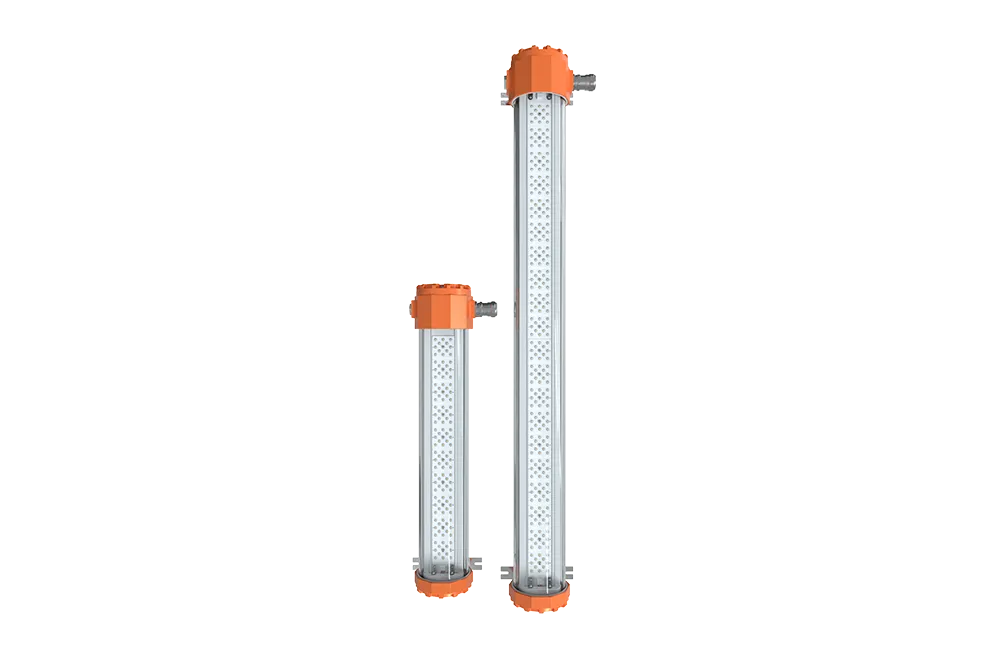
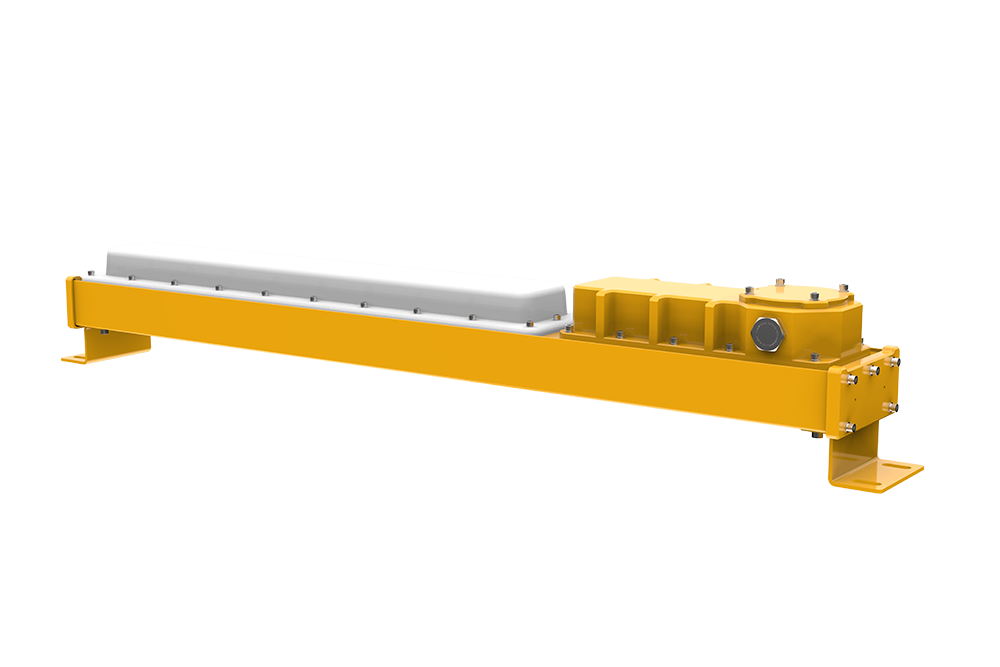
SEEKINGLED LED Linear Explosion Proof Light and Explosion Proof lighting is ATEX and IECEx certified for Zone 1, Zone 2, Zone 21 and Zone 22 hazardous locations, built for long-term industrial use.
LED Linear Explosion Proof Lights and EX Proof lights for Zone 1, Zone 2, Zone 21 and Zone 22 hazardous areas. ATEX & IECEx certified explosion proof LED linear lighting with emergency function, adjustable power and IP67 protection by SEEKINGLED.
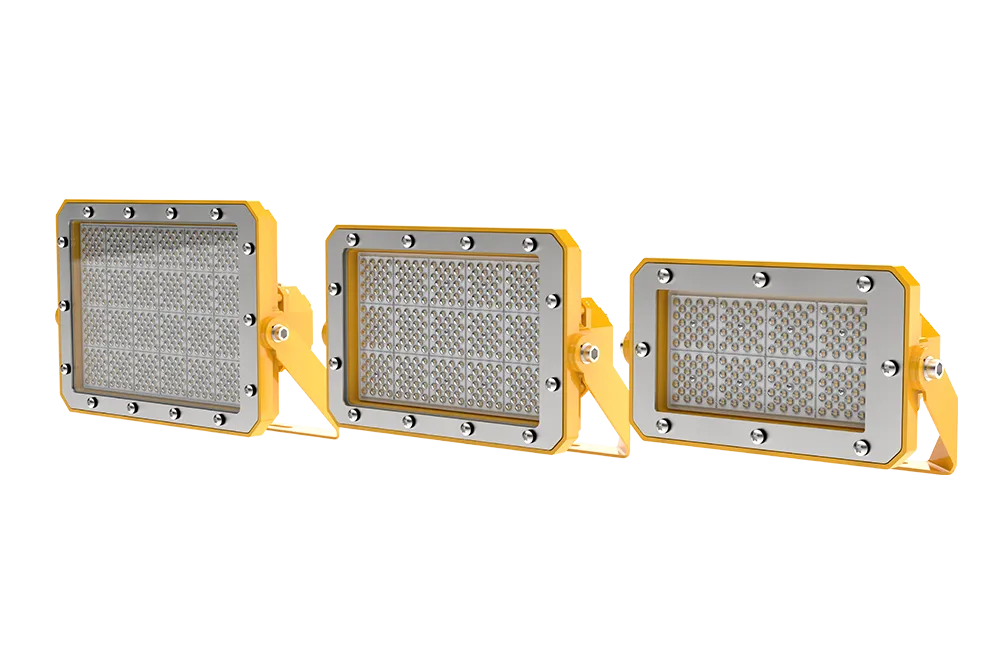
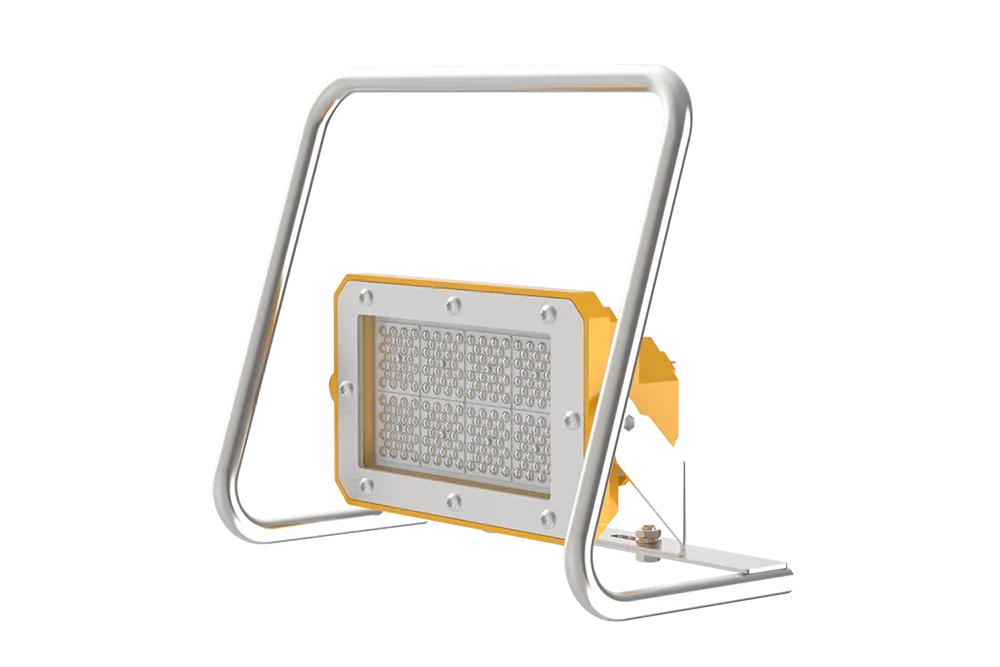
SEEKINGLED LED Explosion Proof Flood Lights are ATEX certified for Zone 2 and Zone 22 hazardous areas, offering high efficiency, adjustable power and integrated junction box.
SEEKINGLED LED Explosion Proof Flood Lights are flameproof ATEX and IECEx certified for Zone 1 and Zone 2 hazardous areas, offering high power, adjustable output and long service life.
SEEKINGLED LED Gas Station Canopy Lights are ATEX certified for Zone 2 and Zone 22 hazardous areas, featuring adjustable power and built-in explosion-proof junction box.
ATEX: Ex II 2G Ex db IIB T6/T5 GbEx II 2D Ex tb IIIC T80°C/ T95°C Db IECEx Ex db IIB T6 Gb;Ex tb IIIC T80°C Db Feature: ● For Zone 1,2 and Zone 21,22● Flameproof type, the strongest● 100W can replace 250W HID,energy saving● Power:60W,80W,10…
ATEX: II 3G Ex nR ⅡC T5/T6 GcII 3D Ex tc ⅢC T80℃/T95℃Dc ATEX Certificate NO: TÜV CY 26 ATEX 0207611 X Feature: ● For Zone 2 and Zone 22● 150W can replace 250W HID lamps,Energy saving● Power:50W,75W,100W,150W,200W Application: Oil and gas, m…
LED explosion proof high bay lights are designed for Zone 1, Zone 2, Zone 21 and Zone 22 hazardous areas. This page introduces the HB21 Series from SEEKING, including certifications, power options and real application considerations.
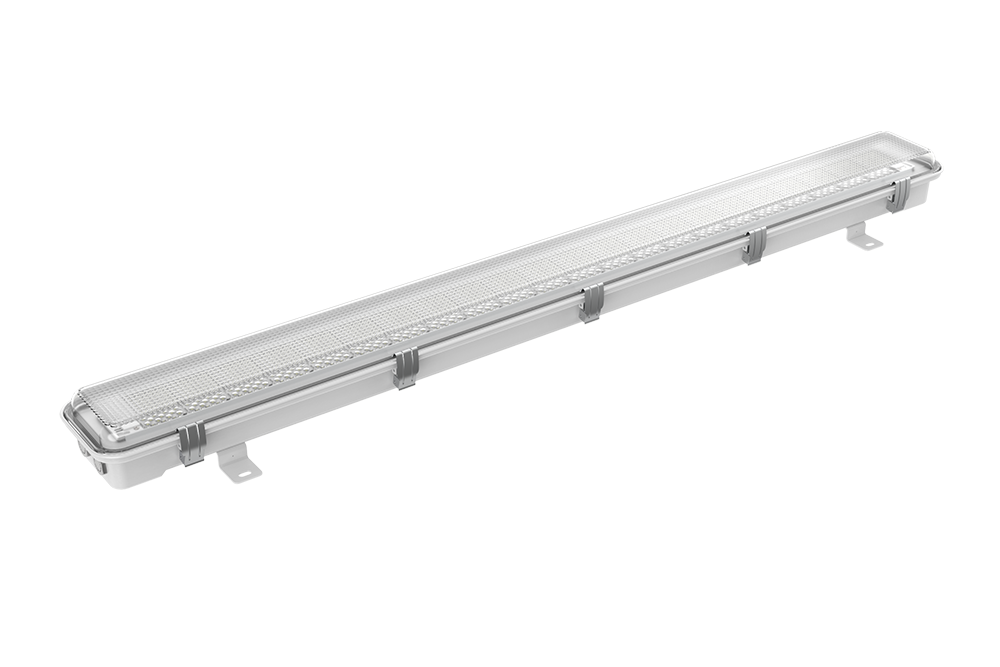
LED Linear Explosion Proof Lights from SEEKINGLED. LU Series Flame Proof lights ATEX-certified explosion proof LED linear lighting for Zone 2 gas and Zone 22 dust areas, IP69K, IK10, long lifetime and flexible power options.
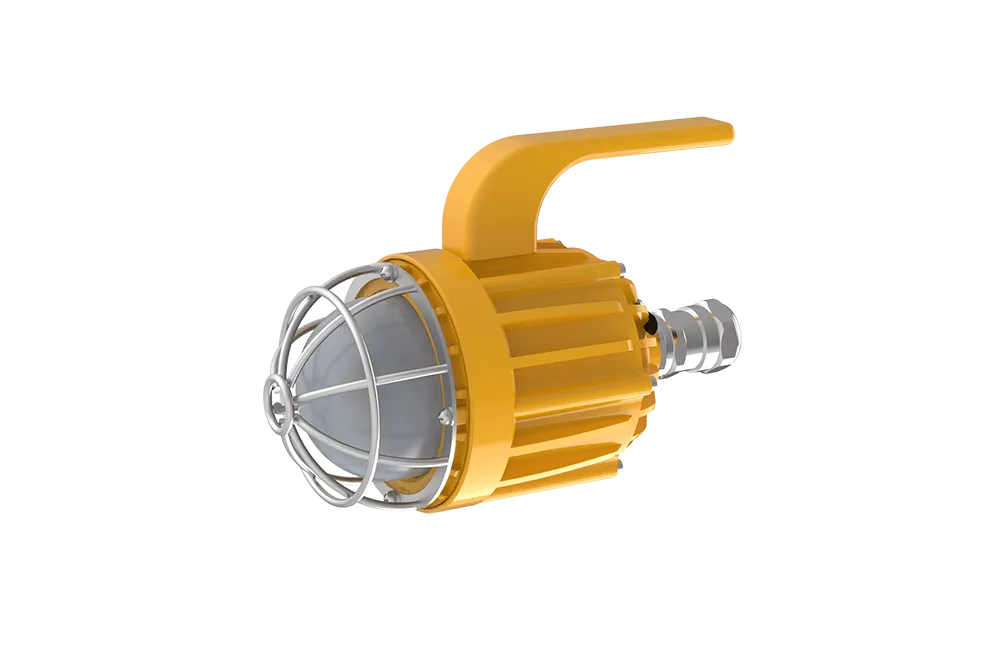
Certified explosion proof work lights for Zone 1 & 21 hazardous areas. Portable, ATEX & IECEx approved, built for oil, gas and chemical plants by SEEKINGLED.
ATEX: II 3G Ex nR ⅡC T6 GcII 3D Ex tc ⅢC T80℃ Dc ATEX Certificate NO: TÜV CY 26 ATEX 0207611 X Feature: ● For Zone 2 and Zone 22● Accepts battery-powered supply● indestructible● Power:AC input:50W,75W,100WDC input:15W,25W,35W Application: O…
ATEX: Ex II 2G Ex db IIB T6 GbEx II 2D Ex tb IIIC T80°C Db IECEx Ex db IIB T6 Gb;Ex tb IIIC T80°C Db Feature: ● For Zone 1,2 and Zone 21,22● Flameproof type, the strongest Application: Oil and gas, marine, Chemical, pharmaceutical, semicondu…
ATEX: Ex II 2G Ex db IIB T6 GbEx II 2D Ex tb IIIC T80°C Db IECEx Ex db IIB T6 Gb;Ex tb IIIC T80°C Db Feature: ● For Zone 1,2 and Zone 21,22● Flameproof type, the strongest Application: Oil and gas, marine, Chemical, pharmaceutical, semicondu…
ATEX: Ex II 2G Ex d e IIB T6 Gb ATEX: Ex d e IIB T6 Gb; Feature: ● For Zone 1,2● 9W can replace 18W fluorescent lamps,50% Energy saving Application: Oil and gas, marine, Chemical, pharmaceutical, semiconductor,mining,military industry, pain…
loading…
This is the last post!
 Seeking LED