 Seeking LED
atex explosion proof lights for hazardous industrial environments
0ATEX explosion proof lights engineered for Zone 1 and Zone 2 hazardous areas. Discover safer LED lighting with high efficiency and industrial durability.
View detailsSearch the whole station
How to test explosion proof LED exit light?
To test an explosion proof LED exit light, simulate power failure, verify battery backup operation, inspect enclosure integrity, and confirm certification compliance—ensuring the fixture operates safely without compromising hazardous area protection.
That’s the official answer. But on-site, testing is less about ticking boxes and more about catching small failures before they turn into shutdown risks.
According to NFPA 101 Life Safety Code, emergency lighting systems must be tested:
Meanwhile, OSHA 29 CFR 1910.37 requires exit routes to remain illuminated under emergency conditions.
In hazardous environments, this requirement goes further:
I’ve seen sites pass electrical tests but fail mechanical integrity—thread damage, degraded seals. That’s where real risk sits.
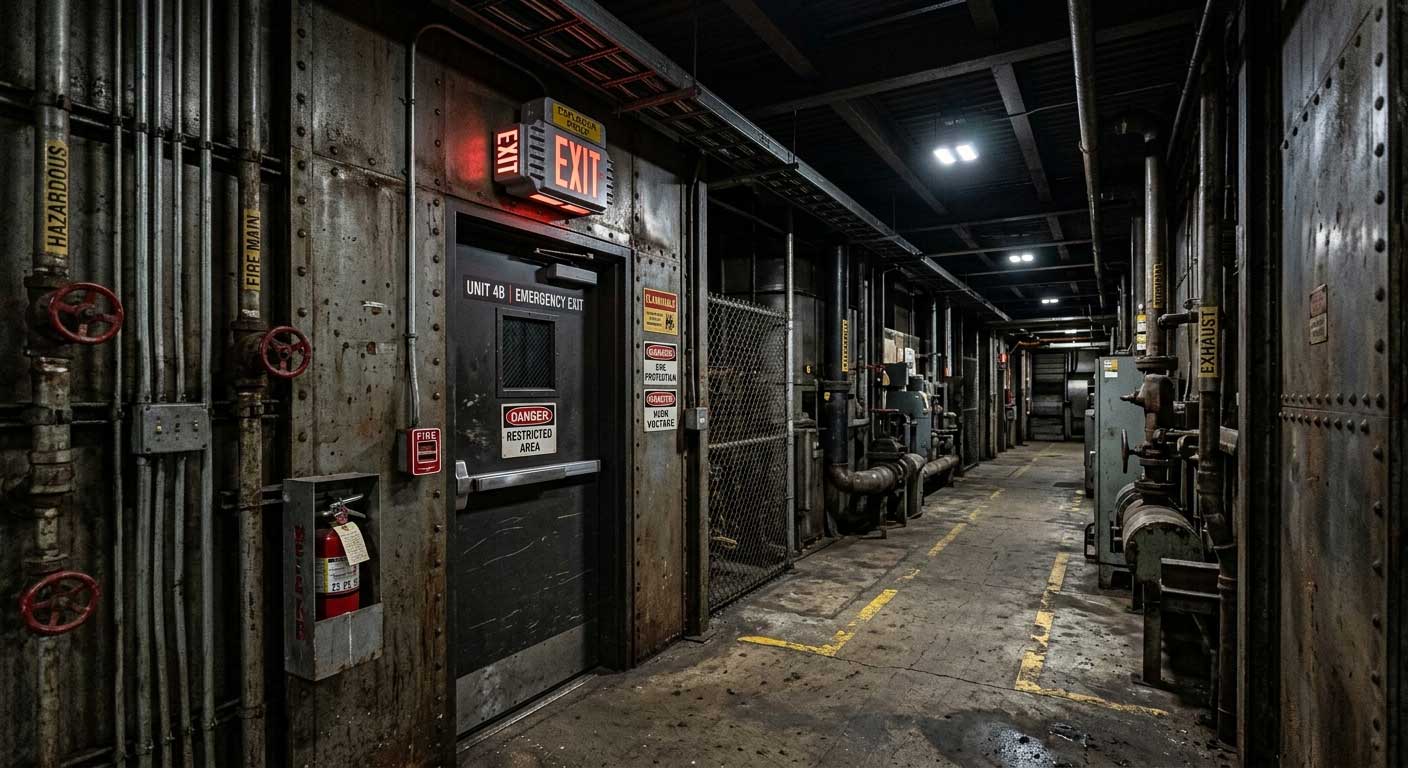
Start simple. Most failures show up before tools come out.
Checklist:
In one coastal plant project, salt corrosion ate through a gland within 14 months—electrically fine, mechanically unsafe.
Cut the main power supply.
Observe:
Expected behavior:
From field measurements, poor-quality drivers often show a 2–3 second delay, which already violates safety expectations.
This is where many fixtures fail quietly.
Procedure:
Standard requirement:
Reality check:
According to the U.S. Department of Energy, battery degradation is one of the primary failure points in emergency LED systems.
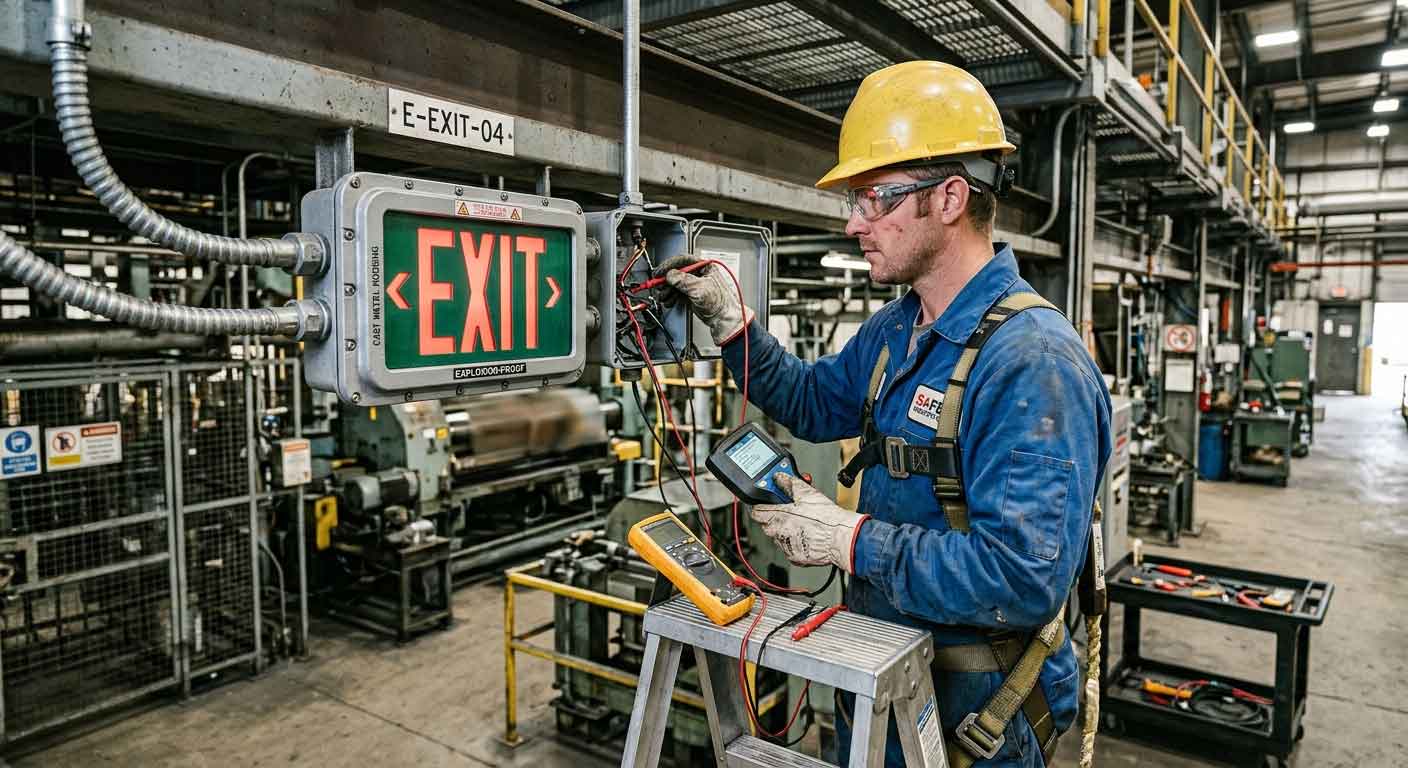
This step is often skipped. It shouldn’t be.
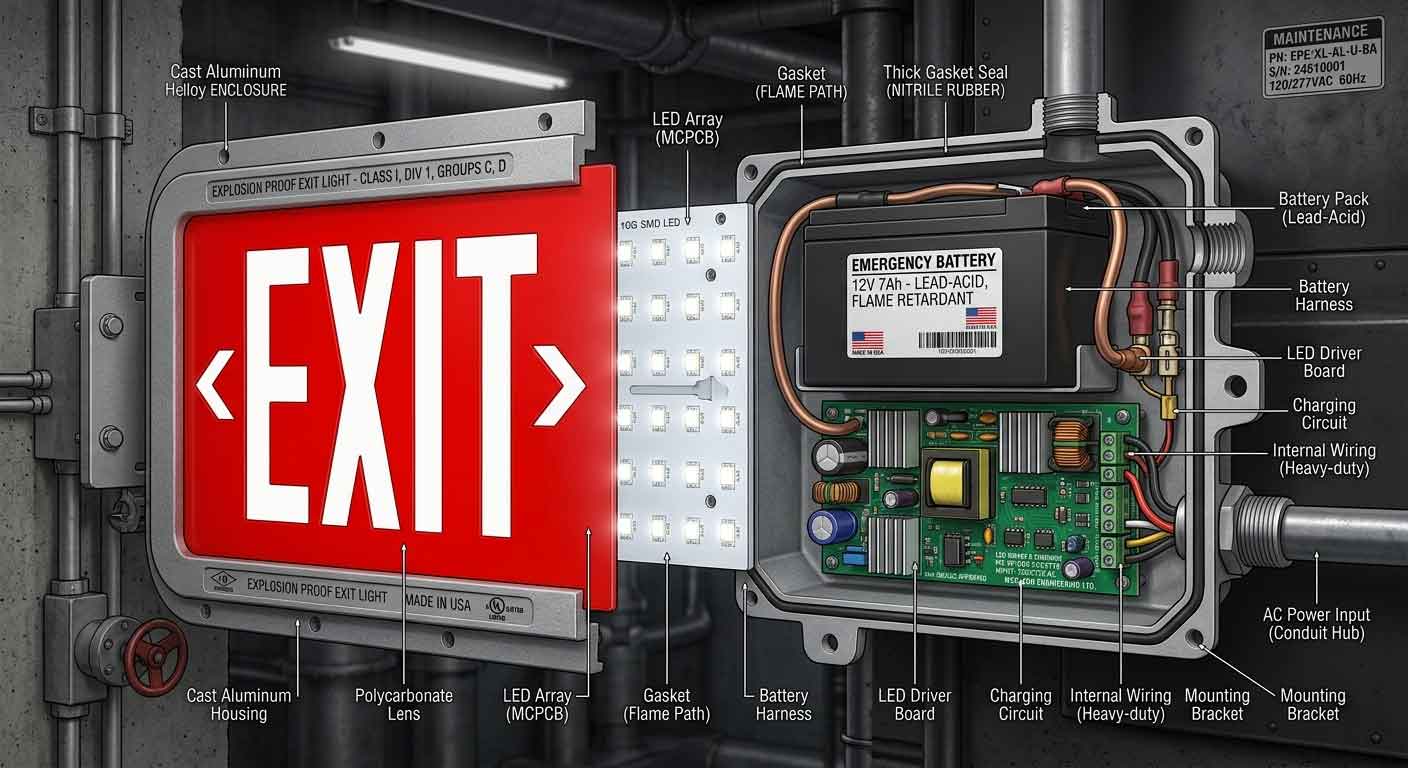
Inspect:
IEC 60079 specifies that flameproof joints must maintain precise tolerances. Even minor contamination can affect performance.
I’ve personally rejected fixtures where repainting covered the threads. Looked fine. Failed compliance.
Use a multimeter to confirm:
Abnormal readings often indicate:
| Test Type | Frequency | Key Focus |
|---|---|---|
| Visual inspection | Monthly | Physical integrity |
| Functional test | Monthly | Power switching |
| Full discharge test | Annually | Battery runtime |
| Mechanical inspection | Annually | Explosion-proof compliance |
Only if power is fully isolated and the area is confirmed safe. Opening in hazardous conditions can void explosion-proof protection.
Yes, per NFPA standards for emergency lighting systems.
Battery degradation—often unnoticed until a real outage occurs.
I’ve worked on hazardous-area lighting systems for over 8 years, including inspection and retrofitting of explosion-proof emergency lighting in:
In one refinery audit, over 32% of exit lights passed electrical tests but failed mechanical integrity checks—a gap rarely discussed in manuals.
Testing isn’t just about whether the light turns on.
With How to test explosion proof LED exit light, the real question is:
Will it still be safe after failure conditions occur?
Because in hazardous zones, lighting failure is manageable.
Loss of containment is not.
SEEKINGLED LED Linear Explosion Proof Light and Explosion Proof lighting is ATEX and IECEx certified for Zone 1, Zone 2, Zone 21 and Zone 22 hazardous locations, built for long-term industrial use.
View details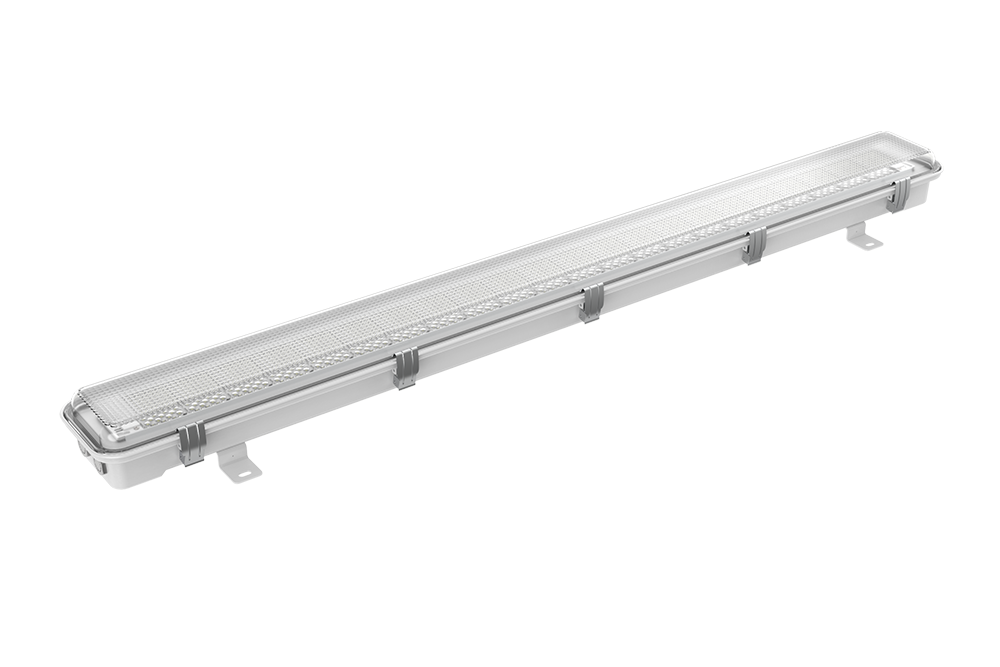
LED Linear Explosion Proof Lights and EX Proof lights for Zone 1, Zone 2, Zone 21 and Zone 22 hazardous areas. ATEX & IECEx certified explosion proof LED linear lighting with emergency function, adjustable power and IP67 protection by SEEKINGLED.
View details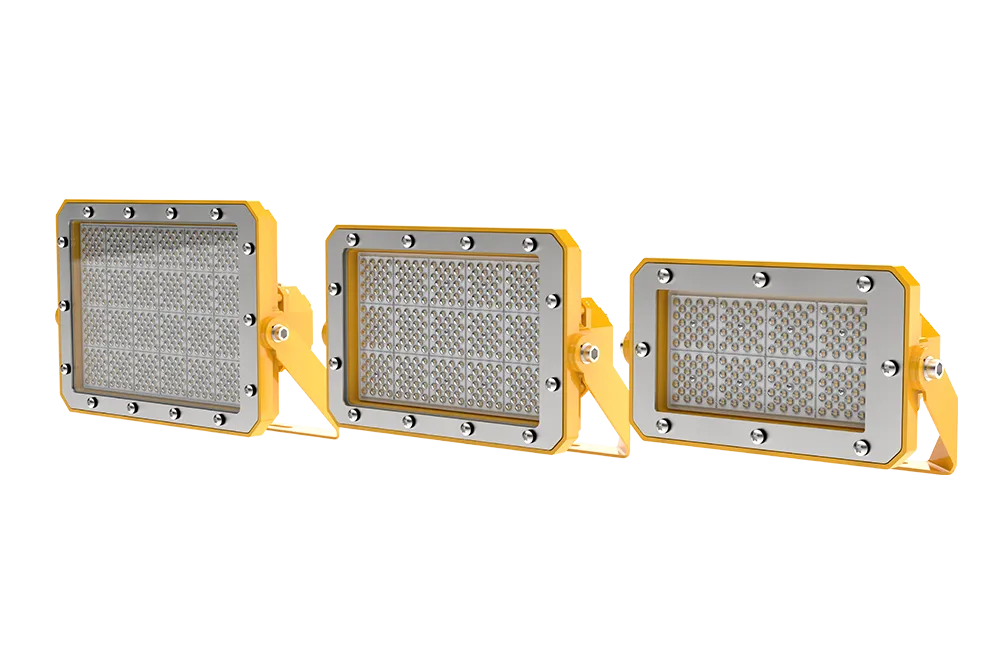
SEEKINGLED LED Explosion Proof Flood Lights are ATEX certified for Zone 2 and Zone 22 hazardous areas, offering high efficiency, adjustable power and integrated junction box.
View details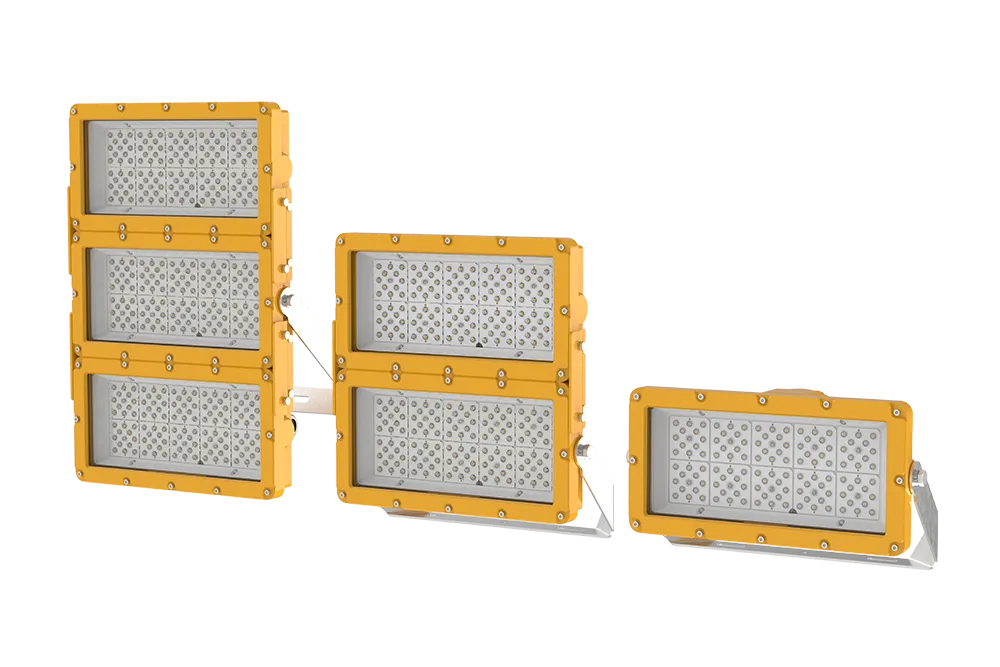
SEEKINGLED LED Explosion Proof Flood Lights are flameproof ATEX and IECEx certified for Zone 1 and Zone 2 hazardous areas, offering high power, adjustable output and long service life.
View details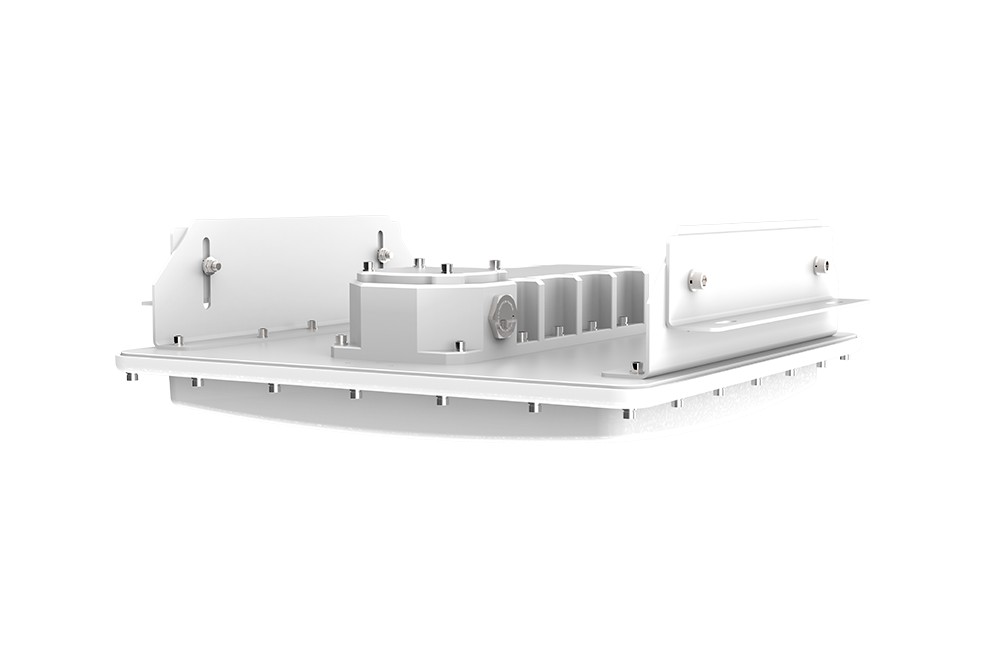
SEEKINGLED LED Gas Station Canopy Lights are ATEX certified for Zone 2 and Zone 22 hazardous areas, featuring adjustable power and built-in explosion-proof junction box.
View details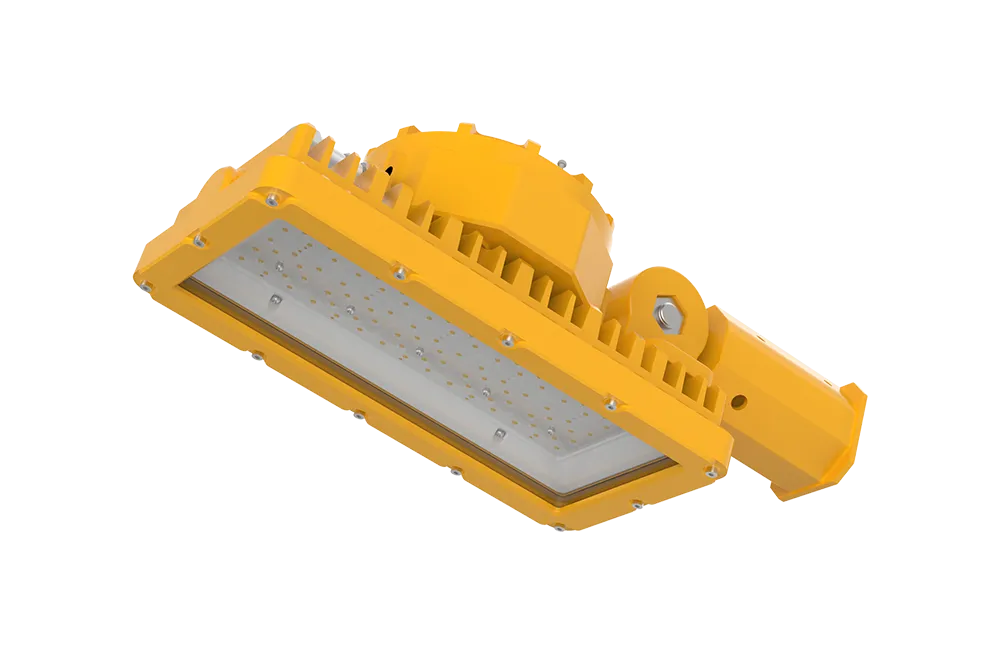
ATEX: Ex II 2G Ex db IIB T6/T5 GbEx II 2D Ex tb IIIC T80°C/ T95°C Db IECEx Ex db IIB T6 Gb;Ex tb IIIC T80°C Db Feature: ● For Zone 1,2 and Zone 21,22● Flameproof type, the strongest● 100W can replace 250W HID,energy saving● Power:60W,80W,100W Application: Oil and gas, marine, Chemical, pharmaceutical, semiconductor,mining,military industr…
View details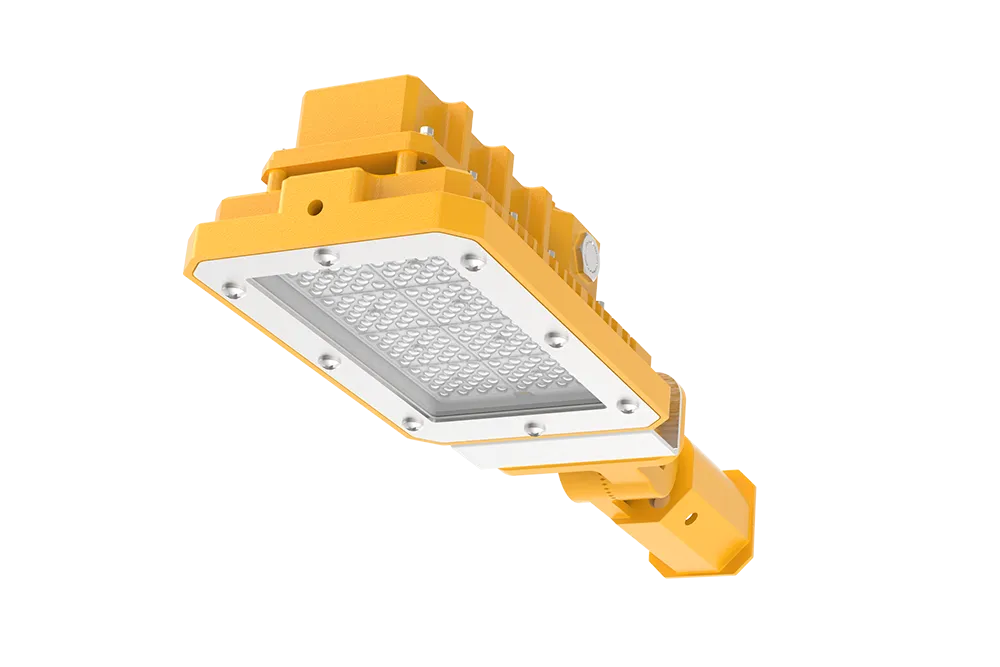
ATEX: II 3G Ex nR ⅡC T5/T6 GcII 3D Ex tc ⅢC T80℃/T95℃Dc ATEX Certificate NO: TÜV CY 26 ATEX 0207611 X Feature: ● For Zone 2 and Zone 22● 150W can replace 250W HID lamps,Energy saving● Power:50W,75W,100W,150W,200W Application: Oil and gas, marine, Chemical, pharmaceutical, semiconductor,mining,military industry, paint booth,power plant ETC…
View details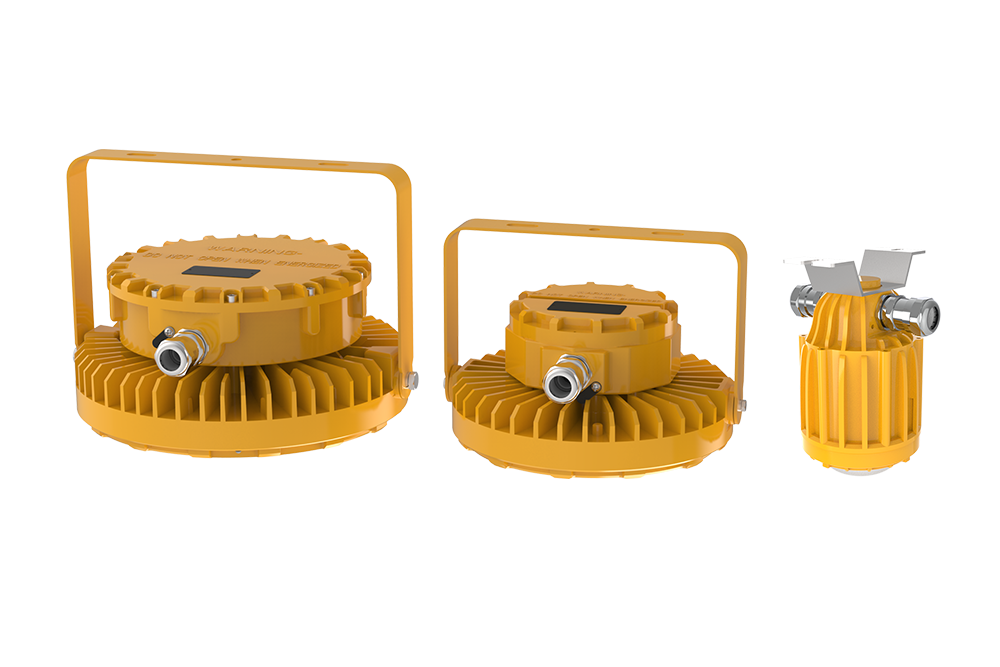
LED explosion proof high bay lights are designed for Zone 1, Zone 2, Zone 21 and Zone 22 hazardous areas. This page introduces the HB21 Series from SEEKING, including certifications, power options and real application considerations.
View details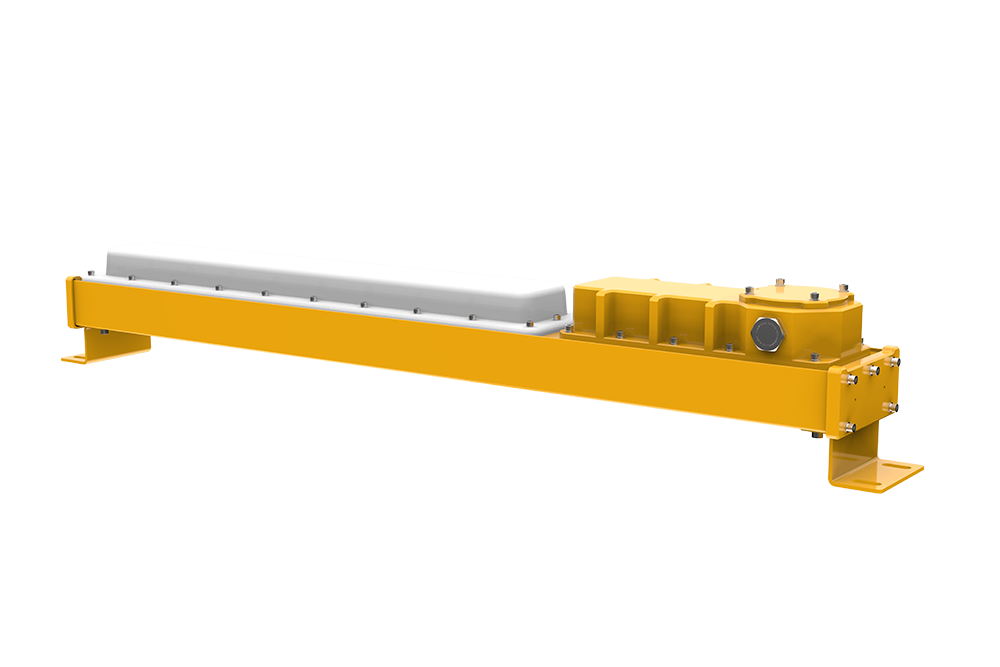
LED Linear Explosion Proof Lights from SEEKINGLED. LU Series Flame Proof lights ATEX-certified explosion proof LED linear lighting for Zone 2 gas and Zone 22 dust areas, IP69K, IK10, long lifetime and flexible power options.
View details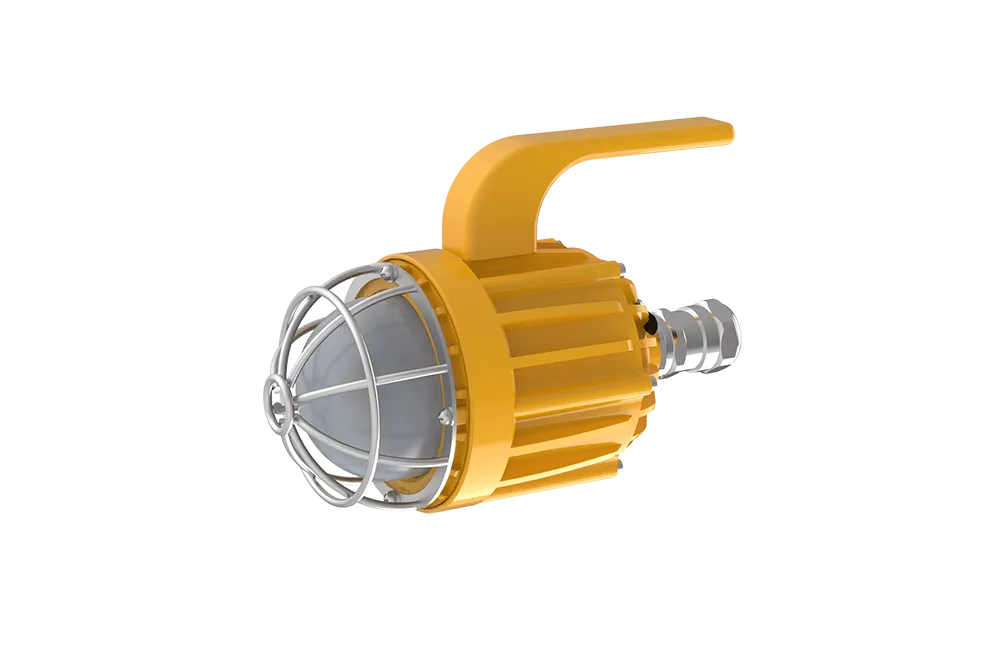
Certified explosion proof work lights for Zone 1 & 21 hazardous areas. Portable, ATEX & IECEx approved, built for oil, gas and chemical plants by SEEKINGLED.
View details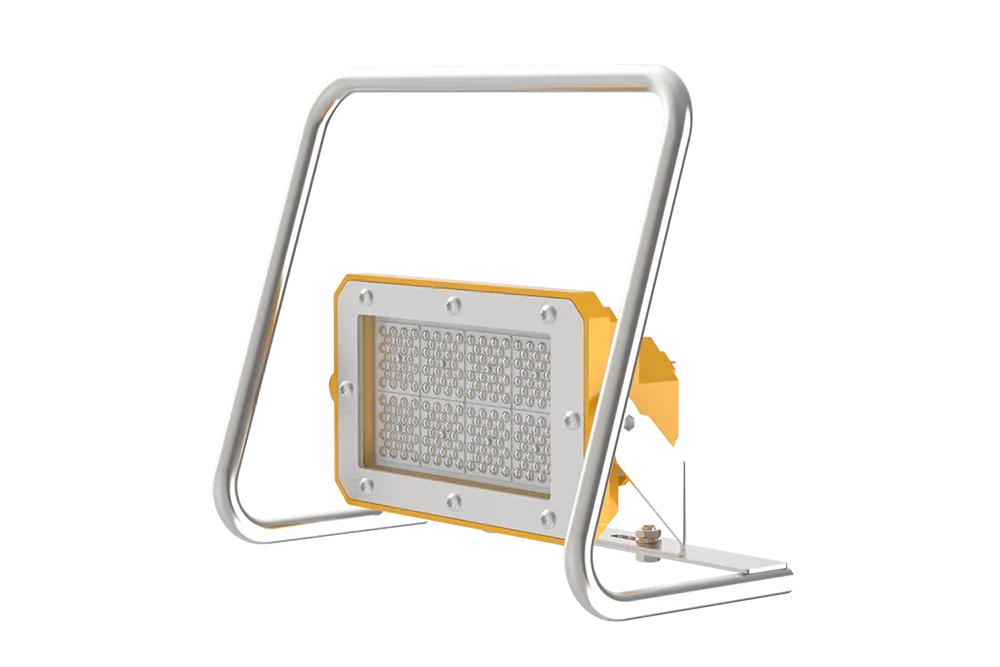
ATEX: II 3G Ex nR ⅡC T6 GcII 3D Ex tc ⅢC T80℃ Dc ATEX Certificate NO: TÜV CY 26 ATEX 0207611 X Feature: ● For Zone 2 and Zone 22● Accepts battery-powered supply● indestructible● Power:AC input:50W,75W,100WDC input:15W,25W,35W Application: Oil and gas, marine, Chemical, pharmaceutical, semiconductor,mining,military industry, paint booth,po…
View details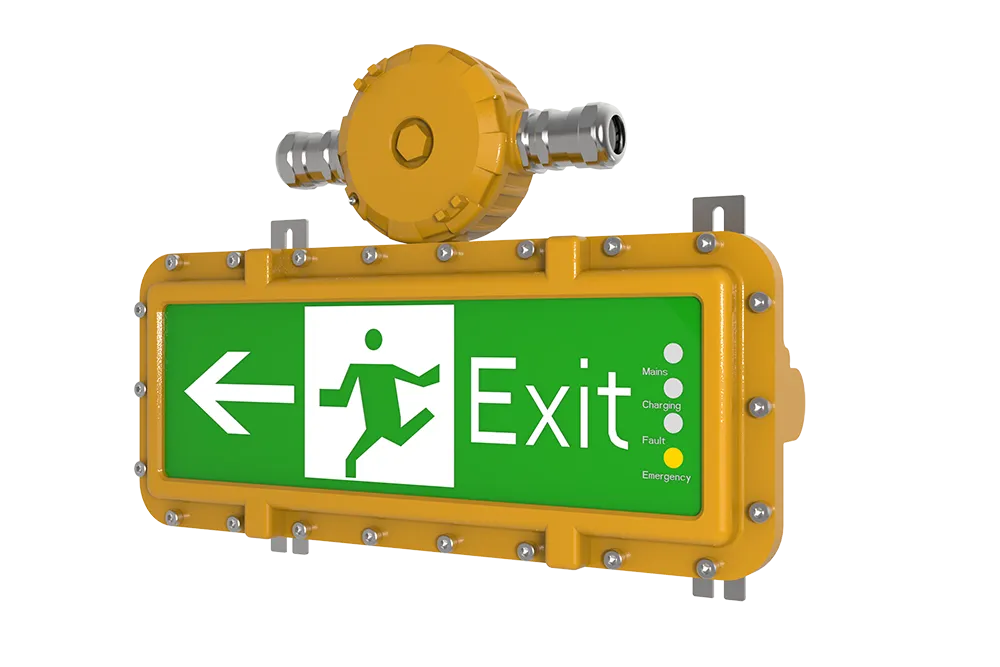
ATEX: Ex II 2G Ex db IIB T6 GbEx II 2D Ex tb IIIC T80°C Db IECEx Ex db IIB T6 Gb;Ex tb IIIC T80°C Db Feature: ● For Zone 1,2 and Zone 21,22● Flameproof type, the strongest Application: Oil and gas, marine, Chemical, pharmaceutical, semiconductor,mining,military industry, paint booth,power plant ETC hazardous area. Technical Specifications:…
View details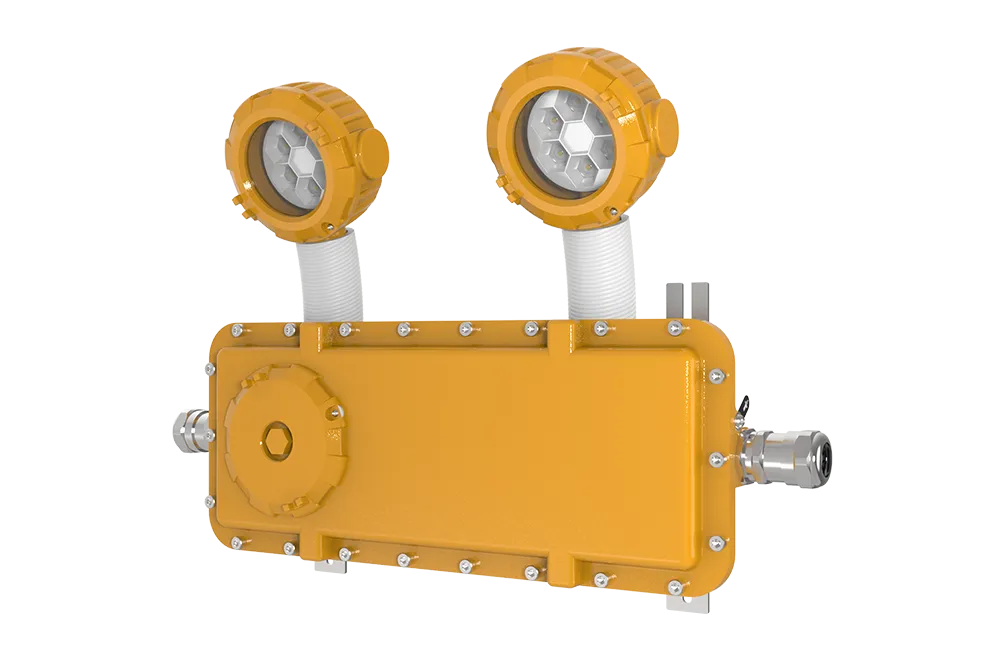
ATEX: Ex II 2G Ex db IIB T6 GbEx II 2D Ex tb IIIC T80°C Db IECEx Ex db IIB T6 Gb;Ex tb IIIC T80°C Db Feature: ● For Zone 1,2 and Zone 21,22● Flameproof type, the strongest Application: Oil and gas, marine, Chemical, pharmaceutical, semiconductor,mining,military industry, paint booth,power plant ETC hazardous area. Technical Specifications:…
View details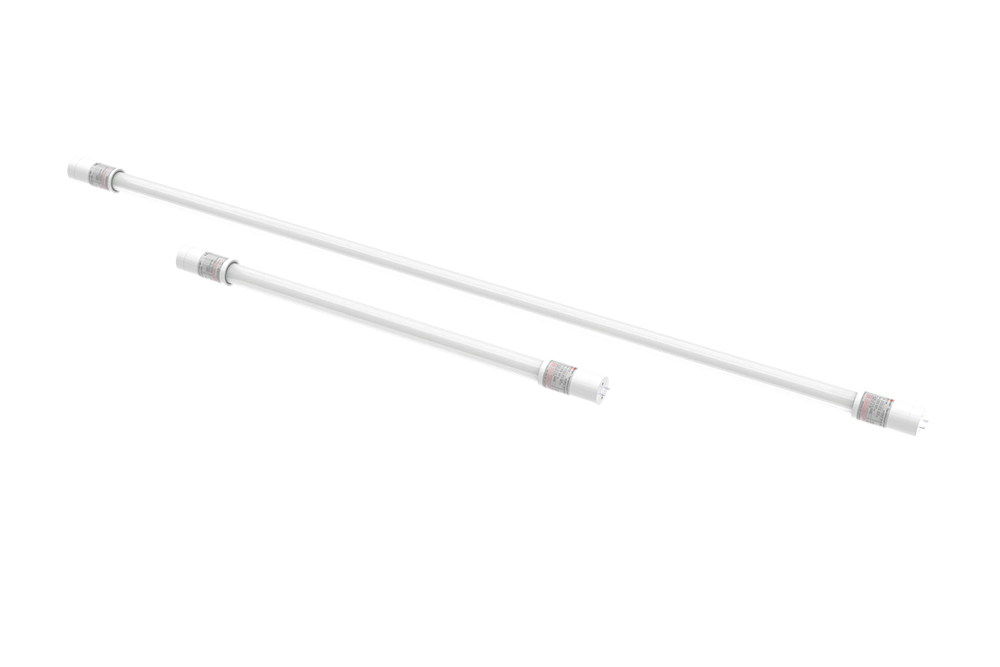
ATEX: Ex II 2G Ex d e IIB T6 Gb ATEX: Ex d e IIB T6 Gb; Feature: ● For Zone 1,2● 9W can replace 18W fluorescent lamps,50% Energy saving Application: Oil and gas, marine, Chemical, pharmaceutical, semiconductor,mining,military industry, paint booth,power plant ETC hazardous area. Technical Specifications: Standards:60079-0, 60079-1, 60079…
View details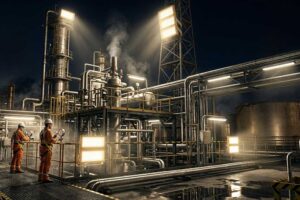
ATEX explosion proof lights engineered for Zone 1 and Zone 2 hazardous areas. Discover safer LED lighting with high efficiency and industrial durability.
View details
LED street light wholesale solutions for distributors and contractors, combining stable quality, bulk pricing, and long-term reliability by SEEKINGLED.
View details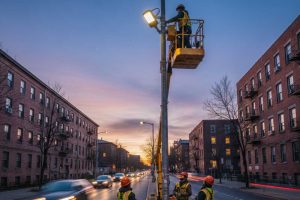
How to install LED street lights correctly on roads, parking lots, and public areas. This guide covers mounting, wiring, spacing, and common mistakes cities often overlook.
View details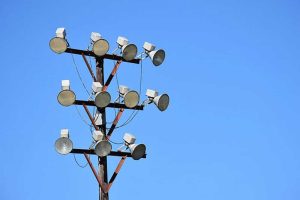
Sports stadium LED lighting upgrade for large venues improves efficiency, visibility, and maintenance control. SEEKINGLED shares engineering insight comparing LED and halogen systems.
View details