 Seeking LED
atex lighting solutions for Reliable Hazardous Area Illumination
0Explore atex lighting solutions for hazardous industries. Learn certification, applications, selection methods, and safety advantages from SEEKINGLED experts.
View detailsSearch the whole station
Hazardous LED lighting fixtures are engineered for locations where flammable gases, vapors, or combustible dust can create an explosion risk. Unlike ordinary industrial lighting, these fixtures are designed to prevent ignition sources while delivering dependable illumination in environments where reliability matters just as much as brightness.
Several years ago, I visited a petroleum storage terminal in western Canada during the middle of winter.
The temperature was well below freezing. The loading racks were quiet. Tanker trucks moved slowly through the facility. From a distance, it looked no different from any other industrial site.
Yet every lighting fixture mounted above the transfer area had gone through a strict hazardous-area review process.
The reason was simple.
Most hazardous locations look perfectly safe—until something goes wrong.
A vapor leak.
A faulty valve.
An unexpected release during loading.
The lighting system must remain safe during those moments.
That’s why hazardous LED lighting fixtures are treated as part of the facility’s safety infrastructure, not just another electrical product.
One of the most common misconceptions I encounter is that a heavy-duty industrial light can automatically be used in a hazardous location.
It can’t.
I’ve seen contractors make that assumption because a fixture looked rugged enough.
Thick housing.
High IP rating.
Solid mounting bracket.
Unfortunately, hazardous certification involves far more than durability.
The objective is different.
A standard industrial fixture is designed to survive the environment.
A hazardous LED lighting fixture is designed to survive the environment while ensuring it never becomes an ignition source.
That distinction affects:
A few years ago, during a retrofit project at a solvent blending facility, I inspected several failed fixtures installed by a contractor trying to reduce costs.
The LED chips still worked.
The housings did not.
Corrosion had developed around cable entries. Moisture had reached the driver compartment. Internal components showed signs of contamination.
The lights were still on.
Nobody trusted them.
That is often how industrial failures begin—not suddenly, but gradually.
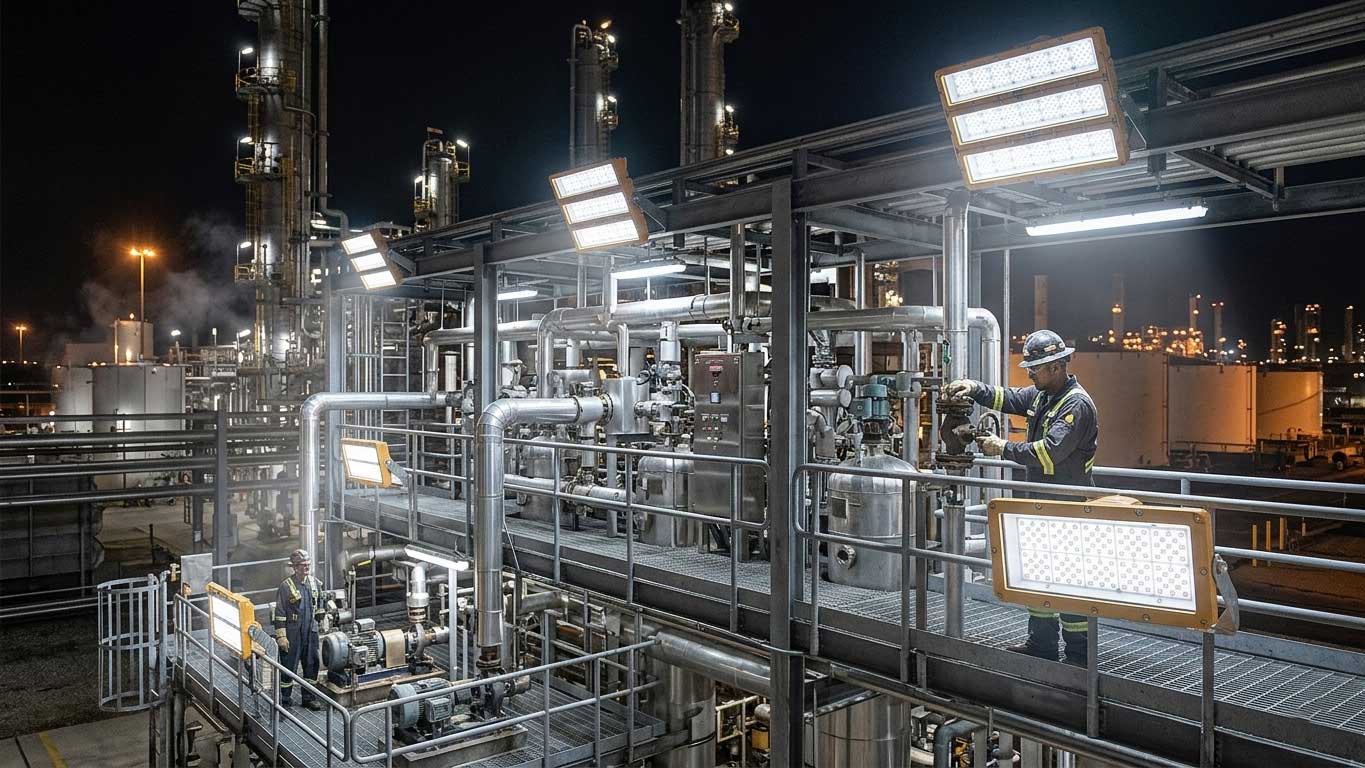
Almost every product brochure highlights lumen output.
Very few discuss maintenance access.
That surprises me.
Because maintenance access often determines the true cost of ownership.
At one refinery project, lighting fixtures were mounted approximately 14 meters above grade.
Replacing a single failed fixture required:
The fixture itself represented less than 10% of the total replacement cost.
The remaining cost came from labor, permits, and operational disruption.
That’s one reason LED technology transformed hazardous-area lighting.
Long service life changes the maintenance equation.
Not just the energy bill.
One purchasing manager once told me:
“We thought hazardous was hazardous.”
Unfortunately, classification systems are more complicated than that.
The National Fire Protection Association (NFPA) defines hazardous locations through NFPA 70, commonly known as the National Electrical Code.
Source: https://www.nfpa.org
The Occupational Safety and Health Administration (OSHA) also requires appropriate electrical equipment for hazardous environments.
Source: https://www.osha.gov
Typical classifications include:
| Classification | Hazard Type | Typical Environment |
|---|---|---|
| Class 1 | Flammable gases and vapors | Refineries, fuel terminals |
| Class 2 | Combustible dust | Grain facilities |
| Class 3 | Ignitable fibers | Textile operations |
Division ratings further define how frequently hazards may be present.
That is where many specification mistakes begin.
Not because the fixture is poor.
Because the environment was misunderstood.
Lighting buyers love discussing brightness.
Engineers tend to discuss heat.
There’s a reason.
Heat quietly shortens the life of almost every component inside a fixture.
Drivers.
Seals.
Protection circuits.
Electronic components.
Everything.
According to the U.S. Department of Energy, LED lighting systems provide significantly higher efficiency than traditional lighting technologies while generating less wasted heat.
Source: https://www.energy.gov
Lower operating temperatures help:
During an inspection at a chemical facility in Texas, I noticed several older HID fixtures with visible discoloration around high-temperature zones.
Nearby hazardous LED lighting fixtures showed no similar thermal damage.
Same operating environment.
Same work schedule.
Completely different thermal behavior.
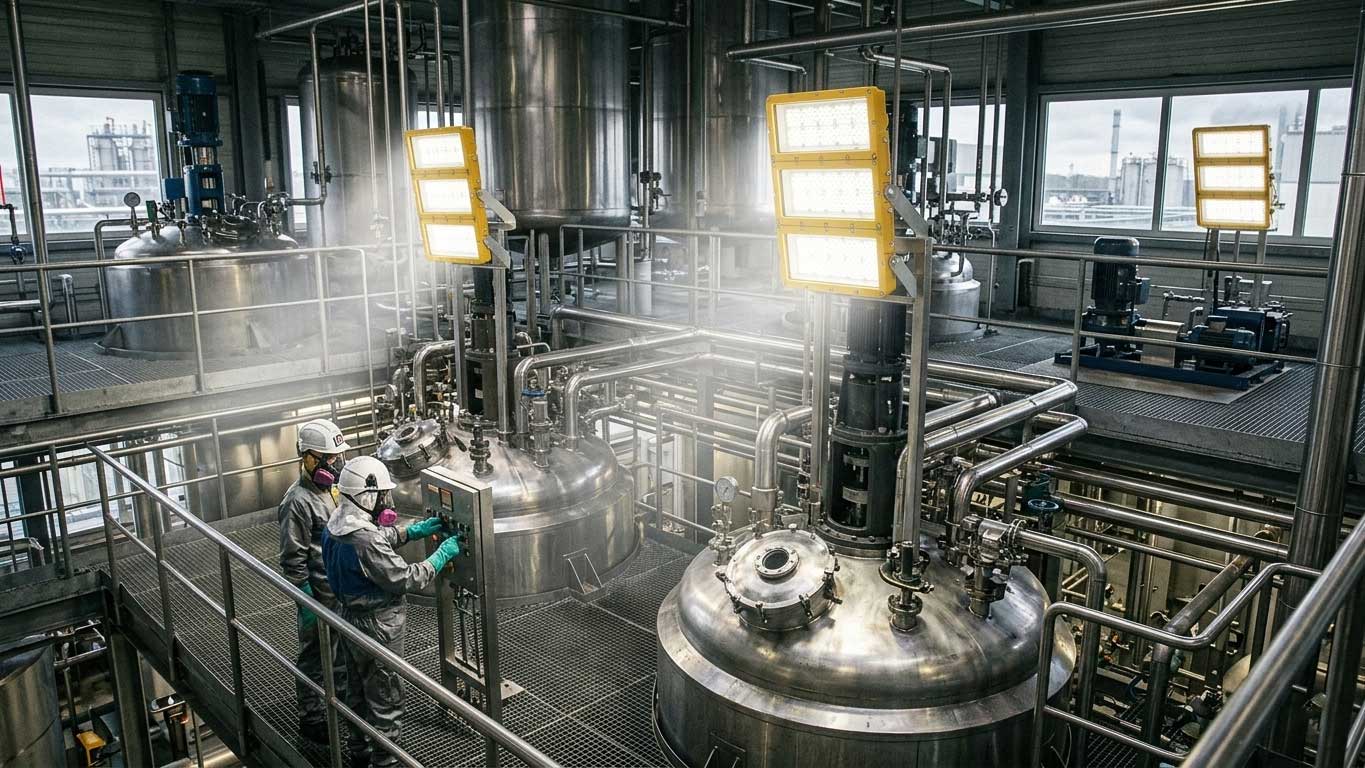
Few industries challenge lighting systems more aggressively than oil and gas operations.
Common environmental conditions include:
Hazardous LED lighting fixtures are commonly installed in:
One offshore engineer summarized it perfectly:
“The ocean is trying to destroy everything we install.”
Salt air eventually finds every weakness.
The question is how long the fixture resists it.
Chemical facilities create a different challenge.
Corrosion.
Not dramatic corrosion.
Slow corrosion.
The kind that begins around hardware and cable entries.
Then spreads.
Then becomes a maintenance issue years later.
The first signs are often subtle:
A damaged gasket.
A small discoloration.
A loose cable gland.
Industrial environments are remarkably good at exposing shortcuts.
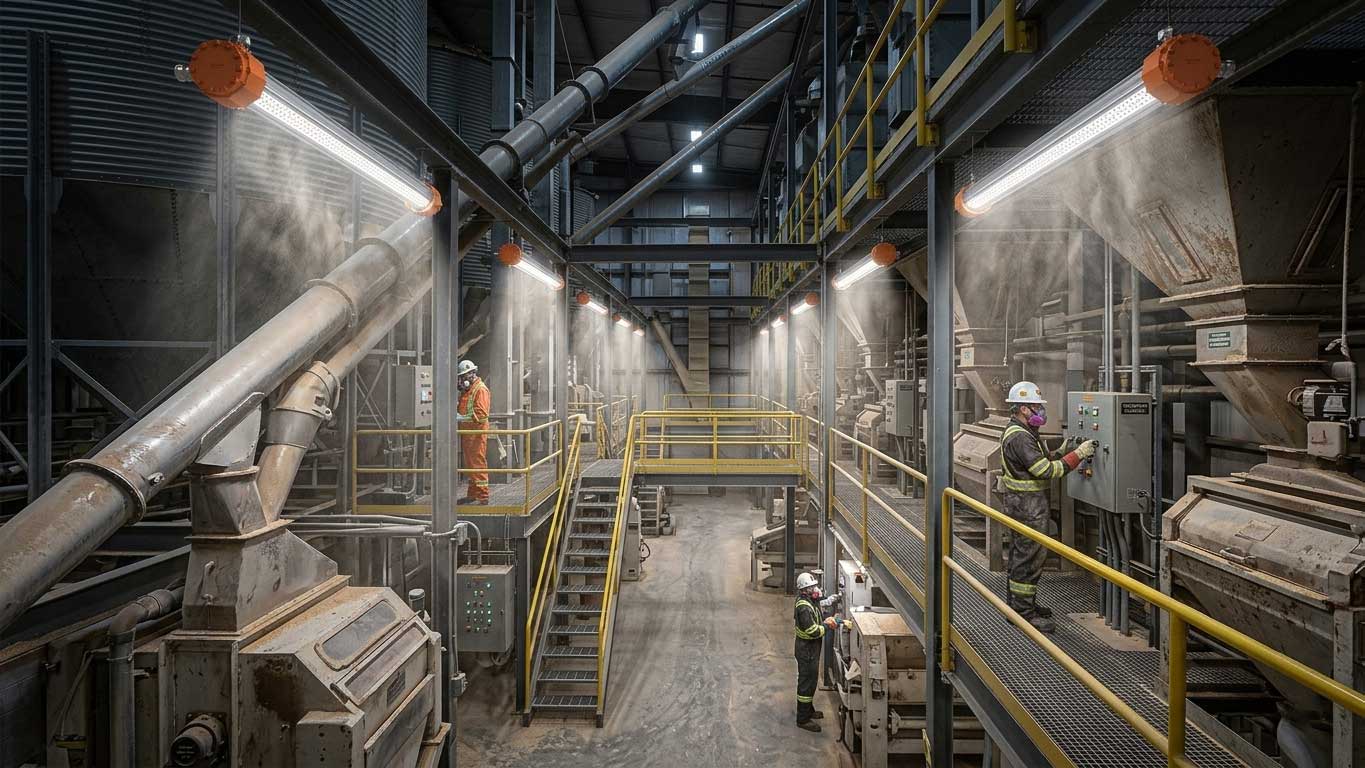
Combustible dust remains one of the most underestimated industrial hazards.
According to the U.S. Chemical Safety Board (CSB), combustible dust explosions continue to cause serious incidents across multiple industries.
Source: https://www.csb.gov
Facilities handling:
often require certified hazardous-area lighting systems.
Dust sitting on a floor looks harmless.
Suspended in air, it becomes something entirely different.
The transition from HID to LED happened quickly in hazardous industries.
Not because LEDs became fashionable.
Because they solved practical problems.
| Feature | Traditional HID Fixtures | Hazardous LED Lighting Fixtures |
|---|---|---|
| Heat Output | High | Lower |
| Startup Time | Slow | Instant |
| Energy Efficiency | Lower | Higher |
| Maintenance Frequency | Frequent | Reduced |
| Lamp Replacement | Regular | Minimal |
| Service Life | Shorter | Longer |
Most facility managers I meet are not excited about lighting technology.
They’re excited about fewer maintenance calls.
There’s a difference.
After years of visiting industrial sites, I’ve noticed a pattern.
Experienced engineers rarely start with lumens.
Instead they ask:
Those questions rarely appear on product brochures.
Yet they determine whether a fixture is still operating five years later.
Or sitting in a maintenance warehouse.
At SEEKINGLED, hazardous LED lighting fixtures are designed around actual industrial operating conditions.
Not ideal laboratory environments.
Real facilities.
The places where:
Because eventually every industrial environment exposes weaknesses.
Weak coatings.
Inferior seals.
Poor driver protection.
Low-grade hardware.
The question is not whether those weaknesses will appear.
The question is how long they remain hidden.
Hazardous LED lighting fixtures are certified luminaires designed for environments where flammable gases, vapors, or combustible dust may create an explosion risk.
They are widely used in oil and gas facilities, chemical plants, grain processing operations, offshore platforms, fuel terminals, and hazardous manufacturing environments.
Many hazardous LED lighting fixtures are available in explosion-proof configurations depending on the required classification and certification standard.
LED systems provide lower heat generation, longer service life, reduced maintenance requirements, and improved energy efficiency compared with traditional HID technologies.
High-quality industrial fixtures commonly achieve operating lifespans between 50,000 and 100,000 hours depending on operating conditions and environmental stress factors.
Hazardous LED lighting fixtures have become a critical part of modern industrial infrastructure.
Not because regulations demand them.
Because industrial operators eventually discover the real cost of unreliable lighting.
That cost rarely appears on the purchase order.
It appears later.
During maintenance shutdowns.
Emergency replacements.
Permit procedures.
Production delays.
The best hazardous LED lighting fixtures are not necessarily the brightest.
They’re the ones nobody has to think about for years.
And in industrial environments, that’s often the highest compliment a lighting system can receive.
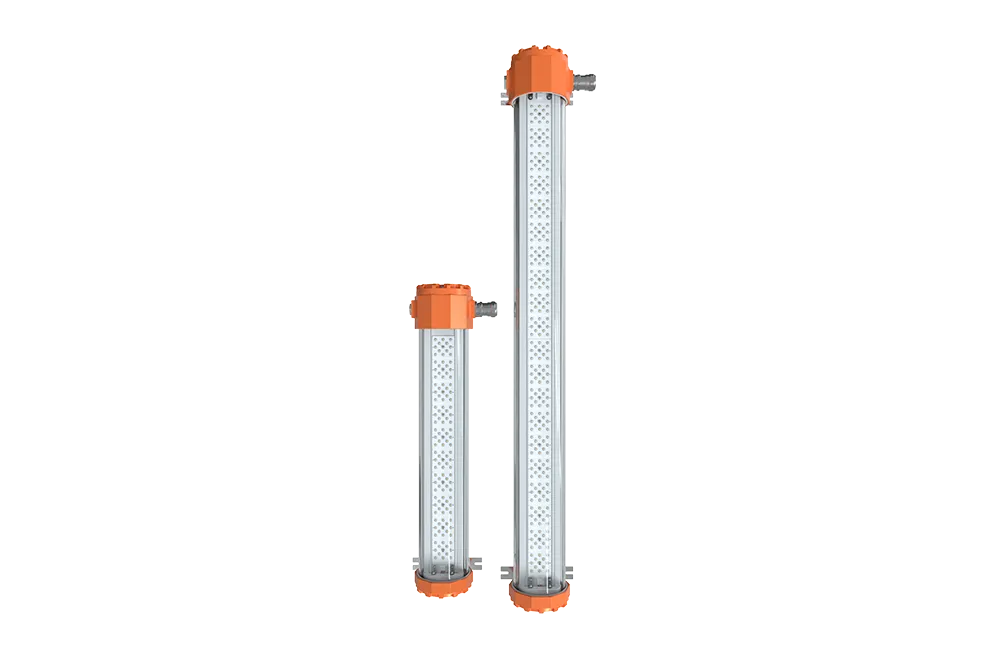
SEEKINGLED LED Linear Explosion Proof Light and Explosion Proof lighting is ATEX and IECEx certified for Zone 1, Zone 2, Zone 21 and Zone 22 hazardous locations, built for long-term industrial use.
View details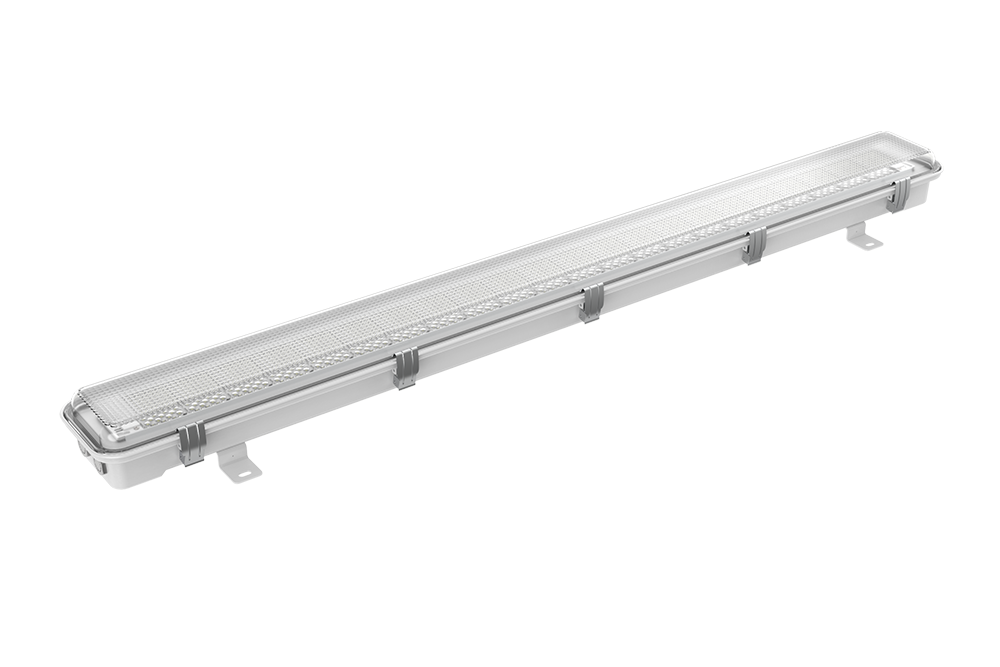
LED Linear Explosion Proof Lights and EX Proof lights for Zone 1, Zone 2, Zone 21 and Zone 22 hazardous areas. ATEX & IECEx certified explosion proof LED linear lighting with emergency function, adjustable power and IP67 protection by SEEKINGLED.
View details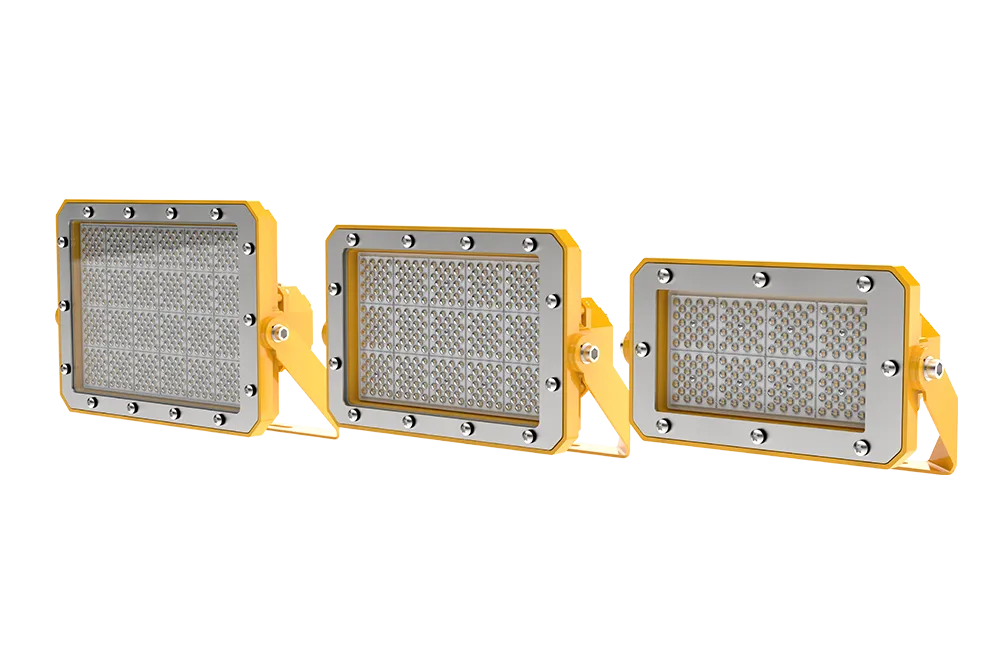
SEEKINGLED LED Explosion Proof Flood Lights are ATEX certified for Zone 2 and Zone 22 hazardous areas, offering high efficiency, adjustable power and integrated junction box.
View details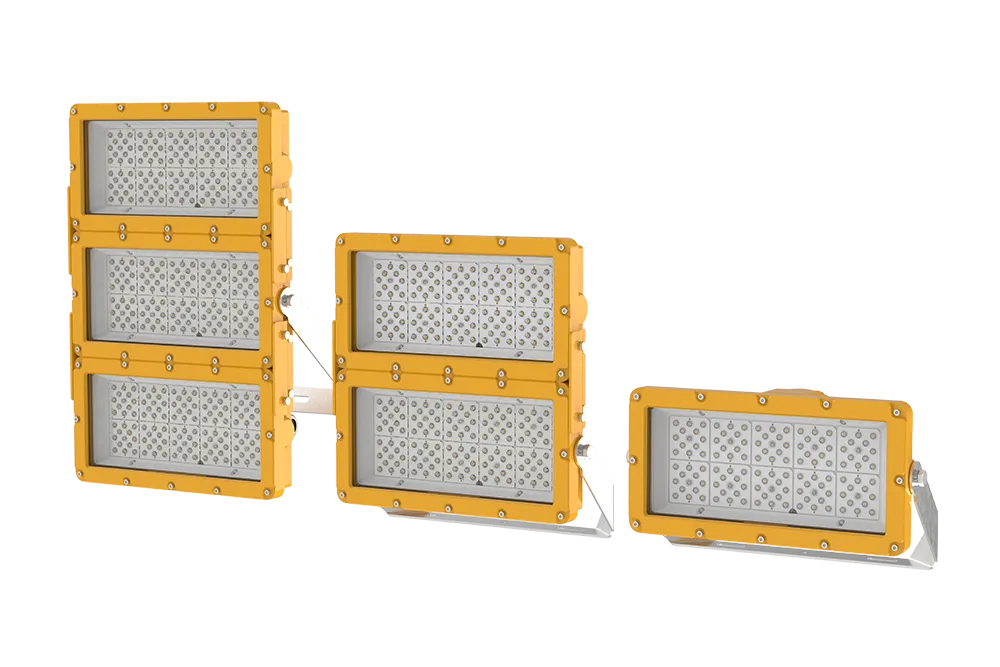
SEEKINGLED LED Explosion Proof Flood Lights are flameproof ATEX and IECEx certified for Zone 1 and Zone 2 hazardous areas, offering high power, adjustable output and long service life.
View details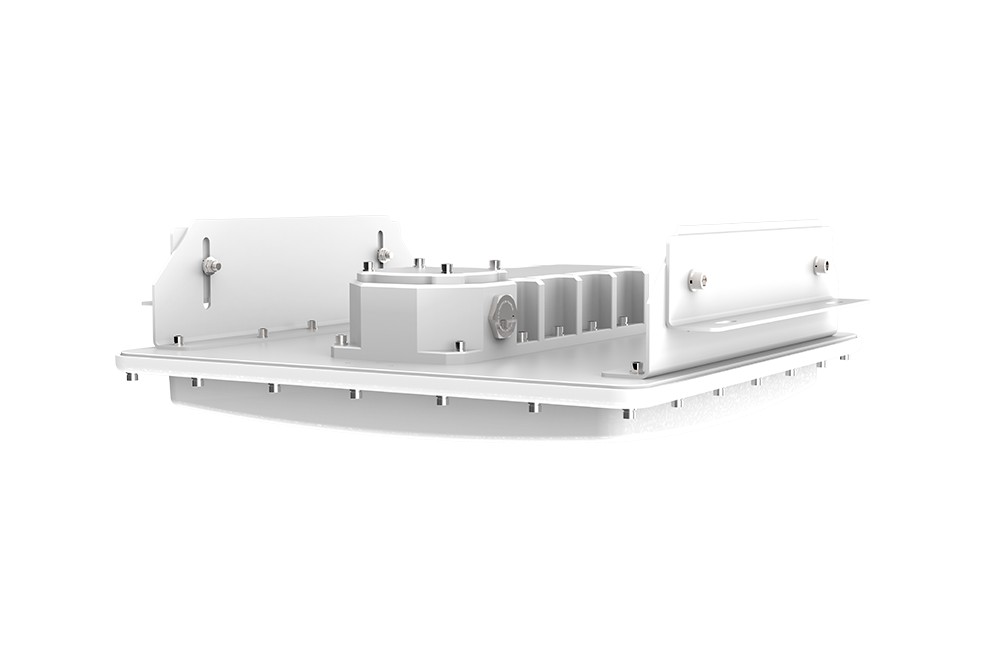
SEEKINGLED LED Gas Station Canopy Lights are ATEX certified for Zone 2 and Zone 22 hazardous areas, featuring adjustable power and built-in explosion-proof junction box.
View details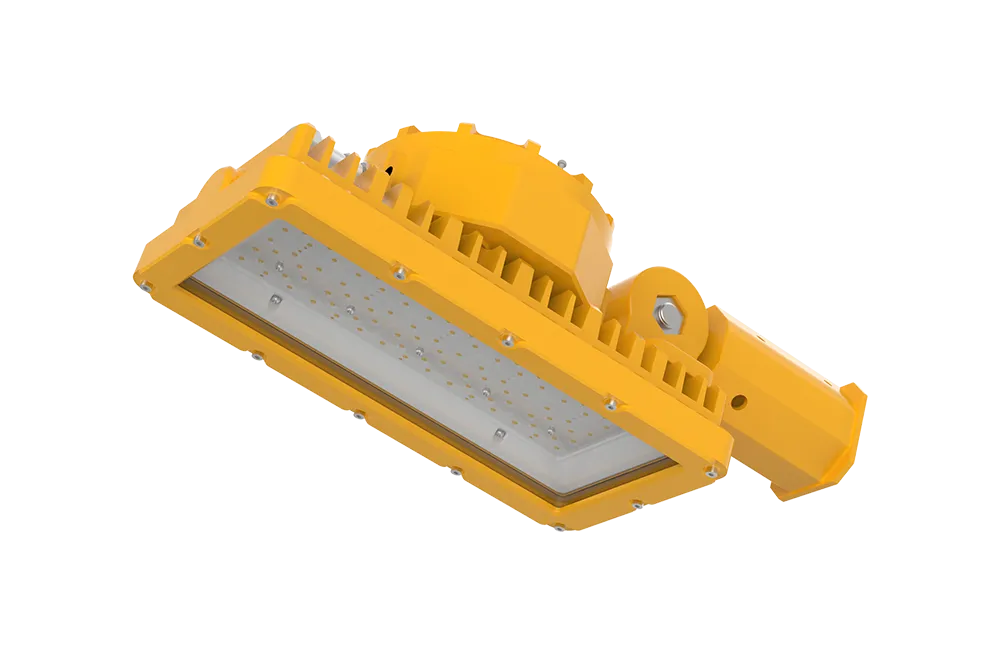
ATEX: Ex II 2G Ex db IIB T6/T5 GbEx II 2D Ex tb IIIC T80°C/ T95°C Db IECEx Ex db IIB T6 Gb;Ex tb IIIC T80°C Db Feature: ● For Zone 1,2 and Zone 21,22● Flameproof type, the strongest● 100W can replace 250W HID,energy saving● Power:60W,80W,100W Application: Oil and gas, marine, Chemical, pharmaceutical, semiconductor,mining,military industr…
View details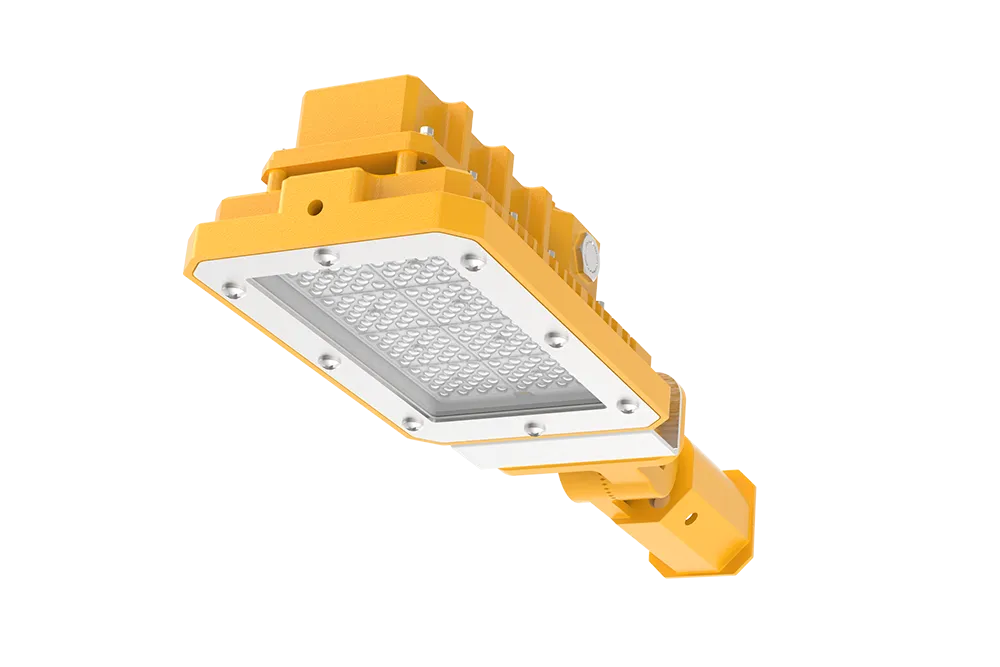
ATEX: II 3G Ex nR ⅡC T5/T6 GcII 3D Ex tc ⅢC T80℃/T95℃Dc ATEX Certificate NO: TÜV CY 26 ATEX 0207611 X Feature: ● For Zone 2 and Zone 22● 150W can replace 250W HID lamps,Energy saving● Power:50W,75W,100W,150W,200W Application: Oil and gas, marine, Chemical, pharmaceutical, semiconductor,mining,military industry, paint booth,power plant ETC…
View details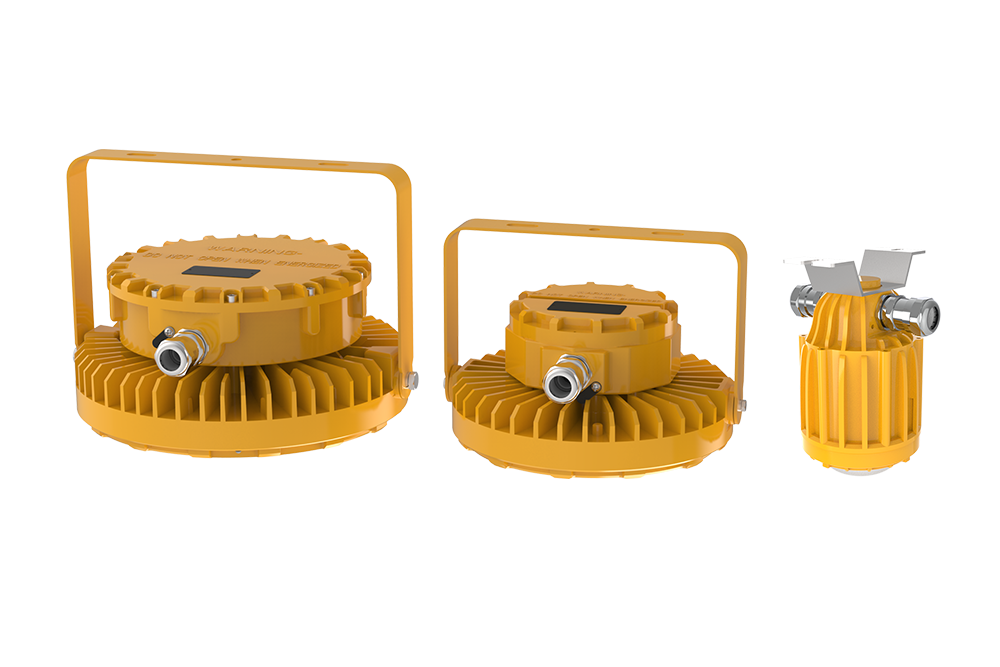
LED explosion proof high bay lights are designed for Zone 1, Zone 2, Zone 21 and Zone 22 hazardous areas. This page introduces the HB21 Series from SEEKING, including certifications, power options and real application considerations.
View details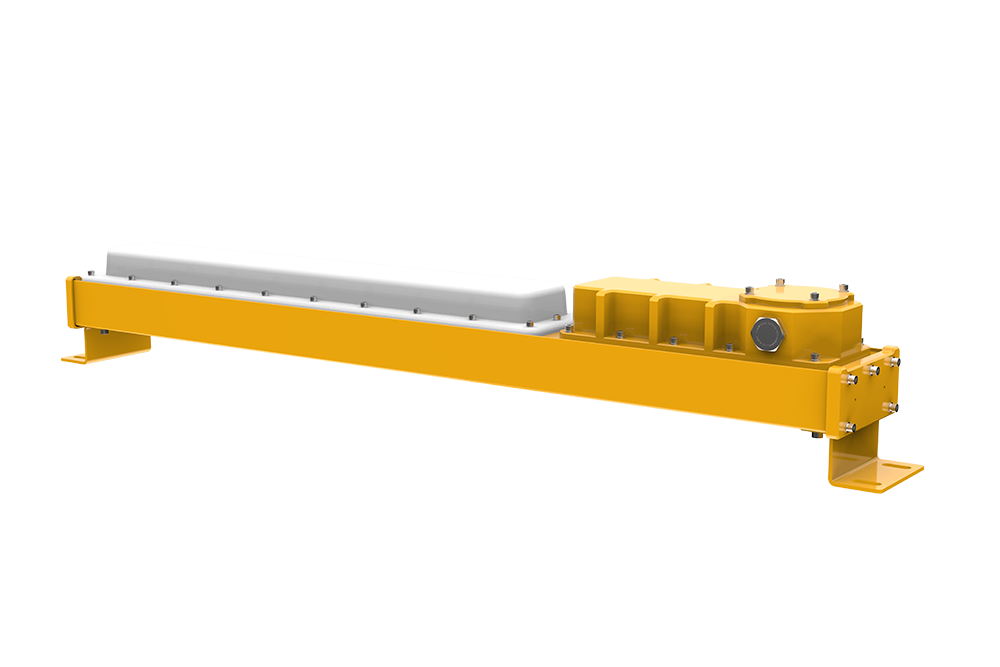
LED Linear Explosion Proof Lights from SEEKINGLED. LU Series Flame Proof lights ATEX-certified explosion proof LED linear lighting for Zone 2 gas and Zone 22 dust areas, IP69K, IK10, long lifetime and flexible power options.
View details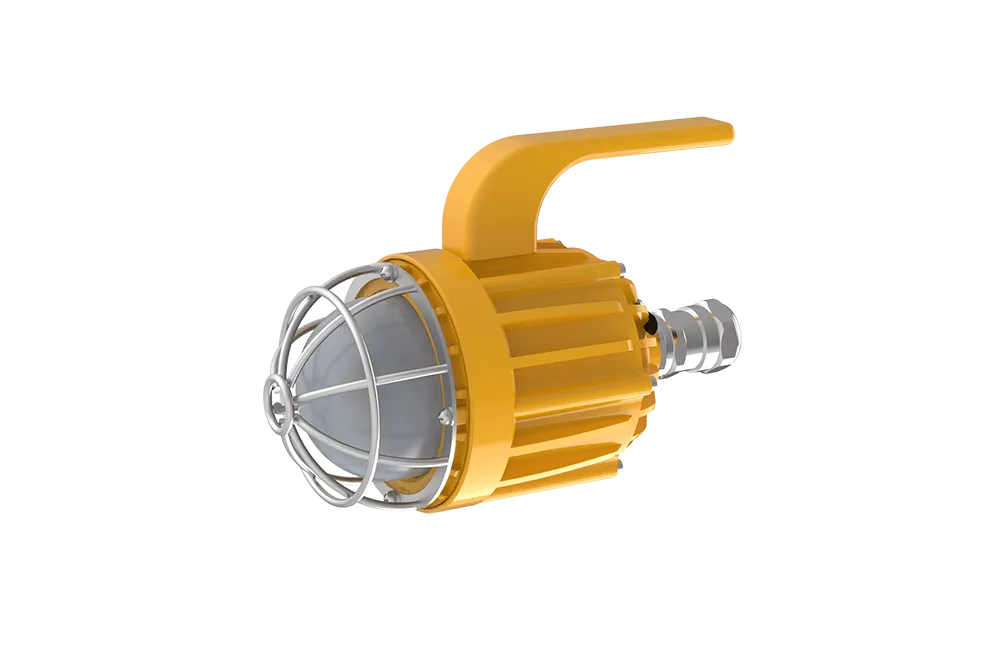
Certified explosion proof work lights for Zone 1 & 21 hazardous areas. Portable, ATEX & IECEx approved, built for oil, gas and chemical plants by SEEKINGLED.
View details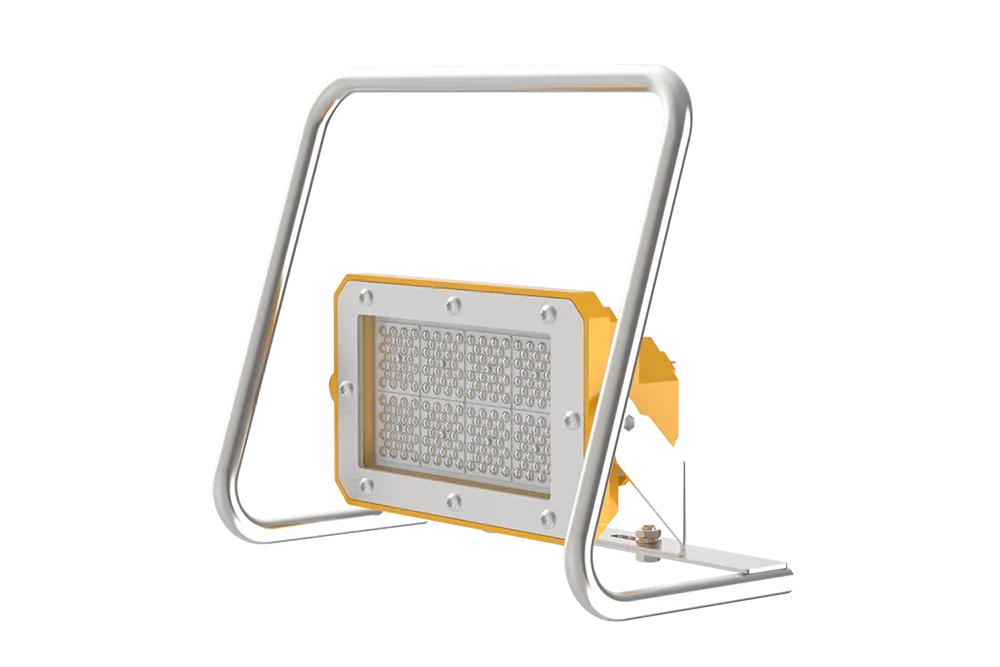
ATEX: II 3G Ex nR ⅡC T6 GcII 3D Ex tc ⅢC T80℃ Dc ATEX Certificate NO: TÜV CY 26 ATEX 0207611 X Feature: ● For Zone 2 and Zone 22● Accepts battery-powered supply● indestructible● Power:AC input:50W,75W,100WDC input:15W,25W,35W Application: Oil and gas, marine, Chemical, pharmaceutical, semiconductor,mining,military industry, paint booth,po…
View details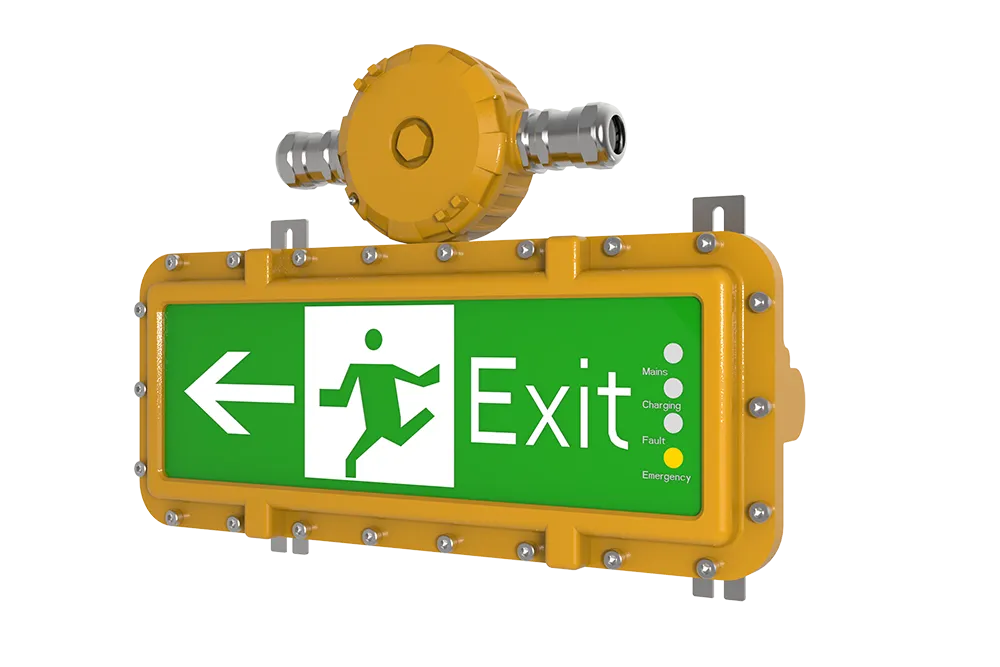
ATEX: Ex II 2G Ex db IIB T6 GbEx II 2D Ex tb IIIC T80°C Db IECEx Ex db IIB T6 Gb;Ex tb IIIC T80°C Db Feature: ● For Zone 1,2 and Zone 21,22● Flameproof type, the strongest Application: Oil and gas, marine, Chemical, pharmaceutical, semiconductor,mining,military industry, paint booth,power plant ETC hazardous area. Technical Specifications:…
View details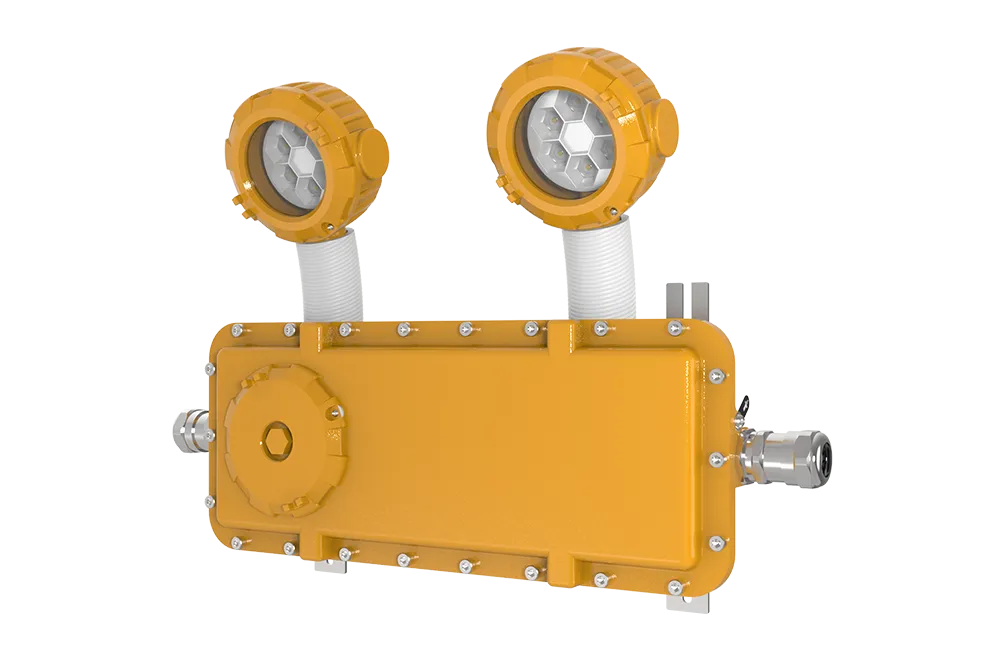
ATEX: Ex II 2G Ex db IIB T6 GbEx II 2D Ex tb IIIC T80°C Db IECEx Ex db IIB T6 Gb;Ex tb IIIC T80°C Db Feature: ● For Zone 1,2 and Zone 21,22● Flameproof type, the strongest Application: Oil and gas, marine, Chemical, pharmaceutical, semiconductor,mining,military industry, paint booth,power plant ETC hazardous area. Technical Specifications:…
View details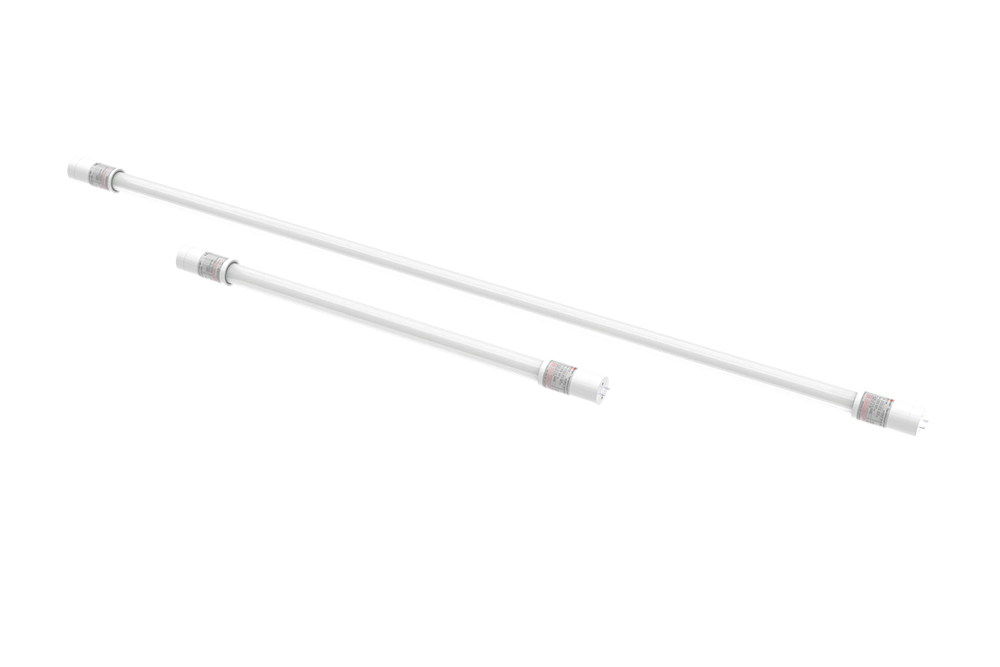
ATEX: Ex II 2G Ex d e IIB T6 Gb ATEX: Ex d e IIB T6 Gb; Feature: ● For Zone 1,2● 9W can replace 18W fluorescent lamps,50% Energy saving Application: Oil and gas, marine, Chemical, pharmaceutical, semiconductor,mining,military industry, paint booth,power plant ETC hazardous area. Technical Specifications: Standards:60079-0, 60079-1, 60079…
View details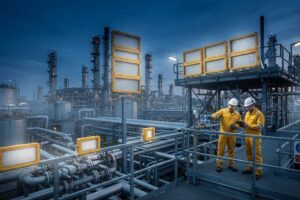
Explore atex lighting solutions for hazardous industries. Learn certification, applications, selection methods, and safety advantages from SEEKINGLED experts.
View details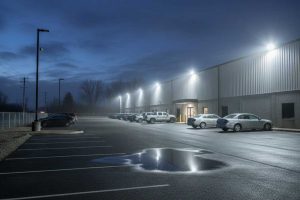
What Are the Best LED Flood Lights? Discover how to choose best commercial LED flood lights for outdoor use with stable performance, durability, and real-world reliability.
View details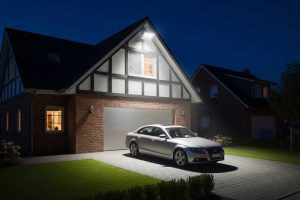
How bright is a 50 watt LED flood light outdoors? Discover lumen output, coverage range, and real lighting insights from SEEKINGLED experts.
View details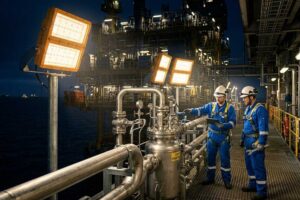
What Is a LED Flood Light Hazardous Area Fixture? Learn how certified hazardous area LED floodlights work, where they are used, and why ATEX and IECEx compliance matters. Expert insights from SEEKINGLED.
View details