 Seeking LED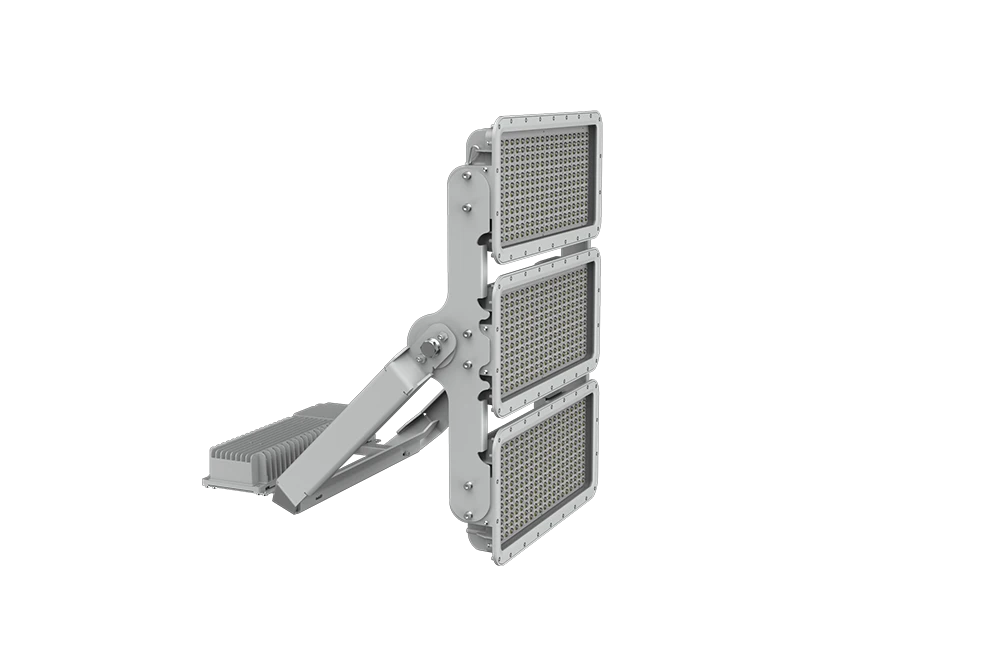
how to wire high bay led lights?
0Learn how to wire high bay led lights safely with professional steps, wiring methods, installation tips, and industrial LED lighting guidance.
View detailsSearch the whole station
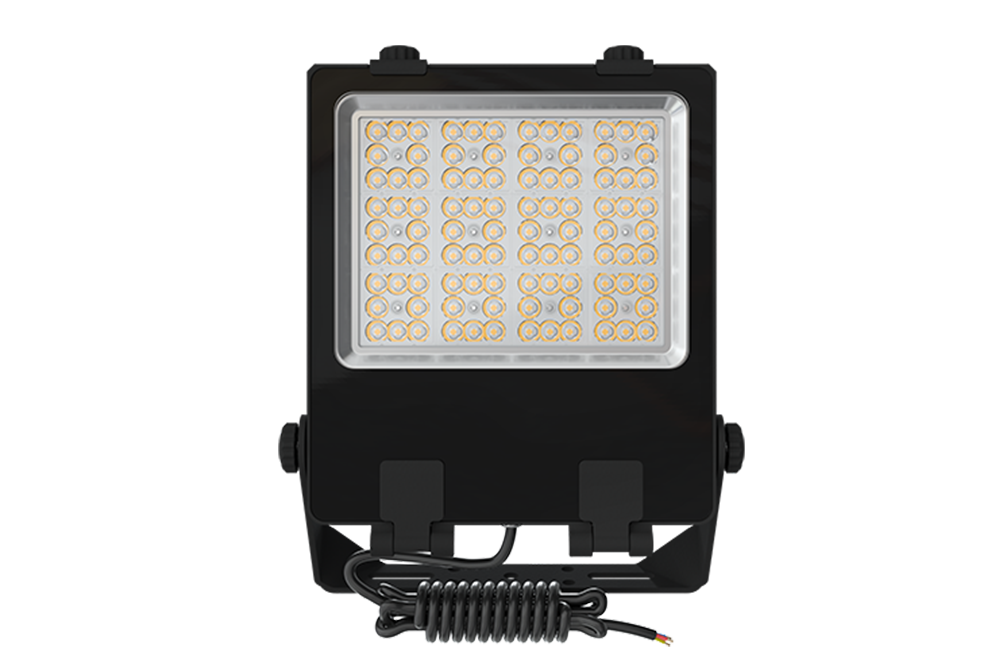
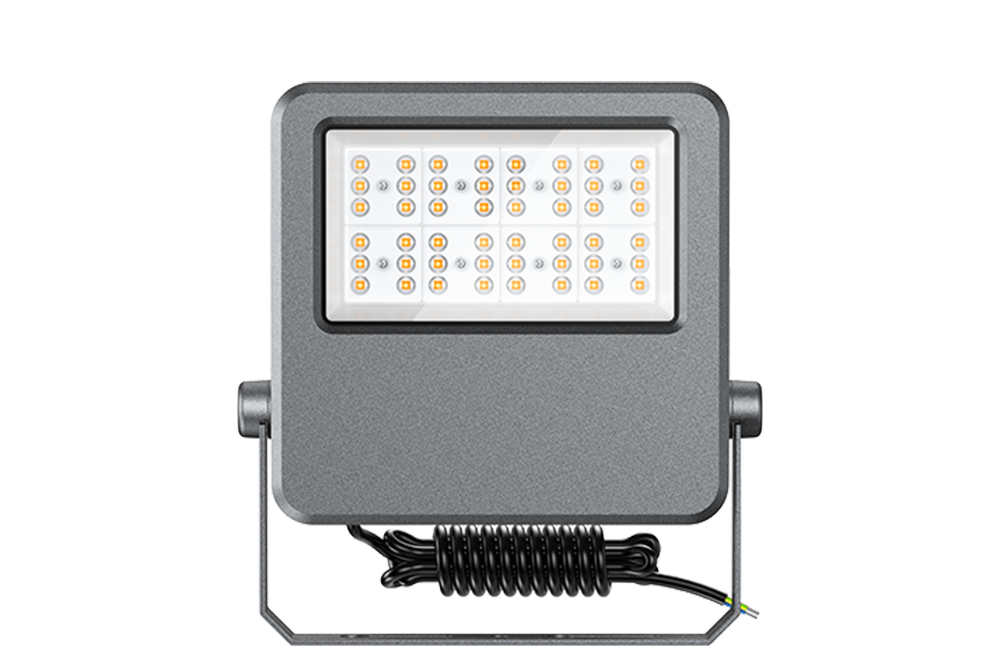
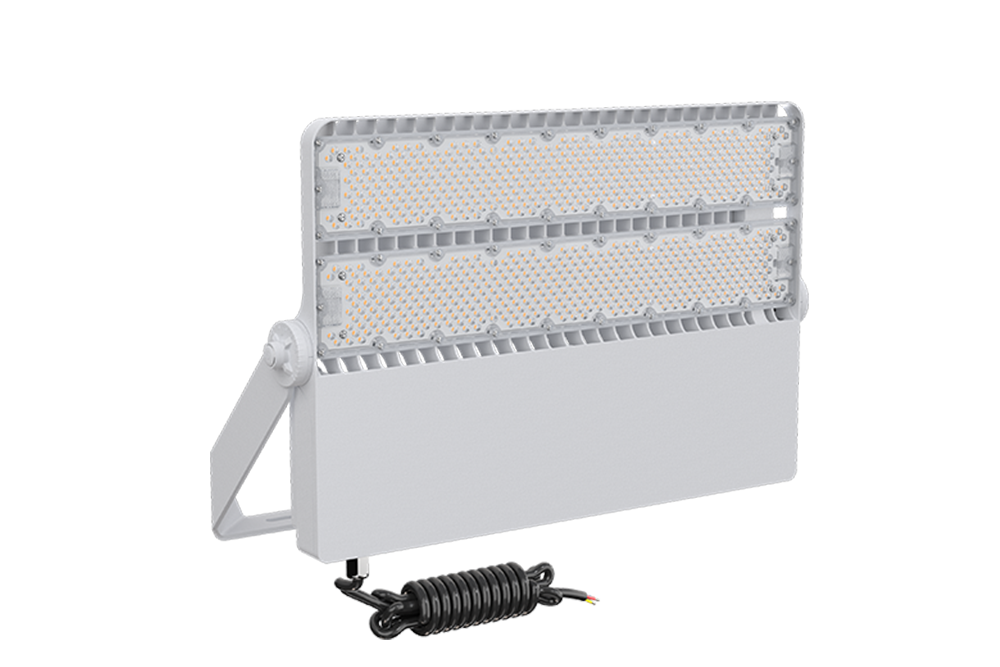
In recent years, LED flood lights have become a standard solution across outdoor, industrial, and large-area lighting projects. From an engineering perspective, the discussion usually starts with numbers—watts, lumens, CRI—but what matters most is how those figures behave once the lights are installed and running for years.
Two specifications are mentioned in almost every project meeting: lumen output and CRI. While both appear simple on paper, their real-world impact is often misunderstood.
Lumen measures how much visible light a fixture produces. For LED Flood Light applications, lumen output determines how much ground area can be covered and how high a pole or structure can be mounted.
In outdoor environments such as logistics yards, parking areas, or sports facilities, higher lumen output helps reduce fixture count. However, from experience, more lumens do not automatically mean better visibility. Poor optical control can waste light, causing glare or uneven distribution.
This is why lumen figures should always be evaluated together with beam angle and mounting height. The same principle applies across LED Street Light, Garden Lights LED, and Linear LED Light installations.
CRI, or Color Rendering Index, measures how accurately a light source shows colors compared to natural daylight. In many industrial projects, CRI was historically ignored as long as brightness targets were met.
That mindset has changed.
In Sports Stadium LED Lighting, for example, low CRI lighting flattens colors. Jerseys lose contrast, field markings blend into the surface, and camera footage looks dull. These issues often appear during testing rather than design, which makes corrections expensive.
In practical terms, CRI 80 has become a common requirement for outdoor flood lighting where visual clarity matters. SEEKINGLED adopts this level across many LED Flood Light and stadium-focused models to balance color accuracy with efficiency.
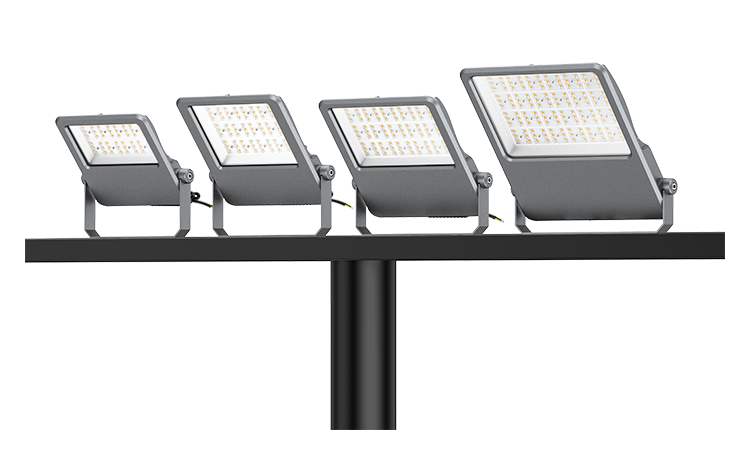
Many assume that improving CRI always reduces efficiency. In earlier LED generations, that was often true. Today, chip and phosphor technology allow high lumen and CRI LED flood lights to operate without major energy penalties.
From an engineering standpoint, efficiency is not just lm/W on a datasheet. It includes thermal management, driver stability, and optical durability. A light that loses output after two years is inefficient, regardless of its initial rating.
This thinking applies equally to LED High Bay Light, LED Tri-proof lamp, and Explosion proof light products used in demanding environments.
One aspect often overlooked is how flood lights behave under different ambient conditions. During daytime inspections, housing quality, glare shields, and beam control become obvious. At night, color consistency and shadow control matter more.
In SEEKINGLED field installations, flood lights with balanced lumen output and CRI show clearer edges, less harsh contrast, and better depth perception. These differences are subtle but noticeable over long operating hours.
As engineers, we rely more on field feedback than promotional claims. Flood lights used in ports, stadiums, and industrial zones are exposed to heat, vibration, and weather stress. Stable performance over time matters more than headline numbers.
For this reason, SEEKINGLED focuses on verified configurations across its product lines, from LED Flood Light to LED Street Light, ensuring that lumen output and CRI remain consistent throughout the product’s service life.
High lumen and CRI LED flood lights are not about chasing specifications. They are about delivering usable light, accurate color perception, and long-term reliability in real conditions.
When lumen output, CRI, beam control, and thermal design are properly balanced, LED flood lighting becomes an efficient tool rather than a visual problem to manage.
Learn how to wire high bay led lights safely with professional steps, wiring methods, installation tips, and industrial LED lighting guidance.
View details
Explosion-proof lights are essential for oil exploration, preventing sparks and ignition in Zone 0, 1, or 2 hazardous areas. SEEKINGLED FL7 Series ensures ATEX & IECEx compliance.
View details
Why Hazardous Area Lighting Fixtures Exist is a critical question in industrial safety. Learn how certified fixtures prevent ignition risks and protect hazardous workplaces.
View details
high bay explosion proof lighting engineered for Zone 1 & 2 hazardous areas. ATEX & IECEx certified, durable and energy-efficient solutions by SEEKINGLED.
View details