From an engineering standpoint, stadium lighting has never been just about brightness. Over the past decade, the focus has gradually shifted toward color accuracy, especially as LED systems replaced traditional metal halide and halogen solutions. One technical parameter has become increasingly important in real projects: CRI, or Color Rendering Index.
CRI measures how accurately a light source reveals colors compared to natural daylight. While this value often appears as a single number on datasheets, its impact inside a sports stadium is far more practical and visible than many expect.
Why CRI Became a Real Engineering Concern
In earlier stadium projects, lighting design mainly focused on lux levels and uniformity. As long as the field was bright enough, the job was considered complete. However, once high-definition broadcasting and slow-motion replay became standard, color distortion started to show up clearly on screens.
Low CRI lighting tends to flatten colors. Team jerseys lose contrast, grass tones appear grayish, and facial details become less defined. These issues are not theoretical; they show up during testing phases and are often raised by broadcasters rather than spectators.
This is where high CRI sports stadium LED lighting began to matter. In most modern stadium applications, CRI 80 is now considered a baseline, while premium venues push higher depending on broadcast requirements.
Observations from LED Stadium Projects
At SEEKINGLED, CRI discussions usually come up during late-stage project reviews rather than initial design. Once test lights are powered on, differences become obvious. Fields lit with higher CRI fixtures show clearer color separation, especially under fast movement and mixed camera angles.
This is particularly noticeable in large-area fixtures such as LED Flood Light and Sports Stadium LED Lighting, where a single luminaire influences wide visual zones. Even small CRI improvements can change how surfaces and players appear in both live viewing and recorded footage.
From an engineering perspective, CRI does not replace proper optical design or uniformity control, but it complements them. A well-balanced system combines beam control, glare management, and sufficient color rendering without pushing unnecessary power consumption.
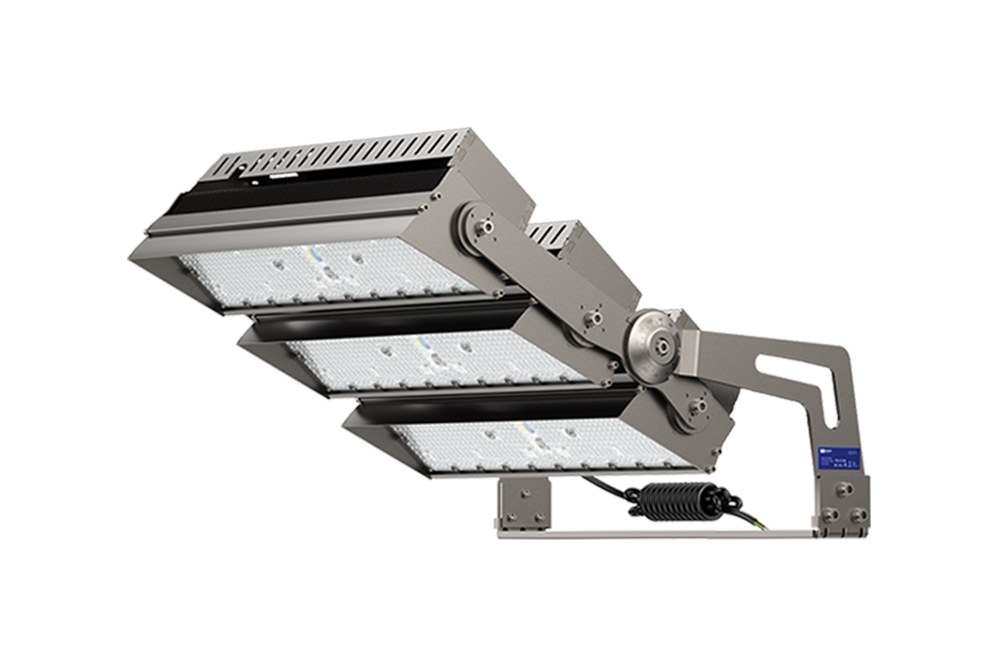
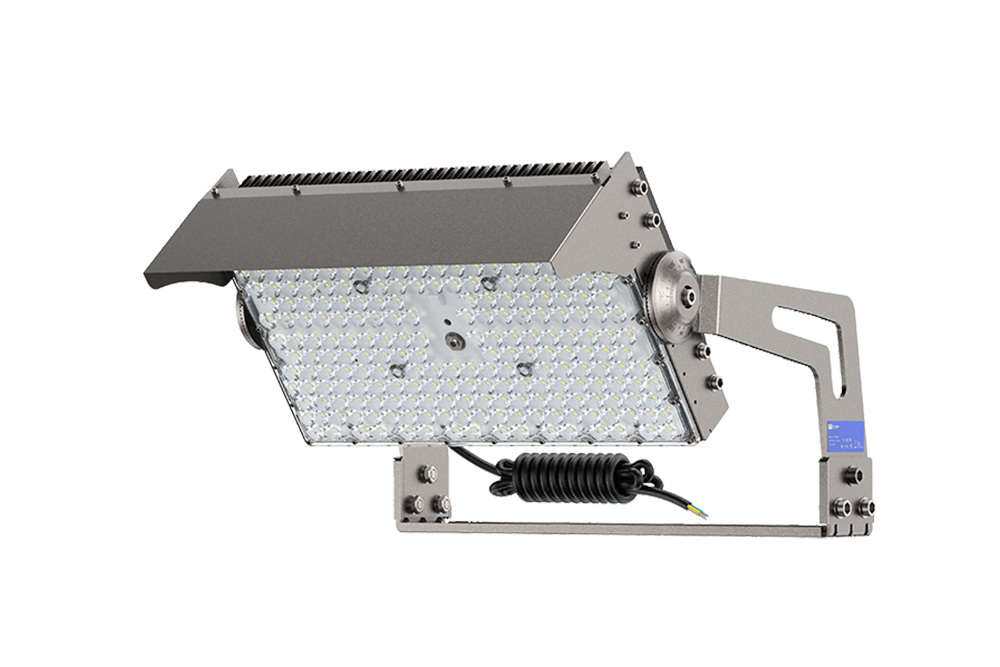
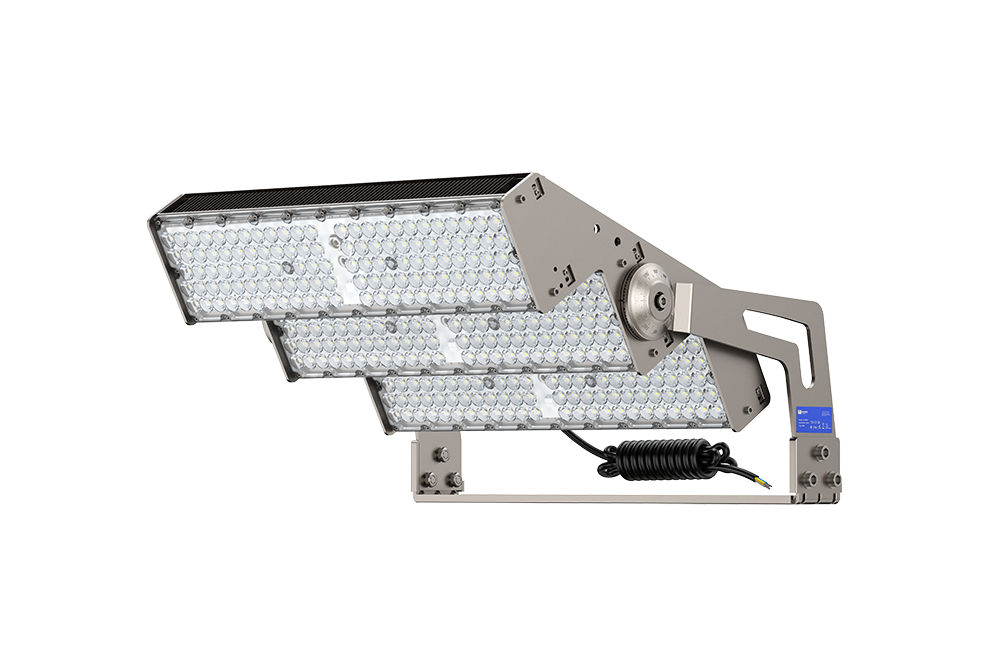
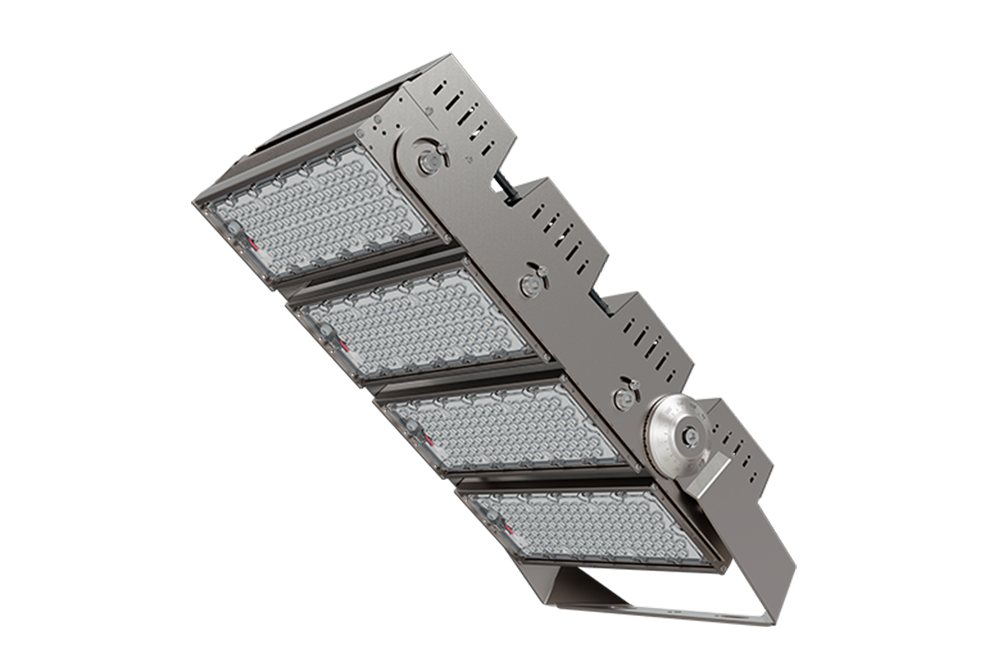
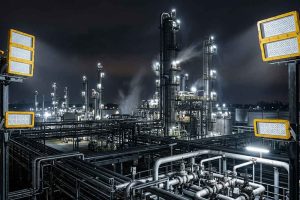
SEEKINGLED LED flood lights designed for stadium environments requiring stable brightness and accurate color rendering.
Where High CRI Matters Beyond Stadiums
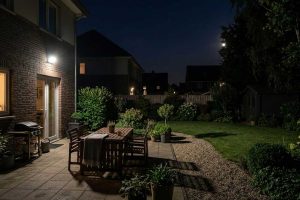
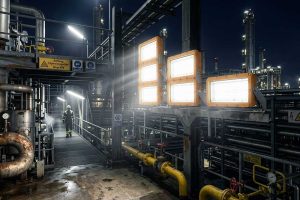
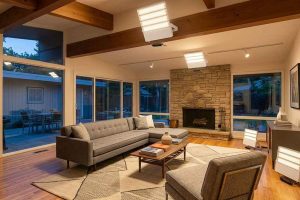
Although stadiums highlight the issue most clearly, CRI considerations also apply across SEEKINGLED’s product range. In Explosion proof light and LED Tri-proof lamp installations, accurate color perception supports safer maintenance and inspection work. In LED High Bay Light and Linear LED Light applications, CRI affects material identification in industrial environments. Even for LED Street Light and Garden Lights LED, natural color appearance improves visual comfort rather than pure brightness alone.
This is why CRI is not treated as a marketing number, but as part of practical lighting design.
Balancing Performance and Efficiency
A common misconception is that higher CRI always means lower efficiency. In real-world LED development, the balance is more nuanced. Advances in LED chip technology allow stable CRI 80 solutions without dramatic losses in lumen output.
For stadium projects, SEEKINGLED focuses on achieving stable, usable CRI performance, rather than chasing laboratory values that do not translate into long-term field reliability.
Engineering Reality Over Specification Sheets
From an engineer’s viewpoint, CRI should always be evaluated alongside actual test results, on-site trials, and camera feedback. Numbers alone do not tell the full story.
High CRI sports stadium LED lighting does not exist to impress datasheets. Its real value lies in how accurately it supports the game, the broadcast, and the audience experience—without drawing attention to the lighting itself.
Why is my LED flood light dim? Learn the real reasons like voltage issues, driver problems or aging LEDs, and how SEEKINGLED flood lights maintain stable brightness.
Discover trusted ATEX LED flood light brands for hazardous industries. Learn how certified explosion-proof lighting improves safety in oil, chemical, and marine projects.
Indoor LED floodlights deliver focused, energy-efficient lighting for homes and commercial spaces. Learn real-world usage, setup tips, and expert insights with SEEKINGLED.
 Seeking LED